Stasimuseum
Mielke’s floor, in English
Lichtenberg · Daily except Sunday, 3pm
The museum’s public tour in English at 3pm, Monday to Saturday, through the minister’s floor of Haus 1 and the exhibition. German tours at 1pm.
See the museum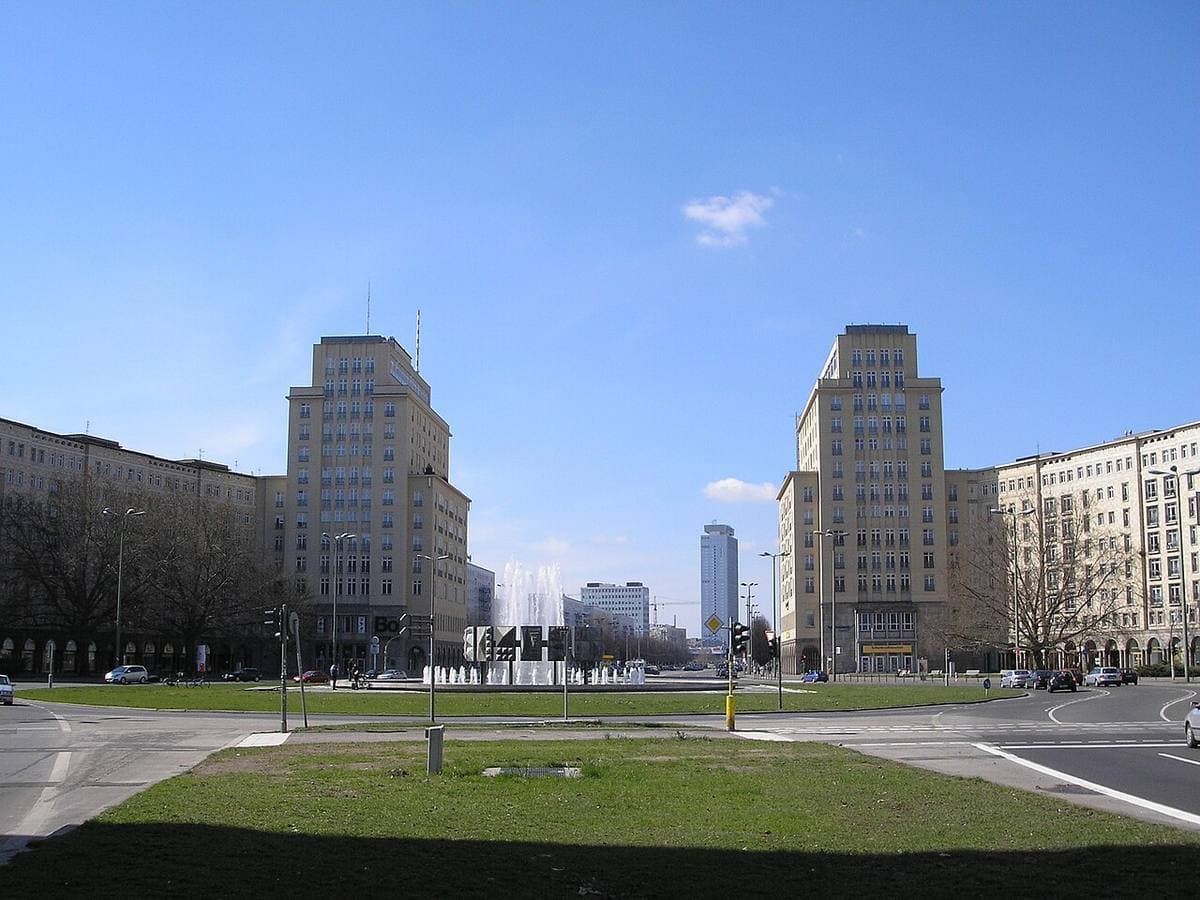
Bericht · Berlin, 1984 · HGW XX/7
Das Leben der Anderen · 2006
A captain listens to a writer through an attic floor and types up what he hears. The real files are still in Lichtenberg, and many were torn up by hand in 1989. This page was too.
Torn twice, into four. Strausberger Platz, April 2006, shows through.
Ruschestraße · the Stasi Records Archive
In 1989 and 1990 Stasi officers tore files by hand and stuffed them into sacks: about 16,000 of them, each holding 2,500 to 3,500 torn sheets. Pages torn once or twice can be put back together by hand, and people have been doing it since the 1990s. Here are four pages, each torn twice. Fit the scraps back and each page opens a real place.
Stasi officers tore files by hand in 1989 and 1990 and stuffed them into sacks: about 16,000 sacks, each holding 2,500 to 3,500 torn sheets. Pages torn once or twice can be put back together by hand. Since the 1990s about 1.7 million sheets from some 600 sacks have been reassembled and returned to the archive.
Sixteen scraps from four pages. Tap one to fit it back. 0 of 4 pages mended
01Normannenstraße
0 of 4 pieces. Still in the sack.
02Ruschestraße
0 of 4 pieces. Still in the sack.
03Genslerstraße
0 of 4 pieces. Still in the sack.
04Keibelstraße
0 of 4 pieces. Still in the sack.
January 1990
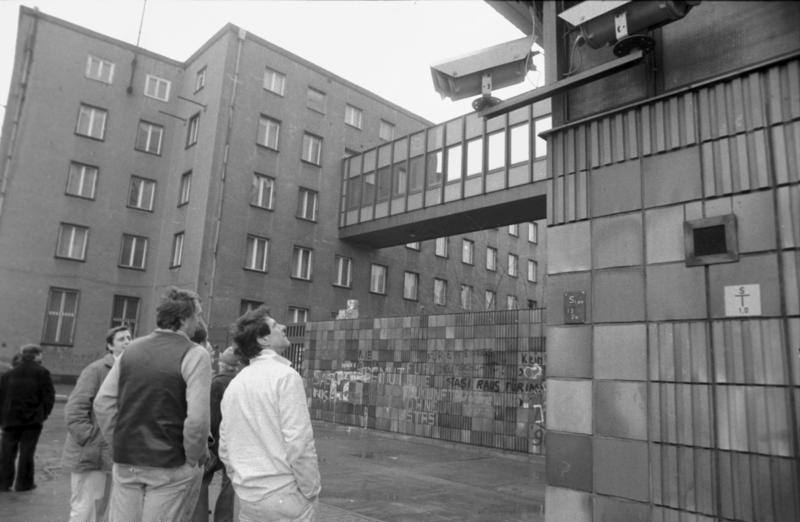
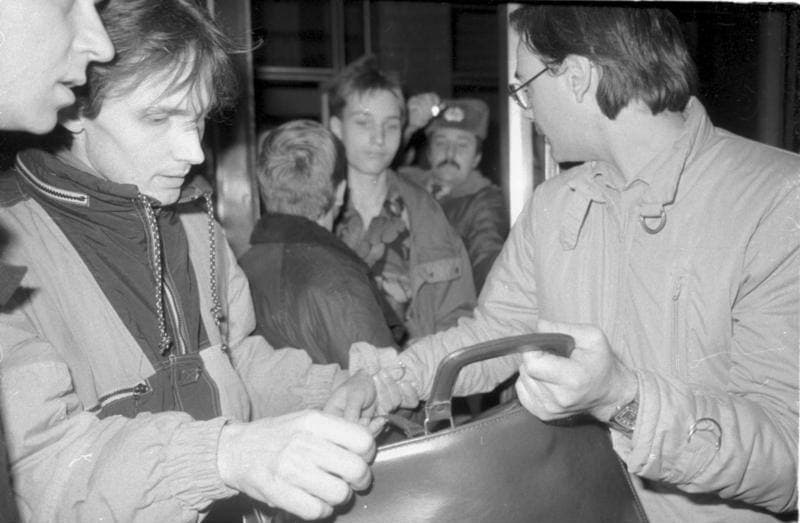
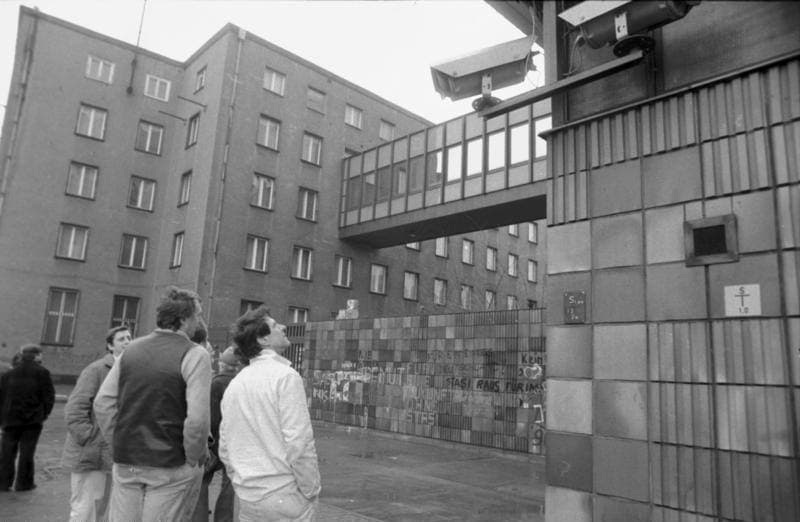
The headquarters had about 50 buildings and thousands of offices, where up to 7,000 full-time Stasi staff worked. In January 1990 citizens forced their way onto the sealed site and helped stop the destruction of the files.
The archive holds 111 kilometres of files, now kept by the Bundesarchiv.
4 November 1989
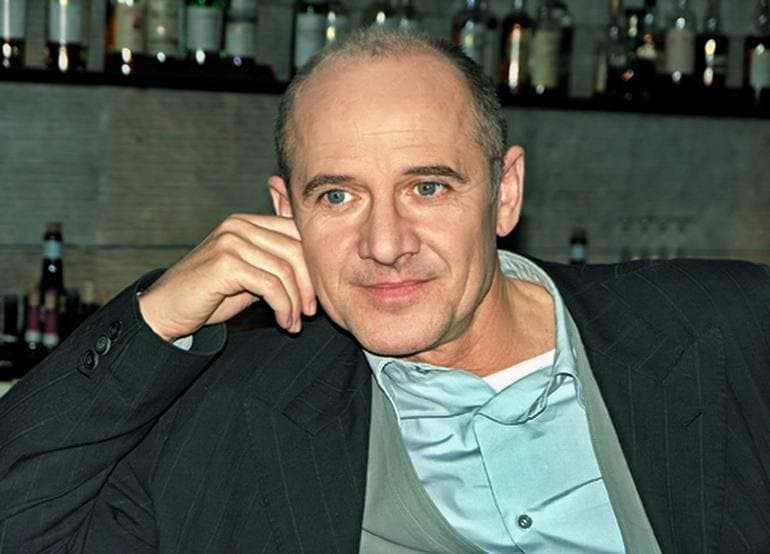
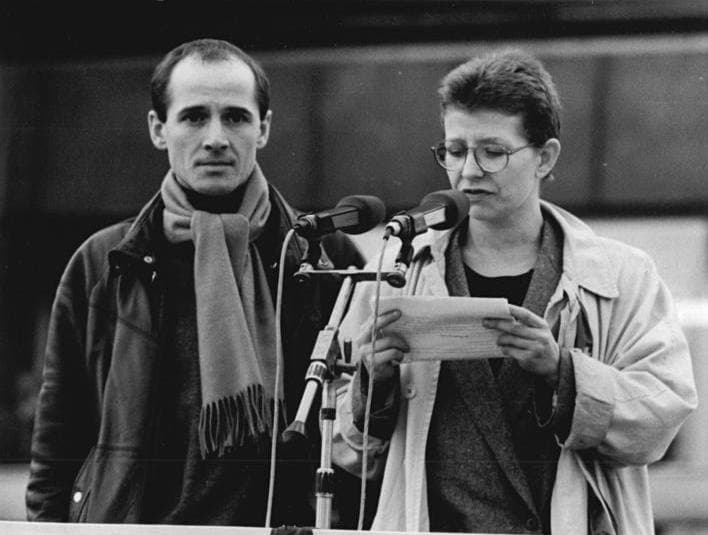
Five years after the film’s story begins, Ulrich Mühe spoke at the Alexanderplatz demonstration in front of half a million people. He told them the party’s hold on power was illegitimate. Days later the Wall fell.
He had joined the Deutsches Theater in East Berlin in 1983 at Heiner Müller’s invitation, and played Hamlet there. He once said the theatre was the one place in the GDR where people were not lied to.
Mühe spoke at the Alexanderplatz demonstration on 4 November 1989 before half a million people, declaring the party’s hold on power illegitimate, shortly before the Wall fell. He joined the Deutsches Theater in 1983 at Heiner Müller’s invitation and played Hamlet; he said the theatre was the only place in the GDR where people were not lied to.
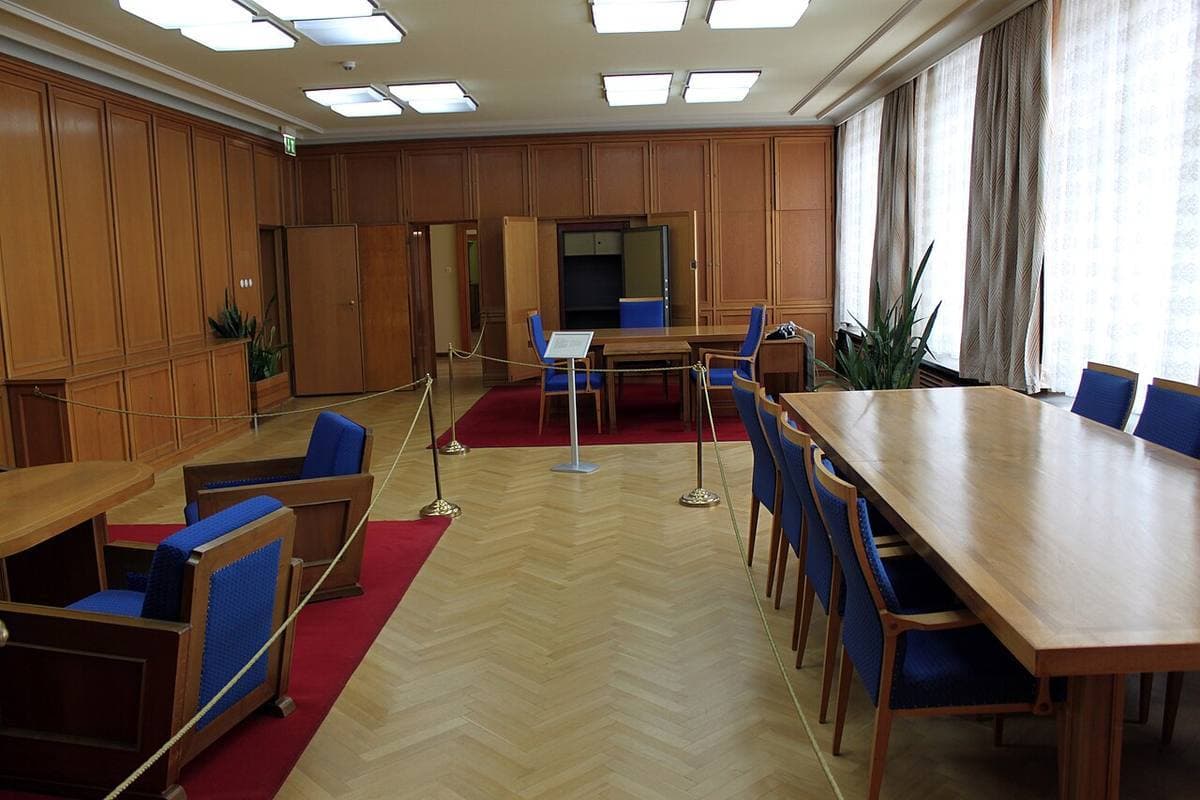
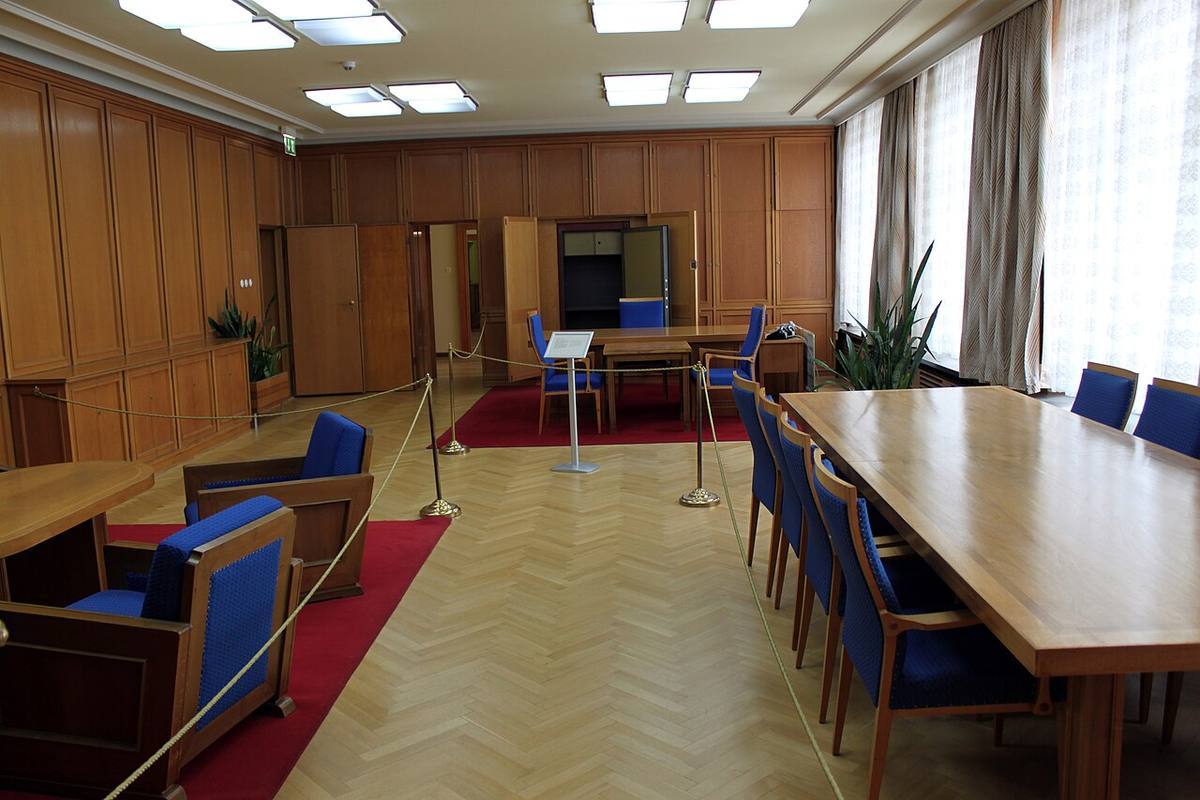
Haus 1 was built in 1960–61 as the seat of Erich Mielke, Minister for State Security from 1957 to 1989. His office rooms are kept in their original state.
Lichtenberg · Daily except Sunday, 3pm
The museum’s public tour in English at 3pm, Monday to Saturday, through the minister’s floor of Haus 1 and the exhibition. German tours at 1pm.
See the museumPrenzlauer Berg · Friedrichshain · Neu-Hohenschönhausen
Dreyman hides a typewriter under a floorboard in his flat. Under this one are the three streets where the two men’s homes were filmed. They are private homes, so they are named by the street only and kept off the map.
Dreyman hides the typewriter under a floorboard.
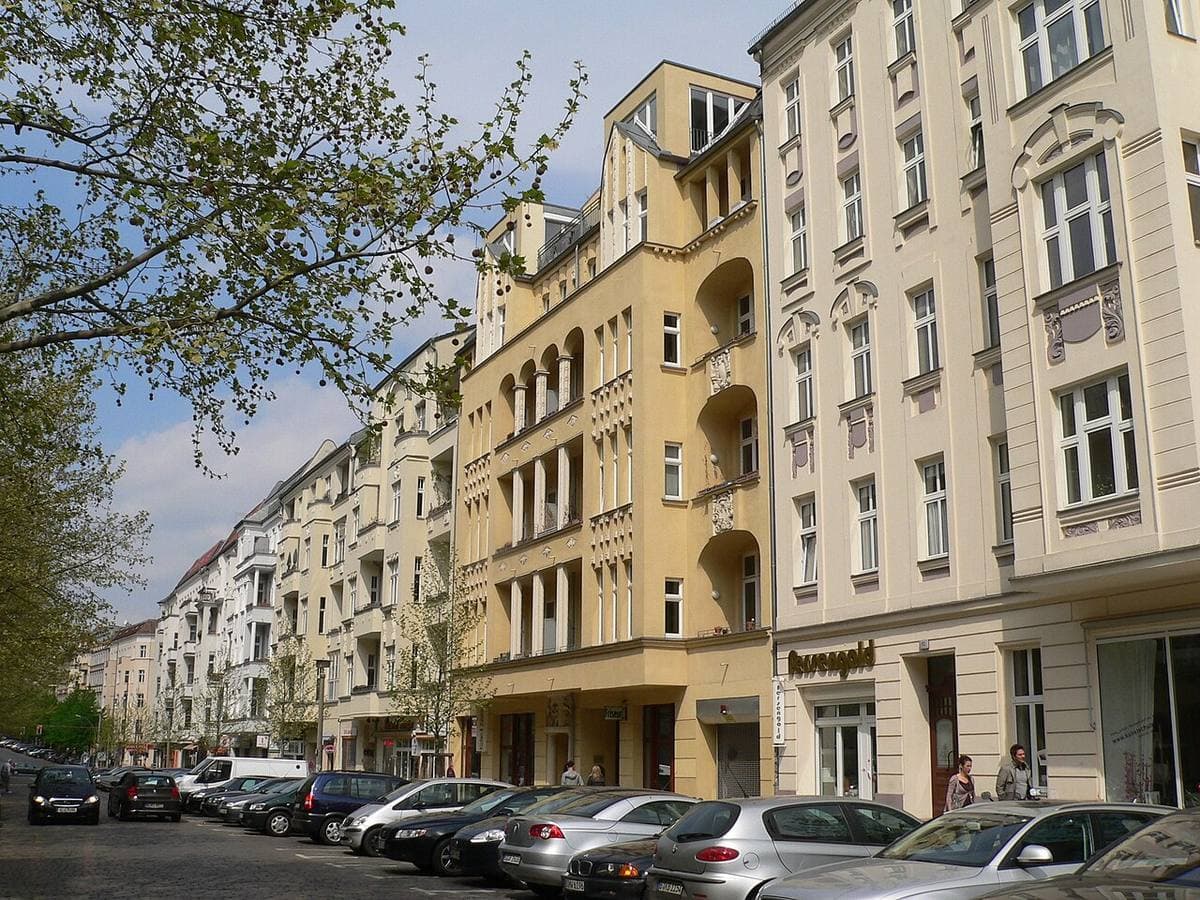
The flat and the attic · Hufelandstraße, Prenzlauer Berg
The inside of Dreyman’s flat, the attic where Wiesler listens and the stairwell were filmed in an empty flat in a house on Hufelandstraße.
A residential street of private homes. Named here, kept off the map.
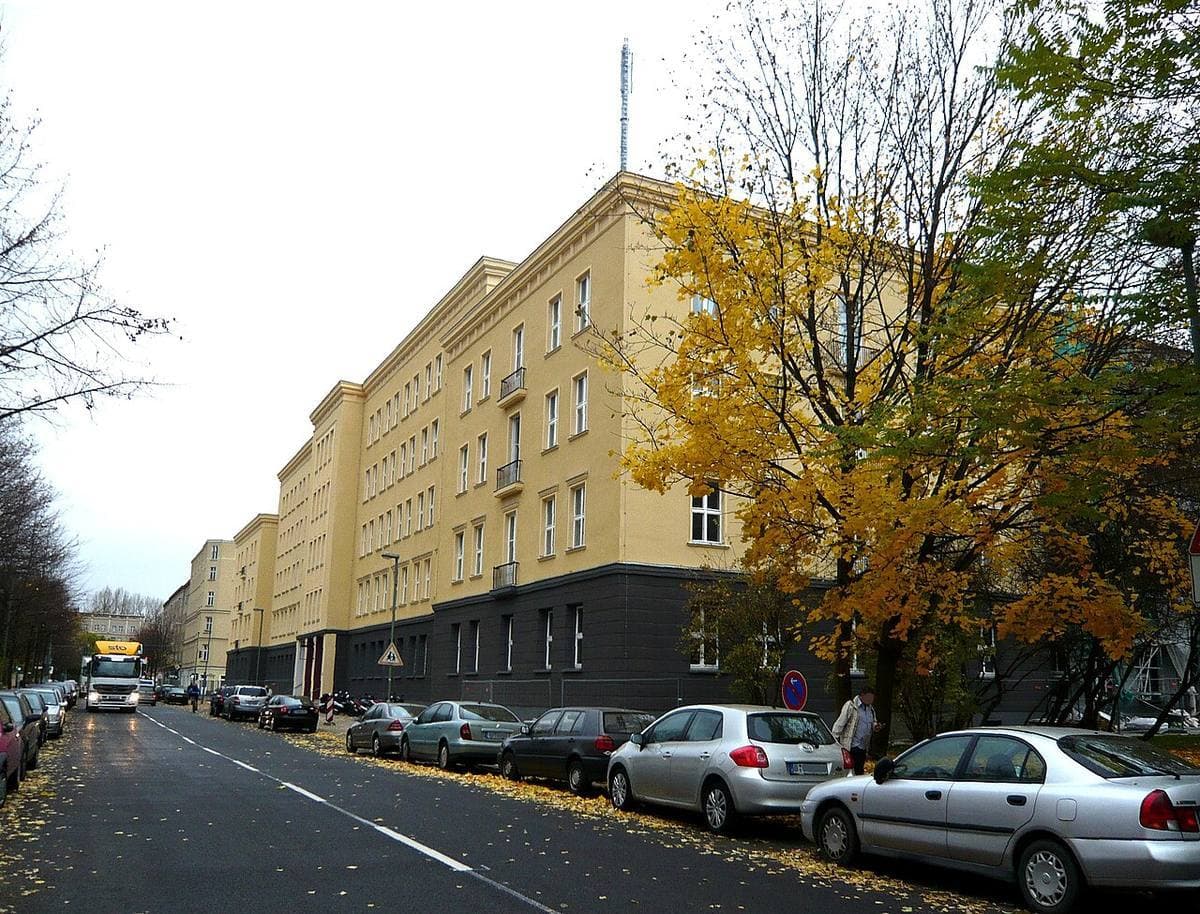
The street outside · Wedekindstraße, Friedrichshain
The outside of Dreyman’s building was filmed on Wedekindstraße in Friedrichshain; the 200-metre street was closed to parking for 72 hours.
A residential street of private homes. Named here, kept off the map.
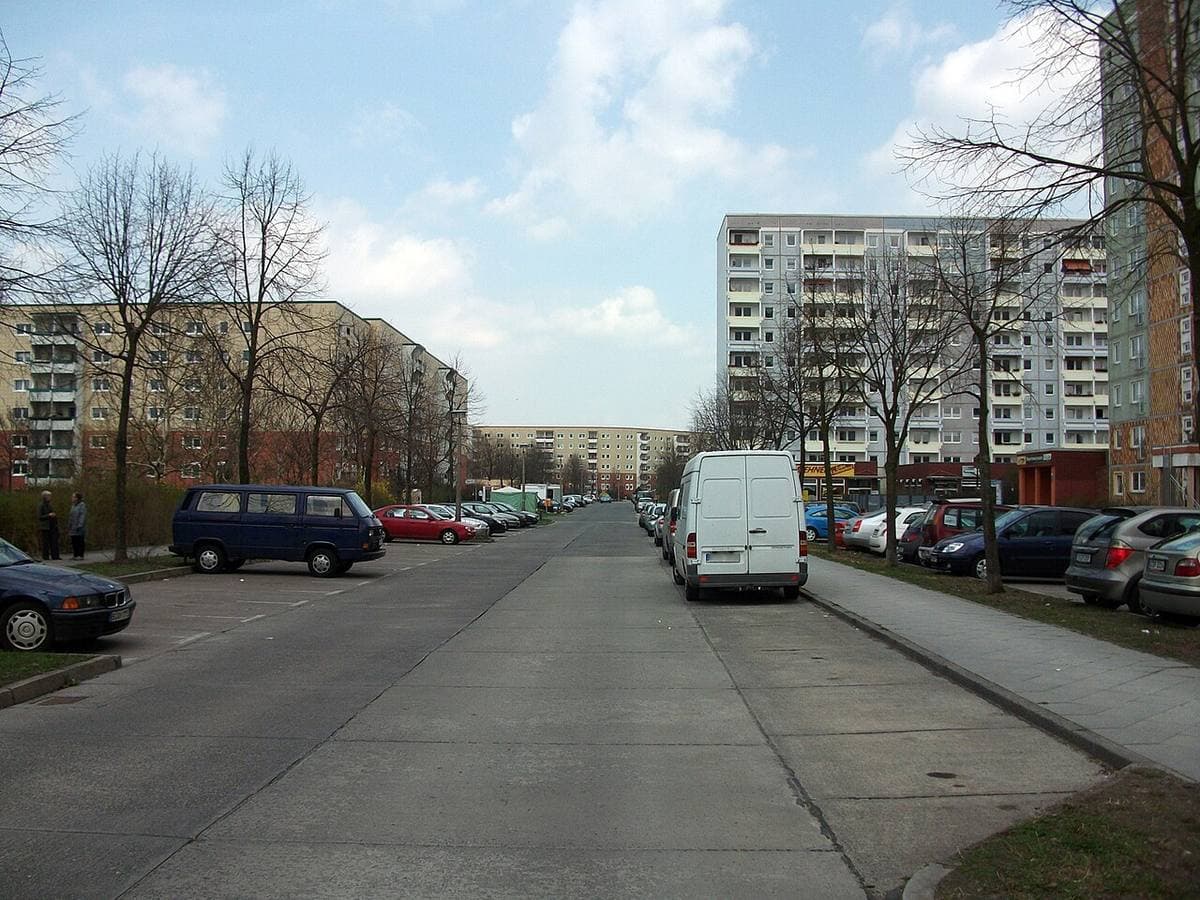
Wiesler’s flat · Grevesmühlener Straße, Neu-Hohenschönhausen
Wiesler’s flat was filmed in a prefabricated block on Grevesmühlener Straße in Neu-Hohenschönhausen.
A private home in a residential street. Named here, kept off the map.
The board is down.
Kreuzberg · Mitte · Prenzlauer Berg · Pankow
Both theatres are by the same architect, Oskar Kaufmann: the Hebbel-Theater of 1908, which stood in West Berlin, and the Volksbühne of 1914 in the East.
Oskar Kaufmann designed the Hebbel-Theater (1907–08) and the Volksbühne (1913–14).
Wikipedia (de): Hebbel-TheaterWikipedia (de): Volksbühne am Rosa-Luxemburg-Platz
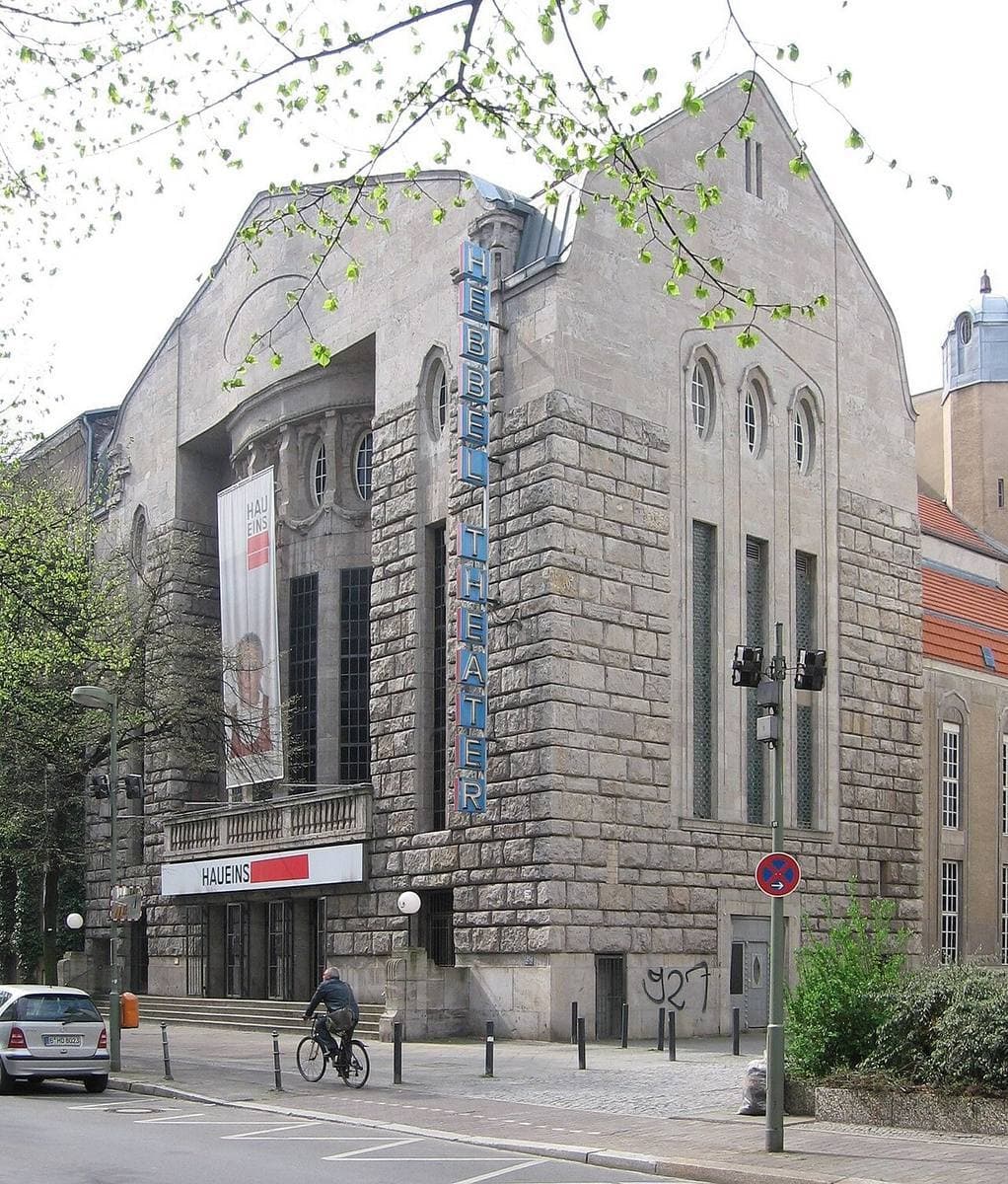
The play · Stresemannstraße 29, Kreuzberg
Dreyman’s play was filmed here, in a theatre that stood in West Berlin.
Oskar Kaufmann built it in 1907–08, the first of his Berlin theatres; it opened on 29 January 1908 and has about 800 seats. Since 2003 it has been part of HAU.
A working theatre, part of HAU Hebbel am Ufer; U1 and U7 Möckernbrücke or Hallesches Tor.
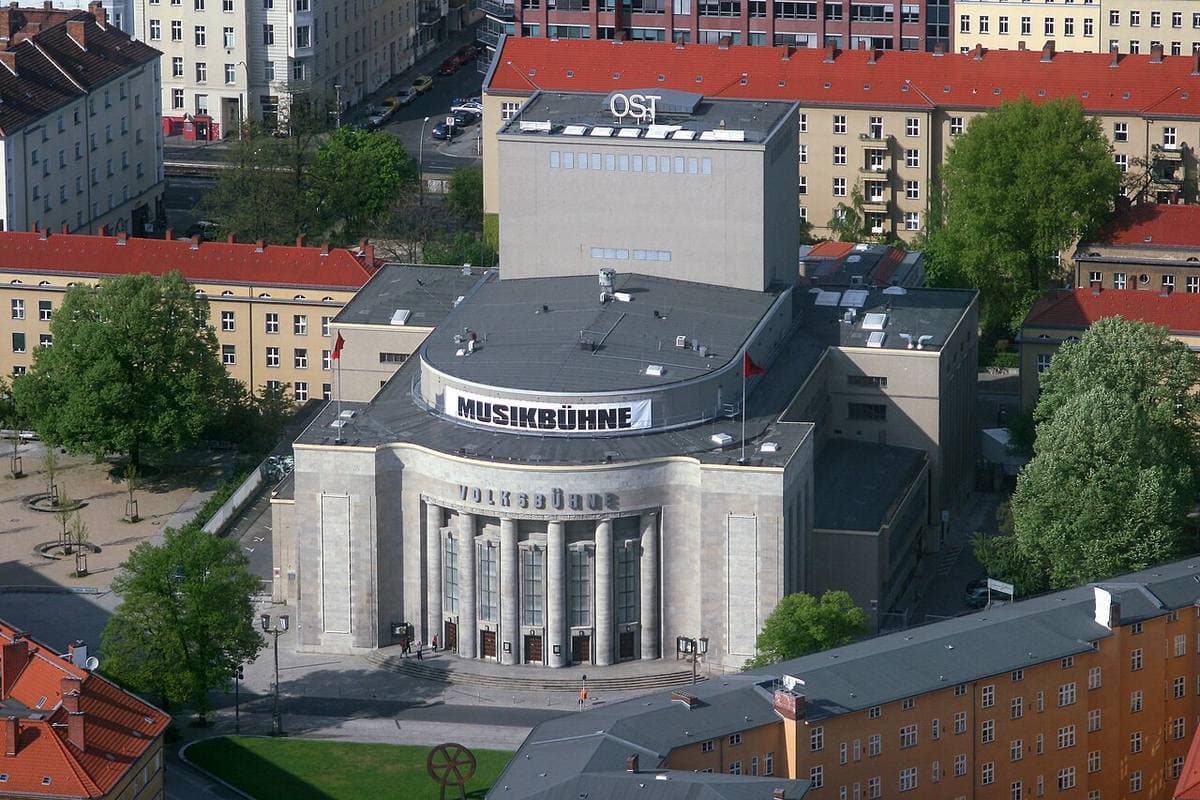
The party · Linienstraße 227, Rosa-Luxemburg-Platz, Mitte
The theatre’s outside and the Grüner Salon, for the party after the play, were filmed here.
Oskar Kaufmann built it in 1913–14, paid for by members’ donations.
A working theatre; the Grüner Salon is in the same building. U2 Rosa-Luxemburg-Platz.
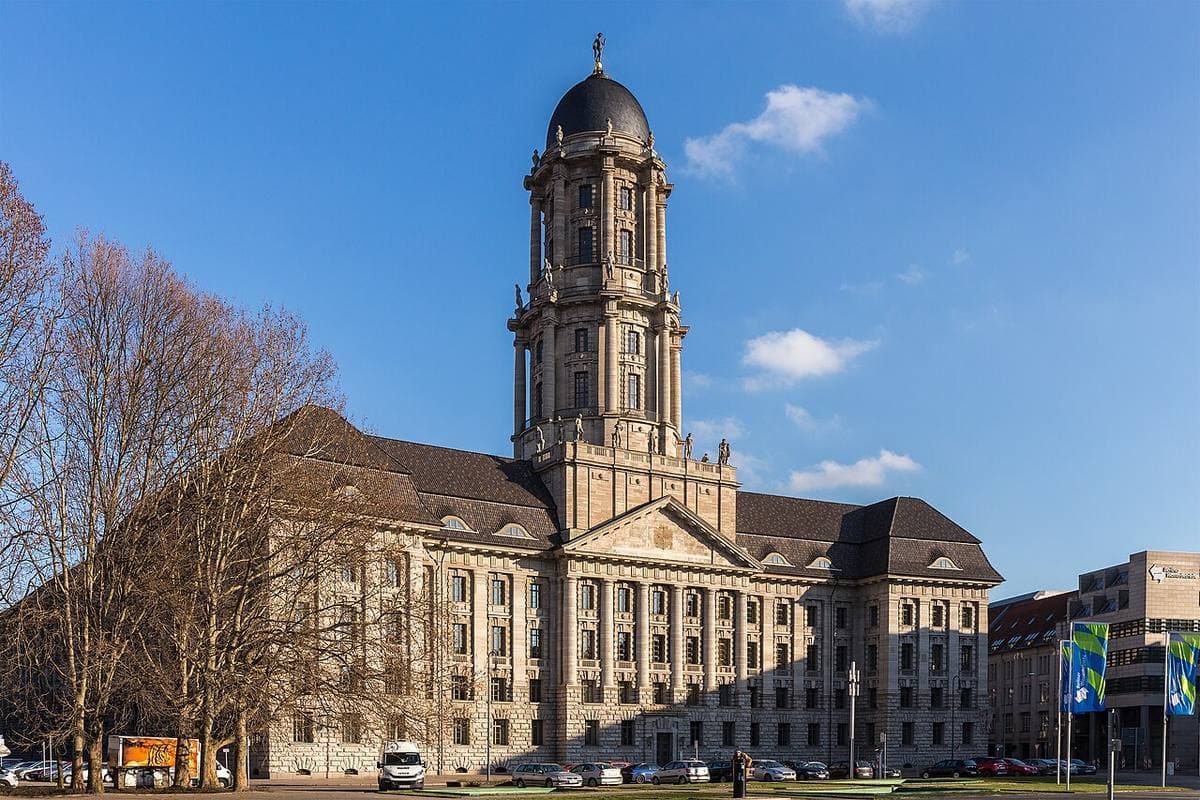
The minister’s car · Parochialstraße and Jüdenstraße, Mitte
Grubitz and Minister Hempf talk in a car with the Neues and Altes Stadthaus behind them, shot from Parochialstraße.
Ludwig Hoffmann built the Stadthaus in 1902–11. From 1956 it housed, among others, Otto Grotewohl, the GDR’s first prime minister, and Lothar de Maizière, its last.
A government building; see it from Parochialstraße and Jüdenstraße. Klosterstraße U2 is round the corner.
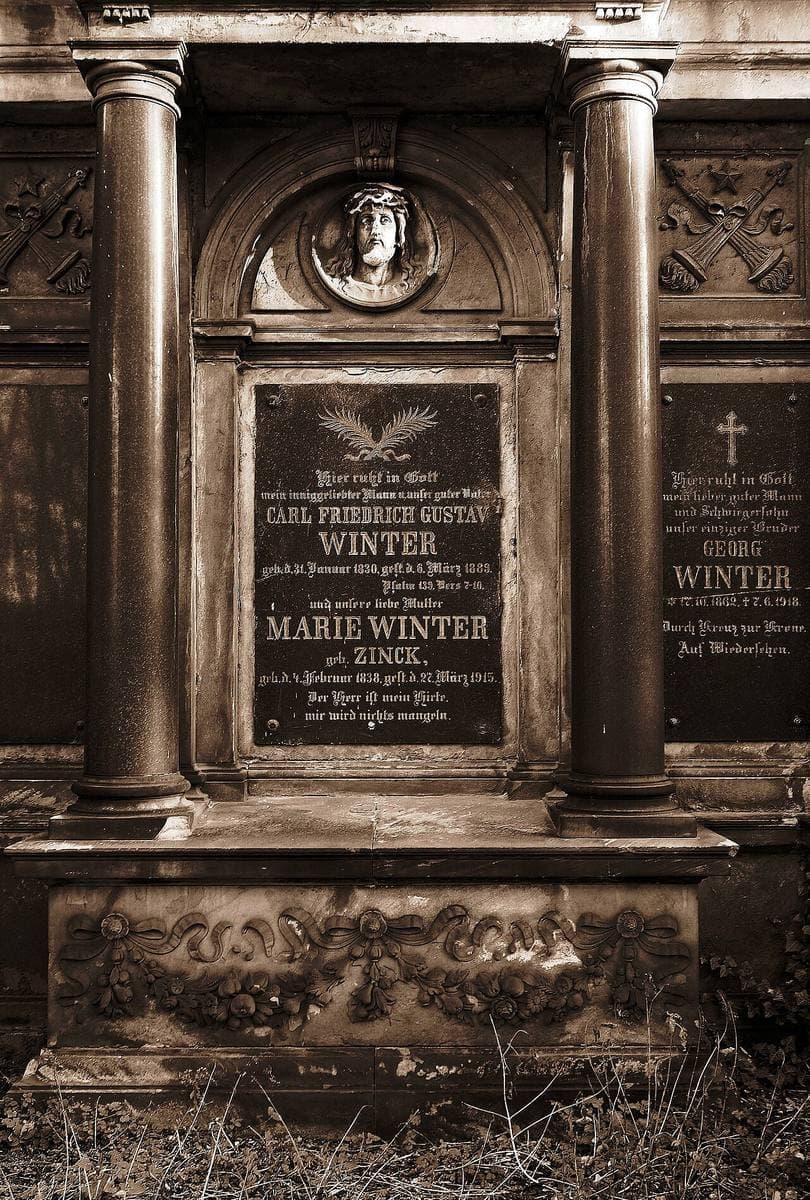
The funeral · Greifswalder Straße 229, Prenzlauer Berg
Jerska’s funeral was filmed here. In the film he takes his own life soon after giving Dreyman the sheet music for the Sonata for a Good Man.
Opened in 1814, it is the oldest surviving cemetery of the St. Georgen parish and a listed garden monument.
A working cemetery; walk in quietly from Greifswalder Straße.
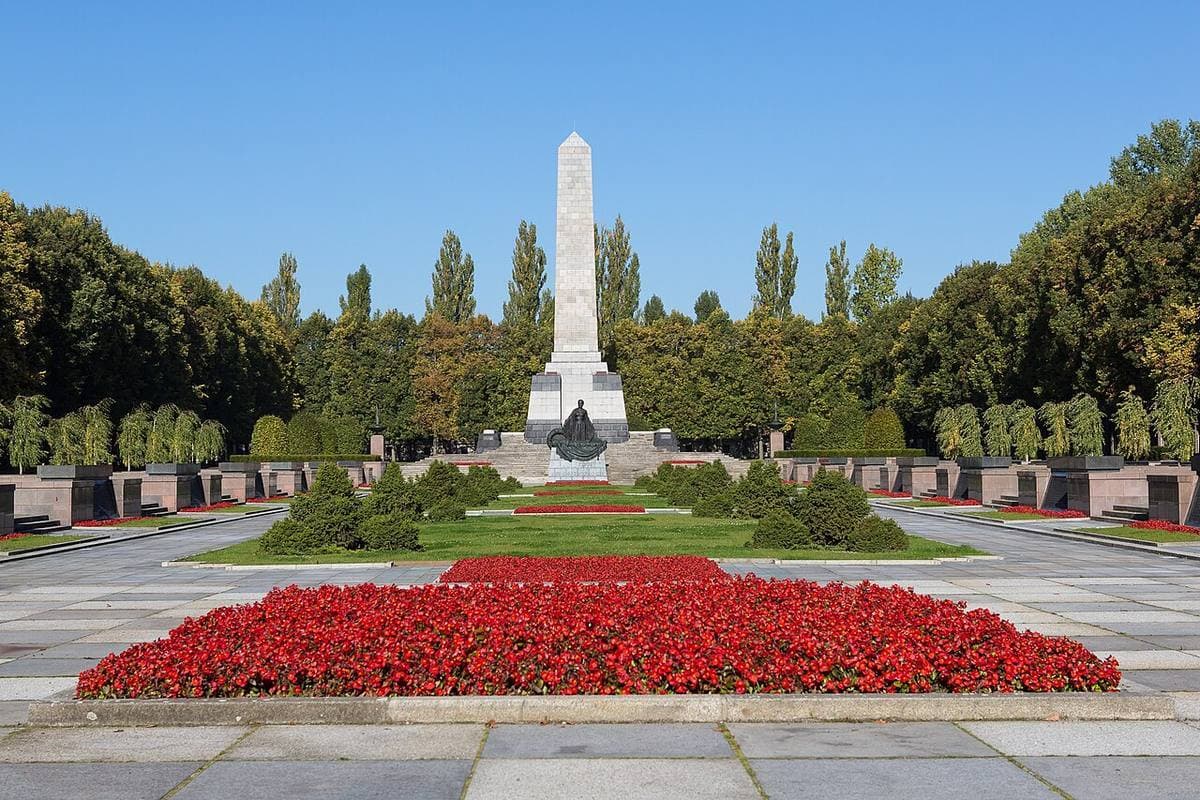
The walk · Schönholzer Heide, Pankow
Dreyman, Wallner and Hauser walk here, out of earshot of the flat.
The memorial was built between May 1947 and November 1949 and covers 27,500 square metres.
Inside the Volkspark Schönholzer Heide, a public park in Pankow; S-Bahn Schönholz.
Karl-Marx-Allee · after the Wall
After the Wall, Dreyman reads his own file. The typewriter that wrote his article had only a red ribbon, and it stained the fingers of whoever used it. On the last report there is a red fingerprint.
Dreyman reads his files and finds a red fingerprint in the final report; the typewriter had only a red ribbon, which stained the fingers. Wiesler later finds Dreyman’s new novel dedicated to HGW XX/7, in gratitude, and buys it for himself.
Abschlussbericht · Final report
Berlin, 1984
Officer: · · · · · · · ·
Georg Dreyman
A novel
Dedicated to HGW XX/7, in gratitude.
The last report, typed in red. The signature line is blank.
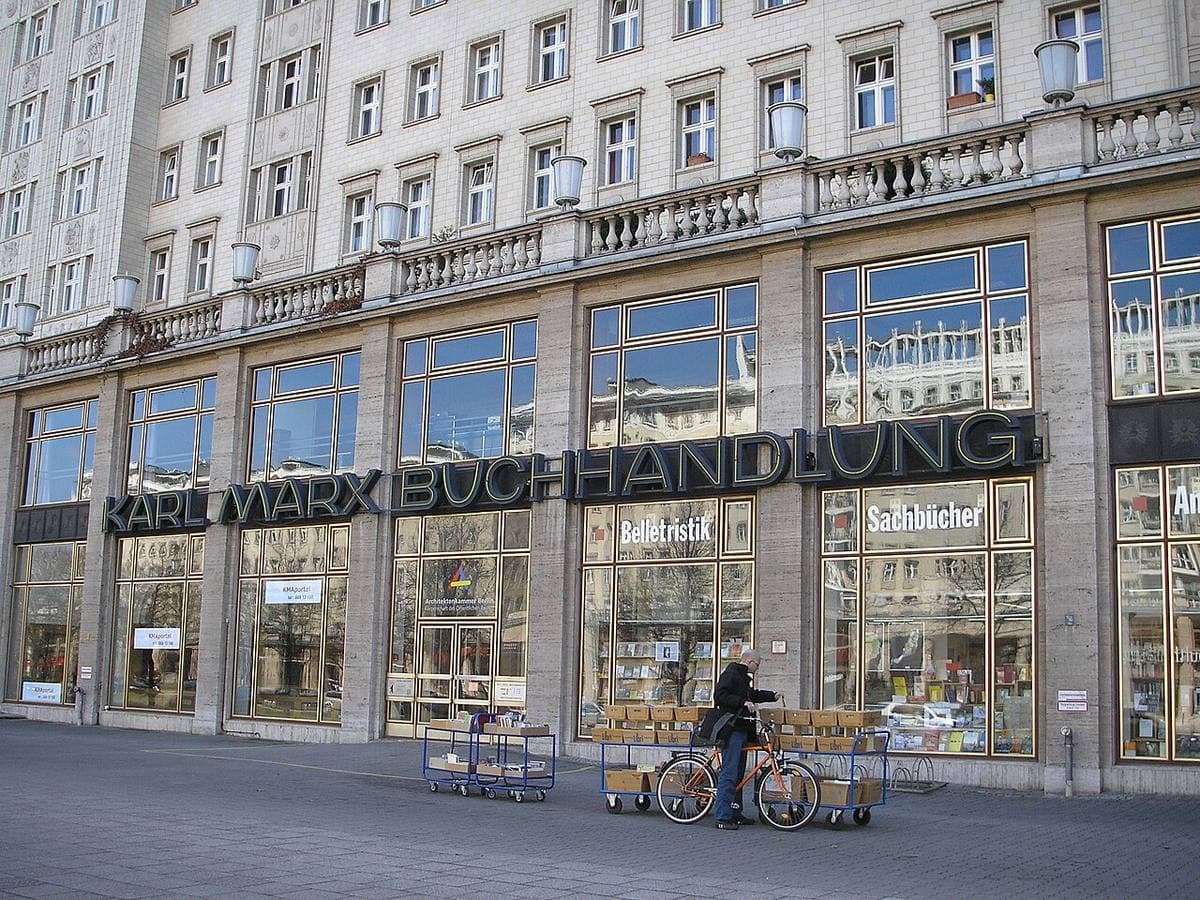
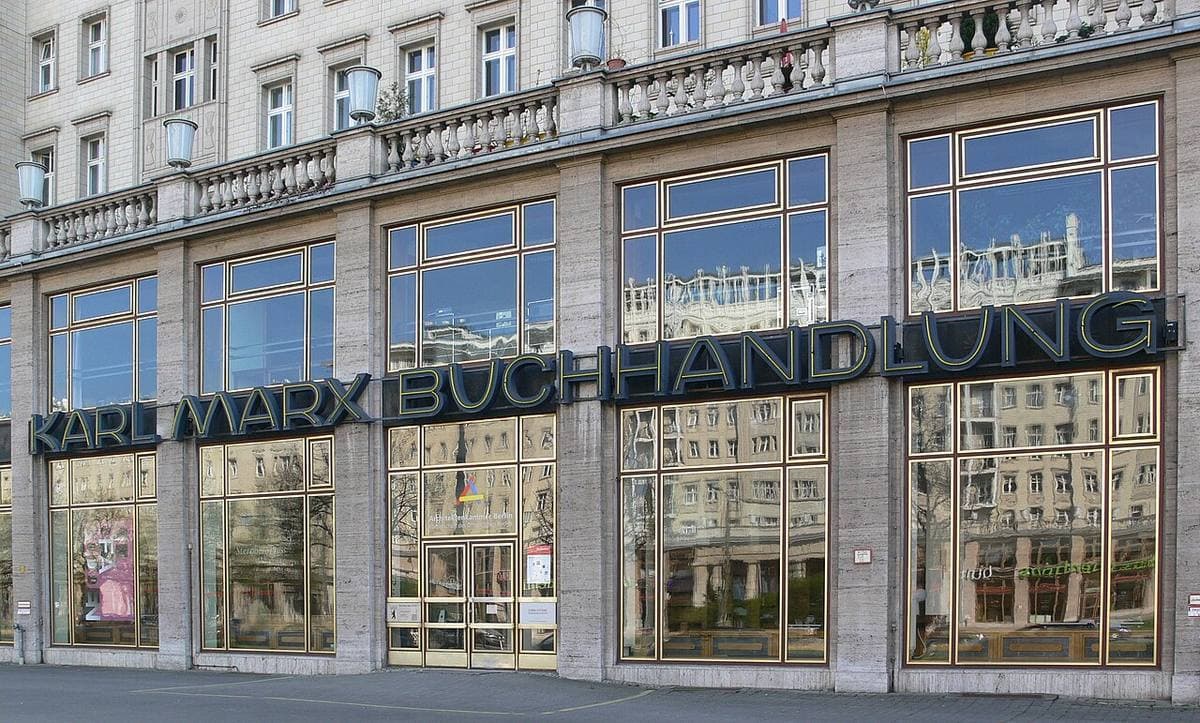
Karl-Marx-Allee 78, Friedrichshain
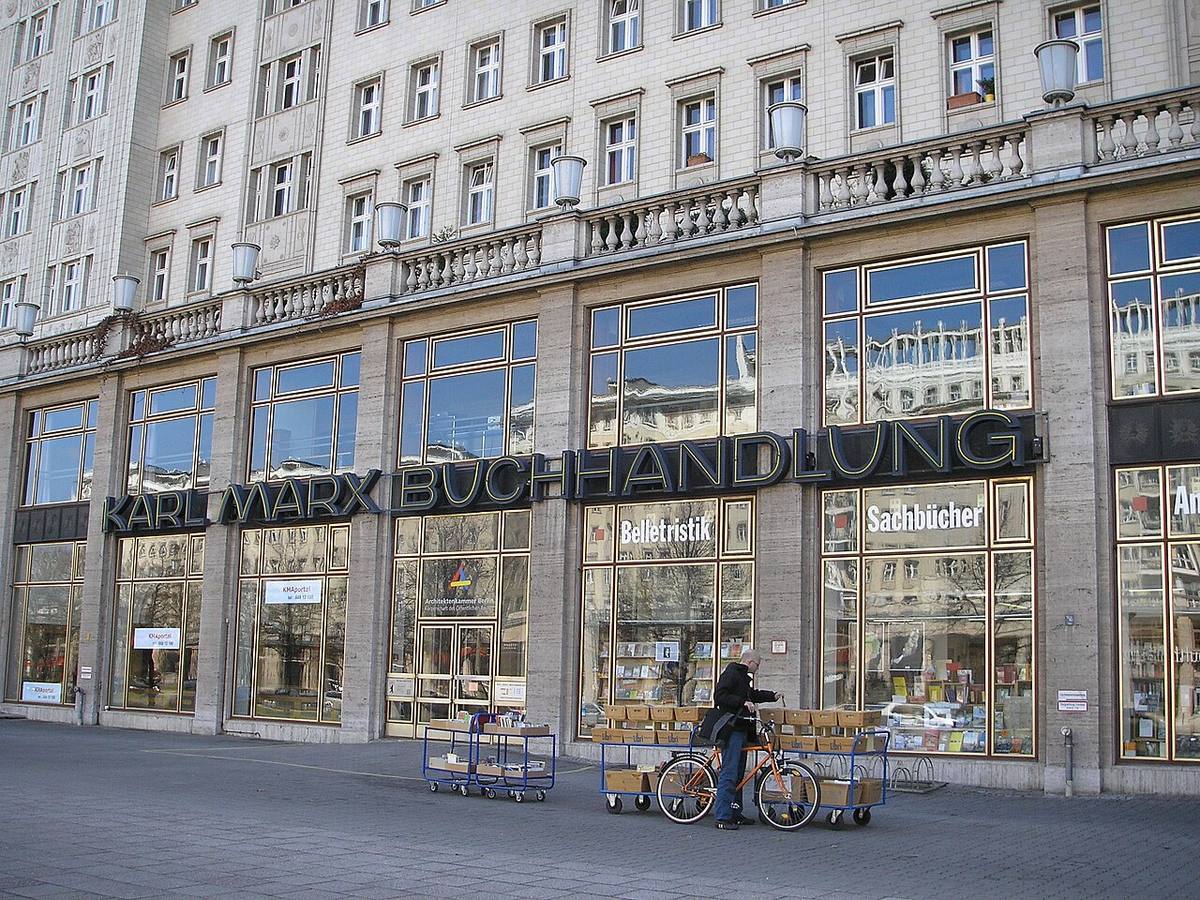
The last scene was filmed in the Karl-Marx-Buchhandlung at Karl-Marx-Allee 78.
It opened in 1953 as the largest bookshop in the East German capital, with 1,600 square metres. The sell-off began in 2008.
The art press and design agency that later shared the space kept the original lettering, the sign seen in the film’s closing scene.
The bookshop has closed, but the long sign is still over the windows. Look from the pavement on the south side of the Allee.
Strausberger Platz, Friedrichshain
The square gives the film an establishing shot of East Berlin.
A team under Hermann Henselmann built it in 1952–55. Its building site was one of the starting points of the strikes of 16 June 1953 that led to the uprising of 17 June.
The fountain in the middle, by the metalworker Fritz Kühn and the architect Heinz Graffunder, went up in 1966; its central jet reaches 18 metres.
A public square at the western end of the Friedrichshain stretch of Karl-Marx-Allee; U5 Strausberger Platz.
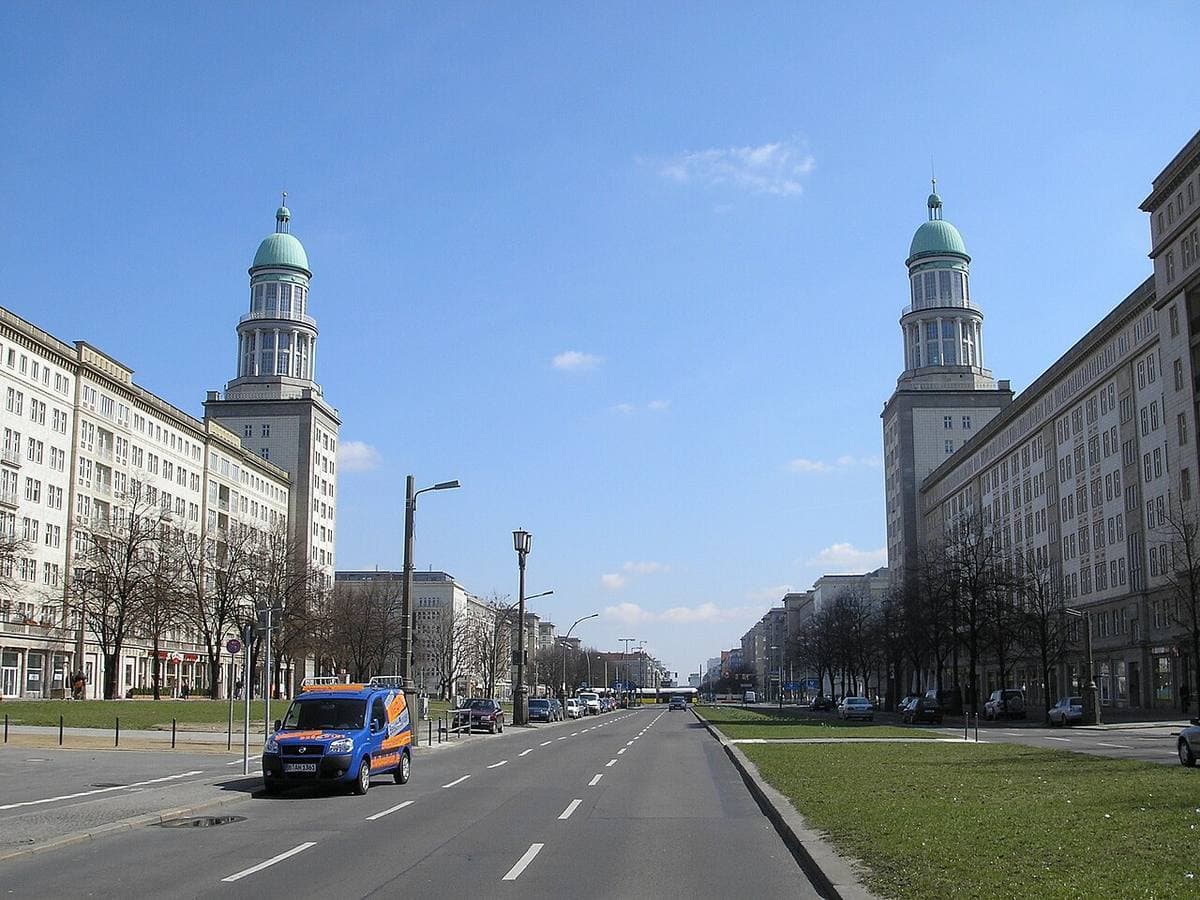
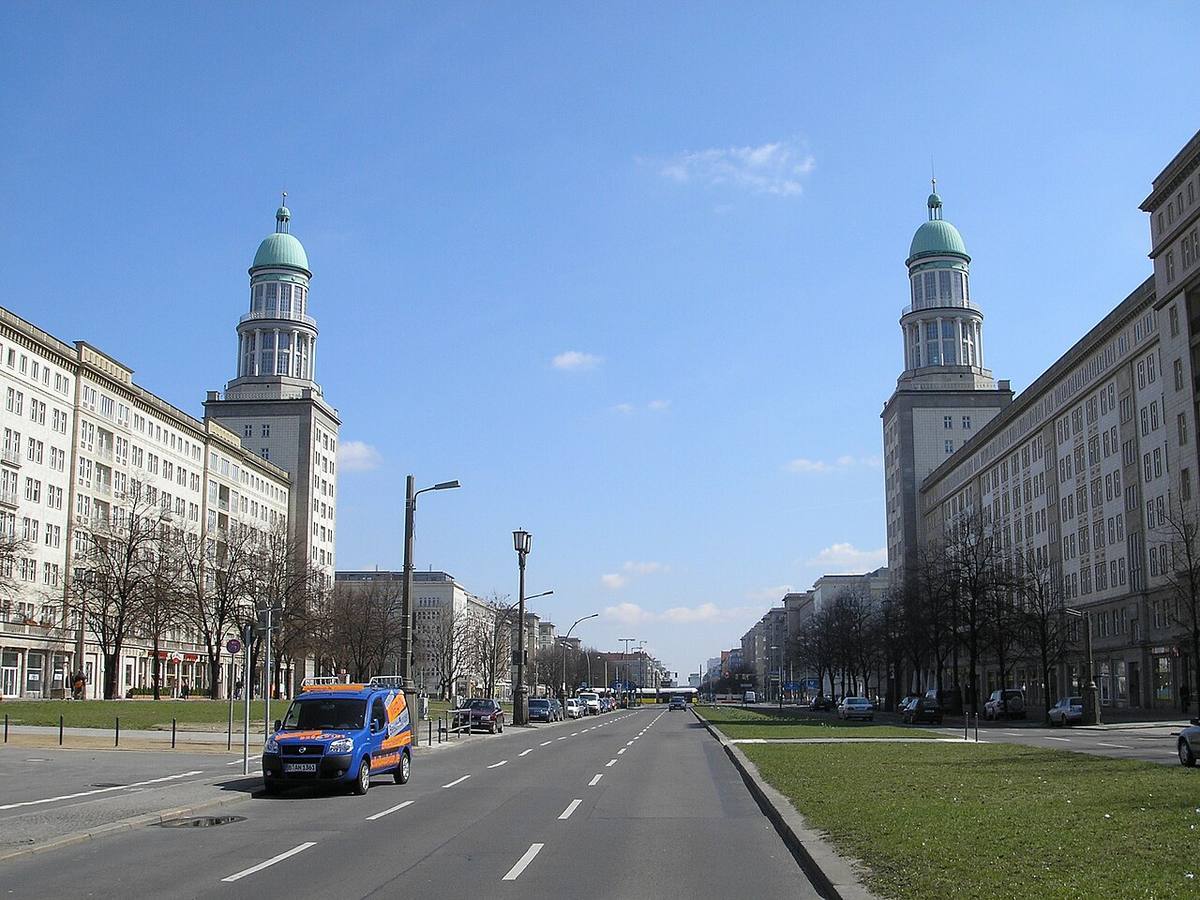
Frankfurter Tor, Friedrichshain
Here Dreyman sees Wiesler again, working now as a postman. He does not speak to him.
Hermann Henselmann’s two towers stand on the west side of the square like a city gate; their domes copy the ones on the Gendarmenmarkt. The whole square is a listed monument.
A public crossroads at the eastern end of Karl-Marx-Allee, over U5 Frankfurter Tor.
Friedrichshain
Not a filming location. An independent hotel at Warschauer Straße 39–40, on the street that runs south from Frankfurter Tor, with rooms from the Cosy to the Big One. A short walk from U5 Frankfurter Tor.
See the roomsThe people
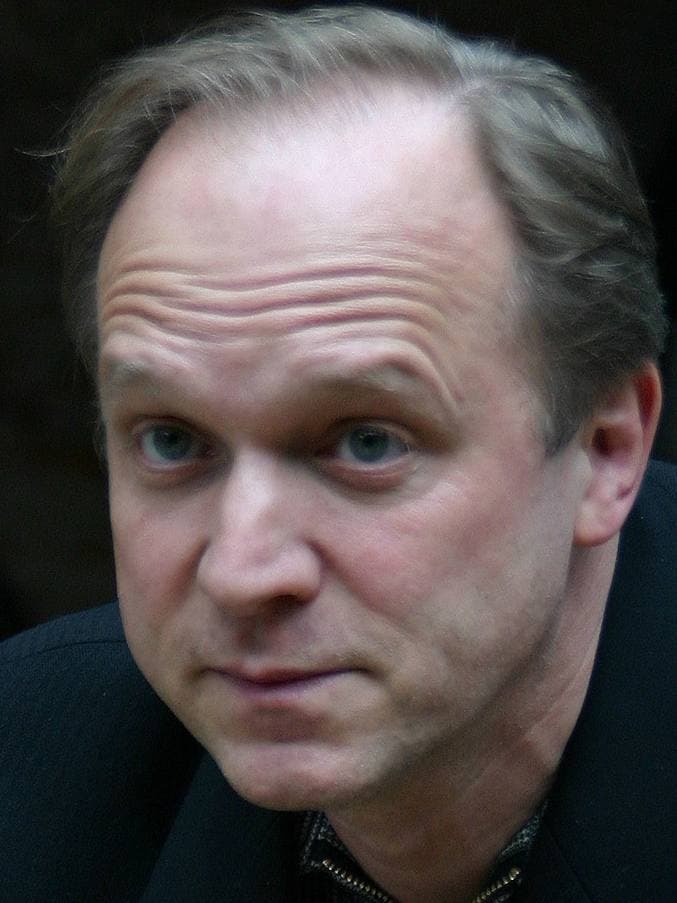
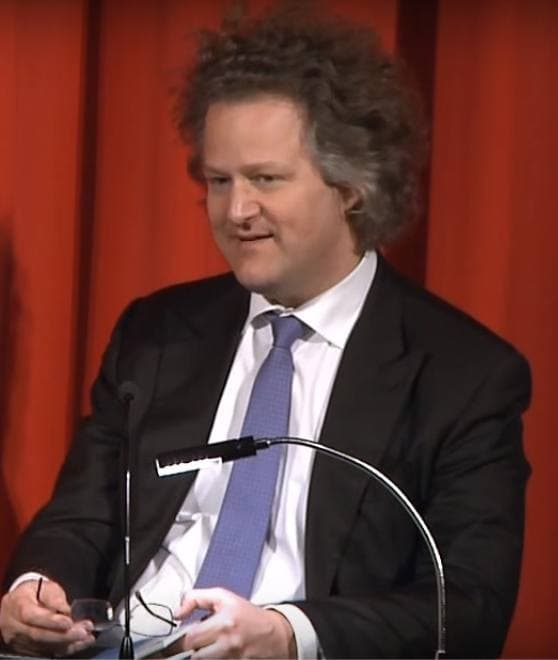
Florian Henckel von Donnersmarck wrote and directed it. He said it began with a picture in his head of a man in a depressing room with earphones on, and with Lenin’s remark that if he kept listening to Beethoven’s Appassionata he would never finish the revolution. Thomas Thieme plays Minister Hempf; Gabriel Yared and Stéphane Moucha wrote the score.
Ulrich Mühe won the German Film Award and the European Film Award for best actor as Wiesler. He died of stomach cancer on 22 July 2007, five months after the film won the Oscar.
The image of a man in a room with earphones, and Lenin’s remark on the Appassionata.
Cast; 37 shooting days from 26 October to 17 December 2004; a budget of about €1.8 million with cast and crew on a fraction of their fees; seven German Film Awards from eleven nominations.
Mühe’s awards and his death on 22 July 2007.
The Oscar for best foreign-language film, 25 February 2007.
12 places you can visit, all in Berlin. The three flats, on Hufelandstraße, Wedekindstraße and Grevesmühlener Straße, are private homes: named here, not on the map.
Pins mark public places; private homes are named but not pinned.
General reference · Public access · Coordinate precision: building · Not an exact scene or camera position; not a visitor route. Open Monday to Friday 10am–6pm, weekends and holidays 11am–6pm. Public tours in German at 1pm and in English at 3pm, Monday to Saturday. U5 to Magdalenenstraße, exit Ruschestraße.
General reference · Public access · Coordinate precision: building · Not an exact scene or camera position; not a visitor route. The exhibition Einblick ins Geheime is in Haus 7, on the same campus as the museum; guided tours of the archive are free and booked by email.
General reference · Public access · Coordinate precision: building · Not an exact scene or camera position; not a visitor route. Open daily 10am–6pm; the exhibitions are free. Tours of the prison are led by former political prisoners and historians and booked through the memorial.
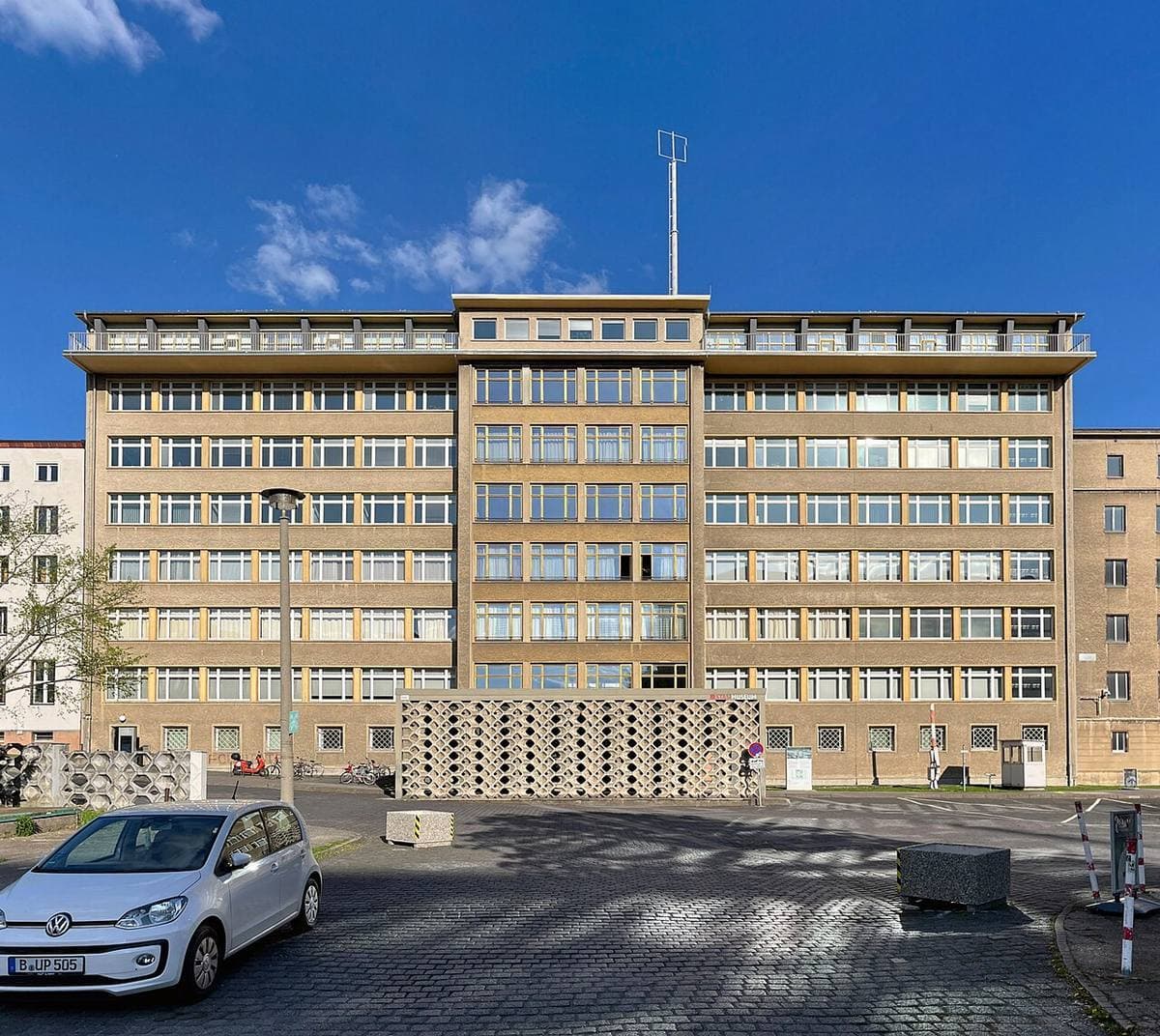
Ruschestraße 103, Haus 1, Lichtenberg
At the former Ministry for State Security on Normannenstraße the crew filmed Grubitz’s office, next to Erich Mielke’s old study, a lecture hall and the former canteen.
Open Monday to Friday 10am–6pm, weekends and holidays 11am–6pm. Public tours in German at 1pm and in English at 3pm, Monday to Saturday. U5 to Magdalenenstraße, exit Ruschestraße.
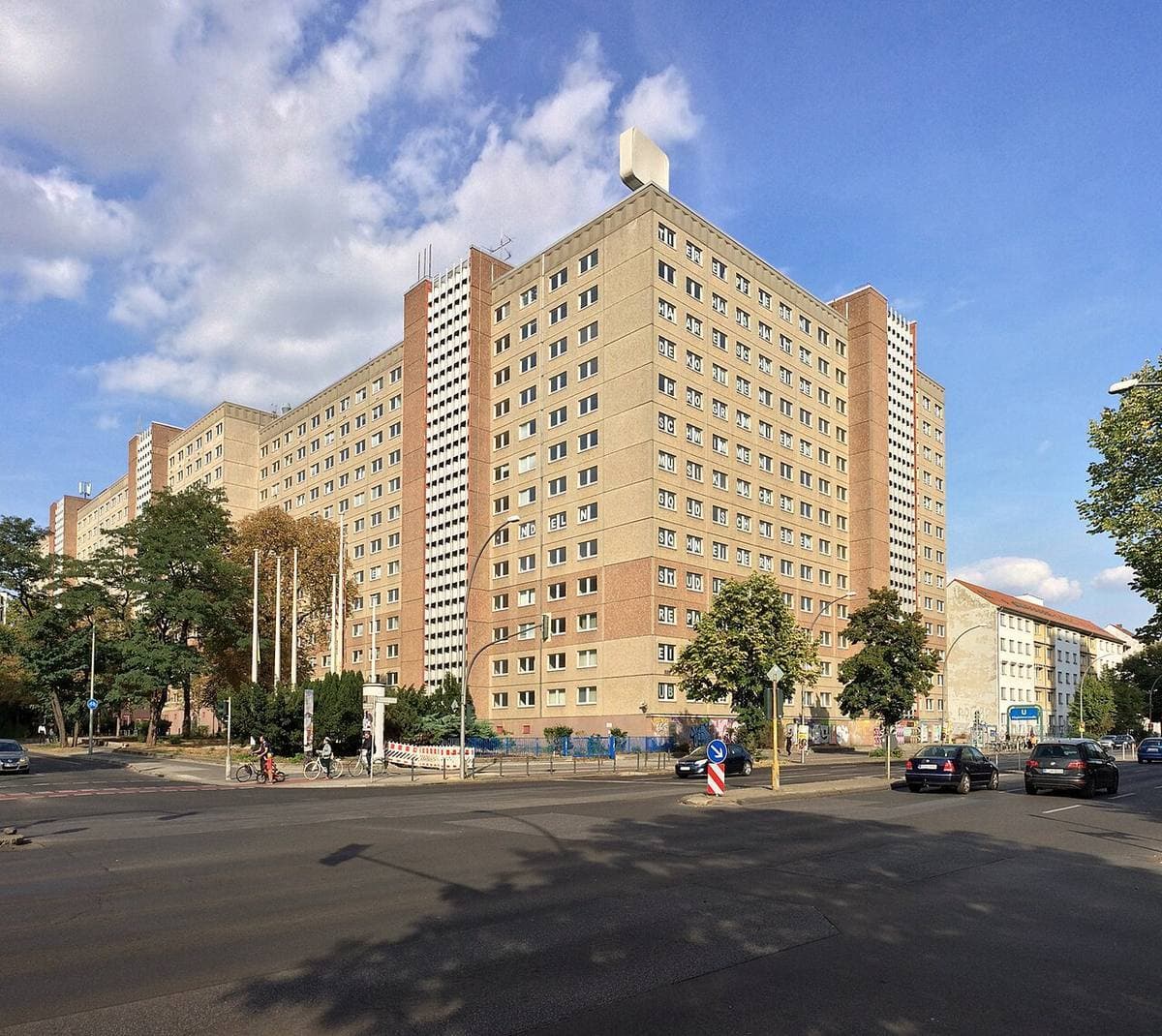
Ruschestraße 103, Haus 7, Lichtenberg
The headquarters had about 50 buildings and thousands of offices, where up to 7,000 full-time Stasi staff worked. In January 1990 citizens forced their way onto the sealed site and helped stop the destruction of the files.
The exhibition Einblick ins Geheime is in Haus 7, on the same campus as the museum; guided tours of the archive are free and booked by email.
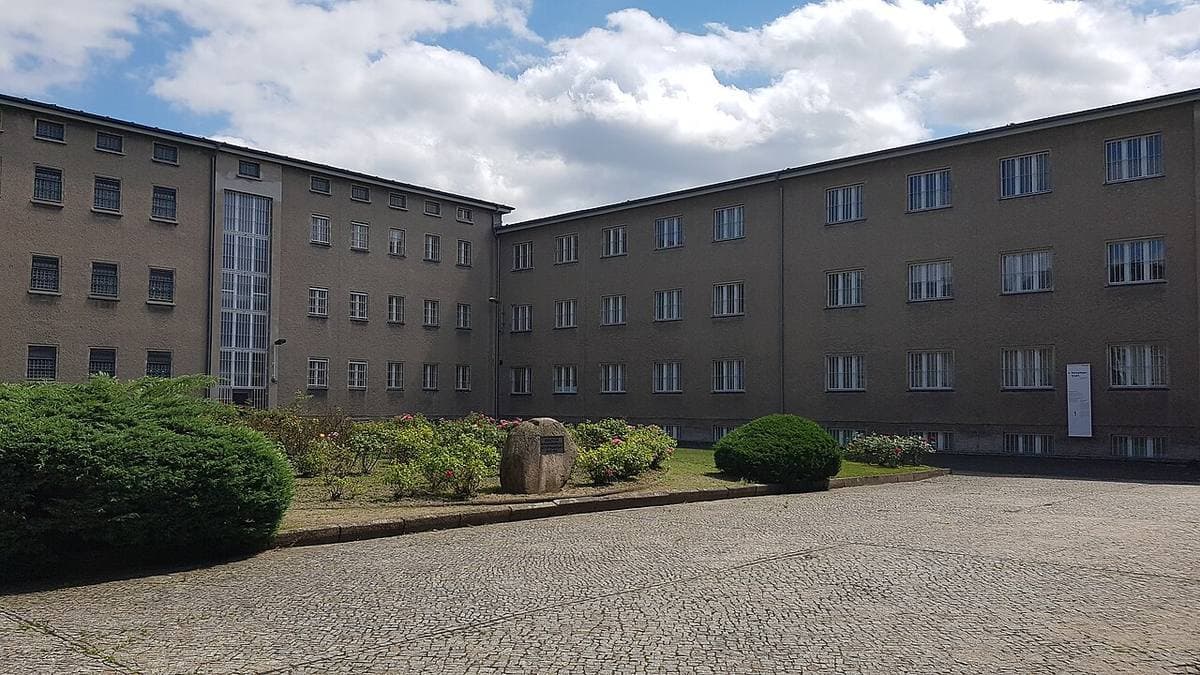
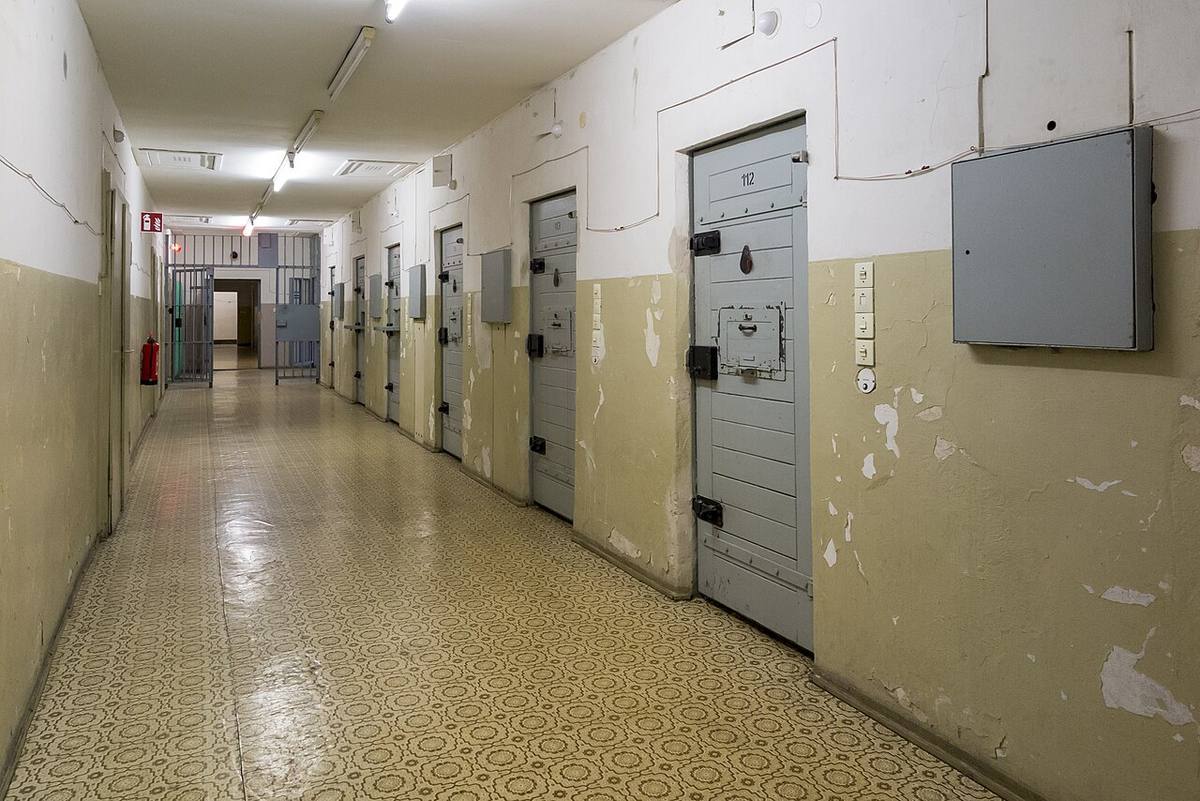
Genslerstraße 66, Alt-Hohenschönhausen
The film opens in the Stasi prison at Hohenschönhausen, but the memorial’s director refused permission to film there, so it could not be shot on the site.
Open daily 10am–6pm; the exhibitions are free. Tours of the prison are led by former political prisoners and historians and booked through the memorial.
Stay
A hotel a short walk from Frankfurter Tor.
Friedrichshain
Not a filming location. An independent hotel at Warschauer Straße 39–40, on the street that runs south from Frankfurter Tor, with rooms from the Cosy to the Big One. A short walk from U5 Frankfurter Tor.
See the roomsGo there
The prison with a former prisoner, Mielke’s floor in English, and marketplace walks.
Alt-Hohenschönhausen · Exhibitions free
The prison the film opens in. Tours are led by former political prisoners and historians; book a public tour or a group visit through the memorial. Open daily 10am–6pm, Genslerstraße 66.
Book a tourLichtenberg · Daily except Sunday, 3pm
The museum’s public tour in English at 3pm, Monday to Saturday, through the minister’s floor of Haus 1 and the exhibition. German tours at 1pm.
See the museumFriedrichshain
Live marketplace results for walking tours of Karl-Marx-Allee and Friedrichshain. None is built round this film; check each route for Strausberger Platz and Frankfurter Tor.
Live marketplace results · itineraries change
Compare toursBerlin
Live marketplace results for Stasi and Cold War tours of Berlin. Check each itinerary for Hohenschönhausen and the Normannenstraße headquarters.
Live marketplace results · itineraries change
Compare toursWhat’s on
A free tour of the Stasi Records Archive in Lichtenberg.
Checking current event dates…
Take it home
The book of the film, Anna Funder’s Stasiland, and the soundtrack on CD.
Florian Henckel von Donnersmarck · Suhrkamp
The book of the film, with contributions by Sebastian Koch, Ulrich Mühe and Manfred Wilke; a Suhrkamp paperback from 2007, in German.
Find the bookAnna Funder · Granta
Anna Funder’s non-fiction book about East Germans and the Stasi; Granta paperback, 2004.
Find the bookGabriel Yared and Stéphane Moucha · CD, Colosseum, 2006
The score by Gabriel Yared and Stéphane Moucha on CD, released in Germany on 24 March 2006, the day after the film opened.
Live marketplace search · listings and condition change
Find a copyDates, prices, rooms and stock change: confirm with the provider before you travel or buy. A stay or tour is described as a filming location only where the card says so.
Every place and moment behind this page, with sources.
15 of 15 places · 15 of 15 Moments
Ruschestraße 103, Haus 1, Lichtenberg
Grubitz’s office, a lecture hall and the canteen were filmed at the old ministry on Normannenstraße.
Ruschestraße 103, Haus 7, Lichtenberg
After the Wall, Dreyman reads his own Stasi file and finds a red fingerprint on the last report.
Genslerstraße 66, Alt-Hohenschönhausen
The opening is set in the Hohenschönhausen prison; the memorial refused permission to film it there.
Grevesmühlener Straße, Neu-Hohenschönhausen
Wiesler’s own flat, in a prefabricated block across the city from Dreyman’s.
Strausberger Platz, Friedrichshain
An establishing shot of the city.
Karl-Marx-Allee 78, Friedrichshain
Two years later Wiesler opens Dreyman’s new novel in a bookshop and finds it dedicated to HGW XX/7. He buys it for himself.
Frankfurter Tor, Friedrichshain
Dreyman sees Wiesler delivering post and lets him go by.
Wedekindstraße, Friedrichshain
The outside of Dreyman’s building.
Hufelandstraße, Prenzlauer Berg
Wiesler listens to the flat from the attic above it.
Keibelstraße, Mitte (office: Bernhard-Weiß-Straße 6)
The film opens in 1984 with Wiesler interrogating a prisoner; the cells and corridors are the former prison on Keibelstraße.
Linienstraße 227, Rosa-Luxemburg-Platz, Mitte
After the play the company dance at a party in the Grüner Salon.
Parochialstraße and Jüdenstraße, Mitte
Grubitz and Hempf talk in a car in front of the Stadthaus.
Greifswalder Straße 229, Prenzlauer Berg
Dreyman buries his friend Jerska.
Stresemannstraße 29, Kreuzberg
Dreyman’s play on stage, with Wiesler watching from the audience.
Schönholzer Heide, Pankow
Dreyman, Wallner and Hauser talk on a walk by the Soviet memorial.