Four plaques, the whole menu. Tap one, or the blank one for anything else.
Where the noren comes from
The menu has four lines · everything else is a request
Anything, if I have the makings.
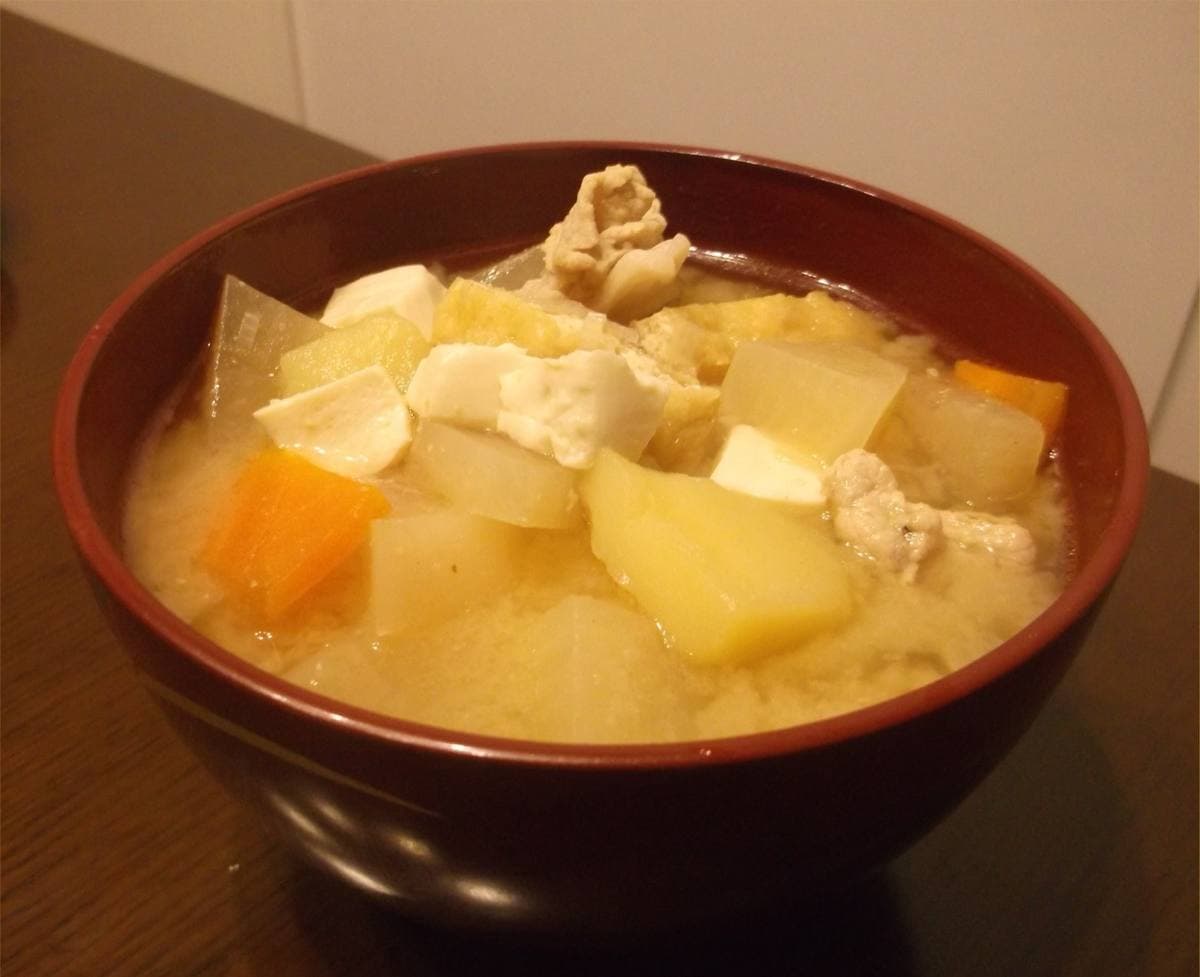
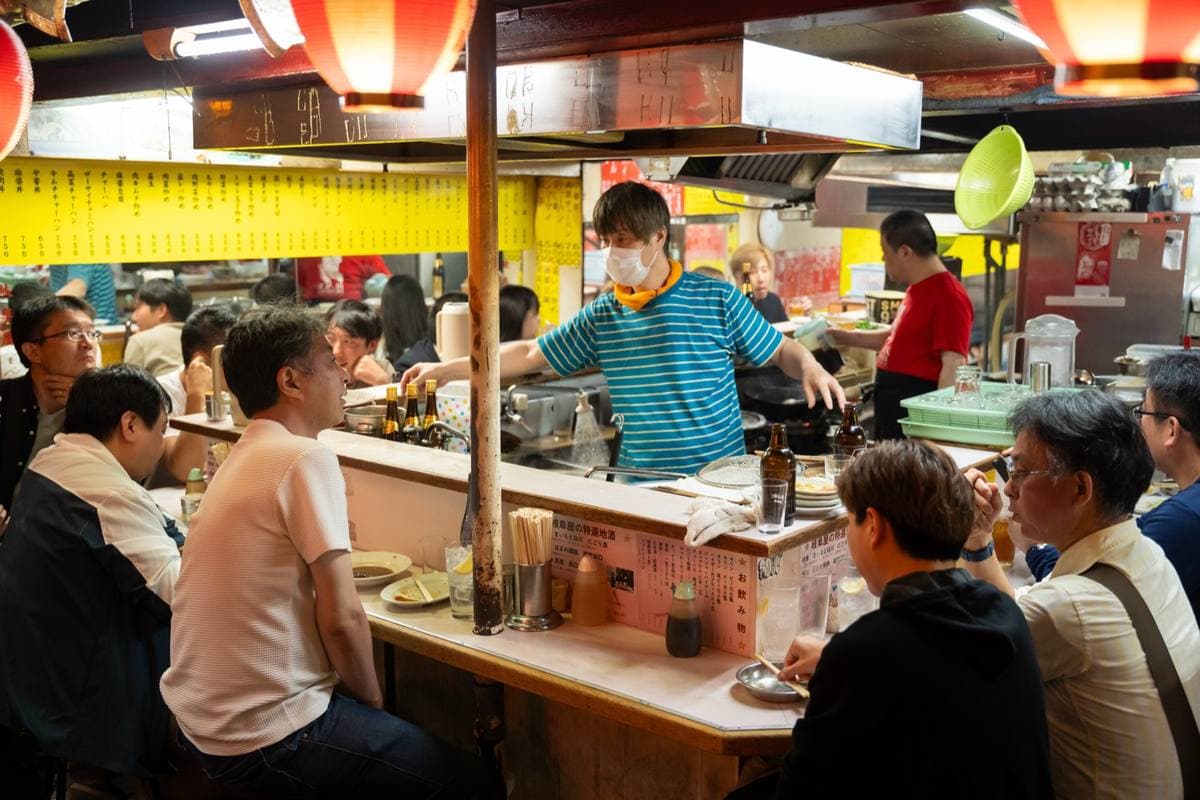
That is the Master’s rule. The menu on the wall is a pork miso soup set, beer, sake and shochu; ask for anything else and he will make it if he can. Each of the ten episodes of 2009 is named after what somebody asked for. Take the orders, pick the makings off the shelf, and hang a plaque for each one you serve.
豚汁定食ビール酒焼酎
Night 1 · 2009
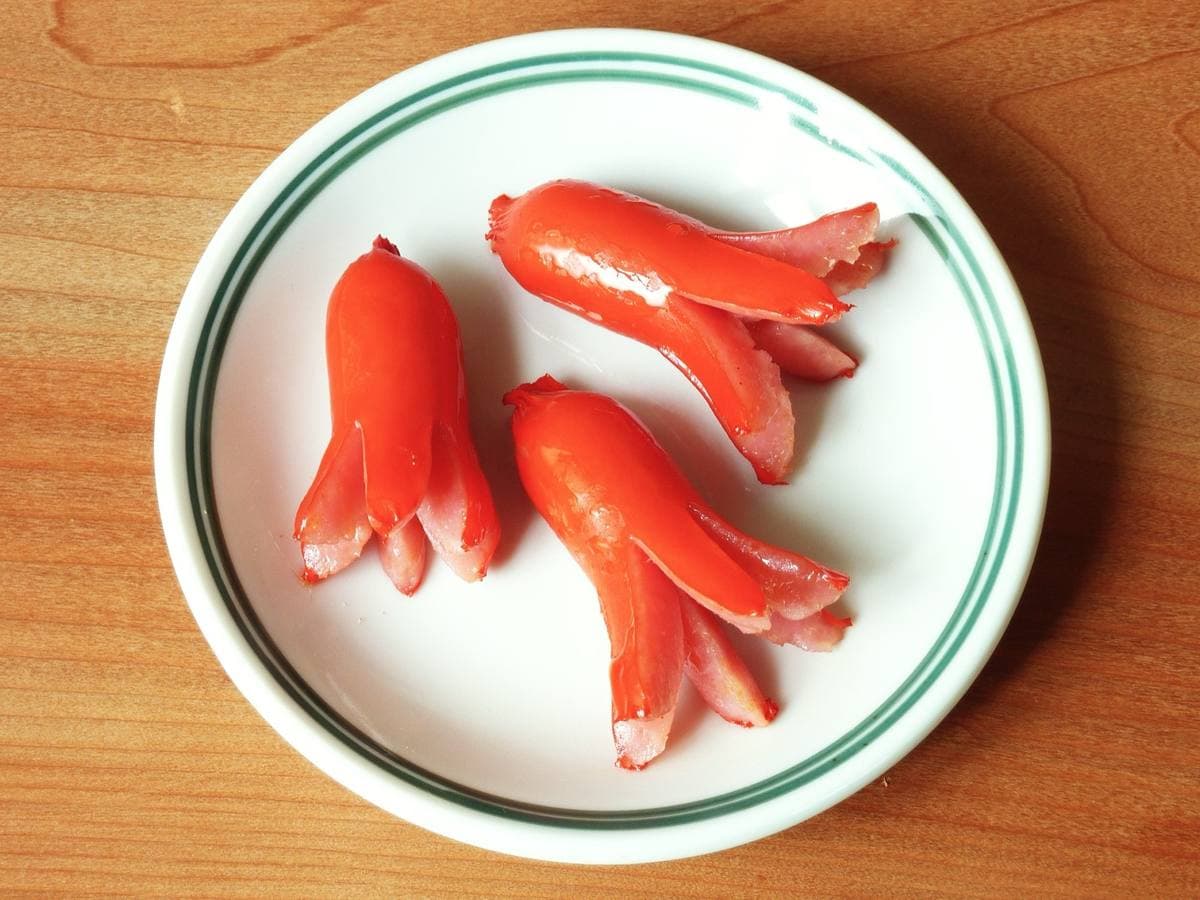
赤いウインナー
“Red sausages and a rolled omelette, please.”
0 of 10 nights served. Night 1 asks for red sausages and a rolled omelette.
The shelf and the recipes are ours: the series names the dish, not the makings. The photographs show each dish as it is made anywhere, not as the series made it.
Where we read it
The Television’s episode guide to the 2009 series: the ten episode titles, each a dish, and their stories.
The diner is in Shinjuku, somewhere in a back lane. Go and look for it.
Our drawing. Pins sit at the mapped positions; the tracks and streets are drawn by hand.
Looked in 0 of 5 places. Tap one on the map.
Where the street came from
Six rows, five seats.
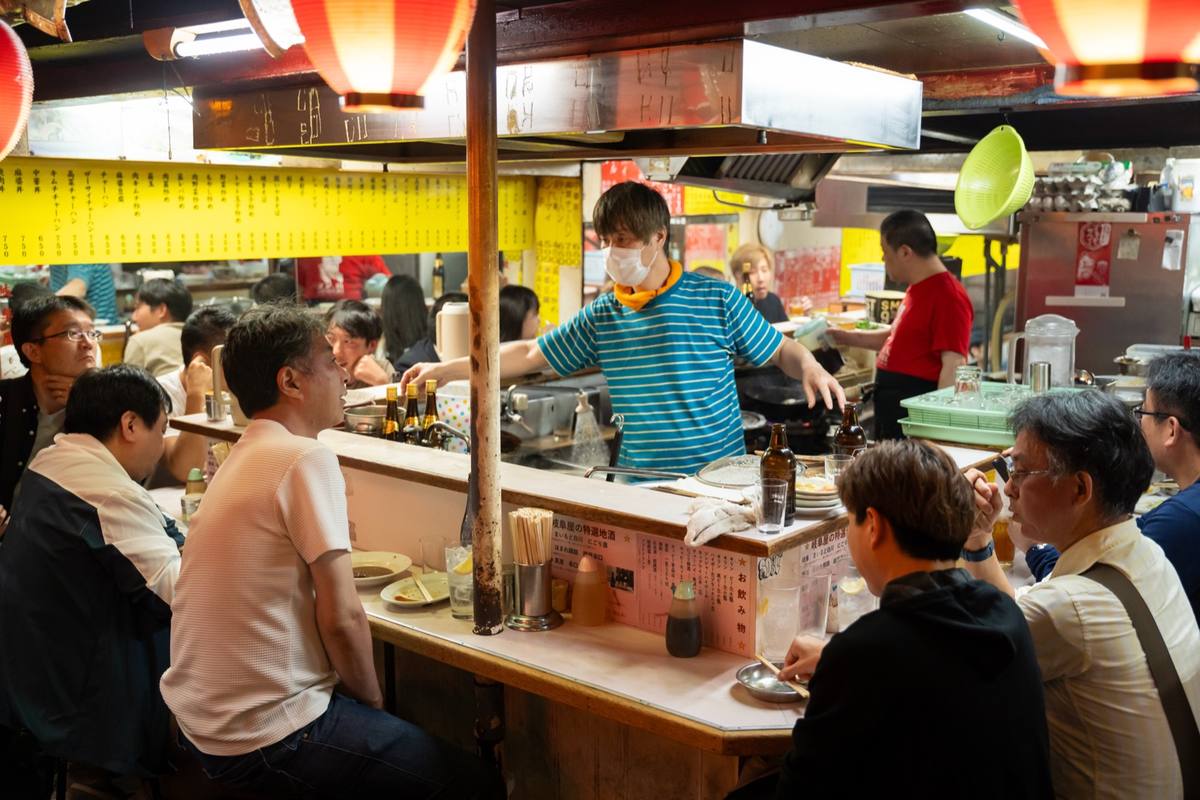
Harada built Meshiya’s street from the drinking lanes of Shinjuku and Shibuya he remembered from his own younger nights. These are the real ones. The counters are as small as the Master’s.
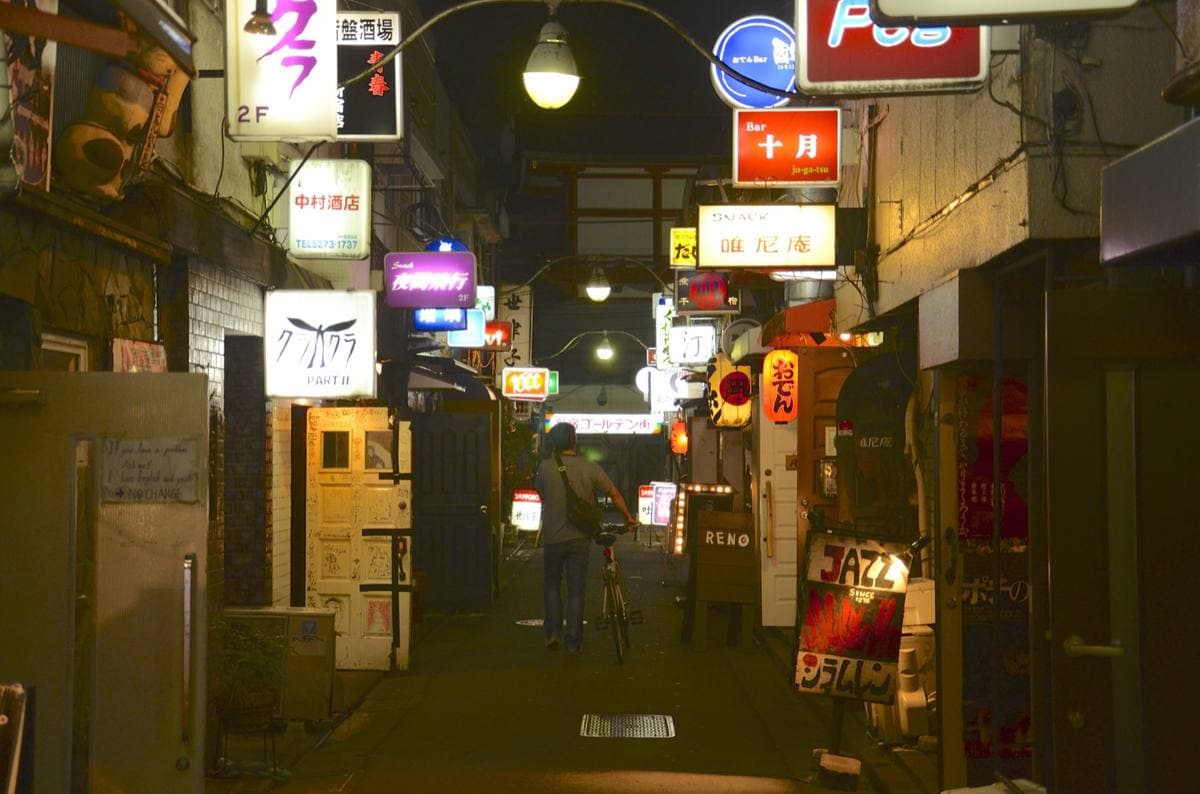
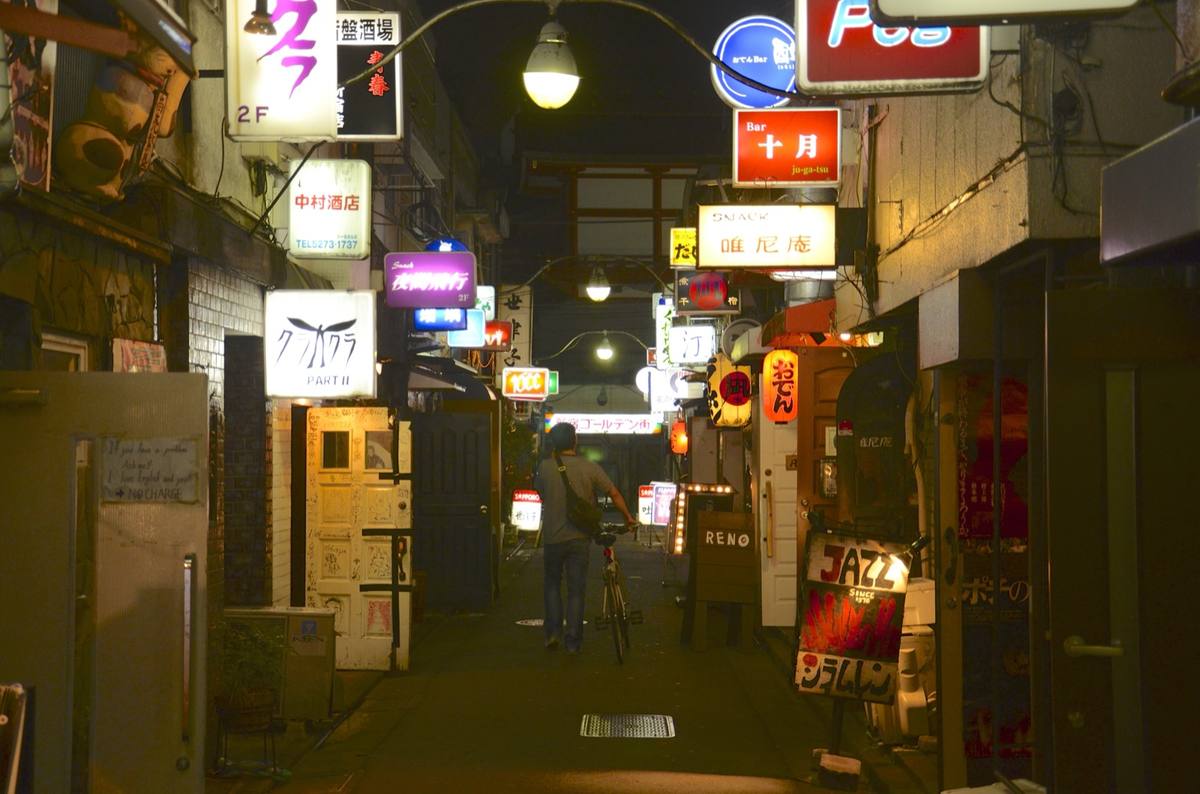
Golden Gai in July 2009, three months before the first series went out. urbzoo · CC BY 2.0
Shinjuku Golden Gai
1 Kabukichō, Shinjuku, Tokyo · photograph 2009
Around 280 bars fit into six tight rows of alleys, which have kept their early-1950s look while the rest of Shinjuku was rebuilt. For the diner’s T-junction, art director Mitsuo Harada and director Jōji Matsuoka walked the Golden Gai area together; a police box on the set came out of that walk. When Crank In! visited the set in 2016, its headline said Golden Gai had been rebuilt inside a 300-tsubo warehouse. It is five minutes on foot from the east exit of Shinjuku Station, next to Kabukichō.
Before you push the door: the house rules.
Public lanes, free to walk. Most bars open around 8pm; some are members-only. No photographs without permission, and no drinking or smoking in the street.
Where we read it
Viator · Ad / affiliate
Golden Gai and Shinjuku night walks
Shinjuku
Live results for guided evenings in Golden Gai, Omoide Yokocho and Kabukichō. None is run by the series; check each itinerary.
In the summer of 1967 Kara Jūrō’s company, the Situation Theatre (Jōkyō Gekijō), put up its first red tent in the grounds of Hanazono Shrine. Kaoru Kobayashi, the Master, came out of that company; so did Mansaku Fuwa. Fuwa plays Tadashi, one of the diner’s regulars, in the 2026 series.
As a young member of the company, Kobayashi has said on television, he once lost a part after drinking and falling asleep in a field. A fellow actor added that for about three years he had no home and slept in the tatami room at the back of an izakaya. Now he stands behind a counter, and Fuwa sits at it.
Where we read it
Daily Sports, 1 December 2019: Kobayashi was in Kara Jūrō’s Situation Theatre and lost a part after drinking; Ken Mitsuishi said he had no home for about three years and slept in the back room of an izakaya.
In the summer of 1967 Kara Jūrō’s company, the Situation Theatre (Jōkyō Gekijō), put up its first red tent in the grounds of Hanazono Shrine. The shrine is about ten minutes from Shinjuku Station.
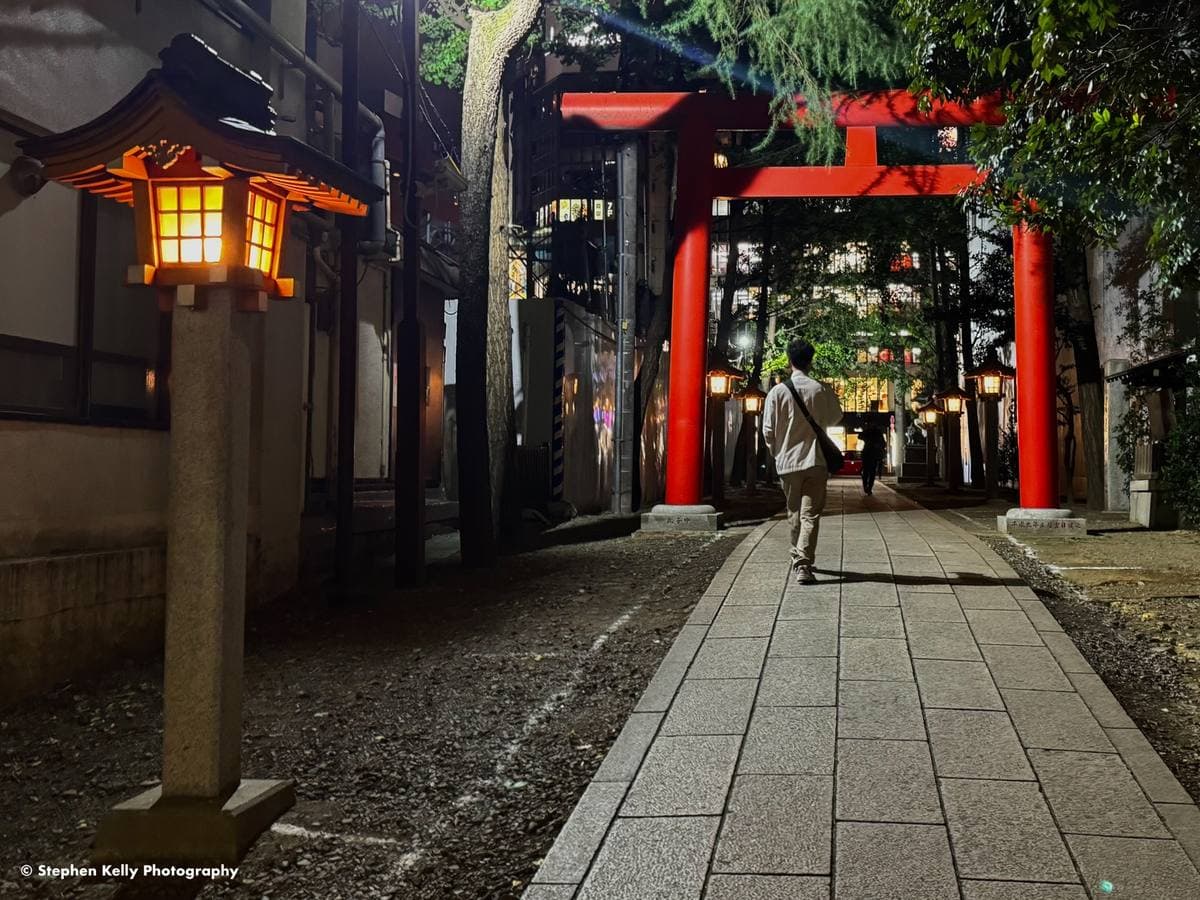
A working shrine on the edge of Golden Gai, about ten minutes on foot from Shinjuku Station.
Where we read it
The 2026 series · 21 regulars announced
Pull up a stool.
Behind the counterThe MasterKaoru Kobayashi
Tap a stool to see who sits there.
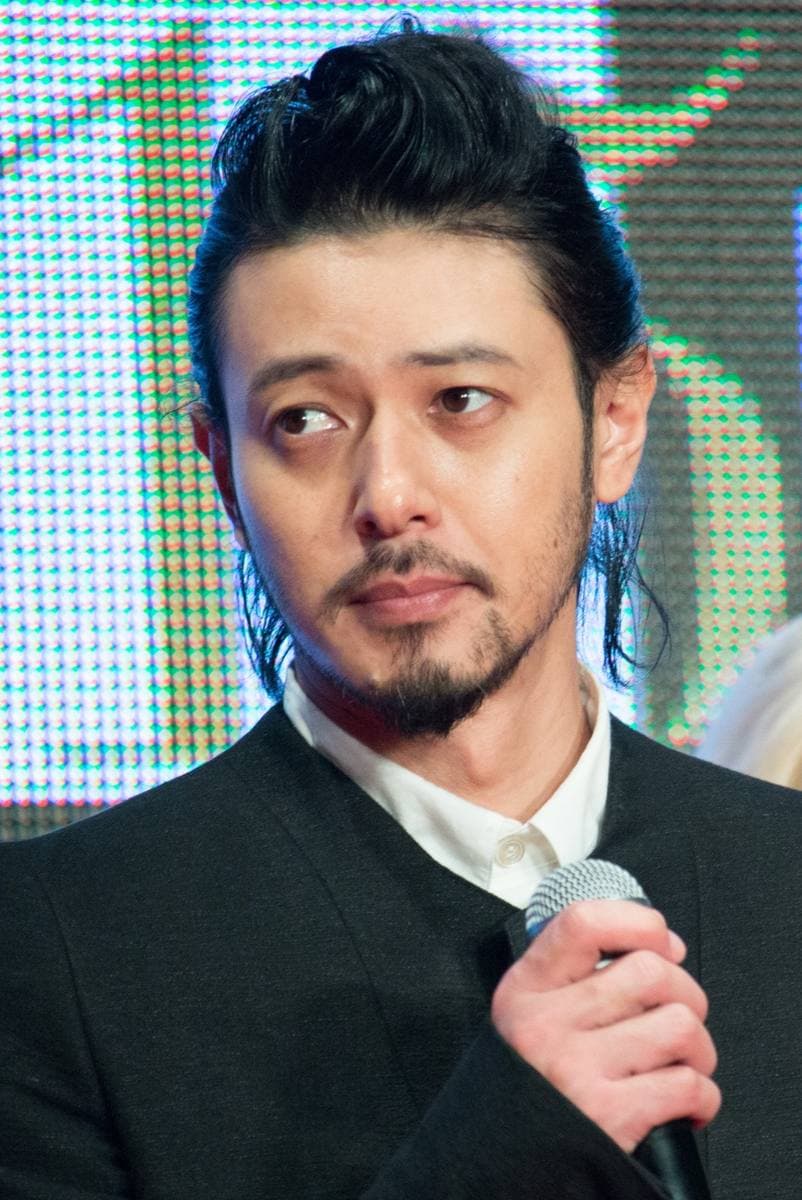
Joe Odagiri at the Tokyo International Film Festival, 21 October 2015, the year of the first film. Dick Thomas Johnson from Tokyo, Japan · CC BY 2.0
Joe Odagiri
Kogure
The policeman among the regulars, back for the 2026 series. This photograph is from October 2015, the year of the first film.
No photograph
Kaoru Kobayashi
The Master
He calls the Master a lead who takes rather than leads, watching each story as if from a seat in the audience. He has a scar on his face and nobody knows his past; the manga’s author says he only started wondering about it when the series’ director asked, and in more than fifteen years has found no answer. We have found no free photograph of Kobayashi from any year.
深夜食堂
Yarō Abe
The manga, from 2006
Born in Kōchi in 1963, he worked in advertising until he was 41. Midnight Diner has run in Shogakukan’s Big Comic Original since 2006 and won the Shogakukan Manga Award.
Where we read it
Sakigake/ORICON, 23 September 2026: the 21 regulars of the new series and their actors.
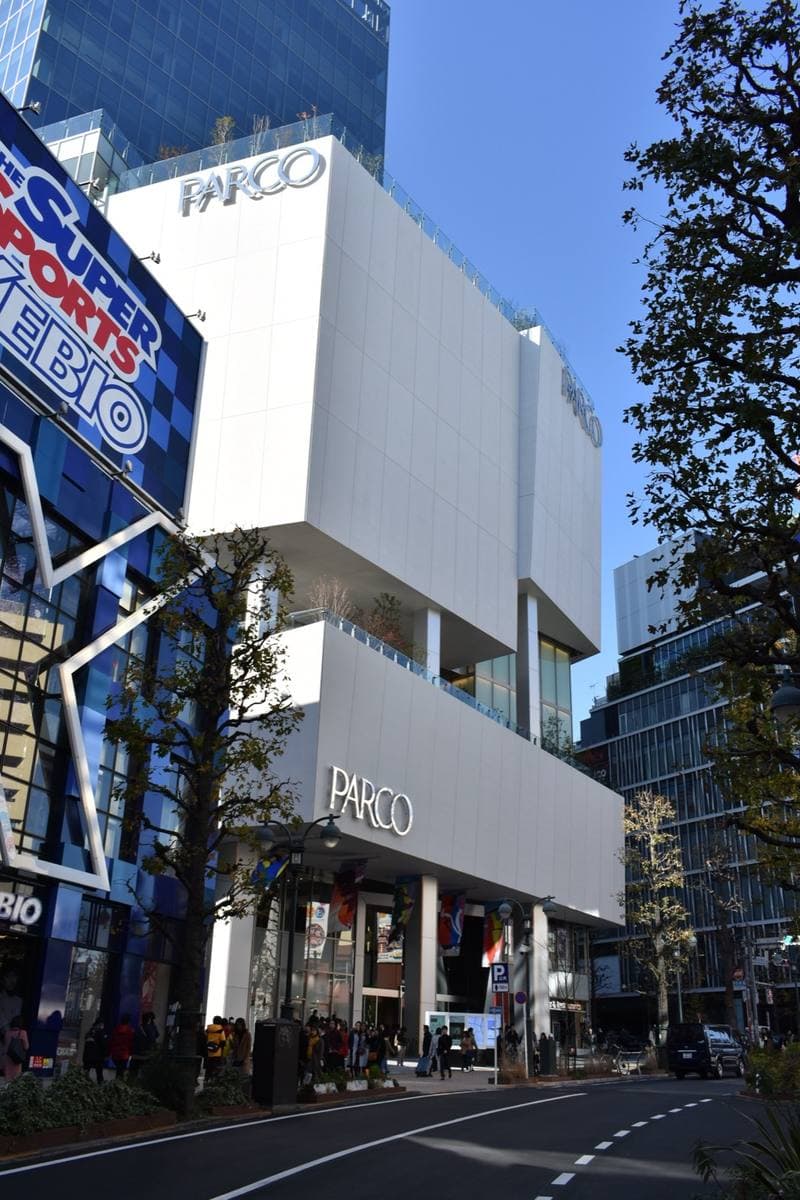
Shibuya PARCO, December 2019. The exhibition is on the eighth floor. 江戸村のとくぞう · CC BY-SA 4.0
Shibuya PARCO, 8th floor (Hobonichi)
15-1 Udagawachō, Shibuya, Tokyo
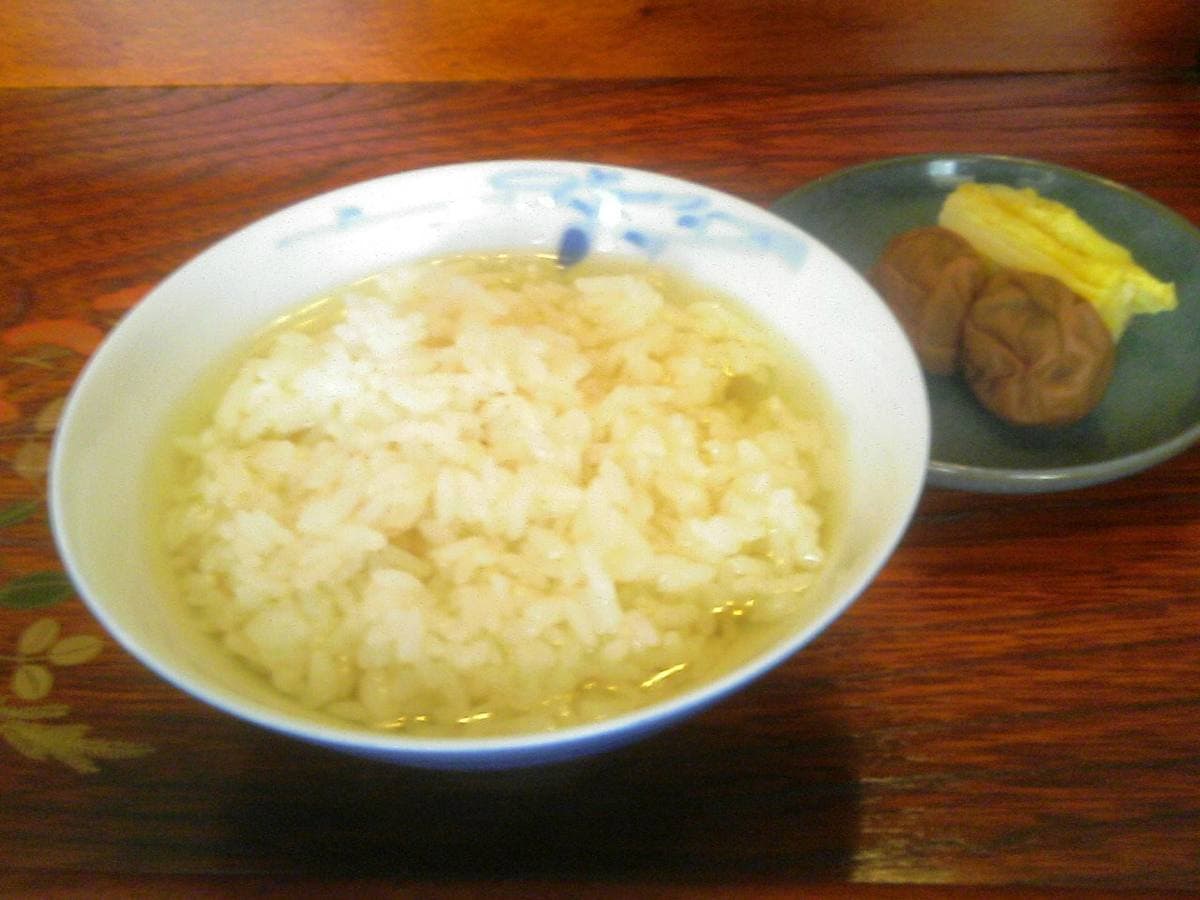
Until 8 November 2026, Hobonichi’s space on the eighth floor of Shibuya PARCO shows the work of food stylist Nami Iijima, from Kamome Diner (2006) to the new Midnight Diner. It has real pieces of the set: the diner’s noren and its lantern. A U-shaped counter like the diner’s is rebuilt there; it is not the set, but you can sit at it and order ochazuke, red octopus sausages and a small beer. Iijima cooks the food for the 2026 series; she also did the food for the 2019 Netflix season.
Hobonichi’s exhibition is on until 8 November 2026, 11am to 8pm, free.
Where we read it
Ochazuke with a pickled plum on the side (2006). ととりん · CC BY-SA 3.0Red sausages cut into octopuses (2025). Quercus acuta · CC BY-SA 4.0Tonjiru, the pork miso soup at the top of the Master’s menu (2014). Kentin · CC BY-SA 4.0
1:26a.m.
The diner opens again
The new series starts on Tuesday 20 October 2026, late at night, seven years after the last one; on TBS in the Kantō region it goes out at 1.26am, after midnight, like the diner.
Seven o’clock
Gochisōsama. Go and find a counter.
Where it is now
8 places you can visit in three areas. The Meshiya set stands in a private warehouse in Iruma: it is named here and not pinned.
Pins mark public places; private homes are named but not pinned.
General reference · Public access · Coordinate precision: site · Not an exact scene or camera position; not a visitor route. Public lanes, free to walk. Most bars open around 8pm; some are members-only. No photographs without permission, and no drinking or smoking in the street.
General reference · Public access · Coordinate precision: site · Not an exact scene or camera position; not a visitor route. A working shrine on the edge of Golden Gai, about ten minutes on foot from Shinjuku Station.
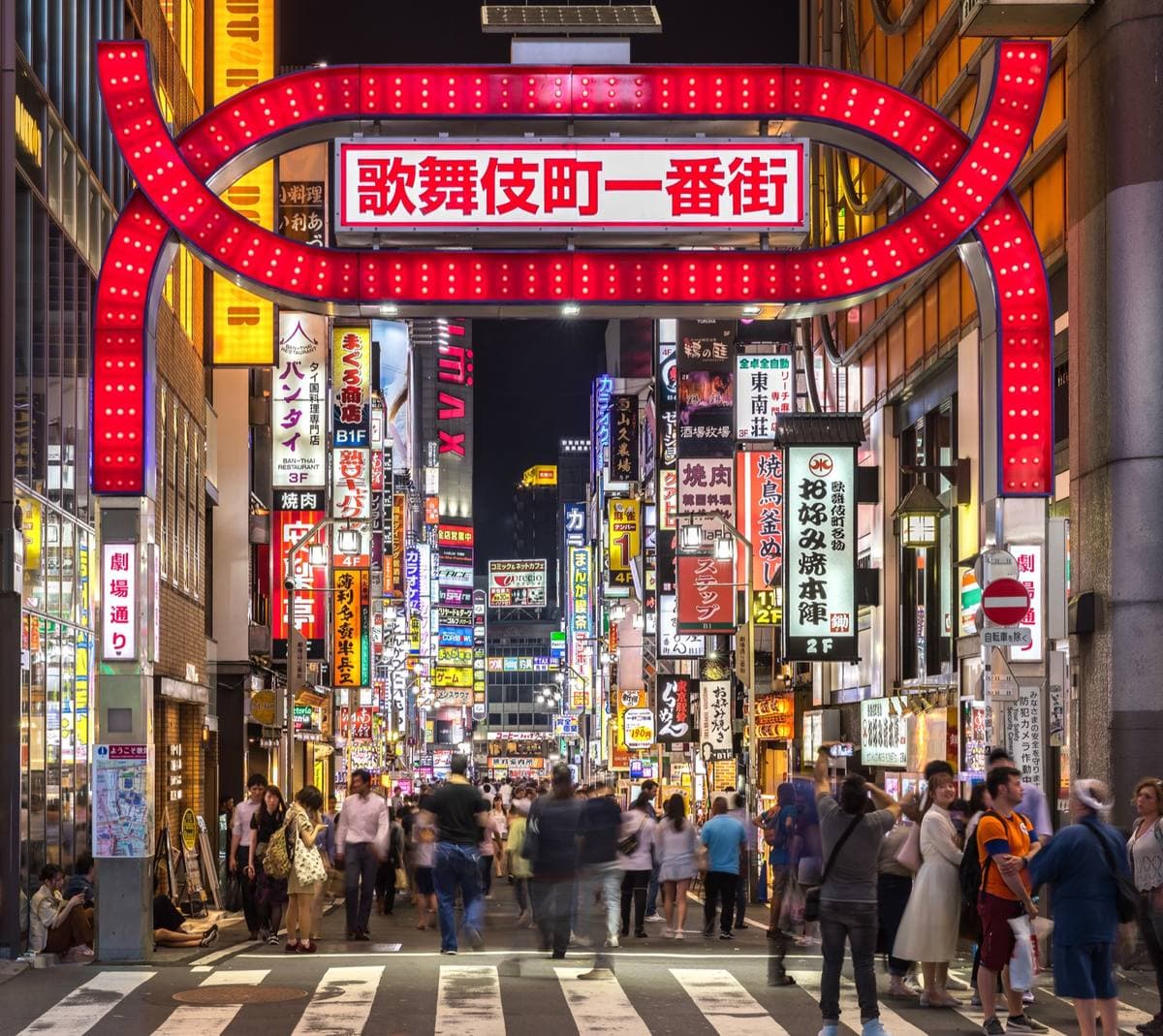
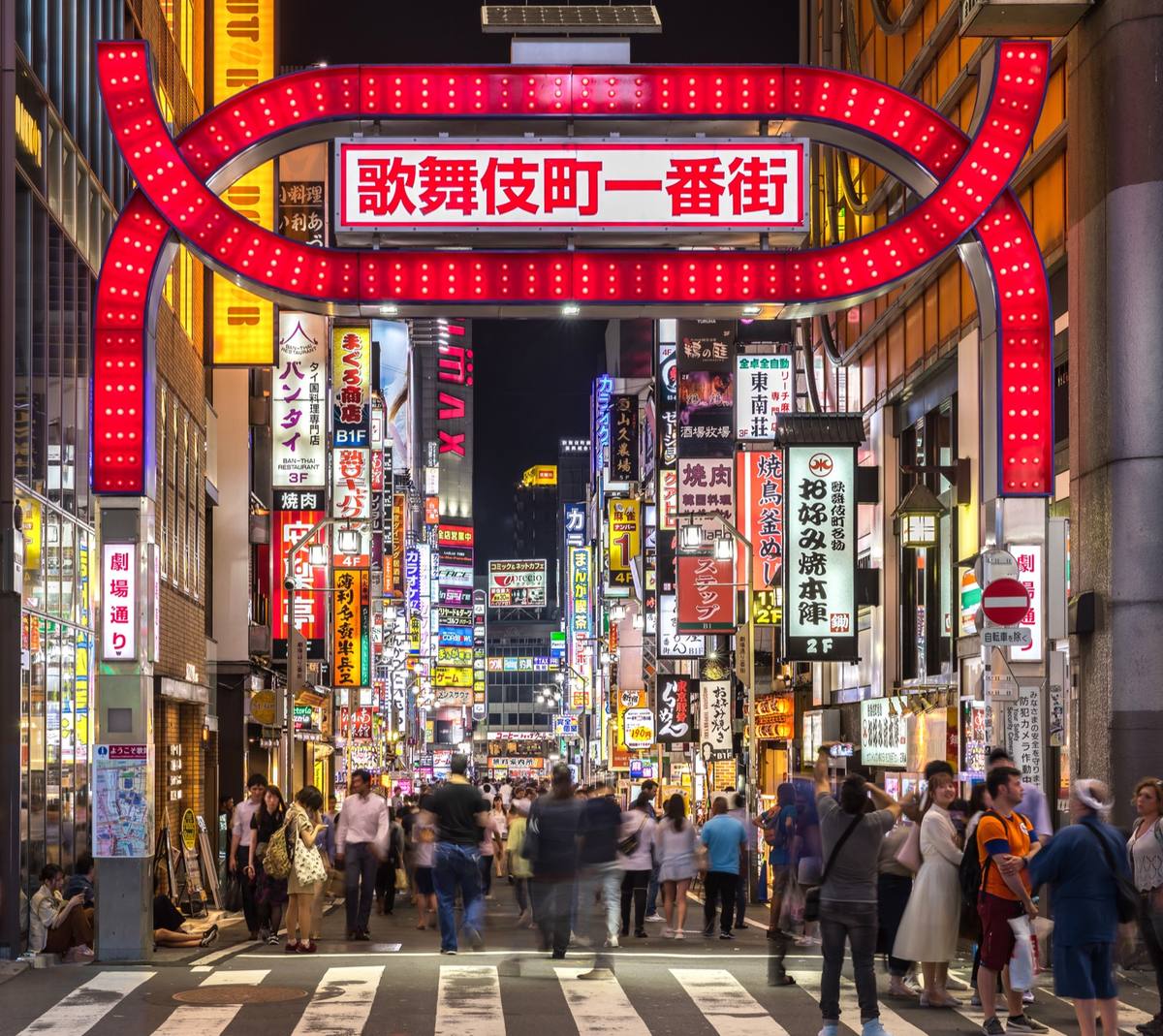
General reference · Public access · Coordinate precision: building · Not an exact scene or camera position; not a visitor route. Streets free at any hour. Kabuki Yokocho, on the second floor of Tokyu Kabukicho Tower, is open around the clock.
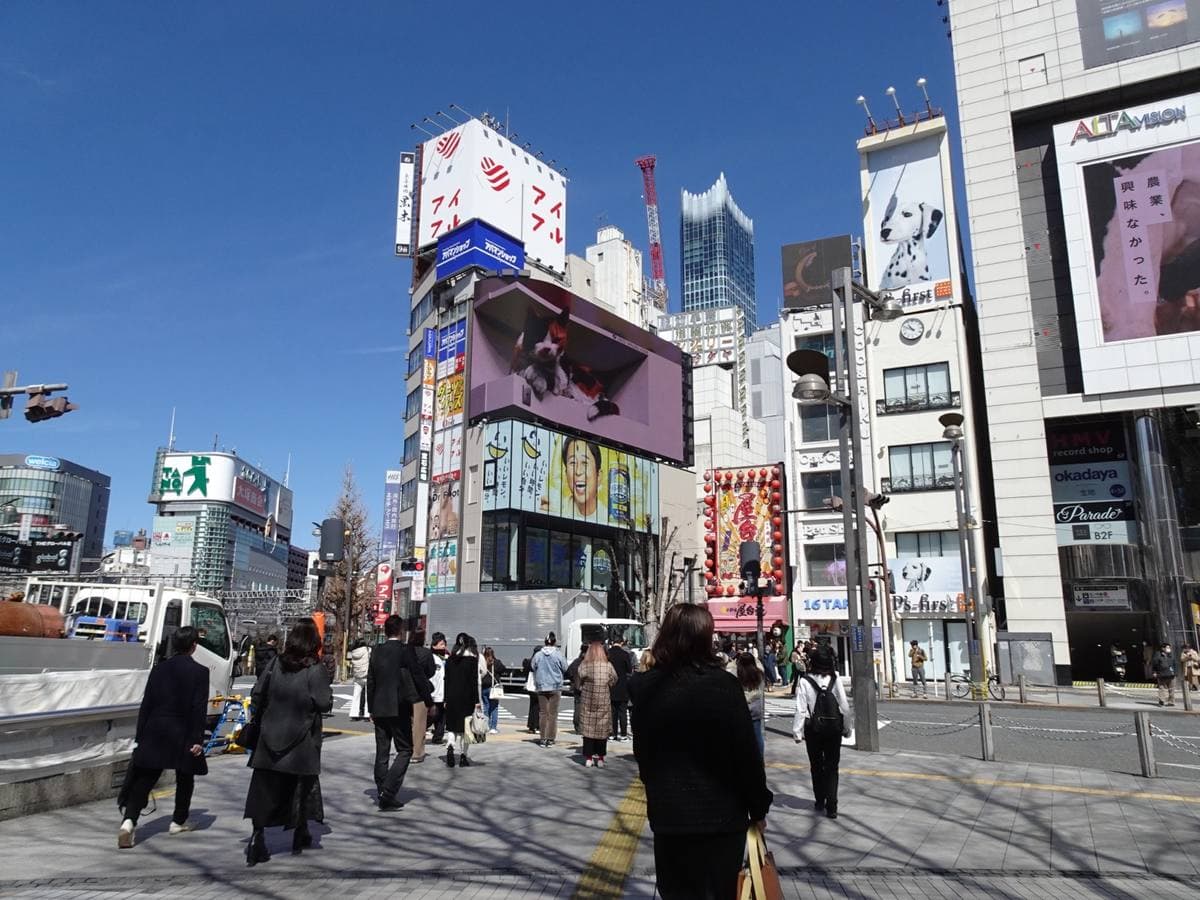
General reference · Public access · Coordinate precision: site · Not an exact scene or camera position; not a visitor route. Open whenever the trains run. Golden Gai is about five minutes away on foot.
General reference · Public access · Coordinate precision: site · Not an exact scene or camera position; not a visitor route. A public alley, two minutes from Shinjuku Station’s west side. Cash only in most places.
Around 280 bars fit into six tight rows of alleys, which have kept their early-1950s look while the rest of Shinjuku was rebuilt.
Public lanes, free to walk. Most bars open around 8pm; some are members-only. No photographs without permission, and no drinking or smoking in the street.
Dates, prices, rooms and stock change: confirm with the provider before you travel or buy. A stay or tour is described as a filming location only where the card says so.
The order book
Every place and moment behind this page, with sources.
9 of 9 places · 8 of 8 Moments
Shinjuku Golden Gai
1 Kabukichō, Shinjuku, Tokyo
The walk for the T-junction
Harada and Matsuoka walk the Golden Gai area together to plan the diner’s crossroads; a police box comes out of the conversation.
Hanazono Shrine
5-17 Shinjuku, beside Golden Gai, Tokyo
The red tent
Kara Jūrō’s Situation Theatre puts up its first red tent at Hanazono Shrine; Kobayashi and Fuwa later come out of the company.
Kabukichō and Kabuki Yokocho
Tokyu Kabukicho Tower, 1-29-1 Kabukichō, Shinjuku, Tokyo
Shinjuku Station, east exit
3 Shinjuku, Shinjuku, Tokyo
Midnight to seven
The diner is in Shinjuku and opens at midnight; the menu is a pork miso soup set, beer, sake and shochu, and the Master makes anything else he can.
Omoide Yokocho
1 Nishi-Shinjuku, Shinjuku, Tokyo
Lanes he remembered
Harada builds the diner’s street from the drinking lanes of Shinjuku and Shibuya he remembers.
Nonbei Yokocho, Shibuya
1-25 Shibuya, Shibuya, Tokyo
Shibuya’s half
The other half of Harada’s memory: Shibuya’s drinking lanes.
Shibuya PARCO, 8th floor (Hobonichi)
15-1 Udagawachō, Shibuya, Tokyo
The noren comes to Shibuya
The set’s noren and lantern hang in Shibuya, over a counter where you can order ochazuke and red octopus sausages.
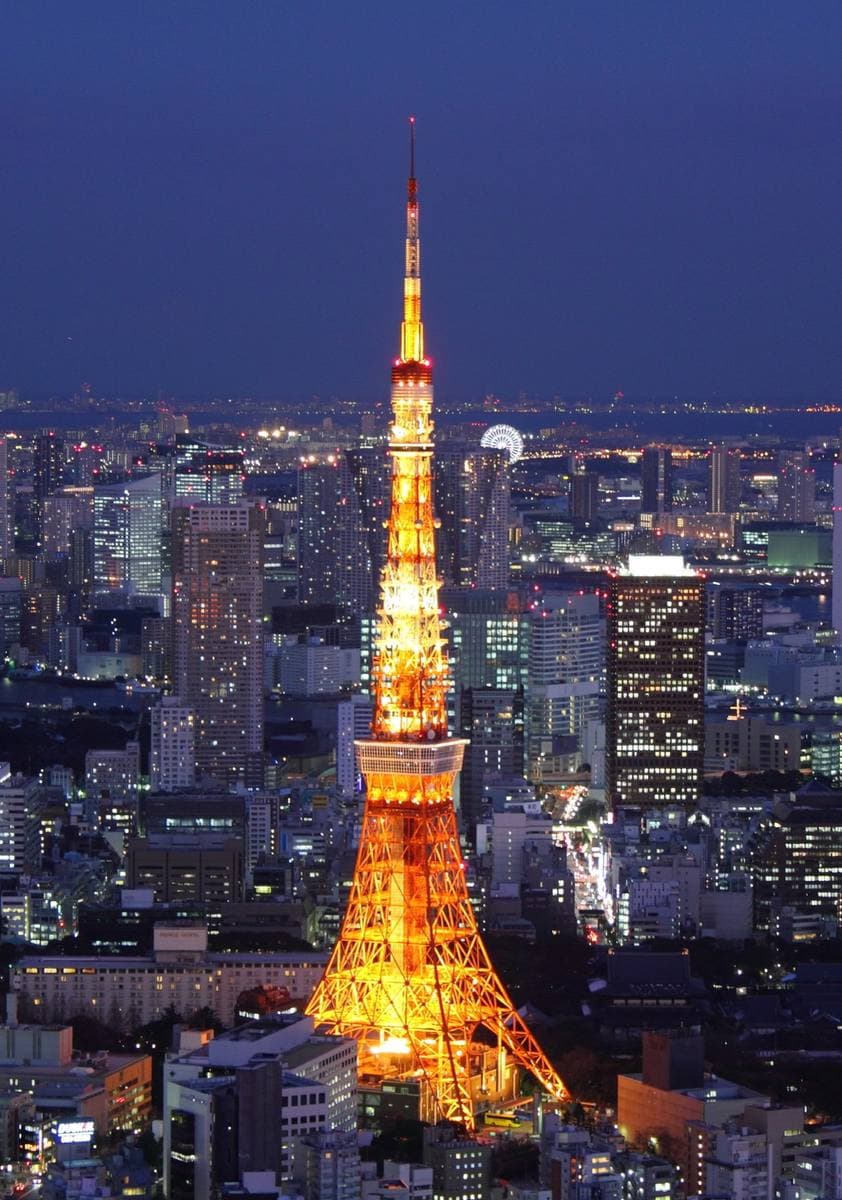
Tokyo Tower
4-2-8 Shibakōen, Minato, Tokyo
Before Meshiya
Matsuoka and Kobayashi work together on Tokyo Tower before the diner.
The Meshiya set, Iruma
A warehouse in Iruma, Saitama
Golden Gai, indoors
The diner’s street is built inside a 300-tsubo warehouse in Iruma.