Skip to content

2001A Space Odyssey

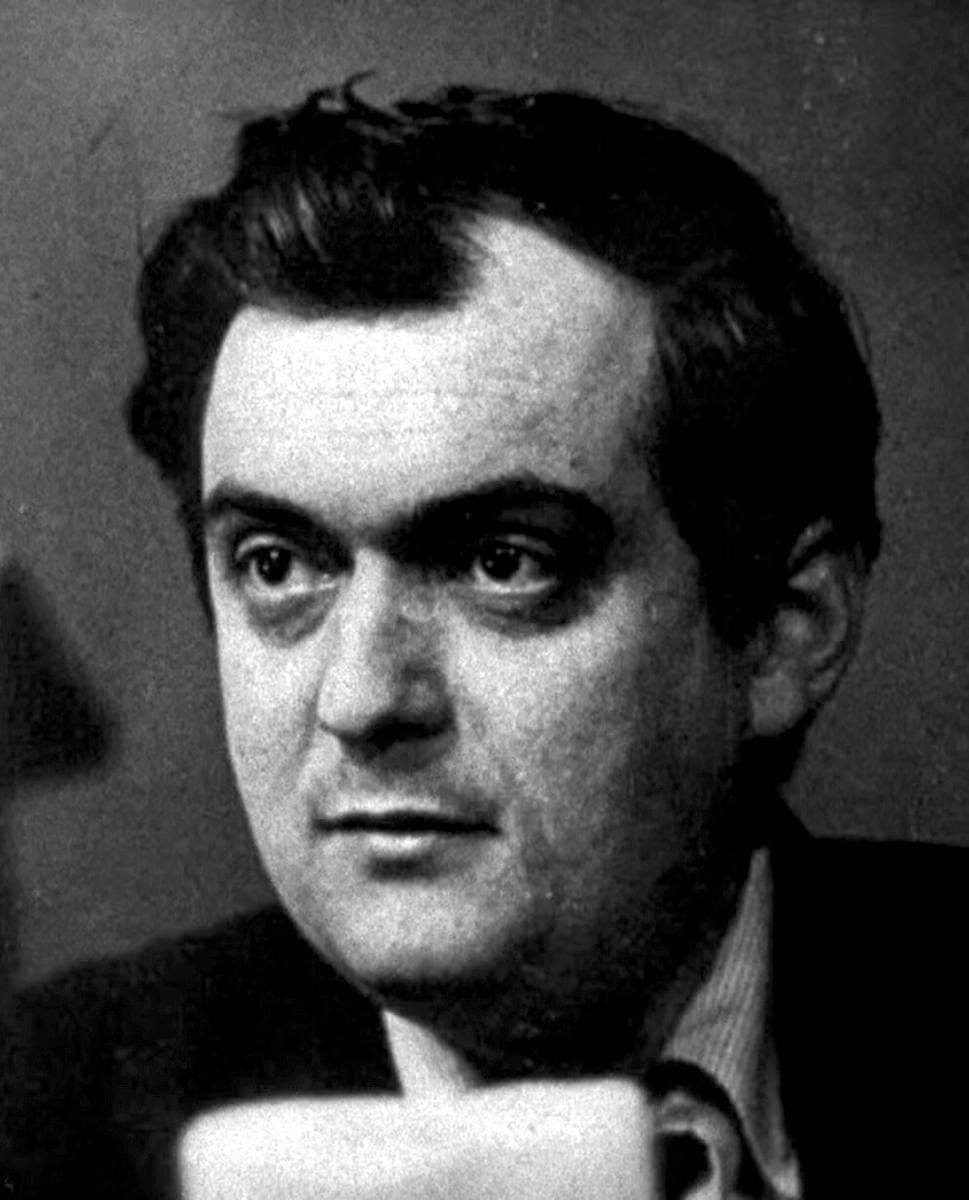
  1. Stanley Kubrick, bearded, in a dark jacket, looking to one side
    Stanley Kubrick in the trailer for Dr. Strangelove, 1963, the year before he began 2001 with Arthur C. Clarke. Columbia Pictures · Public domain
    Kubrick
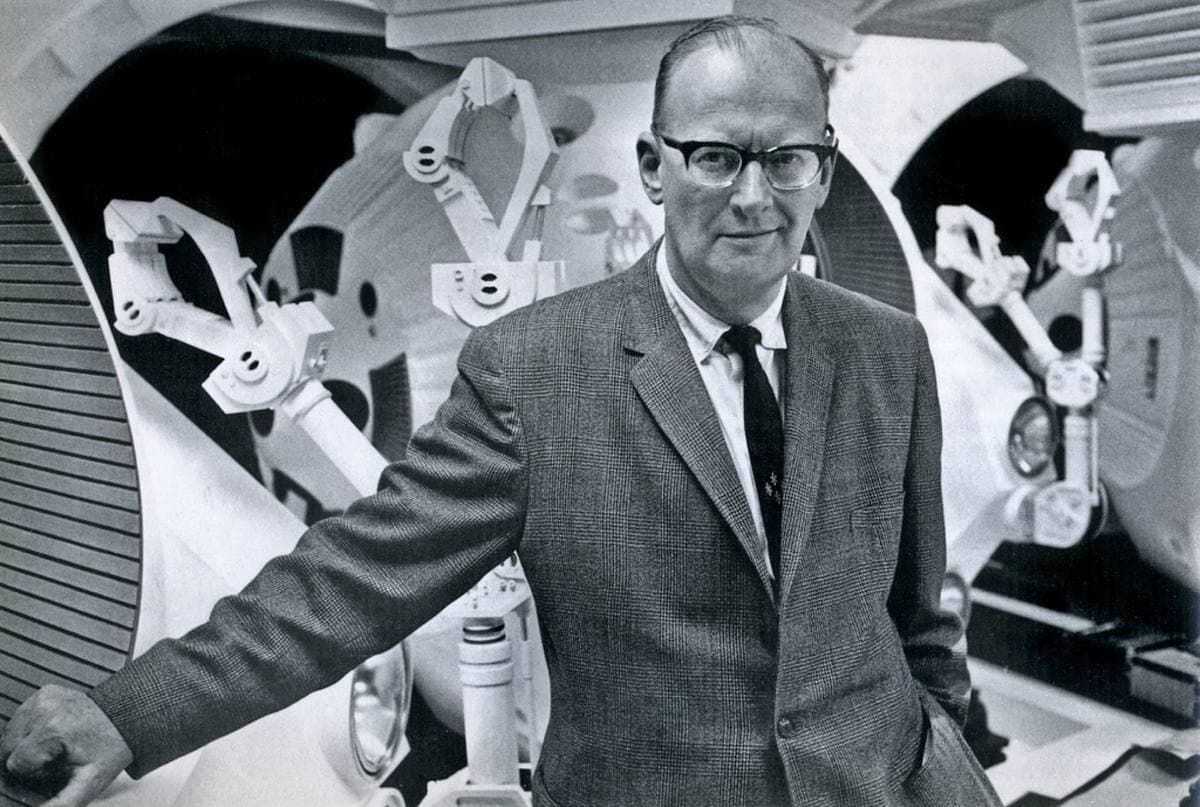
  2. Arthur C. Clarke in a tweed jacket and glasses, leaning on a white spacecraft mock-up with robot arms behind him
    Arthur C. Clarke in February 1965, in front of a spacecraft set. ITU Pictures · CC BY 2.0
    Clarke
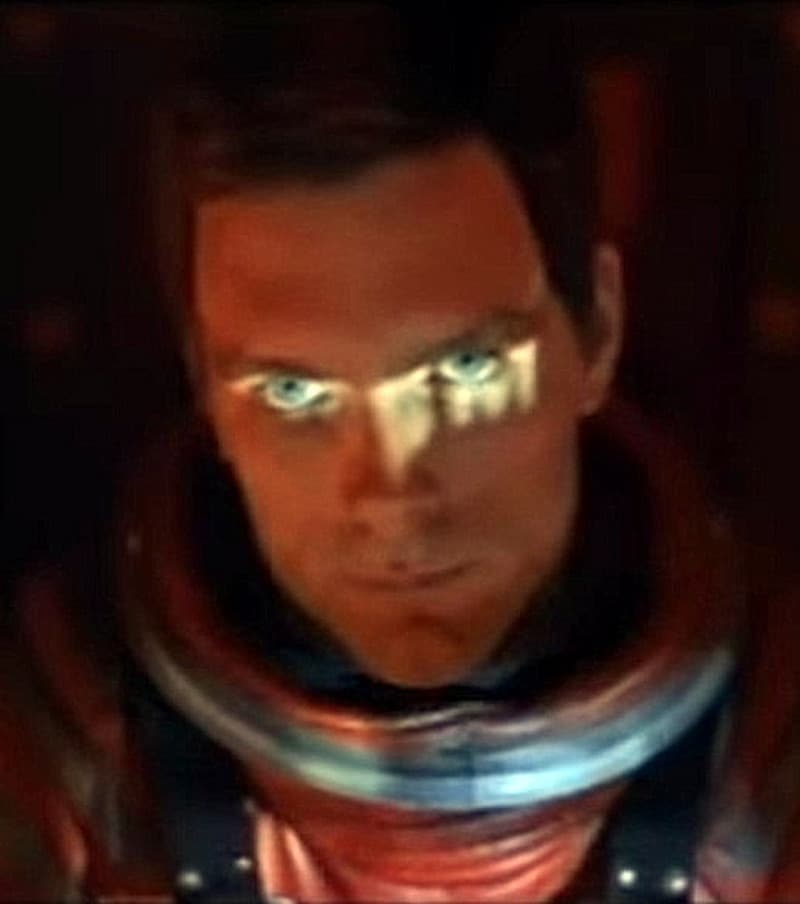
  3. Keir Dullea in a red spacesuit helmet, lit from below, staring upward
    Keir Dullea as Dave Bowman, a frame from the 1968 trailer. Metro-Goldwyn-Mayer (1968 trailer) · CC0
    Dullea
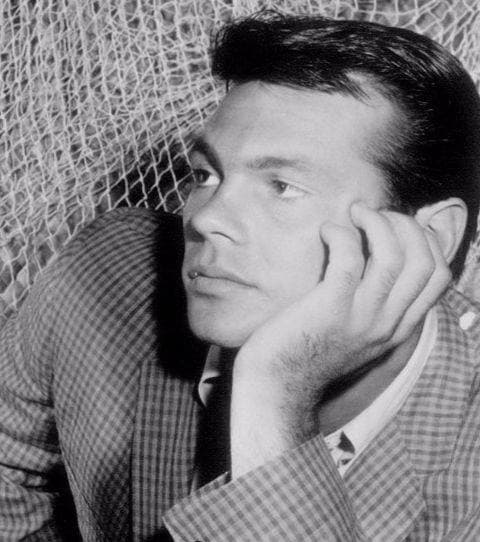
  4. Gary Lockwood, a young man with short dark hair, smiling
    Gary Lockwood, Frank Poole in the film, in a 1962 television publicity photo. ABC Television · Public domain
    Lockwood

Stanley Kubrick. Director, in the Dr. Strangelove trailer, 1963.

Four million years pass in one cut. The film itself barely left the studio: this desert, the Namib, came in on transparencies; the Moon was a pit in Shepperton; Jupiter was the rock of a Hebridean island.

The match cut · 10 places

Throw the bone.
Cut to somewhere real.

In the film a bone leaves an ape’s hand and, in a single frame, becomes a craft in orbit. Here each throw cuts to the next place where the film was made, shown or kept.

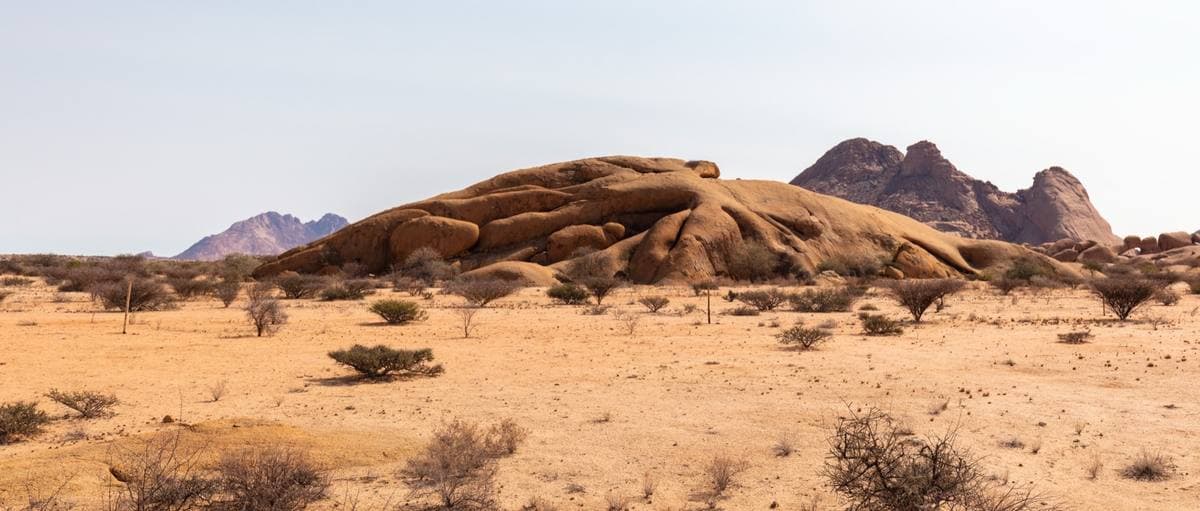
A low granite dome and sharp peaks over a dry plain of scrub and sand
The Spitzkoppe, in the Namib, 2018. Diego Delso · CC BY-SA 4.0
Cut 00Namib Desert, Namibia (then South West Africa)

The bone is still in the sand. Throw it.

The Namib Desert

A small unit photographs the desert on 8 × 10 inch transparencies, to be projected behind the actors in Borehamwood.

In 1966 a small unit went to a remote part of the Namib, then South West Africa, to photograph backgrounds: production designer Ernest Archer, Andrew Birkin, Keith Hamshere and stills photographer Pierre Boulat.

They shot on 8 × 10 inch Ektachrome transparencies.

The plates came from a remote part of the desert. No single viewpoint is named, so it has no pin on the map.
Sources

Flick the bone upward, press Throw, or jump to a stop.

Stage 3 · Borehamwood · 1966

A desert
on a screen.

In 1966 a small unit went to a remote part of the Namib, then South West Africa, to photograph backgrounds: production designer Ernest Archer, Andrew Birkin, Keith Hamshere and stills photographer Pierre Boulat. They shot on 8 × 10 inch Ektachrome transparencies.

MGM effects man Tom Howard built a front-projection rig with Kubrick to throw the transparencies on to a screen of 3M’s Scotchlite behind the actors, on Stage 3 at Borehamwood.

Projector off: a grey reflective screen and two figures in front of it.

Sources
projectormirrorcameraScotchlite screen
A plain diagram of the idea, not a plan of the stage.

HAL’s brain room was on Stage 6

Pull a module.
He forgets a place.

The sets filled six stages: the Pod Bay on Stage 1, the Aries passenger cabin on 2, the Dawn of Man and the space station on 3, the centrifuge, emergency airlock and white bedroom on 4, the Clavius conference room on 5 and HAL’s brain room on 6.

Sources

All ten modules in. I know where every one of these places is.

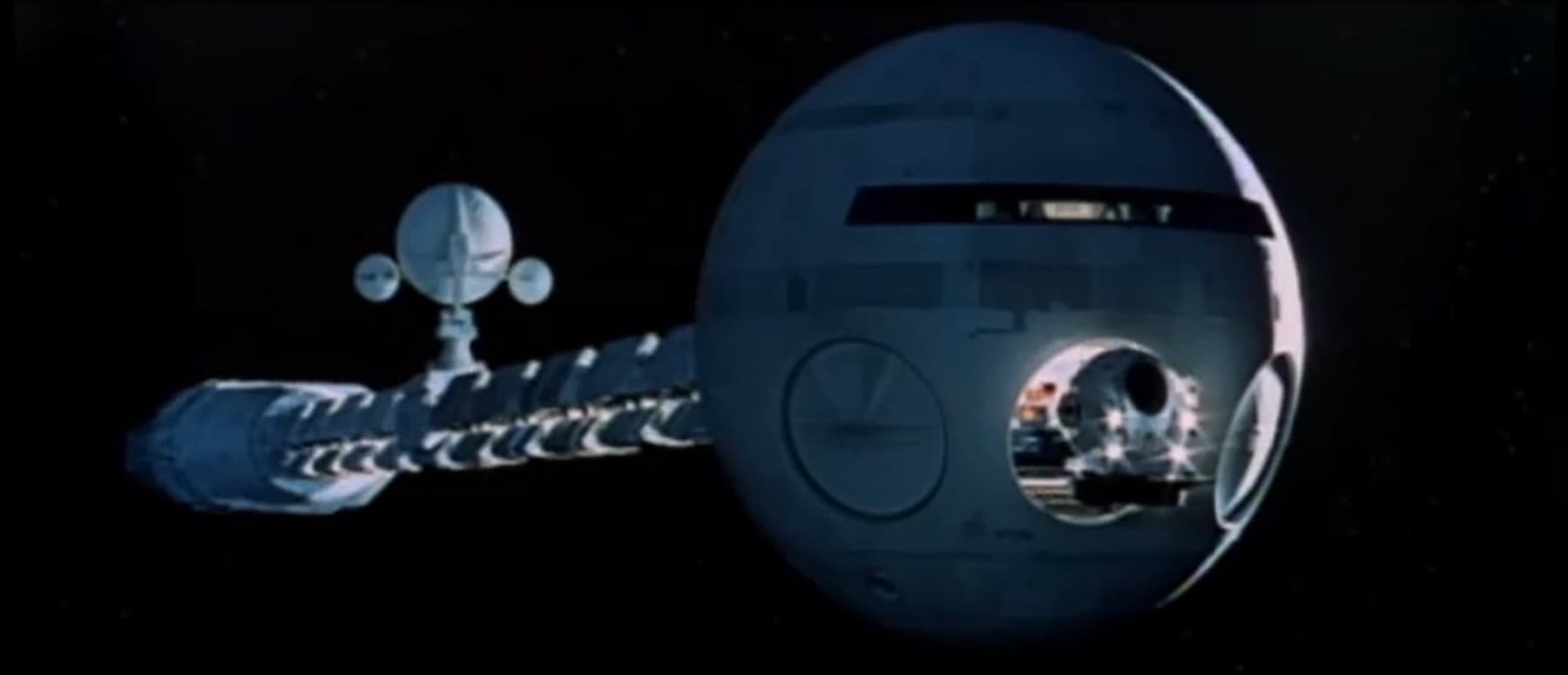
A long white spaceship with a spherical head in black space, a small pod beside it
The Discovery and a pod, from the 1968 trailer. Metro-Goldwyn-Mayer (1968 trailer) · Public domain

Stage 4 · the airlock and the wheel

Which way
is up?

As on screen: a horizontal tube, a man flying along it.

The airlock that looks horizontal is built standing up: the camera shoots straight up through it, and the astronaut’s body hides the wires as he is lowered towards the lens.

Sources

Vickers-Armstrong builds the centrifuge: 38 feet across, about 10 feet wide, $750,000, turning at up to three miles an hour, with desks, consoles, bunks and hibernation pods built in.

Sources
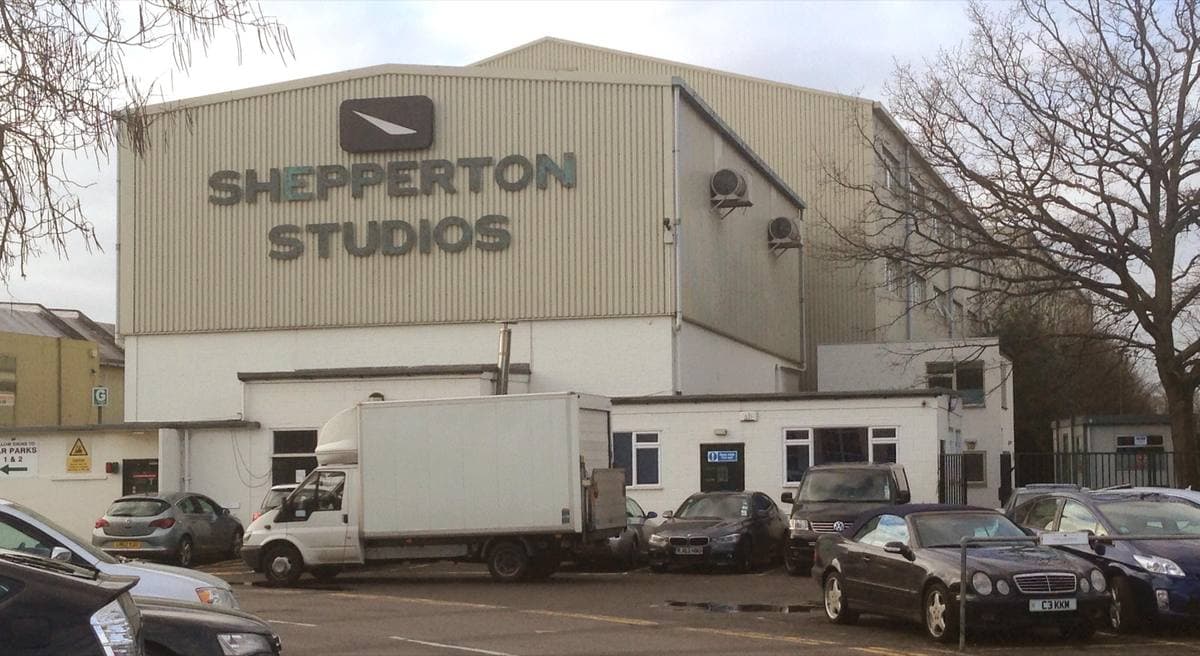
A pale stage building with the words Shepperton Studios, cars parked in front
Shepperton Studios, 2014. alexander williams · CC BY-SA 3.0

Studios Road, Shepperton, Surrey

Shepperton Studios, H Stage

Kubrick built his Moon at Shepperton: H Stage could hold the huge pit for the Tycho crater excavation, the first scene shot, in December 1965.

H Stage is the largest on the lot: 250 feet long, 120 feet wide and 45 feet high. Laid rim to rim, 6 centrifuges would fit along it.

A working studio with no public tours. You can see the gates from Studios Road.

Sources
Keir Dullea in a red spacesuit helmet, lit from below, staring upward
Keir Dullea as Dave Bowman, a frame from the 1968 trailer. Metro-Goldwyn-Mayer (1968 trailer) · CC0

East Harris · filmed from the air

Drag the slit.
The rock turns to light.

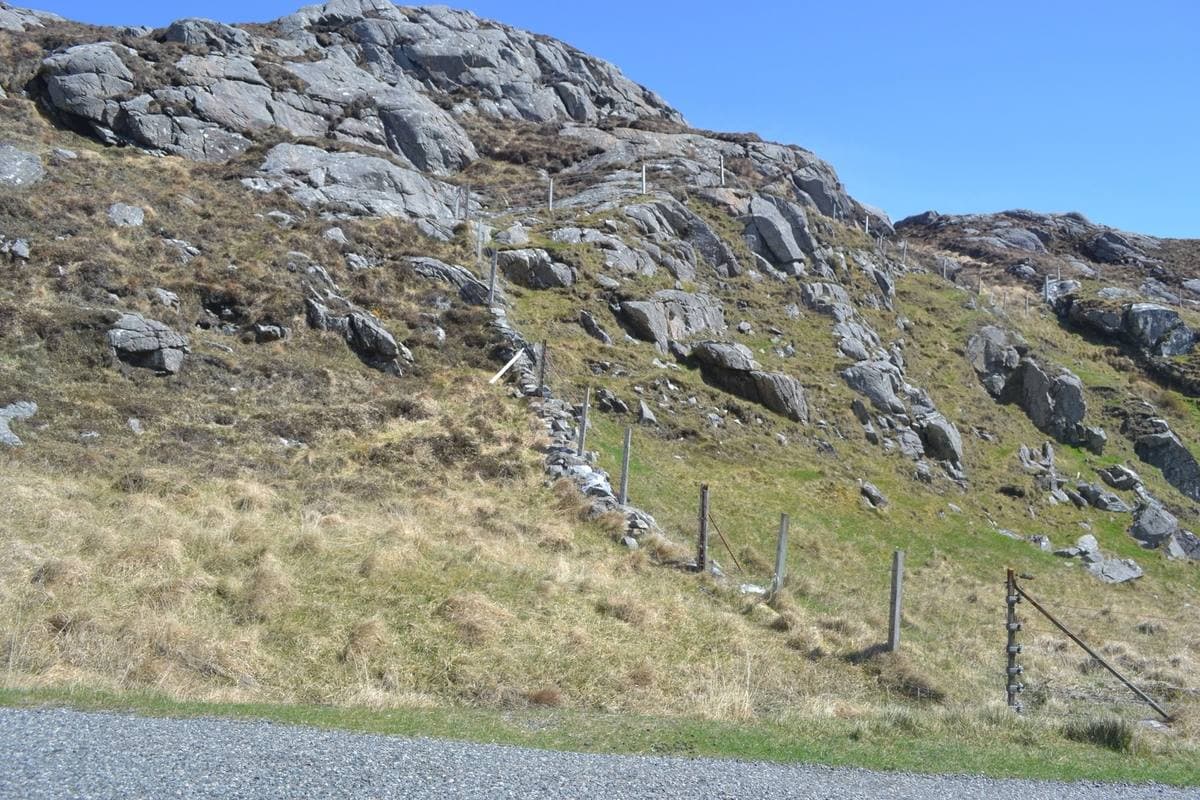
Kubrick used the barren land around Loch na h-Àirigh, on the east coast of Harris, for the surface of Jupiter. It was filmed from an aircraft, with coloured lenses and optical distortion; these are thought to be the only scenes filmed outside a studio.

A hillside of grey bare rock and rough grass above a single-track road
Bare rock on the east coast of Harris at Geocrab, 2013. Stephen Darlington · CC BY-SA 2.0

Slit at 62%: everything to its right is one sliver of Harris, stretched out.

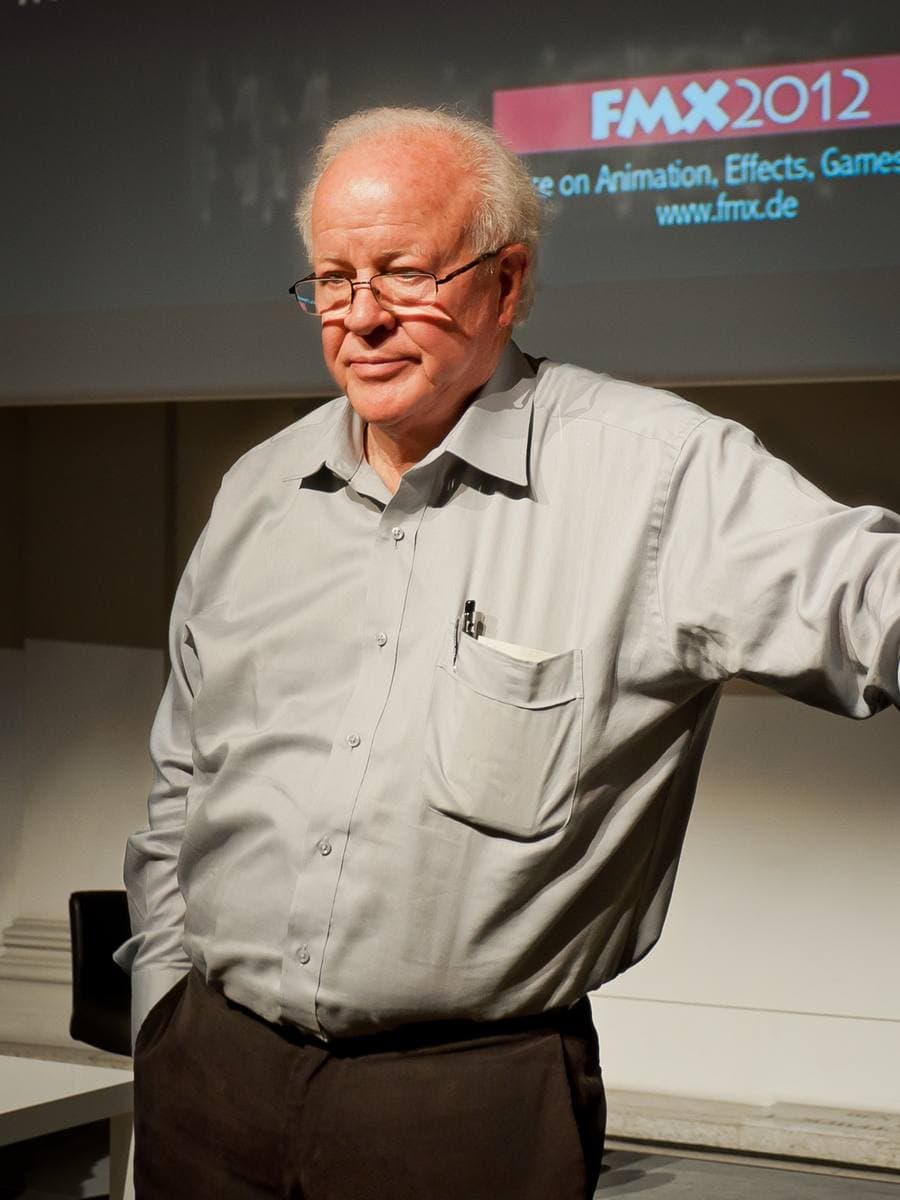
Douglas Trumbull, white-haired, in a grey shirt, gesturing during a talk
Douglas Trumbull speaking at FMX, Stuttgart, 2012. Julian Herzog · CC BY 4.0

Douglas Trumbull

Douglas Trumbull said the last shots before Bowman reaches the room came from unusual aerial scenes, with the colour filters juggled in the duping process, after months of experiment.

Open hill land on the rocky east side of the island. The flight path is not marked, so it has no pin on the map.
Sources
Harris Hotel

Harris Hotel, Tarbert

Tarbert, Isle of Harris

A family-run hotel in Tarbert, for the bare rock of the island’s east coast that stood in for Jupiter. Not a filming location.

Check rooms
Viator · Ad / affiliate

Tours of Harris

Isle of Harris

Live marketplace results for guided days on Harris. None is a 2001 tour; pick one that takes the east-coast road.

Live marketplace results · itineraries change

Compare tours

Washington · 2 April 1968

Pick a seat
for the premiere.

Orchestra: the curved screen fills your view.

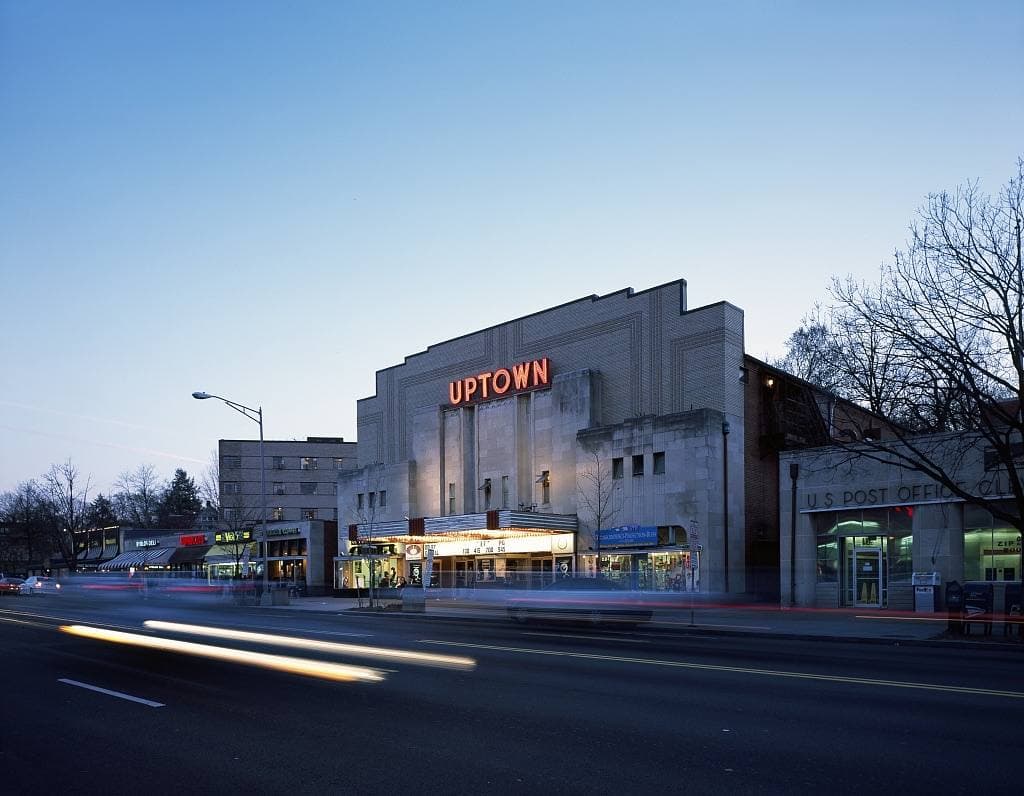
An art deco cinema with a red UPTOWN sign at dusk, car lights streaking past
The Uptown Theater, Connecticut Avenue, in the 2000s. Carol M. Highsmith · Public domain

3426 Connecticut Avenue NW, Cleveland Park, Washington DC

The Uptown Theater

The world premiere was at the Uptown on 2 April 1968, before 1,120 people. Balcony seats cost 75 cents; the orchestra and loge, three dollars. Gary Lockwood, who plays Frank Poole, said afterwards that nobody liked it; the Evening Star called it a mind-stretching spectacle.

Opened in 1936, the Uptown had the city’s only Cinerama screen, curved and split three ways, and ran 2001 for an entire year. It closed in 2020 after 84 years, became a DC landmark in 2022 and stands empty.

Closed and empty. See the front from Connecticut Avenue.

Sources
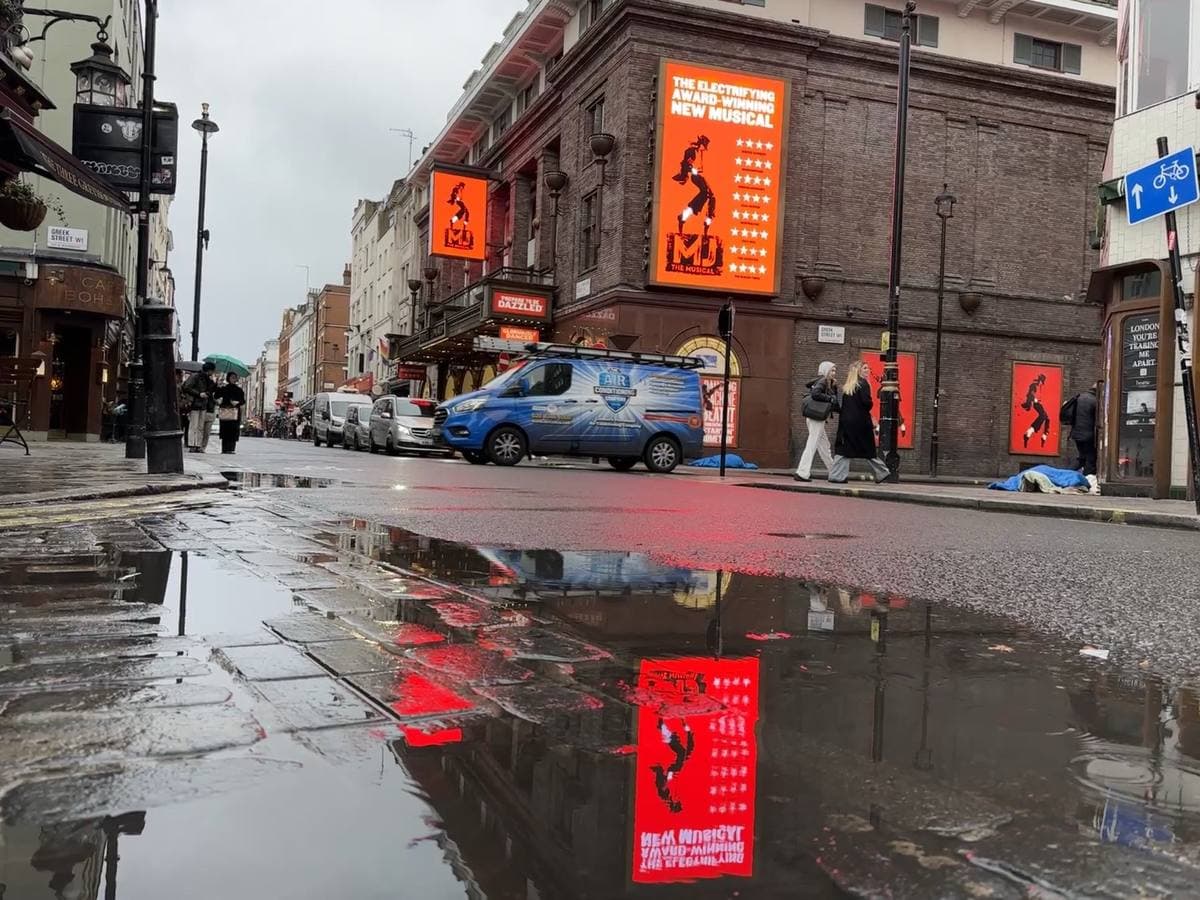
A brick corner theatre with red posters reflected in a wet street
The Prince Edward Theatre, Old Compton Street, January 2025. Matt Brown · CC BY 2.0

28 Old Compton Street, Soho, London

London, for 47 weeks

As the Casino Cinerama it showed 2001 from 1 May 1968 to 26 March 1969, 47 weeks, and for six more weeks in 1972. Its 146-degree Cinerama screen was taken out on 19 September 1974.

Opened in 1930 and converted for Cinerama in 1954, it was a cinema until 1974 and reopened under its first name, the Prince Edward, on 21 June 1978 with Evita.

Sources
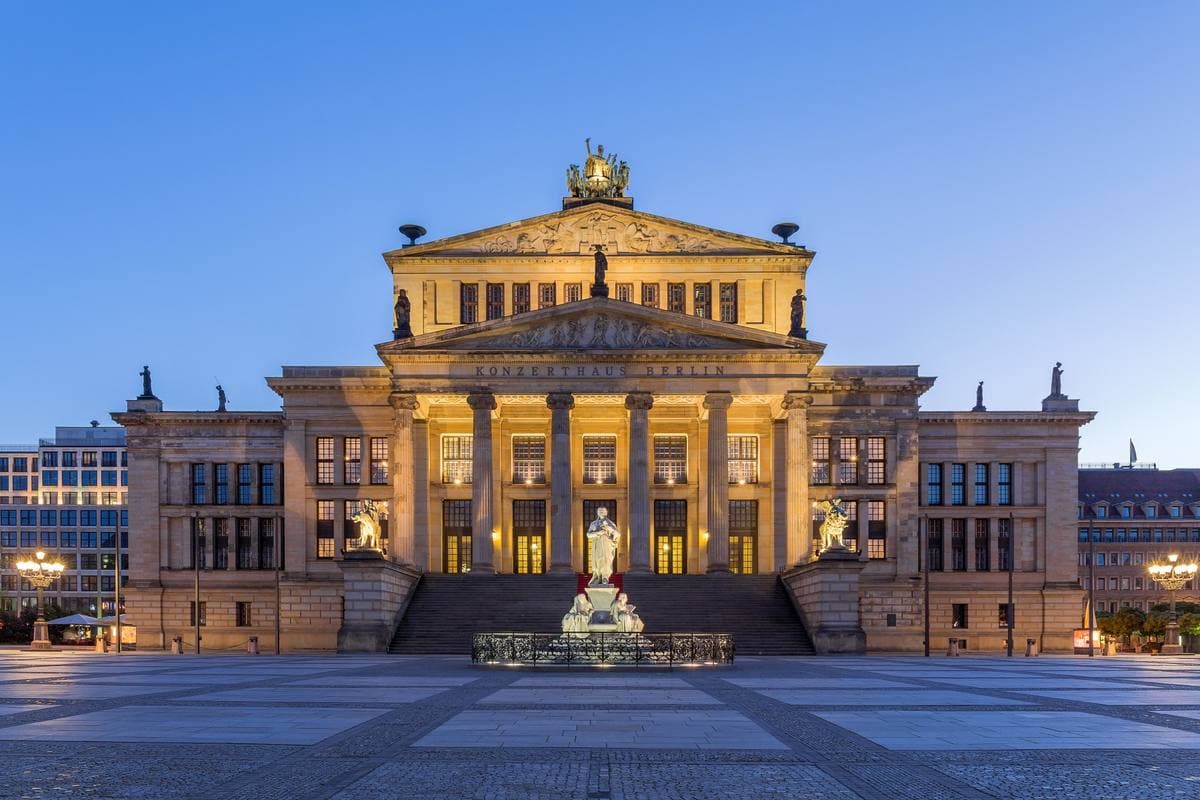
A columned neo-classical concert hall lit gold at dusk over a wide square
The Konzerthaus on the Gendarmenmarkt at dusk, 2015. Ansgar Koreng · CC BY 3.0 DE

Next April · Gendarmenmarkt, Mitte, Berlin

The score, live

On 16 and 17 April 2027 the Konzerthausorchester Berlin and the RIAS Kammerchor, conducted by Peter Rundel, play the score live to the film. Seats cost €28 to €79 plus a system fee; the film is shown in its original version with subtitles.

Sources

Elephant and Castle · by appointment

Thirty boxes
for one film.

For 2001 alone there are 30 boxes of photographs, with the letters between Clarke and Kubrick, and luggage tags from a Queen Mary crossing from New York to Southampton before filming.

The archive stayed in Kubrick’s home until it moved to the University of the Arts London in March 2007; it has been open to the public since October 2007. It holds scripts, research, set plans, props, costumes, posters and sound tapes from his whole career.

Monday to Friday, by appointment only: archives@arts.ac.libanswers.com or 020 7514 9333.

Sources
University of the Arts London

Visit the Stanley Kubrick Archive

Elephant and Castle, London · Monday to Friday, by appointment only

Scripts, set plans, props, costumes and 30 boxes of photographs for 2001 alone. Open to the public by appointment.

Ask for a visit
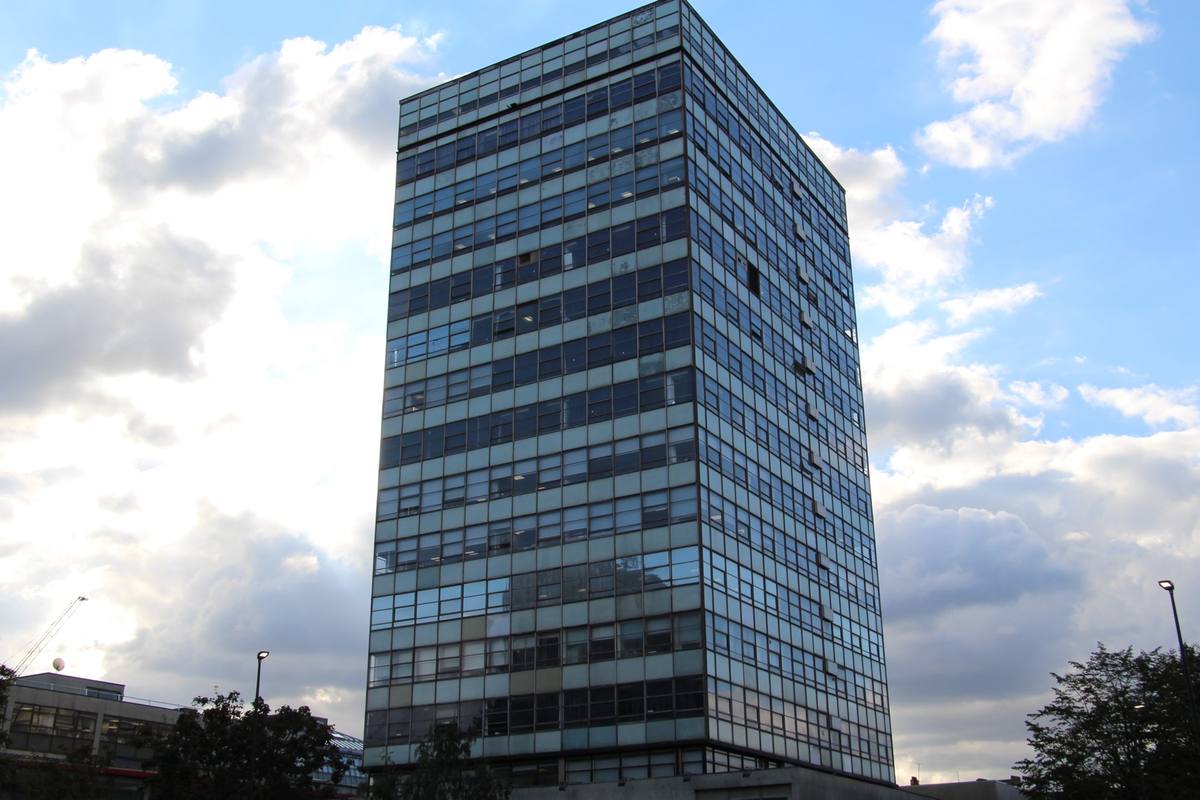
A tall glass tower block against a cloudy sky
The London College of Communication tower, Elephant and Castle, 2016. Fred Romero · CC BY 2.0
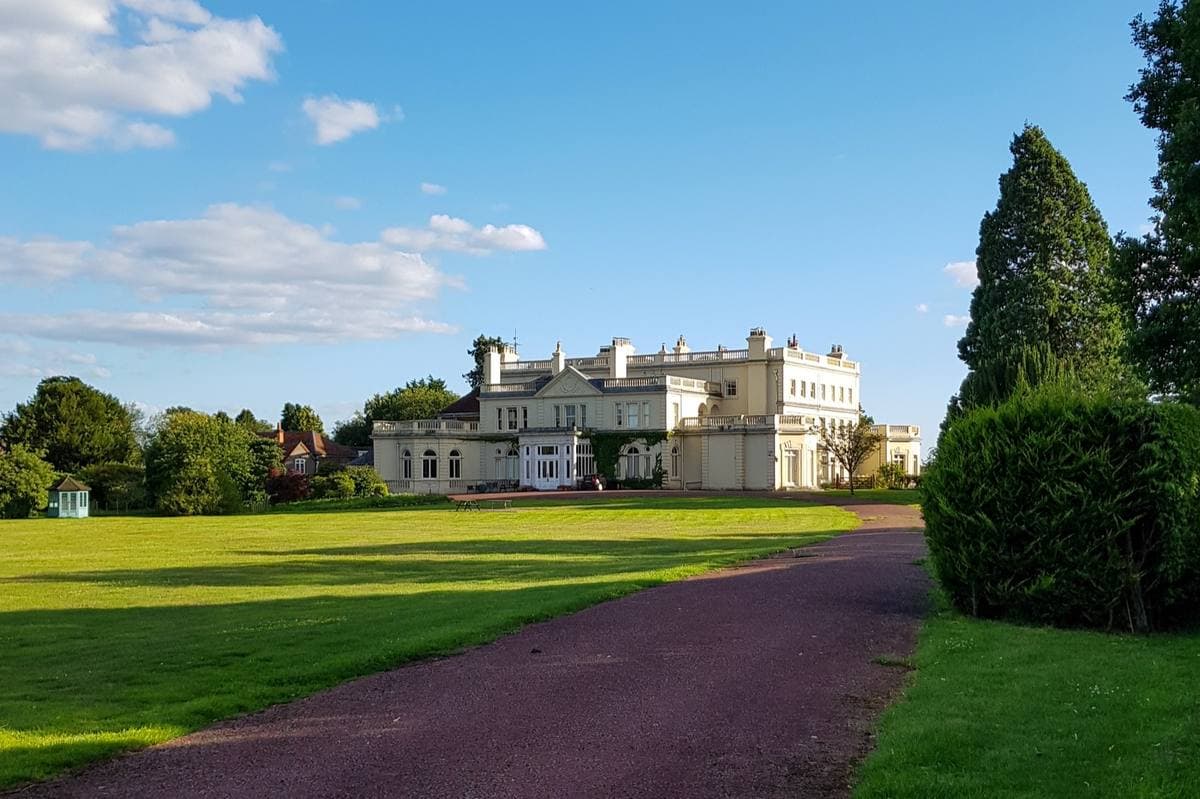
A long cream country house across a lawn, a path running towards it
Childwickbury Manor, 2020. Colin · CC BY-SA 4.0

Hertfordshire. A private family home

Where the boxes were

Jan Harlan remembered half the house filled with Kubrick’s boxes and trunks. Books on the library shelves at Childwickbury still carry his Post-it notes.

A private home. Please do not visit; the archive it held is in London now.

Sources
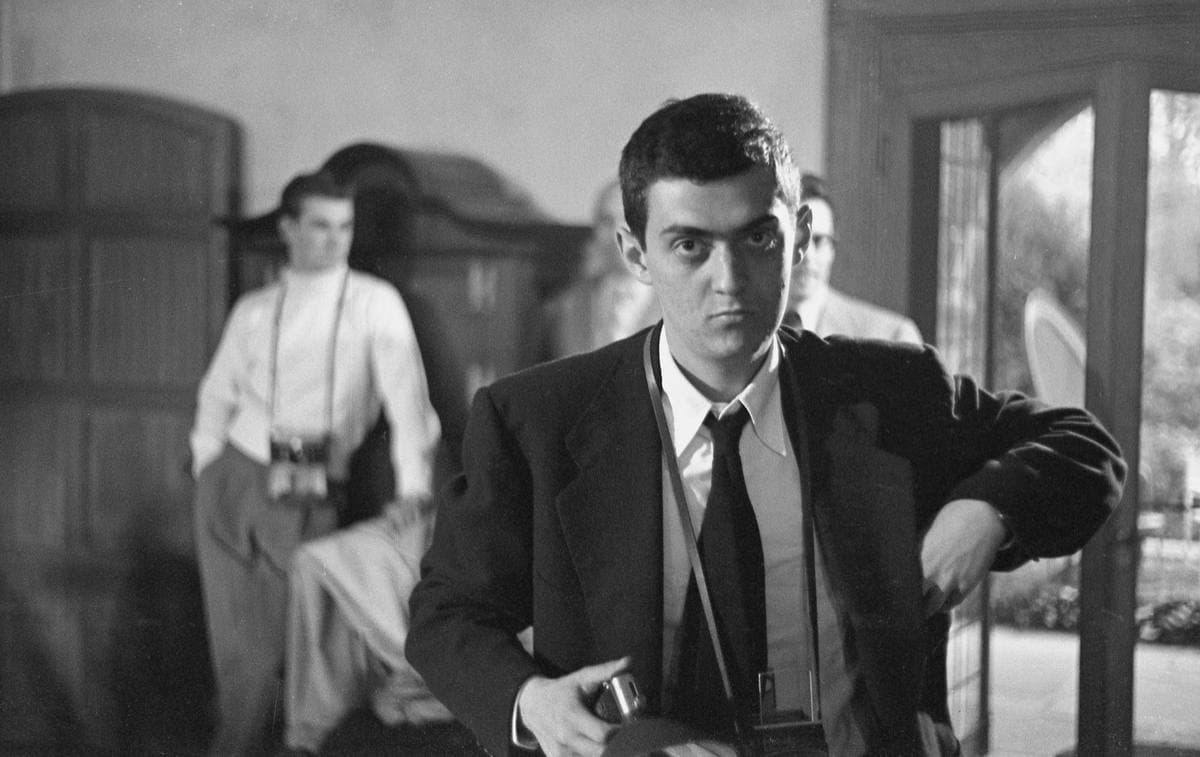
A young Stanley Kubrick in a dark jacket and tie, a camera in his hand, looking straight at the lens
Stanley Kubrick at 20, a Look magazine photographer, London, 1949. Phillip Harrington, Look magazine · Public domain

Where it is now

7 places you can visit on the map. The Namib and the Harris flight have no single spot to pin, and Childwickbury is a private home.

Pins mark public places; private homes are named but not pinned.

  • General reference · Restricted access · Coordinate precision: site · Not an exact scene or camera position; not a visitor route. A working studio with no public tours. You can see the gates from Studios Road.

  • General reference · Public access · Coordinate precision: site · Not an exact scene or camera position; not a visitor route. Public roads on the old backlot. None of the stages survives.

  • General reference · Public access · Coordinate precision: building · Not an exact scene or camera position; not a visitor route. A working West End theatre.

  • General reference · Public access · Coordinate precision: building · Not an exact scene or camera position; not a visitor route. Monday to Friday, by appointment only: archives@arts.ac.libanswers.com or 020 7514 9333.

  1. A pale stage building with the words Shepperton Studios, cars parked in front
    Shepperton Studios, 2014. alexander williams · CC BY-SA 3.0

    Stop 2 · Studios Road, Shepperton, Surrey

    Shepperton Studios, H Stage

    Kubrick built his Moon at Shepperton: H Stage could hold the huge pit for the Tycho crater excavation, the first scene shot, in December 1965.

    A working studio with no public tours. You can see the gates from Studios Road.

    Sources
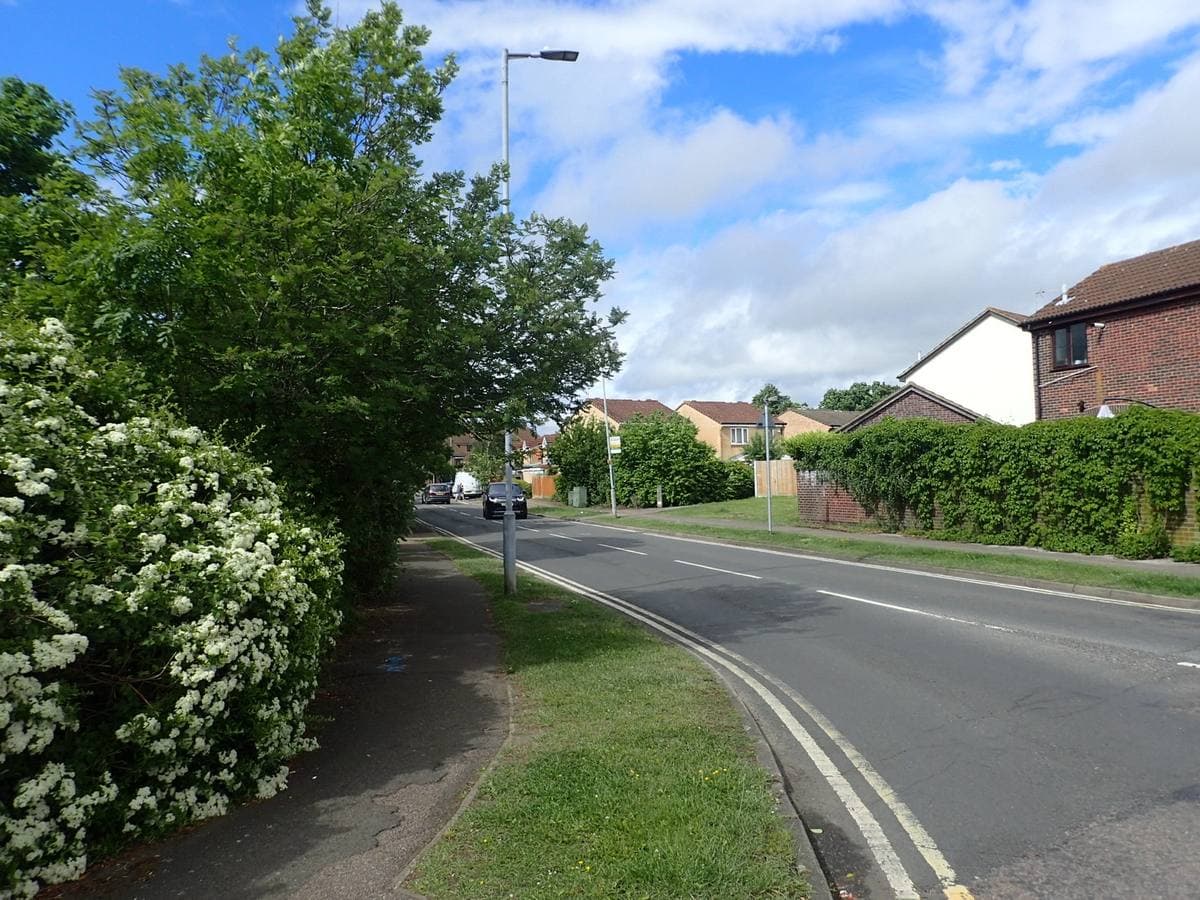
  2. A quiet suburban road with hedges and brick houses under a blue sky
    Studio Way, Borehamwood, on the old MGM backlot, 2022. Marathon · CC BY-SA 2.0

    Stop 3 · Studio Way, between Shenley Road and Elstree Way, Borehamwood

    MGM British Studios, now Studio Way

    The sets filled six stages: the Pod Bay on Stage 1, the Aries passenger cabin on 2, the Dawn of Man and the space station on 3, the centrifuge, emergency airlock and white bedroom on 4, the Clavius conference room on 5 and HAL’s brain room on 6.

    Public roads on the old backlot. None of the stages survives.

    Sources
  3. A brick corner theatre with red posters reflected in a wet street
    The Prince Edward Theatre, Old Compton Street, January 2025. Matt Brown · CC BY 2.0

    Stop 7 · 28 Old Compton Street, Soho, London

    The Prince Edward Theatre, once the Casino Cinerama

    As the Casino Cinerama it showed 2001 from 1 May 1968 to 26 March 1969, 47 weeks, and for six more weeks in 1972.

    A working West End theatre.

    Sources
  4. A tall glass tower block against a cloudy sky
    The London College of Communication tower, Elephant and Castle, 2016. Fred Romero · CC BY 2.0

    Stop 8 · London College of Communication, Elephant and Castle, London SE1 6SB

    The Stanley Kubrick Archive

    The archive stayed in Kubrick’s home until it moved to the University of the Arts London in March 2007; it has been open to the public since October 2007.

    Monday to Friday, by appointment only: archives@arts.ac.libanswers.com or 020 7514 9333.

    Sources

Stay

Room 1008, and an island.

The hotel where Clarke wrote the novel, and a base on Harris for the rock that became Jupiter.

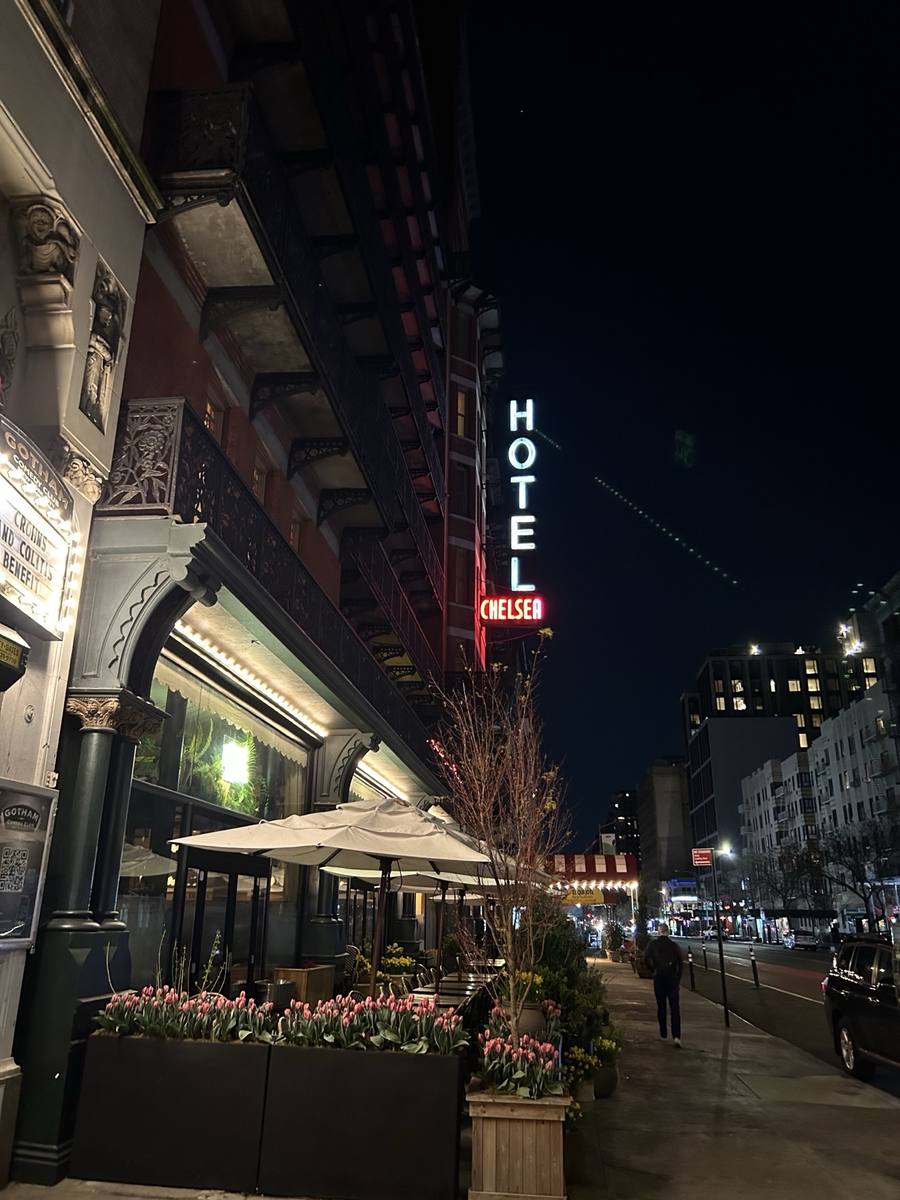
Hotel Chelsea

Hotel Chelsea

222 West 23rd Street, Manhattan

Where Clarke wrote most of the novel, in Room 1008. Today it has Café Chelsea, the Lobby Bar and El Quijote.

Check rooms
Harris Hotel

Harris Hotel, Tarbert

Tarbert, Isle of Harris

A family-run hotel in Tarbert, for the bare rock of the island’s east coast that stood in for Jupiter. Not a filming location.

Check rooms

Go there

By appointment.

The Kubrick Archive opens its boxes on weekdays; on Harris, find a guide for the east-coast road.

University of the Arts London

Visit the Stanley Kubrick Archive

Elephant and Castle, London · Monday to Friday, by appointment only

Scripts, set plans, props, costumes and 30 boxes of photographs for 2001 alone. Open to the public by appointment.

Ask for a visit
Viator · Ad / affiliate

Tours of Harris

Isle of Harris

Live marketplace results for guided days on Harris. None is a 2001 tour; pick one that takes the east-coast road.

Live marketplace results · itineraries change

Compare tours

What’s on

The score, live.

An orchestra and choir play the score to the film in Berlin next April.

Checking current event dates…

Take it home

Paper from 1968.

Original posters from our store, the novel, the story of the making, and the soundtrack on vinyl.

Printed Originals · Our poster store

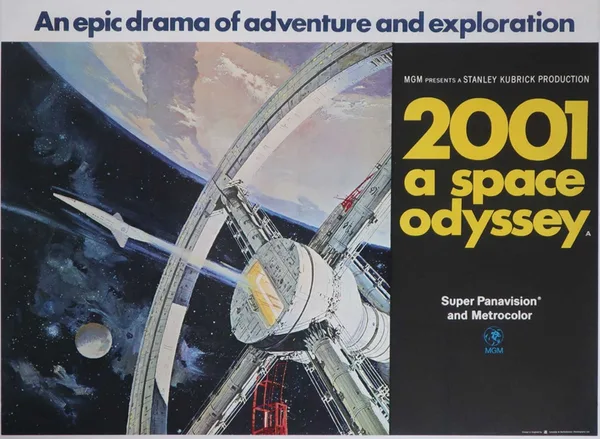
2001: A Space Odyssey (1968) — UK quad

An original 1968 British quad, 30 × 40 inches, with art by Bob McCall. Linen-backed, mint.

In stock

View poster
Printed Originals · Our poster store

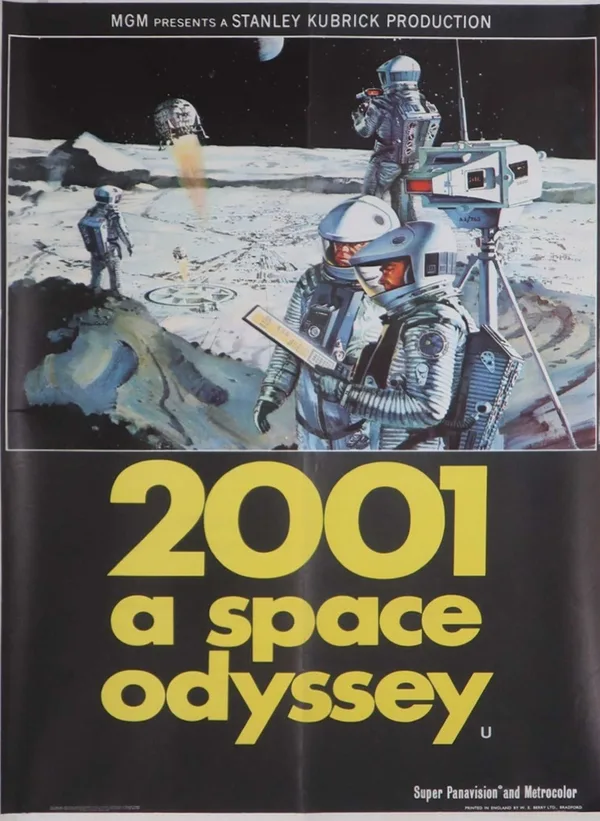
2001: A Space Odyssey (1968) — double crown

An original 1968 British double crown, 20 × 30 inches, art by Bob McCall. Previously folded, near mint.

In stock

View poster
Printed Originals · Our poster store

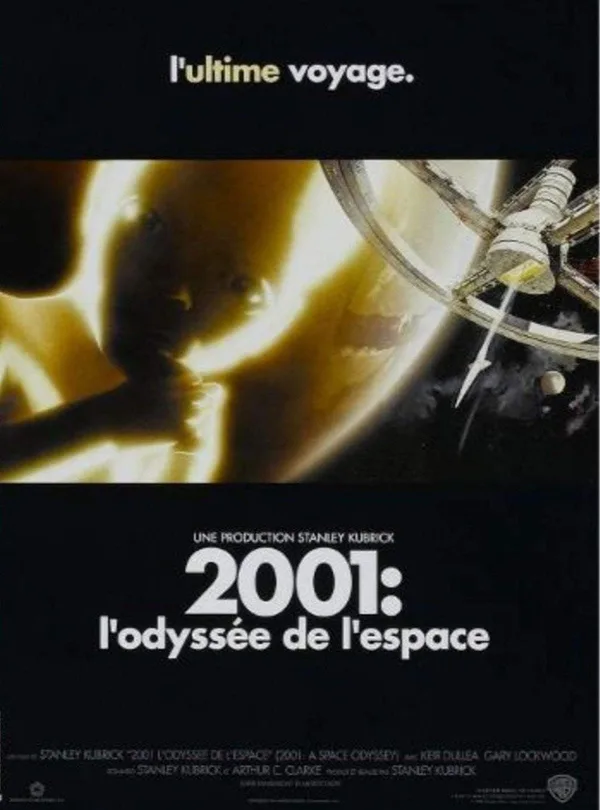
2001: A Space Odyssey (1968) — French petite

A small original French poster from 1968, 39.9 × 53.3 cm. Rolled, mint.

In stock

View poster
Printed Originals · Our poster store

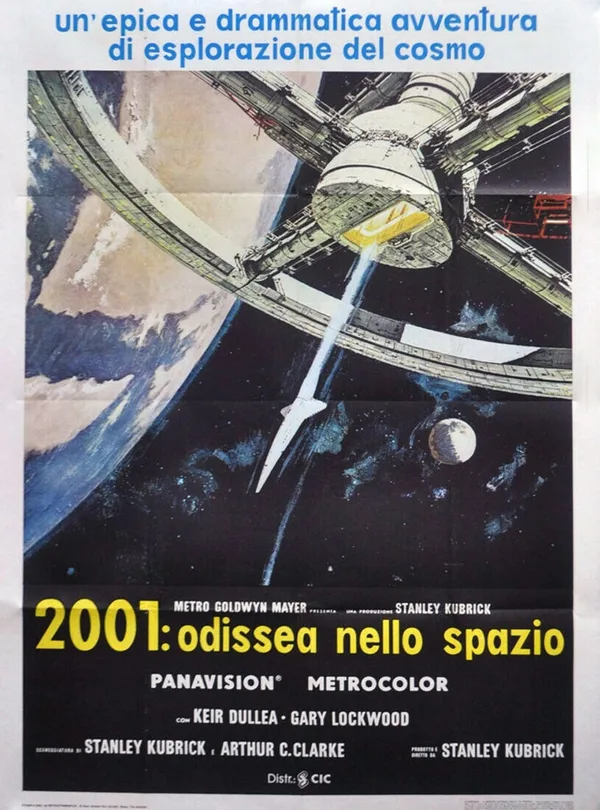
2001: A Space Odyssey (1970) — Italian 2-fogli

The big Italian poster from 1970, 100 × 140 cm, with Bob McCall’s art. Previously folded, near mint.

In stock

View poster
Bookshop.org UK · Ad / affiliate

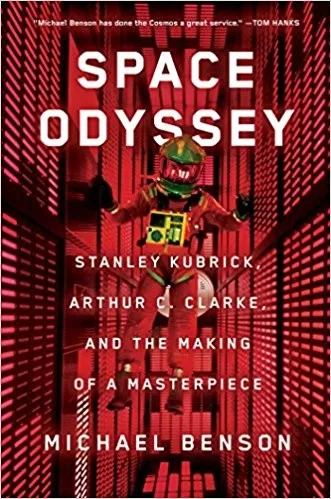
Space Odyssey: Stanley Kubrick, Arthur C. Clarke, and the Making of a Masterpiece

Michael Benson

A history of how the film was made, published for its fiftieth year.

Find the book
Bookshop.org UK · Ad / affiliate

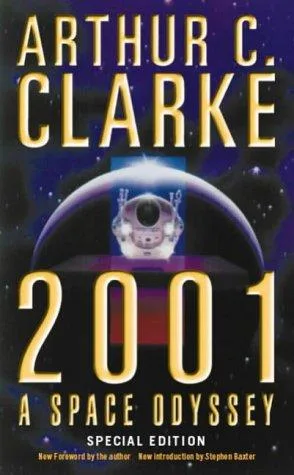
2001: A Space Odyssey

Arthur C. Clarke

The novel Clarke wrote alongside the screenplay, mostly in Room 1008.

Find the book
Bookshop.org UK · Ad / affiliate

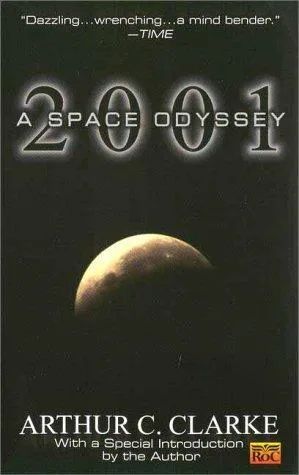
2001: A Space Odyssey

Arthur C. Clarke

The same novel in the Roc paperback edition.

Find the book
eBay · Ad / affiliate

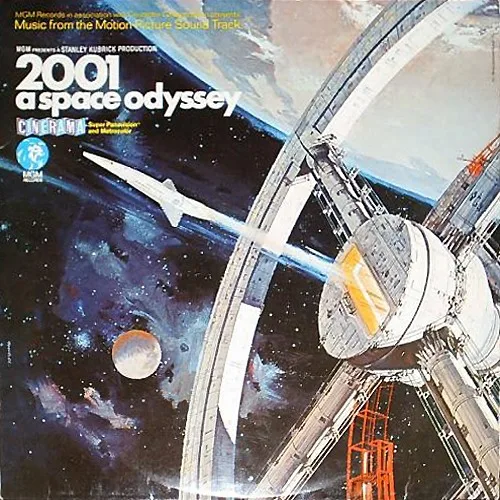
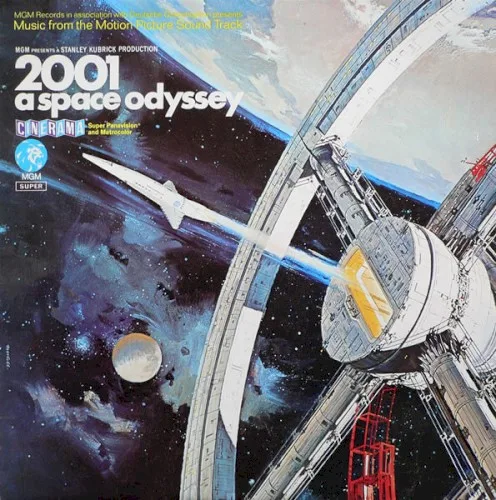
2001: A Space Odyssey (original soundtrack)

Various artists · LP, MGM Records (UK), 1968

The 1968 British soundtrack album on MGM.

Live marketplace search · listings and condition change

Find a copy
eBay · Ad / affiliate

2001: A Space Odyssey (original soundtrack)

Various artists · LP, Polydor (UK), 1968

The 1968 British pressing on Polydor.

Live marketplace search · listings and condition change

Find a copy

Dates, prices, rooms and stock change: confirm with the provider before you travel or buy. A stay or tour is described as a filming location only where the card says so.

The whole record

Every place and moment behind this page, with sources.

10 of 10 places · 12 of 12 Moments

  • The Namib Desert

    Namib Desert, Namibia (then South West Africa)

    • The plates

      A small unit photographs the desert on 8 × 10 inch transparencies, to be projected behind the actors in Borehamwood.

  • Shepperton Studios, H Stage

    Studios Road, Shepperton, Surrey

    • The excavation

      The first scene shot: the pit at Tycho, built on H Stage.

  • MGM British Studios, now Studio Way

    Studio Way, between Shenley Road and Elstree Way, Borehamwood

    • Six stages

      From January 1966 the production fills MGM British, from the Pod Bay on Stage 1 to HAL’s brain room on Stage 6.

    • The centrifuge

      Vickers-Armstrong builds the centrifuge: 38 feet across, about 10 feet wide, $750,000, turning at up to three miles an hour, with desks, consoles, bunks and hibernation pods built in.

    • The airlock

      The airlock that looks horizontal is built standing up: the camera shoots straight up through it, and the astronaut’s body hides the wires as he is lowered towards the lens.

  • Loch na h-Àirigh, Harris

    East coast of Harris, Outer Hebrides

    • Jupiter

      Aerial footage of east Harris, through coloured lenses, becomes the surface of Jupiter.

  • The Hotel Chelsea, Room 1008

    222 West 23rd Street, Manhattan, New York

    • Room 1008

      Clarke writes most of the novel in Room 1008.

  • The Uptown Theater

    3426 Connecticut Avenue NW, Cleveland Park, Washington DC

    • The premiere

      The world premiere, on the city’s only Cinerama screen.

  • The Prince Edward Theatre, once the Casino Cinerama

    28 Old Compton Street, Soho, London

    • Forty-seven weeks

      London’s run at the Casino Cinerama.

  • The Stanley Kubrick Archive

    London College of Communication, Elephant and Castle, London SE1 6SB

    • The archive opens

      The archive opens to the public at the London College of Communication.

  • Childwickbury Manor

    Hertfordshire. A private family home

    • The boxes

      The papers fill half the house.

  • The Konzerthaus Berlin

    Gendarmenmarkt, Mitte, Berlin

    • The score, live

      Orchestra and choir play the score live to the film.

Privacy