Fuego Resorts
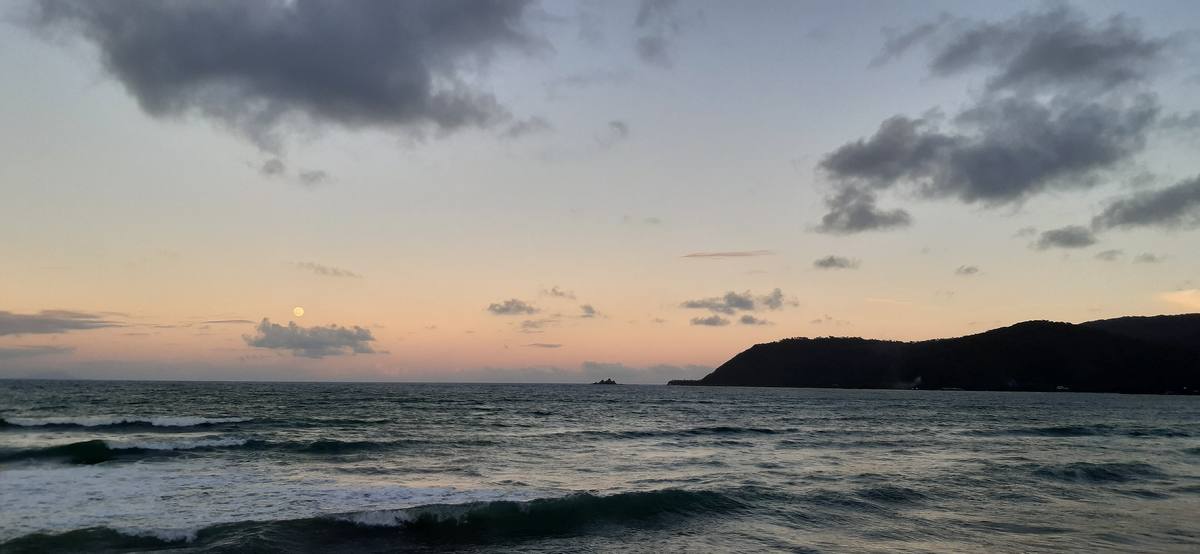
Fuego – Costa Pacifica, Sabang Beach
Baler, Aurora · Rates on booking
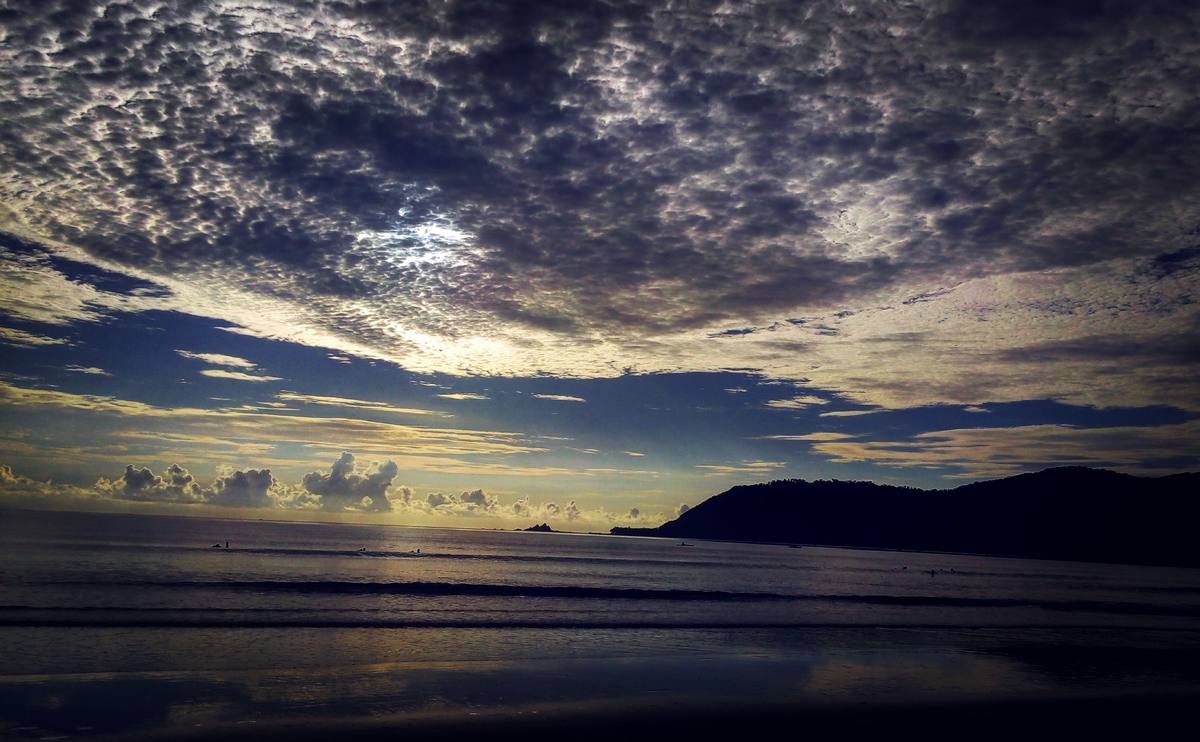
A beachfront resort on Sabang Beach in Baler, set up for surfers, a short walk along the sand from Charlie’s Point.
Check rooms
Luzon 1976–77 · 70mm, six tracks · opened 15 August 1979
The first helicopter you hear was never there: Richard Beggs made it on a Moog synthesizer. The places the rest of the film came from still are.
Six tracks, one room. Nothing plays: watch the tracks.
Borrowed from an air force at war
Philippine helicopters and pilots are often summoned to real operations in Mindanao, and the crew keep repainting the fake U.S. markings back to Philippine Air Force ones.
In the film’s markings, for now.
Our drawing; the markings are simplified, not copied.
The village in Kilgore’s attack was a set on a coconut plantation near Baler, on the Pacific coast. It took seventy huts and a 250-foot pier.
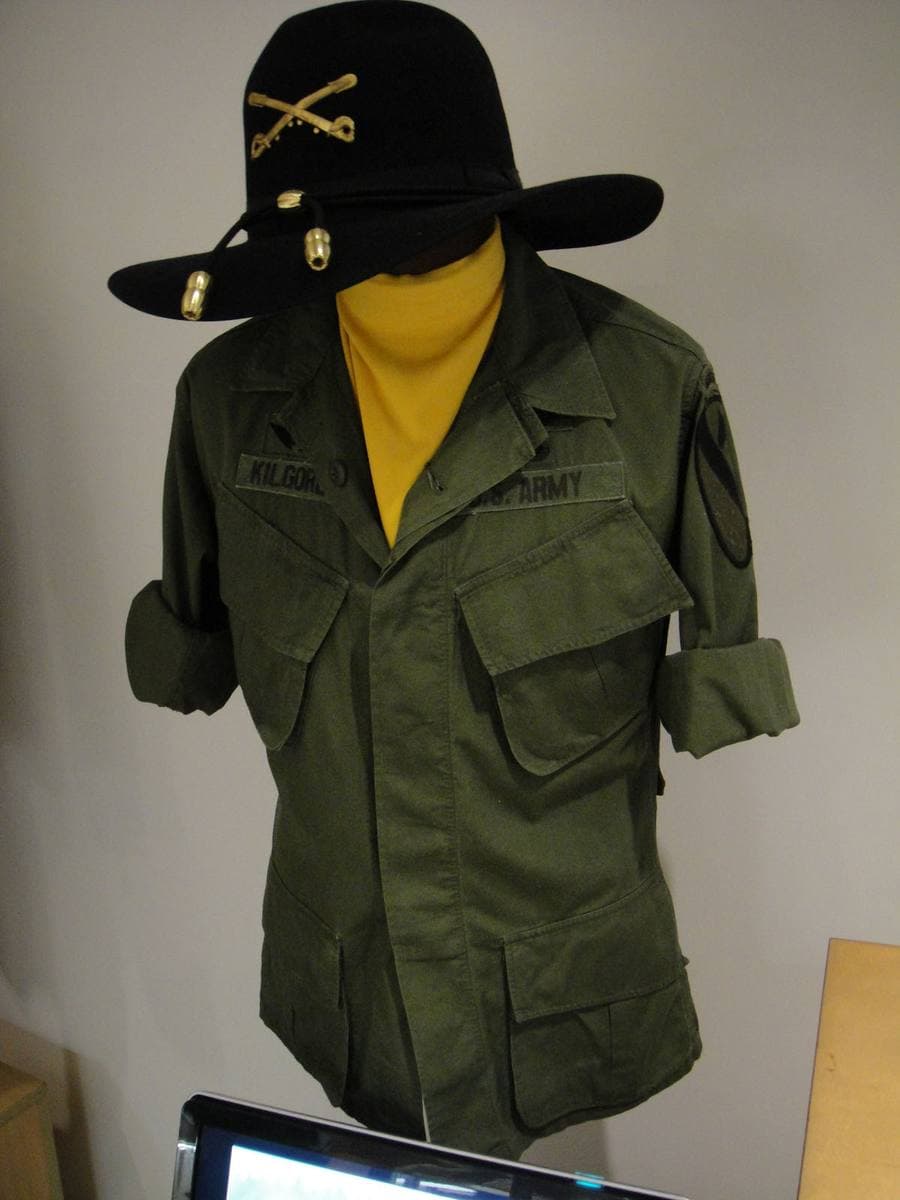
Robert Duvall played Kilgore. We found no free photograph of him from those years, so here is his costume instead.
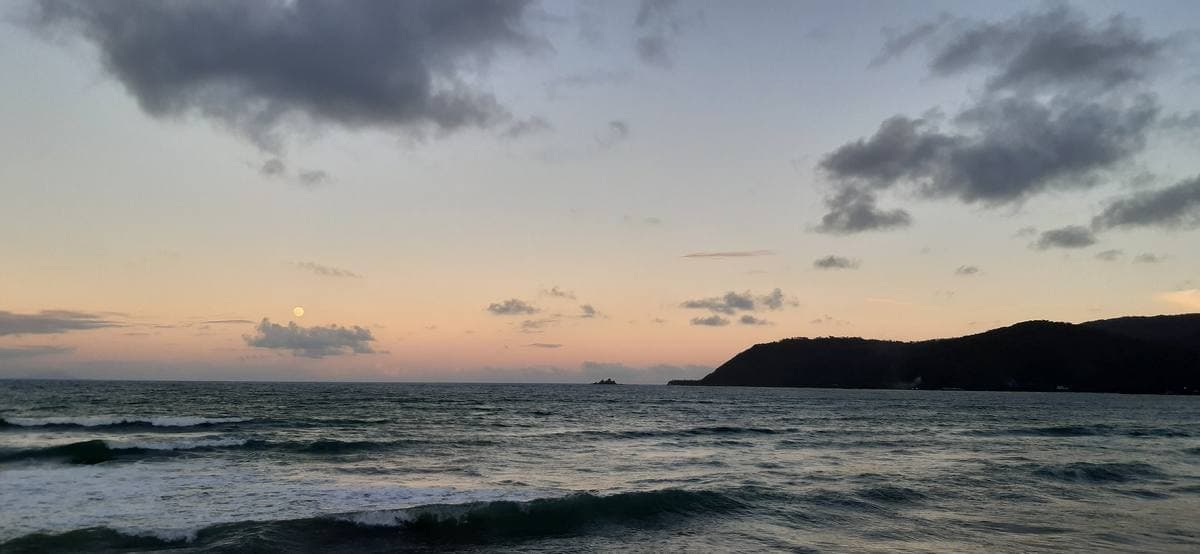
Sabang Beach, Baler, Aurora
Robert Duvall’s beach scenes were filmed here. The northern end of the beach is still called Charlie’s Point. Charlie’s Point is where the Aguang River meets the sea, in Barangay Sabang.
Crew member Doug Claybourne remembered that the surfers hired for the film were kept waiting so long that, when their scene came, they could not surf.
The story in Baler is that the crew left their boards behind and local boys taught themselves on them. A Manila film-maker reckons the legend is about half true.
Three boards lean on the rack. The crew is packing up.
A surf contest is held on the beach every February, and several local businesses are called Charlie Does.
A public beach with surf schools along the sand. The waves are biggest late in the year; take a lesson if you are new to it.
Baler, Aurora · Rates on booking
A beachfront resort on Sabang Beach in Baler, set up for surfers, a short walk along the sand from Charlie’s Point.
Check roomsBaler, Aurora
Live marketplace results for Baler and Sabang Beach. None is an Apocalypse Now tour as such; the beach is the point.
Live marketplace results · itineraries change
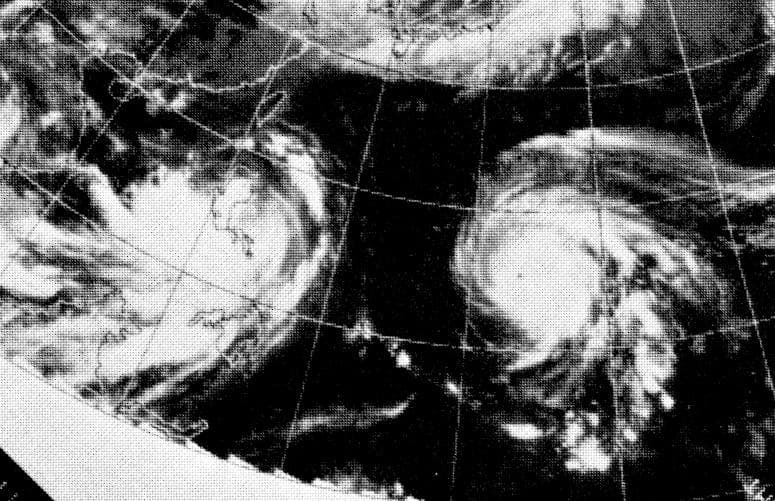
Compare trips21 May 1976, from the NOAA-4 satellite
Iba, spring 1976: the show stage, its Photoflood lamps built in.
The army supply depot and the U.S.O. amphitheatre were built at Iba, along the South China Sea. Tavoularis designed the show stage with Photoflood lamps built into it, because lighting the jungle from outside was impractical.
Typhoon Olga stopped filming in mid-May 1976. Variety reported that forty to eighty per cent of the sets were ruined; the damage was put at about $1.3 million.
Coppola later said the storm split in two and hit two small towns 200 miles apart, and both were the main sets. Apart from the builders, most of the cast and crew went home to the United States for a two-month break.
Filming starts again at Pagsanjan at the end of July 1976, with the stage rebuilt and the temple and bridge sets repaired.
The typhoon wrecked the sets at Iba. The pin marks the town, not a set.
The town beach on the South China Sea is public. No source fixes where the stage stood, so the pin marks the town.
Pagsanjan, Laguna
Filming started again at the end of July 1976 in Pagsanjan, where the production rebuilt the U.S.O. stage and repaired the sets for the Cambodian temple and the Do Lung bridge.
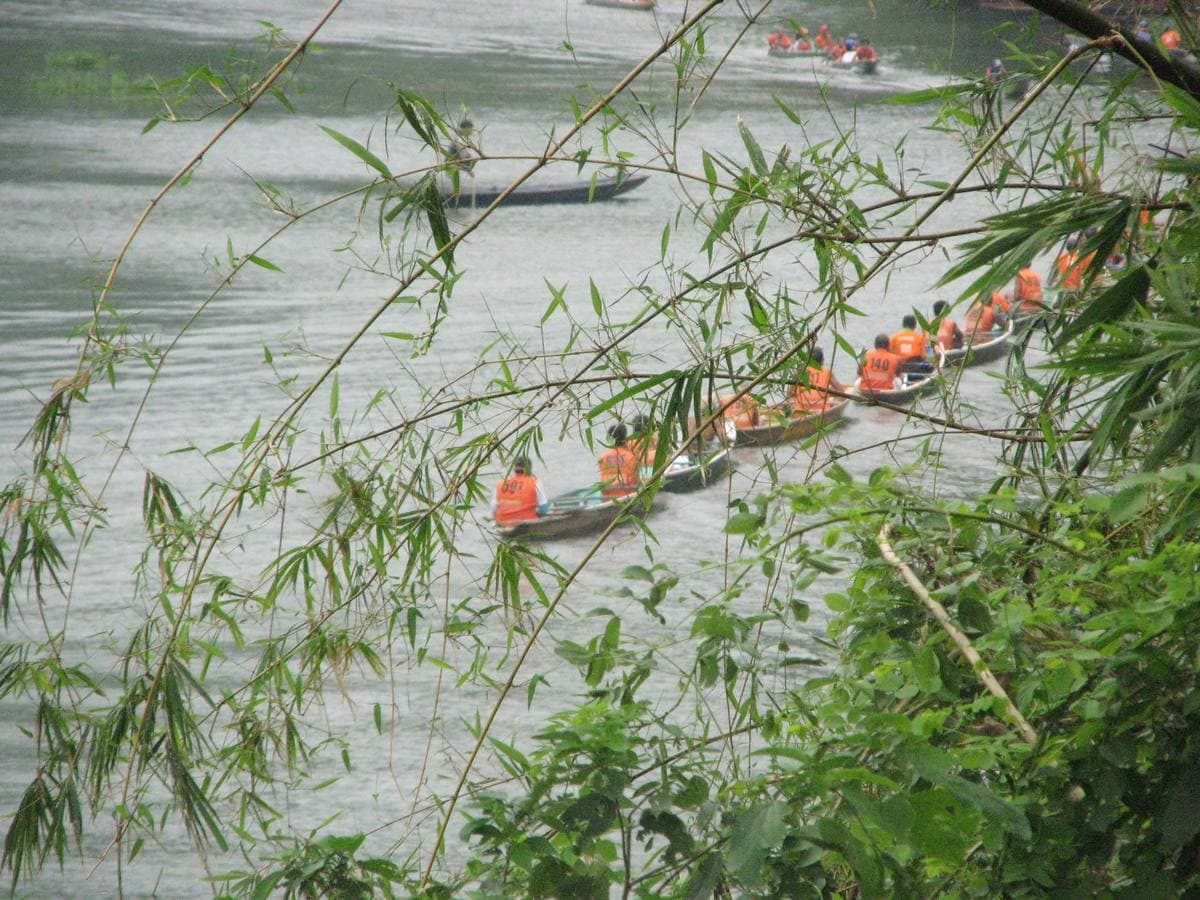
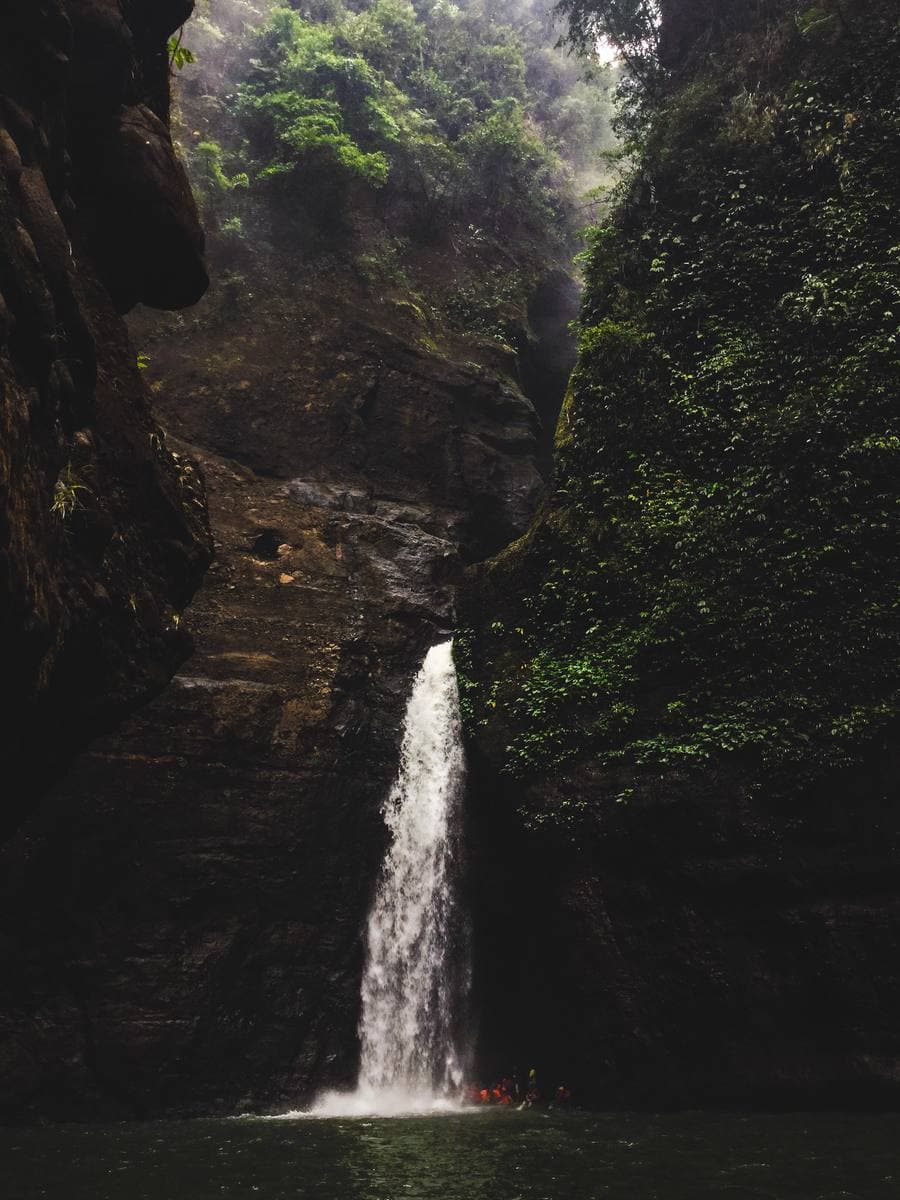
Open to visit
Near the rapids, a group of French visitors mistook the temple set, part of the Kurtz compound, for a real ancient temple. The production partied at the Pagsanjan Hotel.
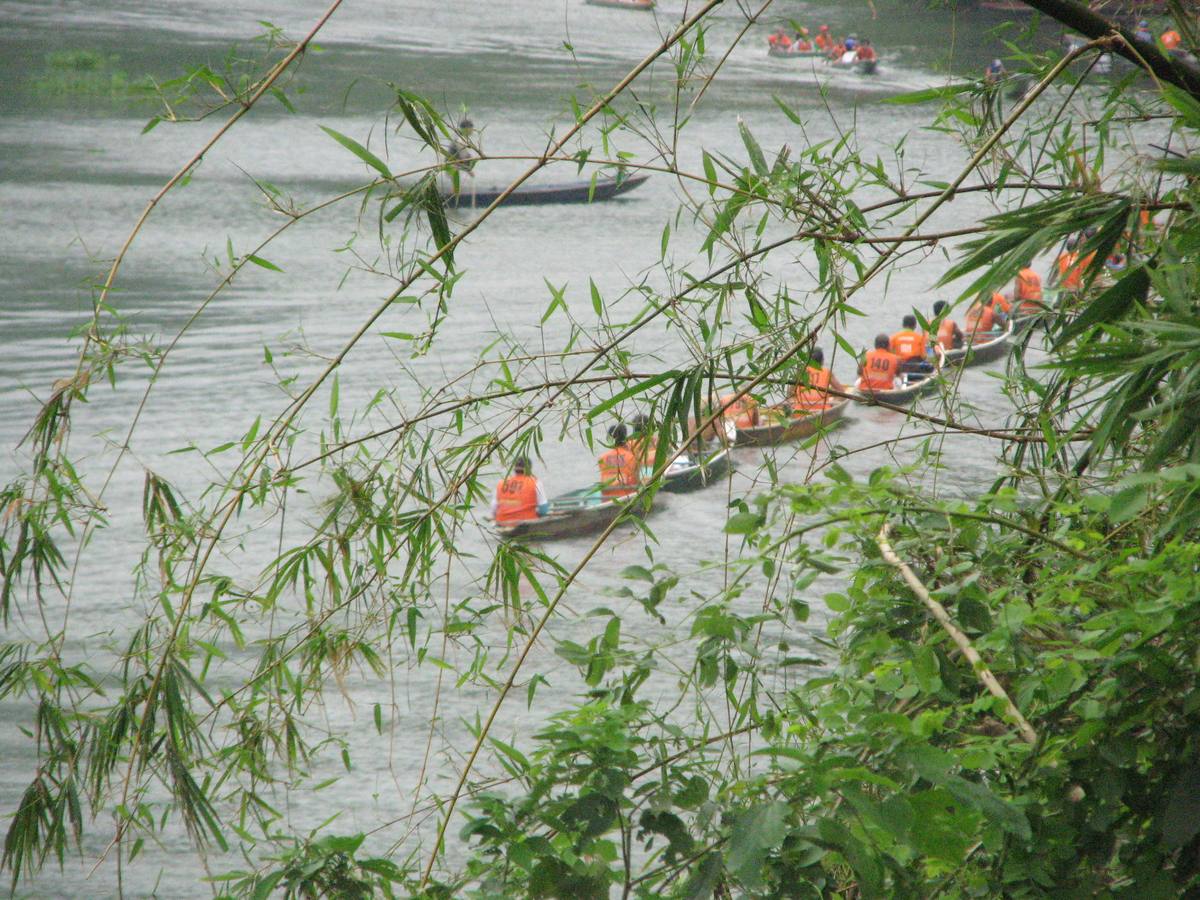
Boatmen on the river still point out the spots where the film was made. Shooting finally ended on 21 May 1977, after 238 days of filming.
Boats run upstream from Pagsanjan town to the falls. Ask at the municipal tourism office for a registered boat station and agree the price before you set off.
Laguna
Live marketplace results for day trips up the Pagsanjan River to the falls, most from Manila. Check that the boat ride is included.
Live marketplace results · itineraries change
Compare tripsPrivate land · named, not mapped
Dean Tavoularis designed large sets modelled on Cambodian temples. They stood along the Pagsanjan River and in the sitios of Caua-Caua and Lagaslas. They were built of adobe-like blocks cast in moulds, with timber, and most of the set was destroyed during filming.
Collapsed walls, steps and the remains of a tower survive under the vegetation. The Caua-Caua site is privately owned; at Lagaslas, fragments of stone wall show in the dry season.
Heritage Watch International plans an archaeology field school on the site with the National Museum of the Philippines. No date has been set. Ifugao people were hired to play Kurtz’s followers.
Private land in the villages along the river: named here, not mapped. Never walk onto it uninvited.
No published site · not mapped
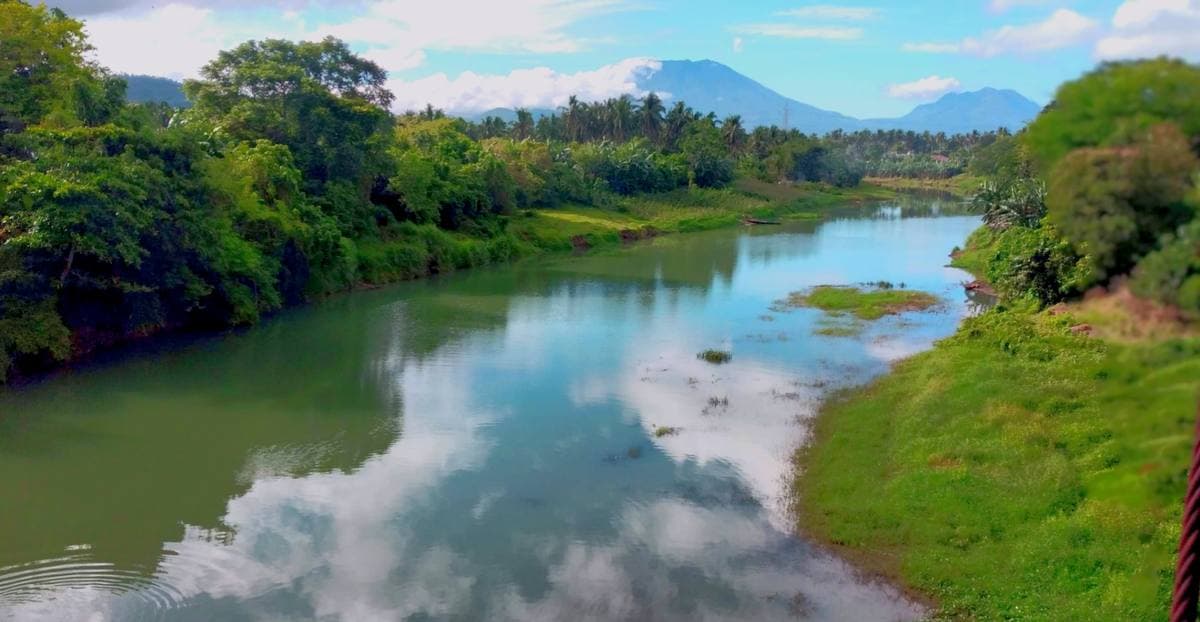
Eleanor Coppola wrote that the bridge was built on the concrete footings of a span blown up in the Second World War and never rebuilt. On the first night’s shooting the first take began at about eleven, the second at about half past twelve, and rain stopped the work.
Vittorio Storaro lit the bridge from several towers, each carrying one arc lamp, with an electrician on each taking his aim by walkie-talkie.
After the typhoon, the bridge set was repaired at Pagsanjan.
Not mapped: no published source fixes the crossing. Don’t follow unofficial pins onto private land.
Pacific Avenue, San Francisco, 1978–79
The ghost helicopter that opens the film was made by Richard Beggs on a Moog synthesizer. The sound was mixed at American Zoetrope in San Francisco, in a room on Pacific Avenue, by Walter Murch, Mark Berger and Richard Beggs. The mix took about eight months.
Our own plan of a split-surround room: three screen tracks, left and right surrounds, and a boom track for the low end. Not the original track sheet.
The ghost is on the screen. Carried mostly by the centre screen; the boom is felt everywhere.
The Dolby 70mm six-track split-surround format had been developed for Superman in 1978, which played that way in less than a handful of cinemas. Mix calls this film’s the first 5.1-channel mix, in that it used stereo surrounds and low-frequency enhancement.
Murch’s work was billed as Sound Design on the posters; the prints read Sound Montage and Design.
The release was put off because of the editing of 1.5 million feet of film and the complicated sound.
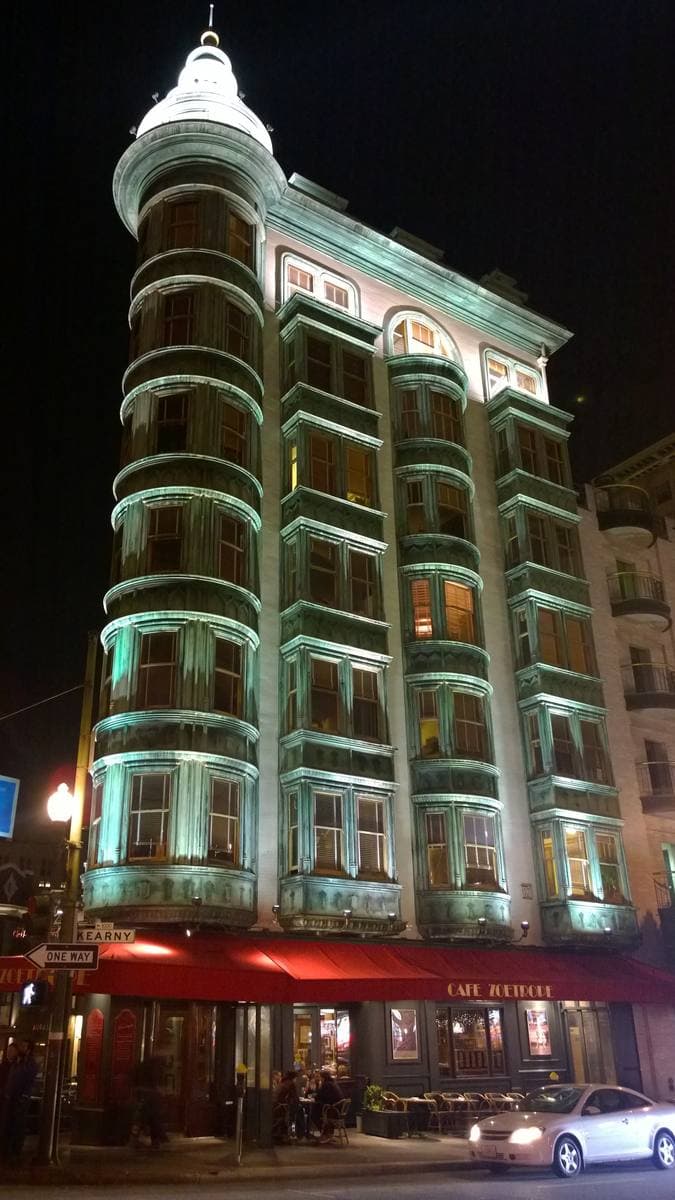
916 Kearny Street, North Beach
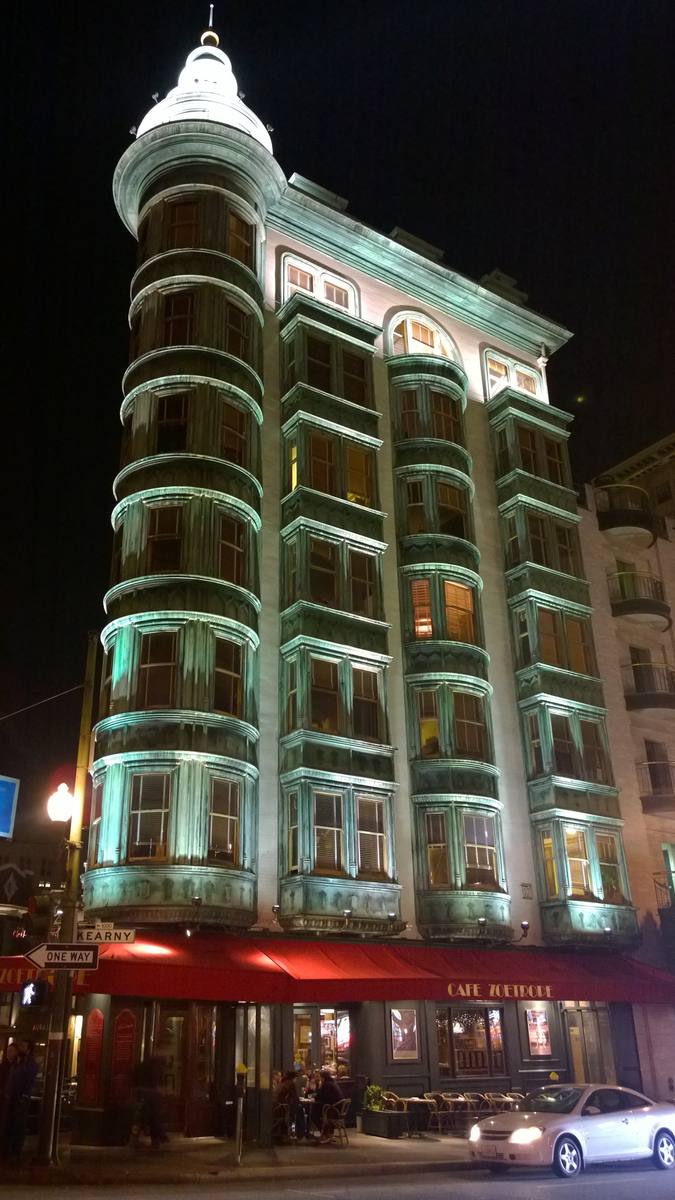
The flatiron became San Francisco Landmark 33 in 1970. Coppola bought it from the Kingston Trio in 1973 for $500,000, and it has been his company’s headquarters since.
The project began at American Zoetrope in the late 1960s, when Warner Bros. bought John Milius’s script, with George Lucas attached to direct.
The offices upstairs are private; the restaurant on the ground floor is open to everyone.
San Francisco
Live marketplace results for walks through North Beach, San Francisco, past the Sentinel Building on Kearny Street.
Live marketplace results · itineraries change
Compare toursThe 70mm prints, 1979
The 70mm prints ran with no credits at all. Audiences were handed a printed programme listing the cast and crew instead.
A programme, folded, handed to you at the door.
Cannes · 19–24 May 1979
On 19 May 1979 the film played in competition at Cannes as Apocalypse Now (A Work in Progress), the first unfinished film the festival had picked for competition.
At the ceremony on 24 May it tied for the Palme d’Or with The Tin Drum; Catherine Deneuve called both directors up to receive it.
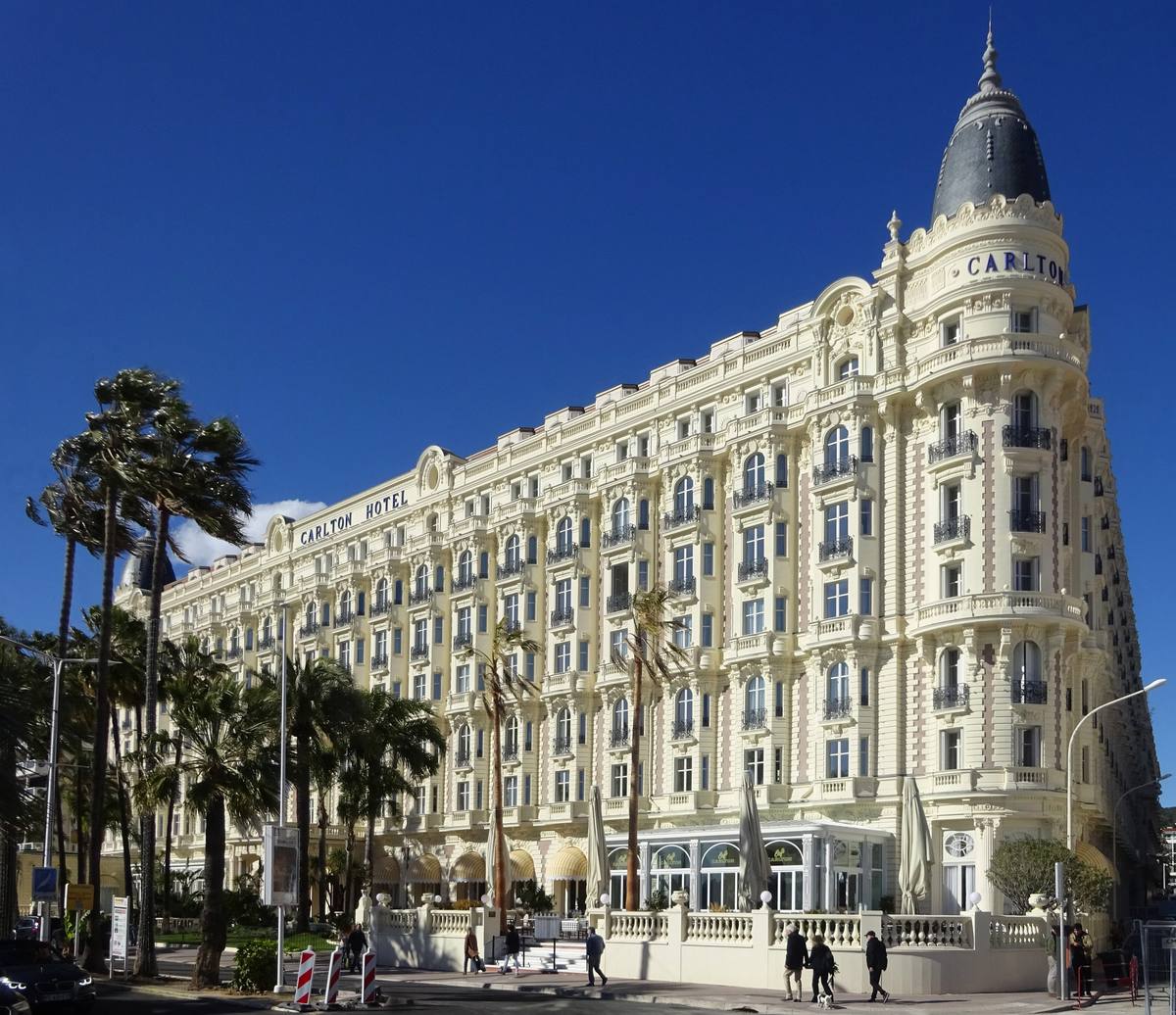
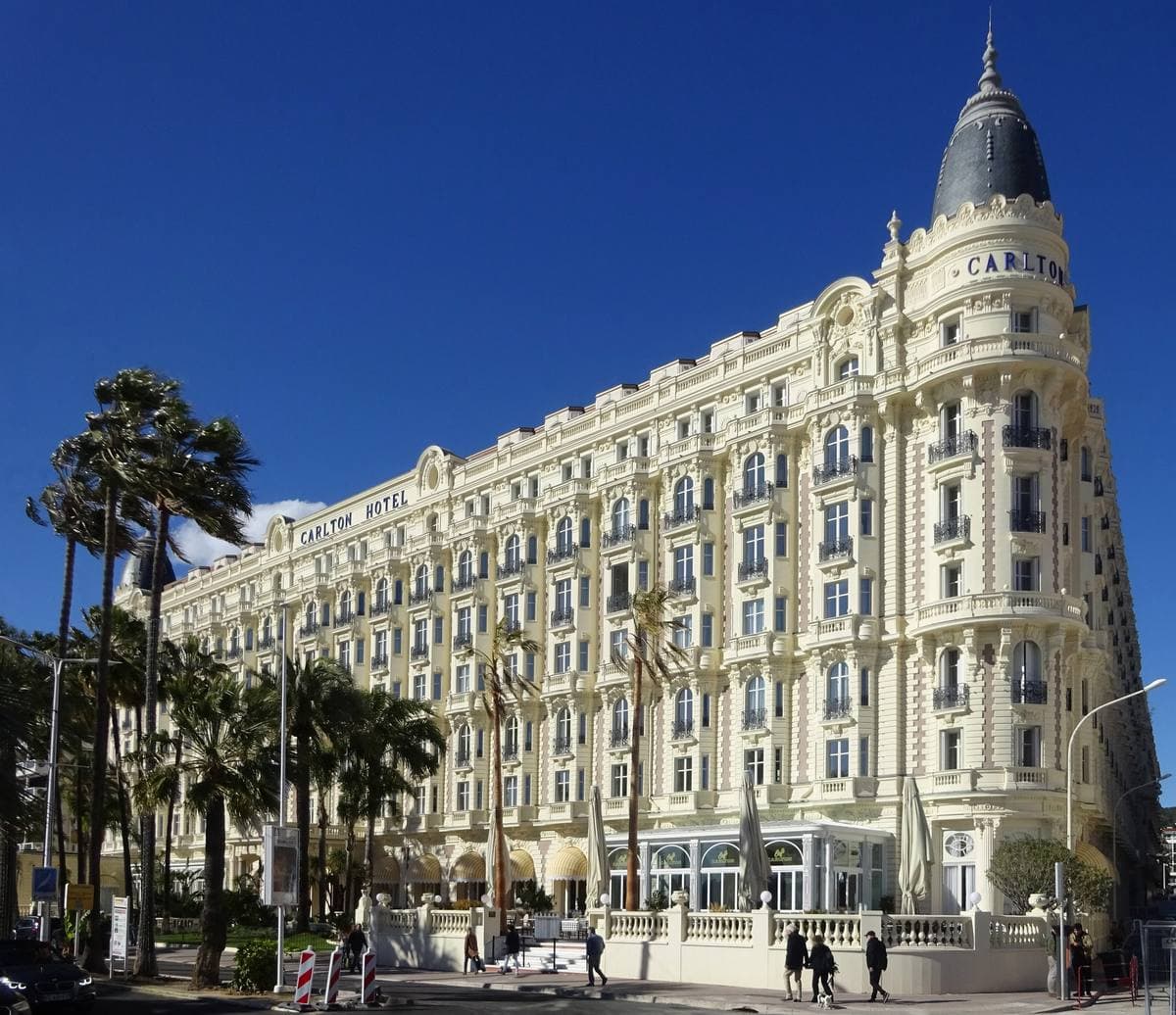
During the festival Coppola was seen stepping out of a limousine outside the Carlton.
A working hotel on La Croisette. The seafront promenade in front of it is public.
Cannes · Rates on booking · 58 boulevard de la Croisette
The Croisette hotel where Coppola was seen arriving during the 1979 festival. 369 bedrooms; listed by the regional tourism board.
See the listing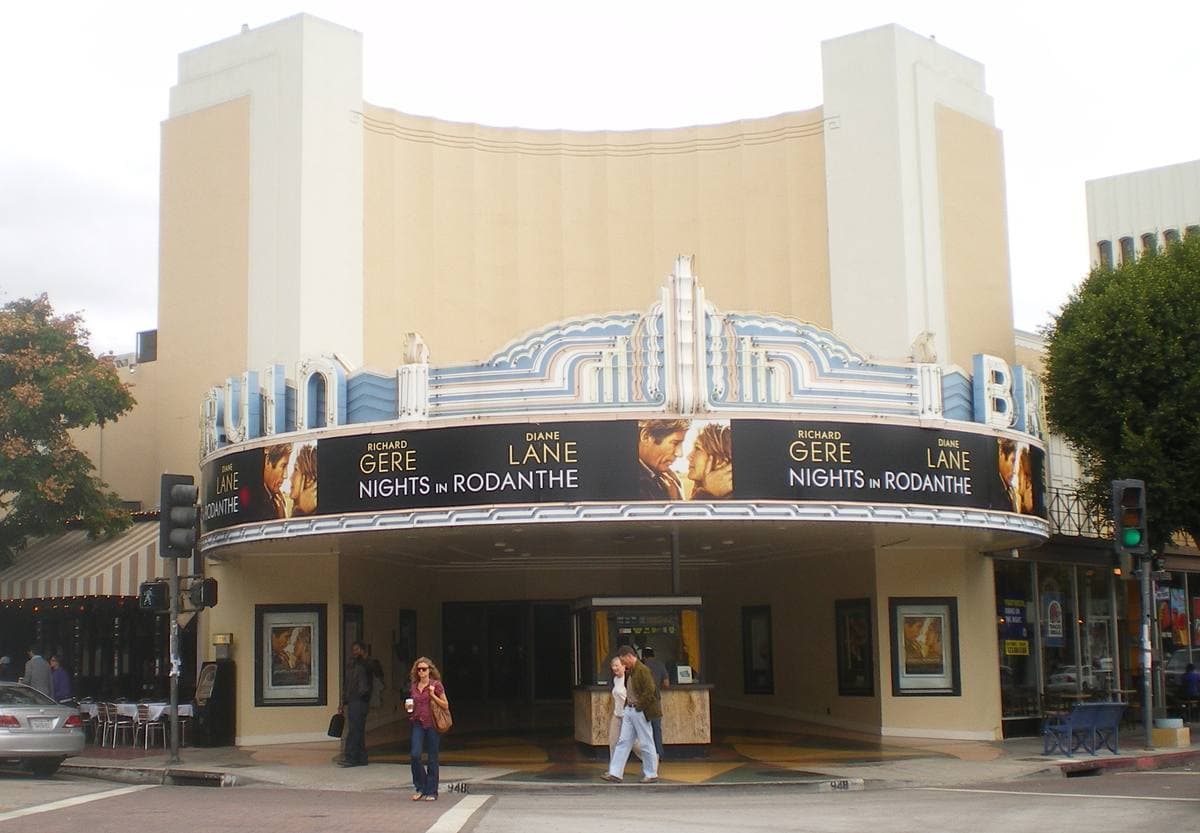
Westwood · 11 May 1979
On 11 May 1979 Coppola showed the answer print at the Bruin three times in a row; he was seeing it for the first time himself. About 2,000 people came, in a benefit for the Pacific Film Archive.
The Bruin opened on New Year’s Eve 1937 and closed in 2024. It reopens from mid-October 2026 with about 670 seats and its 35mm and 70mm projection restored.
Reopening from mid-October 2026 after two years dark. Check the listings before you go.
New York · 15 August 1979
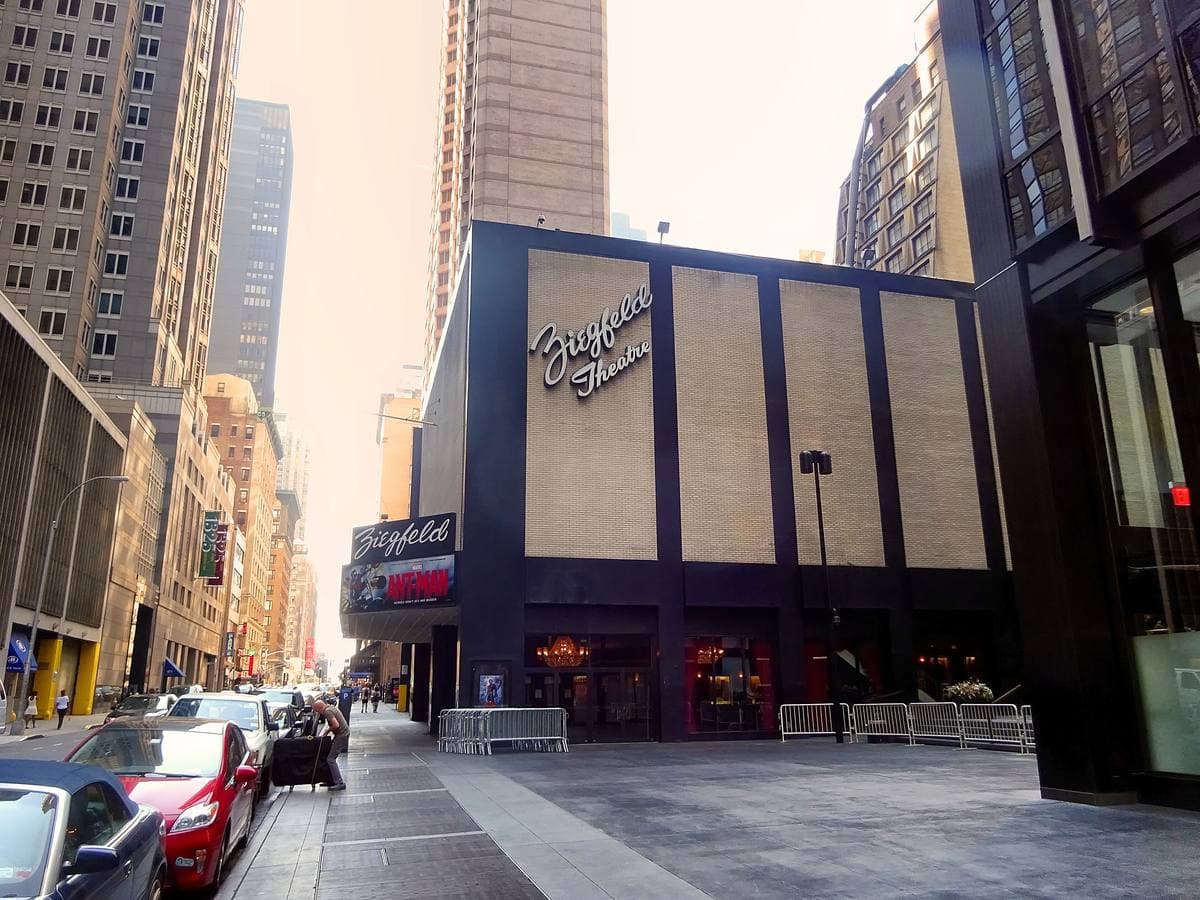
The world première was here on 15 August 1979, in 70mm with six-track Dolby stereo.
The Ziegfeld closed after its last screening, Star Wars: The Force Awakens, in January 2016, and the space became the Ziegfeld Ballroom.
Now an event space, open for events only. See the front from West 54th Street.
Hollywood · 15 August 1979
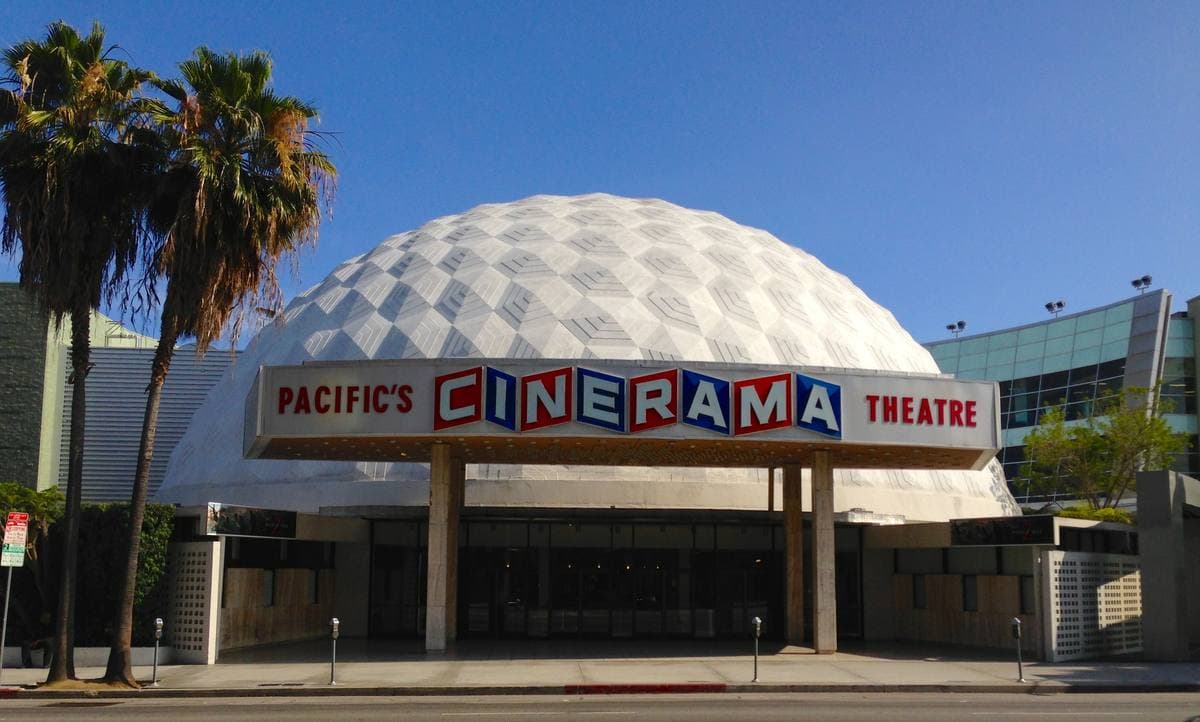
The $5 ticket for those first engagements made headlines as a new high.
Sony and Alamo Drafthouse are restoring the Dome. Work was set to begin in August 2026, aiming to reopen by early 2028.
Closed for restoration: look at the dome from Sunset Boulevard.
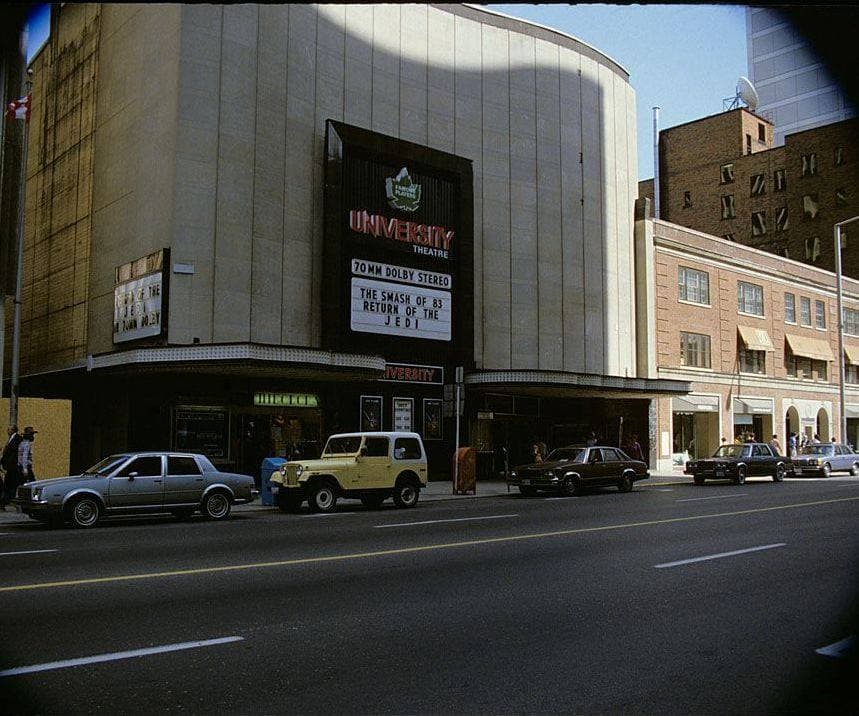
Toronto · 15 August 1979
The University was the Toronto house for the 70mm opening on 15 August 1979.
It opened in 1949 and went dark in 1986. Its front was later taken down and rebuilt as a near-identical copy, which faces a newer building.
The rebuilt front is on Bloor Street West; look from the pavement.
9 places you can visit, from the river at Pagsanjan to the Croisette. The temple-set land is private and the bridge crossing has no published site: both are named, not mapped.
Pins mark public places; private homes are named but not pinned.
General reference · Public access · Coordinate precision: site · Not an exact scene or camera position; not a visitor route. Boats run upstream from Pagsanjan town to the falls. Ask at the municipal tourism office for a registered boat station and agree the price before you set off.
General reference · Public access · Coordinate precision: area · Not an exact scene or camera position; not a visitor route. A public beach with surf schools along the sand. The waves are biggest late in the year; take a lesson if you are new to it.
General reference · Public access · Coordinate precision: area · Not an exact scene or camera position; not a visitor route. The town beach on the South China Sea is public. No source fixes where the stage stood, so the pin marks the town.
Pagsanjan River to Pagsanjan Falls, Pagsanjan and Cavinti, Laguna
Filming started again at the end of July 1976 in Pagsanjan, where the production rebuilt the U.S.O. stage and repaired the sets for the Cambodian temple and the Do Lung bridge.
Boats run upstream from Pagsanjan town to the falls. Ask at the municipal tourism office for a registered boat station and agree the price before you set off.
Sabang Beach at the mouth of the Aguang River, Baler, Aurora
The village in Kilgore’s attack was a set on a coconut plantation near Baler, on the Pacific coast. It took seventy huts and a 250-foot pier.
A public beach with surf schools along the sand. The waves are biggest late in the year; take a lesson if you are new to it.
Iba, on the South China Sea, Zambales
The army supply depot and the U.S.O. amphitheatre were built at Iba, along the South China Sea.
The town beach on the South China Sea is public. No source fixes where the stage stood, so the pin marks the town.
Stay
A surf resort on Sabang Beach a walk from Charlie’s Point, and the Carlton in Cannes.
Baler, Aurora · Rates on booking
A beachfront resort on Sabang Beach in Baler, set up for surfers, a short walk along the sand from Charlie’s Point.
Check roomsCannes · Rates on booking · 58 boulevard de la Croisette
The Croisette hotel where Coppola was seen arriving during the 1979 festival. 369 bedrooms; listed by the regional tourism board.
See the listingGo there
Boat trips to Pagsanjan Falls, surf lessons in Baler and walks past the Sentinel, from the marketplace.
Laguna
Live marketplace results for day trips up the Pagsanjan River to the falls, most from Manila. Check that the boat ride is included.
Live marketplace results · itineraries change
Compare tripsBaler, Aurora
Live marketplace results for Baler and Sabang Beach. None is an Apocalypse Now tour as such; the beach is the point.
Live marketplace results · itineraries change
Compare tripsSan Francisco
Live marketplace results for walks through North Beach, San Francisco, past the Sentinel Building on Kearny Street.
Live marketplace results · itineraries change
Compare toursWhat’s on
Baler’s surf contest comes round every February; we will add it when the date is set.
No current dated events are listed. Check providers for the latest programme.
Take it home
Original 1979 US, Japanese and Italian posters from our store, Eleanor Coppola’s Notes, Heart of Darkness and the Elektra soundtrack.
An original 1979 US one-sheet, 27 x 41 in, art by Bob Peak; rolled, previously folded; near mint.
In stock
View posterAn original 1979 Japanese release poster, 20 x 28.5 in, rolled; near mint.
In stock
View posterAn original 1979 Italian 2-fogli, 39 x 55 in, rolled, previously folded; very good.
In stock
View posterAn original 1979 Italian release poster, 55.1 x 78.7 in, rolled, previously folded; near mint.
In stock
View posterEleanor Coppola
Eleanor Coppola’s diary of the shoot, first published in 1979; this is the Limelight Editions paperback.
Find the bookJoseph Conrad
Conrad’s novella, one source of the original screenplay; Penguin Classics, with the Congo Diary.
Find the bookVarious Artists · LP, Elektra, 1979
The soundtrack album, on Elektra in the US in 1979.
Live marketplace search · listings and condition change
Find a copyDates, prices, rooms and stock change: confirm with the provider before you travel or buy. A stay or tour is described as a filming location only where the card says so.
The rotor slows. Lights up.
Every place and moment behind this page, with sources.
11 of 11 places · 28 of 28 Moments
Pagsanjan River to Pagsanjan Falls, Pagsanjan and Cavinti, Laguna
Filming starts again at Pagsanjan at the end of July 1976, with the stage rebuilt and the temple and bridge sets repaired.
French visitors near the rapids take the temple set for a real ancient temple.
Shooting ends on 21 May 1977, after 238 days of filming.
Sitios Caua-Caua and Lagaslas, beside the Pagsanjan River, Laguna
Tavoularis’s temple sets, modelled on Cambodian temples, rise in adobe-like blocks beside the river.
Ifugao people are hired to play Kurtz’s followers.
Walls, steps and the stump of a tower survive under the vegetation; a field school is planned.
A river crossing in Laguna; no published source fixes the spot
The first night shoot on the bridge, built on wartime footings, runs past midnight until the rain comes.
Storaro lights the bridge from towers, one arc lamp and one electrician on each, aimed by walkie-talkie.
Sabang Beach at the mouth of the Aguang River, Baler, Aurora
The village in Kilgore’s attack is built on a coconut plantation near Baler: seventy huts and a 250-foot pier.
Duvall’s beach scenes are filmed at Sabang; the northern end is still called Charlie’s Point.
The hired surfers wait so long for their scene that, when it comes, they can’t surf.
The crew leave their boards behind, the story goes, and Baler’s boys teach themselves to surf.
Philippine helicopters and pilots are often summoned to real operations in Mindanao, and the crew keep repainting the fake U.S. markings back to Philippine Air Force ones.
Iba, on the South China Sea, Zambales
The supply depot and the U.S.O. amphitheatre are built at Iba, the stage lit by Photofloods built into it.
Typhoon Olga stops filming in mid-May 1976 and ruins forty to eighty per cent of the sets.
Most of the cast and crew fly home for two months; the builders stay.
916 Kearny Street, North Beach, San Francisco
Coppola buys the Sentinel Building from the Kingston Trio for $500,000.
Murch, Berger and Beggs mix the sound at Zoetrope in a room on Pacific Avenue for about eight months.
Richard Beggs makes the ghost helicopter that opens the film on a Moog synthesizer.
The release slips while 1.5 million feet of film is edited and the sound is built.
948 Broxton Avenue, Westwood Village, Los Angeles
Coppola shows the answer print three times in one evening at the Bruin, seeing it for the first time himself.
The Bruin reopens with 35mm and 70mm projection restored.
6360 Sunset Boulevard, Hollywood, Los Angeles
The Dome opens the film the same day, at a $5 ticket that makes headlines.
Sony and Alamo Drafthouse begin restoring the Dome, aiming to reopen by early 2028.
141 West 54th Street, Manhattan, New York
The première at the Ziegfeld runs in 70mm with no credits on screen; the audience gets a printed programme.
The Ziegfeld closes and becomes an event space.
100 Bloor Street West, Toronto
The University on Bloor Street is the third 70mm house on opening day.
58 boulevard de la Croisette, Cannes
Shown at Cannes as a work in progress, the film ties for the Palme d’Or with The Tin Drum.