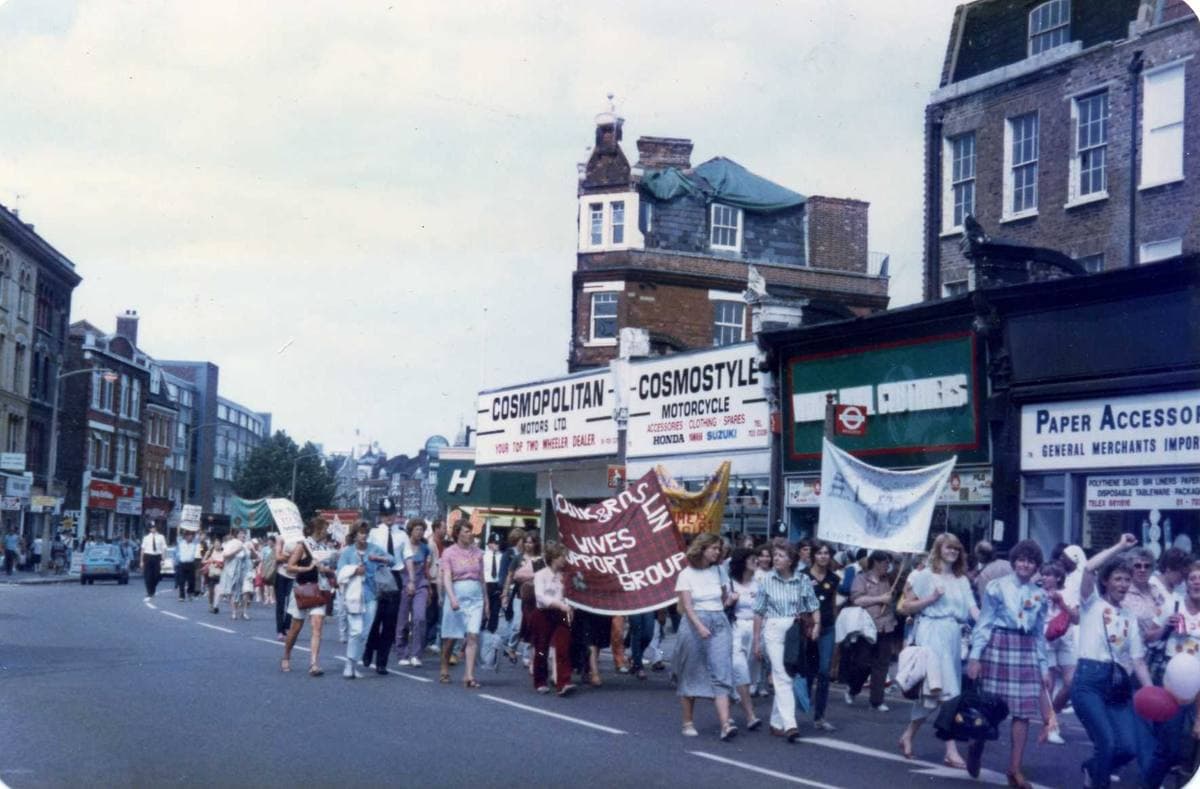
A Support the Miners march on Camberwell Road, south London, in 1984, with a miners’ wives support group banner. sludgegulper · CC BY-SA 2.0
Easington Colliery · Dawdon · London · the strike of 1984–85
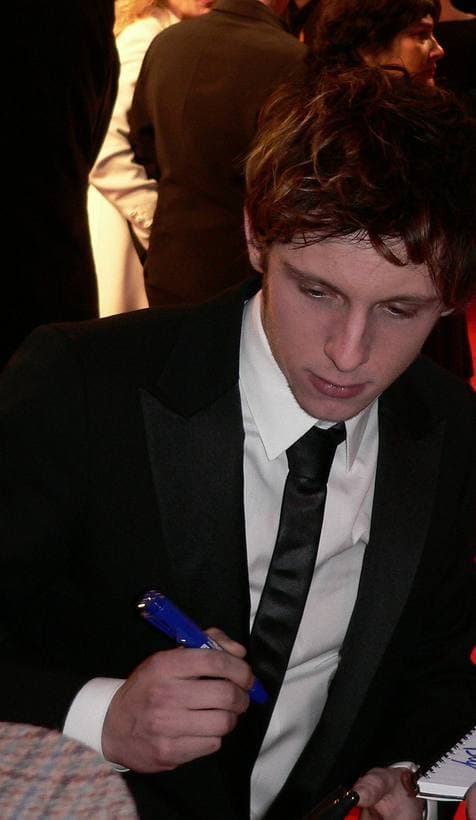
Jamie Bell, Billy, at the BAFTA film awards in February 2007; the earliest free photograph of him we could find. S Pakhrin · CC BY 2.0Jamie Bell Billy
Billy ElliotA pit-village boy who danced off the back-yard walls, and the real places he landed
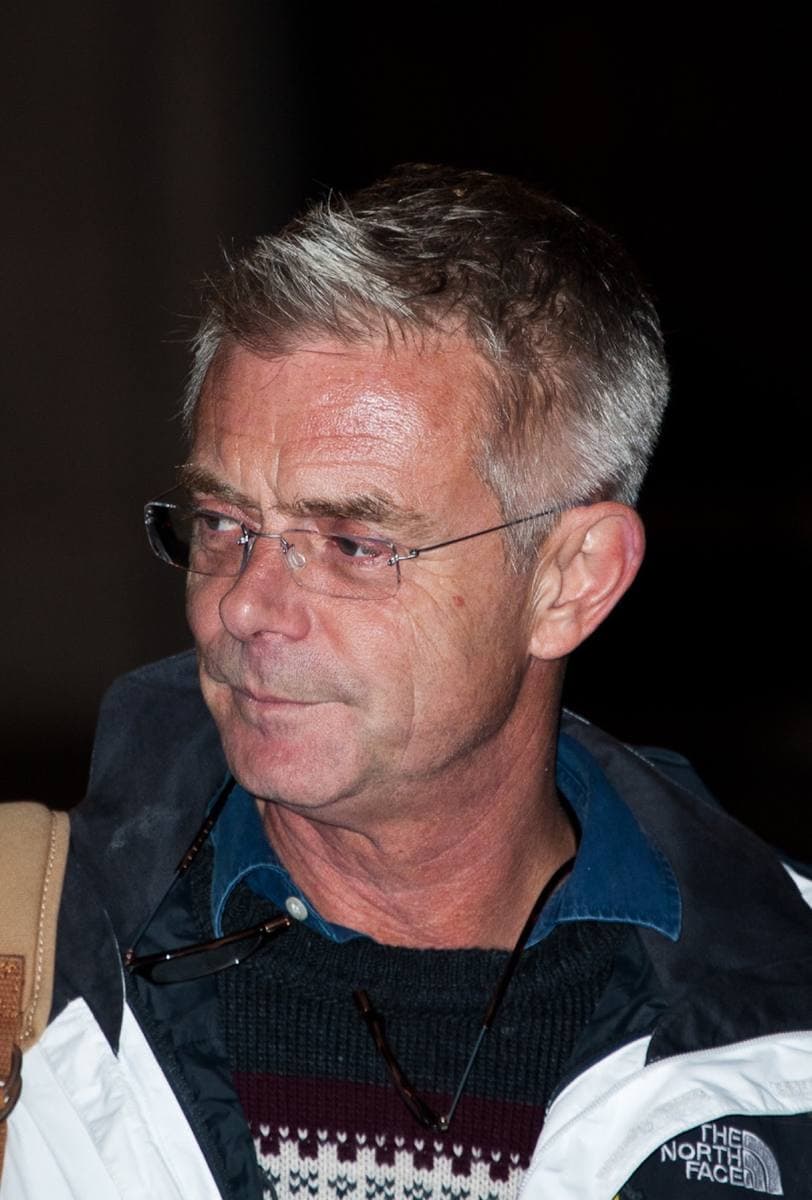
Julie Walters, Mrs Wilkinson, at a London premiere in 2014. Ibsan73/Flickr · CC BY 2.0Julie Walters Mrs WilkinsonGary Lewis, Billy’s dad, at the Vienna film festival in 2012. Manfred Werner / Tsui · CC BY-SA 3.0Gary Lewis Dad
Billy is on the first back-yard wall. Press leap.
Where this comes from
Portraits: Jamie Bell, 2007, S Pakhrin (CC BY 2.0); Julie Walters, 2014, Ibsan73/Flickr (CC BY 2.0); Gary Lewis, 2012, Manfred Werner / Tsui (CC BY-SA 3.0). Behind: sludgegulper (CC BY-SA 2.0).
The terraced backs · Easington Colliery to the Tees
Leap the backs.He dances in a cramped backyard and then through empty streets, bouncing off outhouses and pounding the tarmac.
Yard 1: Angus Street. Hold the button to bend, then let go to leap.
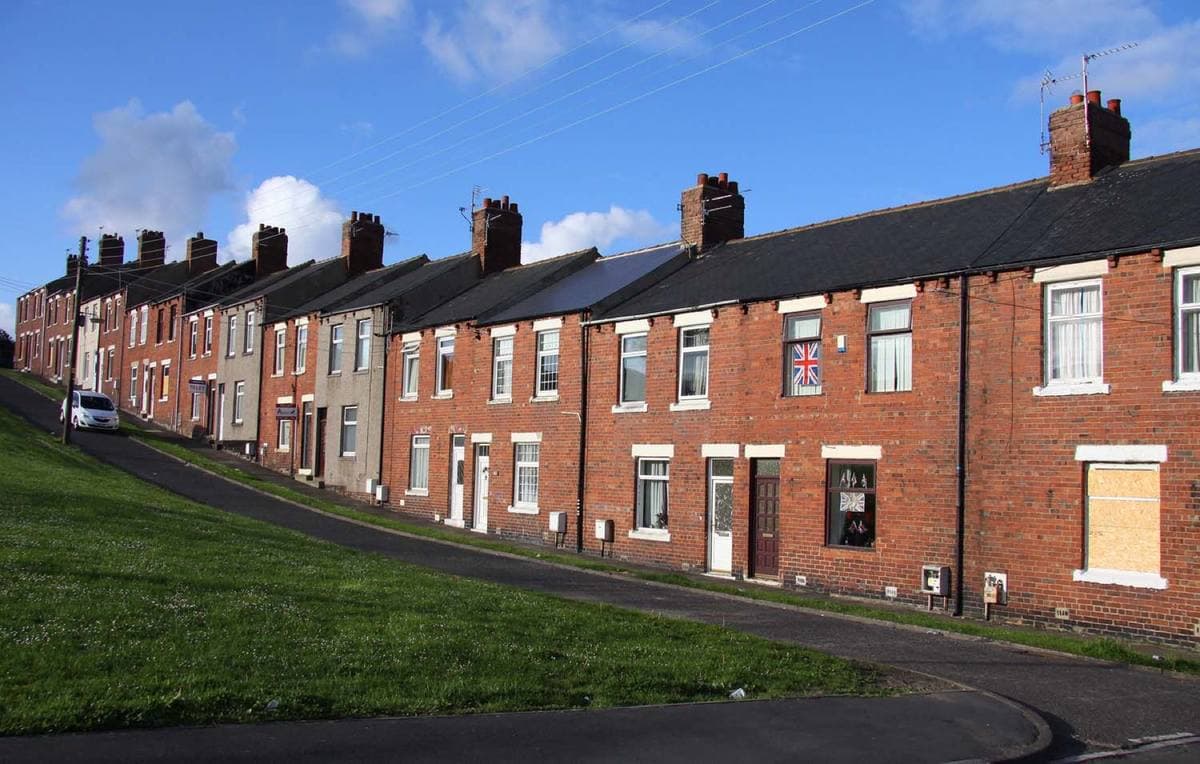
Angus Street, Easington Colliery, in 2012. Steve Daniels · CC BY-SA 2.0
Angus Street, Easington Colliery, County Durham
Angus Street
The top of Angus Street is where Mrs Wilkinson drops Billy off after his dance lesson.
The streets of Easington Colliery were used in scenes from the film.
The village was built at the start of the twentieth century to house miners and their families.
Mrs Wilkinson drops Billy off at the top of Angus Street after his dance lesson.
Lived-in terraces. Walk the street from Seaside Lane and keep to the pavement; these are people’s homes.
Where this comes from
March 1984 to March 1985
The strike, from a child’s height.The story is set in a north-east colliery village during the 1984 miners’ strike.
6 March 1984
The strike begins
The strike begins on 6 March 1984 and ends on 3 March 1985, after a vote of the National Union of Mineworkers to go back.
1984
The coast pits
The main pits in Durham were on the coast at Easington and Seaham, where there was mass picketing.
On screen
At the edge of the frame
Police in riot gear stay at the edge of the frame. Daldry says the film sees the strike from a child’s point of view, not through its politics.
7 March 1985
Back to work
On 7 March 1985, days after the return to work, an Easington miner is filmed talking about the strike, the police in the village and the colliery management; the camera then looks at the pit, the coast and the terraced streets.
Lee Hall wrote the script; he grew up in Newcastle during the strike.
Where this comes from
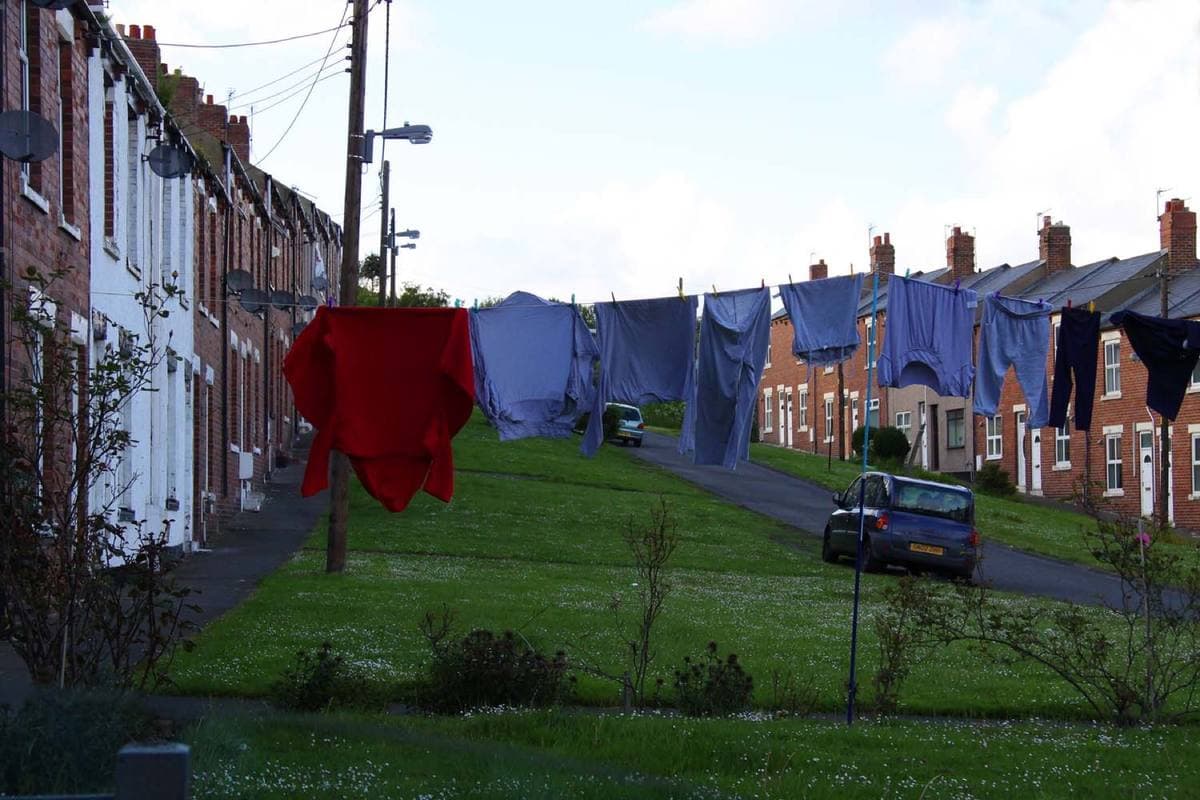
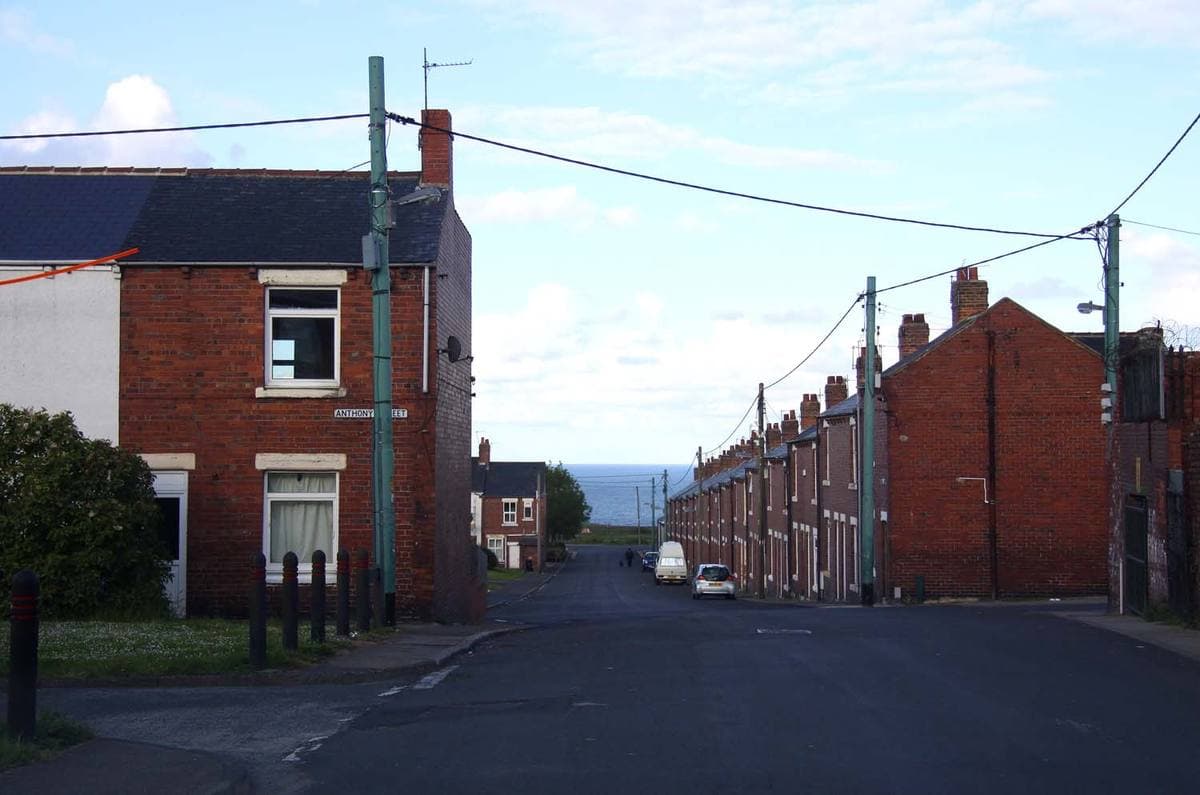
Washing day in Anthony Street, 2012. Steve Daniels · CC BY-SA 2.0
Tony is chased and arrested by police in Anthony Street during the dispute.
The colliery memorial garden · Easington Colliery
The wheel laid flat.A pithead wheel lies flat on timbers with coal between its spokes, for everyone who worked the colliery from 1899 to 1993.
1899: Sinking.
1899–1910
Sinking
Easington Colliery opens in 1899; it produces no coal until 1910.
Where this comes from
The colliery memorial garden, February 2026. David Robinson · CC BY-SA 2.0
Crawlaw Avenue and Office Street, beside the B1238, Easington Colliery
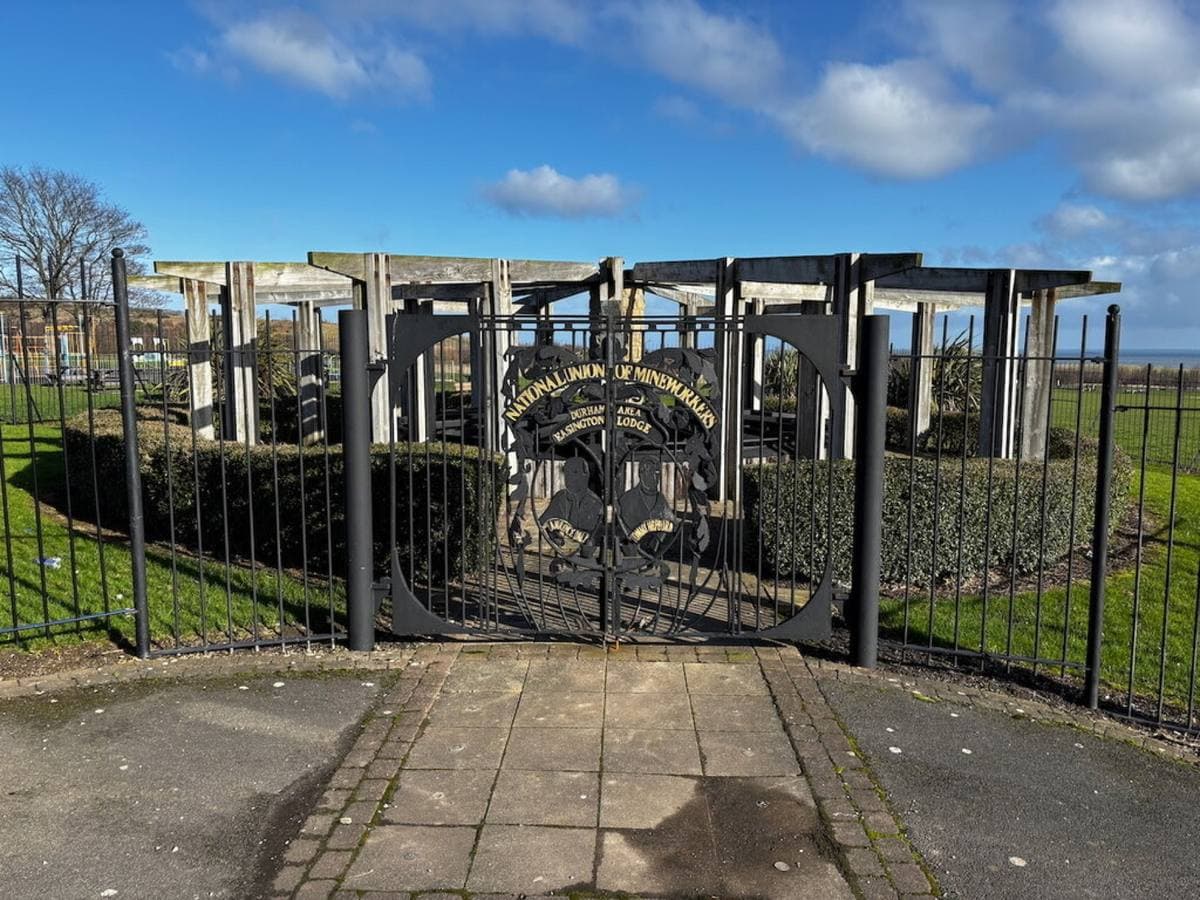
The colliery memorial garden
The garden commemorates those who worked at the colliery from 1899 to 1993.
At its centre a pithead wheel lies flat on wooden timbers, with crushed coal between the spokes.
Open to all, on the road down to the nature reserve car park.
Where this comes from
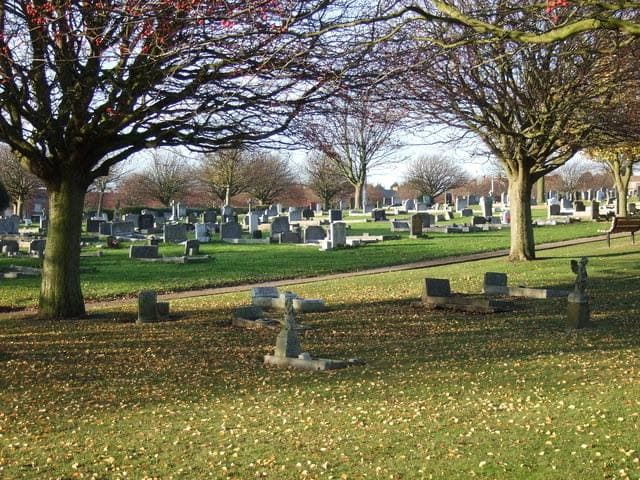
Easington Colliery Cemetery, 2011. JThomas · CC BY-SA 2.0
On 29 May 1951 an explosion at the colliery killed 83 men, two of them rescue workers.
The garden of remembrance in the cemetery was inaugurated on 29 May 1954. Its communal graves hold 72 grave spaces, each with a stone tablet giving the man’s name and age.
A coal-cutting machine and two coal trucks stand on short lengths of track beside the memorial screens. It was listed at Grade II on 25 August 2016.
In the cemetery on Crawlaw Road. A place of graves; visit quietly.
Where this comes from
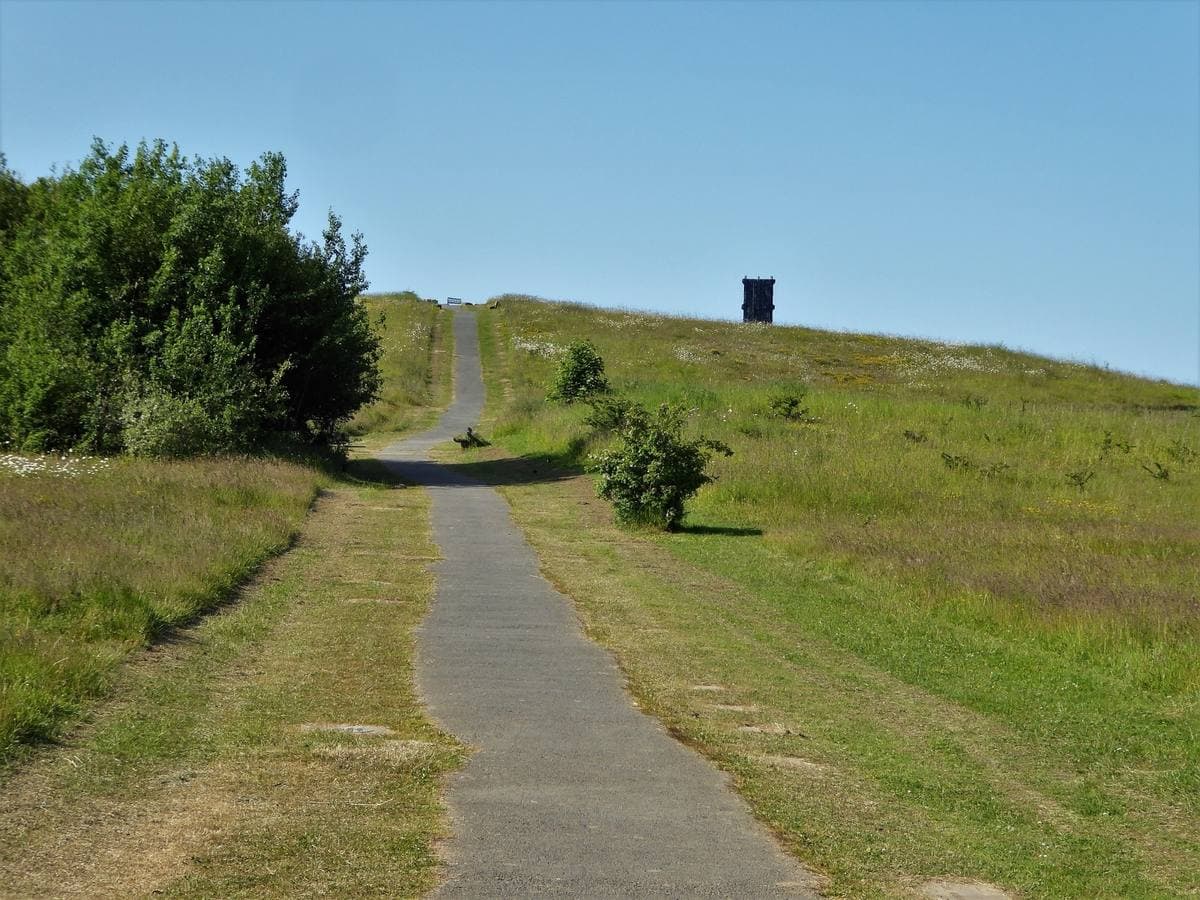
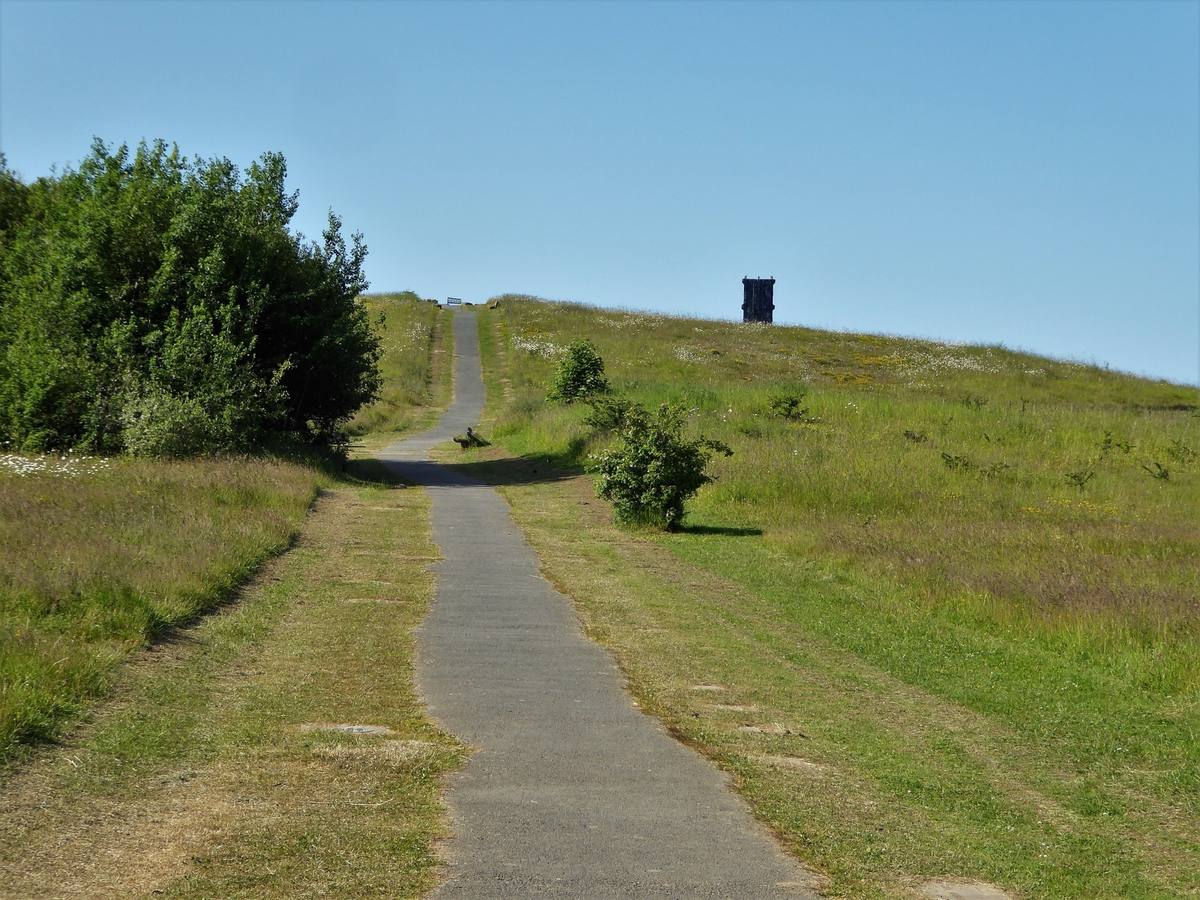
The path up to the pit cage, 2023. Kevin Waterhouse · CC BY-SA 2.0
Easington Local Nature Reserve, off Seaside Lane, Easington Colliery
The colliery site and the pit cage
Easington Colliery opened in 1899, did not produce coal until 1910, and closed in 1993.
A pit cage stands just north of the car park, at the end of a timeline. The walk leaflet calls it an original cage that carried men down to the coal seams.
Co-Curate describes it as a similar three-tier cage to the one used in the south shaft, which was 1,586 feet (483 metres) deep, set up as a monument by the Turning the Tide project.
Park at the Seaside Lane car park and follow the heritage trail up to the cage. The coast path starts here; wear boots.
Where this comes from
This is Durham
Easington Colliery walk to Beacon Hill
Easington Colliery · Free · about 4 miles, 2 hours
A free circular walk of about 4 miles from the Seaside Lane car park: past the pit cage, along the coastal footpath and up to Beacon Hill, the highest point on the Durham coast. Allow about two hours and wear boots.
The production saw about 2,000 children over several months. Jamie Bell had danced since he was six.
Stuart Wells, who plays Michael, had never acted before; he was found at a skate park in Whitley Bay.
Movie-Locations describes it as the reception block of a Victorian poor school, where Charlie Chaplin lived as a boy.
It still has a large sports hall and a boxing, judo and karate area.
Where this comes from
English Heritage
Old Wardour Castle
Near Tisbury, Wiltshire · Open daily, 10am–5pm · last entry 4.30pm
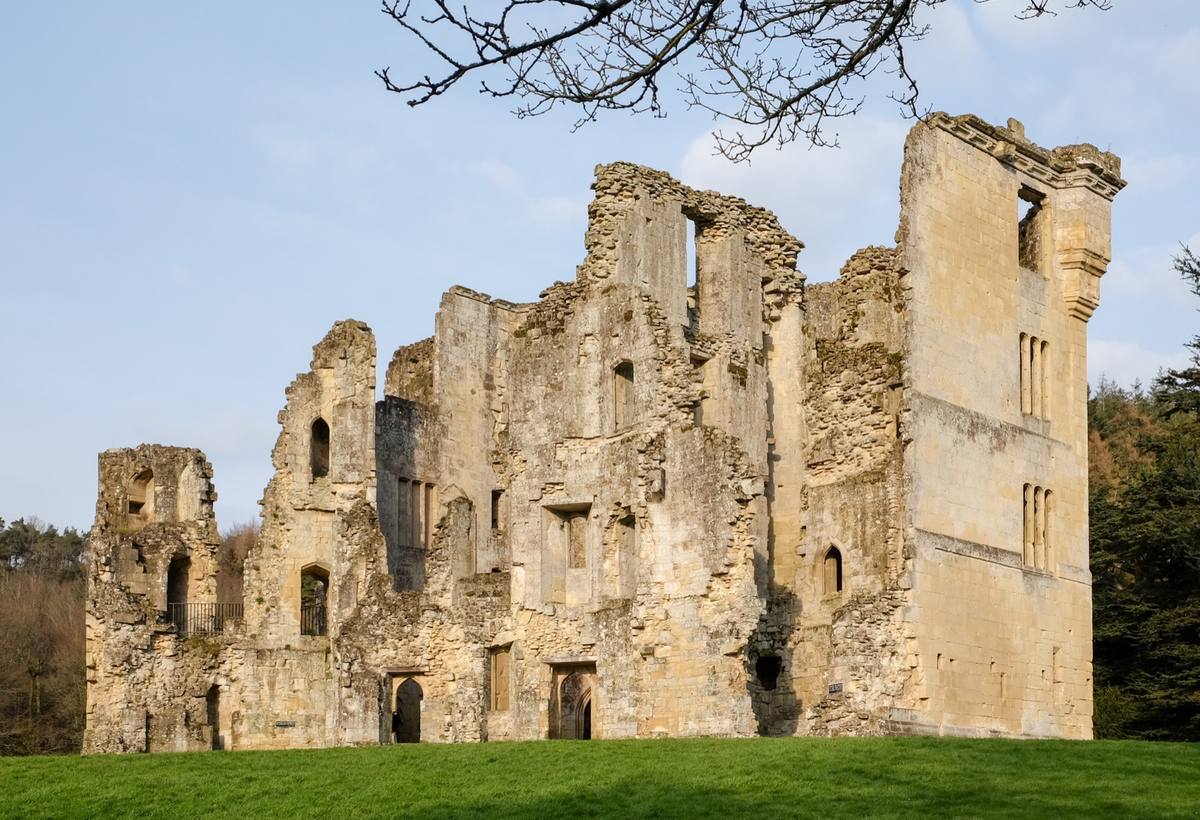
The fourteenth-century ruin on the Wardour estate, open to visitors. New Wardour Castle, the film’s ballet school, is a private home on the same estate.
The real school.The BFI credits the film, and the musical that followed, with inspiring more young boys to train as dancers.
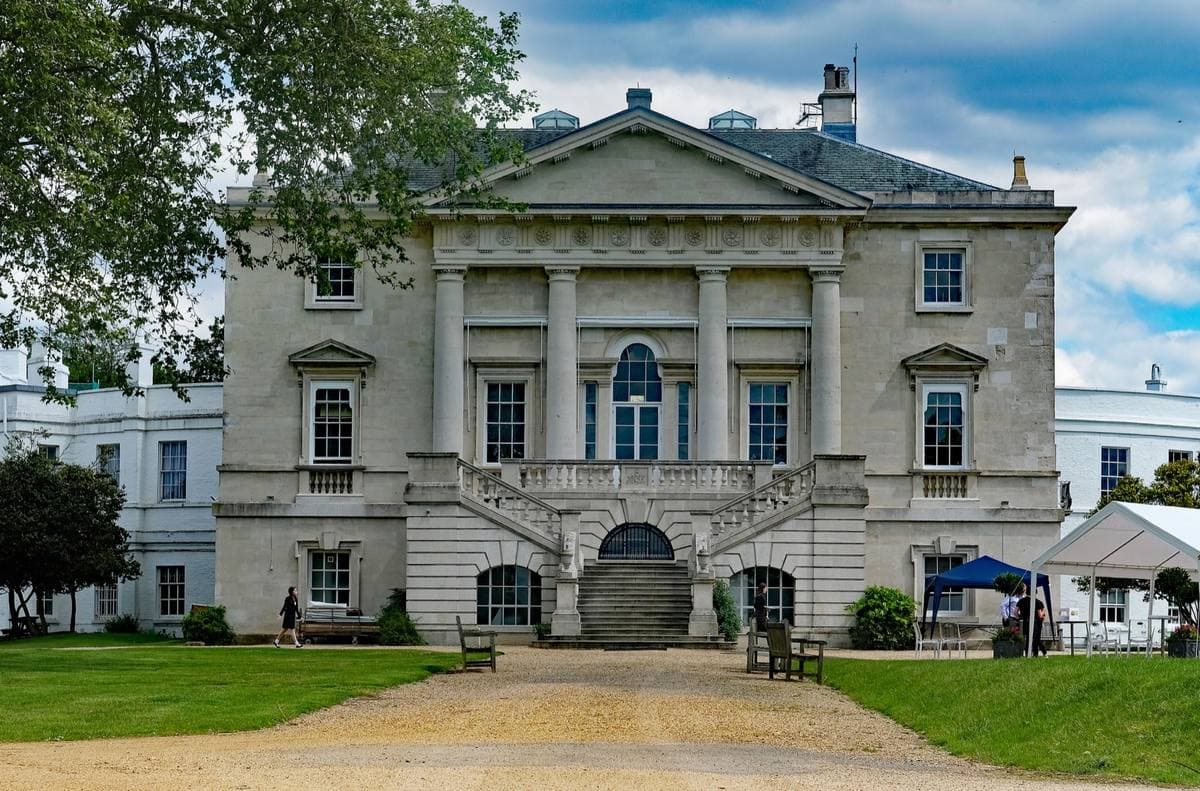
White Lodge, Richmond Park, 2021. Jim Osley · CC BY-SA 2.0
Queen’s Ride, Richmond Park, London
White Lodge, the Royal Ballet School
The real Royal Ballet School that Billy auditions for is in Richmond Park.
White Lodge was built in 1725 as a hunting lodge for George I. The Royal Ballet School has been there since 1955.
The real Royal Ballet School is in Richmond Park, at White Lodge, where it has been since 1955.
A working boarding school, not open to the public. See the house from the paths of Richmond Park.
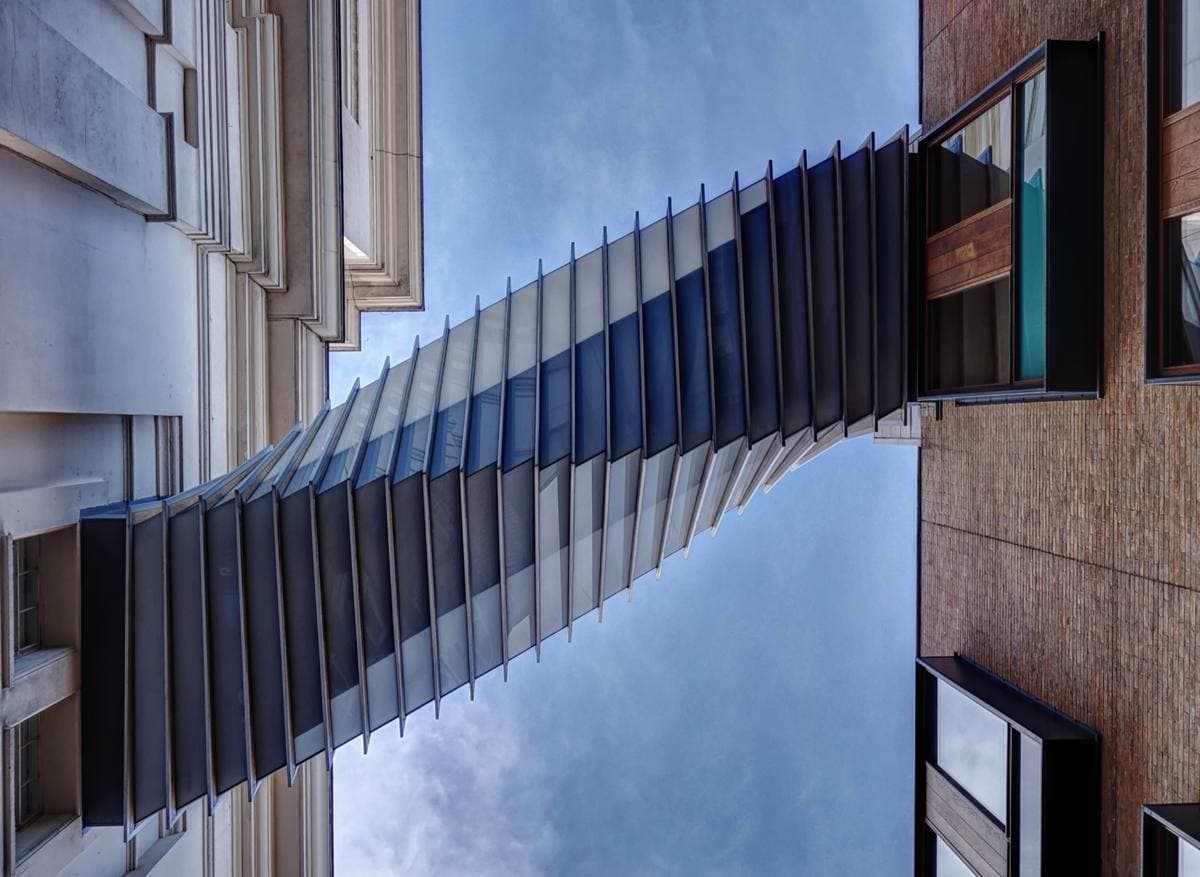
Where this comes fromThe Bridge of Aspiration over Floral Street, 2015. David Skinner · CC BY 2.0
Royal Ballet School, 46 Floral Street, Covent Garden
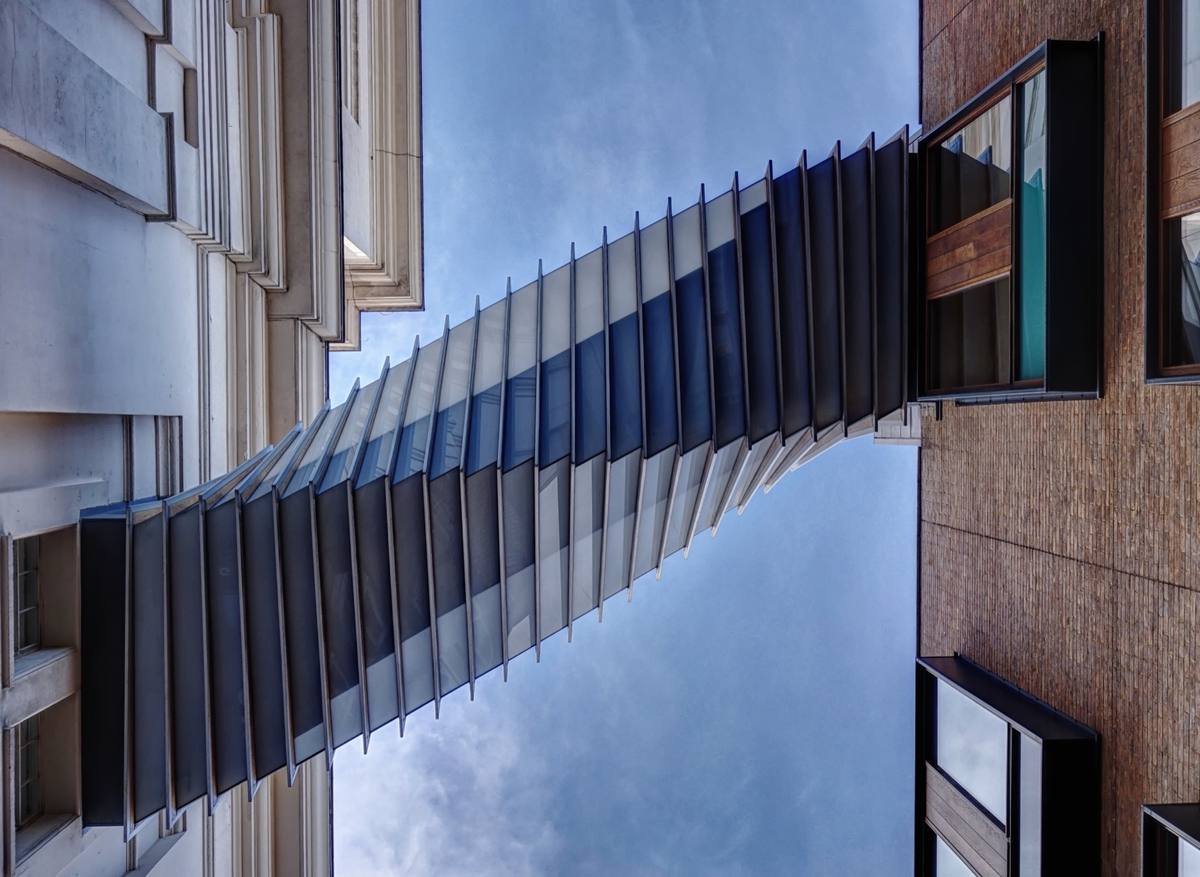
The Bridge of Aspiration
The bridge twists high above Floral Street and gives the Royal Ballet School’s dancers a direct link to the Royal Opera House.
In Covent Garden the school’s dancers cross Floral Street by a twisting bridge into the Royal Opera House.
Stand in Floral Street and look up. The bridge is for the school’s dancers only.
Where this comes from
Royal Ballet and Opera
Behind the scenes at the Royal Opera House
Covent Garden, London · Dates from 9 October to 21 December 2026
A guided tour of parts of the Opera House normally closed to the public, among them the rehearsal studios, costume departments and production workshops. The Royal Ballet School’s bridge crosses Floral Street outside.
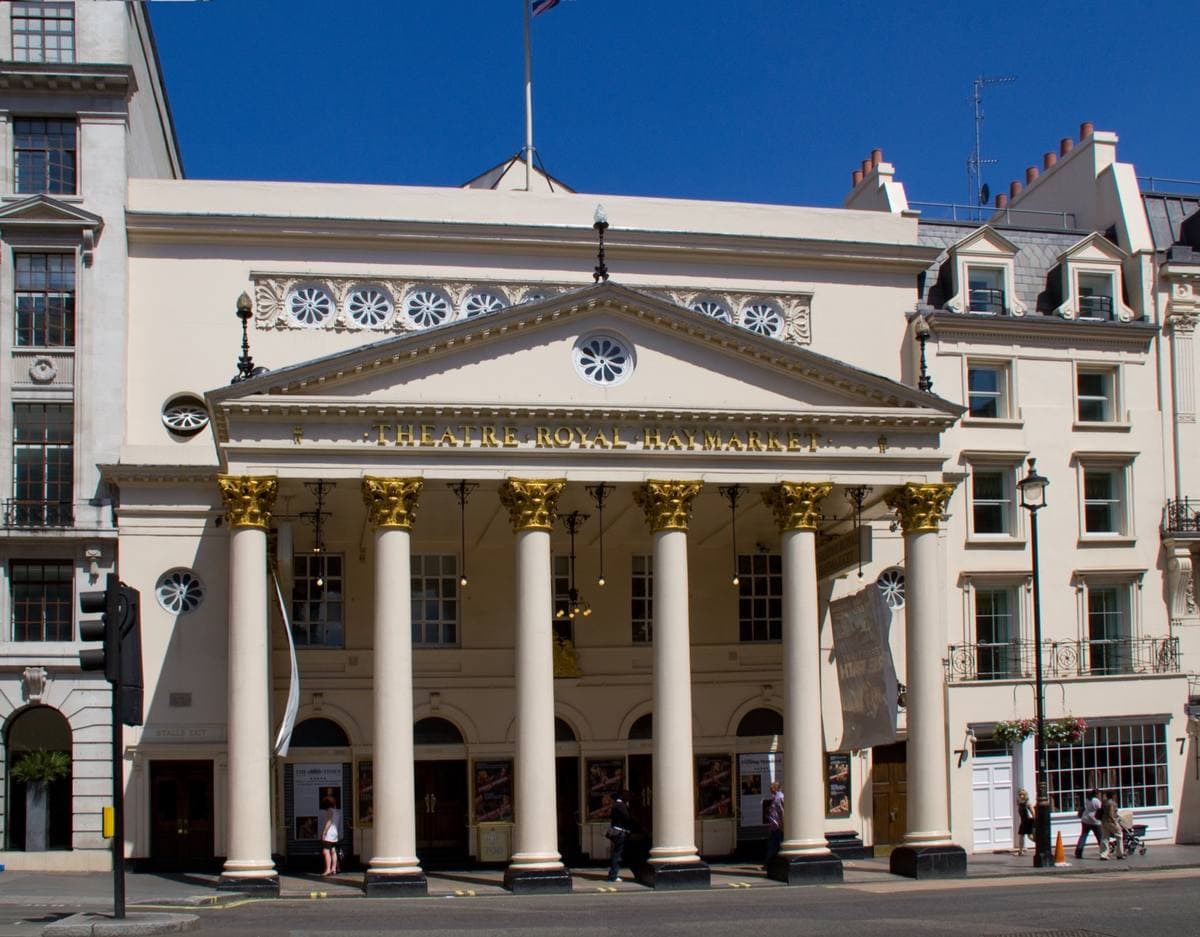
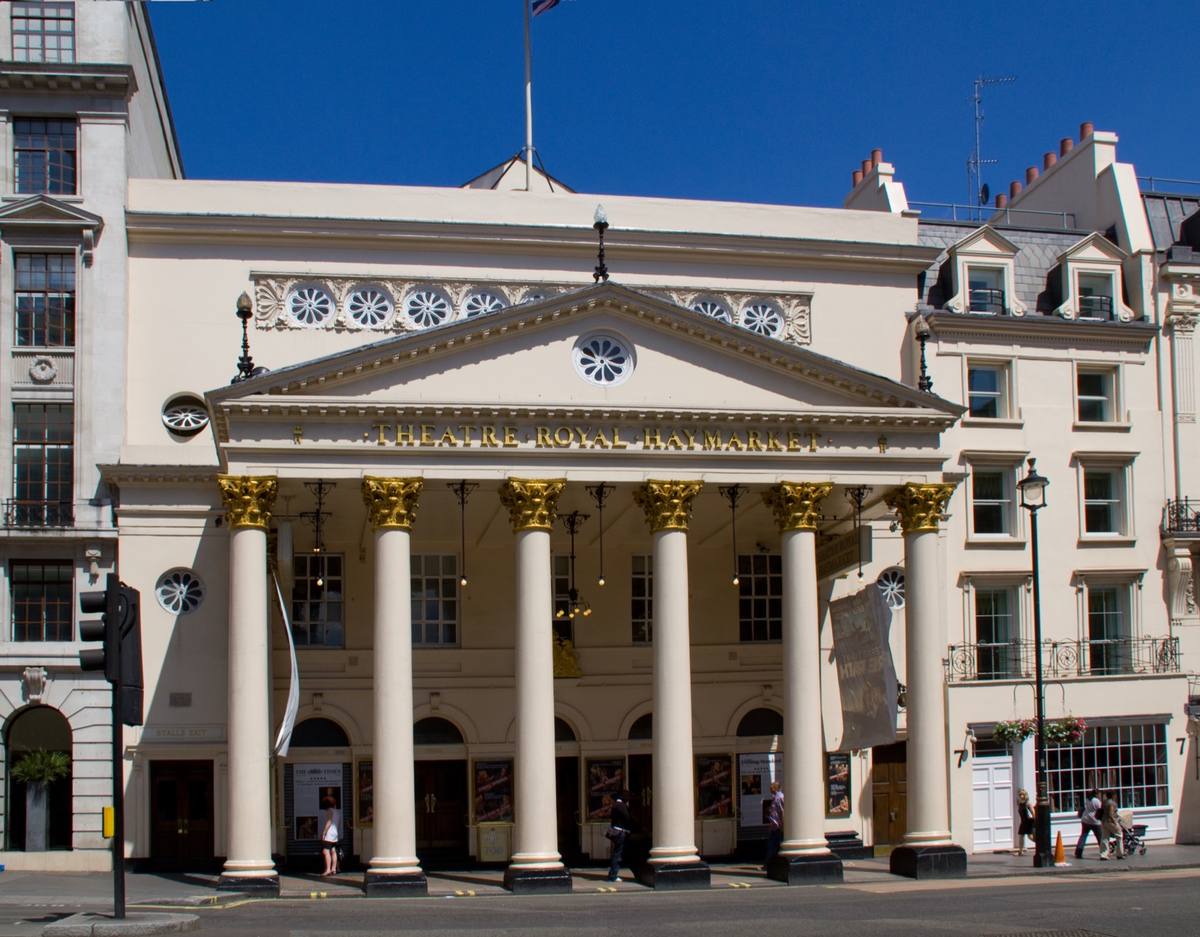
Swan Lake, and after.Grown up, Billy dances the lead swan in Matthew Bourne’s 1998 Swan Lake while his dad and brother watch, at the Theatre Royal Haymarket.
Grown up, Billy dances the lead swan in Matthew Bourne’s 1998 Swan Lake while his dad and brother watch, at the Theatre Royal Haymarket.
The grown-up Billy is danced by Adam Cooper, who was dancing in a Swan Lake with male swans while the film was being shot.
Billy’s dad and brother watch him dance Matthew Bourne’s Swan Lake at the Theatre Royal Haymarket.
A working West End theatre. Book a show to go inside.
Where this comes from
Over the last wall.13 places you can visit: four streets and three memorials on the Durham coast, a bridge on the Tees, a hall, a school, a bridge and two theatres in London. Here is where they all are now.
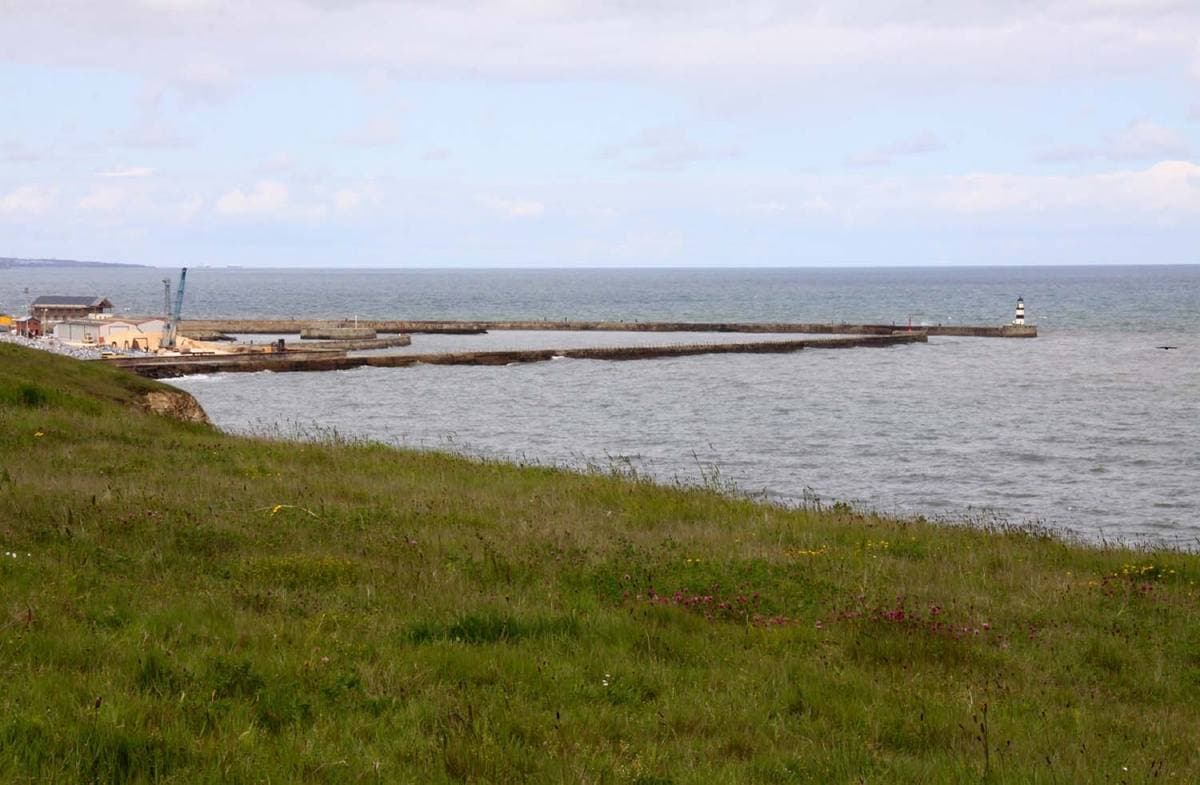
The clifftop at Dawdon, looking north to Seaham Harbour, 2012. Steve Daniels · CC BY-SA 2.0
Where it is now
13 places you can visit. Billy’s own street has gone; the wall at the bottom is still there. New Wardour Castle is a private home and is not on the map; White Lodge is a working school, seen from the park.
Pins mark public places; private homes are named but not pinned.
General reference · Public access · Coordinate precision: site · Not an exact scene or camera position; not a visitor route. Lived-in terraces. Walk the street from Seaside Lane and keep to the pavement; these are people’s homes.
General reference · Public access · Coordinate precision: site · Not an exact scene or camera position; not a visitor route. Ashton Street runs downhill towards the sea. Billy’s own street has gone; the wall at the bottom is the part you can still see.
General reference · Public access · Coordinate precision: site · Not an exact scene or camera position; not a visitor route. Terraced houses with washing lines across the greens. Look from the pavement.
General reference · Public access · Coordinate precision: site · Not an exact scene or camera position; not a visitor route. A residential street in Dawdon, on the south side of Seaham. Walk on east to the clifftop for the sea.
General reference · Public access · Coordinate precision: site · Not an exact scene or camera position; not a visitor route. Park at the Seaside Lane car park and follow the heritage trail up to the cage. The coast path starts here; wear boots.
General reference · Public access · Coordinate precision: site · Not an exact scene or camera position; not a visitor route. Open to all, on the road down to the nature reserve car park.
General reference · Public access · Coordinate precision: site · Not an exact scene or camera position; not a visitor route. In the cemetery on Crawlaw Road. A place of graves; visit quietly.
General reference · Restricted access · Coordinate precision: site · Not an exact scene or camera position; not a visitor route. Closed to crossings. See it from Ferry Road on the Middlesbrough bank or from the Port Clarence side.
1Angus Street, Easington Colliery, in 2012. Steve Daniels · CC BY-SA 2.0
Angus Street, Easington Colliery, County Durham
Angus Street
The top of Angus Street is where Mrs Wilkinson drops Billy off after his dance lesson.
Lived-in terraces. Walk the street from Seaside Lane and keep to the pavement; these are people’s homes.
Where this comes from
2Looking down Ashton Street towards the sea, 2012. Steve Daniels · CC BY-SA 2.0
Ashton Street, Easington Colliery, County Durham
Andrew Street and the Ashton Street wall
Billy’s home, “5 Alnwick Street” in the story, was on Andrew Street. The street has been demolished and is now open grass.
Ashton Street runs downhill towards the sea. Billy’s own street has gone; the wall at the bottom is the part you can still see.
Where this comes from
3Washing day in Anthony Street, 2012. Steve Daniels · CC BY-SA 2.0
Anthony Street, Easington Colliery, County Durham
Anthony Street
Anthony Street is where Billy’s brother Tony is chased and arrested by police during the miners’ dispute.
Terraced houses with washing lines across the greens. Look from the pavement.
Where this comes from
4The clifftop at Dawdon, looking north to Seaham Harbour, 2012. Steve Daniels · CC BY-SA 2.0
Embleton Street, Dawdon, Seaham, County Durham
Embleton Street, Dawdon
Billy dances down Embleton Street, in Dawdon, the street with the sea view.
A residential street in Dawdon, on the south side of Seaham. Walk on east to the clifftop for the sea.
Where this comes from
5The pit cage on the old colliery site, now a nature reserve, 2017. Mat Fascione · CC BY-SA 2.0
Easington Local Nature Reserve, off Seaside Lane, Easington Colliery
The colliery site and the pit cage
Easington Colliery opened in 1899, did not produce coal until 1910, and closed in 1993.
Park at the Seaside Lane car park and follow the heritage trail up to the cage. The coast path starts here; wear boots.
Where this comes from
6The colliery memorial garden, February 2026. David Robinson · CC BY-SA 2.0
Crawlaw Avenue and Office Street, beside the B1238, Easington Colliery
The colliery memorial garden
The garden commemorates those who worked at the colliery from 1899 to 1993.
Open to all, on the road down to the nature reserve car park.
Where this comes from
7Easington Colliery Cemetery, 2011. JThomas · CC BY-SA 2.0
On 29 May 1951 an explosion at the colliery killed 83 men, two of them rescue workers.
In the cemetery on Crawlaw Road. A place of graves; visit quietly.
Where this comes from
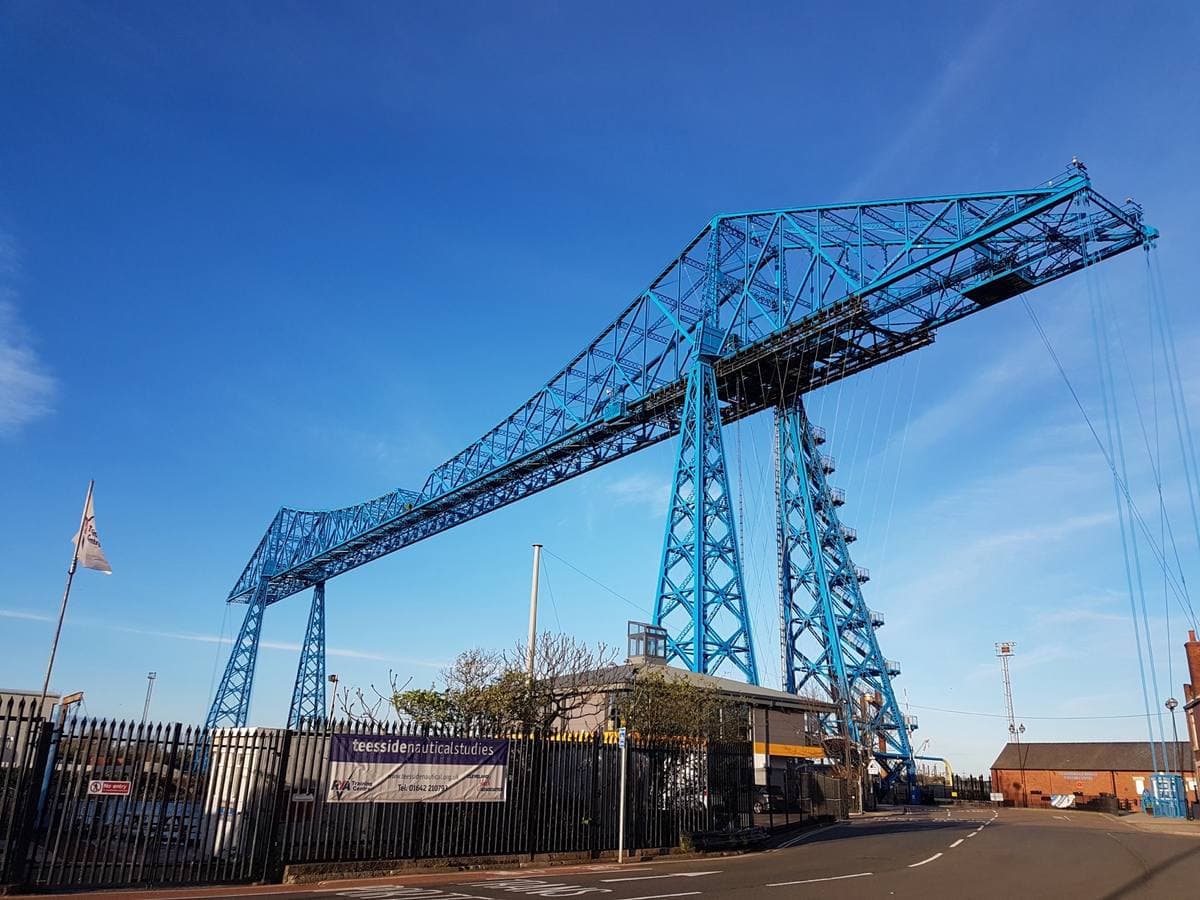
8The Tees Transporter Bridge, 2018. Stinglehammer · CC BY-SA 4.0
Ferry Road, Middlesbrough
Tees Transporter Bridge
Billy and Mrs Wilkinson cross the Tees Transporter Bridge.
Closed to crossings. See it from Ferry Road on the Middlesbrough bank or from the Port Clarence side.
Where this comes from
Stay
On the clifftop at Seaham.
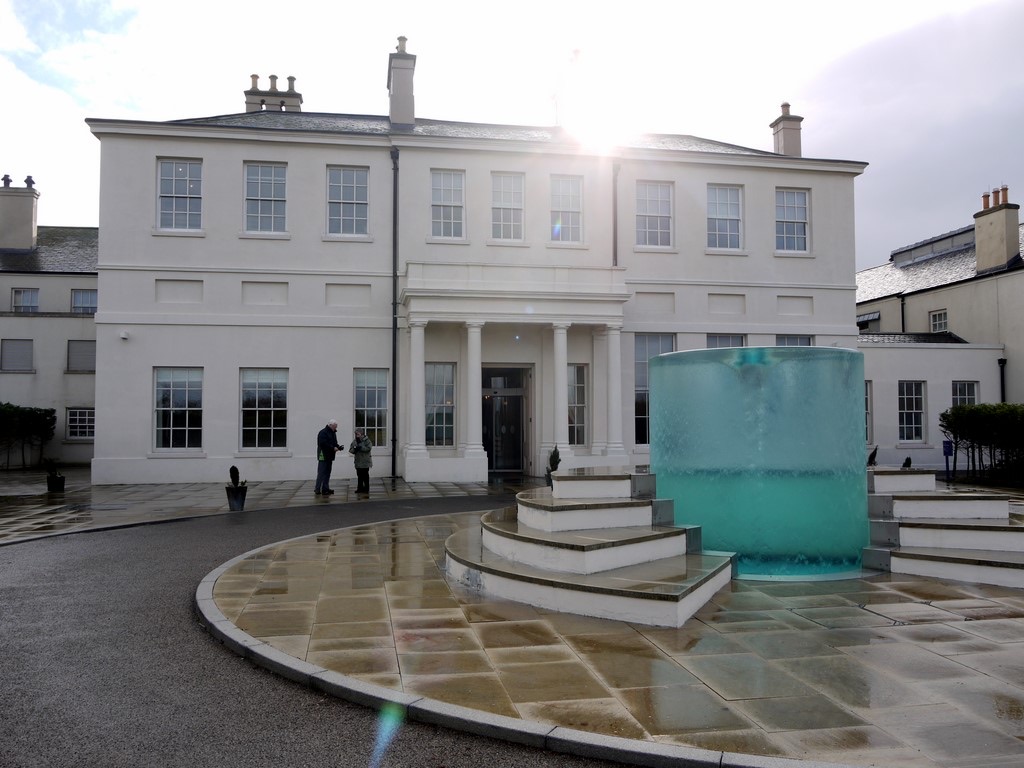
Seaham Hall looks over the Durham coast, a short drive from Dawdon and Easington Colliery.
Seaham Hall
Seaham Hall
Seaham, County Durham · Offers from £134 midweek · rates on booking
A Georgian country house and spa on the clifftop at Seaham, on Lord Byron’s Walk. Dawdon and Embleton Street are on the south side of the town; Easington Colliery is a short drive down the coast.
The walk to Beacon Hill, the Opera House, Wardour.
A free coast walk from the pit cage, a tour behind the scenes at the Royal Opera House, the ruin on the Wardour estate, and theatre tours in London.
This is Durham
Easington Colliery walk to Beacon Hill
Easington Colliery · Free · about 4 miles, 2 hours
A free circular walk of about 4 miles from the Seaside Lane car park: past the pit cage, along the coastal footpath and up to Beacon Hill, the highest point on the Durham coast. Allow about two hours and wear boots.
Covent Garden, London · Dates from 9 October to 21 December 2026
A guided tour of parts of the Opera House normally closed to the public, among them the rehearsal studios, costume departments and production workshops. The Royal Ballet School’s bridge crosses Floral Street outside.
Near Tisbury, Wiltshire · Open daily, 10am–5pm · last entry 4.30pm
The fourteenth-century ruin on the Wardour estate, open to visitors. New Wardour Castle, the film’s ballet school, is a private home on the same estate.
Dates, prices, rooms and stock change: confirm with the provider before you travel or buy. A stay or tour is described as a filming location only where the card says so.
Land it.
Where this comes from
Every place and moment behind this page, with sources.
14 of 14 places · 33 of 33 Moments
Angus Street
Angus Street, Easington Colliery, County Durham
The film
Stephen Daldry directs Lee Hall’s script, with Julie Walters, Gary Lewis and Jamie Draven. It runs 110 minutes.
A colliery village in 1984
The story is set in a north-east colliery village during the 1984 miners’ strike.
After the lesson
Mrs Wilkinson drops Billy off at the top of Angus Street after his dance lesson.
Back to work
On 7 March 1985, days after the return to work, an Easington miner is filmed talking about the strike, the police in the village and the colliery management; the camera then looks at the pit, the coast and the terraced streets.
Lee Hall
Lee Hall wrote the script; he grew up in Newcastle during the strike.
Andrew Street and the Ashton Street wall
Ashton Street, Easington Colliery, County Durham
5 Alnwick Street
Billy’s home is Andrew Street, since demolished; the wall at the bottom of his street is Ashton Street.
Anthony Street
Anthony Street, Easington Colliery, County Durham
Tony runs
Tony is chased and arrested by police in Anthony Street during the dispute.
From a child’s height
Police in riot gear stay at the edge of the frame. Daldry says the film sees the strike from a child’s point of view, not through its politics.
Embleton Street, Dawdon
Embleton Street, Dawdon, Seaham, County Durham
Down the street to the sea
Billy dances down Embleton Street in Dawdon, the street with the sea view.
Off the outhouse walls
He dances in a cramped backyard and then through empty streets, bouncing off outhouses and pounding the tarmac.
The colliery site and the pit cage
Easington Local Nature Reserve, off Seaside Lane, Easington Colliery
A pit that had shut
The mining scenes were shot at Ellington and Lynemouth in Northumberland, because Easington’s own pit had closed in 1993.
Sinking
Easington Colliery opens in 1899; it produces no coal until 1910.
Closure
The colliery closes in 1993.
The time capsule
The pit cage on the old site holds a time capsule of local people’s memories of the coal industry.
Twelve months out
The strike begins on 6 March 1984 and ends on 3 March 1985, after a vote of the National Union of Mineworkers to go back.
The coast pits
The main pits in Durham were on the coast at Easington and Seaham, where there was mass picketing.
The colliery memorial garden
Crawlaw Avenue and Office Street, beside the B1238, Easington Colliery
The wheel laid flat
A pithead wheel lies flat on timbers with coal between its spokes, for everyone who worked the colliery from 1899 to 1993.
An explosion at the colliery kills 83 men, two of them rescue workers.
The garden of remembrance
The cemetery’s garden of remembrance is inaugurated on 29 May 1954, with 72 grave spaces in its communal graves.
Listed
The disaster memorial is listed at Grade II on 25 August 2016.
Tees Transporter Bridge
Ferry Road, Middlesbrough
Over the Tees
Billy and Mrs Wilkinson cross the Tees Transporter Bridge.
Hanwell Community Centre
Westcott Crescent, Hanwell, London W7 1PD
Boxing and football
Daldry says the dancing drew on boxing and football, so Billy talks through movement.
The hall
The youth centre where Billy practises is the inside of Hanwell Community Centre in west London.
Two thousand children
The production saw about 2,000 children over several months. Jamie Bell had danced since he was six.
Found at a skate park
Stuart Wells, who plays Michael, had never acted before; he was found at a skate park in Whitley Bay.
New Wardour Castle
Near Tisbury, Wiltshire
The audition
New Wardour Castle in Wiltshire plays the Royal Ballet School.
White Lodge, the Royal Ballet School
Queen’s Ride, Richmond Park, London
The real school
The real Royal Ballet School is in Richmond Park, at White Lodge, where it has been since 1955.
More boys at the barre
The BFI credits the film, and the musical that followed, with inspiring more young boys to train as dancers.
The Bridge of Aspiration
Royal Ballet School, 46 Floral Street, Covent Garden
The bridge to the Opera House
In Covent Garden the school’s dancers cross Floral Street by a twisting bridge into the Royal Opera House.
Theatre Royal Haymarket
Haymarket, London SW1Y 4HT
Swan Lake
Grown up, Billy dances the lead swan in Matthew Bourne’s 1998 Swan Lake while his dad and brother watch, at the Theatre Royal Haymarket.
Adam Cooper
The grown-up Billy is danced by Adam Cooper, who was dancing in a Swan Lake with male swans while the film was being shot.
Victoria Palace Theatre
Victoria Street, London SW1E 5EA
Eleven years at the Victoria Palace
Billy Elliot the Musical opens at the Victoria Palace in 2005 and closes on 9 April 2016 after 4,600 performances.
Back on the road
A new tour, again directed by Stephen Daldry with book and lyrics by Lee Hall, opens at Sunderland Empire on 4 November 2026 and plays the Adelphi Theatre in London from 12 February to 31 July 2027.