
Skip to content
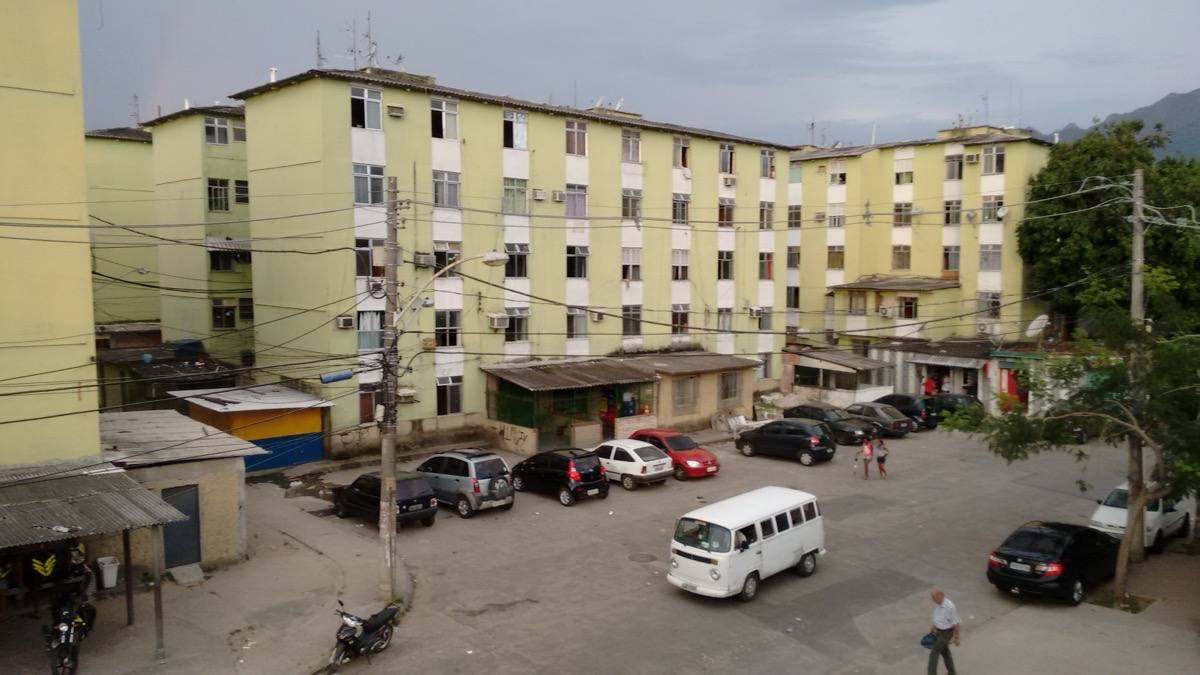
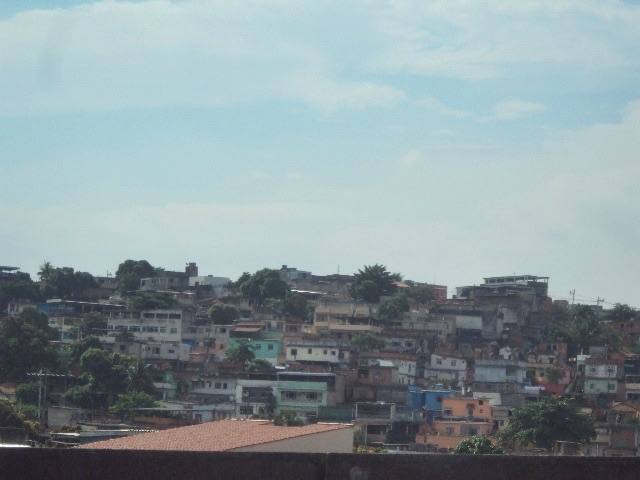
Low rooftops and streets of Cidade de Deus spreading towards green hills
Cidade de Deus from above, January 2015. Photograph: Junius, public domain. Junius · Public domain

35mm · wide · Cidade de Deus, Rio de Janeiro

City of God

Cidade de Deus · Fernando Meirelles and Kátia Lund · 2002

  • Douglas Silva as a teenager, 2003
    Douglas Silva in November 2003, the year after the film opened. Photograph: Victor Soares, Agência Brasil, CC BY 3.0 BR. Victor Soares/ABr · CC BY 3.0 BR
    Douglas Silva, 2003
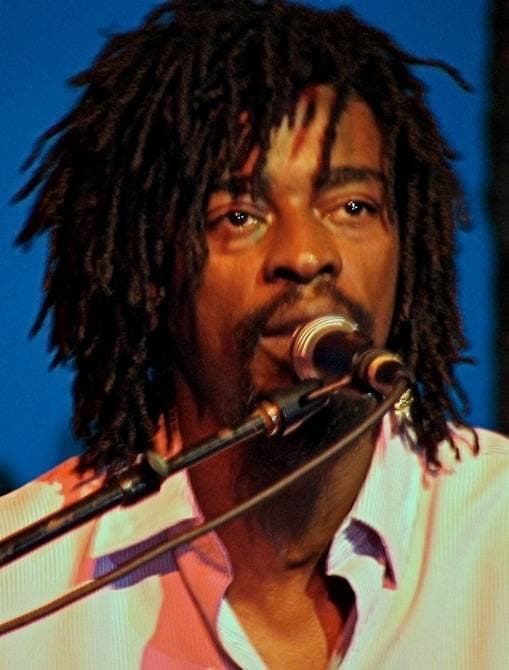
  • Seu Jorge singing on stage, 2006
    Seu Jorge on stage at Coachella in April 2006, four years after the film. No free photograph from 2002 was found. Photograph: Marcelo Teson, CC BY 2.0. Marcelo Teson, edited by anetode · CC BY 2.0
    Seu Jorge, 2006

Paulo Lins’s novel of the neighbourhood he grew up in, filmed with a cast found in Rio’s communities. Meirelles shot the wide landscapes on 35mm and the faces and talk on 16mm. Here the places run wide, and the people close.

The gate

Wide or close.

Meirelles shot the wide landscapes on 35mm and the close-ups and dialogue on 16mm, partly to save money. A 35mm frame is four perforations long; a 16mm frame is one. Wind the reel on and switch gauge: wide shows the place now, close shows who was there.

Where we read it
Low rooftops and streets of Cidade de Deus spreading towards green hills01

0 frames wound · 0.00 ft · 16 frames to the foot on 35mm

35mm, wide. Perforation 1 of 4 on frame 1 of 10: Cidade de Deus.

01 · wide

Cidade de Deus, in the west of Rio de Janeiro

Cidade de Deus

The state of Guanabara planned and built it as part of a policy of clearing favelas from central Rio and moving their residents out to the suburbs.

A home neighbourhood, not a film set. There are no film sights here and no shot positions are given. Go only with a resident-led guide, keep to main streets, and ask before photographing anyone.

Cidade de Deus from above, January 2015. Photograph: Junius, public domain.
Where we read it

Cidade de Deus

The neighbourhood.

Before it was a film it was a place people were moved to, in the west of the city, and it is still a home to tens of thousands. The story on screen covers the 1960s to the 1980s; the neighbourhood has gone on.

Low rooftops and streets of Cidade de Deus spreading towards green hills
Cidade de Deus from above, January 2015. Photograph: Junius, public domain. Junius · Public domain
Low rooftops and streets of Cidade de Deus spreading towards green hills
Cidade de Deus from above, January 2015. Photograph: Junius, public domain. Junius · Public domain
Cidade de Deus, in the west of Rio de Janeiro

Cidade de Deus

The state of Guanabara planned and built it as part of a policy of clearing favelas from central Rio and moving their residents out to the suburbs.

In the 1970s families moved from other favelas made it grow, without the schools or sanitation it needed.

Paulo Lins grew up here and left at just over thirty. His novel, published in 1997, follows the neighbourhood from the 1960s to the 1980s.

About 38,000 people live here, in about 1.2 square kilometres.

Folha de S.Paulo listed it in 2002 as one of three filming communities; Meirelles has said the crew moved filming to other communities.

A home neighbourhood, not a film set. There are no film sights here and no shot positions are given. Go only with a resident-led guide, keep to main streets, and ask before photographing anyone.

Where we read it
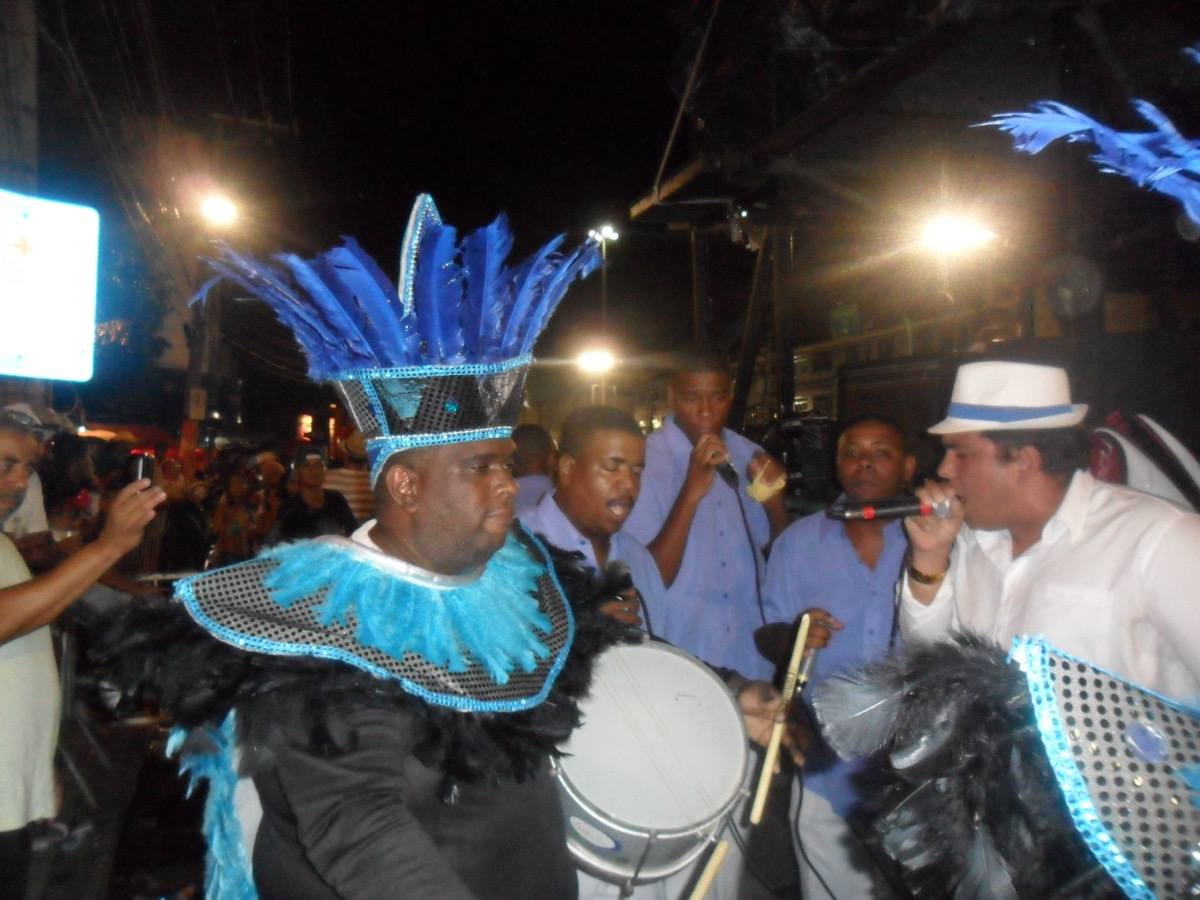
Samba school dancers in blue and white costumes at a night carnival parade
Mocidade Unida da Cidade de Deus, the neighbourhood’s samba school, at carnival in February 2015. Photograph: Leandro Rocha, CC BY 3.0. Leandro Rocha · CC BY 3.0

Since 29 March 1970

The samba school’s court, Rua Edgard Werneck, Cidade de Deus

Mocidade Unida da Cidade de Deus

It was founded in Cidade de Deus on 29 March 1970 as Acadêmicos da Cidade de Deus, and took its present name in April 2012 at the community’s request.

Its colours are blue and white. Its 2016 parade marked fifty years of the neighbourhood’s history.

A flood in 1996 struck the whole community, and the school’s parade with it.

The neighbourhood’s own samba school. Its rehearsals are community nights in the months before carnival; go with someone local.

Where we read it
  • US$3.3mto make
  • 2,000+screen tests
  • 3.1mtickets in Brazil
  • 4Oscar nominations
Where we read it
Viator · Ad / affiliate

Samba-school rehearsal nights in Rio

Rio de Janeiro

Live marketplace results for evenings at Rio samba-school rehearsals before carnival. None is tied to Mocidade Unida; ask locally for its own nights.

Live marketplace results · dates change

Compare tours

The cast

No script.

More than 2,000 young people from Rio’s outlying communities tried out. Reports put those chosen at about 100 to 200. They took four and a half to five months of classes, and the boys never read the script: scenes were built in rehearsal, and the dialogue was shaped with them.

Scene —

  1. improvised on the day
  2. improvised on the day
  3. improvised on the day

A scene sheet, written for this page. The dialogue lines are blank.

Where we read it
  • Douglas Silva as a teenager, 2003
    Douglas Silva in November 2003, the year after the film opened. Photograph: Victor Soares, Agência Brasil, CC BY 3.0 BR. Victor Soares/ABr · CC BY 3.0 BR
    Douglas Silva, 2003
  • Matheus Nachtergaele and Paulo Leão on a film set, 1996
    Matheus Nachtergaele (right) with Paulo Leão while filming O Enfermeiro in 1996, six years before City of God. Photograph: Katzin-Kohen, CC BY-SA 4.0. Katzin-Kohen · CC BY-SA 4.0
    Matheus Nachtergaele, 1996
  • Seu Jorge singing on stage, 2006
    Seu Jorge on stage at Coachella in April 2006, four years after the film. No free photograph from 2002 was found. Photograph: Marcelo Teson, CC BY 2.0. Marcelo Teson, edited by anetode · CC BY 2.0
    Seu Jorge, 2006

Douglas Silva plays the young Li’l Dice; Matheus Nachtergaele, the one established actor in a leading part, plays Sandro Cenoura (Carrot); the musician Seu Jorge plays Knockout Ned. Alexandre Rodrigues is Rocket, Leandro Firmino is Li’l Zé and Alice Braga makes her film debut as Angélica.

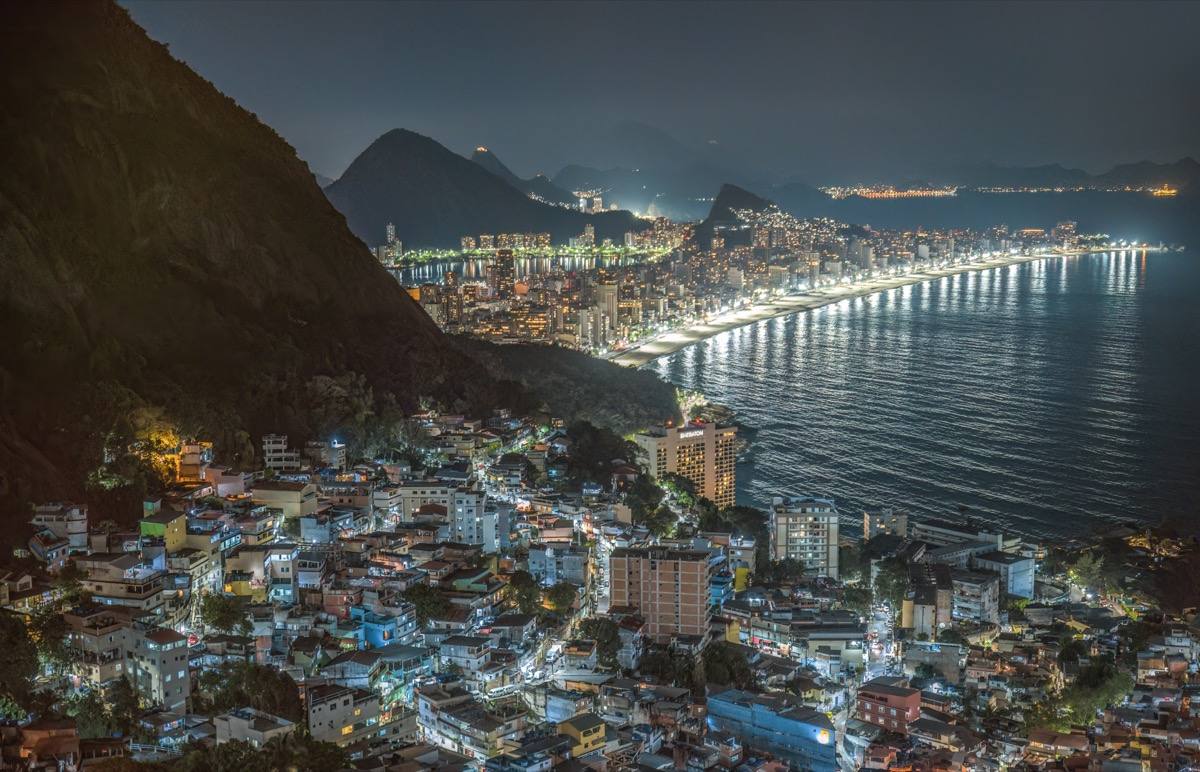
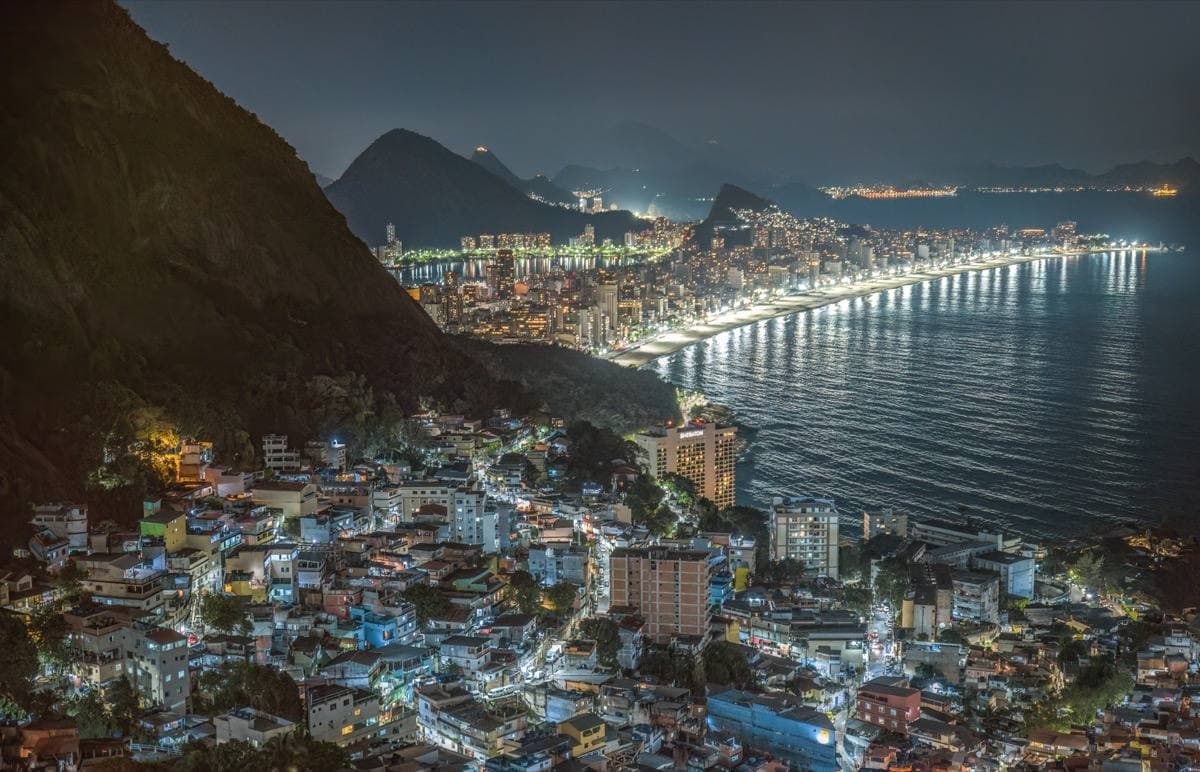
Colourful houses of Vidigal stacked on a steep green hillside
Vidigal on its hillside above the sea, June 2024. Photograph: Wilfredor, CC0. Wilfredor · CC0

Vidigal, on the hillside above the sea in Rio’s South Zone

Vidigal and Nós do Morro

Nós do Morro is a theatre group of Vidigal residents. The film recruited people who had taken part in its workshops.

Kátia Lund built the approach on an existing project with Nós do Morro.

Lund started a non-profit acting school to find the cast. It became Nós do Cinema, which offers film courses and work to young people from the favelas.

A home neighbourhood on a steep hill. Go with a resident-led guide; the viewpoints at the top are the usual reason to visit.

Where we read it
Viator · Ad / affiliate

Vidigal walking tours

Vidigal, Rio de Janeiro

Live marketplace results for walks in Vidigal. Choose one led by residents, and check how the money reaches the community.

Live marketplace results · itineraries change

Compare tours

Where it was filmed

Somewhere else.

The film carries the neighbourhood’s name, and Folha de S.Paulo listed it as a location in 2002. But after a frightening night while making their short film Golden Gate, Meirelles and Lund chose to work in other communities, through their community centres. The film’s Wikipedia article says most of it was shot in Cidade Alta.

Where we read it
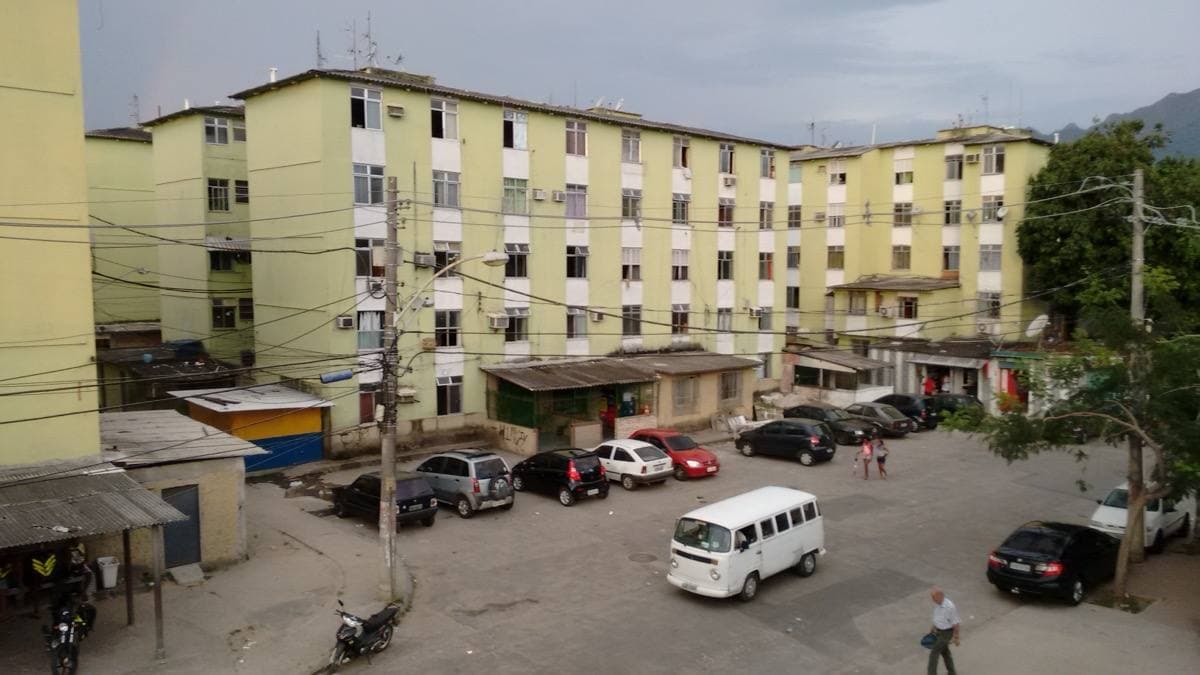
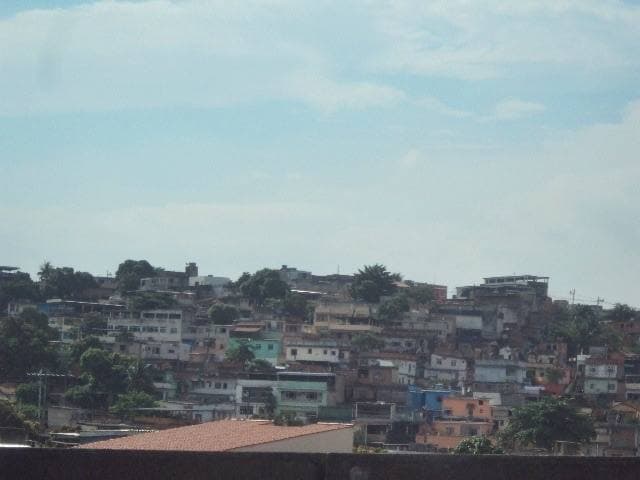
Rows of low houses on a hillside in Cordovil, Rio de Janeiro
Houses in Cordovil, the North Zone district that holds Cidade Alta, 2011. A view of the district, not of a filming spot. Photograph: Eduardo P, CC BY-SA 3.0. Eduardo P · CC BY-SA 3.0

Cidade Alta, Cordovil, in the north of Rio de Janeiro

Cidade Alta

Folha de S.Paulo named Cidade Alta as one of the communities where the film was made.

The film’s Wikipedia article says most of it was shot here, because the real Cidade de Deus was in the middle of a conflict at the time.

Meirelles says the production worked through community centres and gave the communities computers and football pitches rather than fees.

A home neighbourhood, not a film set. There are no film sights here and no shot positions are given. Go only with a resident-led guide, keep to main streets, and ask before photographing anyone. The photograph is a view of houses elsewhere in Cordovil.

Where we read it
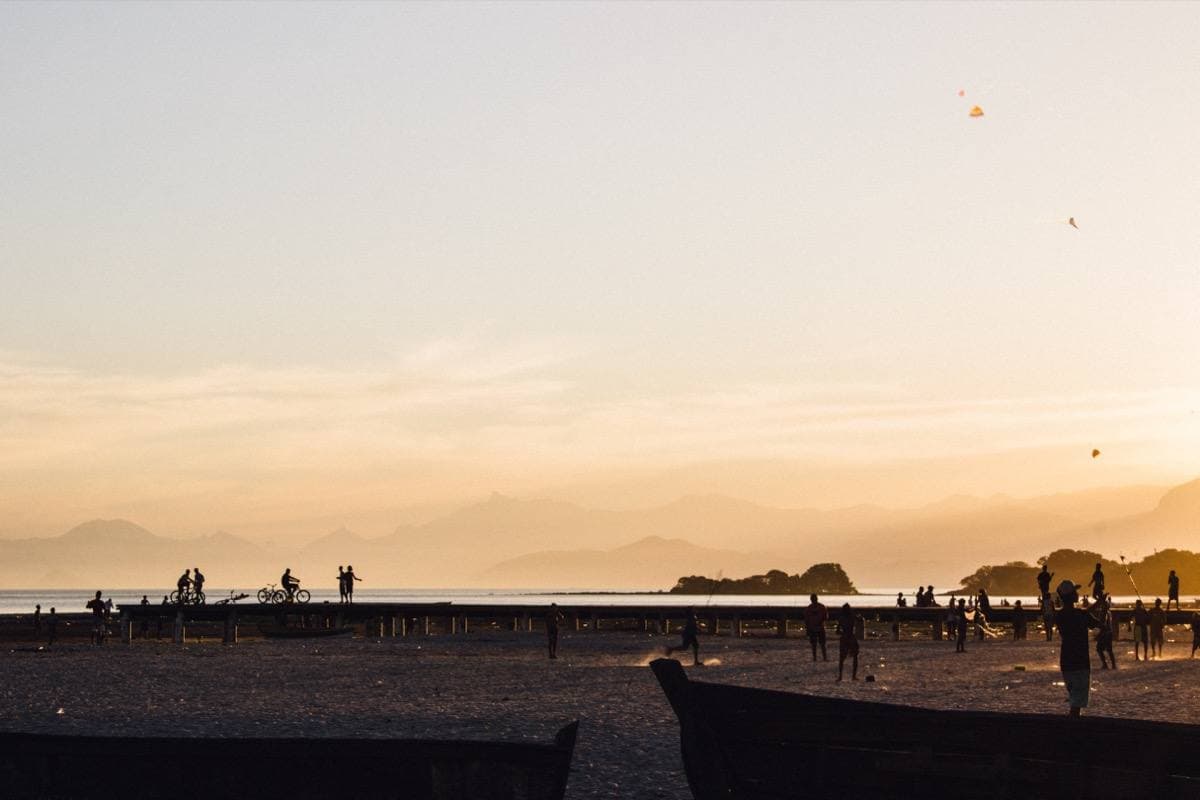
People on Sepetiba beach at sunset with an island and mountains beyond
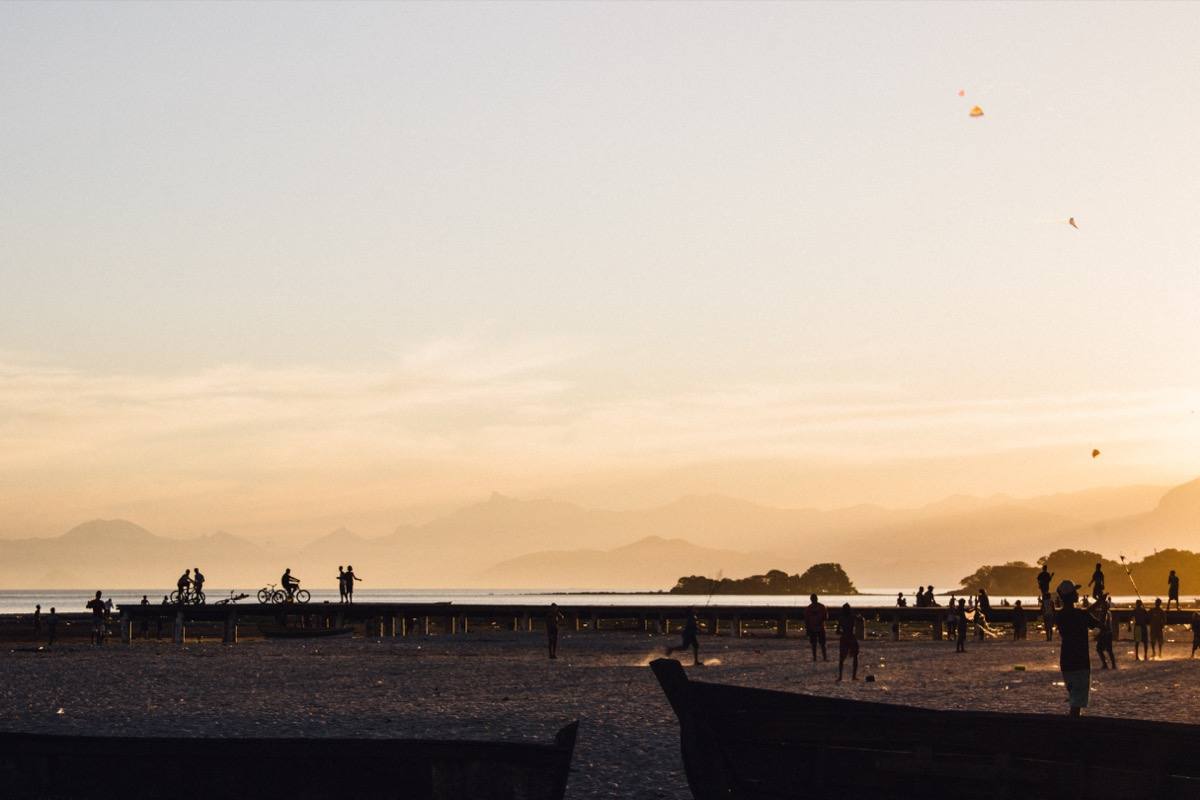
Sepetiba beach on a Sunday evening, 2015: the bay beside Nova Sepetiba, not the estate itself. Photograph: Diogo Vasconcellos de Almeida, CC BY-SA 3.0. Diogo Vasconcellos de Almeida · CC BY-SA 3.0

Nova Sepetiba, Sepetiba, on Rio’s far western bay

Nova Sepetiba

Folha de S.Paulo named Nova Sepetiba as a filming community.

A September 2002 report said the film was shot partly in Sepetiba, and that Meirelles spent three months living among residents during the shoot.

A home neighbourhood, not a film set. There are no film sights here and no shot positions are given. Go only with a resident-led guide, keep to main streets, and ask before photographing anyone. The photograph is Sepetiba beach nearby, which is public.

Where we read it

Rocket and Paulo Lins

The paper and the book.

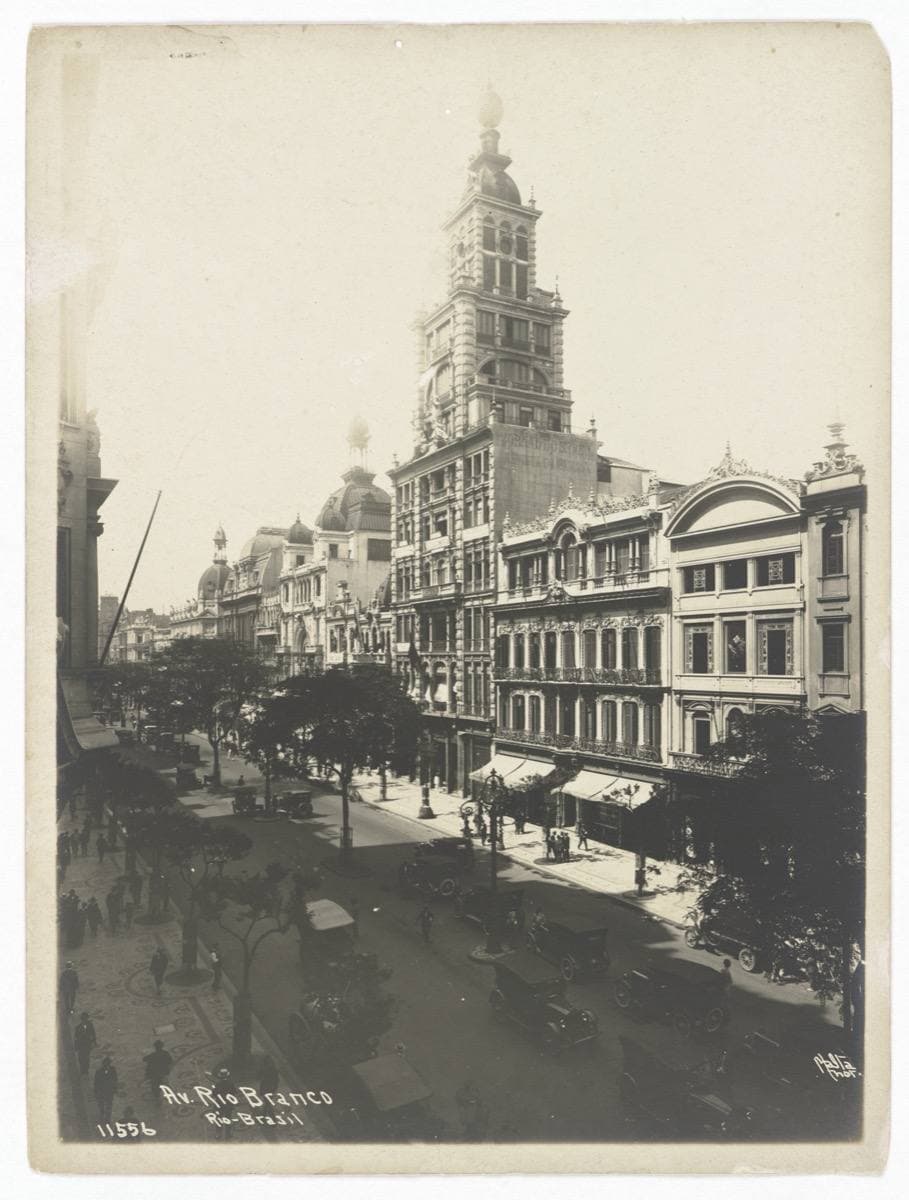
The narrator wants to be a photographer, and the film gives him a real newspaper. The writer behind him studied Letters across the bay.

An old black-and-white view of Avenida Rio Branco with a newspaper building
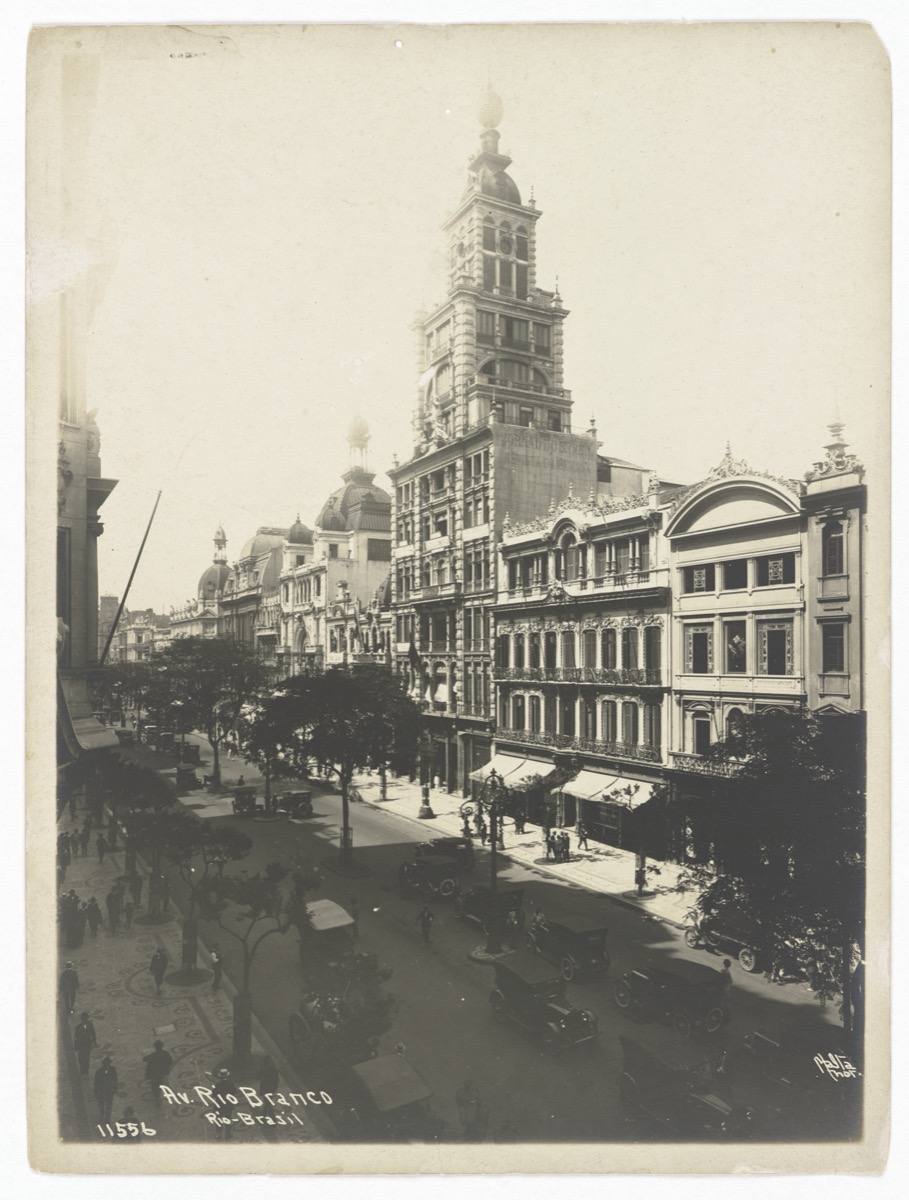
Avenida Rio Branco in front of an earlier Jornal do Brasil building; undated photograph, Instituto Moreira Salles collection, public domain. Instituto Moreira Salles collection (digitised by the IMS) · Public domain

In the story

Avenida Rio Branco, Centro, Rio de Janeiro

Jornal do Brasil

In the film, Rocket starts out as a photographer at the Jornal do Brasil.

The paper was founded on 9 April 1891. It stopped printing on 31 August 2010 and came back to the newsstands on 25 February 2018.

Its office today is at Avenida Rio Branco 53.

Named, not pinned: a working office. Avenida Rio Branco is a public avenue in the centre; the photograph is an older view of it.

Where we read it
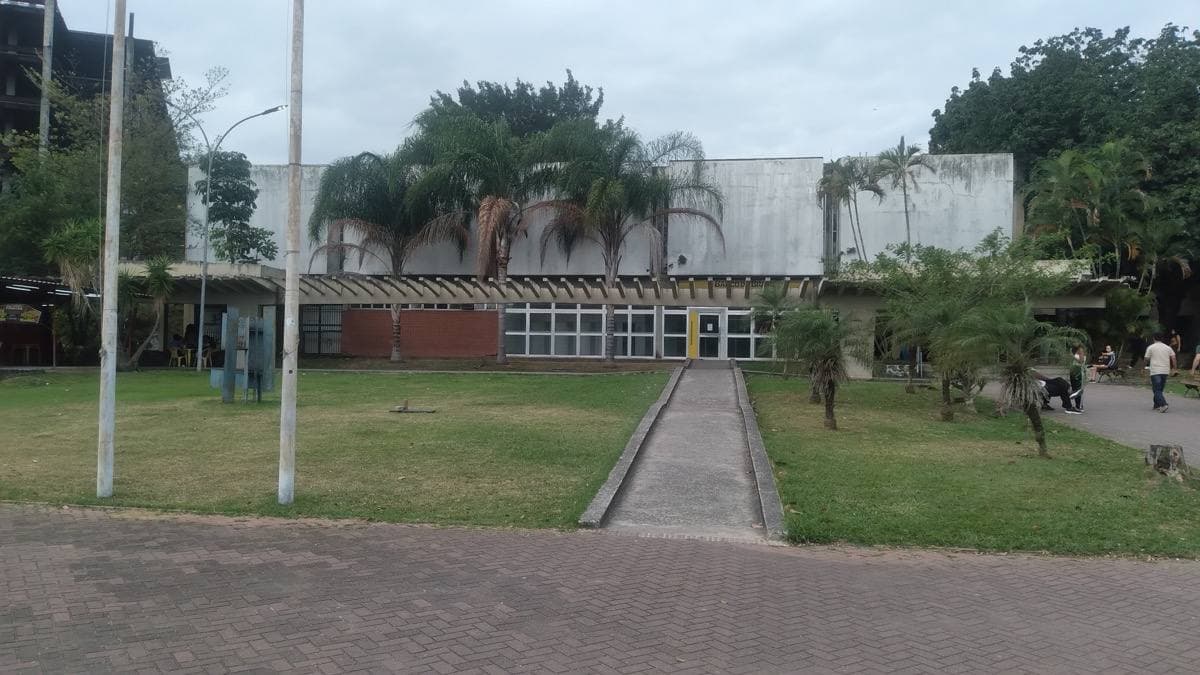
The front of the Faculdade de Letras building at UFRJ
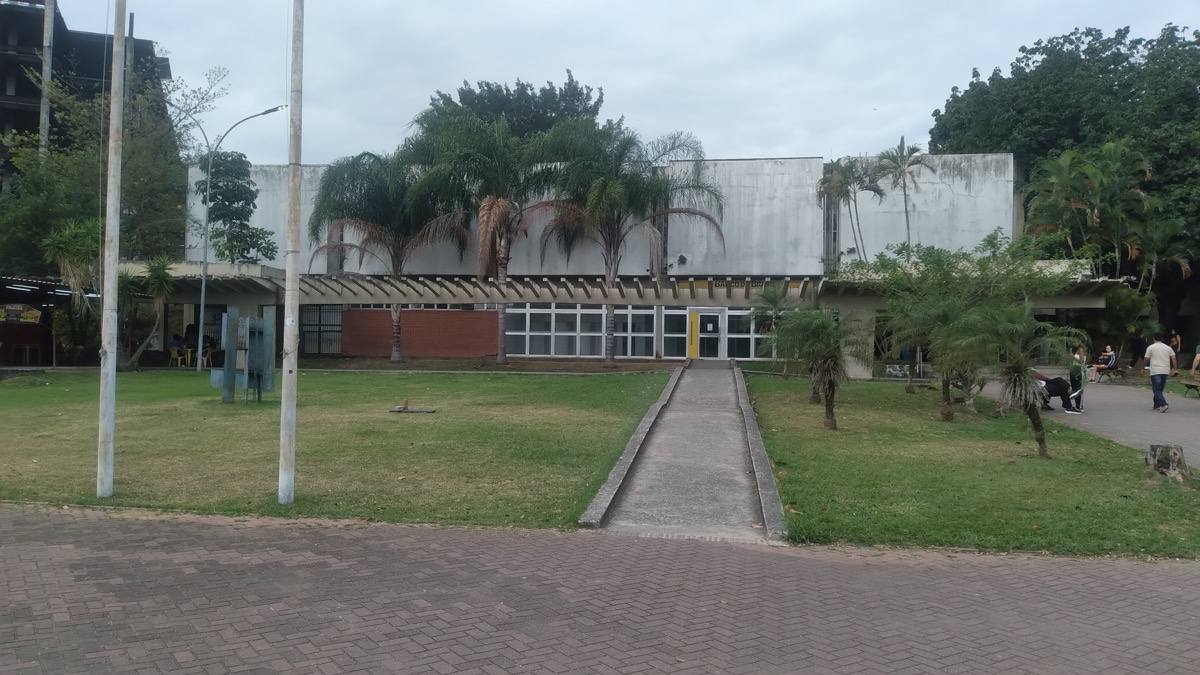
The Faculdade de Letras of the Federal University of Rio de Janeiro, August 2025. Photograph: André L P de Souza, CC BY 4.0. André L P de Souza · CC BY 4.0

1997

Faculdade de Letras, Cidade Universitária, Ilha do Fundão

Faculdade de Letras, UFRJ

Paulo Lins studied Letters at the Federal University of Rio de Janeiro, joined the Cooperativa de Poetas, and taught Portuguese while he prepared his first novel.

Companhia das Letras published Cidade de Deus in 1997.

A working university faculty. See the building from the campus roads.

Where we read it

2002 to 2004

Three rooms abroad.

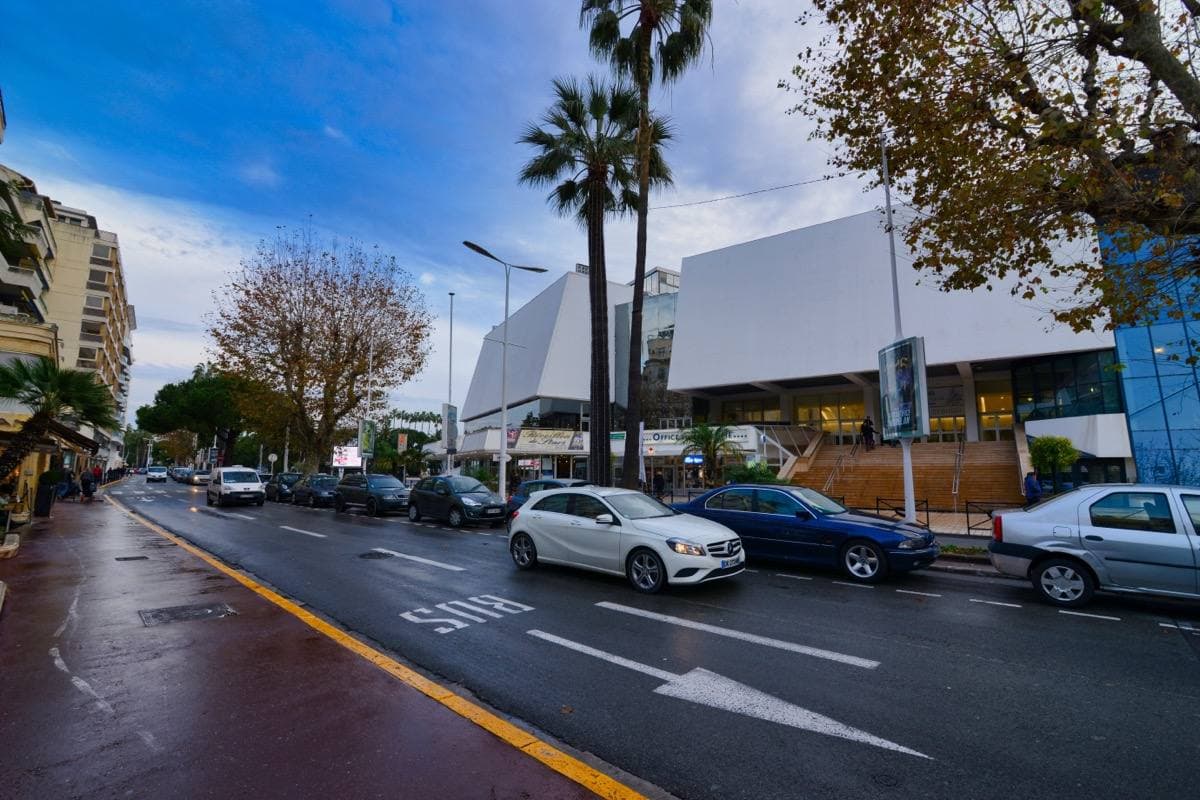
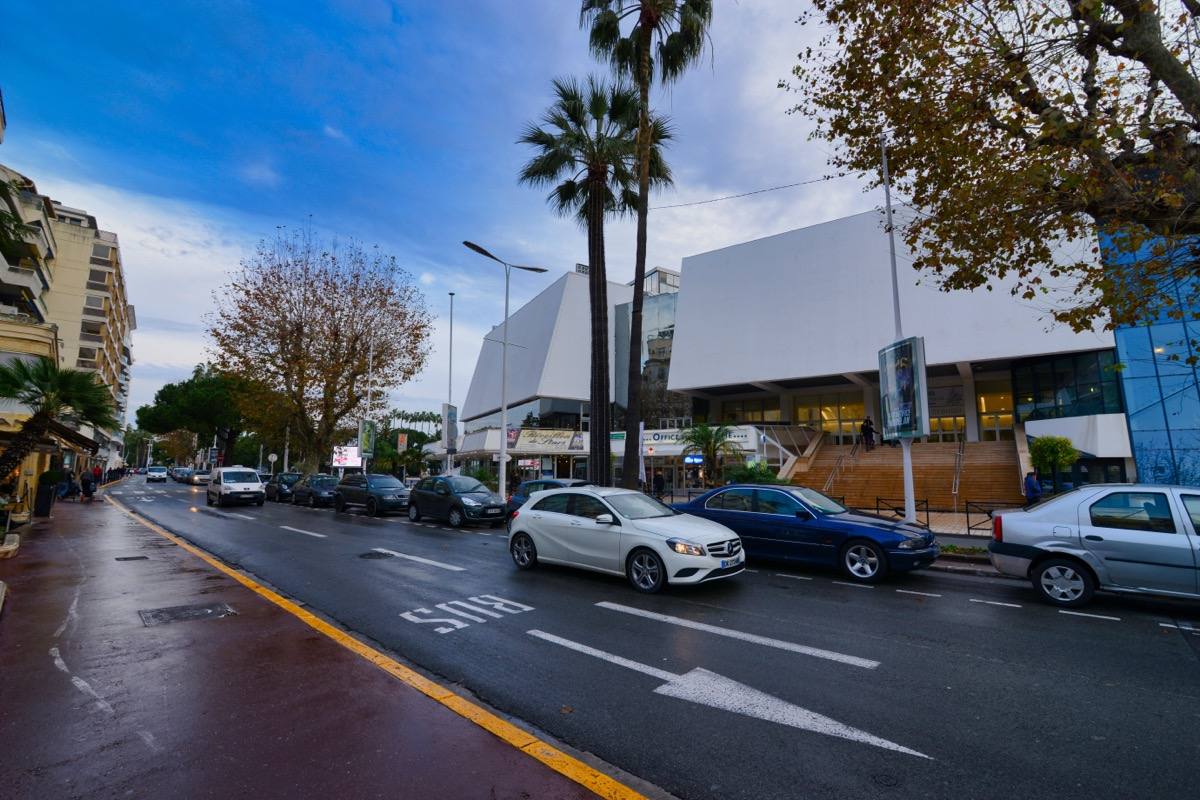
The Palais des Festivals in Cannes lit up at night
The Palais des Festivals in Cannes, December 2014. Photograph: Jorge Láscar, CC BY 2.0. Jorge Láscar · CC BY 2.0

18 May 2002

1 Boulevard de la Croisette, Cannes

Palais des Festivals, Cannes

City of God played Cannes in 2002, out of competition, in the Midnight Screenings.

It was shown out of competition because Walter Salles, one of its producers, was on the jury.

Meirelles had planned for 14 interviews in Cannes and did about 150.

See the steps from the Croisette. Festival screenings are for accredited guests and ticket holders.

Where we read it
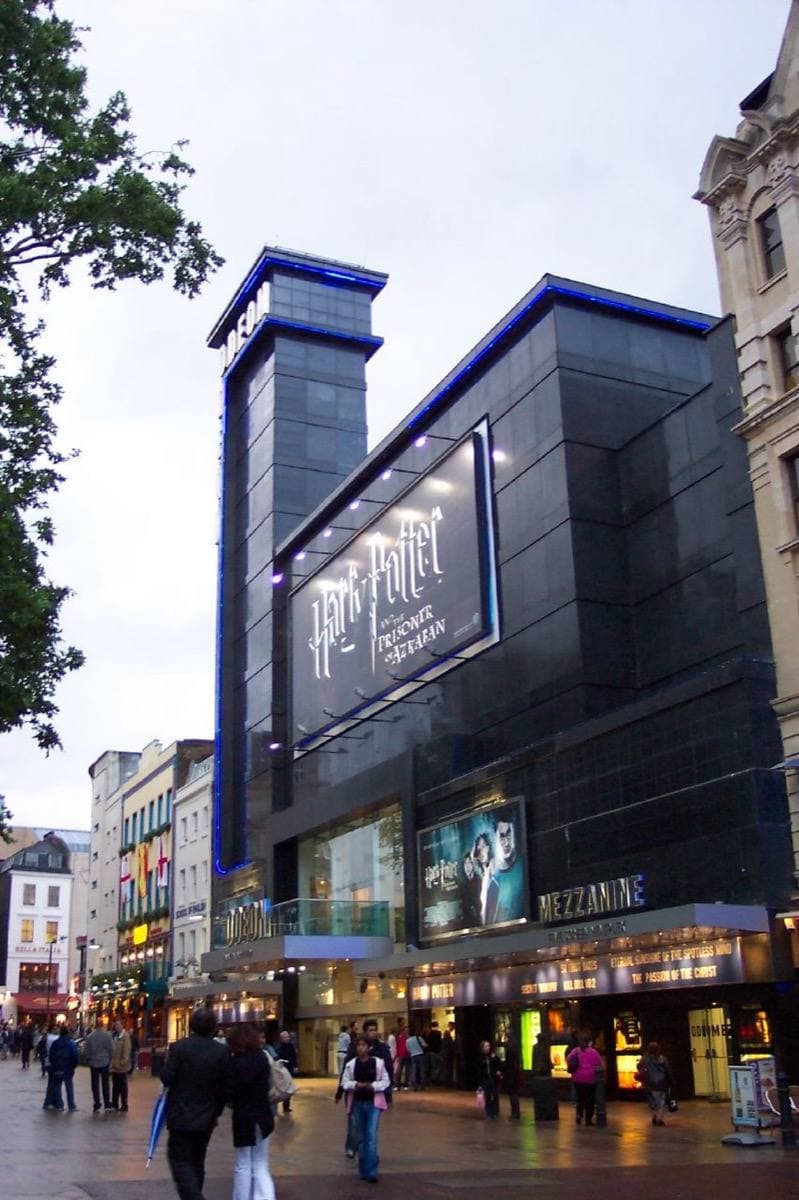
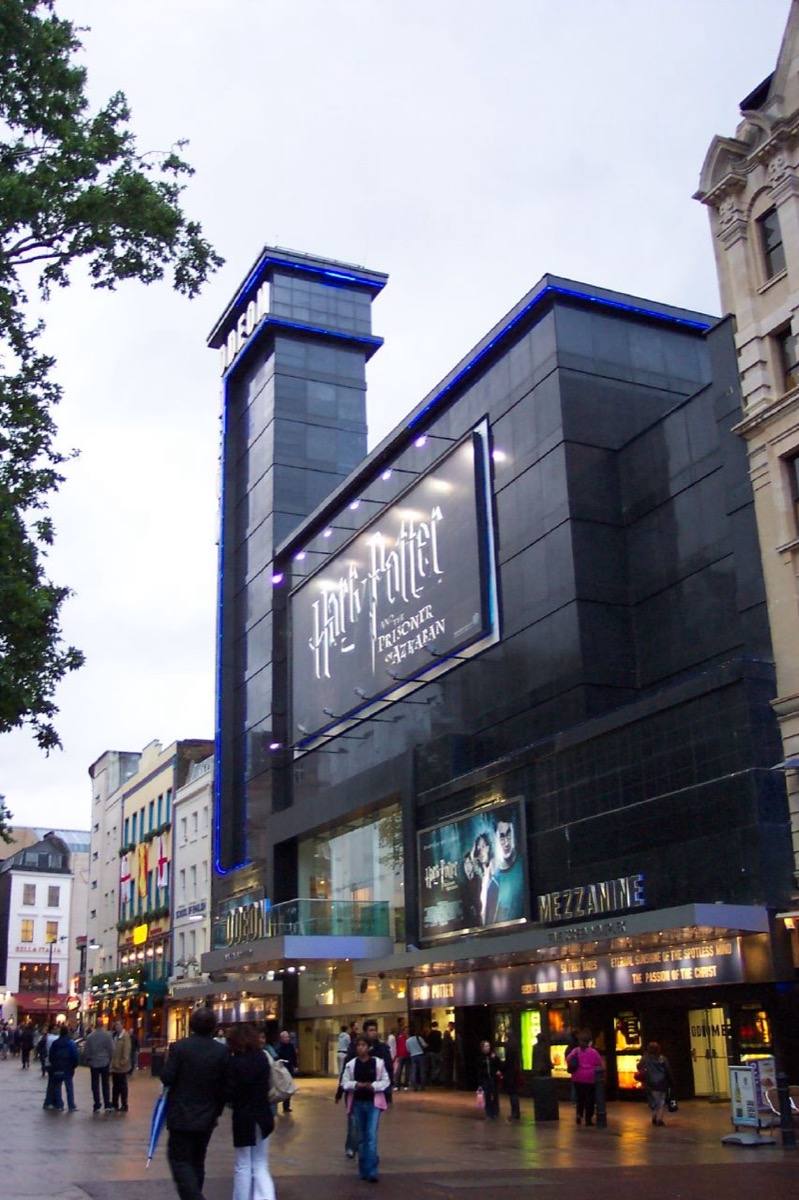
The dark tower of the Odeon cinema on Leicester Square at dusk
The Odeon, Leicester Square, in June 2004, the year after the BAFTAs there. Photograph: surprise truck, CC BY 2.0. surprise truck · CC BY 2.0

23 February 2003

24–26 Leicester Square, London

Odeon, Leicester Square

At the 56th British Academy Film Awards here, on 23 February 2003, Daniel Rezende won Best Editing for City of God.

The film was also nominated for the foreign-language award.

A working cinema; buy a ticket for any film.

Where we read it
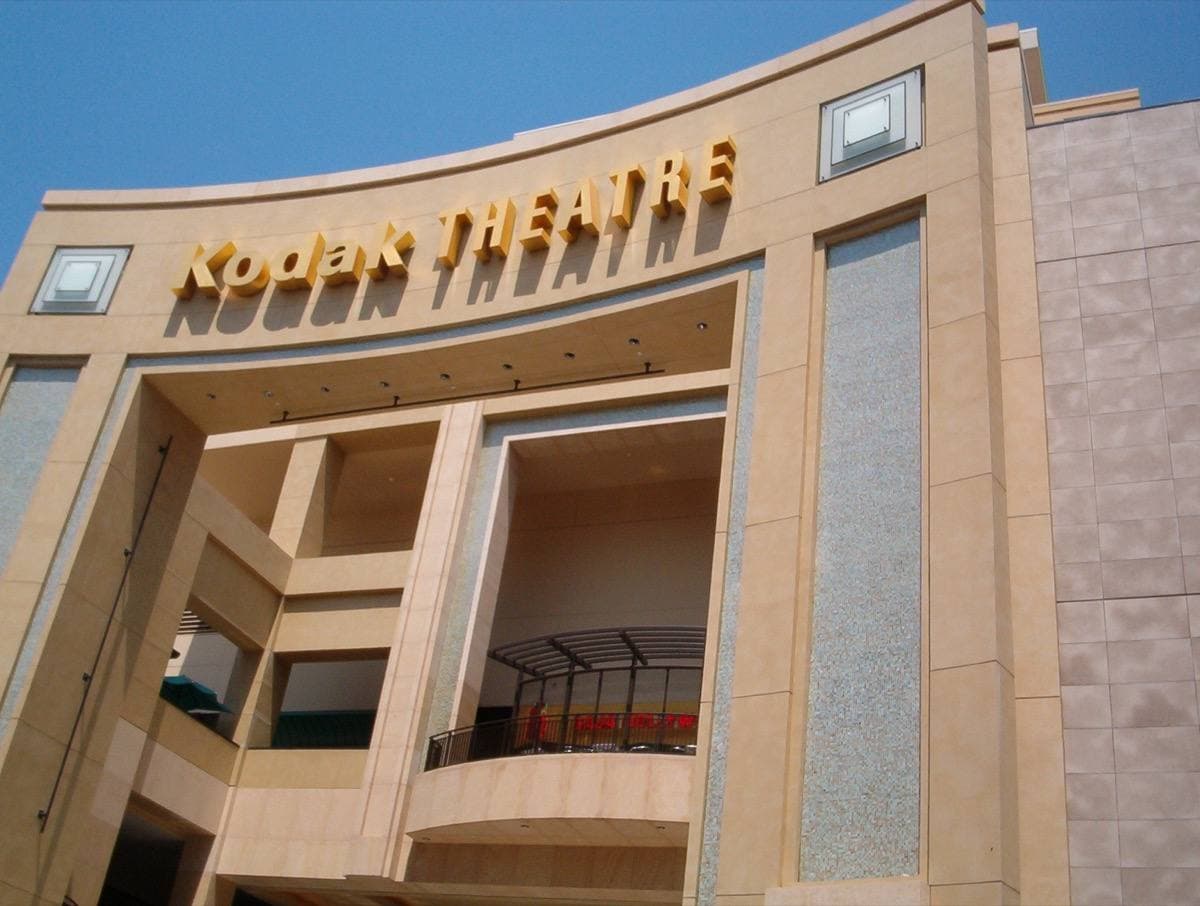
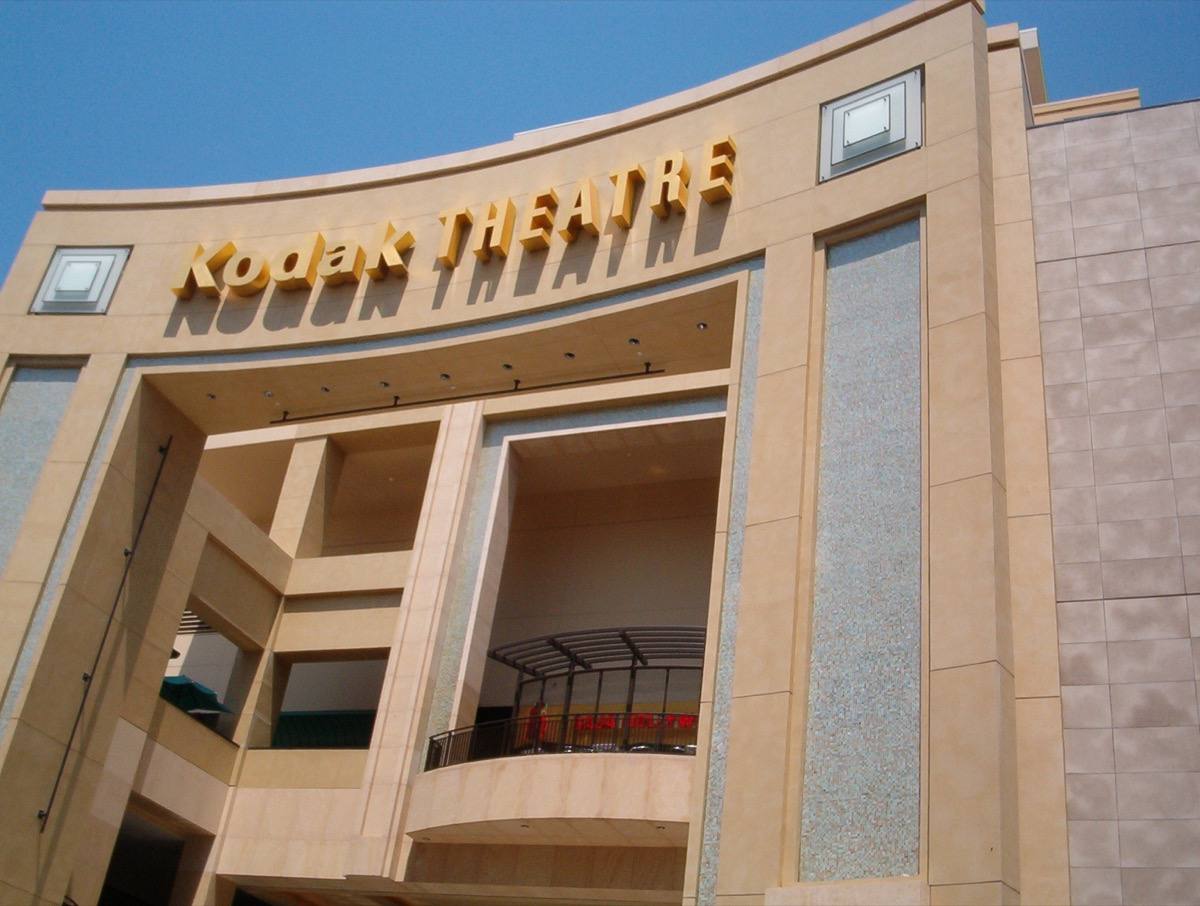
The entrance of the Kodak Theatre on Hollywood Boulevard
The Kodak Theatre on Hollywood Boulevard in 2004, the year of the 76th Academy Awards; it is now the Dolby Theatre. Photograph: DirectorG, public domain. DirectorG (English Wikipedia) · Public domain

29 February 2004

6801 Hollywood Boulevard, Los Angeles

Dolby Theatre (the Kodak Theatre)

At the 76th Academy Awards here on 29 February 2004, the film had four nominations: César Charlone for cinematography, Fernando Meirelles for directing, Daniel Rezende for editing and Bráulio Mantovani for the adapted screenplay.

It won none. It had not been put forward in its release year; Miramax campaigned for it the year after, while Meirelles was in London preparing The Constant Gardener.

A working theatre on Hollywood Boulevard; see it from the street. It is now called the Dolby Theatre.

Where we read it
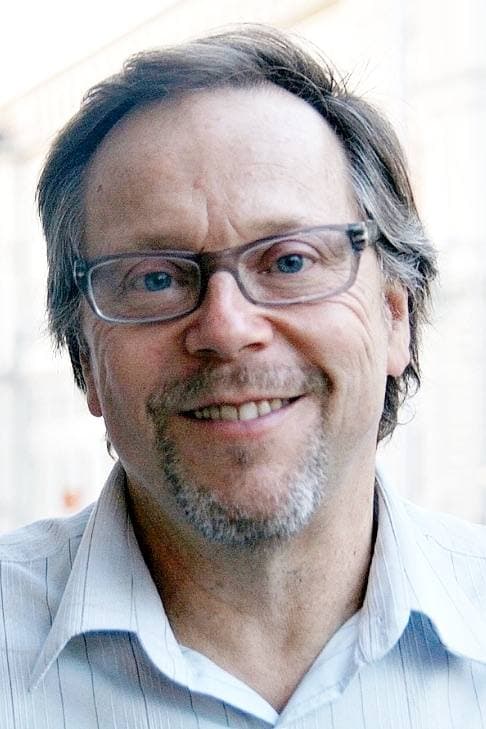
Fernando Meirelles with grey hair and glasses, 2012
Fernando Meirelles in Vienna in 2012, ten years after City of God. No free photograph of him from 2002 was found. Photograph: Manfred Werner (Tsui), CC BY-SA 3.0. Manfred Werner (Tsui) · CC BY-SA 3.0

Fernando Meirelles, who paid for the film himself. Kátia Lund is credited as co-director; she was not among the Oscar nominees.

Hôtels Barrière

Le Majestic Barrière

10 Boulevard de la Croisette, Cannes · Breakfast €50 if not included · valet €55–75 a day

A Croisette hotel of almost a hundred years, a few steps from the Palais des Festivals and looking over its steps.

See the hotel
Viator · Ad / affiliate

Hollywood Boulevard tours

Los Angeles

Live marketplace results for walks along Hollywood Boulevard, past the theatre where the film had its four nominations.

Live marketplace results · itineraries change

Compare tours

Go there.

Where it is now

9 places on the map: 6 in Rio de Janeiro and 3 in Cannes, London and Hollywood. The communities are marked at neighbourhood level only, and the newspaper is named but not pinned.

Pins mark public places; private homes are named but not pinned.

  • General reference · Restricted access · Coordinate precision: site · Not an exact scene or camera position; not a visitor route. A home neighbourhood, not a film set. There are no film sights here and no shot positions are given. Go only with a resident-led guide, keep to main streets, and ask before photographing anyone.

  • General reference · Restricted access · Coordinate precision: site · Not an exact scene or camera position; not a visitor route. The neighbourhood’s own samba school. Its rehearsals are community nights in the months before carnival; go with someone local.

  • General reference · Restricted access · Coordinate precision: site · Not an exact scene or camera position; not a visitor route. A home neighbourhood, not a film set. There are no film sights here and no shot positions are given. Go only with a resident-led guide, keep to main streets, and ask before photographing anyone. The photograph is a view of houses elsewhere in Cordovil.

  • General reference · Restricted access · Coordinate precision: site · Not an exact scene or camera position; not a visitor route. A home neighbourhood, not a film set. There are no film sights here and no shot positions are given. Go only with a resident-led guide, keep to main streets, and ask before photographing anyone. The photograph is Sepetiba beach nearby, which is public.

  • General reference · Restricted access · Coordinate precision: site · Not an exact scene or camera position; not a visitor route. A home neighbourhood on a steep hill. Go with a resident-led guide; the viewpoints at the top are the usual reason to visit.

  • General reference · Public access · Coordinate precision: building · Not an exact scene or camera position; not a visitor route. A working university faculty. See the building from the campus roads.

  1. Low rooftops and streets of Cidade de Deus spreading towards green hills
    Cidade de Deus from above, January 2015. Photograph: Junius, public domain. Junius · Public domain
    Cidade de Deus, in the west of Rio de Janeiro

    Cidade de Deus

    The state of Guanabara planned and built it as part of a policy of clearing favelas from central Rio and moving their residents out to the suburbs.

    A home neighbourhood, not a film set. There are no film sights here and no shot positions are given. Go only with a resident-led guide, keep to main streets, and ask before photographing anyone.

    Where we read it
  2. Samba school dancers in blue and white costumes at a night carnival parade
    Mocidade Unida da Cidade de Deus, the neighbourhood’s samba school, at carnival in February 2015. Photograph: Leandro Rocha, CC BY 3.0. Leandro Rocha · CC BY 3.0

    The samba school’s court, Rua Edgard Werneck, Cidade de Deus

    Mocidade Unida da Cidade de Deus

    It was founded in Cidade de Deus on 29 March 1970 as Acadêmicos da Cidade de Deus, and took its present name in April 2012 at the community’s request.

    The neighbourhood’s own samba school. Its rehearsals are community nights in the months before carnival; go with someone local.

    Where we read it
  3. Rows of low houses on a hillside in Cordovil, Rio de Janeiro
    Houses in Cordovil, the North Zone district that holds Cidade Alta, 2011. A view of the district, not of a filming spot. Photograph: Eduardo P, CC BY-SA 3.0. Eduardo P · CC BY-SA 3.0

    Cidade Alta, Cordovil, in the north of Rio de Janeiro

    Cidade Alta

    Folha de S.Paulo named Cidade Alta as one of the communities where the film was made.

    A home neighbourhood, not a film set. There are no film sights here and no shot positions are given. Go only with a resident-led guide, keep to main streets, and ask before photographing anyone. The photograph is a view of houses elsewhere in Cordovil.

    Where we read it
  4. People on Sepetiba beach at sunset with an island and mountains beyond
    Sepetiba beach on a Sunday evening, 2015: the bay beside Nova Sepetiba, not the estate itself. Photograph: Diogo Vasconcellos de Almeida, CC BY-SA 3.0. Diogo Vasconcellos de Almeida · CC BY-SA 3.0

    Nova Sepetiba, Sepetiba, on Rio’s far western bay

    Nova Sepetiba

    Folha de S.Paulo named Nova Sepetiba as a filming community.

    A home neighbourhood, not a film set. There are no film sights here and no shot positions are given. Go only with a resident-led guide, keep to main streets, and ask before photographing anyone. The photograph is Sepetiba beach nearby, which is public.

    Where we read it
  5. Colourful houses of Vidigal stacked on a steep green hillside
    Vidigal on its hillside above the sea, June 2024. Photograph: Wilfredor, CC0. Wilfredor · CC0

    Vidigal, on the hillside above the sea in Rio’s South Zone

    Vidigal and Nós do Morro

    Nós do Morro is a theatre group of Vidigal residents. The film recruited people who had taken part in its workshops.

    A home neighbourhood on a steep hill. Go with a resident-led guide; the viewpoints at the top are the usual reason to visit.

    Where we read it
  6. The front of the Faculdade de Letras building at UFRJ
    The Faculdade de Letras of the Federal University of Rio de Janeiro, August 2025. Photograph: André L P de Souza, CC BY 4.0. André L P de Souza · CC BY 4.0

    Faculdade de Letras, Cidade Universitária, Ilha do Fundão

    Faculdade de Letras, UFRJ

    Paulo Lins studied Letters at the Federal University of Rio de Janeiro, joined the Cooperativa de Poetas, and taught Portuguese while he prepared his first novel.

    A working university faculty. See the building from the campus roads.

    Where we read it

Stay

By the Palais.

A Croisette hotel a few steps from where the film was first shown.

Hôtels Barrière

Le Majestic Barrière

10 Boulevard de la Croisette, Cannes · Breakfast €50 if not included · valet €55–75 a day

A Croisette hotel of almost a hundred years, a few steps from the Palais des Festivals and looking over its steps.

See the hotel

Go there

With people who live there.

Walks in Vidigal and samba-school nights in Rio, best with resident guides, and Hollywood Boulevard.

Viator · Ad / affiliate

Vidigal walking tours

Vidigal, Rio de Janeiro

Live marketplace results for walks in Vidigal. Choose one led by residents, and check how the money reaches the community.

Live marketplace results · itineraries change

Compare tours
Viator · Ad / affiliate

Samba-school rehearsal nights in Rio

Rio de Janeiro

Live marketplace results for evenings at Rio samba-school rehearsals before carnival. None is tied to Mocidade Unida; ask locally for its own nights.

Live marketplace results · dates change

Compare tours
Viator · Ad / affiliate

Hollywood Boulevard tours

Los Angeles

Live marketplace results for walks along Hollywood Boulevard, past the theatre where the film had its four nominations.

Live marketplace results · itineraries change

Compare tours

What’s on

Cannes in May.

The festival’s 80th edition, where the film had its midnight screening in 2002.

Checking current event dates…

Take it home

The novel and the soundtrack.

Paulo Lins’s novel in English and the 2002 soundtrack album.

Bookshop.org UK · Ad / affiliate

City of God

Paulo Lins · Black Cat / Grove, 2006

The novel in English.

Find the book
eBay · Ad / affiliate

Cidade de Deus

Various artists · CD, BMG Brasil, 2002

The 2002 Brazilian soundtrack album.

Live marketplace search · listings and condition change

Find a copy

Dates, prices, rooms and stock change: confirm with the provider before you travel or buy. A stay or tour is described as a filming location only where the card says so.

The reel record

Every place and moment behind this page, with sources.

10 of 10 places · 13 of 13 Moments

  • Cidade de Deus

    Cidade de Deus, in the west of Rio de Janeiro

    • A new neighbourhood

      The state of Guanabara builds Cidade de Deus for families moved out of central Rio.

    • A walk with Paulo Lins

      Lins takes Meirelles into the neighbourhood he grew up in, before production; his presence lets them through.

    • Opening at home

      The film opens in Brazil. It cost US$3.3 million; more than 3.1 million tickets are sold there, the largest home audience of 2002.

  • Mocidade Unida da Cidade de Deus

    The samba school’s court, Rua Edgard Werneck, Cidade de Deus

    • The samba school

      Acadêmicos da Cidade de Deus, now Mocidade Unida, is founded in the neighbourhood.

  • Cidade Alta

    Cidade Alta, Cordovil, in the north of Rio de Janeiro

    • Filming in Cidade Alta

      Cidade Alta stands in for Cidade de Deus.

  • Nova Sepetiba

    Nova Sepetiba, Sepetiba, on Rio’s far western bay

    • Three months in Sepetiba

      Part of the film is shot in Sepetiba; Meirelles lives among residents for three months.

  • Vidigal and Nós do Morro

    Vidigal, on the hillside above the sea in Rio’s South Zone

    • Two thousand tests

      More than 2,000 young people from Rio’s outlying communities try out; the cast is almost entirely non-professional.

    • No script

      Months of classes; the boys never read a script, and scenes are built from rehearsal and improvisation.

  • Faculdade de Letras, UFRJ

    Faculdade de Letras, Cidade Universitária, Ilha do Fundão

    • The novel

      Lins, who studied Letters at UFRJ, publishes Cidade de Deus with Companhia das Letras.

  • Jornal do Brasil

    Avenida Rio Branco, Centro, Rio de Janeiro

    • Rocket’s newspaper

      In the story, Rocket starts as a photographer at the Jornal do Brasil.

  • Palais des Festivals, Cannes

    1 Boulevard de la Croisette, Cannes

    • Midnight at Cannes

      The film is shown out of competition at Cannes and sold to every continent.

  • Odeon, Leicester Square

    24–26 Leicester Square, London

    • Best Editing

      Daniel Rezende wins the BAFTA for editing.

  • Dolby Theatre (the Kodak Theatre)

    6801 Hollywood Boulevard, Los Angeles

    • Four nominations

      Four Oscar nominations: cinematography, directing, editing and adapted screenplay.

Privacy