WWOZ
A Closer Walk
New Orleans · Free online
WWOZ’s map of New Orleans music sites, with pages on the Hideaway, J&M, the Cosimo studio and his Caffin Avenue houses, and a self-guided Lower Ninth Ward tour.
Open the mapLower Ninth Ward · Rampart Street · Tipitina’s
Tap the piano to bump it, or drag it and let go.
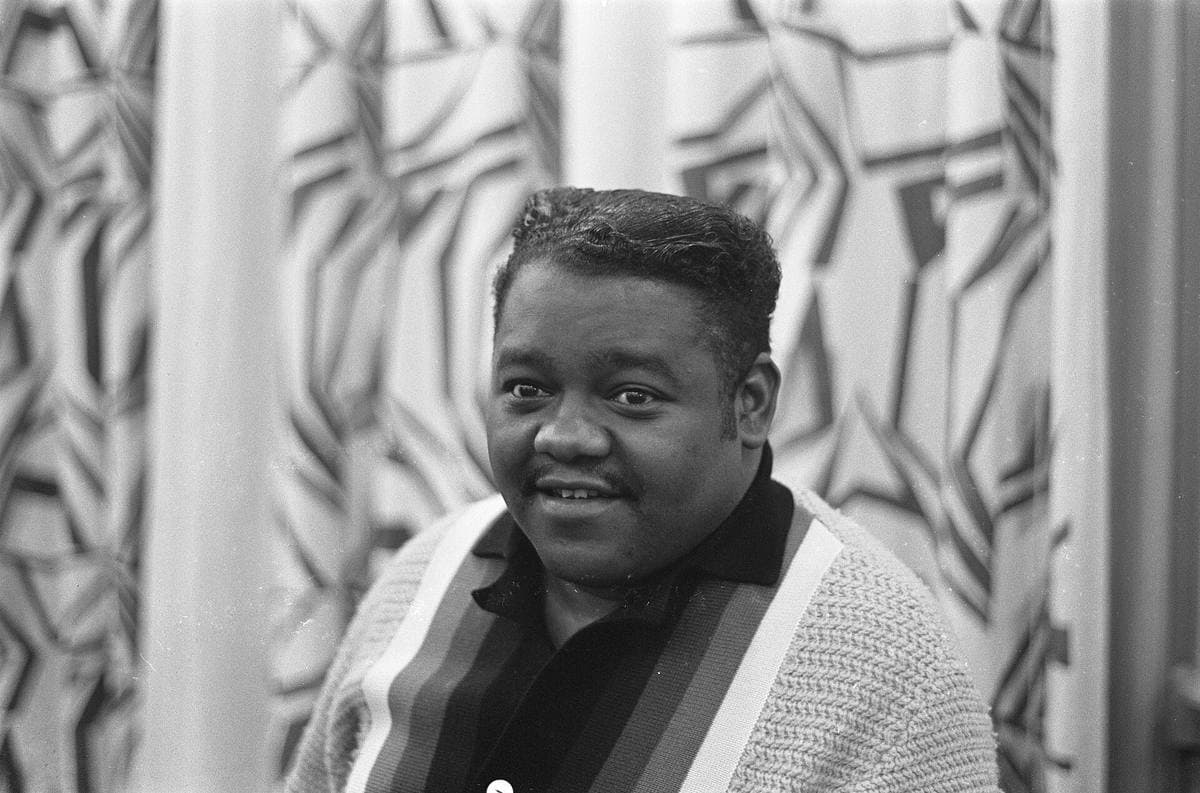
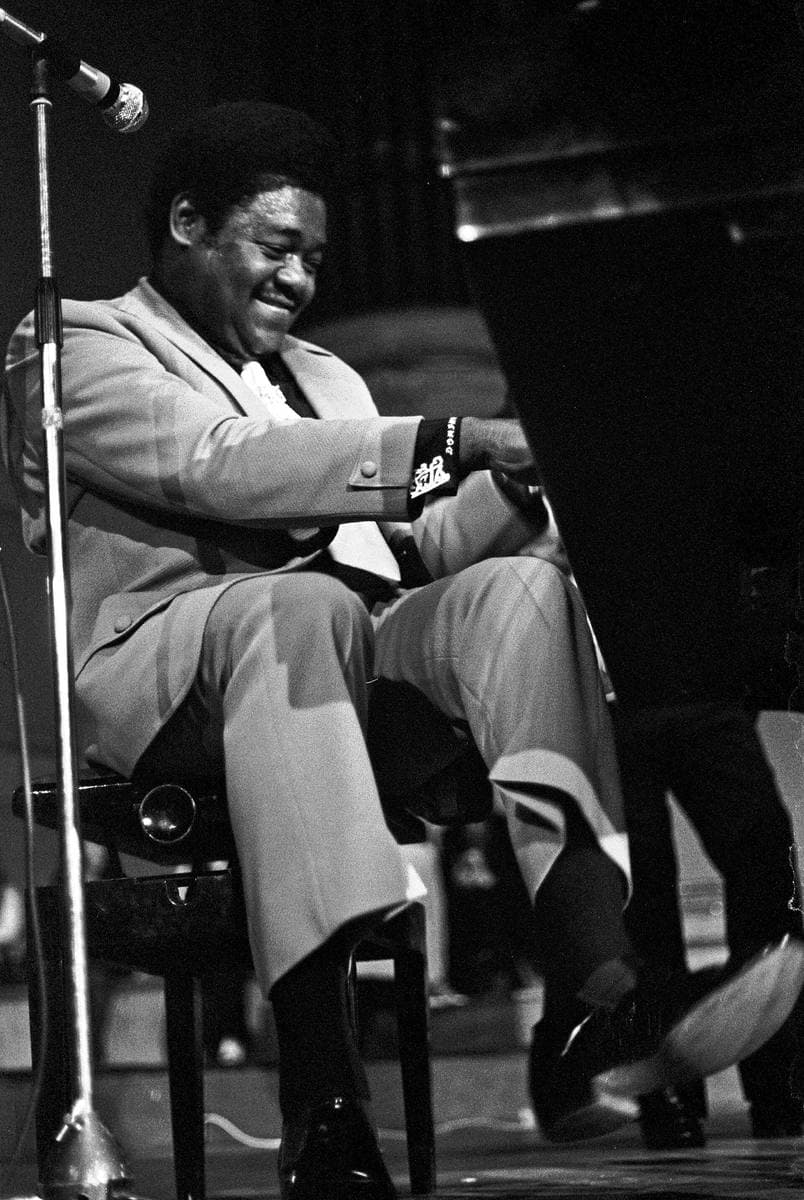
Fats Domino at a piano in Amsterdam, 3 November 1962, the day he played the Concertgebouw (Anefo, Nationaal Archief). Hugo van Gelderen / Anefo · CC0
The Lower Ninth Ward · from 1928
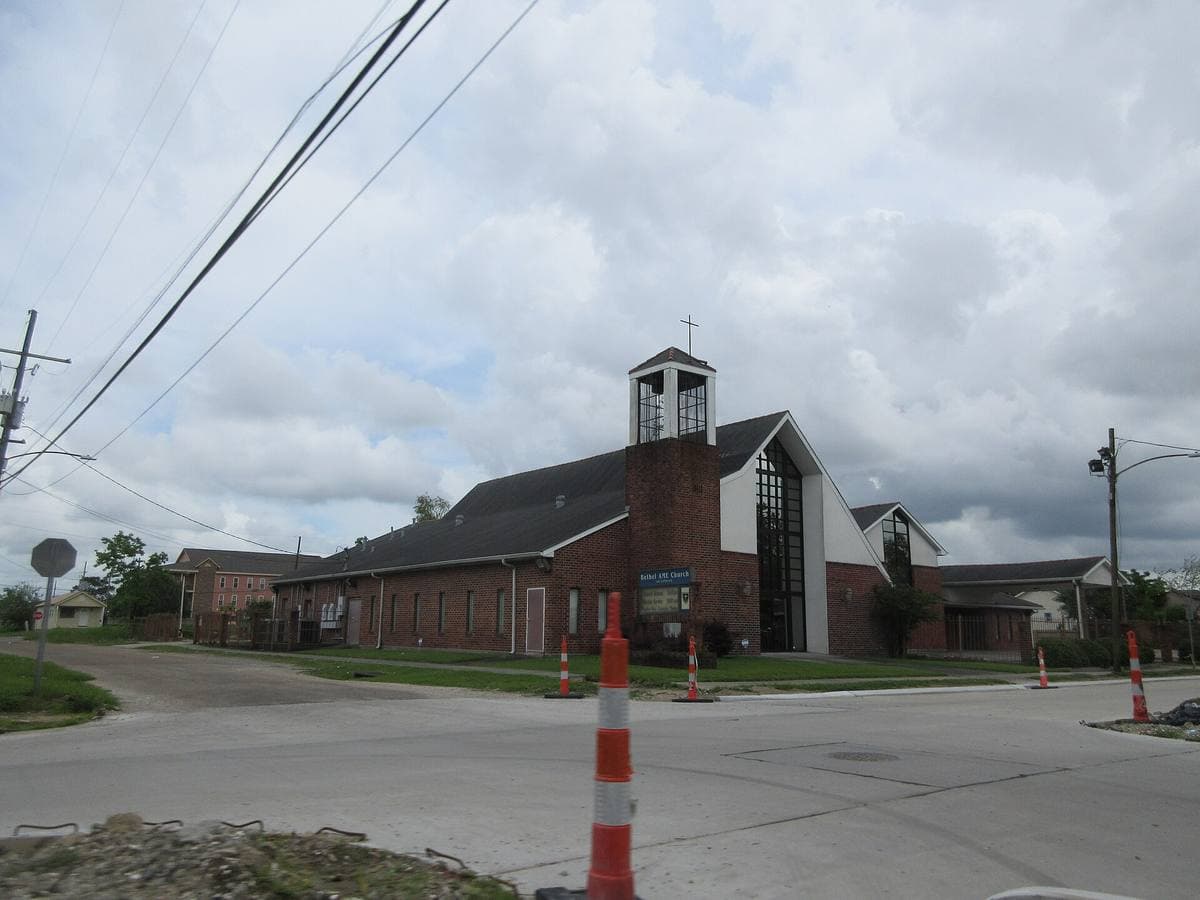
His houses on Caffin Avenue · private homes
He was born in New Orleans on 26 February 1928 and raised in the Lower Ninth Ward. About 1938 the family got an upright piano, and Harrison Verrett, his brother-in-law, gave him lessons.
From 1960 his two houses on Caffin Avenue were a Lower Ninth Ward landmark: a pink-and-white split-level mansion and, next door, a white brick shotgun house with yellow-and-black trim.
He could have afforded to live anywhere, but he preferred his old neighbourhood. In October 2022 Caffin Avenue became Antoine “Fats” Domino Avenue.
Private homes, named only by their street and never mapped. The Louisiana tourism listing says they are closed to the public. The photograph shows Caffin Avenue, not the houses.
New Orleans · Free online
WWOZ’s map of New Orleans music sites, with pages on the Hideaway, J&M, the Cosimo studio and his Caffin Avenue houses, and a self-guided Lower Ninth Ward tour.
Open the mapNew Orleans · from 1949
The Hideaway, 1949. He headlines the Hideaway, a bar behind the railroad tracks, until Lew Chudd and Dave Bartholomew come to hear him.
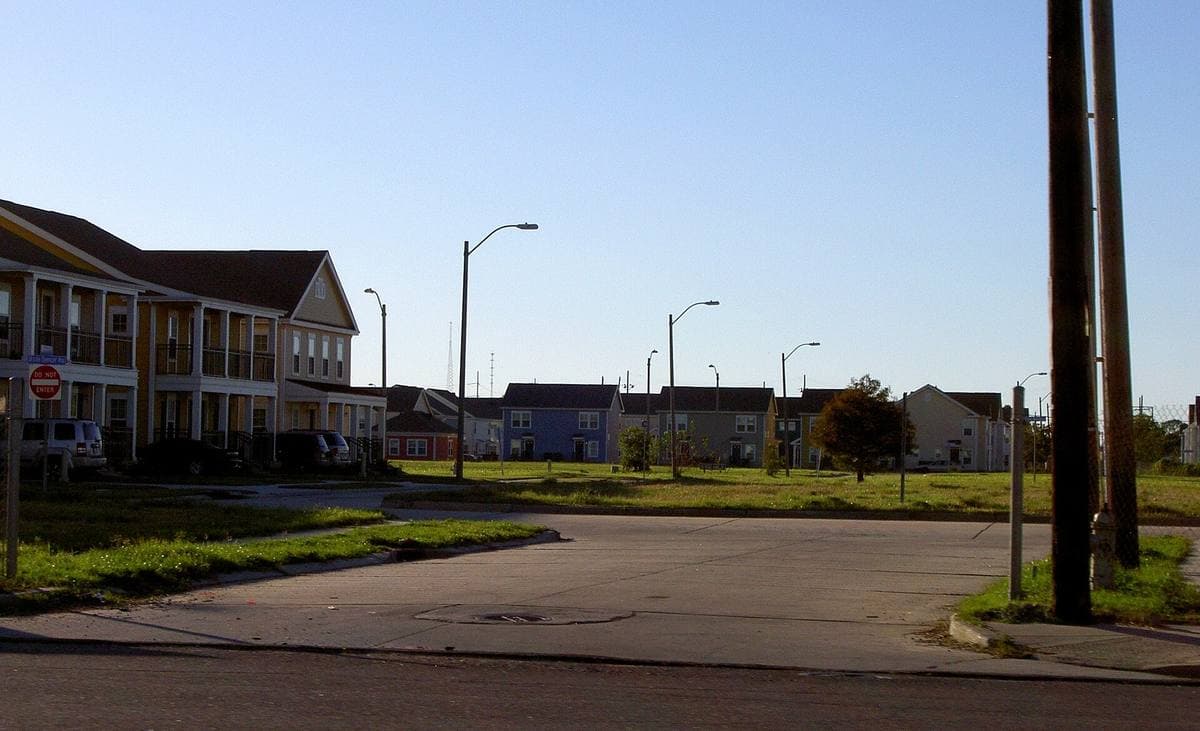
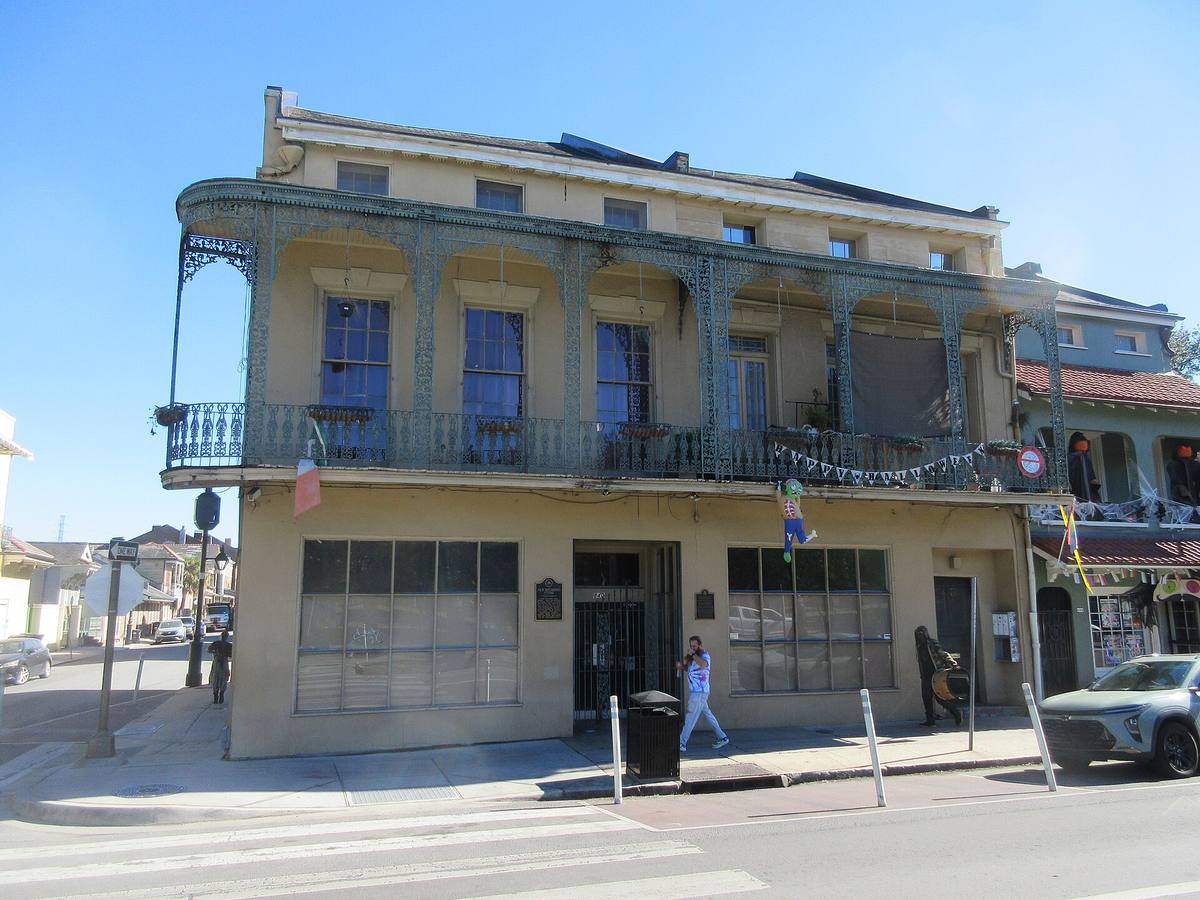
The Hideaway (site) · 2800 Desire Parkway, upper Ninth Ward
A small rhythm-and-blues bar in the upper Ninth Ward, hidden behind railroad tracks, run by Jessie Lee Wells and Edwin Compass.
Its owners heard him as a sideman at Club Desire, two blocks away, and asked him to headline. He was 20, living with his in-laws with a newborn at home, and played about three nights a week, often into the early morning.
He was playing the Hideaway for $3 a week when Imperial Records signed him in 1949.
In early December 1949 Lew Chudd of Imperial came with Dave Bartholomew, and Chudd liked his boogie-woogie piano on The Junker’s Blues. Bartholomew rewrote the words around his nickname, and the song became The Fat Man.
A few years later the club was torn down for the Desire public housing development.
The club is long gone and a different building stands on the site: look from the street. The photograph shows the Desire area in 2009.
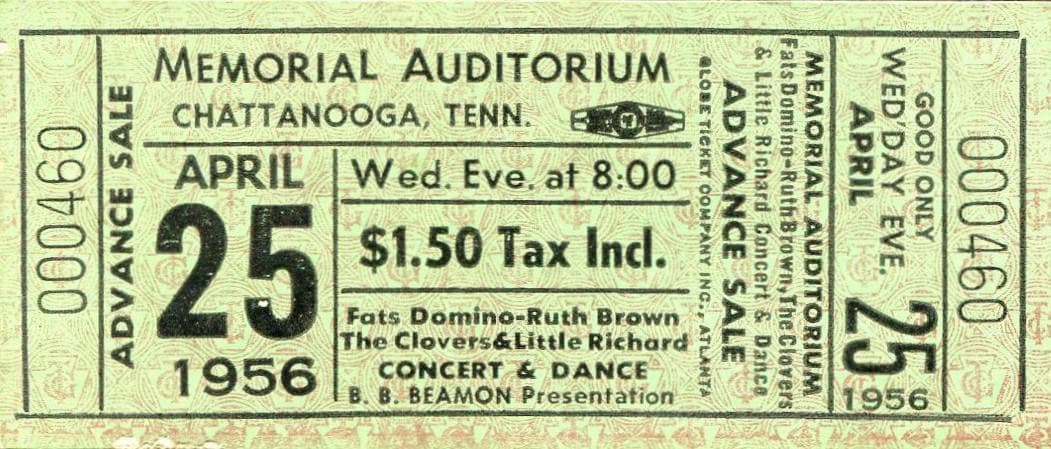

The Concertgebouw, Amsterdam · 3 November 1962
On 3 November 1962 he played the Concertgebouw; Hugo van Gelderen photographed him there for the Anefo agency. That autumn he toured France and Germany, after the Antibes Jazz Festival in July.
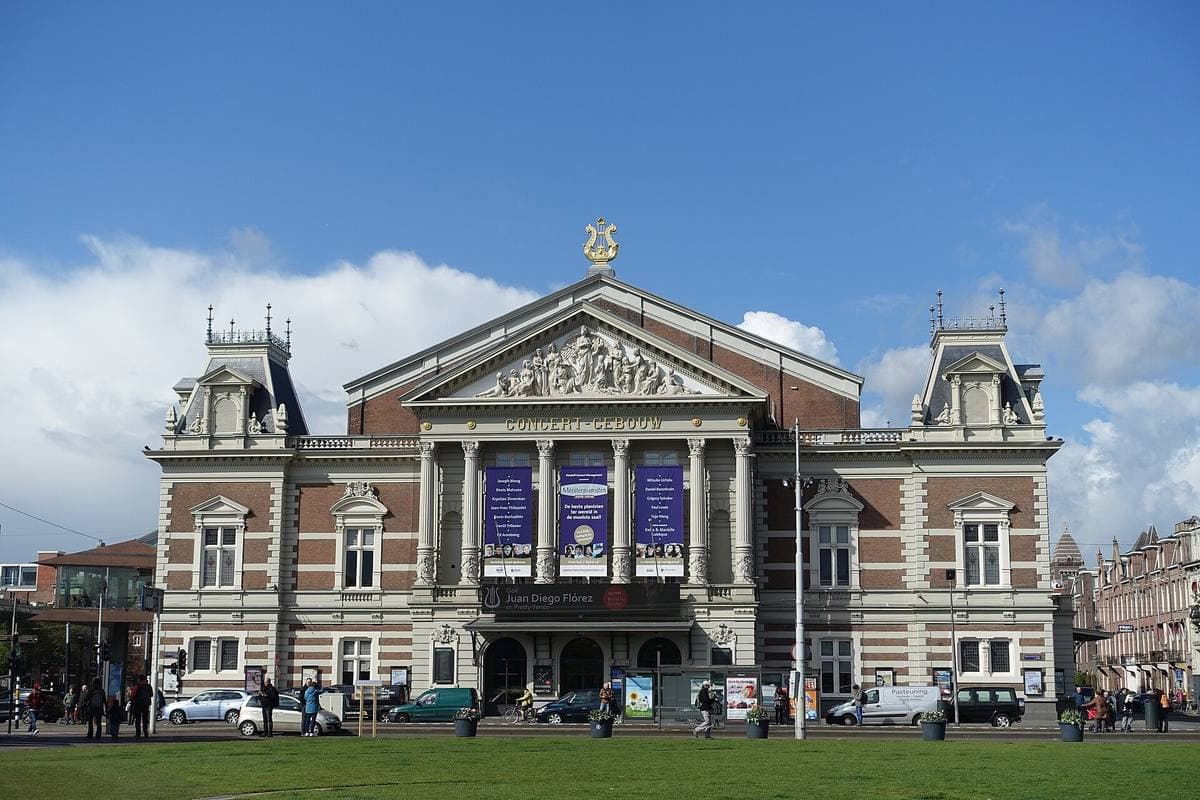
The Concertgebouw, Amsterdam
He toured Europe nearly every year in the 1970s and 1980s, the last time in the spring of 1995.
A working concert hall: see the Concertgebouw’s listings and ticket pages.
The Laeiszhalle, Hamburg · 1973
He played the hall, then called the Musikhalle, in 1973; the photographer Heinrich Klaffs noted that at the end he shoved the grand piano across the stage with his belly.
The hall first opened in 1908.
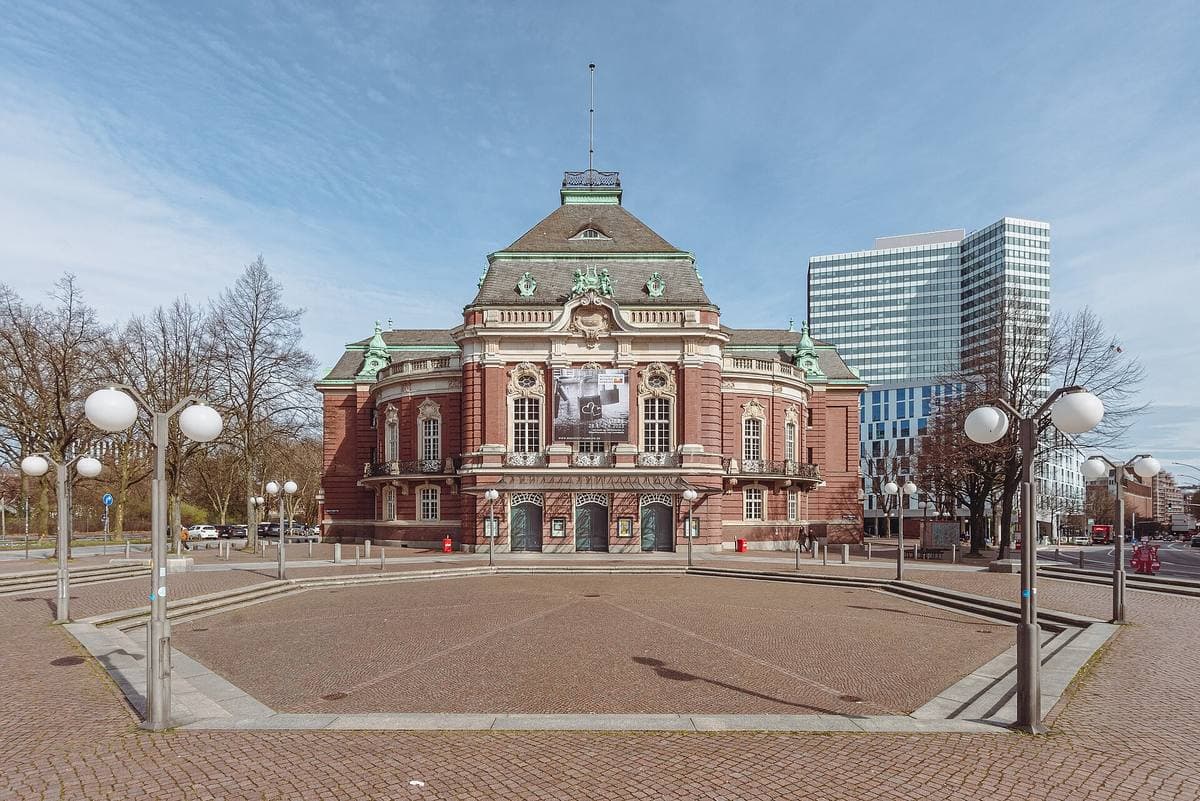
A working concert hall run with the Elbphilharmonie: see its programme for concerts and guided tours.
Caffin Avenue · August 2005
In August 2005, after Hurricane Katrina, he and his family were rescued from his home by boat. He lost three pianos and dozens of gold and platinum records.
In the confusion after the storm he was wrongly presumed dead. After the flood he settled in Harvey, on the West Bank, and lived there until his death in 2017.
Twenty outlines on a bare wall.
And one medal still to come.
In May 2006 he appeared at Jazz Fest but did not play, because of illness.
The Fair Grounds · May 2006
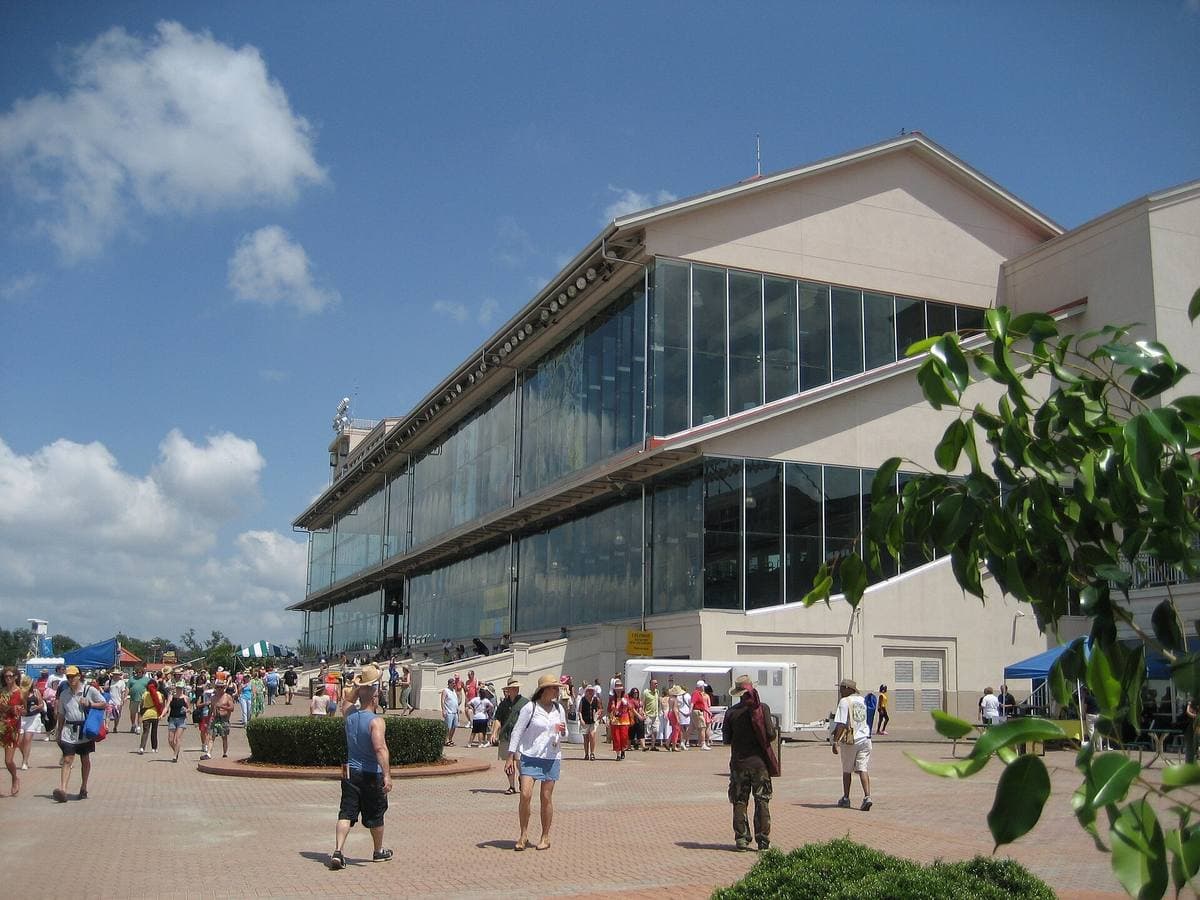
The festival came back in 2006, after Hurricane Katrina. Racing began on the site in 1852; the racetrack opened in 1872.
A working racecourse and the home of Jazz Fest each spring; 2027 dates are on the festival site when announced.
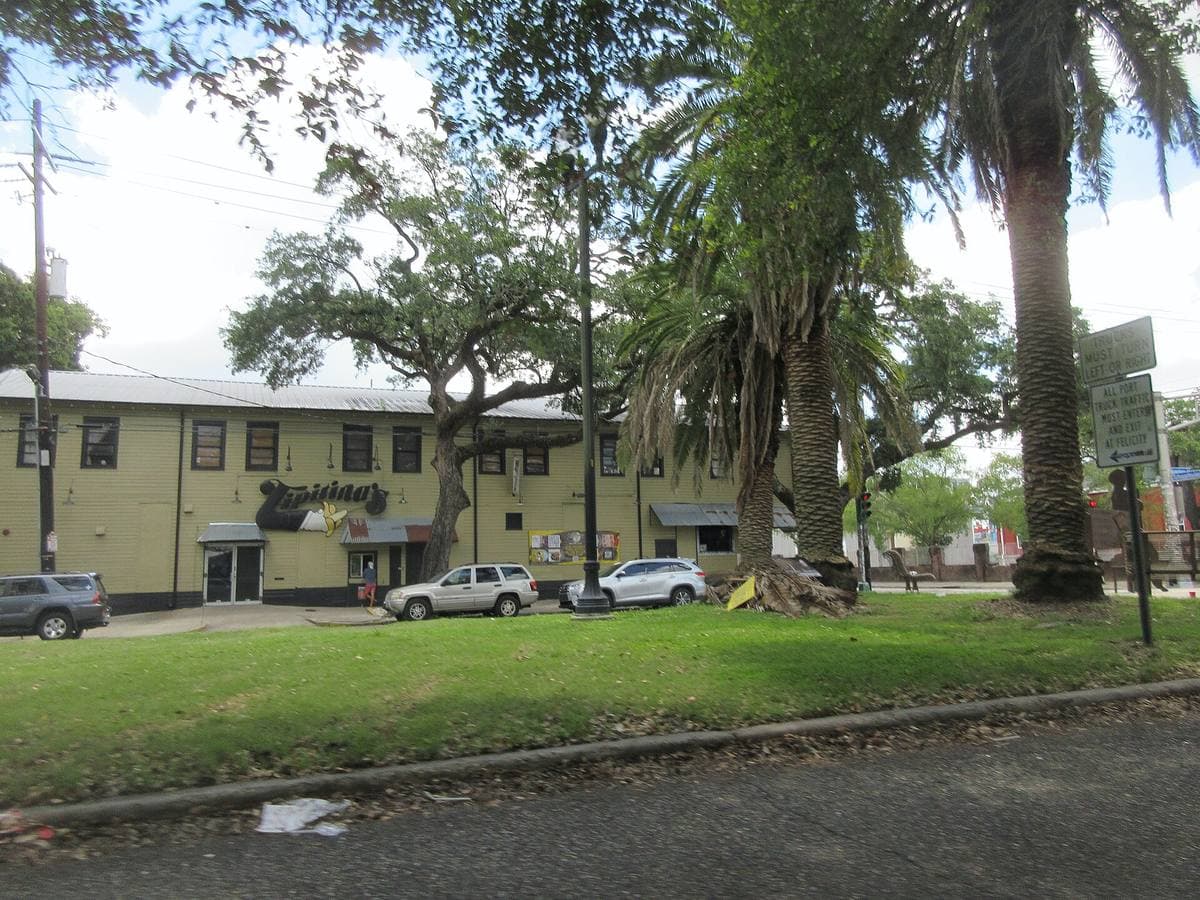
Tipitina’s · 501 Napoleon Avenue, Uptown
He performed in public for the last time here, on 19 May 2007.
The Tipitina’s Foundation was among the donors who paid to restore his white Steinway. The foundation still presents youth music workshops at the club on Sundays.
A working music club, 18 and over: see the listings for shows and tickets.
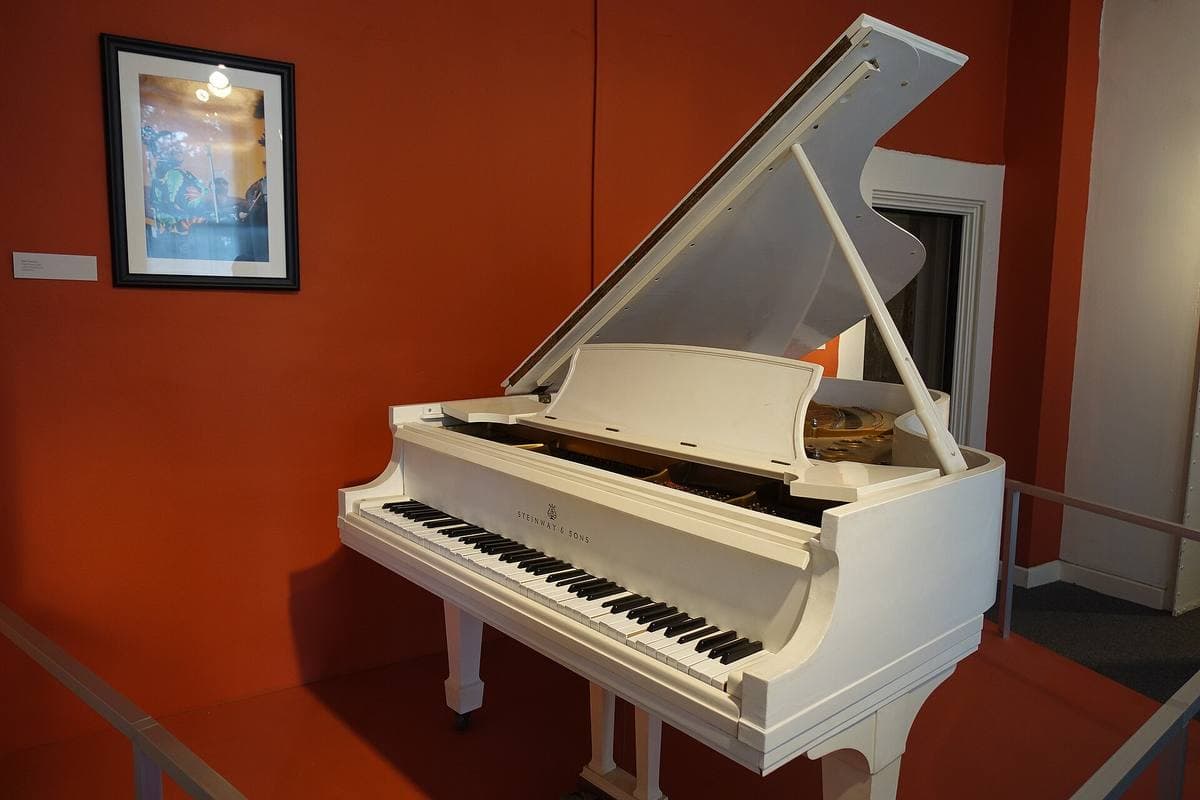
Two pianos from the house on Caffin Avenue
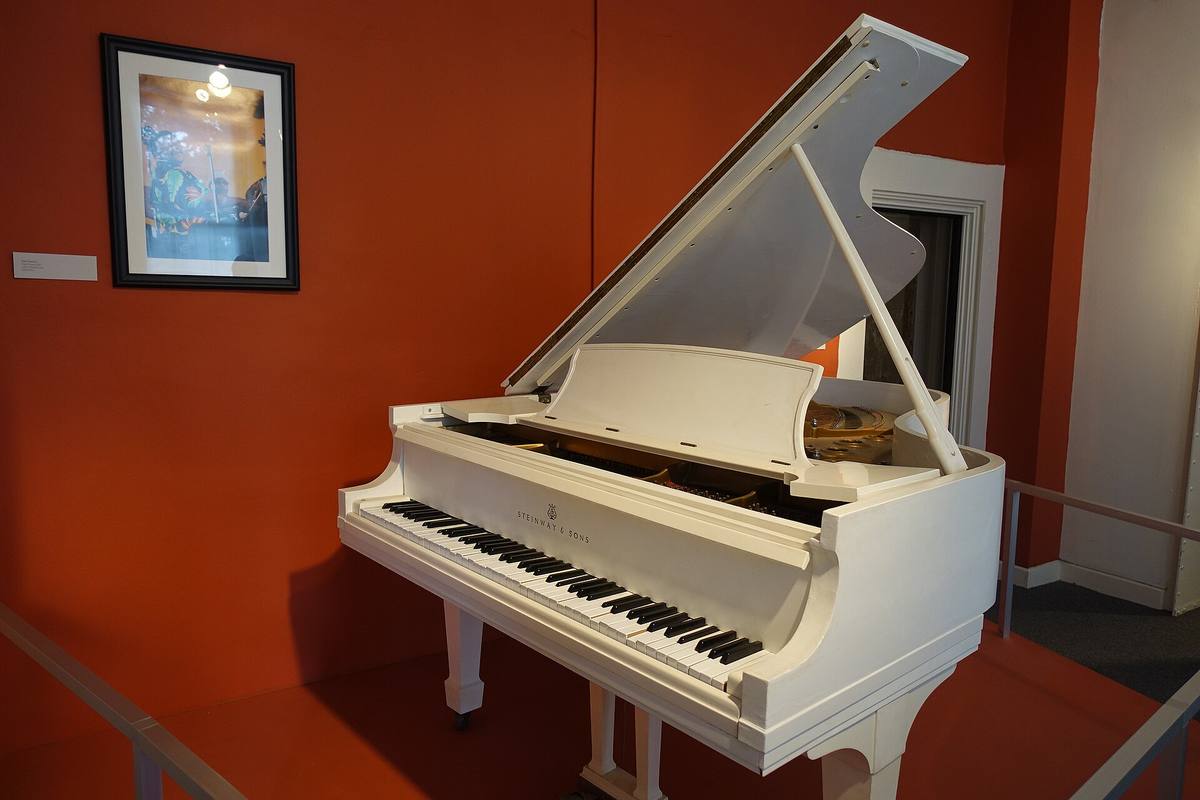
His restored white Steinway is unveiled at the Old U.S. Mint.
The Old U.S. Mint (New Orleans Jazz Museum) · 400 Esplanade Avenue
On 2 May 2013 his white Steinway grand, heavily damaged in Katrina, was unveiled here after restoration. Louisiana State Museum staff had taken it out of his Ninth Ward home after the storm; his family lent it to the museum. Fans around the world gave $30,000 for the work, among them Paul McCartney and the Rock and Roll Hall of Fame.
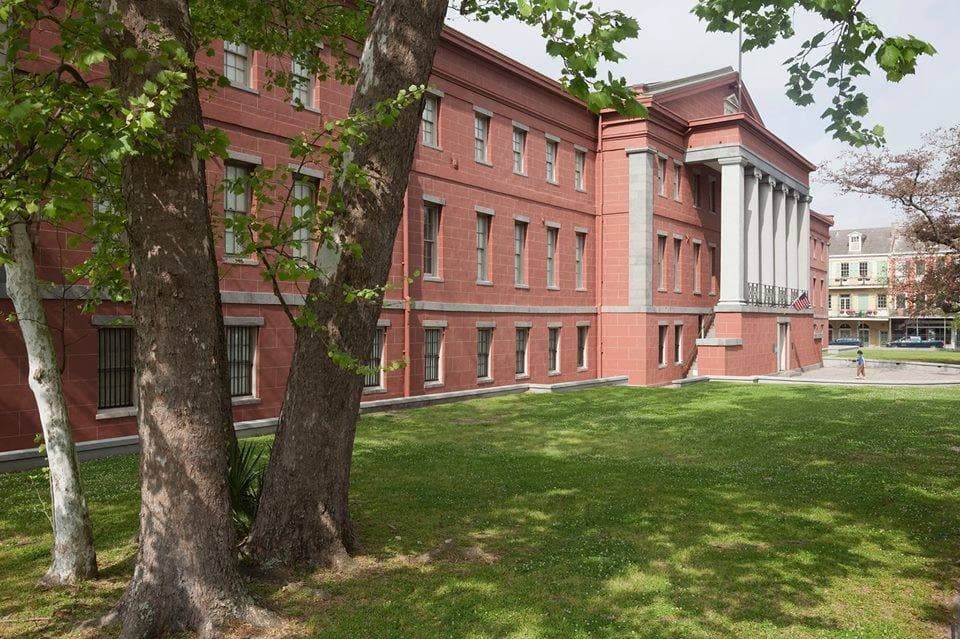
Open Tuesday 9am–6pm and Wednesday to Sunday 9am–4pm; adults $15, Louisiana residents $13. Phone (504) 568-6993 to check the piano is on show.
400 Esplanade Avenue, New Orleans · Tue 9am–6pm, Wed–Sun 9am–4pm · adults $15
His restored grand went on show at the Old U.S. Mint in 2013. Phone ahead to check it is on display.
Plan a visit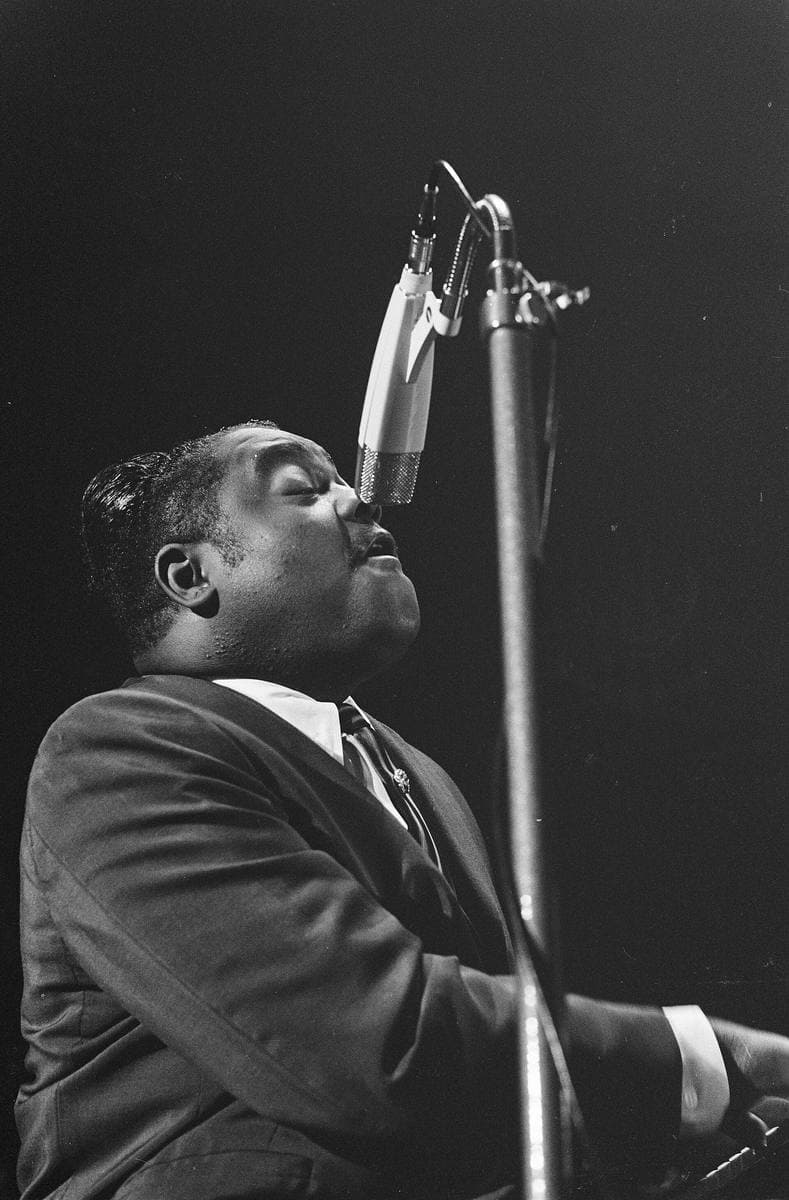
1928–2017
After the flood he settled in Harvey, on the West Bank, and lived there until his death in 2017.
10 places you can visit, in New Orleans, Amsterdam and Hamburg. His houses on Caffin Avenue are private homes: named by their street, never mapped.
Pins mark public places; private homes are named but not pinned.
General reference · Restricted access · Coordinate precision: site · Not an exact scene or camera position; not a visitor route. The club is long gone and a different building stands on the site: look from the street. The photograph shows the Desire area in 2009.
2800 Desire Parkway, upper Ninth Ward
A small rhythm-and-blues bar in the upper Ninth Ward, hidden behind railroad tracks, run by Jessie Lee Wells and Edwin Compass.
The club is long gone and a different building stands on the site: look from the street. The photograph shows the Desire area in 2009.
Stay
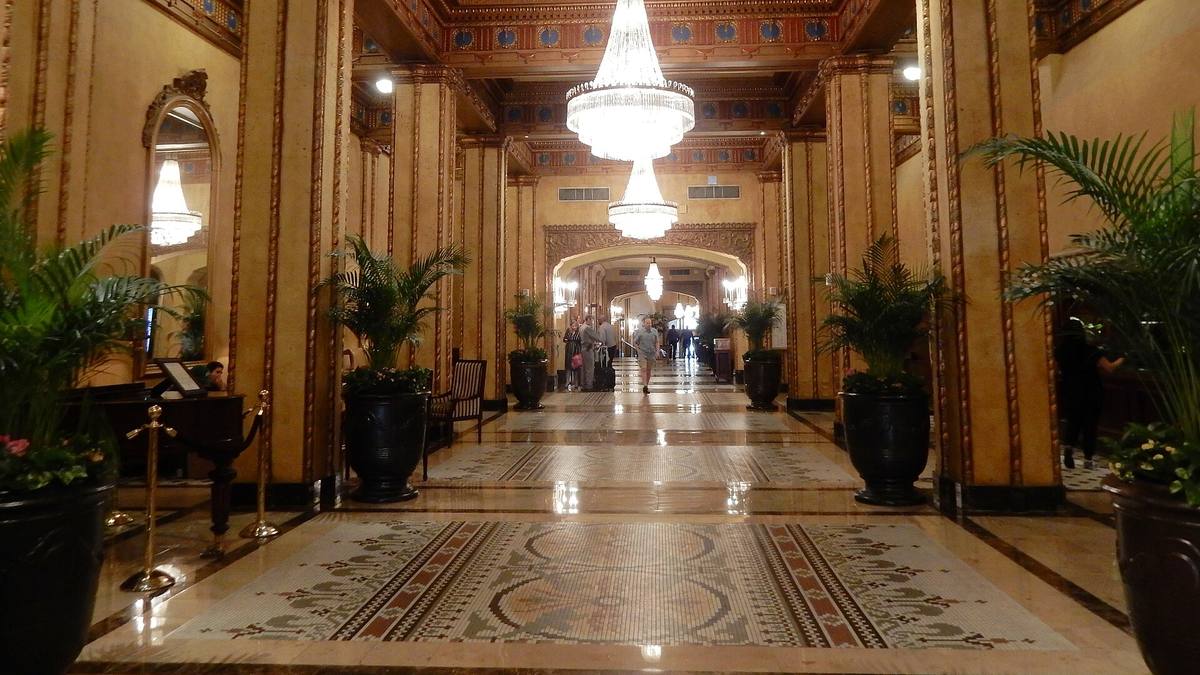
The old Fairmont, home of the Blue Room.
Roosevelt Way, New Orleans · Rooms and rates on the hotel site
The old Fairmont, where he played the Blue Room often; in 2017 his family lit its holiday lobby in his memory. A short walk from Rampart Street.
Check roomsGo there
His white Steinway at the Mint, WWOZ’s music map and New Orleans music walks.
400 Esplanade Avenue, New Orleans · Tue 9am–6pm, Wed–Sun 9am–4pm · adults $15
His restored grand went on show at the Old U.S. Mint in 2013. Phone ahead to check it is on display.
Plan a visitNew Orleans · Free online
WWOZ’s map of New Orleans music sites, with pages on the Hideaway, J&M, the Cosimo studio and his Caffin Avenue houses, and a self-guided Lower Ninth Ward tour.
Open the mapNew Orleans
Live marketplace results for music history walks in New Orleans. Check each itinerary for Rampart Street and the French Quarter studios.
Live marketplace results · itineraries change
Compare toursWhat’s on
Music at the club where he played his last show.
Checking current event dates…
Take it home
An original 1984 Red Grooms poster from our store, Rick Coleman’s biography and two 1956 Imperial albums.
An original 1984 Red Grooms cut-out poster that builds into him seated at his piano; 25.5 × 39.5 inches, mint.
In stock
View posterRick Coleman
Rick Coleman’s biography of Fats Domino and his New Orleans.
Find the bookFats Domino · LP, Imperial LP-9004, 1956
An early Imperial LP, from March 1956.
Live marketplace search · listings and condition change
Find a copyFats Domino · LP, Imperial LP 9028, 1956
The Imperial LP from December 1956, the year of Blueberry Hill.
Live marketplace search · listings and condition change
Find a copyDates, prices, rooms and stock change: confirm with the provider before you travel or buy. A stay or tour is described as a filming location only where the card says so.
Every place and moment behind this page, with sources.
11 of 11 places · 17 of 17 Moments
Caffin Avenue, now Fats Domino Avenue, Lower Ninth Ward: private homes
An upright piano comes into the family home in the Lower Ninth Ward, and Harrison Verrett teaches him.
His two houses on Caffin Avenue become a Lower Ninth Ward landmark.
Hurricane Katrina floods the Lower Ninth Ward. He and his family are rescued from his home by boat; he loses three pianos, his gold records and his National Medal of Arts.
A year after the storm President George W. Bush presents a replacement National Medal of Arts; the RIAA replaces his gold records.
Caffin Avenue is renamed in his honour.
2800 Desire Parkway, upper Ninth Ward
He headlines the Hideaway, a bar behind the railroad tracks, until Lew Chudd and Dave Bartholomew come to hear him.
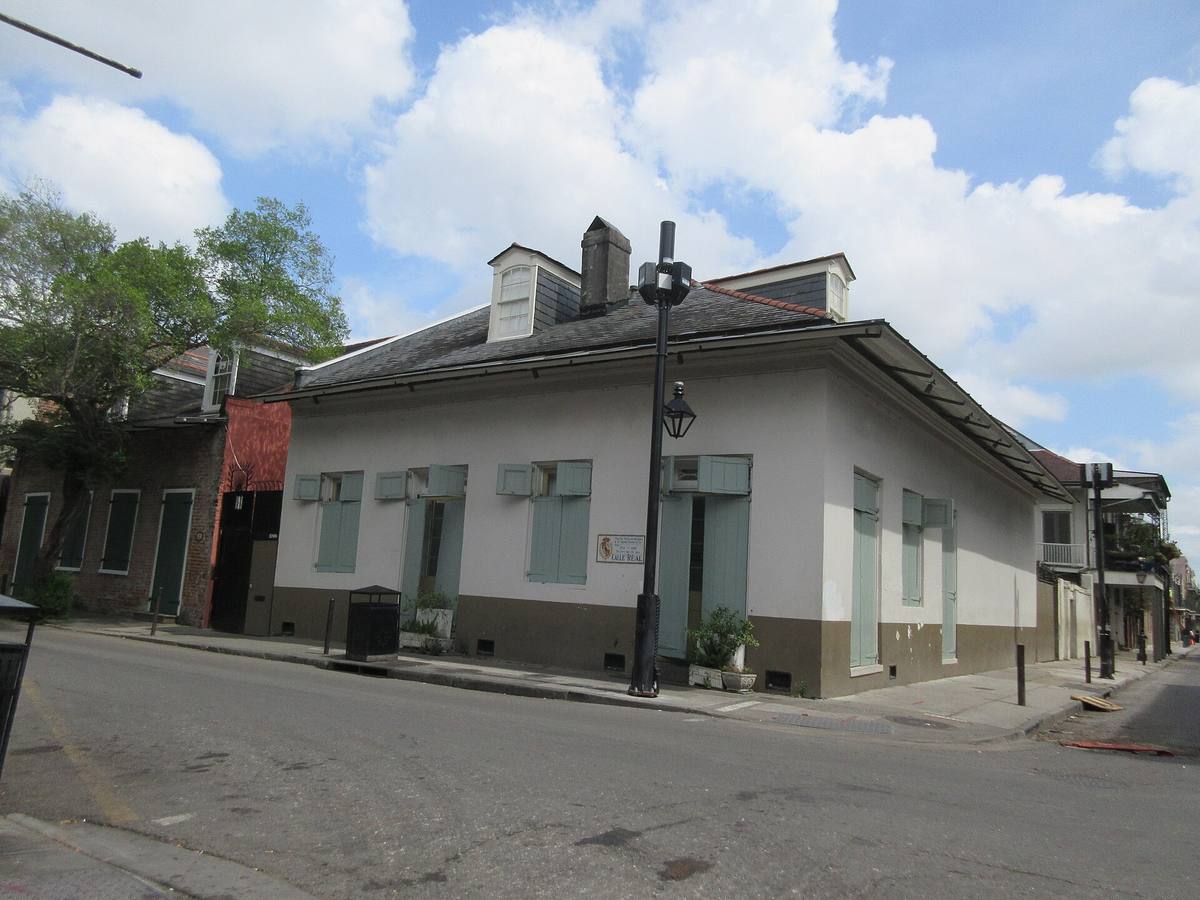
838–840 North Rampart Street, at Dumaine
At Cosimo Matassa’s J&M on Rampart Street he records The Fat Man, Bartholomew’s rewrite of The Junker’s Blues.
Matassa, Bartholomew and Domino mark the J&M site as a landmark on the day The Fat Man turns fifty.
521 Governor Nicholls Street
Matassa’s new studio on Governor Nicholls Street becomes his New Orleans recording room into the early 1960s.
Roosevelt Way, Central Business District
He plays often in the Blue Room of the Fairmont.
1751 Gentilly Boulevard
He works briefly in the Fair Grounds stables.
At the first Jazz Fest after the storm he appears but is too ill to play, and tips his hat to the crowd.
501 Napoleon Avenue, Uptown
He plays Tipitina’s: his last public performance.
400 Esplanade Avenue
His restored white Steinway is unveiled at the Old U.S. Mint.
751 Chartres Street, Jackson Square
A second Steinway is shown as it was found, in the Presbytère’s hurricane exhibition.
Concertgebouwplein, Amsterdam
He plays the Concertgebouw on a European autumn tour.
Johannes-Brahms-Platz, Hamburg
At the end of the night in Hamburg he shoves the grand across the stage with his body.