
J&M Recording Studio, North Rampart Street
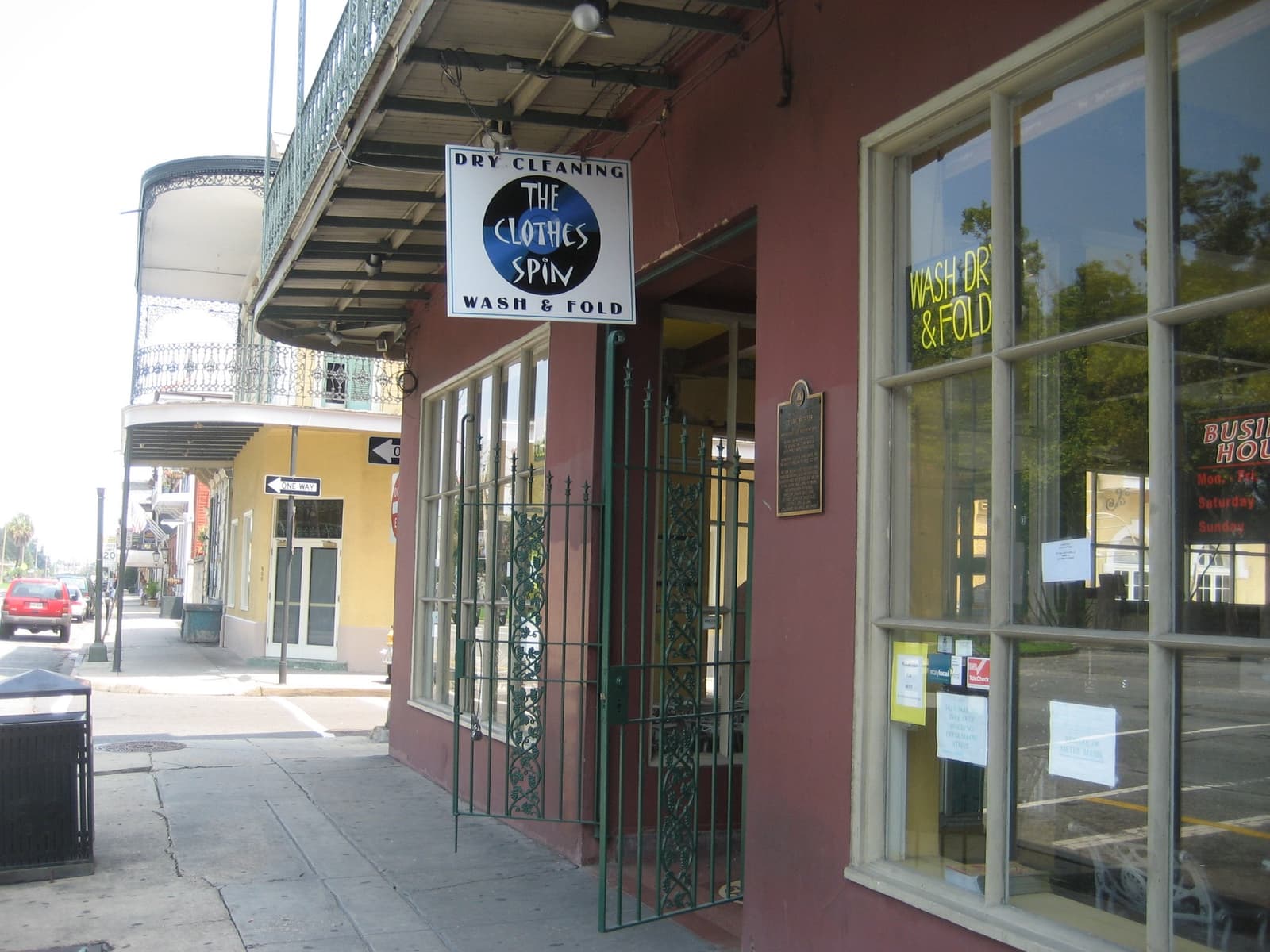
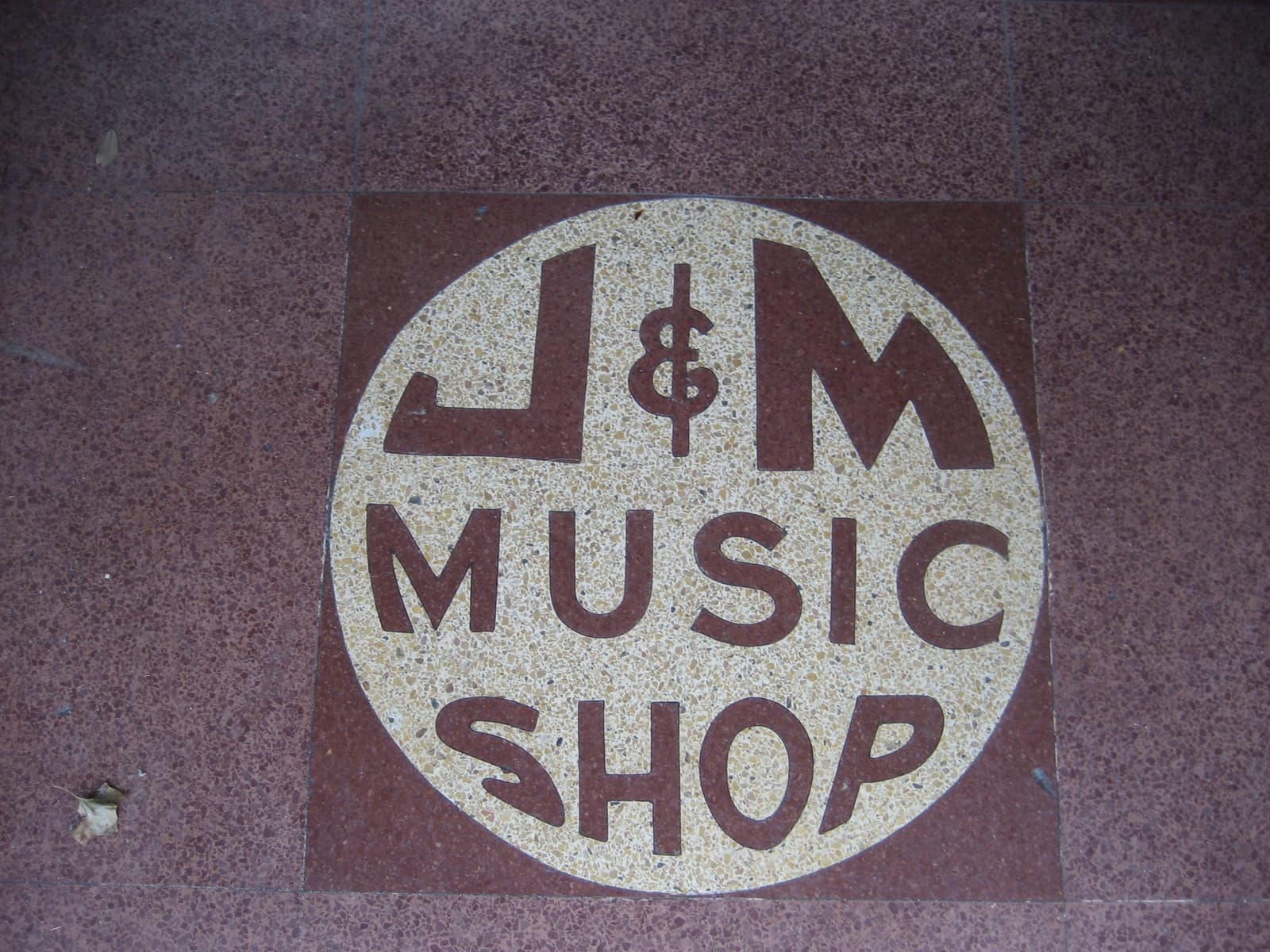
838 North Rampart Street, New Orleans

1955 · song
Little Richard’s breakthrough recording meets the small New Orleans studio and the engineer who helped capture its performance.
Tutti Frutti connects the energy of Little Richard’s club repertoire with a particular New Orleans recording room. The recording belongs to Cosimo Matassa’s J&M studio on North Rampart Street. Matassa’s own recollections explain how that small facility grew from a shop’s back room into a working studio, and how he understood the engineer’s job when a performer found something worth capturing.
Markers identify buildings or documented location references. They do not mark an exact recording room, stage position or camera angle.
The Library of Congress’s Recording Registry account describes a frustrating 1955 session before Richard began performing Tutti Frutti, already part of his club repertoire. His relationship with the studio musicians had not initially settled into place. The account locates the turning point in a performance he brought with him, followed by a less suggestive version for release. It does not identify a separate club as the place where that turning point occurred. The recording room remains the documented geographic anchor. [1]
In Todd Collins’s original interview, recorded in May 2007, Matassa recalled a store at Rampart and Dumaine selling records and appliances after the war. A small recording room at the back initially served people making personal recordings. Bands then came to make demos, and the work grew until recording occupied him full-time. The studio emerged through ordinary retail and local musical activity before becoming associated with records heard far beyond the city. [2]
Ben Sandmel’s Music Rising account identifies the J&M Music Shop at 838 North Rampart Street. It places Little Richard’s 1955 Specialty sessions with Matassa and musicians who had helped shape Fats Domino’s records, producing Tutti Frutti. This was an encounter with an existing New Orleans recording community. Sandmel dates Matassa’s move to Governor Nicholls Street to 1956, keeping the later studio separate from this recording’s Rampart Street setting. [3]
Matassa remembered the early studio as a small room that sometimes had to accommodate large groups. In the same interview he distinguished the engineer’s role from the producer’s: his task was to capture the performance and realise the producer’s intention. That working philosophy helps explain why the room matters alongside the artist. The interview gives a working philosophy to set beside Richard’s breakthrough performance. [2]
The Library of Congress selected the recording for the 2009 National Recording Registry, highlighting Richard’s distinctive vocal performance and the beat behind it. The archive’s recognition provides a later point from which to hear the New Orleans recording. [1]
838 North Rampart Street, New Orleans
This identifies the historical Rampart Street recording facility. It makes no promise of interior access, surviving session equipment or a studio tour.
