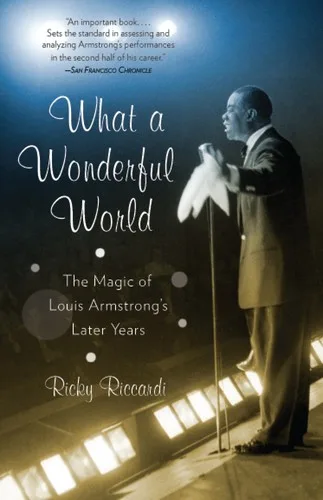
4 August 1901
Born in New Orleans. The house on the old Jane Alley came down in 1964 to make room for the courts and police buildings.
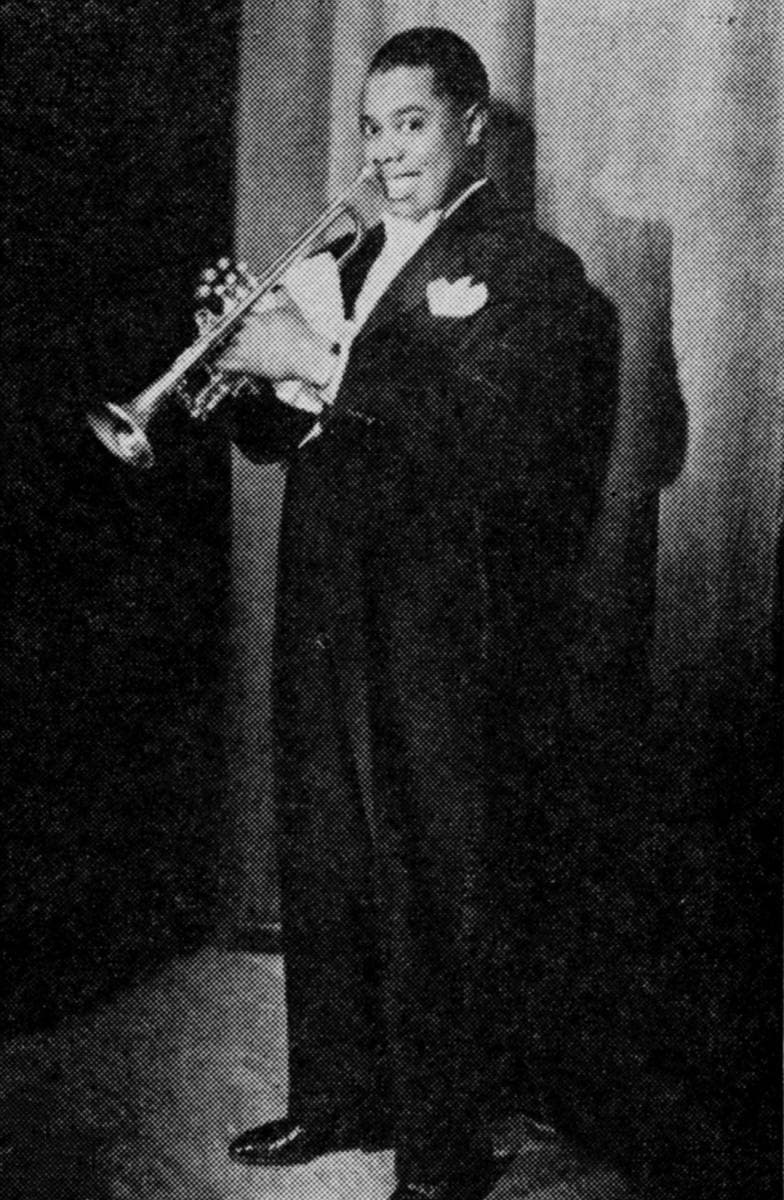
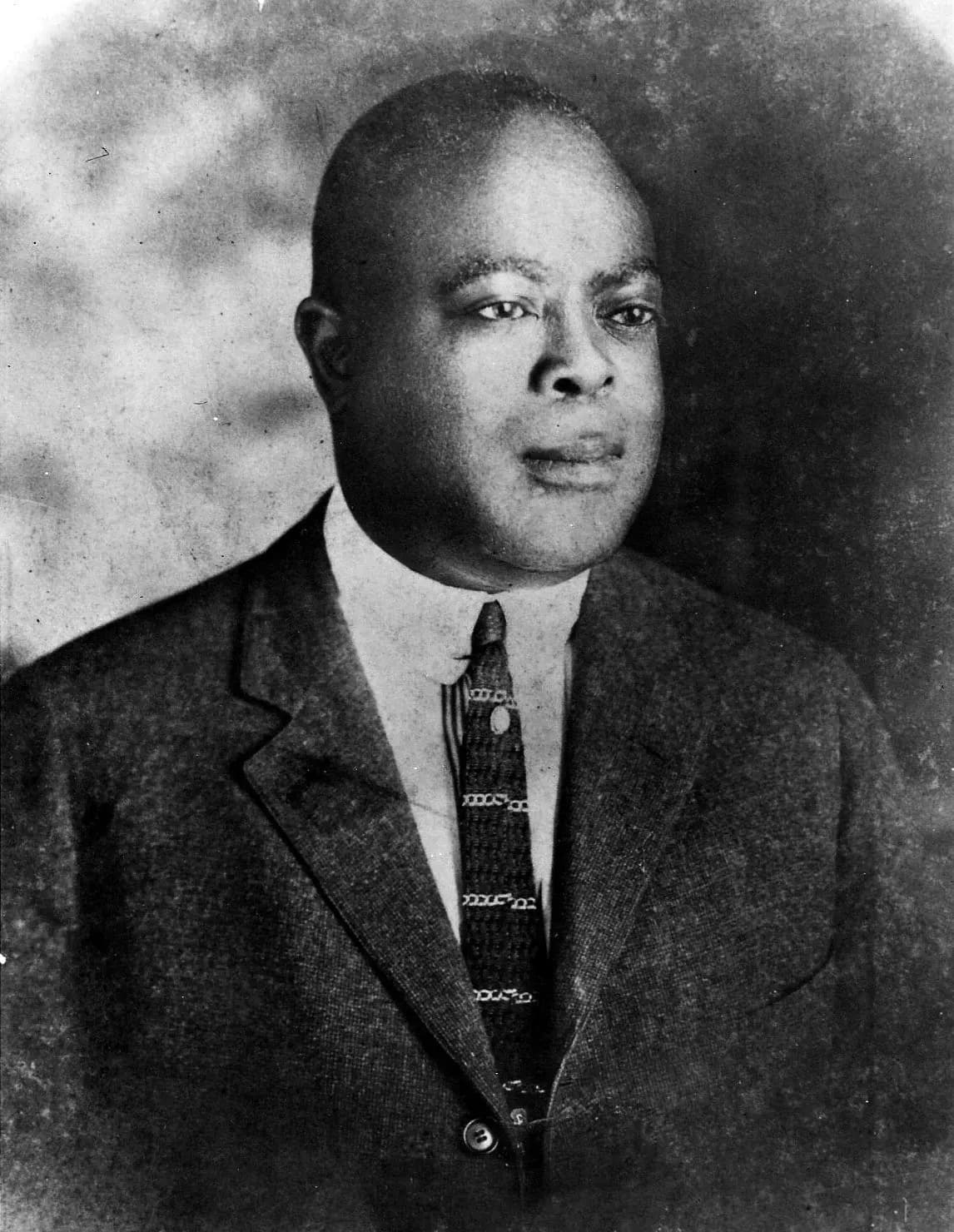
1936 The horn
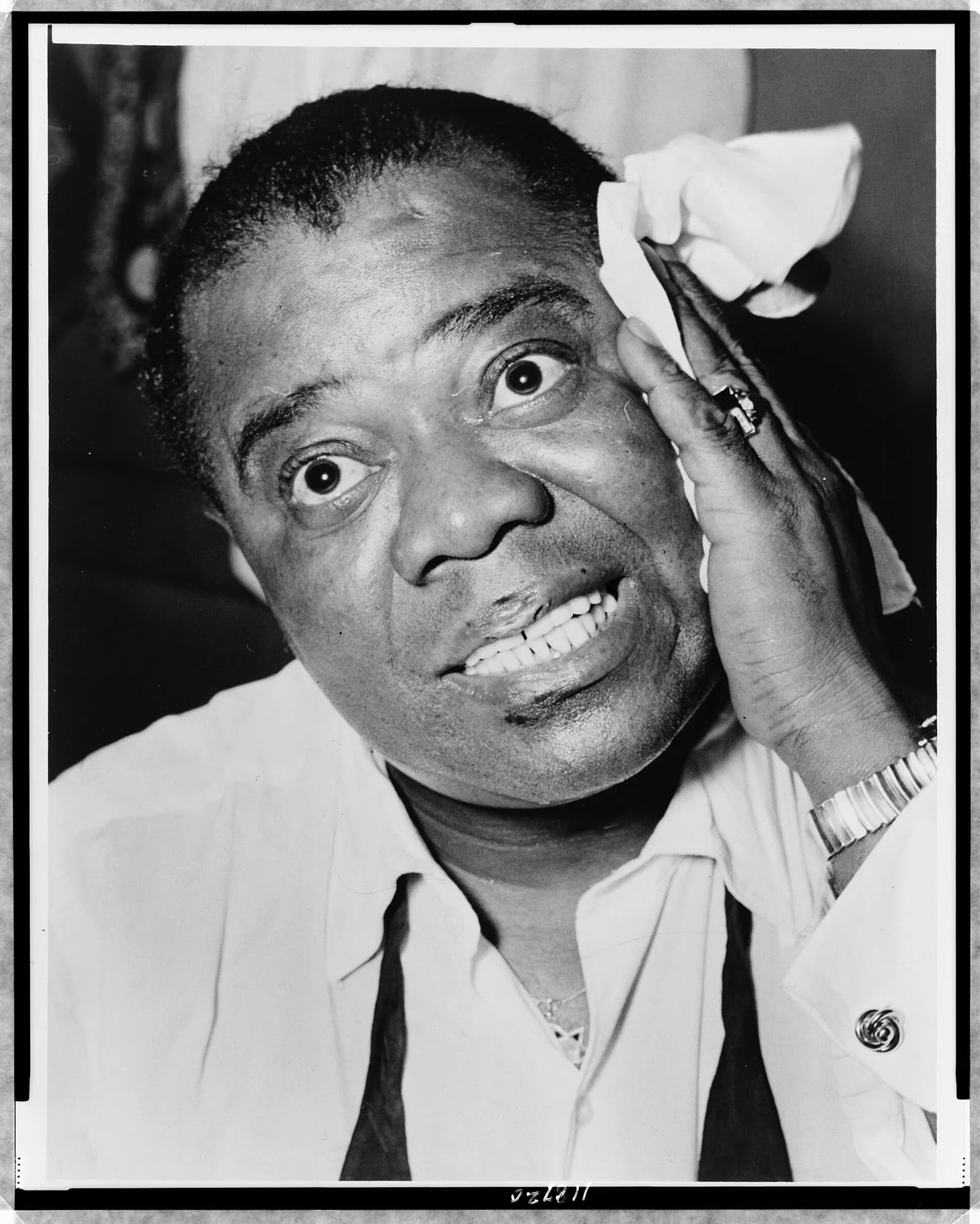
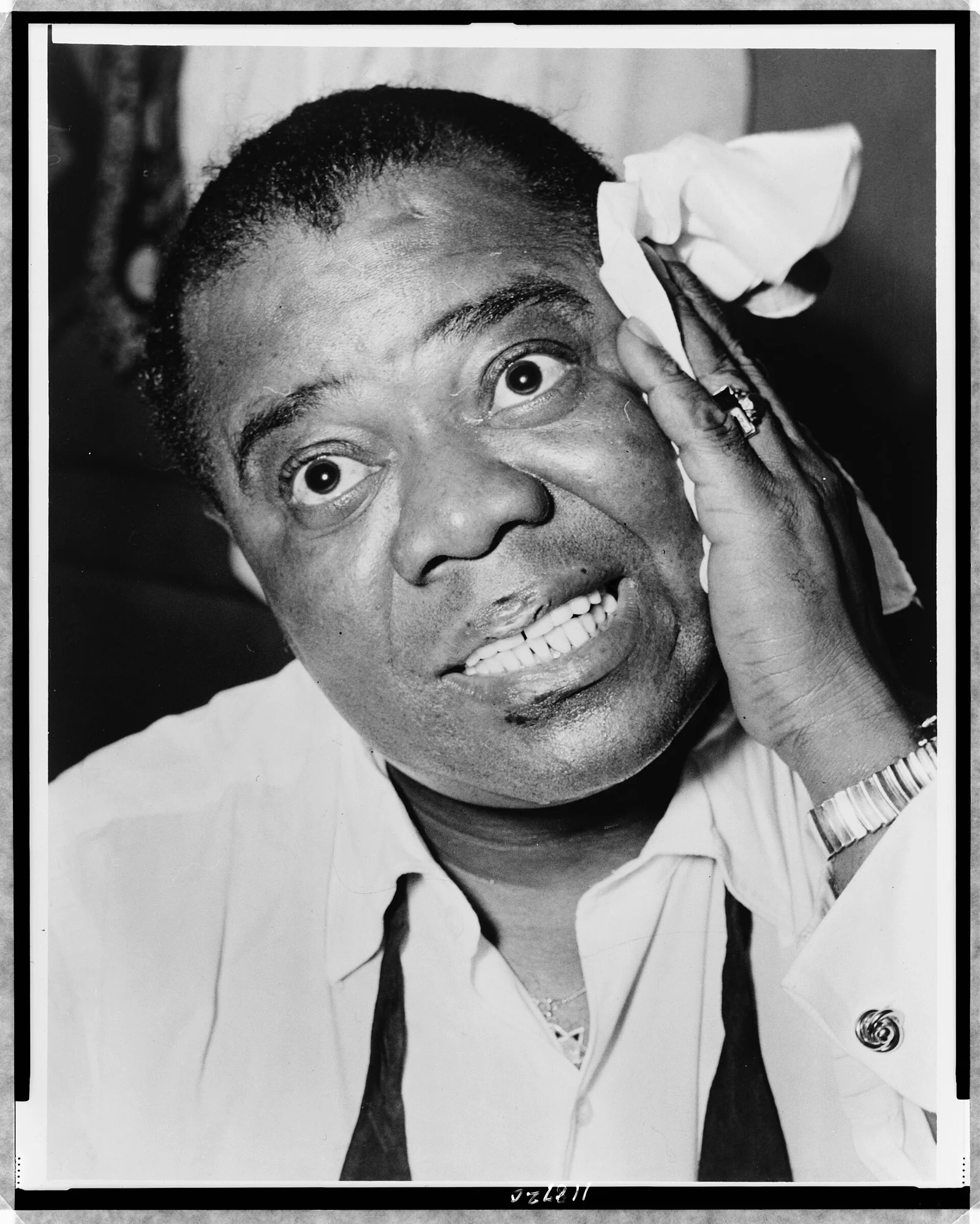
1953 The smile
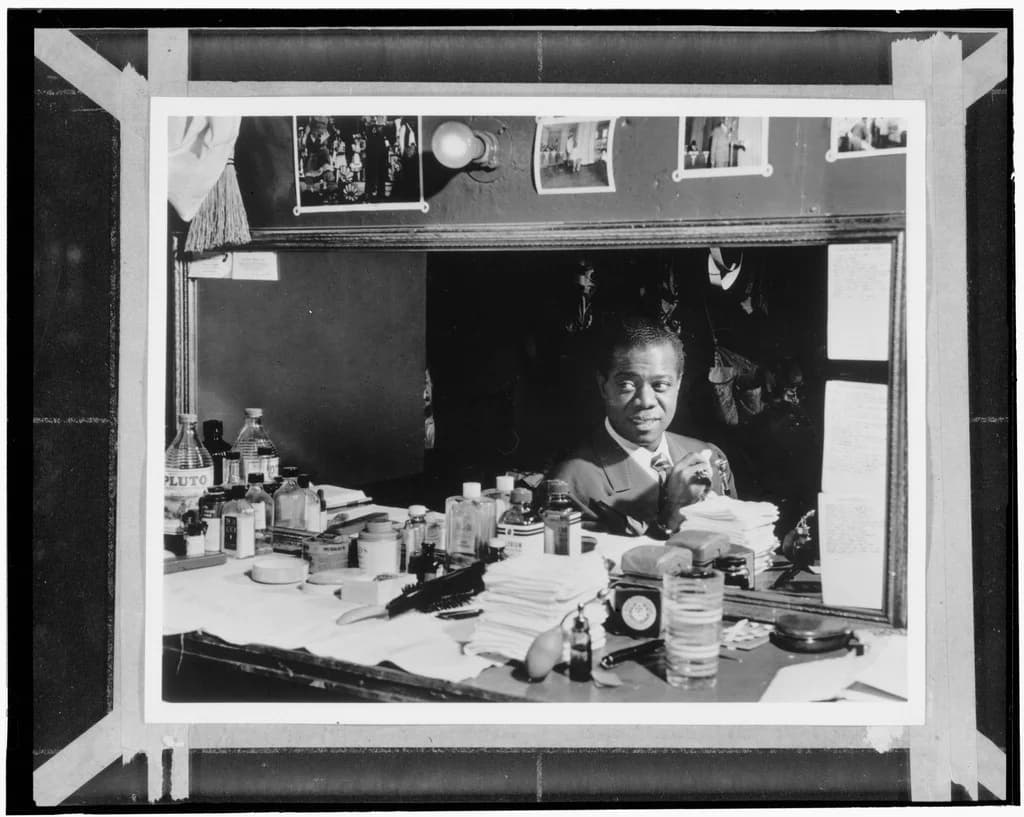
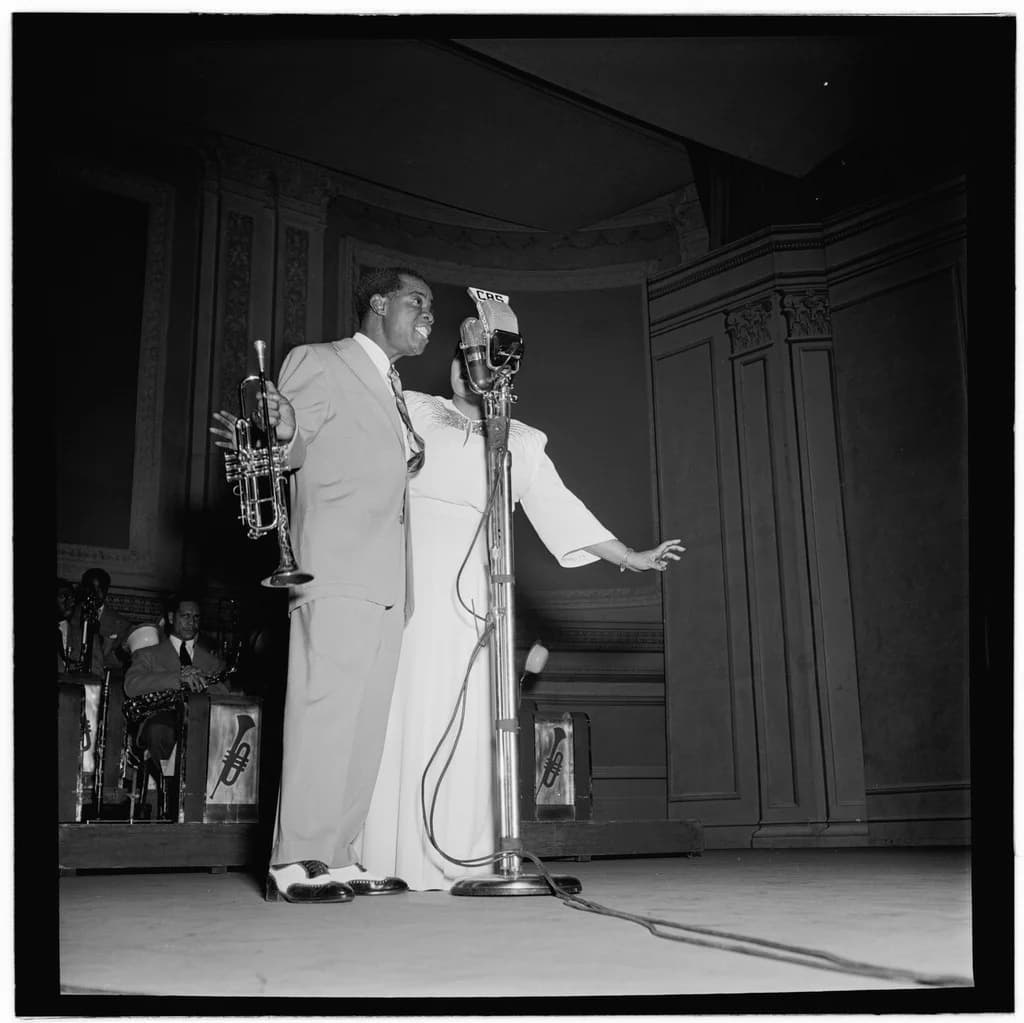
1946 Backstage
New Orleans · Chicago · the world · 107th Street
The sound went everywhere. He kept coming home.
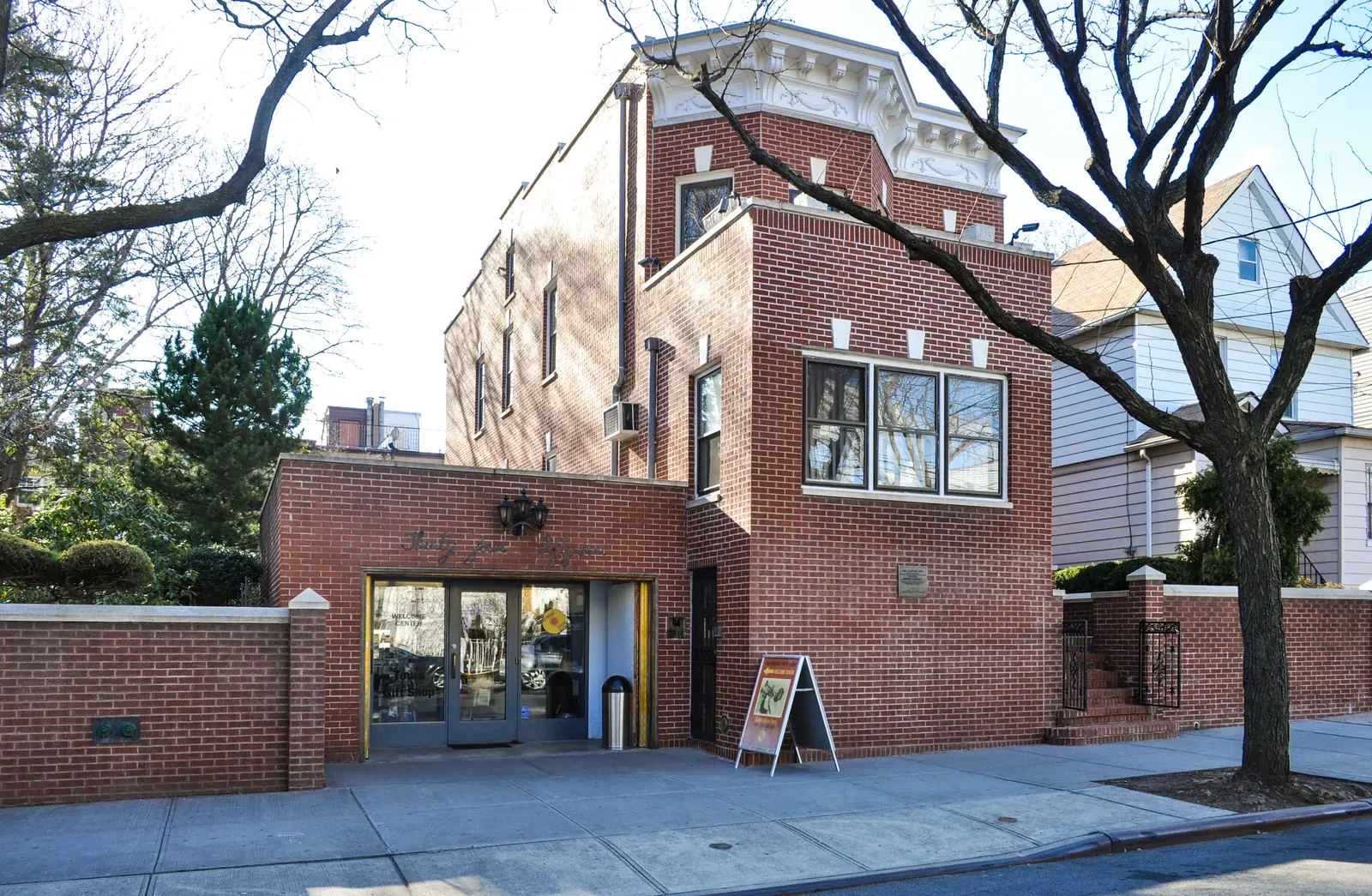
Every distance on this page is measured from one front door: 34-56 107th Street, Corona, Queens.
Drop the needleLouis Armstrong, as printed in Maud Cuney-Hare’s Negro Musicians and Their Music, 1936 (Maud Cuney-Hare (book, 1936), Public domain) · Herman Hiller’s1953 portrait. The source does not establish a specific performance venue. Resized and converted to WebP; retain photographic context. No endorsement implied (Herman Hiller, Public domain) · Backstage at the Aquarium, New York · July 1946. Not a photograph of the 1956 tour. Converted to WebP; display crop (William P. Gottlieb, Public domain — Gottlieb collection release)
Side one

Born in New Orleans. The house on the old Jane Alley came down in 1964 to make room for the courts and police buildings.
The Karnofsky family, who kept a shop on South Rampart Street, lent the boy the money for his first cornet. The New Orleans Jazz Museum shows the one it calls his first. The shop stood until Hurricane Ida, in August 2021. Slide the years.
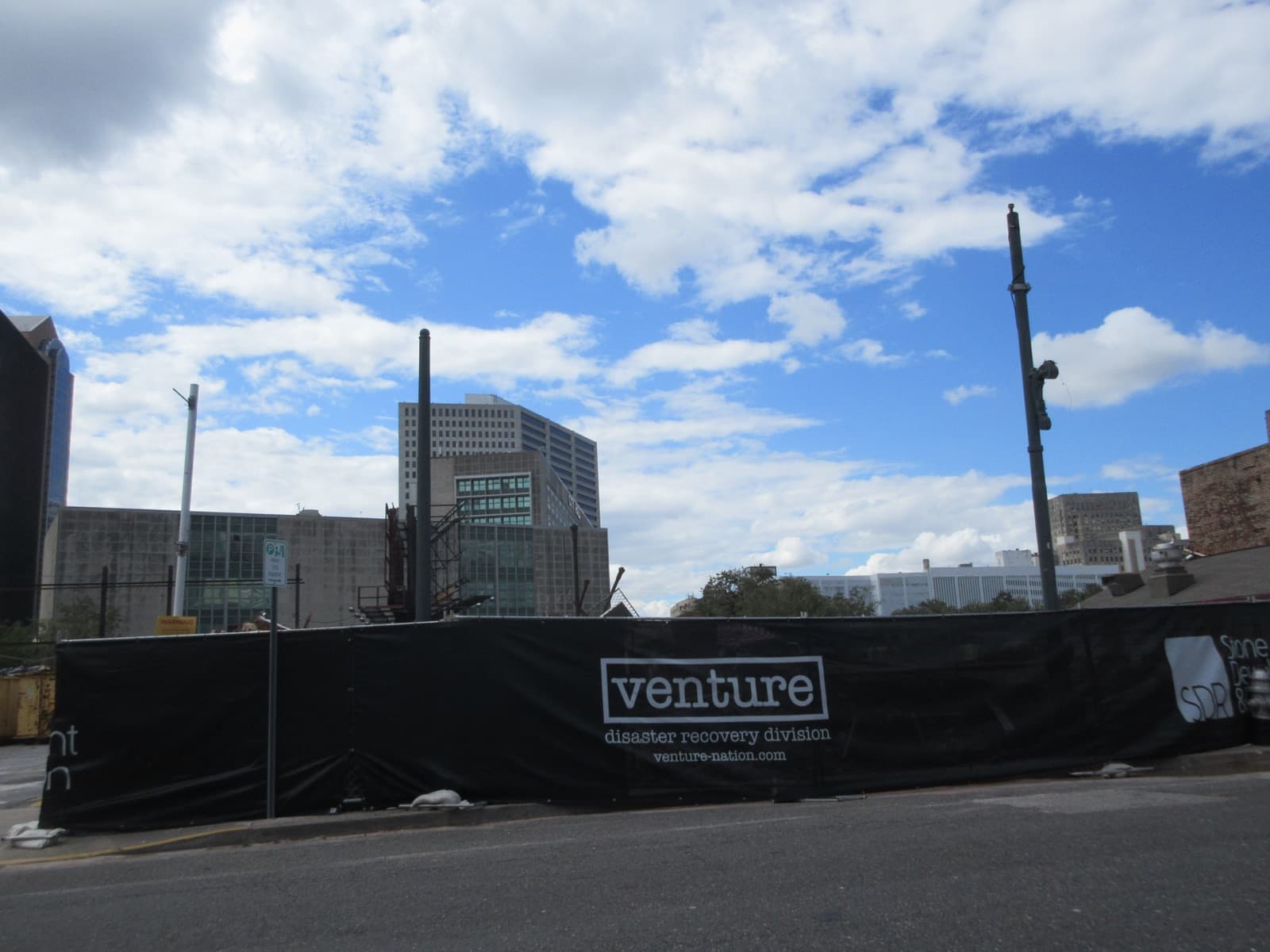
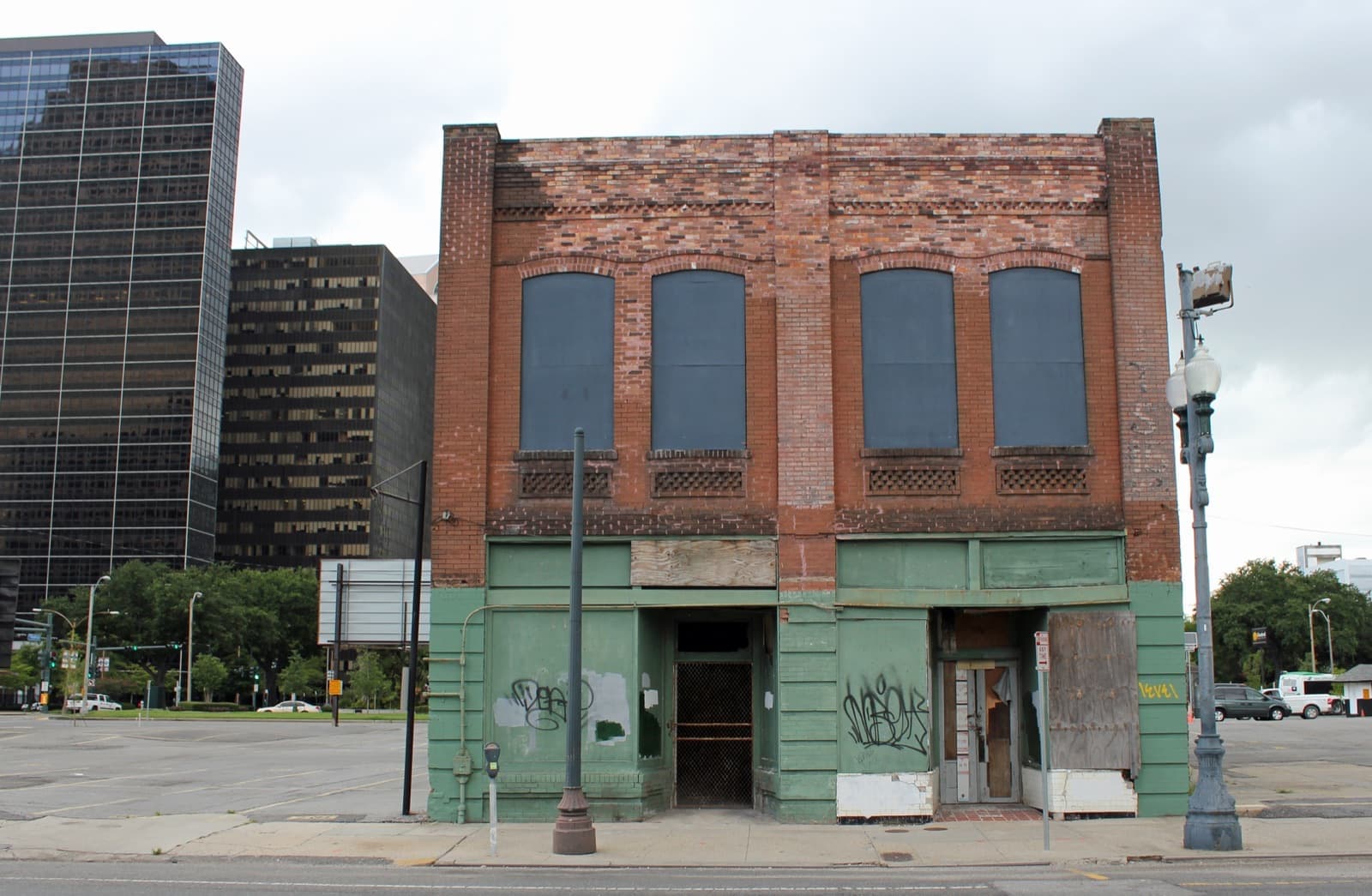
427 South Rampart Street. 2011: Jeffrey Beall, CC BY-SA 3.0 · September 2021, after Ida: Infrogmation of New Orleans, CC BY-SA 4.0
At the Colored Waif’s Home, Peter Davis taught him the cornet. He was released in 1914.
Summers from 1919 to 1921 on Fate Marable’s riverboats, New Orleans to St. Louis and back: a floating conservatory.
French Quarter, New Orleans · Tue–Sun 9am–4pm · adults $15
In the Old U.S. Mint on Esplanade Avenue, with exhibits on the lives of players including Louis Armstrong.
Plan a visitTremé, New Orleans
Guest houses on St Philip Street in the Tremé, a short walk from Armstrong Park. Its rooms include The Armstrong Collection, with others named for King Oliver and Buddy Bolden.
View roomsSide two
In 1922 he joined King Oliver in Chicago. On 5 April 1923 the band made its first records, at Gennett in Richmond, Indiana, with Lil Hardin on piano. In 1924 he married her, and she pushed him to step out on his own.
Clarinet
He could not play without patting his foot, and the horn picked it up. E. A. Fearn, OKeh’s president, went out and fetched a pillow.
Side three
From 1943 there was always a house to come back to. So here the world is drawn from his front door: pick a trip and watch it leave Queens and come home.
5,558 km from the front door
Two shows a night, a city a day; then Sheffield, the one that didn’t happen.
A map centred on 34-56 107th Street: every distance and direction from home is true; far-off coastlines are stretched. Dots without lines are where he came from before Corona.
Side four
The government was planning to send him to the Soviet Union. In an interview in Grand Forks, he talked about Little Rock instead.
He condemned what was being done in Little Rock.
He criticised Eisenhower and Faubus.
He turned down the government’s planned trip to the Soviet Union.
The Grand Forks Herald printed it the next morning. Records were boycotted and hostile letters arrived. He did not take a word back.
Side five
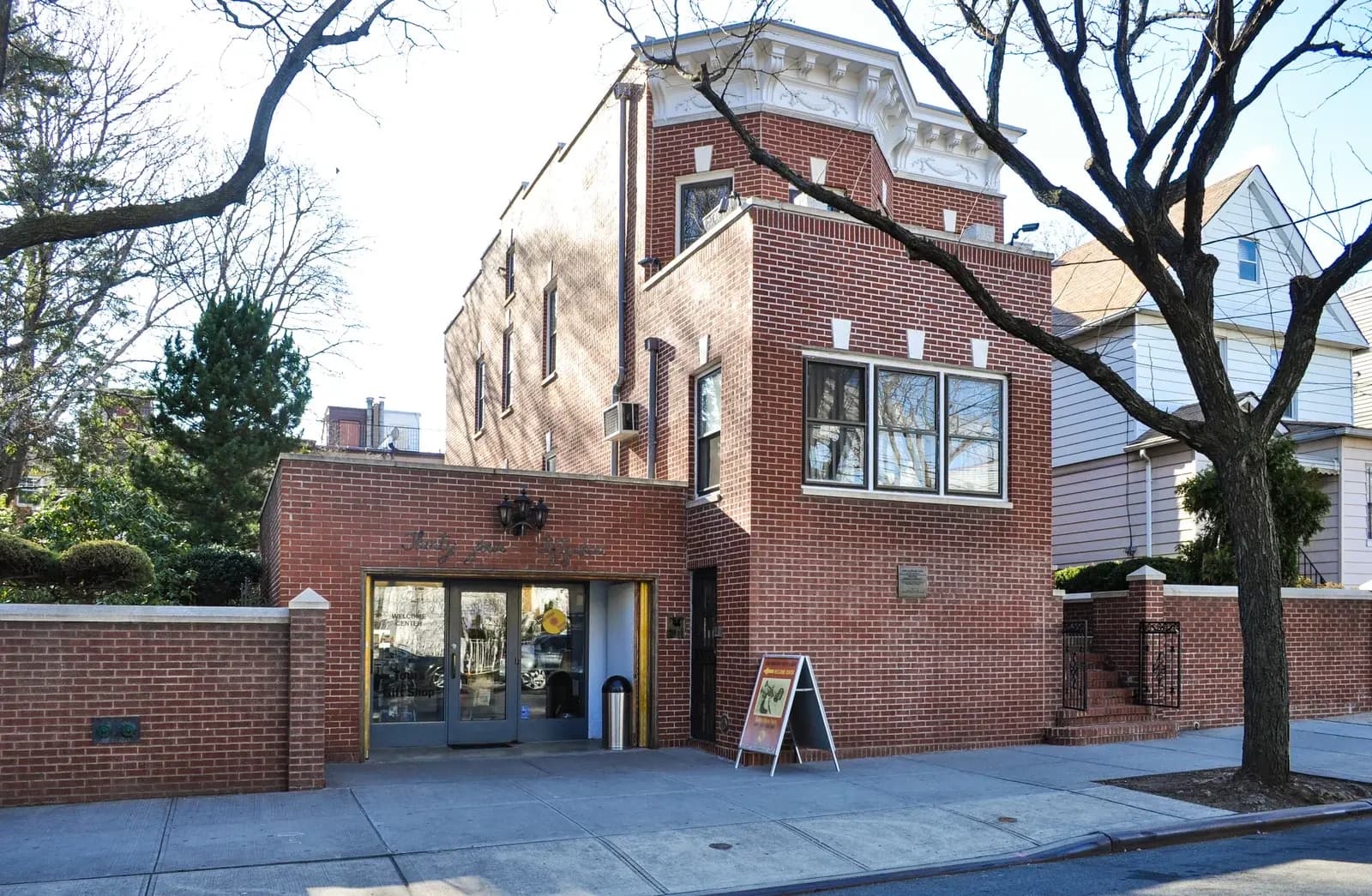
On 3 March 1943, Lucille made the down payment. From her own account.
A brick house on an ordinary block in Queens. The world tours went out from here, and came back here.
The tape shelf. Pull one out.
On one den tape he plays the Hello, Dolly! demos over and over, then asks Lucille for a beer and an egg-and-liverwurst sandwich.
Corona, Queens · Thu–Sat, hourly 11am–3pm · adults $20
A 45-minute guided tour of the house in Corona and its exhibits; at most ten people a tour.
Book the tour34-56 107th Street, Corona · Exhibitions $10
Across the street since 2023: the permanent exhibition “Here to Stay”, with rare photographs, recordings and his own things. The archive can be seen free by appointment.
Plan a visitEvery road on this page starts or ends on this block.
Places that keep his name, and places that kept him. All of them you can stand in front of today.
Pins mark places you can see today.
General reference · Access unconfirmed · Coordinate precision: site · Not an exact scene or camera position; not a visitor route. The site only: a later building stands here. Look from the street.
General reference · Public access · Coordinate precision: site · Not an exact scene or camera position; not a visitor route. Seen from the pavement on South Rampart Street. The building collapsed in 2021; respect any site fencing.
General reference · Public access · Coordinate precision: site · Not an exact scene or camera position; not a visitor route. Public park; enter through the arch on North Rampart Street.
General reference · Public access · Coordinate precision: building · Not an exact scene or camera position; not a visitor route. In the public park.
General reference · Public access · Coordinate precision: building · Not an exact scene or camera position; not a visitor route. A museum: check opening hours and admission before you go.
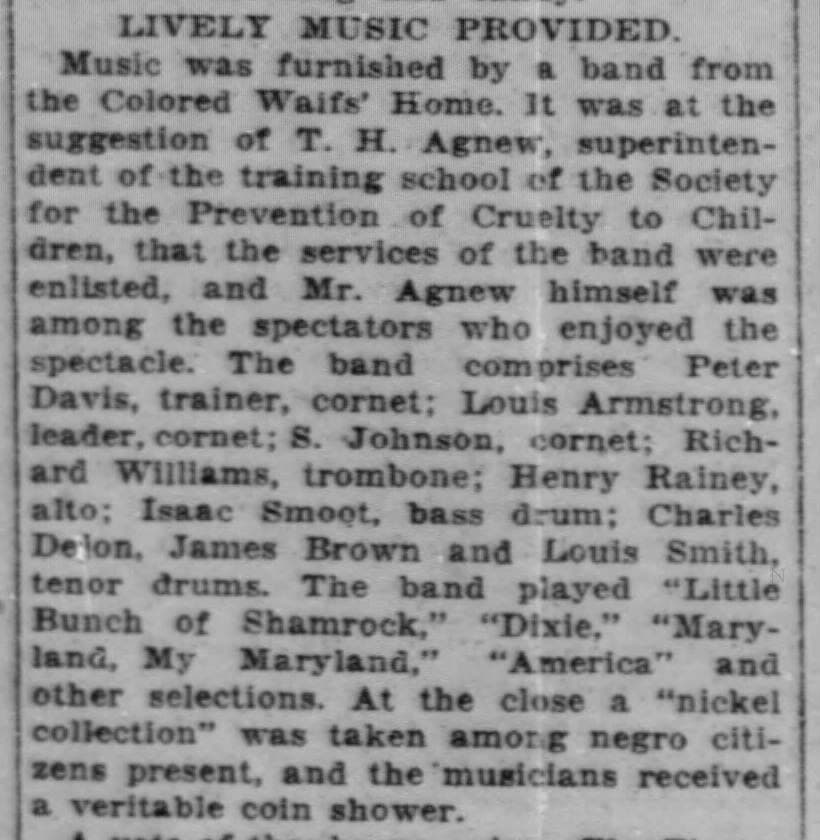
Site of the Colored Waif’s Home, 431 City Park Avenue
Where Peter Davis taught him the cornet. The Waif’s Home itself is gone.
The site only: a later building stands here. Look from the street.
427 South Rampart Street, New Orleans
Where the family that lent him the money for his first cornet kept their shop. The building collapsed in 2021.
Seen from the pavement on South Rampart Street. The building collapsed in 2021; respect any site fencing.
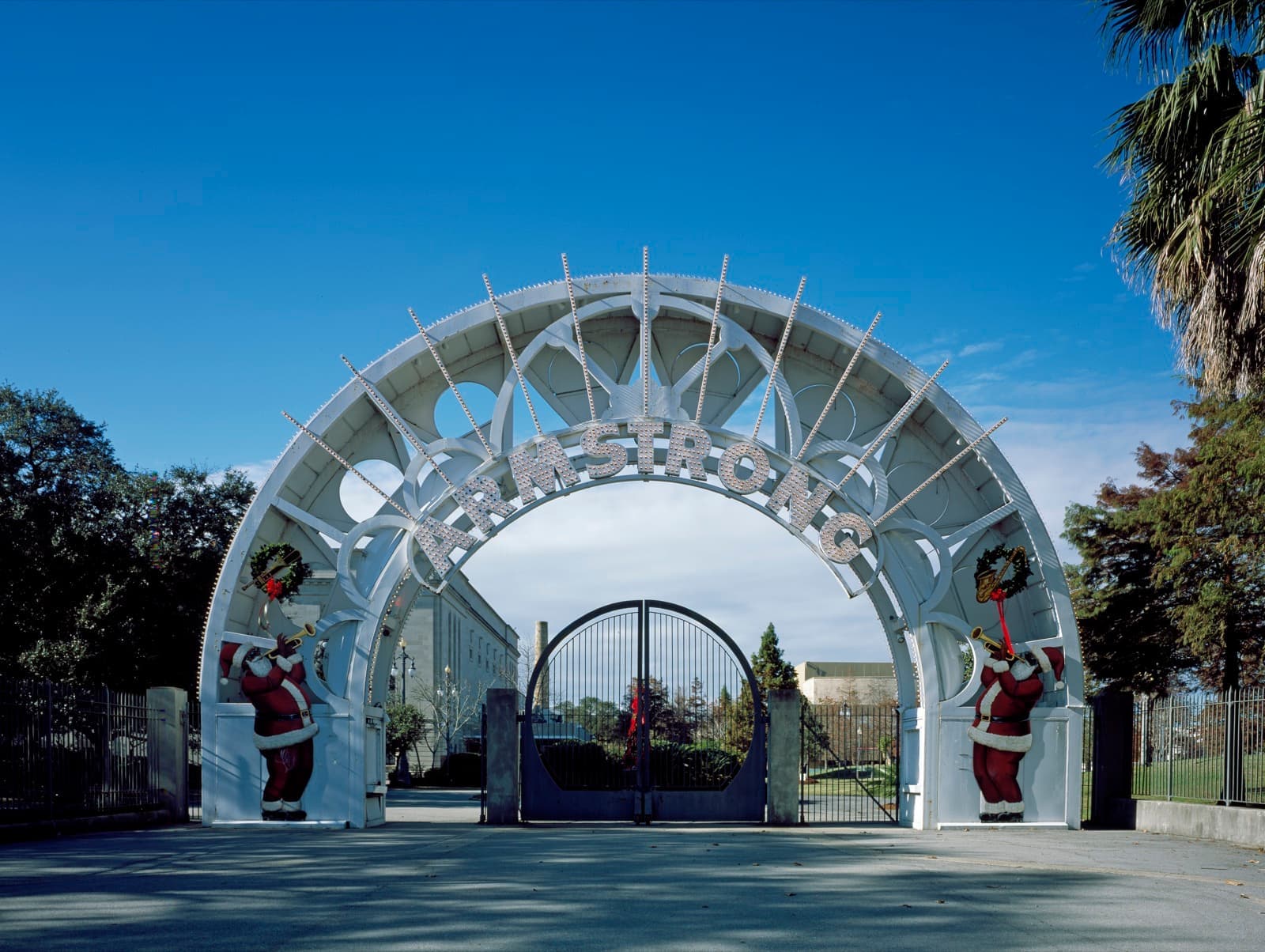
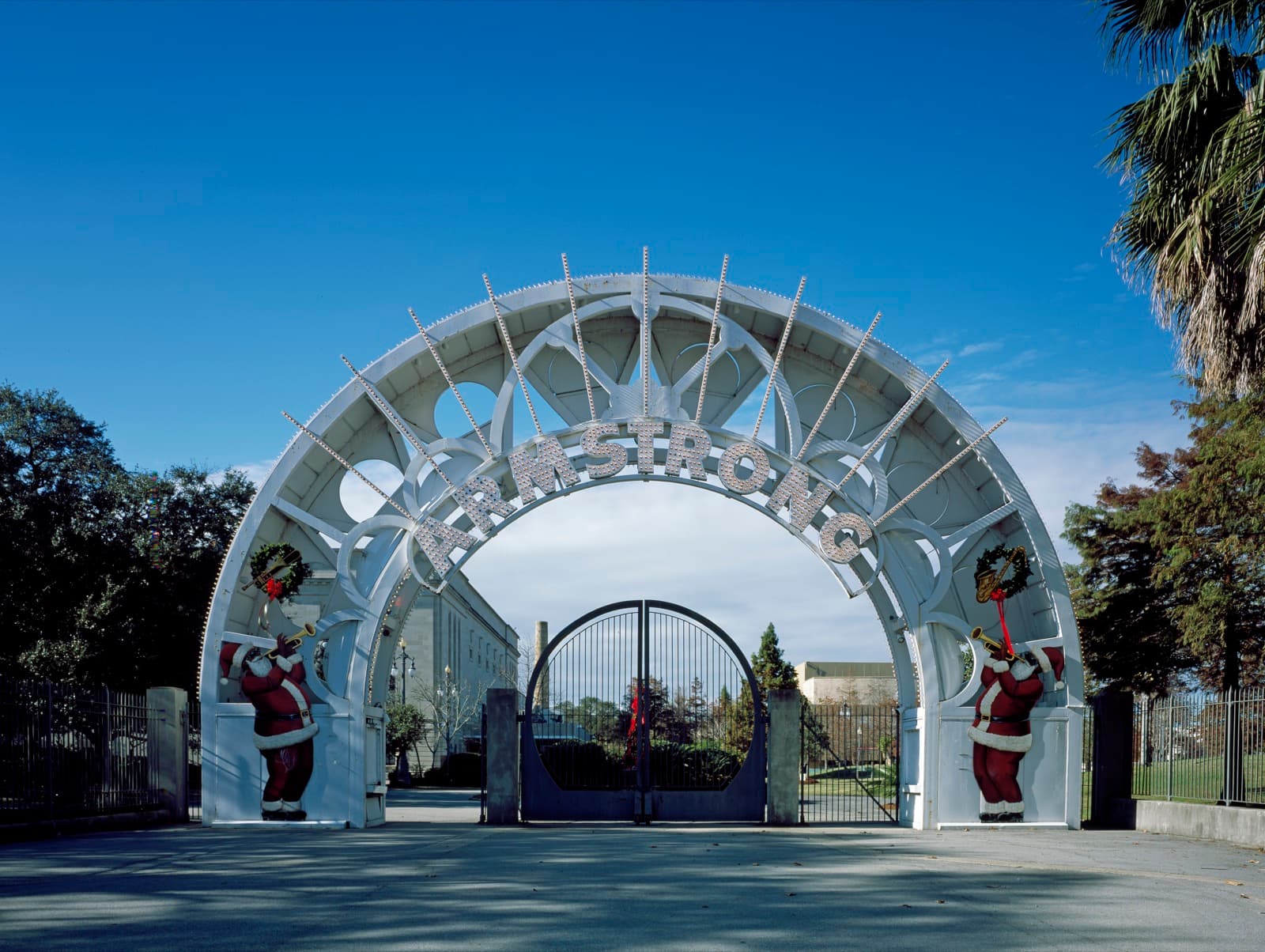
Rampart Street at St Ann, Tremé, New Orleans
The park that carries his name, opened in 1980, with Congo Square inside its gates.
Public park; enter through the arch on North Rampart Street.
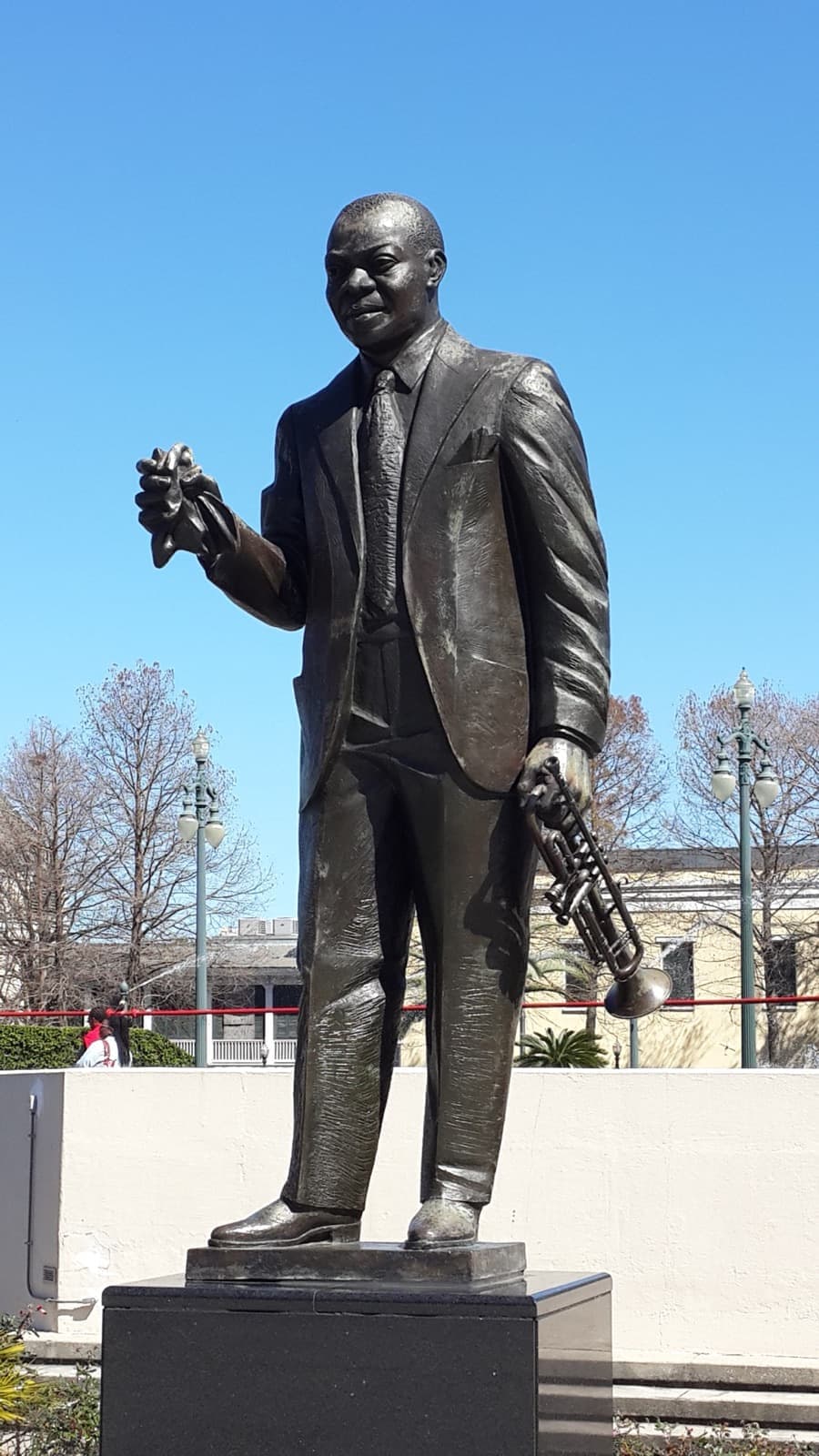
Inside Louis Armstrong Park, New Orleans
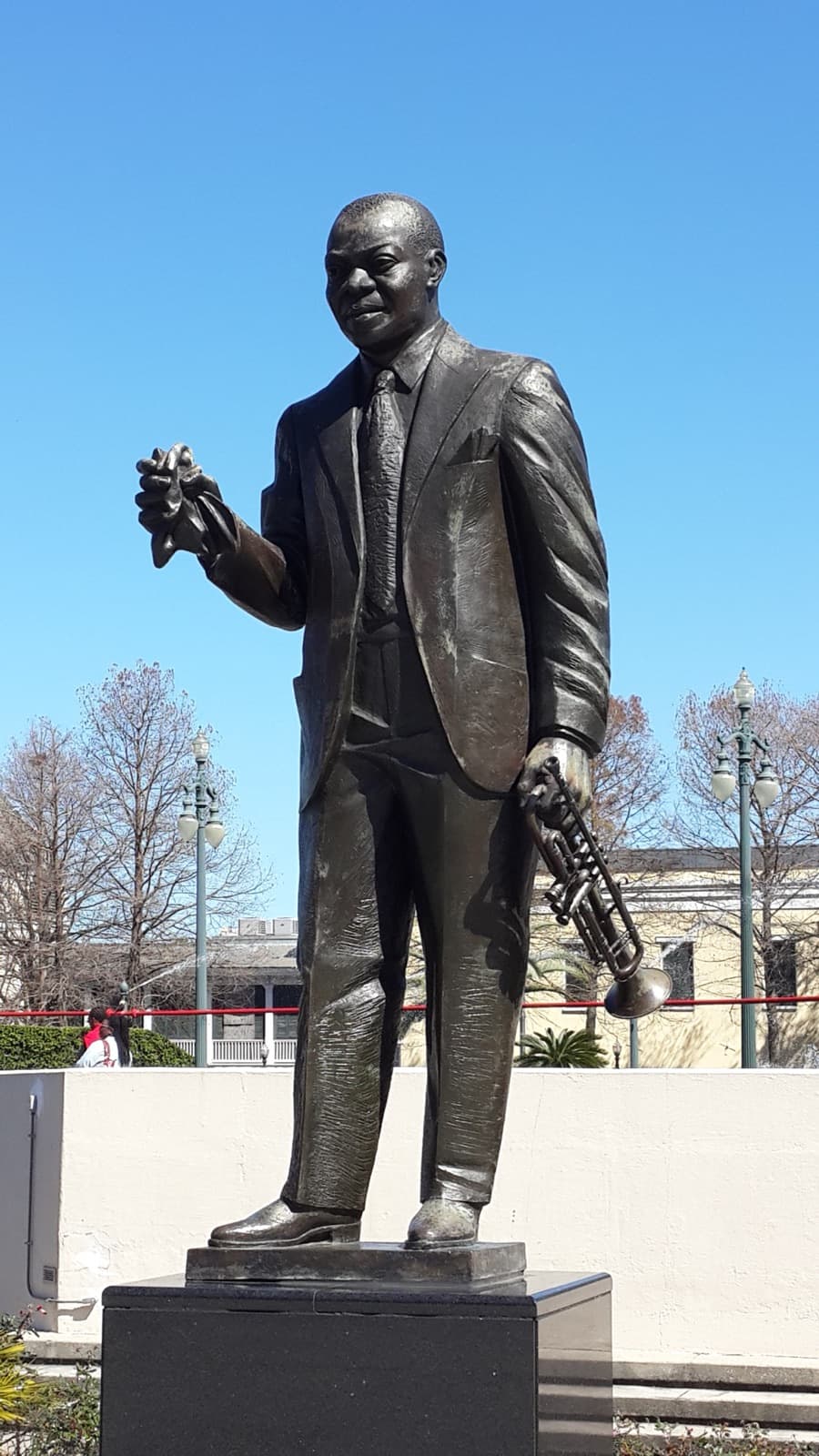
Elizabeth Catlett’s Armstrong, horn in one hand, handkerchief in the other.
In the public park.
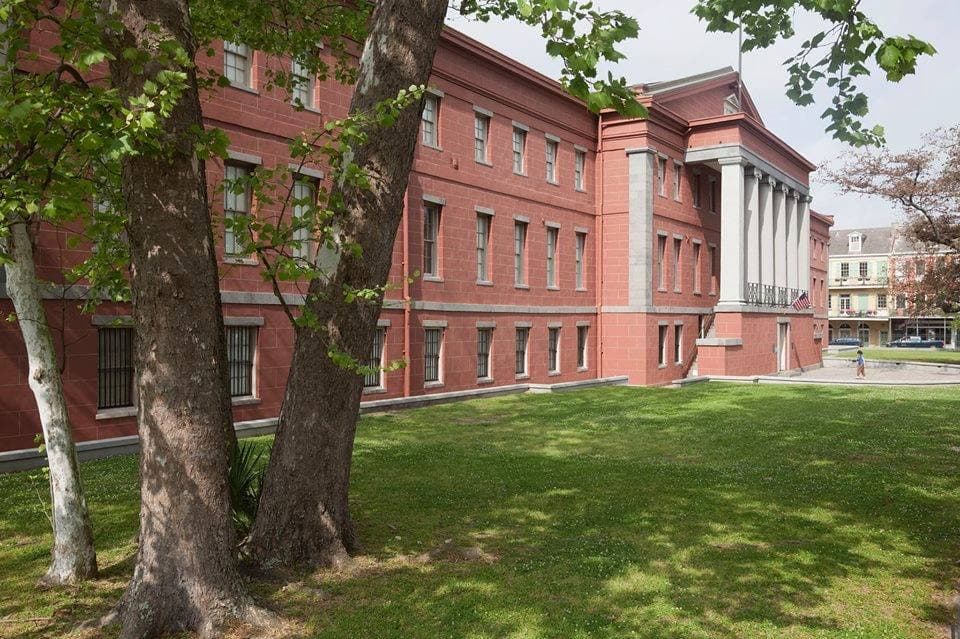
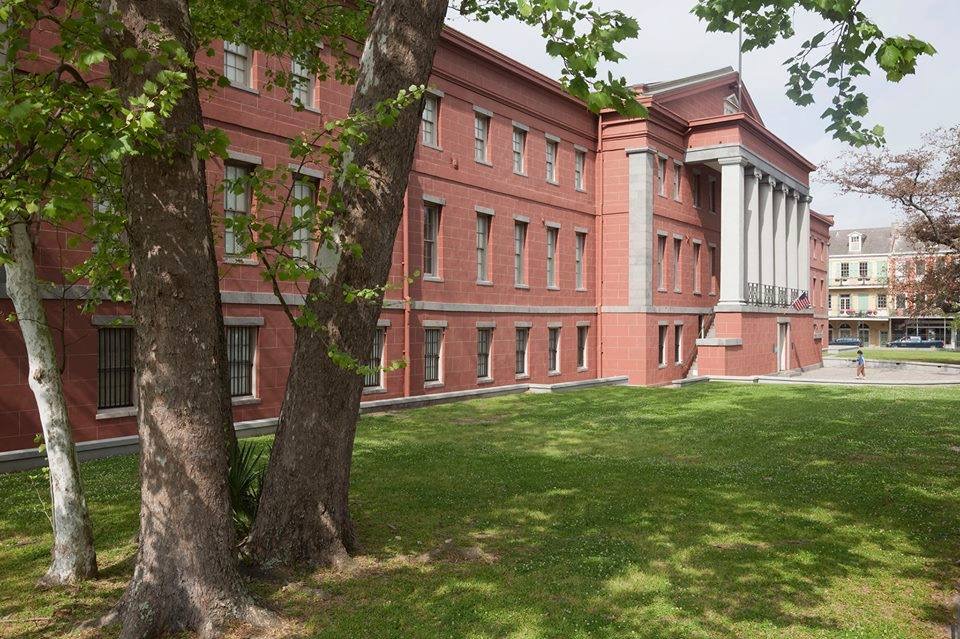
Old U.S. Mint, 400 Esplanade Avenue, New Orleans
The museum holds what it calls his first cornet.
A museum: check opening hours and admission before you go.
Stay
Guest houses in the Tremé, named for him and his teachers.
Tremé, New Orleans
Guest houses on St Philip Street in the Tremé, a short walk from Armstrong Park. Its rooms include The Armstrong Collection, with others named for King Oliver and Buddy Bolden.
View roomsGo inside
The house, the new Center across the street, the Mint and the park rangers.
Corona, Queens · Thu–Sat, hourly 11am–3pm · adults $20
A 45-minute guided tour of the house in Corona and its exhibits; at most ten people a tour.
Book the tour34-56 107th Street, Corona · Exhibitions $10
Across the street since 2023: the permanent exhibition “Here to Stay”, with rare photographs, recordings and his own things. The archive can be seen free by appointment.
Plan a visitFrench Quarter, New Orleans · Tue–Sun 9am–4pm · adults $15
In the Old U.S. Mint on Esplanade Avenue, with exhibits on the lives of players including Louis Armstrong.
Plan a visitNew Orleans · Visitor centre Tue–Sat
Live performances, exhibits and ranger programmes; the visitor centre is at 419 Decatur Street.
See the calendarNew Orleans
Live marketplace results for jazz walking tours of the Tremé and the French Quarter. Check that an itinerary includes Armstrong’s places.
Live marketplace results · itineraries change
Compare toursWhat’s on
Concerts at his house, and the New Orleans festivals that play his music, one in his name.
Checking current event dates…
Take it home
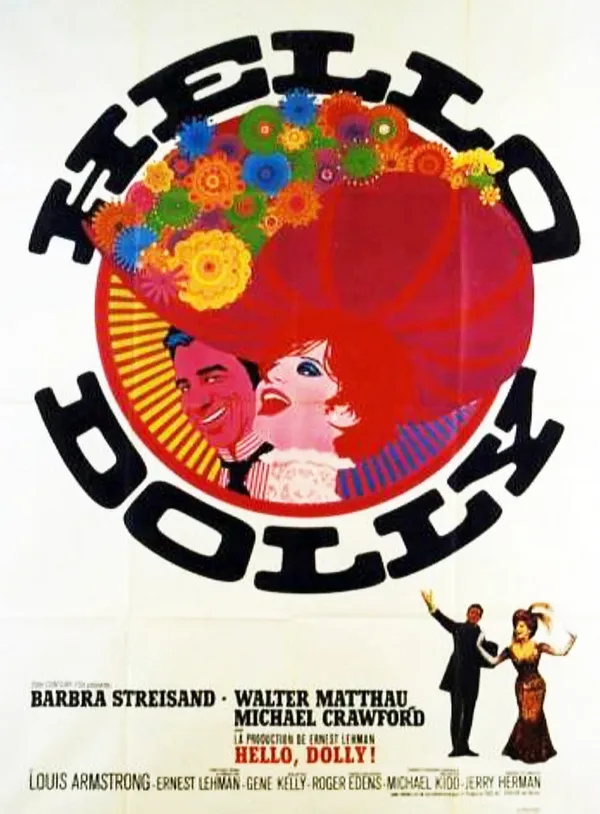
The records, his own book, the biographies, and a Hello, Dolly! poster from our store.
The French grande for the film in which Armstrong sings the title song on screen. Art by Richard Amsel.
Check availability on the store
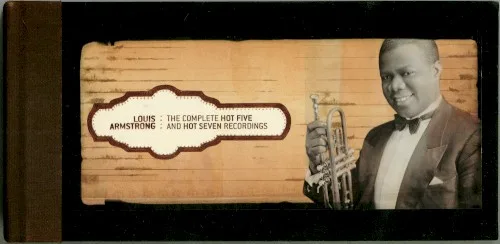
View posterLouis Armstrong · 4×CD, Columbia/Legacy, 2000
The Chicago records, complete.
Live marketplace search · listings and condition change
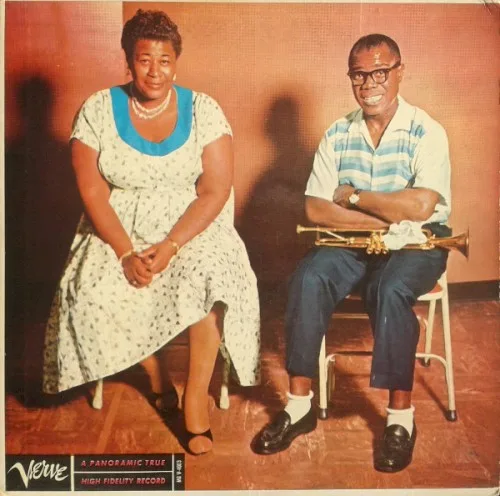
Find a copyElla Fitzgerald and Louis Armstrong · LP, Verve, 1956
Two voices and the Oscar Peterson rhythm section.
Live marketplace search · listings and condition change
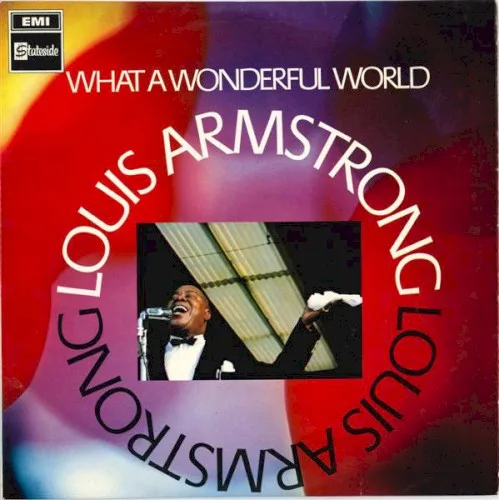
Find a copyLouis Armstrong · LP, Stateside, 1968
The late song the world remembers.
Live marketplace search · listings and condition change
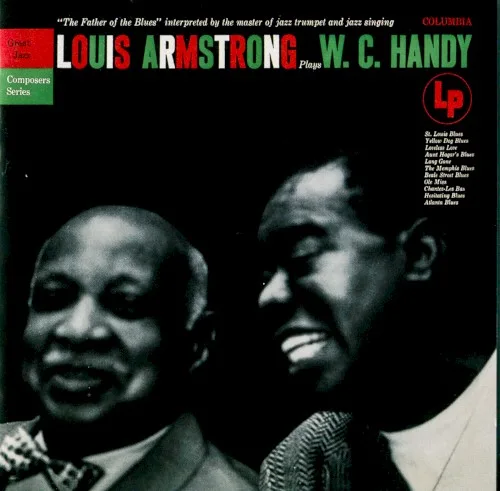
Find a copyLouis Armstrong and His All-Stars · CD, Columbia, 1997
The 1954 blues session, reissued.
Live marketplace search · listings and condition change
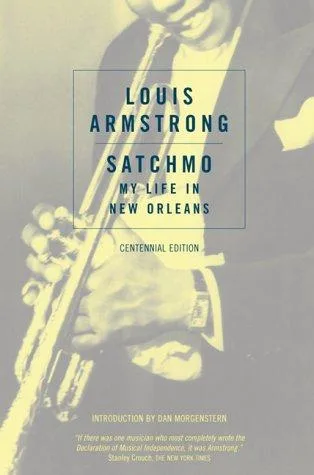
Find a copyLouis Armstrong
His own account of the New Orleans years.
Find the bookTerry Teachout
The full biography.
Find the bookRicky Riccardi
The later years, from Hello, Dolly! to What a Wonderful World.
Find the bookDates, prices, rooms and stock change: confirm with the provider before you travel or buy. A stay or tour is described as a filming location only where the card says so.
Every place and moment behind this page, with its sources, including the ones no map can pin.
38 of 38 places · 32 of 32 Moments
Gennett Walk of Fame, Whitewater Gorge Park, Richmond, Indiana
The museum dates Armstrong’s first recordings with King Oliver’s Creole Jazz Band at Gennett Studios in Richmond, Indiana, to 5 April 1923.
5 April 1923
Mississippi River, New Orleans–St. Louis
The museum places Armstrong’s summer work with Fate Marable on Mississippi riverboats between New Orleans and St. Louis in 1919–1921.
1919–1921 summers
Armstrong home, Corona, Queens
Fred Robbins interviewed Armstrong at his Corona home about Hello, Dolly!, the Beatles and Jack Teagarden’s death; the museum dates the resulting broadcast to 19 April 1964.
Broadcast 19 April 1964
Lucille made the down payment on their Corona home on 3 March 1943 using her own account.
3 March 1943
Armstrong began recording personal conversations on reel-to-reel tape inDecember 1950.
December 1950
Bellevue, Manchester
The museum itinerary records two Manchester Bellevue shows on 14 May 1956.
14 May 1956
City Hall, Newcastle
The museum itinerary records two Newcastle City Hall shows on 16 May 1956.
16 May 1956
Embassy Sportsdrome, Birmingham
The museum itinerary records two Birmingham Embassy Sportsdrome shows on 17 May 1956.
17 May 1956
Granby Halls, Leicester
The museum itinerary records two Leicester Granby Halls shows on 18 May 1956.
18 May 1956
National Sports Arena, Dublin
The museum itinerary records two Dublin National Sports Arena shows on 19 May 1956.
19 May 1956
The Stadium, Liverpool
The museum itinerary records two Liverpool Stadium shows on 20 May 1956.
20 May 1956
Site of the Colored Waif’s Home, 431 City Park Avenue
At the Colored Waif’s Home, Peter Davis taught Armstrong cornet; he was released in 1914.
1912–1914
Karnofsky family places, New Orleans
The Karnofsky family lent Armstrong money for his first cornet.
Childhood
Chicago
Armstrong joined King Oliver in Chicago in 1922; they recorded together in 1923.
1922–1923
Accra
Armstrong and the All Stars arrived in Accra on 23 May 1956.
23 May 1956
Opera Cinema, Accra
A preserved VIP pass identifies the Opera performance on 24 May 1956.
24 May 1956
Mensah’s Paramount Night Club, Accra
After the outdoor concert, Armstrong’s musicians shared a stage with a local band at Mensah’s Paramount Night Club.
May 1956
Empress Hall, London
The museum’s1956 itinerary records London Empress Hall engagements on 4–13 May.
4–13 May 1956
Kelvin Hall, Glasgow
The museum’s1956 itinerary records two Glasgow Kelvin Hall shows on 15 May.
15 May 1956
Sheffield — planned engagement
The planned21 May 1956 Sheffield concert was cancelled.
21 May 1956
Grand Forks, North Dakota
Armstrong’s 17 September 1957 Grand Forks interview condemned racial injustice in Little Rock, criticised Eisenhower and Faubus over integration, and rejected a planned government-sponsored Soviet trip. The Herald printed it the next day; museum-preserved coverage records a music boycott, hostile letters and his refusal to retract his position.
17 September 1957
Okeh recording session, Chicago
The Hot Five’s first recording session took place in Chicago on 12 November 1925.
12 November 1925
The first number recorded at that session was Lil Hardin Armstrong’s My Heart.
12 November 1925
Johnny St. Cyr recalled sitting on boxes near the recording horn; Fearn fetched a pillow to quiet Johnny Dodds’s foot-tapping.
First Hot Five session
Dreamland Cafe, Chicago
Lil Hardin opened at Chicago’s Dreamland Cafe on 24 October 1925 with her Dreamland Syncopators.
24 October 1925
Léopoldville, now Kinshasa
Armstrong arrived in Léopoldville on 28 October 1960 to perform with the All Stars.
28 October 1960
Léopoldville concert site
The exhibited State Department memo reports 10,000 attendees at Armstrong’s Léopoldville concert.
1960 visit
Great Sphinx, Giza
Louis and Lucille visited the Great Sphinx with Kamal el-Mallakh on 28 January 1961.
28 January 1961
American Embassy reception, Cairo
The Armstrongs were invited to an American Embassy reception in Cairo on 28 January 1961.
28 January 1961
Sydney Stadium
Armstrong performed at Sydney Stadium over two nights inOctober 1954.
October 1954
ATN-7 studios, Epping
Riggio Presents Satchmo was recorded at ATN-7’s Epping studios inNovember 1964 and televised in 1965.
November 1964
Mal Badenoch’s home, Adelaide
During the1956 visit Armstrong jammed and dined at Mal Badenoch’s home inAdelaide.
1956
427 South Rampart Street, New Orleans
Memling Palace Hotel, Léopoldville
Old Polo Ground, Accra
Hotel Olga, Harlem
Jane/James Alley birthplace, New Orleans
Rampart Street at St Ann, Tremé, New Orleans
Inside Louis Armstrong Park, New Orleans
Old U.S. Mint, 400 Esplanade Avenue, New Orleans
Flushing Cemetery, 163-06 46th Avenue, section 9, Queens
USTA Billie Jean King National Tennis Center, Flushing Meadows, Queens