House of Miles (HOME)
House of Miles East St. Louis
East St Louis, Illinois · Tours by arrangement
Tours and programmes in the house on Kansas Avenue where he lived from 1939 to 1944. Call ahead: (618) 213-8120.
Plan a visit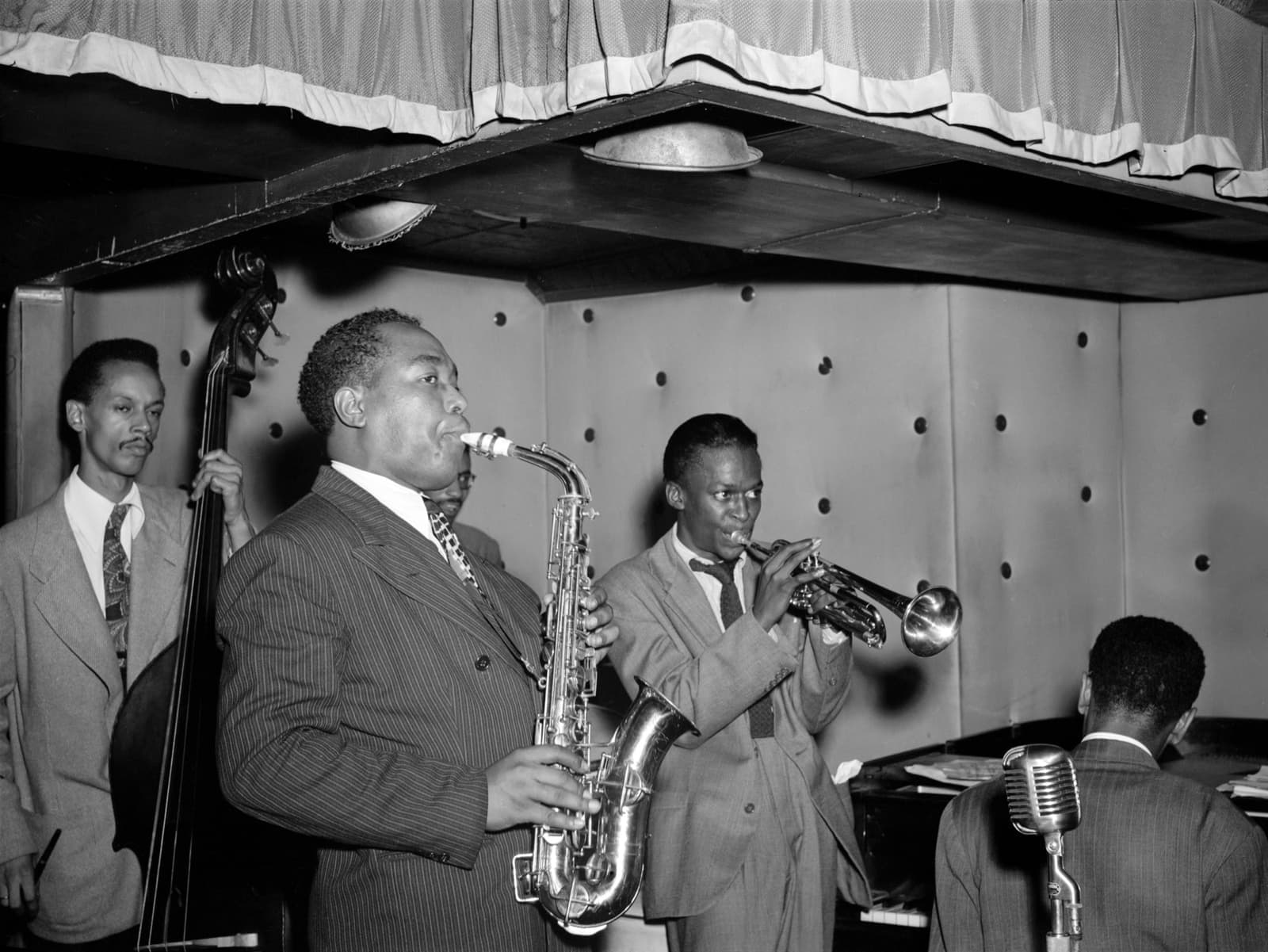
Alton · East St Louis · 52nd Street · 30th Street · Montreux
Valve 1: 1947, 52nd Street.
He took the stem out of the Harmon mute and put the bell to the microphone. Press the valves for the years; mute the bell and every place below turns blue.
1701 Kansas Avenue · East St Louis, Illinois
He grew up in a racially mixed, middle-class neighbourhood in East St Louis.
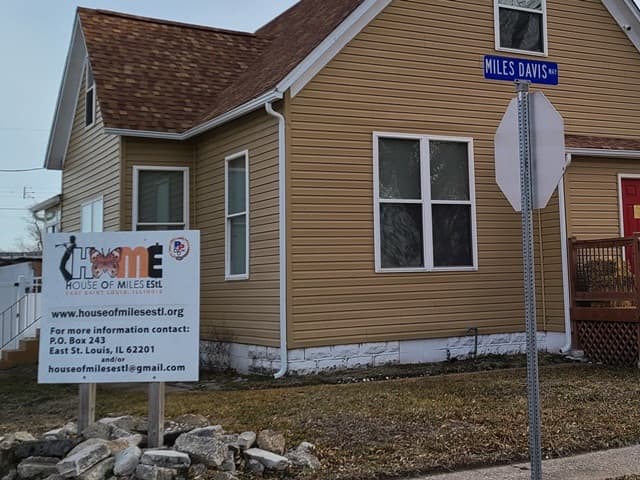
Upstairs, a room where he practised is still intact; the original walls, ceilings and floors survive.
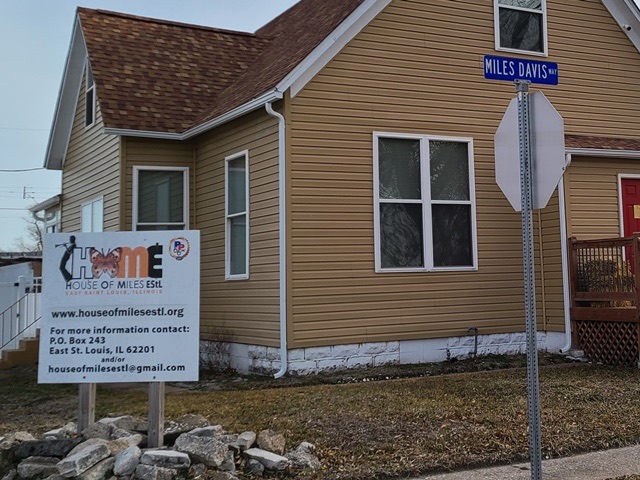
Lauren Parks and Jas Pearson saved it from demolition; the House of Miles opened in June 2018 as a museum, gallery and classroom.
A museum and community centre run by a nonprofit, with tours and programmes; contact HOME before you go.
Alton unveiled a bronze of him, leaning back with his trumpet, on West Third Street in September 2015.
East St Louis, Illinois · Tours by arrangement
Tours and programmes in the house on Kansas Avenue where he lived from 1939 to 1944. Call ahead: (618) 213-8120.
Plan a visitNew York and Paris · 1944–1949
He arrives in New York, enrolled at Juilliard but really looking for Charlie Parker and Dizzy Gillespie. He jams on 52nd Street and uptown in Harlem while still at music school. His father lets him leave Juilliard, on condition that he finds his own sound.
52nd St
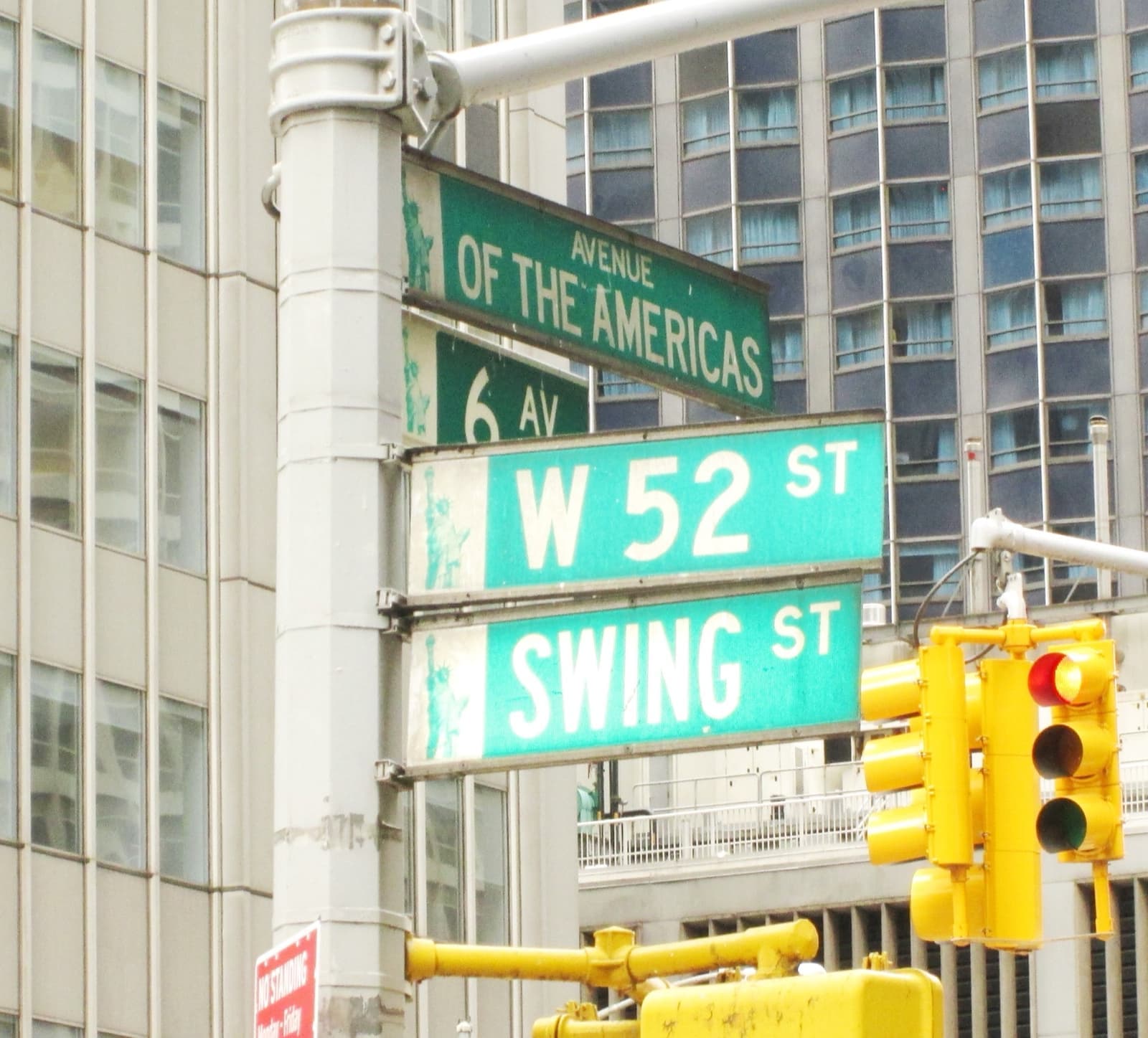
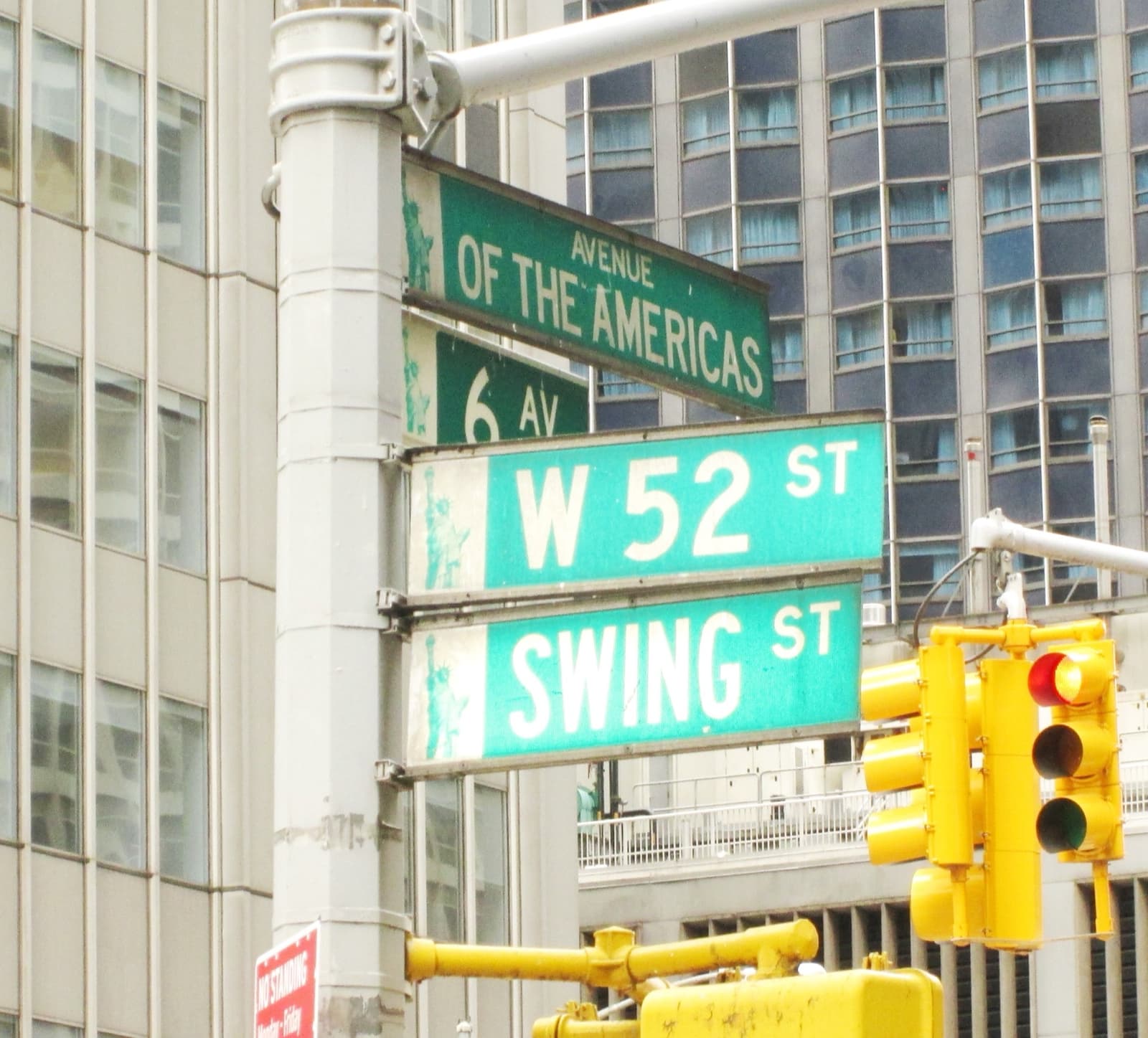
West 52nd Street, Swing Street
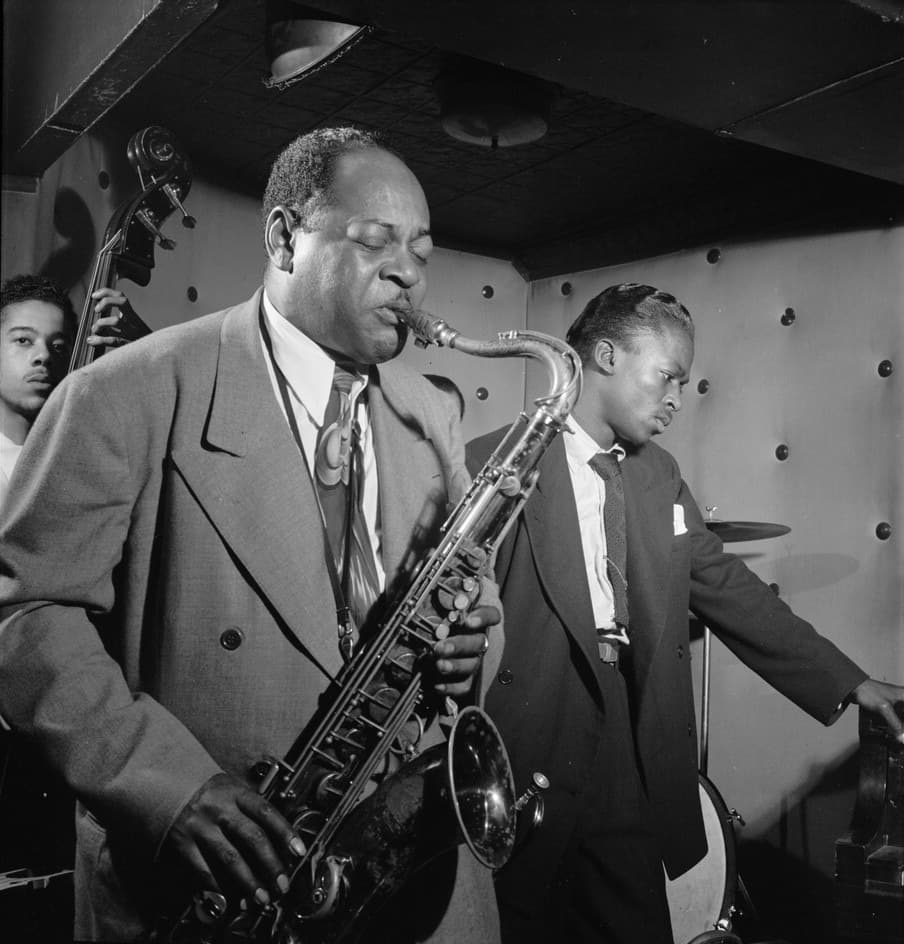
The clubs stood mostly between Fifth and Sixth Avenues. William Gottlieb photographed Charlie Parker’s quintet, with Davis on trumpet, at the Three Deuces in about August 1947.
The brownstones on the north side were pulled down in 1962 for the CBS headquarters. West 52nd Street at Sixth Avenue is now officially designated Swing Street.
A public street, free to walk at any hour. The clubs are gone; the Swing Street sign is at the Sixth Avenue corner.
Harlem
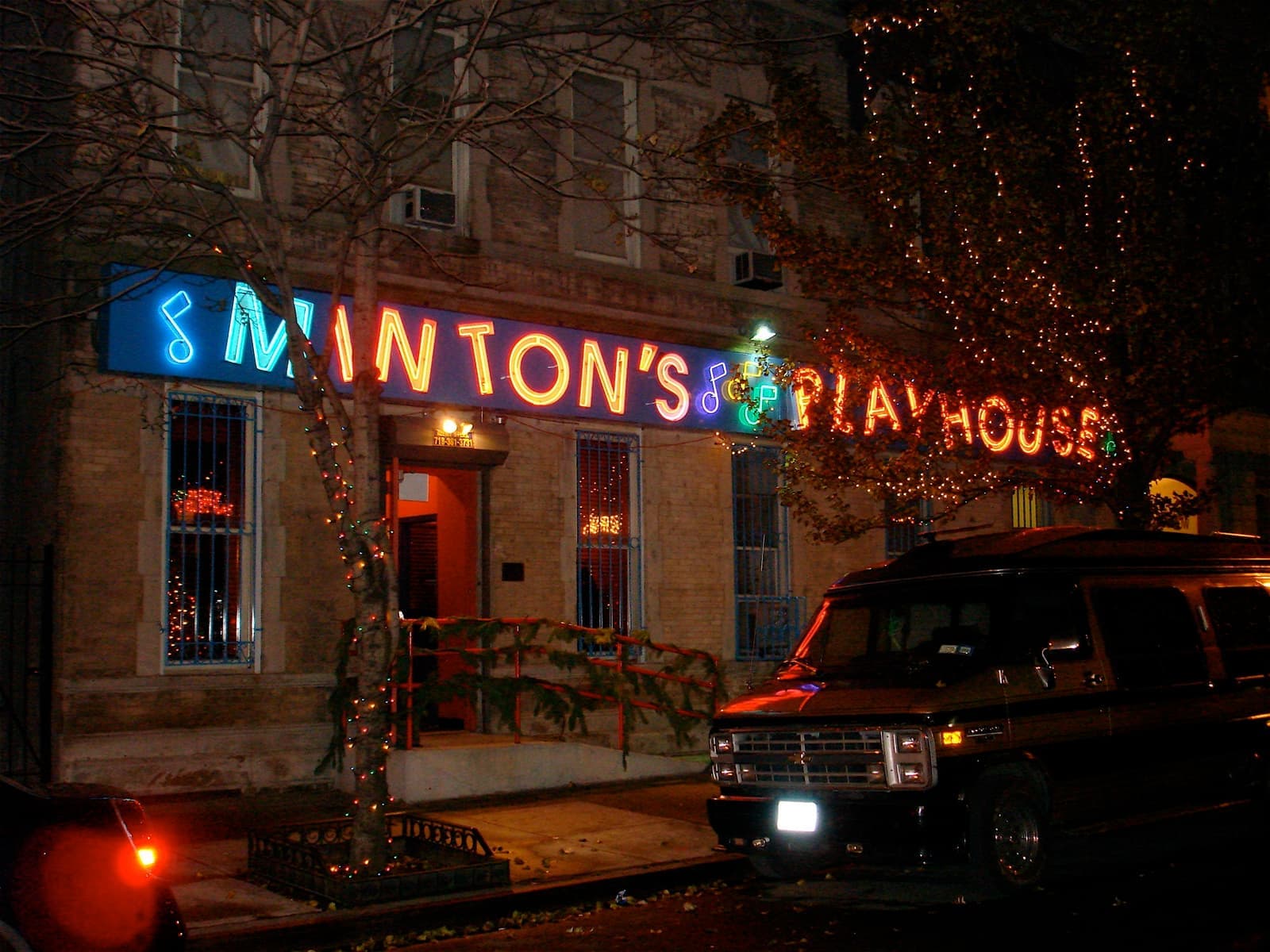
Minton’s Playhouse, Harlem
It was at Minton’s that Charlie Parker introduced him to the house pianist, Thelonious Monk.
Minton’s is known as the birthplace of bebop; Dizzy Gillespie called its Monday-night jams the seedbeds of the new music. Davis remembered the hotel as first class.
A city landmark in the old Hotel Cecil. The club has closed and reopened several times, so check before you go.
Paris
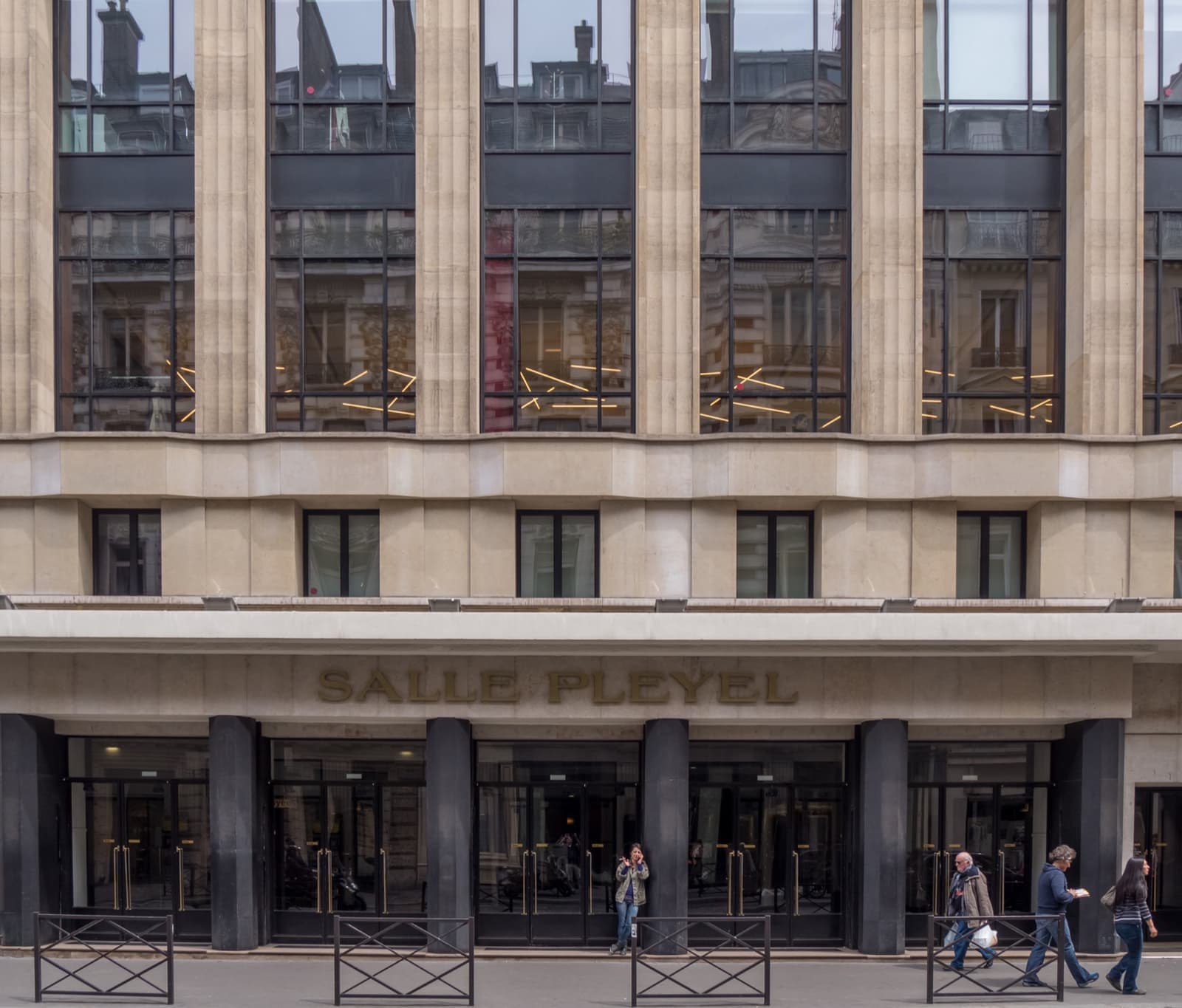
Salle Pleyel, Paris
In May 1949 he flew to Paris for the first Festival International du Jazz, his first time outside the United States. He played the Salle Pleyel between 8 and 15 May with Tadd Dameron, James Moody, Barney Spieler and Kenny Clarke.
In Paris he met Juliette Gréco and fell in love; he turned down staying with her and went home in June.
A working concert hall: see the front from the street, or go in with a ticket. The hall still sells concerts most nights of the season.
New York
Live marketplace results for jazz history tours in New York. Check each itinerary for the stops it really makes.
Live marketplace results · itineraries change
Compare toursNewport, 17 July 1955 · then the Café Bohemia
Open horn. Bright and round: the sound of the clubs on the pages above.
He was nearly left off the 1955 Newport bill, and added to a jam session at the last minute.
At Newport, his ’Round Midnight, played with the bell cupping the microphone, is the talk of the festival; Columbia follows.
George Avakian would sign him to Columbia once he was free of heroin, kept a steady band and finished his Prestige contract.
He dispensed with the Harmon mute’s stem and hugged his trumpet to the microphone; the mute let him blow hard and still sound soft.
Café Bohemia, Barrow Street
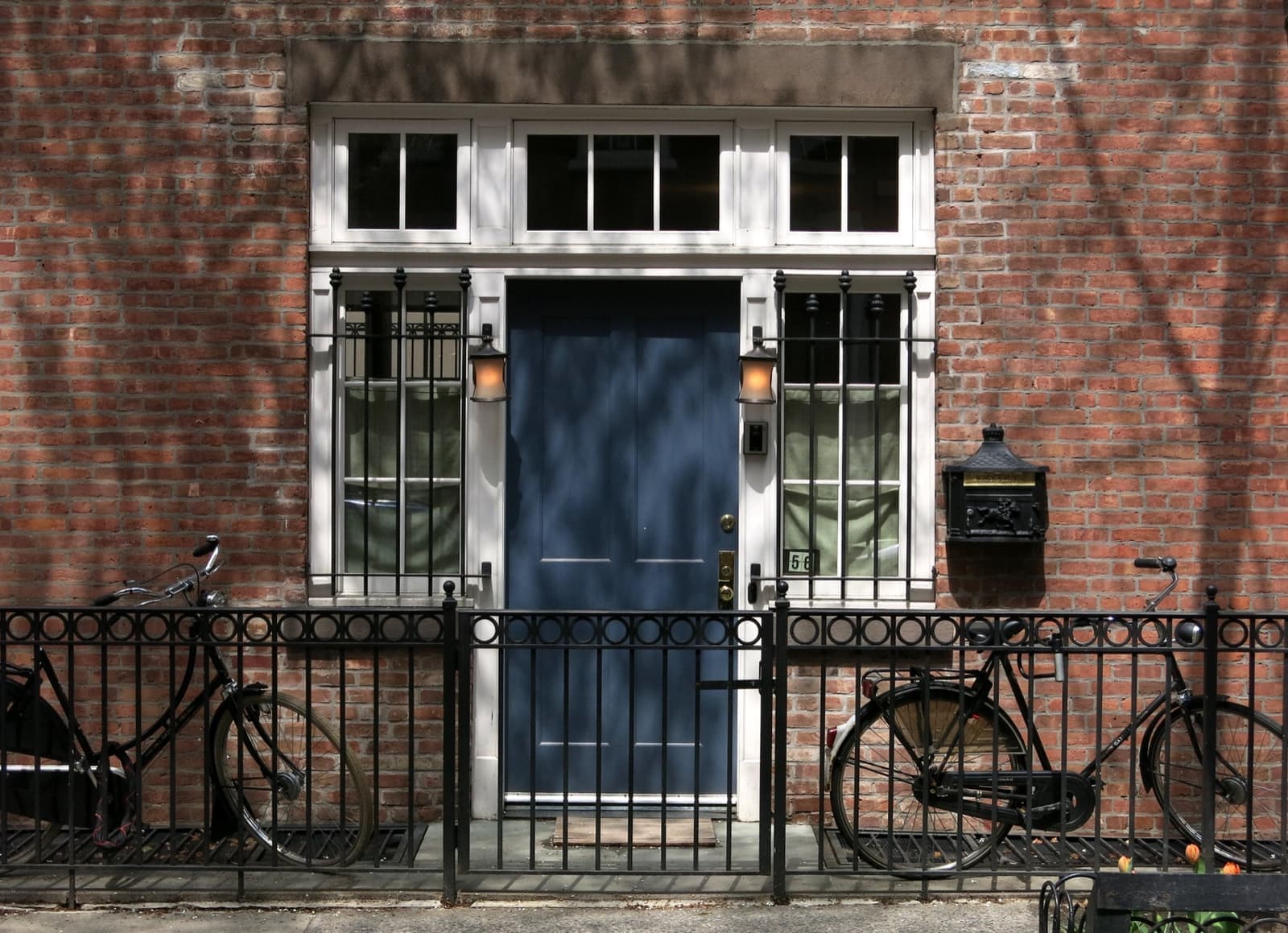
The Café Bohemia ran at 15 Barrow Street from 1955 to 1960, a 100-seat club for progressive jazz. Its owner’s bar was failing when Charlie Parker, unable to pay for his drinks, offered to play for nothing.
After a run here in April 1957, Davis fired John Coltrane and Philly Joe Jones.
The building is on a residential Village street; the club is long gone. See it from the pavement.
207 East 30th Street · 2 March and 22 April 1959
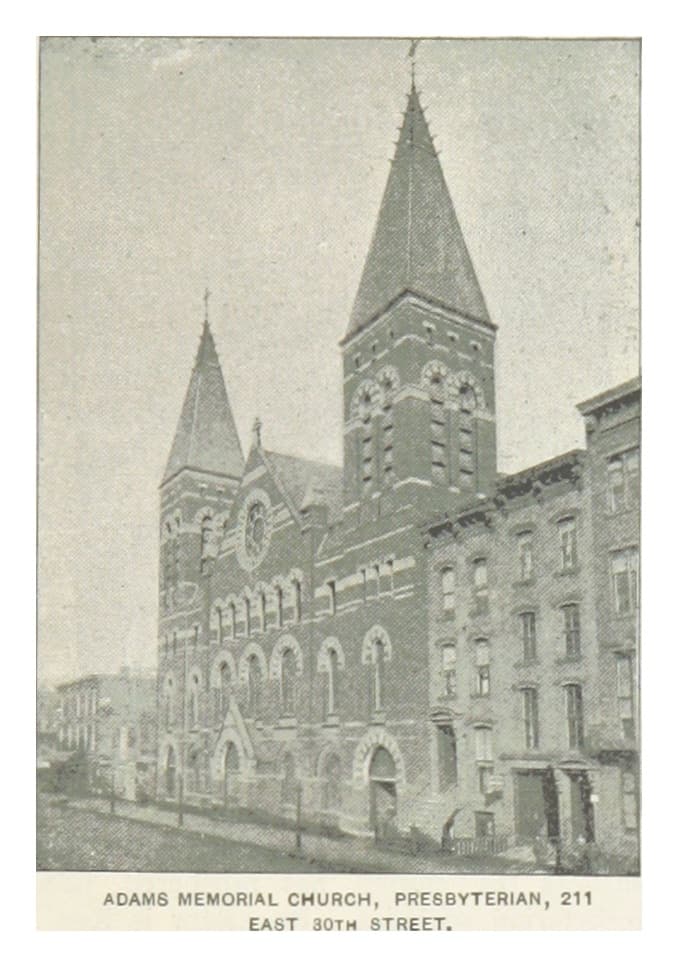
Columbia’s 30th Street Studio (site)
The studio was the old Adams-Parkhurst Memorial Presbyterian Church, turned into a recording room by Columbia in 1949. Many in the business thought it the best-sounding room of its time.
Davis and Gil Evans recorded in the former church.
Demolished: an apartment building stands on the site. There is nothing to see but the street. The last session there was Glenn Gould’s in 1981; the building was sold and demolished, and flats went up in its place.
Hand round the sketches
He brought the band in with no rehearsal and gave them only sketches.
No sketches out yet. Hand one to each player.
So What, on one page
So What is built on two Dorian scales, on D and on E♭, in an AABA form.
Section 1 of 4, A: D Dorian.
Flamenco Sketches runs through five scales; Bill Evans headed the chart with an instruction to play in the sound of these scales. The estate calls Kind of Blue the best-selling jazz record of all time.
The story everyone tells
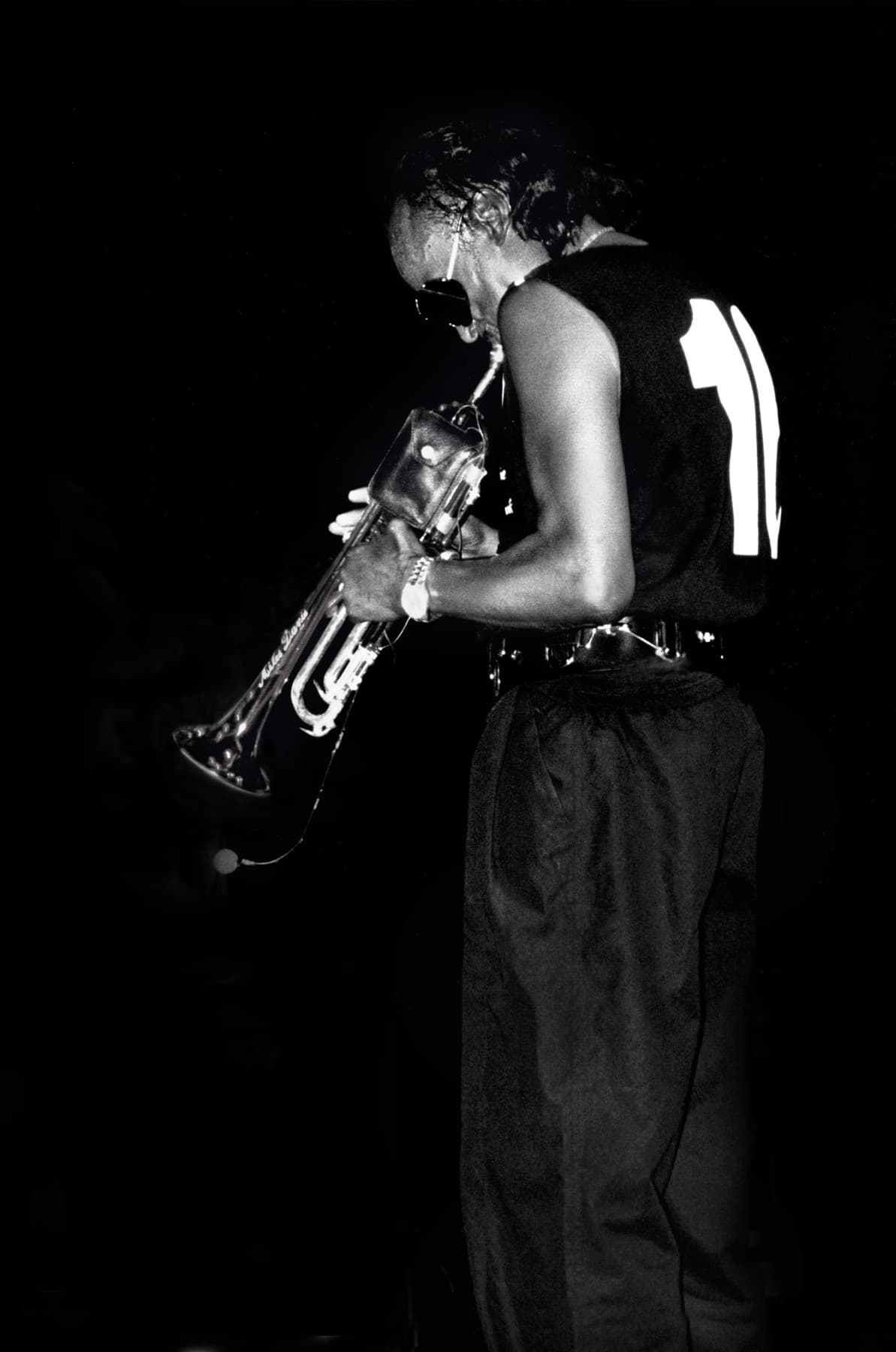
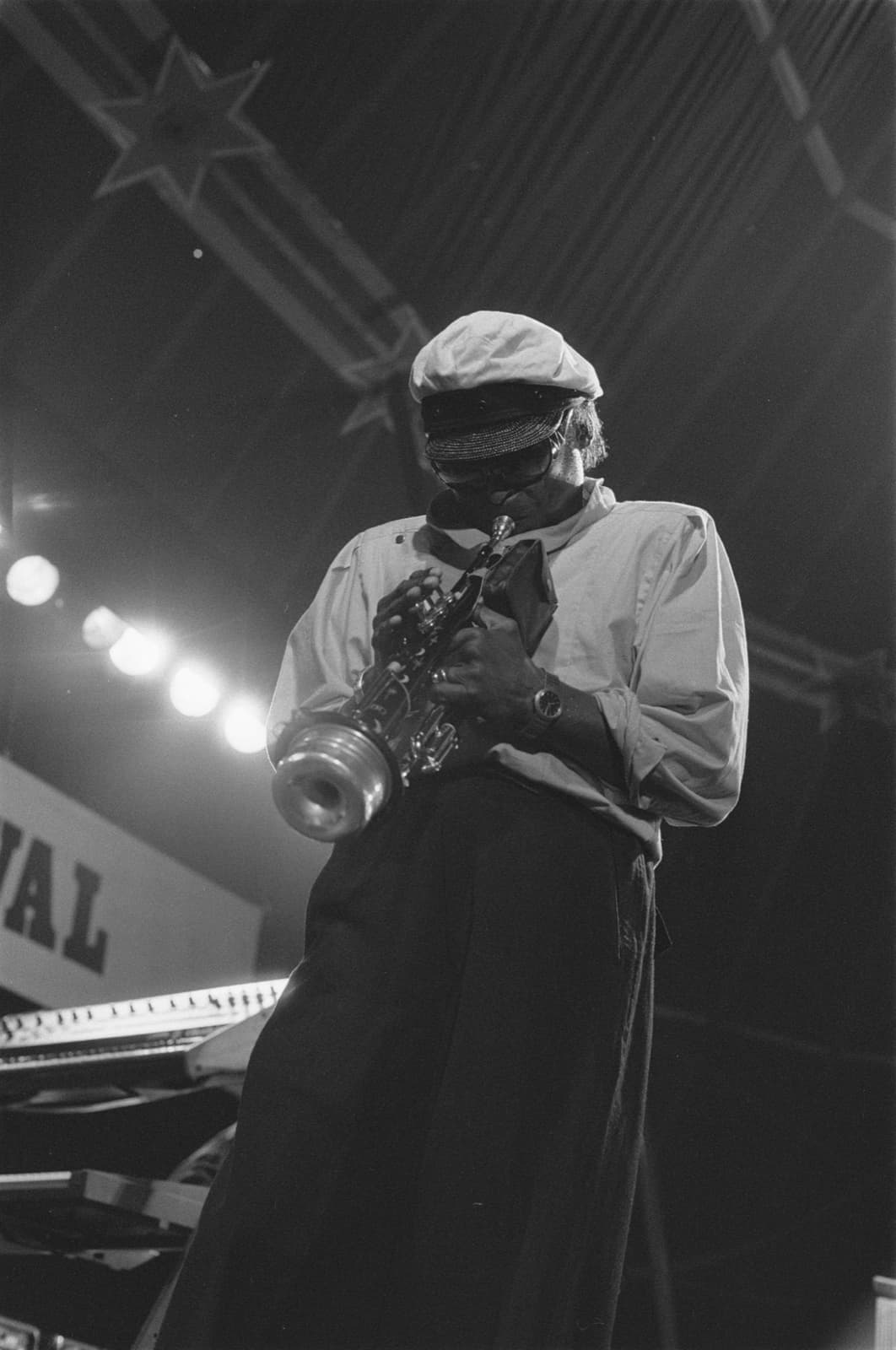
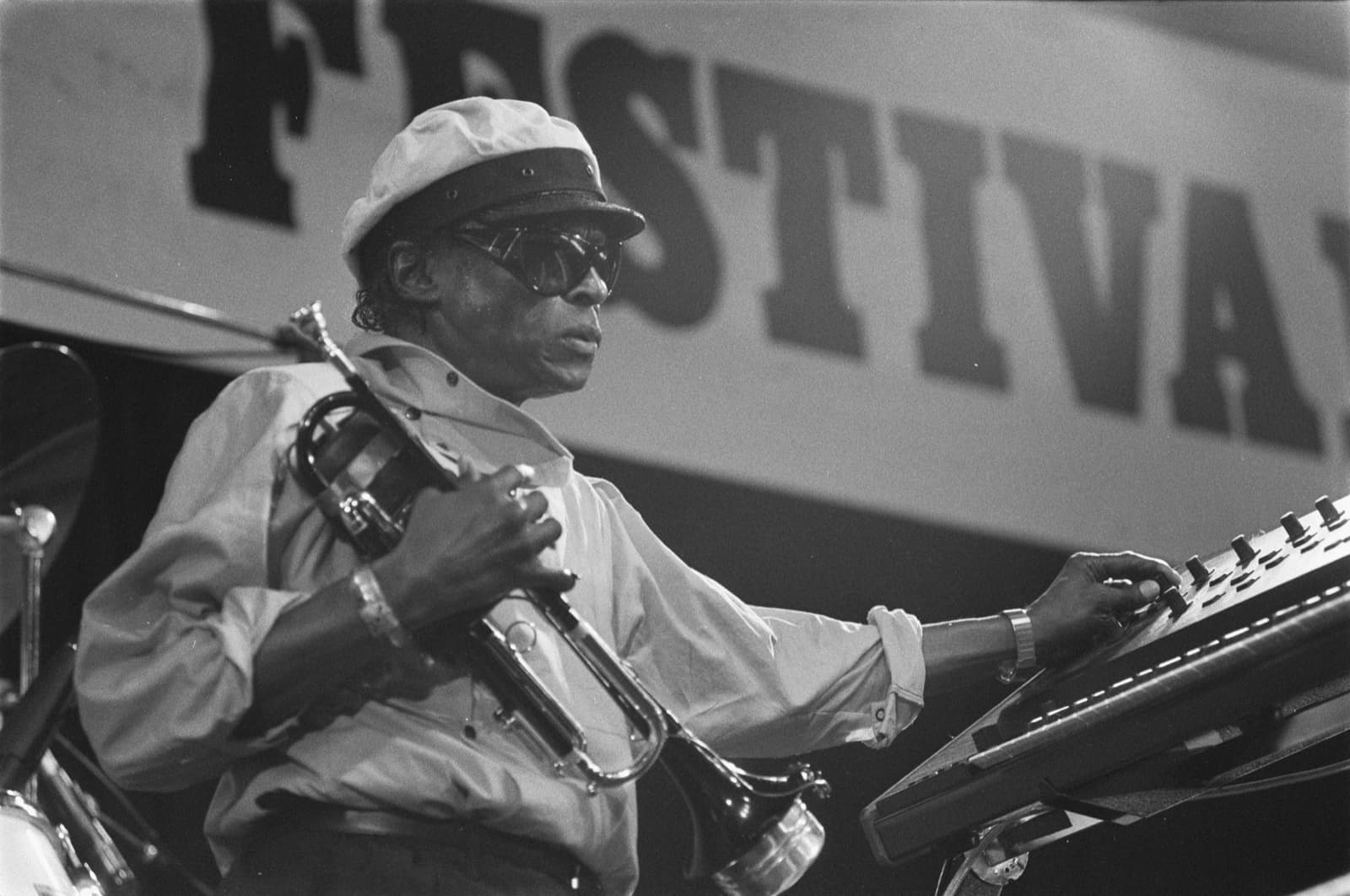
Lewis Porter calls the back-to-the-audience story a myth: hundreds of photographs show Davis facing the crowd.
Who is soloing?
His solo. He faces the audience, as hundreds of photographs show.
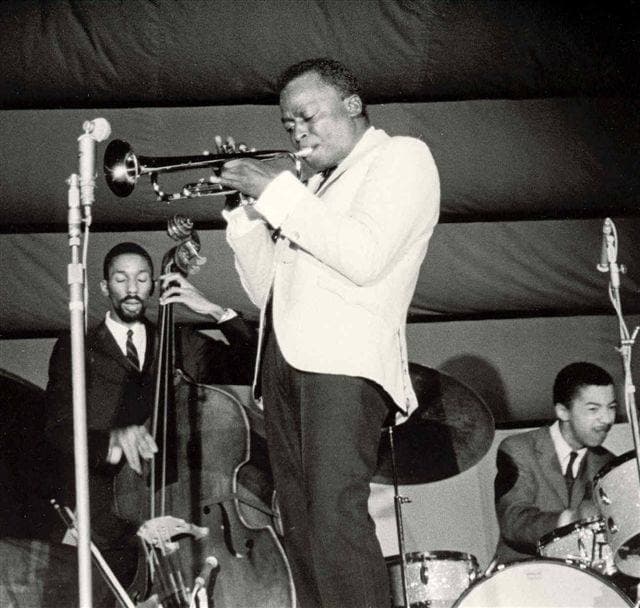
He turned round, or stepped off, only when someone else was soloing, to face the rhythm section. In the electric years a wireless microphone let him roam the stage.
West 77th Street · Upper West Side
In December 1958 he bought a four-storey brownstone on 77th Street between West End Avenue and Riverside Park. The estate gives the house as 312 West 77th Street, and says he owned the whole building.
He lived on the block for nearly 25 years and moved away in the mid-1980s.
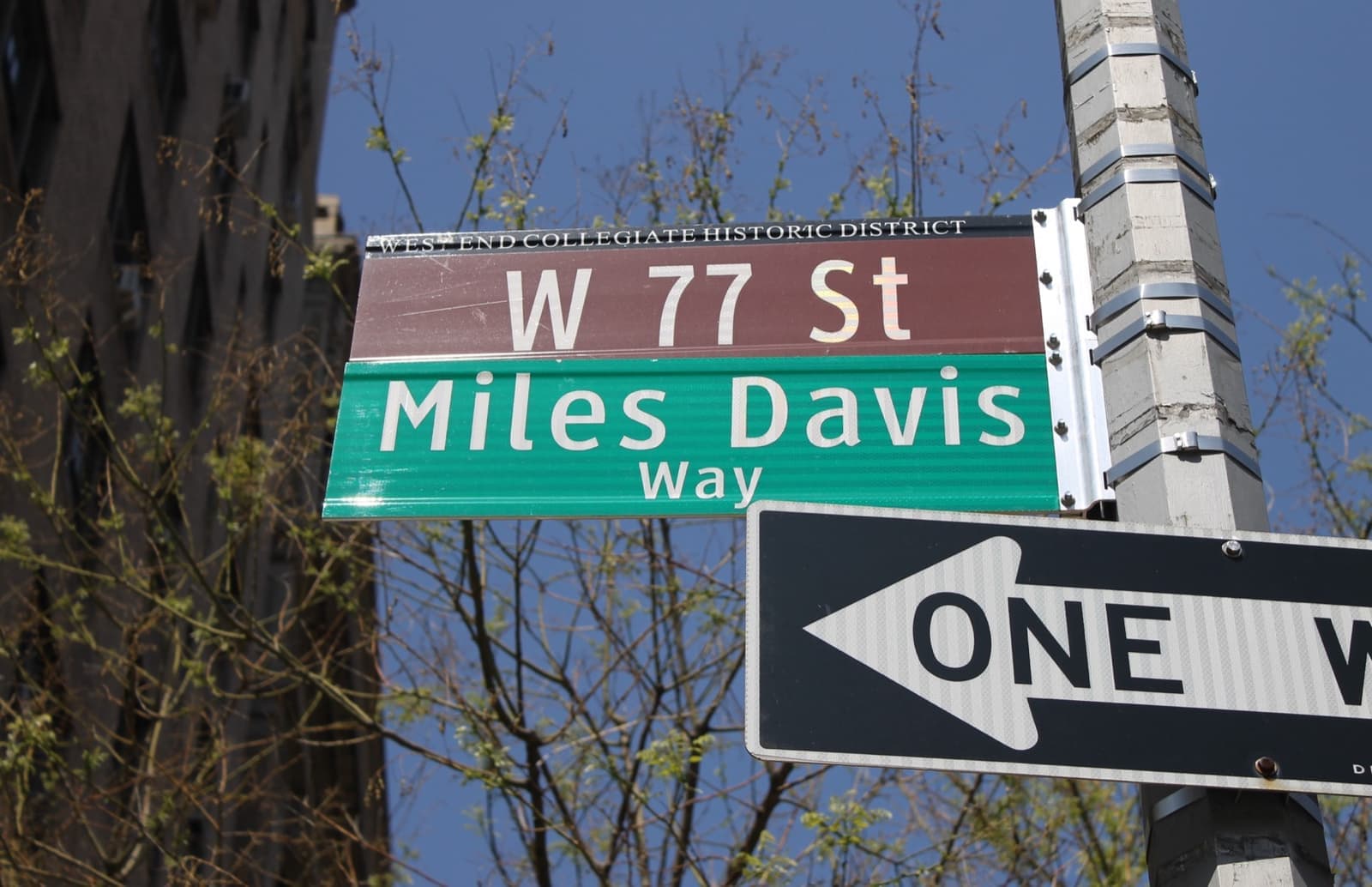
A former neighbour, Shirley Zafirau, pushed from 2009 to rename it; the block became Miles Davis Way in May 2014.
A public street: the sign is at the corner. His old house on the block is a private home; it is named here, not mapped.
8 July to 25 August 1991
From Montreux to La Villette is about 571 km as the crow flies; from Paris to the Hollywood Bowl, about 13,309 km.
8 July
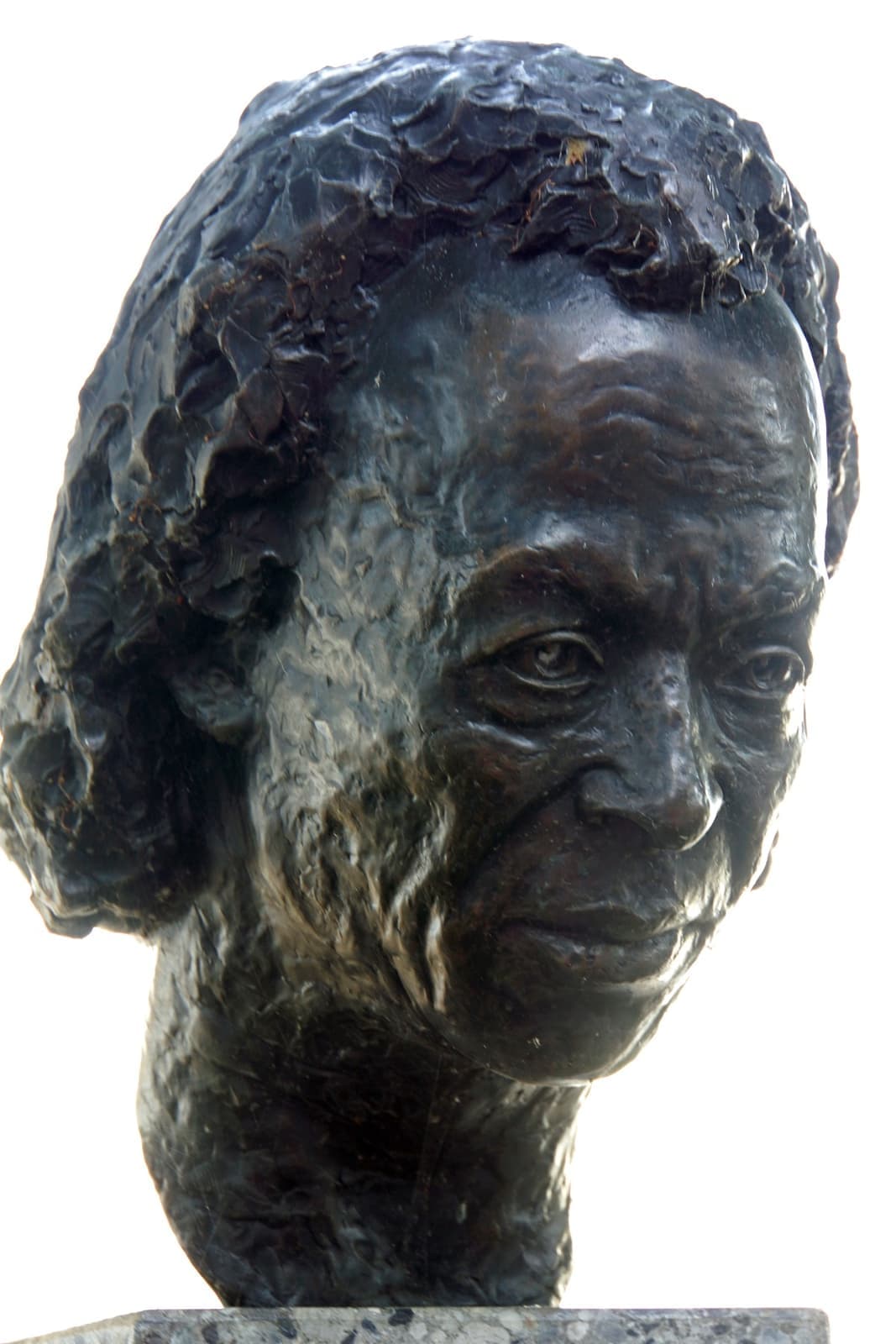
Parc Vernex and the Miles Davis Hall, Montreux
On 8 July 1991 he made the last of his many Montreux appearances.
Quincy Jones and Claude Nobs persuaded him to play a tribute to his friend Gil Evans, though he did not like to look back. At one end of the park, Bernard Bavaud’s busts of Miles Davis and Richard Strauss face each other. The convention centre next door has a Miles Davis Hall beside the Auditorium Stravinski and a Quincy Jones Hall.
An open lakeside park, free. The bust stands at one end; the 2m2c next door holds the festival’s main halls.
10 July
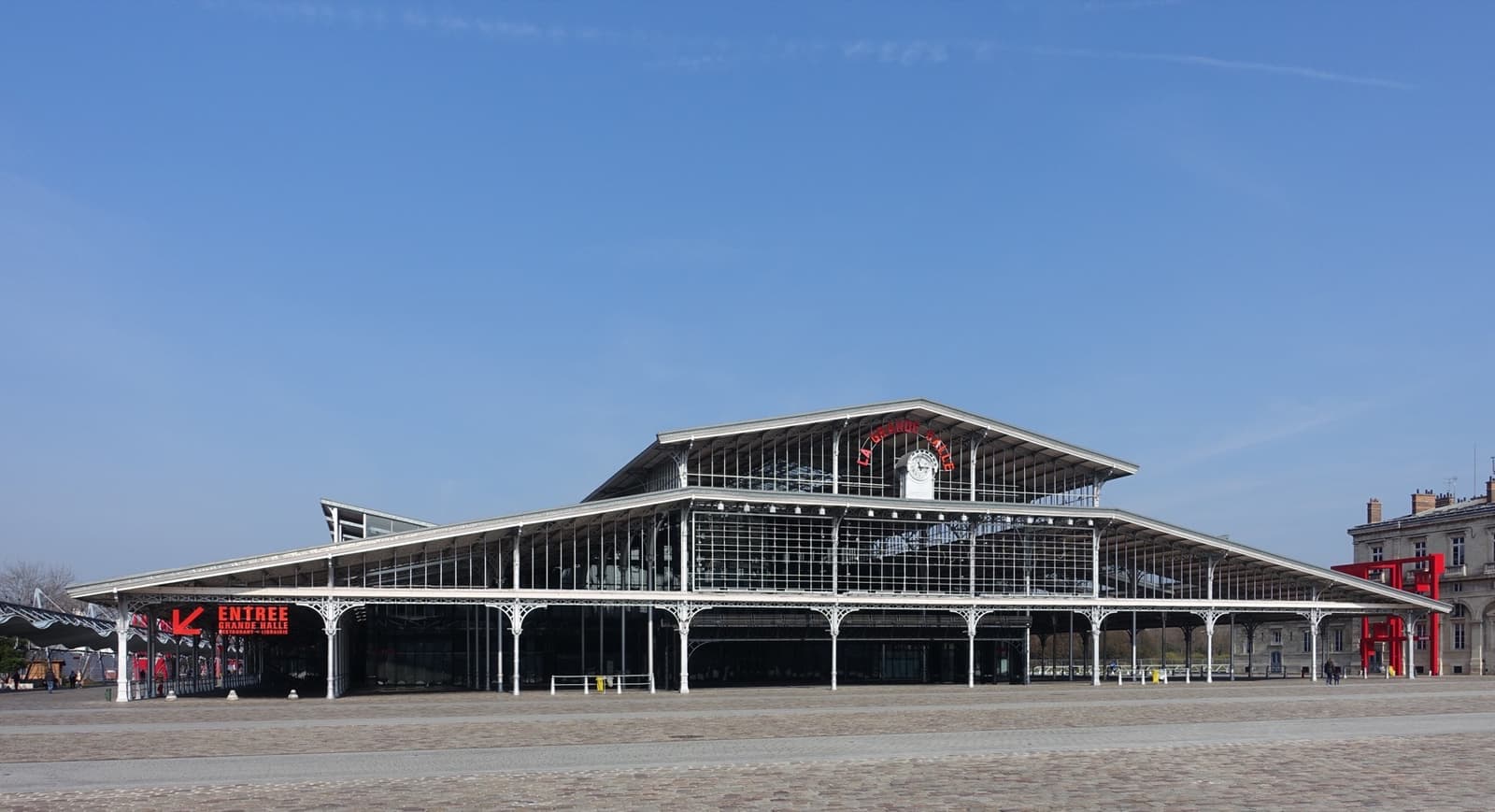
Grande Halle de la Villette, Paris
On 10 July 1991 he played a special tribute concert here.
The hall is a former cattle market of iron and glass, in the style of Victor Baltard. Renovated and listed, it now hosts exhibitions, concerts and festivals.
Open every day as a cultural centre; prices depend on the show.
16 July
France makes him a chevalier of the Légion d’Honneur.
25 August
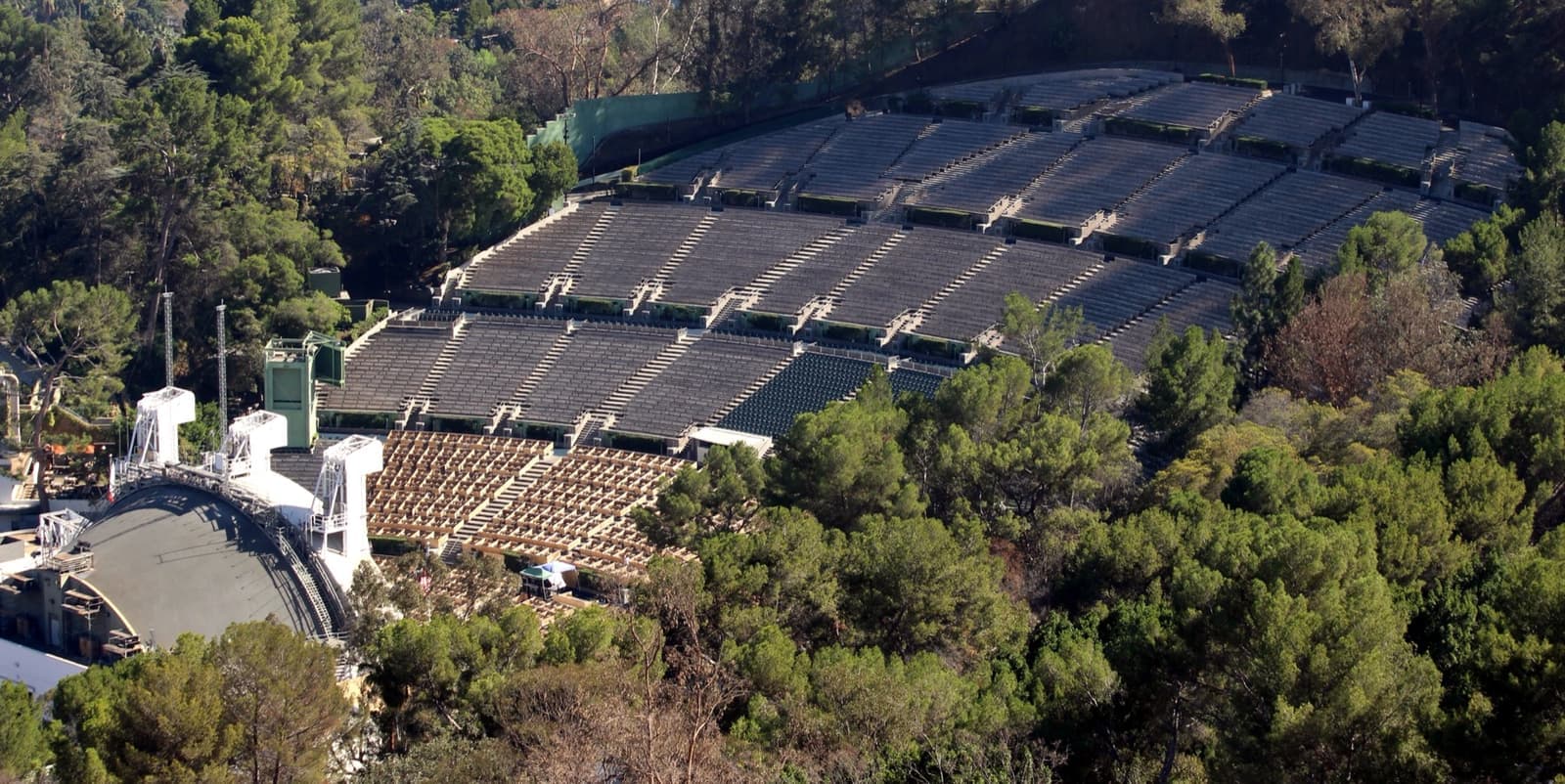
The Hollywood Bowl
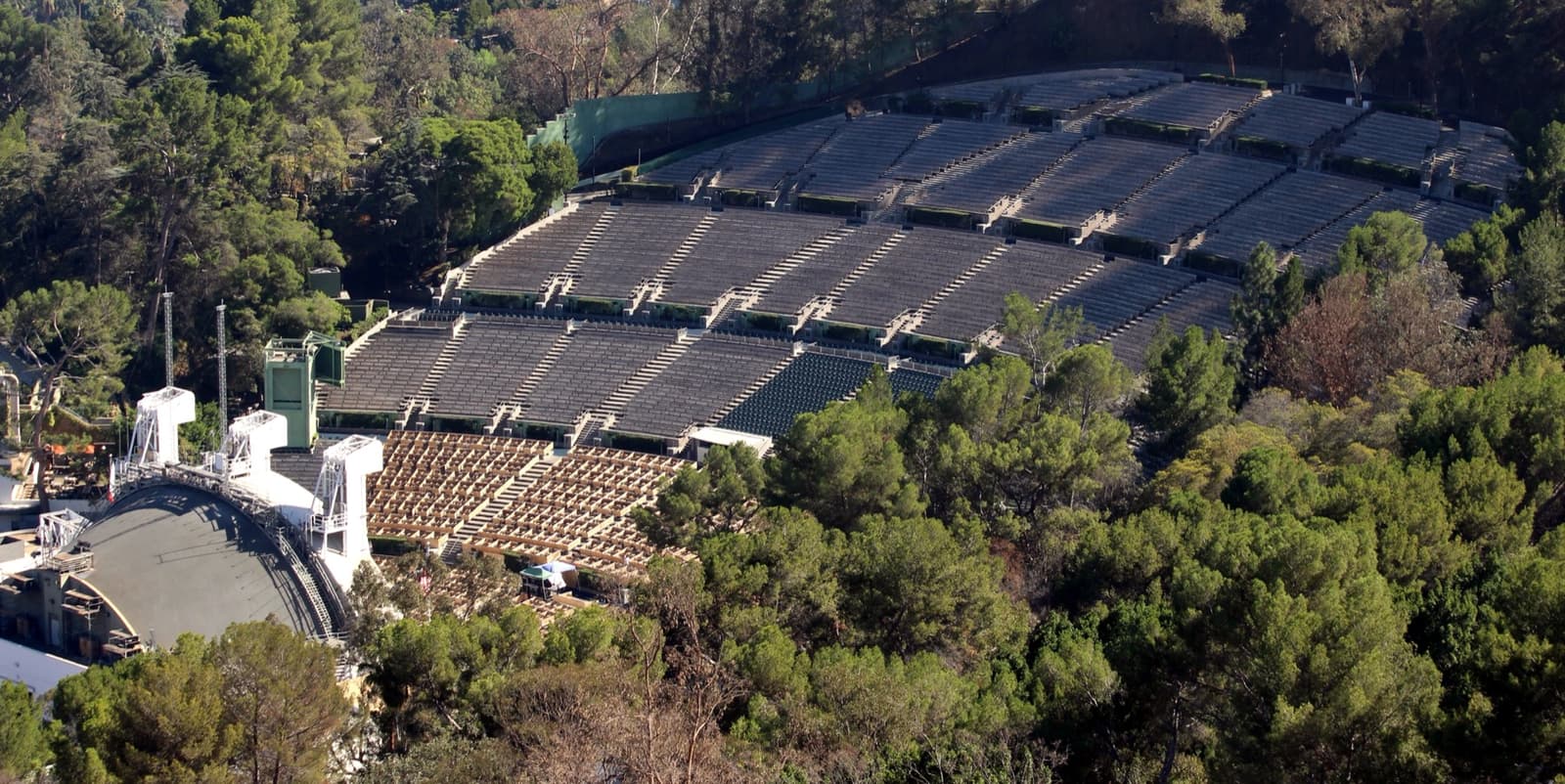
On 25 August 1991 he led his quintet here, in the last concert of his life.
On 1 September he went into St John’s Hospital in Santa Monica; within days a series of strokes left him in a coma.
The Bowl Museum is free: off-season, Tuesday to Friday, 10am–5pm.
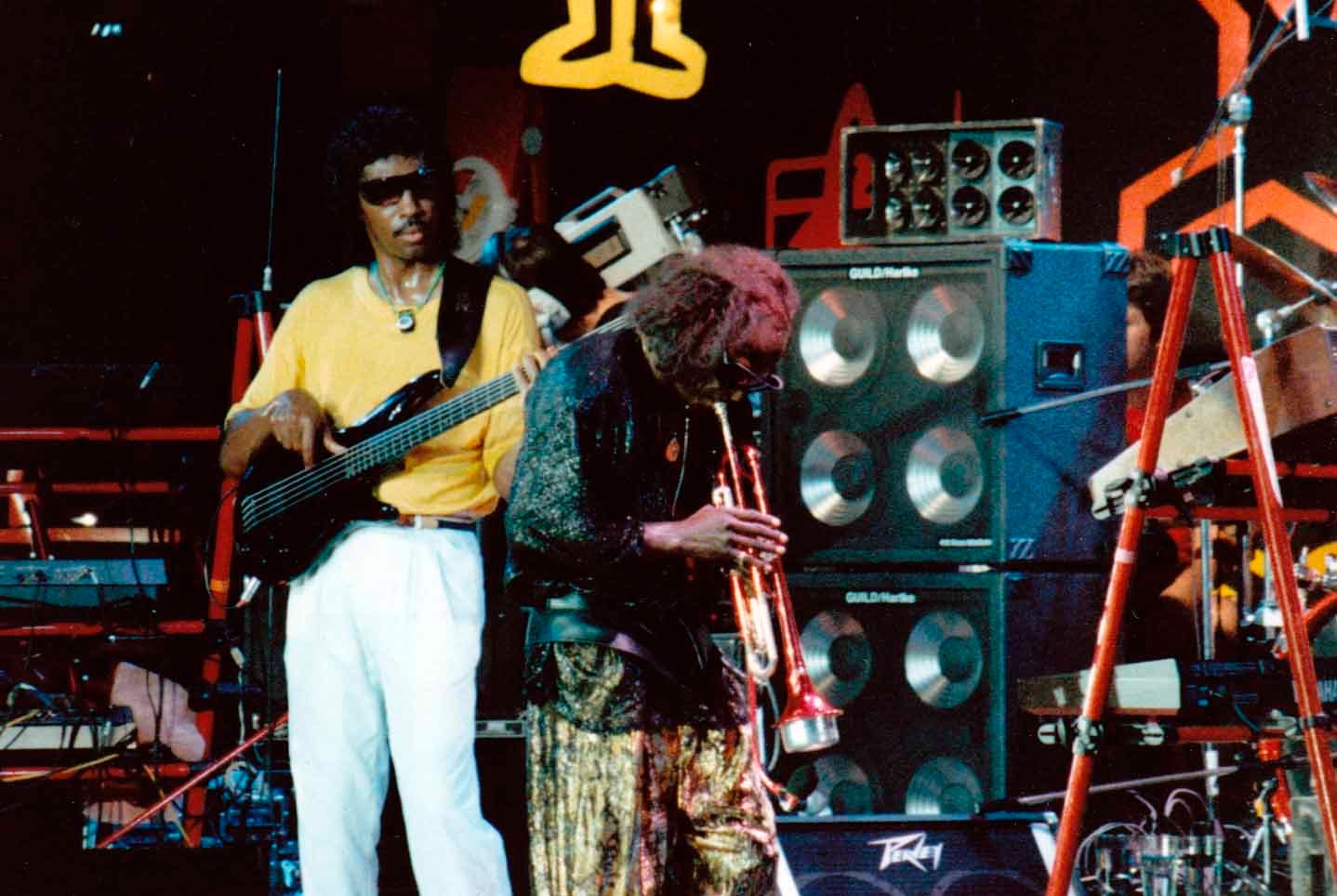
Casino de Montreux · 1986–1990
He played two full sets at the Casino on 17 July 1986. He came back to the Casino in 1988, 1989 and 1990.
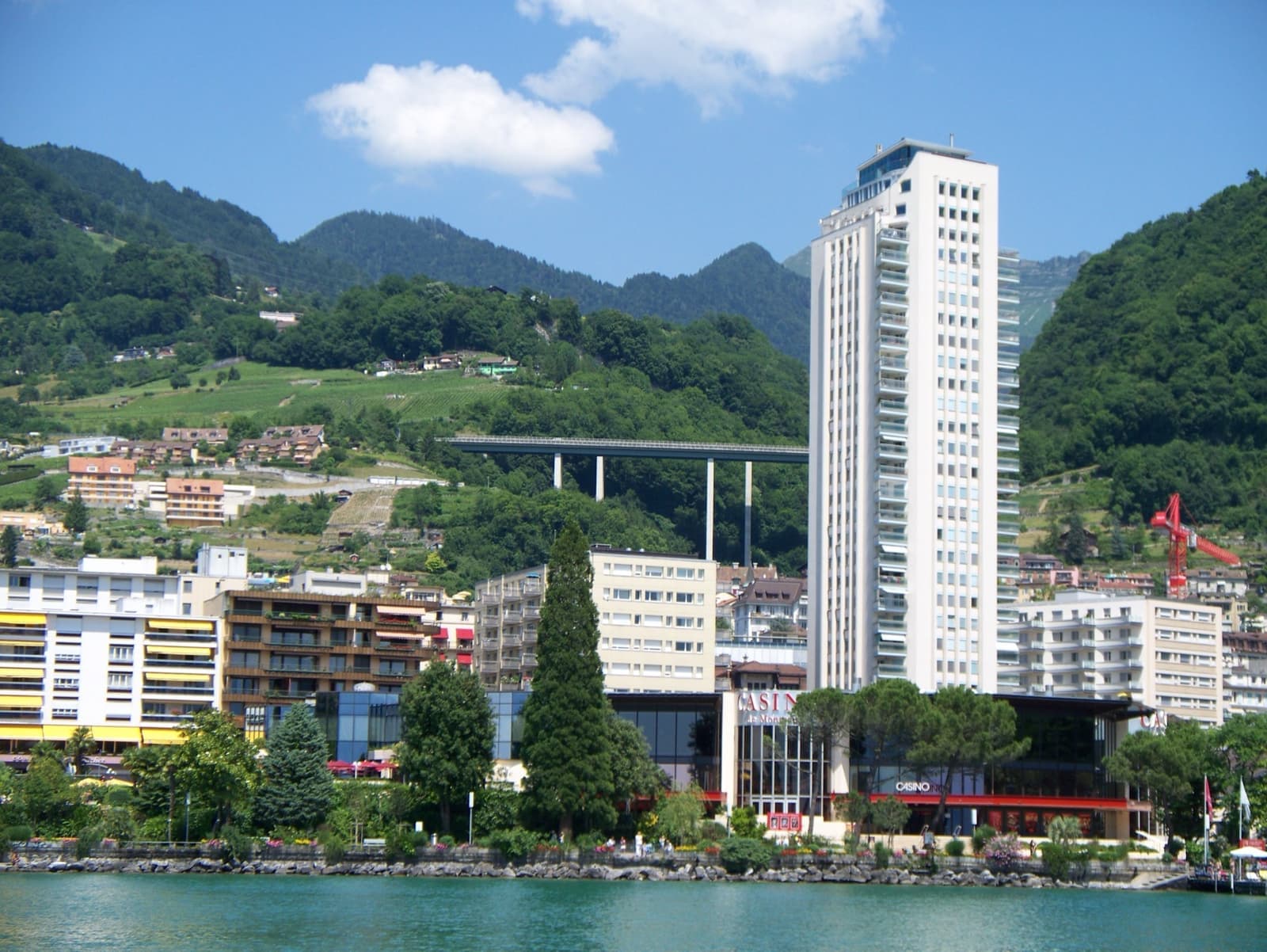
A working casino and concert room on the lakefront; see it from the promenade.
Montreux
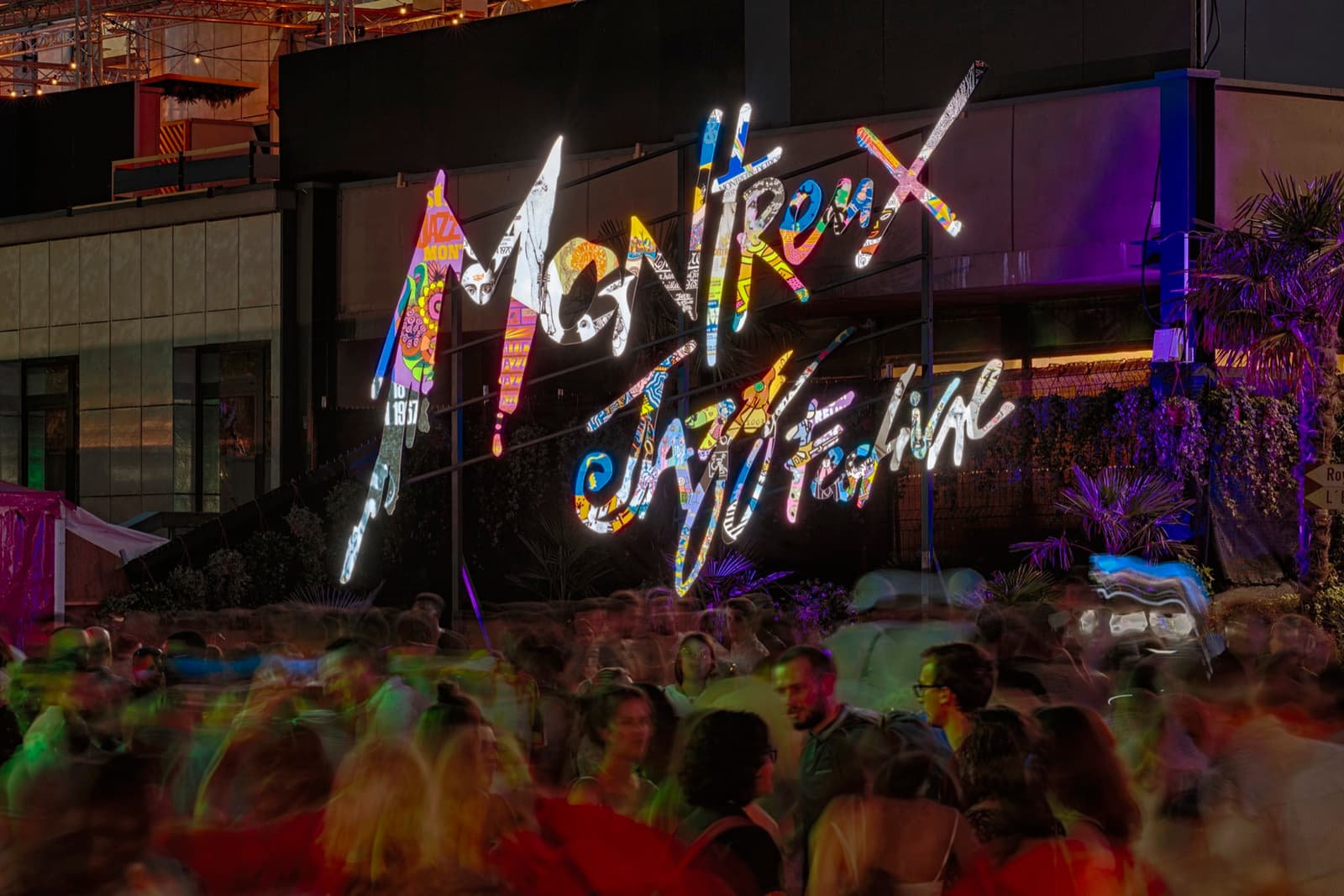
A 1906 Belle Époque hotel on Avenue Claude Nobs, named for the festival founder who helped bring Davis back in 1991, a short walk along the lake from Parc Vernex. Pictured: the festival sign at the 2m2c.
Check roomsLos Angeles · Free
The museum at the Bowl where he played his last concert. Off-season it opens Tuesday to Friday, 10am–5pm.
Check hours
28 September 1991 · the Bronx
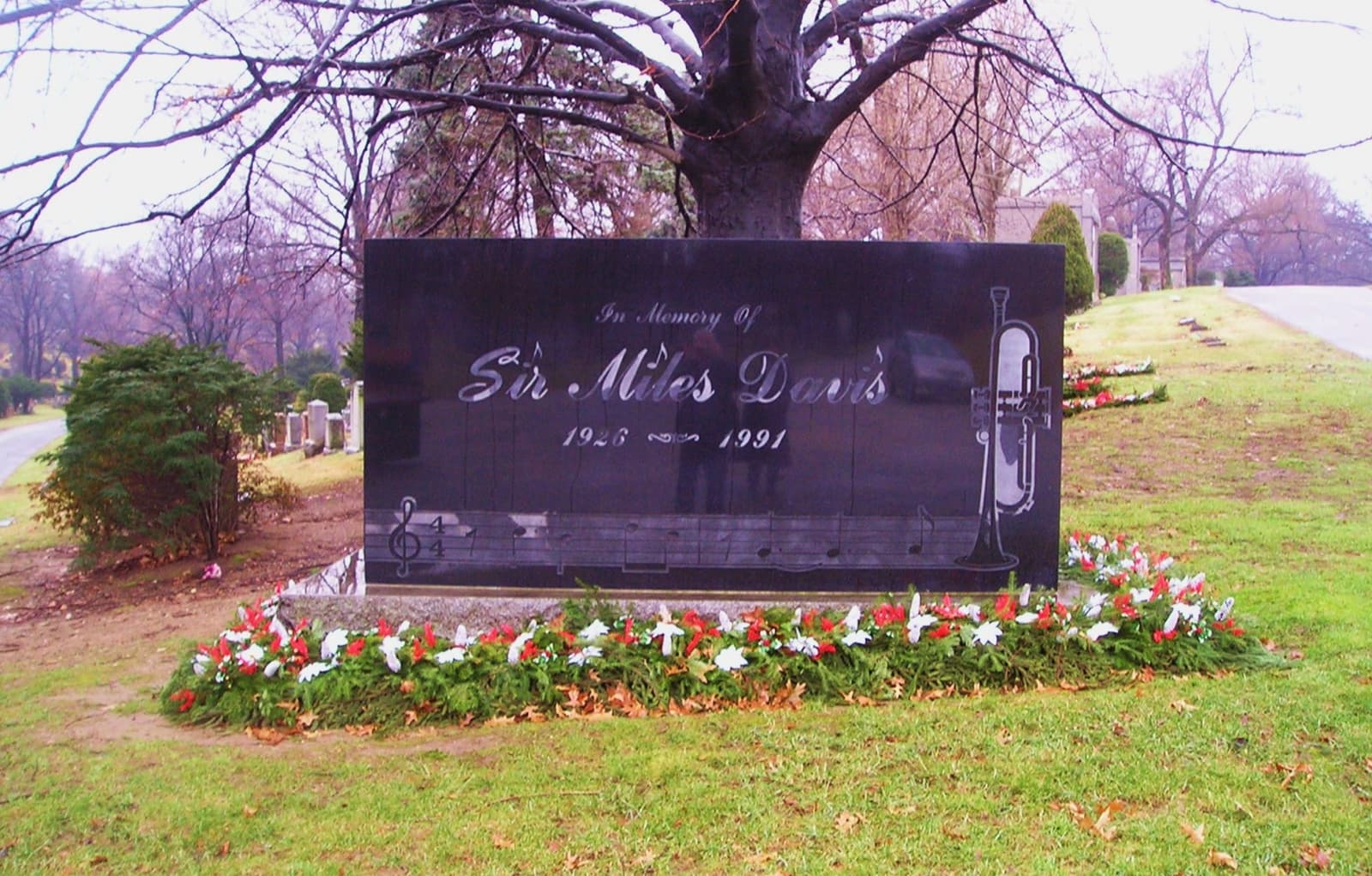
He died on 28 September 1991 after nearly a month in a coma, and was buried at Woodlawn.
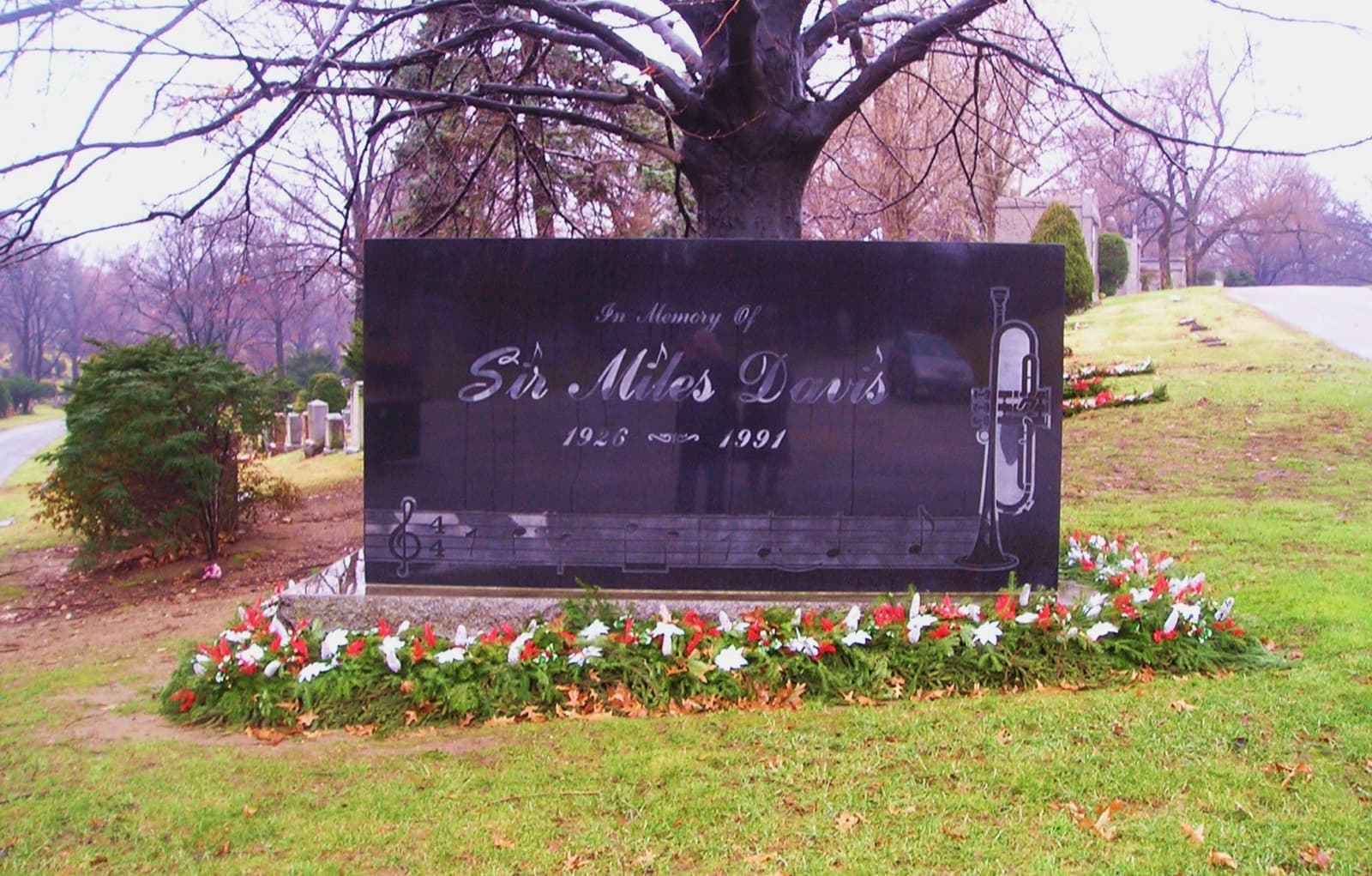
His stone shows a trumpet pointing down beside the notes of his tune “Solar”, chosen by his daughter.
It stands on the hill overlooking Duke Ellington’s grave. Clark Terry, the trumpeter he went to hear as a boy, asked to rest somewhere between Duke and Miles.
A working cemetery: visit quietly. The office (718-920-0500) can direct you; his stone is on the hill above Duke Ellington’s.
The Bronx · Some tours free · tickets required
Public walking and trolley tours in spring, summer and autumn, among them the free Where Harlem Rests trolley tour on Saturday 31 October at noon (reservation required).
See tours12 places you can visit, from Kansas Avenue to the Hollywood Bowl. The 30th Street Studio is gone; his house on West 77th Street is private and is not on the map.
Pins mark public places; private homes are named but not pinned.
General reference · Public access · Coordinate precision: building · Not an exact scene or camera position; not a visitor route. A museum and community centre run by a nonprofit, with tours and programmes; contact HOME before you go.
1701 Kansas Avenue, East St Louis, Illinois
Miles Dewey Davis III was born in Alton, Illinois, on 26 May 1926, to a dental surgeon and ranch owner.
A museum and community centre run by a nonprofit, with tours and programmes; contact HOME before you go.
Stay
A Belle Époque hotel on Avenue Claude Nobs in Montreux.
Montreux
A 1906 Belle Époque hotel on Avenue Claude Nobs, named for the festival founder who helped bring Davis back in 1991, a short walk along the lake from Parc Vernex. Pictured: the festival sign at the 2m2c.
Check roomsGo there
His house in East St Louis, Woodlawn’s tours, the Bowl Museum and New York jazz tours.
East St Louis, Illinois · Tours by arrangement
Tours and programmes in the house on Kansas Avenue where he lived from 1939 to 1944. Call ahead: (618) 213-8120.
Plan a visitThe Bronx · Some tours free · tickets required
Public walking and trolley tours in spring, summer and autumn, among them the free Where Harlem Rests trolley tour on Saturday 31 October at noon (reservation required).
See toursLos Angeles · Free
The museum at the Bowl where he played his last concert. Off-season it opens Tuesday to Friday, 10am–5pm.
Check hoursNew York
Live marketplace results for jazz history tours in New York. Check each itinerary for the stops it really makes.
Live marketplace results · itineraries change
Compare toursWhat’s on
Montreux, summer 2027.
Checking current event dates…
Take it home
Four original posters from our store, three books and four LPs.
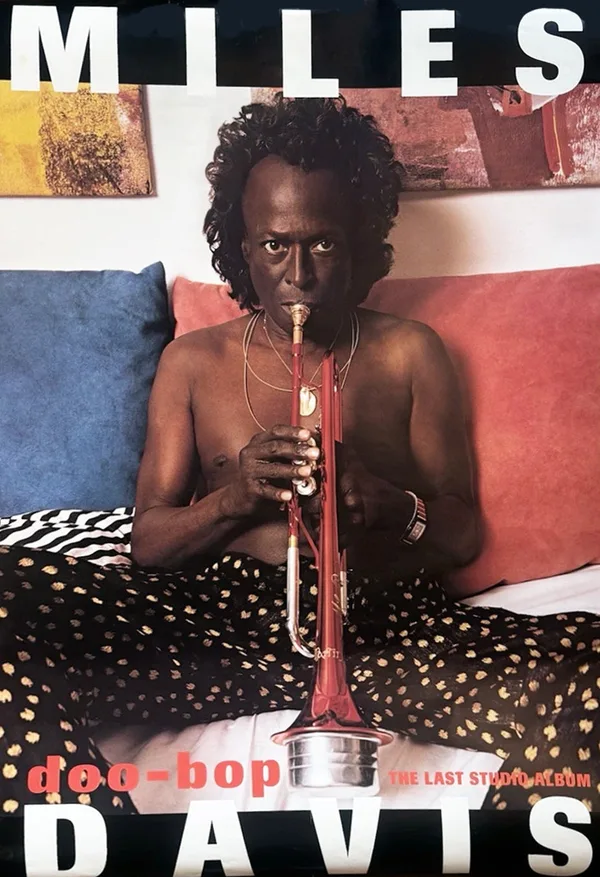
An original 1992 promotional poster for Doo-Bop, the album made from his last recordings; near mint.
In stock
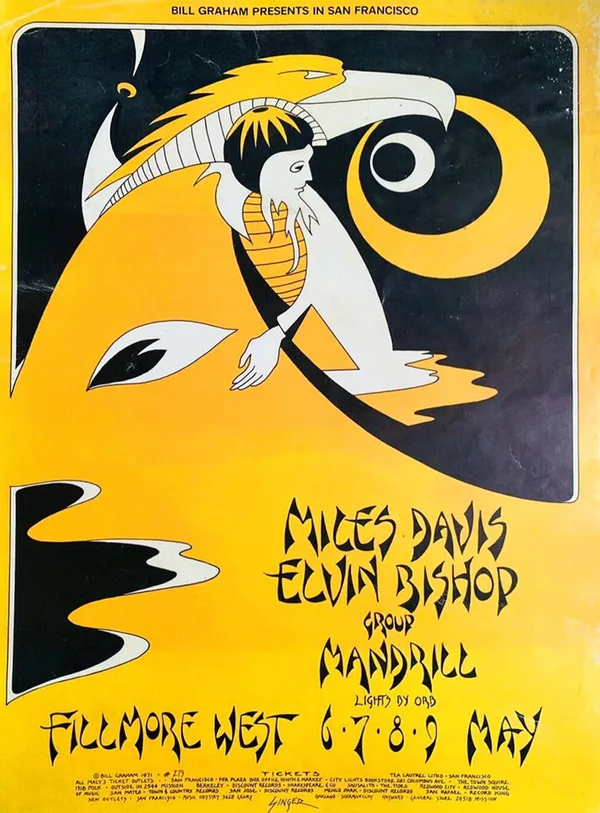
View posterDavid Singer’s 1971 Fillmore West concert poster; near mint.
In stock
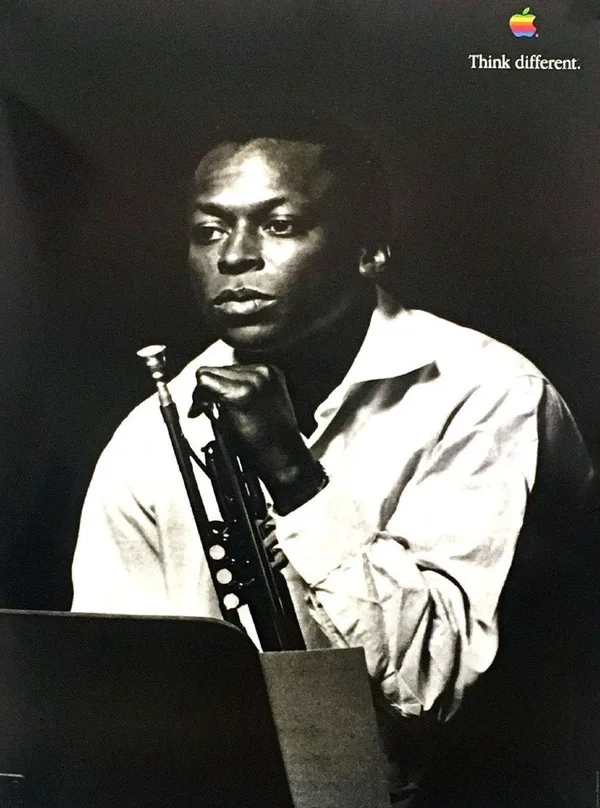
View posterThe 1998 Think Different campaign poster; mint.
In stock
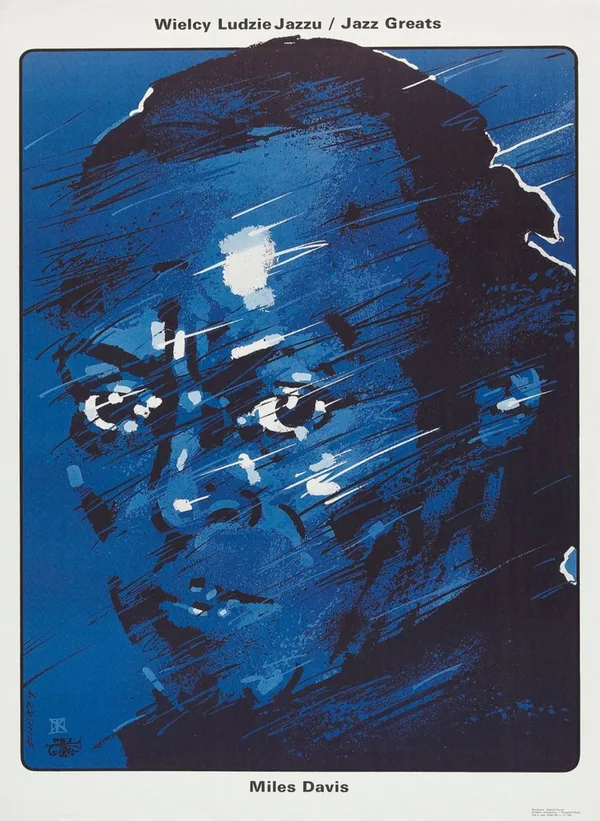
View posterWaldemar Świerzy’s 1990 Polish portrait poster; mint.
Sold out · archive reference
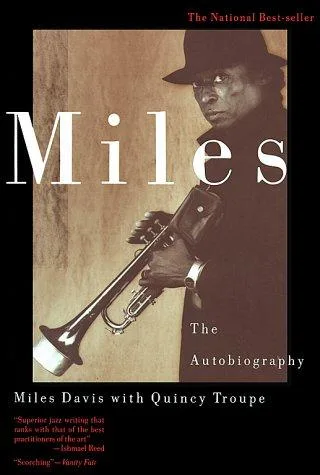
View posterMiles Davis with Quincy Troupe
His own account, from East St Louis to the comeback.
Find the bookAshley Kahn
The two sessions at 30th Street, take by take.
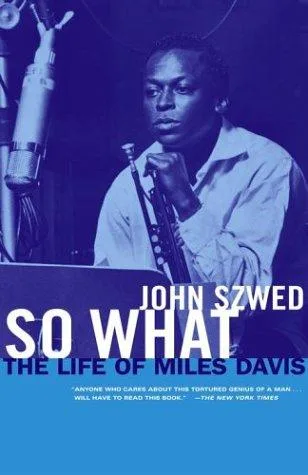
Find the bookJohn Szwed
A full biography, including the stage-manner arguments.
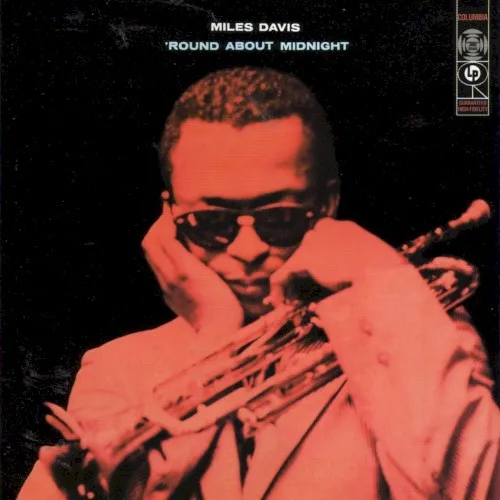
Find the bookMiles Davis · LP, Columbia, 1957
His first Columbia album, after the Newport ’Round Midnight.
Live marketplace search · listings and condition change
Find a copyMiles Davis · LP, Columbia, 1957
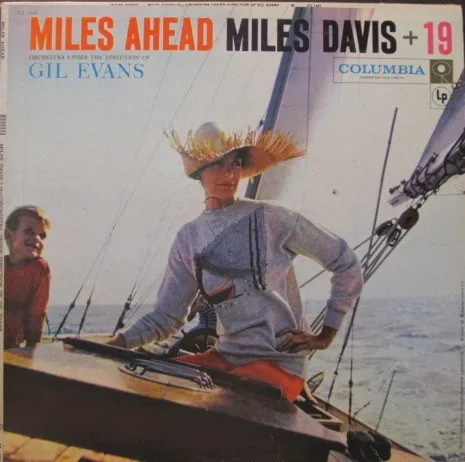
His 1957 Columbia album with Gil Evans’s orchestra.
Live marketplace search · listings and condition change
Find a copyMiles Davis · LP, Columbia, 1959
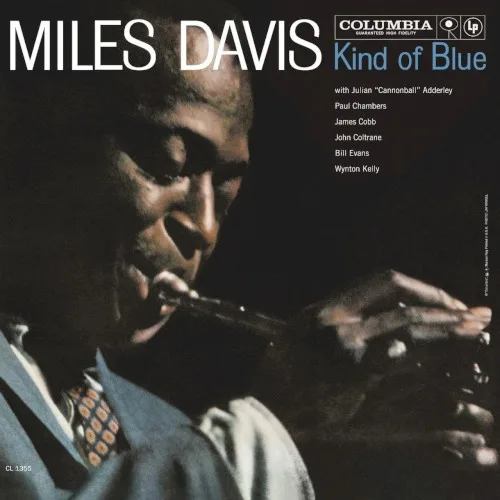
The 1959 American LP.
Live marketplace search · listings and condition change
Find a copyMiles Davis · 2×LP, Columbia, 1970
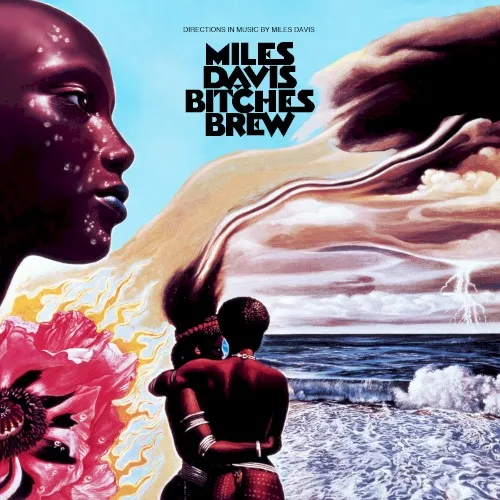
The 1970 double album.
Live marketplace search · listings and condition change
Find a copyDates, prices, rooms and stock change: confirm with the provider before you travel or buy. A stay or tour is described as a filming location only where the card says so.
Every place and moment behind this page, with sources.
12 of 12 places · 35 of 35 Moments
1701 Kansas Avenue, East St Louis, Illinois
Miles Dewey Davis III is born in Alton, Illinois; the family soon settles in East St Louis.
He gets a trumpet for his 13th birthday.
He starts playing in public in East St Louis and goes to hear Clark Terry.
He joins Eddie Randle’s Blue Devils at the Rhumboogie in St Louis.
Alton unveiled a bronze of him, leaning back with his trumpet, on West Third Street in September 2015.
West 52nd Street between Fifth and Sixth Avenues, Manhattan
He arrives in New York, enrolled at Juilliard but really looking for Charlie Parker and Dizzy Gillespie.
He jams on 52nd Street and uptown in Harlem while still at music school.
His father lets him leave Juilliard, on condition that he finds his own sound.
Gottlieb photographs Parker’s quintet, Davis on trumpet, at the Three Deuces.
206 West 118th Street, Harlem
At Minton’s, Parker introduces him to Thelonious Monk.
252 Rue du Faubourg Saint-Honoré, Paris 8e
His first trip abroad: the Paris jazz festival at the Salle Pleyel, and Juliette Gréco.
15 Barrow Street, Greenwich Village
At Newport, his ’Round Midnight, played with the bell cupping the microphone, is the talk of the festival; Columbia follows.
After a run at the Bohemia he fires Coltrane and Philly Joe Jones.
He was nearly left off the 1955 Newport bill, and added to a jam session at the last minute.
George Avakian would sign him to Columbia once he was free of heroin, kept a steady band and finished his Prestige contract.
He dispensed with the Harmon mute’s stem and hugged his trumpet to the microphone; the mute let him blow hard and still sound soft.
207 East 30th Street, between Second and Third Avenues
The first Kind of Blue session at Columbia’s 30th Street Studio, with sketches and no rehearsal.
The second session: All Blues and Flamenco Sketches, side two of the record.
He brought the band in with no rehearsal and gave them only sketches.
So What is built on two Dorian scales, on D and on E♭, in an AABA form.
Flamenco Sketches runs through five scales; Bill Evans headed the chart with an instruction to play in the sound of these scales.
The estate calls Kind of Blue the best-selling jazz record of all time.
West 77th Street between West End Avenue and Riverside Drive, Upper West Side
He buys a brownstone on West 77th Street, his home for nearly 25 years.
His block of West 77th Street is renamed Miles Davis Way.
Lewis Porter calls the back-to-the-audience story a myth: hundreds of photographs show Davis facing the crowd.
He turned round, or stepped off, only when someone else was soloing, to face the rhythm section.
Filming So What for CBS television, he walks off while Paul Chambers plays the bass line.
In the electric years a wireless microphone let him roam the stage.
Parc Vernex, beside the Auditorium Stravinski, Montreux
His last Montreux appearance: Gil Evans’s music, with Quincy Jones.
The 2027 Montreux Jazz Festival runs from 2 to 17 July, with headline shows in the Auditorium Stravinski.
9 Rue du Théâtre, Montreux
Two full sets at the Casino de Montreux; he returns in 1988, 1989 and 1990.
211 Avenue Jean Jaurès, Paris 19e
A special tribute concert at the Grande Halle de la Villette.
France makes him a chevalier of the Légion d’Honneur.
2301 North Highland Avenue, Hollywood
He leads his quintet at the Hollywood Bowl in the last concert of his life.
4199 Webster Avenue, the Bronx
He dies after nearly a month in a coma and is buried at Woodlawn.