Skip to content

HBO and the BBC, 2005–2007 · shot at Cinecittà · set in the last years of the Republic

  1. 1Kalendis Martiis

    Rome

    The real places of the civil wars, and the Forum that played them

  2. 5a.d. III Non.
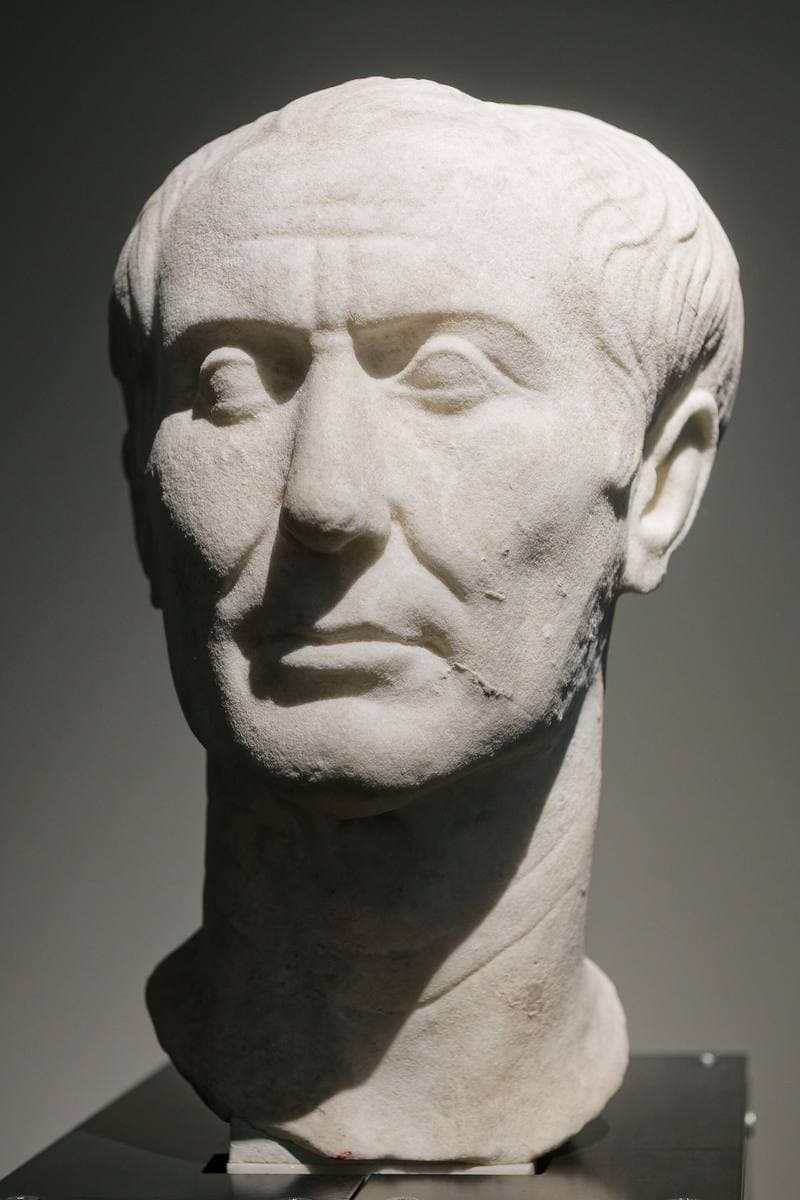
    A marble head of a thin, lined, balding man
    The Tusculum head of Julius Caesar, in Turin’s Museo di Antichità. Marie-Lan Taÿ Pamart · Public domain

    Julius Caesarplayed by Ciarán Hinds

  3. 6pridie Non.
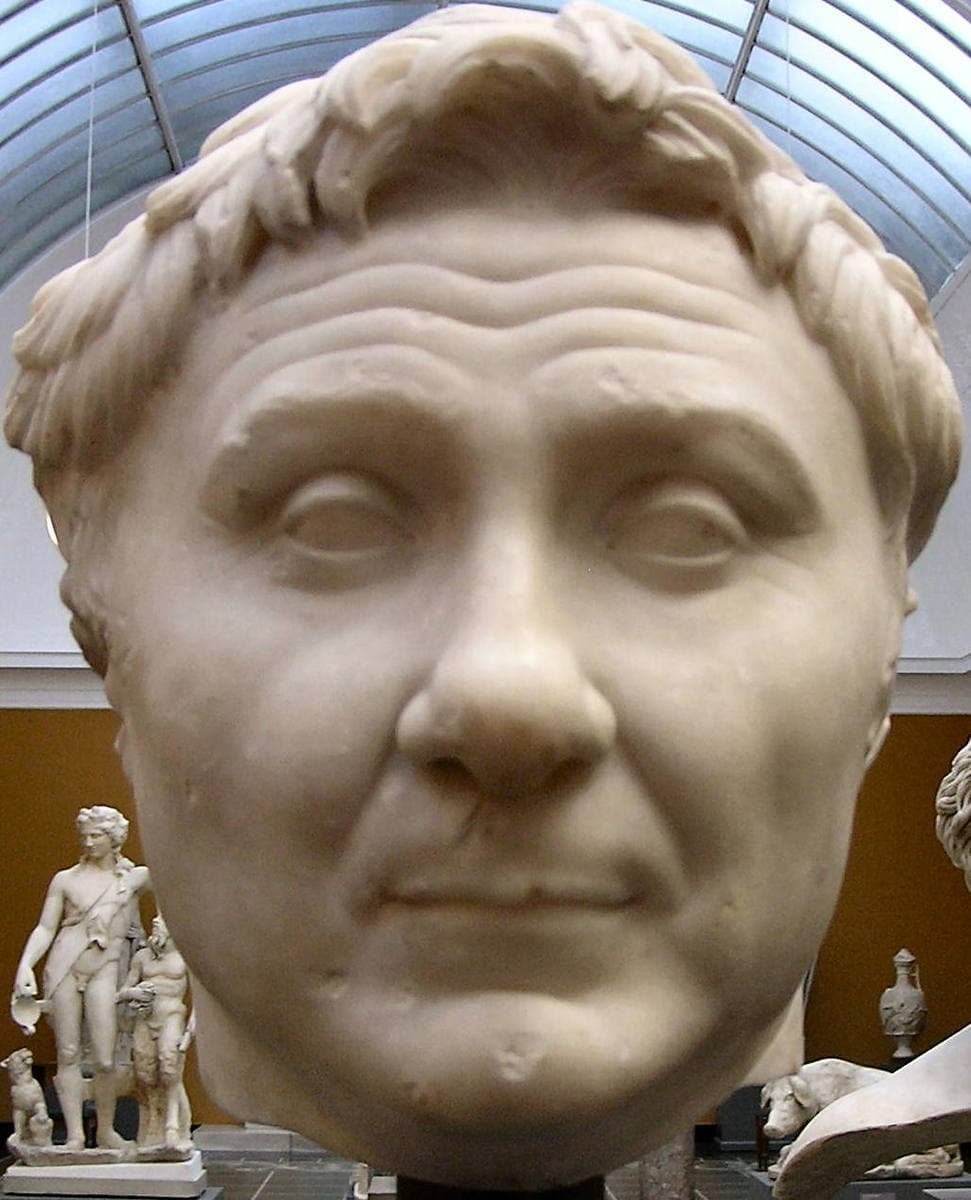
    A marble head of a broad-faced man with a lock of hair raised over the forehead
    Pompey the Great, a marble head in the Ny Carlsberg Glyptotek, Copenhagen. Gunnar Bach Pedersen · Public domain

    Pompeyplayed by Kenneth Cranham

  4. 8a.d. VIII Id.
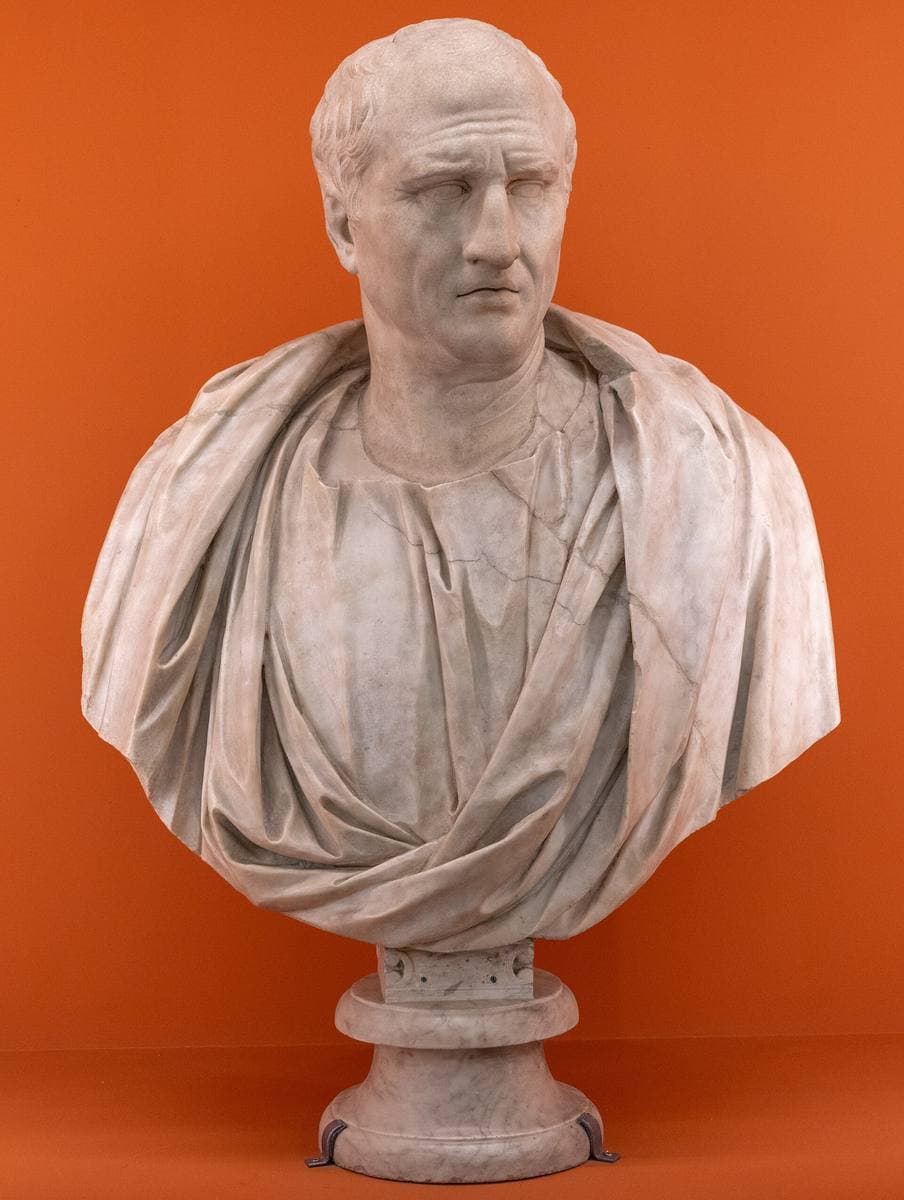
    A marble bust of a man in a toga with a deeply lined face
    Cicero, a marble bust in the Capitoline Museums, Rome. Wilfredor · CC0

    Ciceroplayed by David Bamber

  5. 13a.d. III Id.
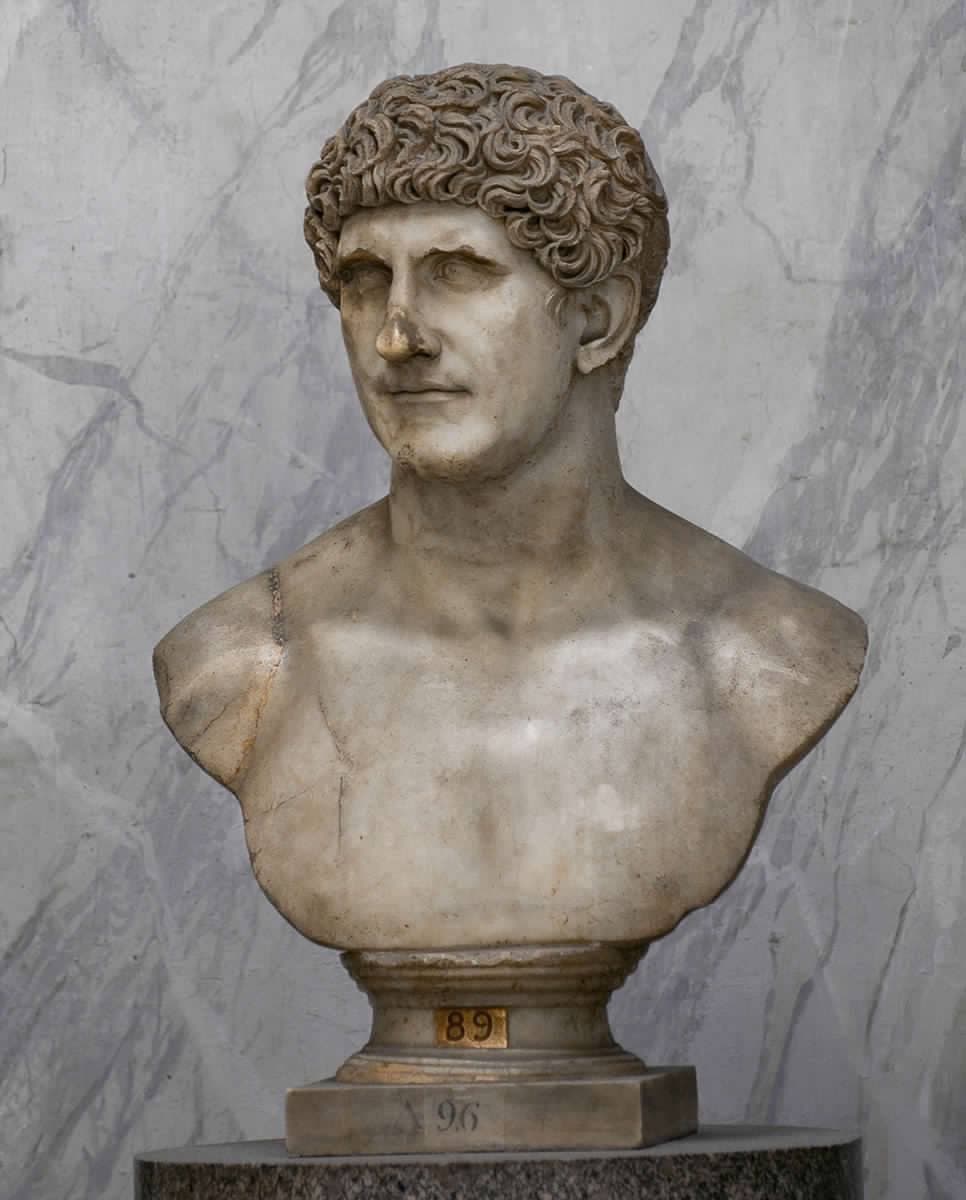
    A marble bust of a curly-haired man with a strong jaw
    A marble bust of Mark Antony in the Vatican Museums. Ancient Roman artist of the 1st century AD (photo taken by Sergey Sosnovskiy) · Public domain

    Mark Antonyplayed by James Purefoy

  6. 14pridie Id.
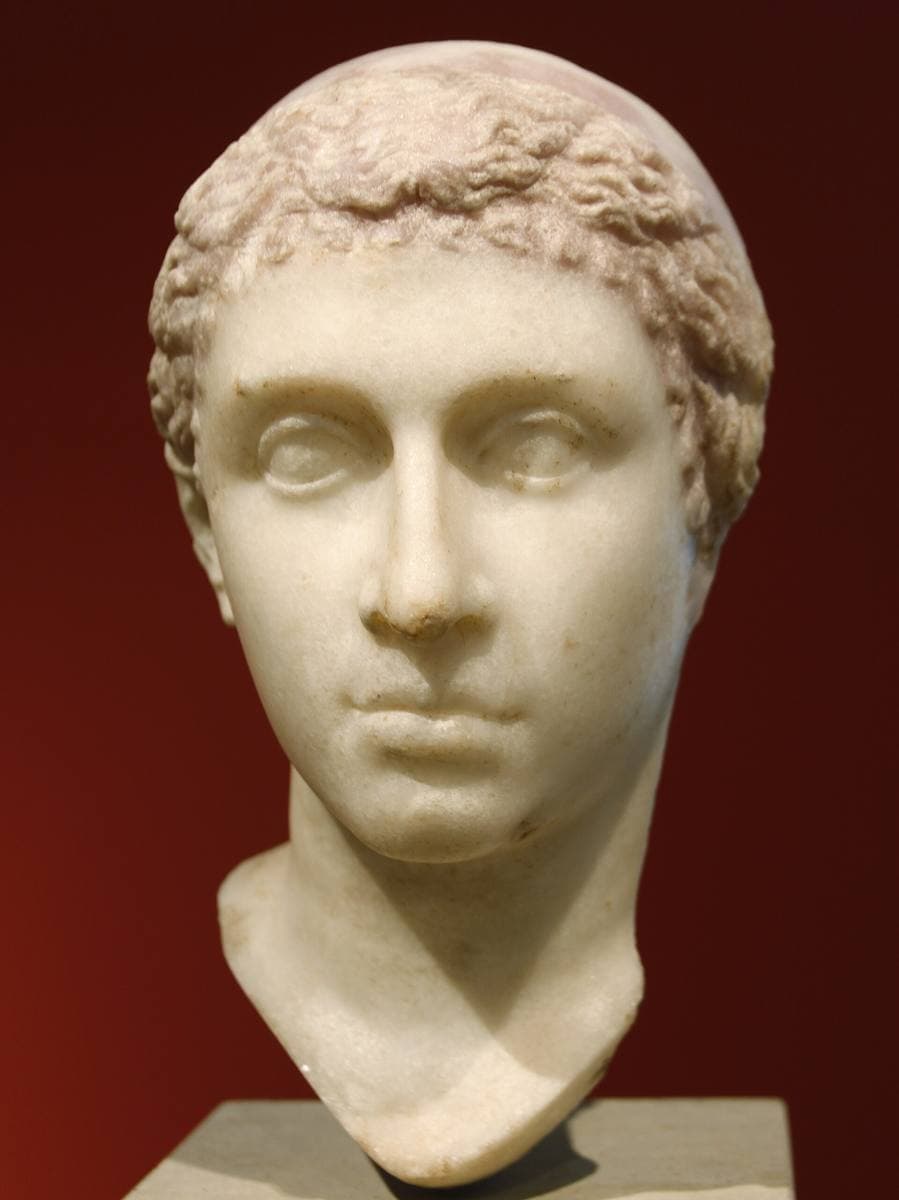
    A marble head of a young woman with hair drawn back in a bun
    Cleopatra VII, a marble head of 40–30 BC in the Altes Museum, Berlin. José Luiz · Public domain

    Cleopatraplayed by Lyndsey Marshal

  7. 16a.d. XVII Kal.
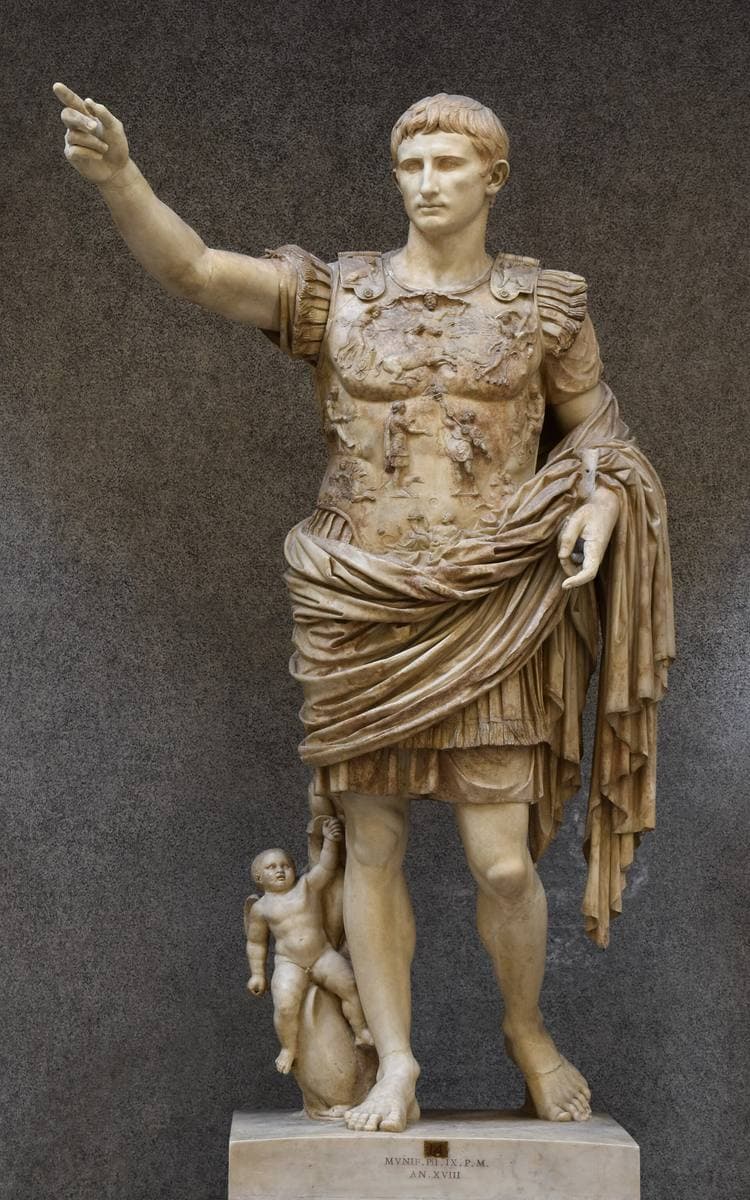
    A marble statue of Augustus in armour with one arm raised
    The Augustus of Prima Porta, in the Vatican Museums. Joel Bellviure · CC BY-SA 4.0

    Octavianplayed by Max Pirkis and Simon Woods

  8. 7Non.Nonis Martiis
  9. 15Eid.Idibus MartiisCount to it
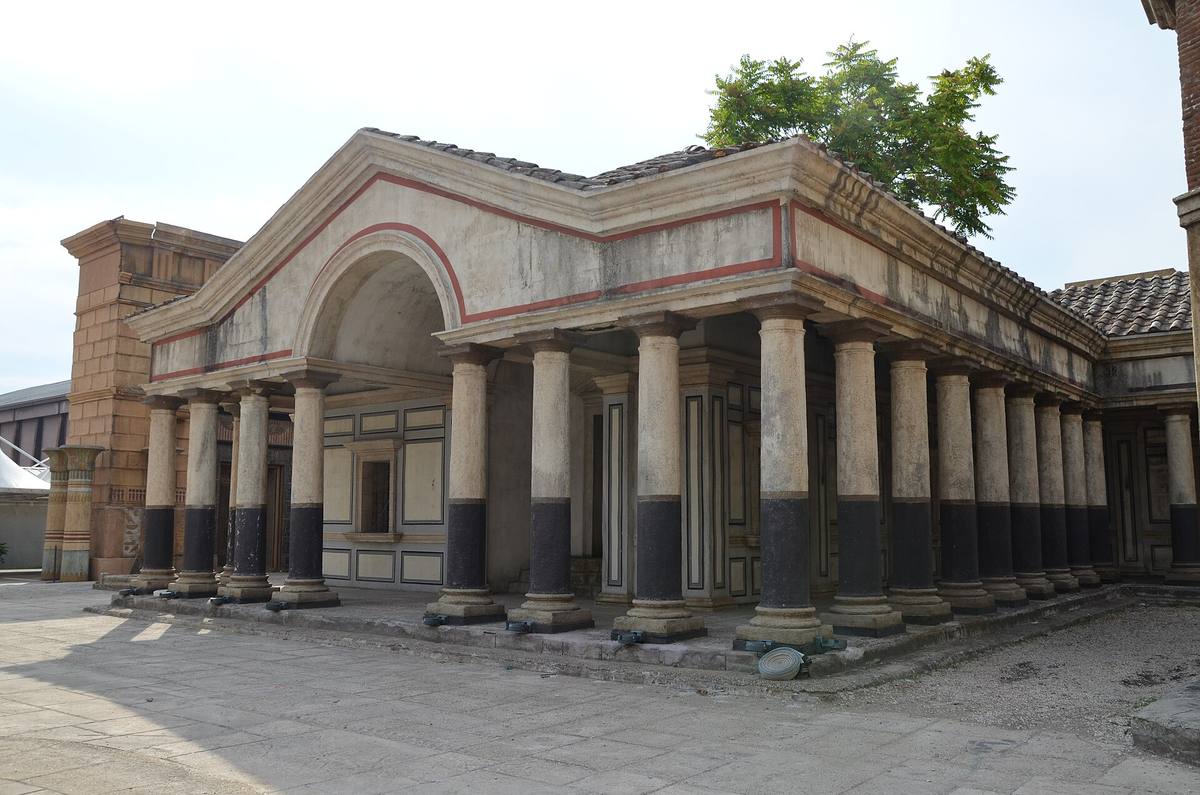
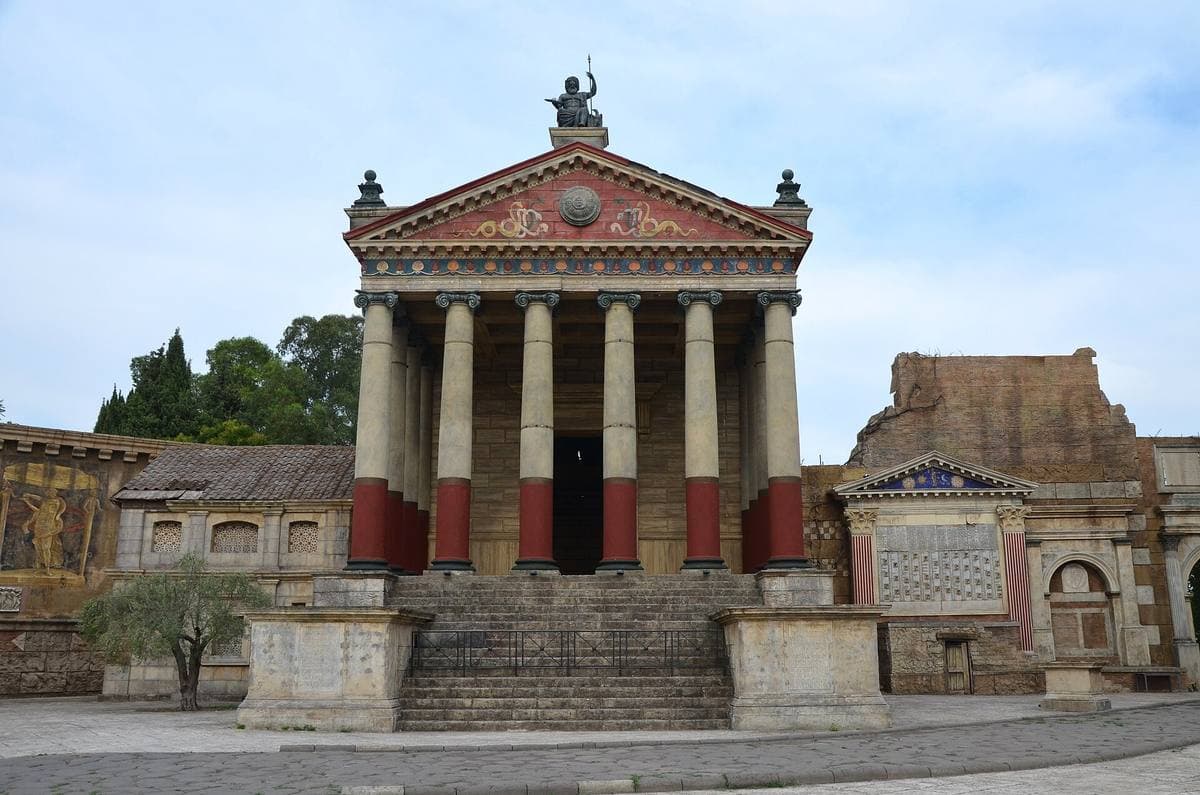
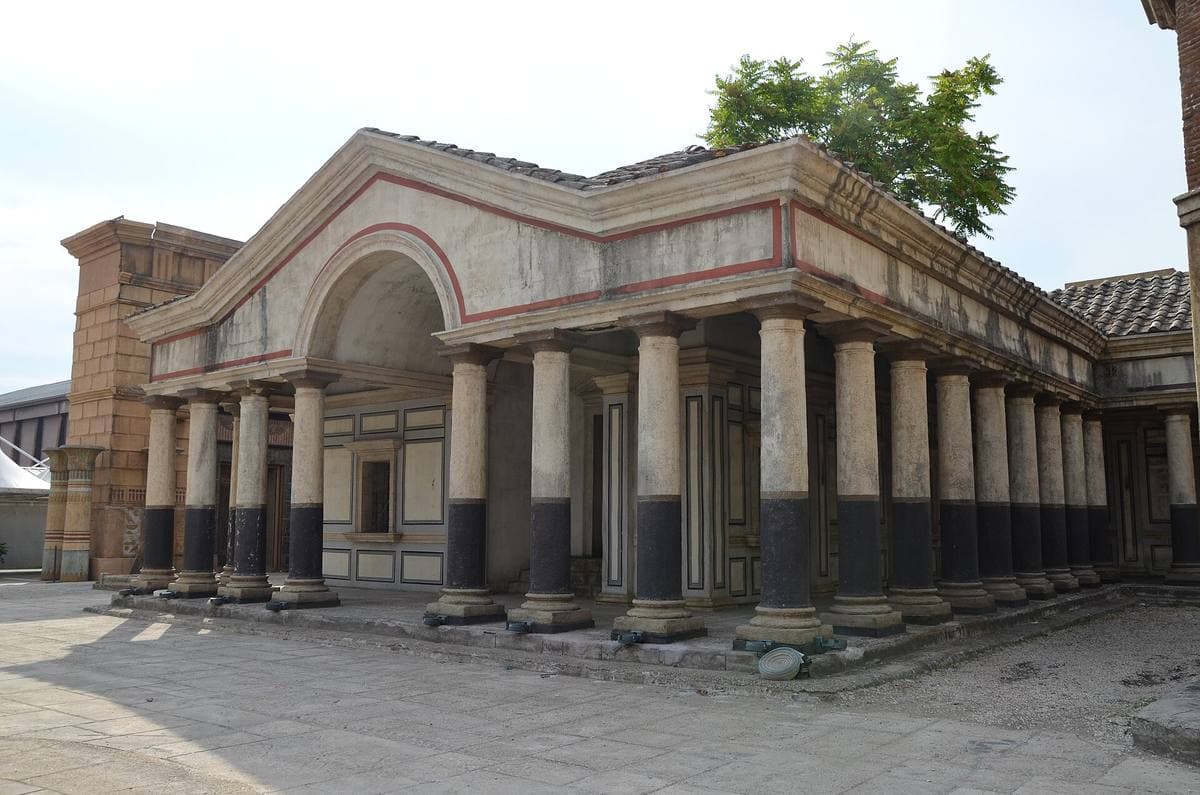
  10. A painted temple front with red and white columns at the top of a flight of steps
    A temple front on the Rome set at Cinecittà, 2015: red-and-white columns of painted fibreglass. Carole Raddato from FRANKFURT, Germany · CC BY-SA 2.0
  11. Rome was killed on a date everyone still knows. Count Roman dates back to the real places, then walk the fibreglass Forum at Cinecittà that played them.

    Where this comes from
  12. 30a.d. III Kal.
  13. 31pridie Kal.
  14. 1Kal. Apr.

Kalends, Nones and Ides

Count to it.

Romans named a day by counting back to the next of three fixed days: the Kalends on the 1st, the Nones on the 5th and the Ides on the 13th, or the 7th and 15th in March, May, July and October. They counted both ends. Before Caesar’s reform those four months had 31 days and the rest 29.

Where this comes from

ante diem IV Idus Ianuarias

the fourth day before the Ides of January, 49 BC. The month is Ianuarius: January, before the reform, 29 days.

ante diem IV Idus Ianuarias: tap the day of January, before the reform you think it is.

Commentaries on the Gallic War, Book 5, chapter 44

Two names in Caesar.

Caesar’s Commentaries, Book 5, chapter 44, tell of two rival centurions, Lucius Vorenus and Titus Pullo; almost all of their adventures in the series are fictional.

Where this comes from

Two rival centurions inside a winter camp under attack, 54 BC. Who goes over the rampart first?

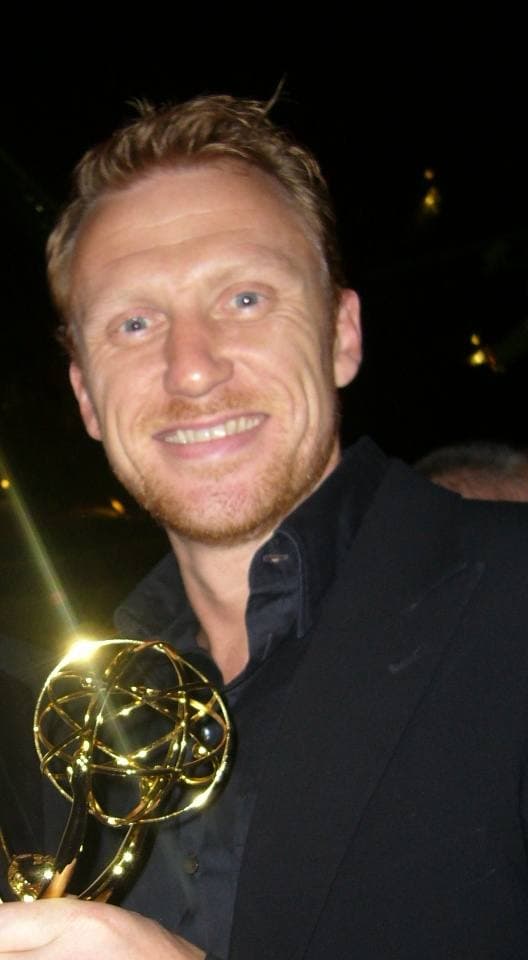
    Kevin McKidd smiling in a dark suit
    Kevin McKidd (Lucius Vorenus) in 2010, three years after the series ended. Marco Recuay · CC BY-SA 2.0
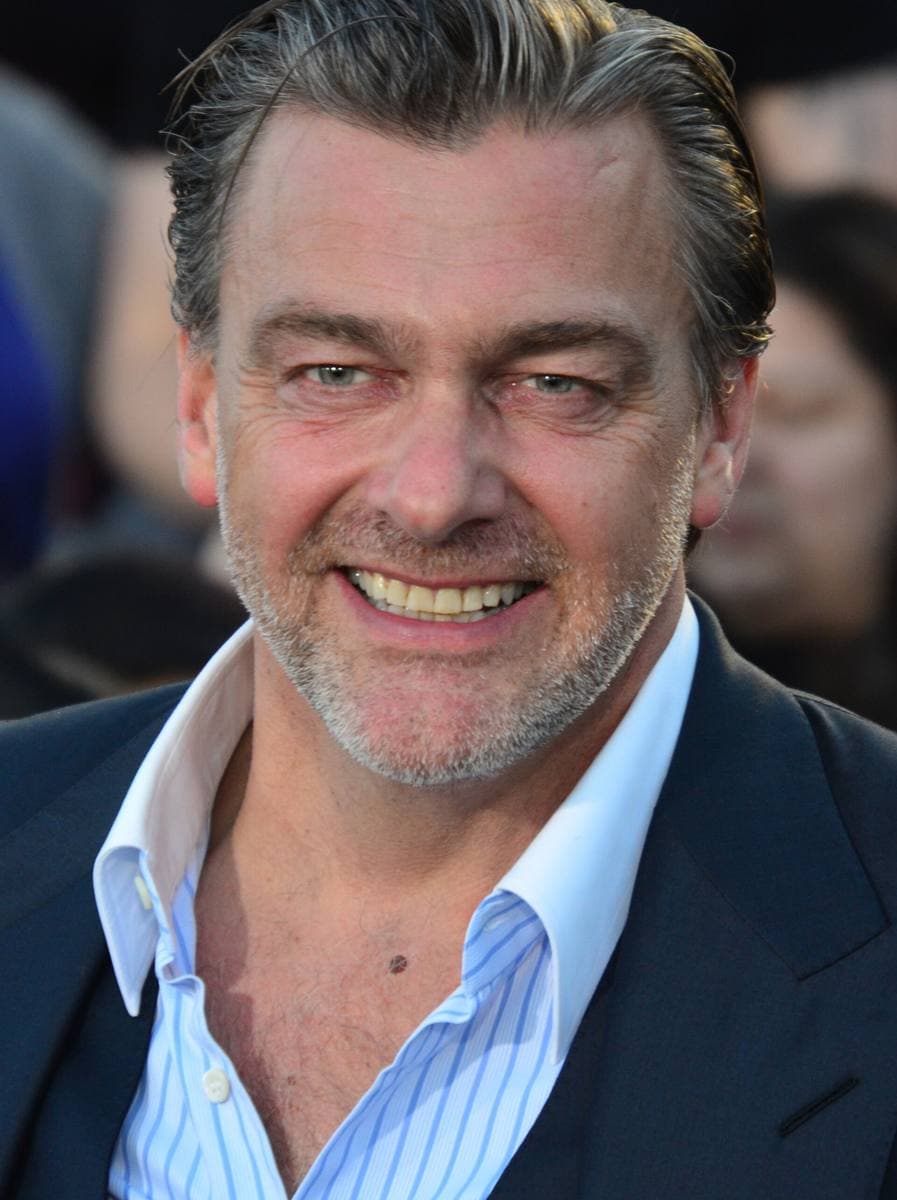
    Ray Stevenson smiling in an open-necked shirt
    Ray Stevenson (Titus Pullo) in 2014, seven years after the series ended. Mingle Media TV · CC BY-SA 2.0

    In the series Vorenus is played by Kevin McKidd and Pullo by Ray Stevenson; unlike the real centurions, they serve in the 13th Legion.

    Nobody knows where the camp stood; it is named here, not pinned.

    Cinecittà, Via Tuscolana

    A Forum of fibreglass.

    A five-acre backlot and six soundstages at Cinecittà made up what Broadcast called the world’s largest standing set. The set’s main material was fibreglass; its brickwork was cast from moulds of real Roman bricks.

    Where this comes from
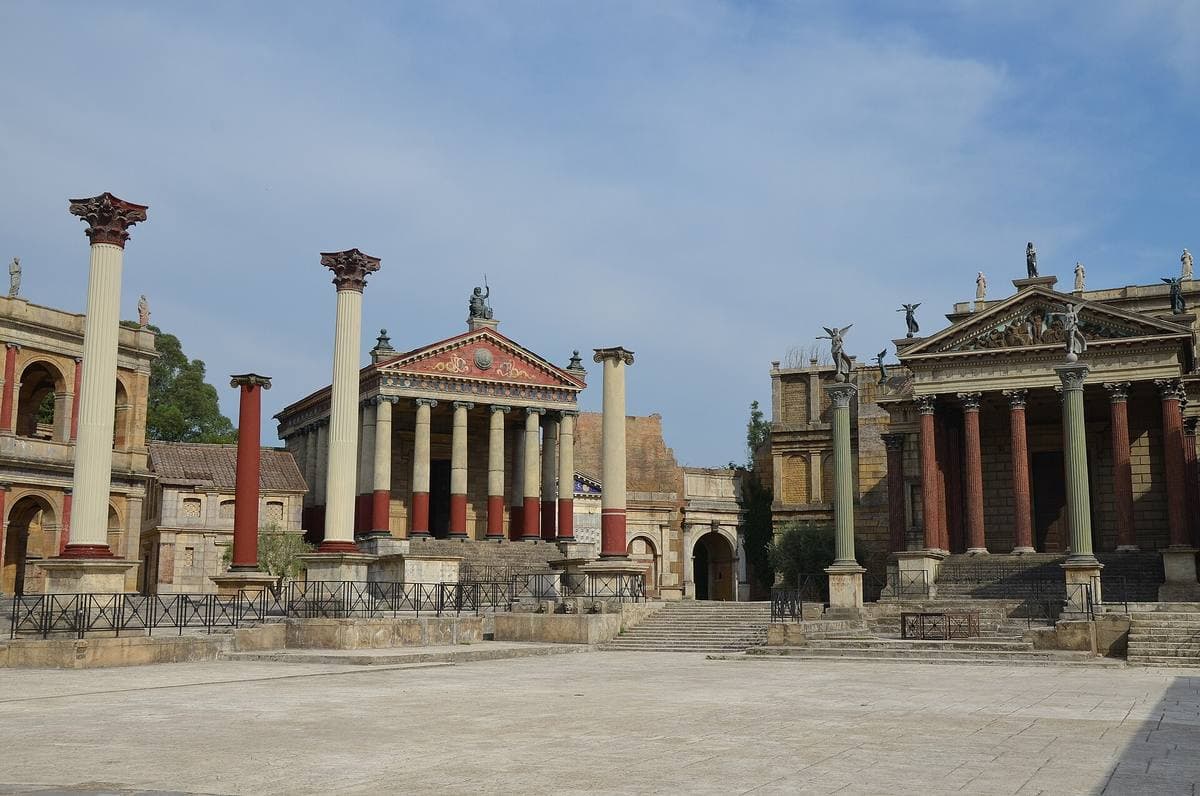
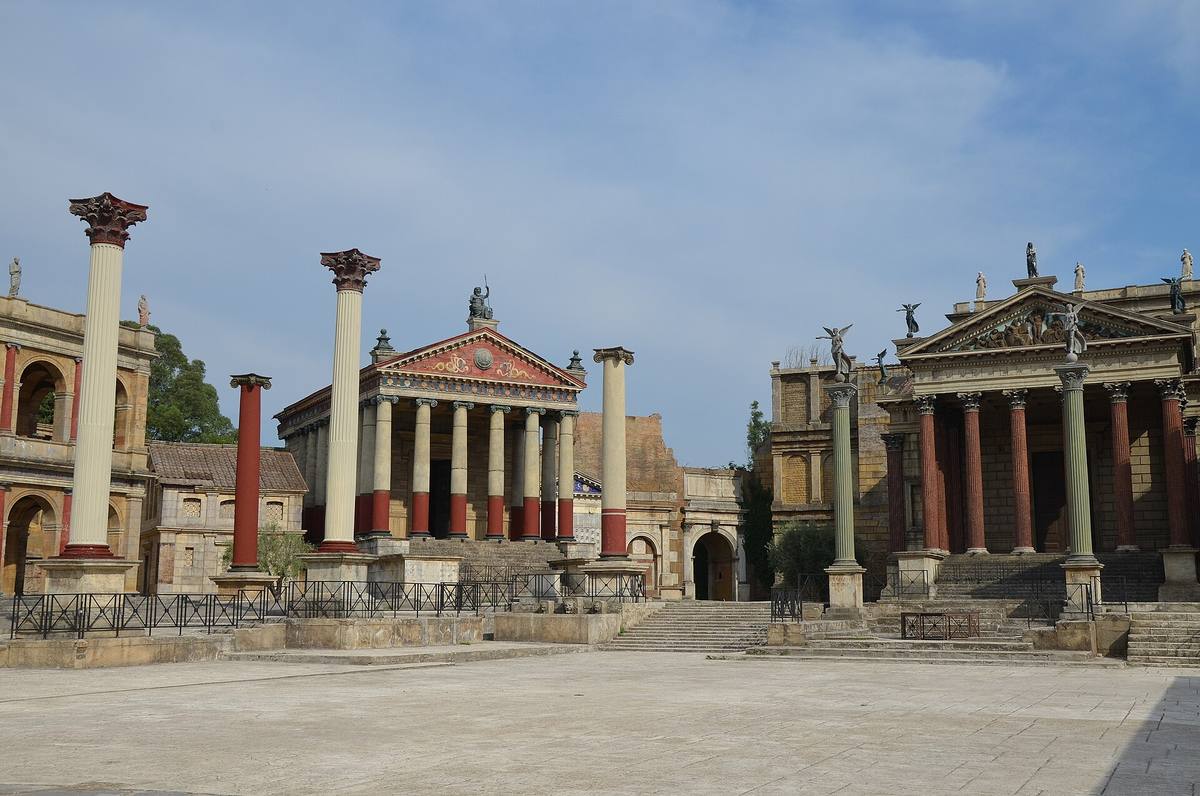
    A wide square of temple fronts, columns and red-painted porticoes under a blue sky
    The Forum set at Cinecittà in August 2015: temples, columns and painted facades built for Rome, on the studio backlot. Carole Raddato from FRANKFURT, Germany · CC BY-SA 2.0

    The scenic contractor describes a 1:1 Forum of more than two hectares; Joseph Bennett told Broadcast that three sides of the Forum were built at reduced scale.

    The Basilica Julia

    A long two-storey arcade with round arches and dark red columns
    A two-storey arcade on the Rome set at Cinecittà, 2015, with red faux-marble columns. Carole Raddato from FRANKFURT, Germany · CC BY-SA 2.0

    A two-storey arcade of round arches and red faux-marble columns, like the Basilica Julia front the scenic contractor describes.

    1. 2004–2005

      The Ancient Rome set is built on the backlot in 2004–2005, of galvanised steel frames, fibreglass panels on a polystyrene core, plaster ashlar, oil-marbled red columns and faux travertine.

    2. 2004

      In a break in filming, Bennett’s team add layers of plaster and sow grass between the cobbles; he says the longer the set stands, the more realistic its patina.

    3. March 2004 – May 2005

      Rome is shot on 35mm over 14 months by eight directors and a crew of 350; one scene uses 750 extras.

    4. 2007

      A fire at Cinecittà destroys a significant part of the set, after the second season has finished filming.

    5. Late 2007

      Part of the set is used late in 2007 by Doctor Who for “The Fires of Pompeii”.

    6. 2019–2020

      The set is kept rather than taken down, readapted for the Augustan age for Domina, and the Basilica Julia is restored over five months.

    7. 2026

      Cinecittà runs guided visits to the Ancient Rome set on weekends and holidays, including English tours at 11:30 on 31 October, 14 November and 28 November 2026.

    The look of the city is pushed towards a busy modern developing metropolis such as Mumbai, and dirtied up. David Milch first meant to set his next HBO series in ancient Rome; with Rome already in development, he set it in Deadwood instead. The Deadwood World tells that side.

    The set can be seen only on a guided visit with Cinecittà’s education department, on weekends and holidays; book through visit@cinecitta.it. The studios are at the Cinecittà metro stop.

    Where this comes from
    Cinecittà

    Guided visit to the Ancient Rome set

    Via Tuscolana 1055, Rome · Saturdays, Sundays and holidays · Cinecittà si Mostra + set visit €15, under 26 and over 65 €13 · booking advised at visit@cinecitta.it

    The set built for Rome, with the Basilica Julia, the Curia, the Rostra and the Temple of Venus, seen only with a guide from Cinecittà’s education department, together with Cinecittà si Mostra.

    See the calendar
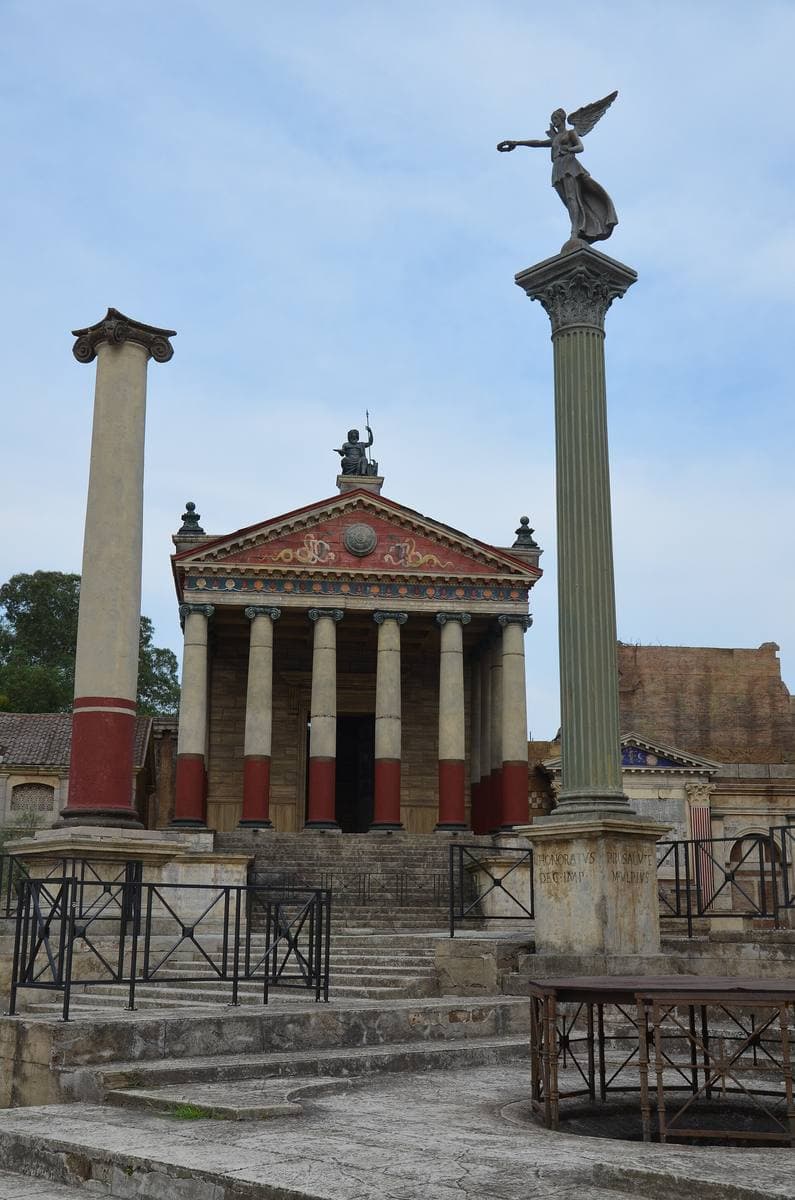
    A tall column topped by a winged figure in front of a red-columned temple
    A column with a winged statue rises over the Rome set at Cinecittà, 2015. Carole Raddato from FRANKFURT, Germany · CC BY-SA 2.0

    The Roman Forum

    The real Forum.

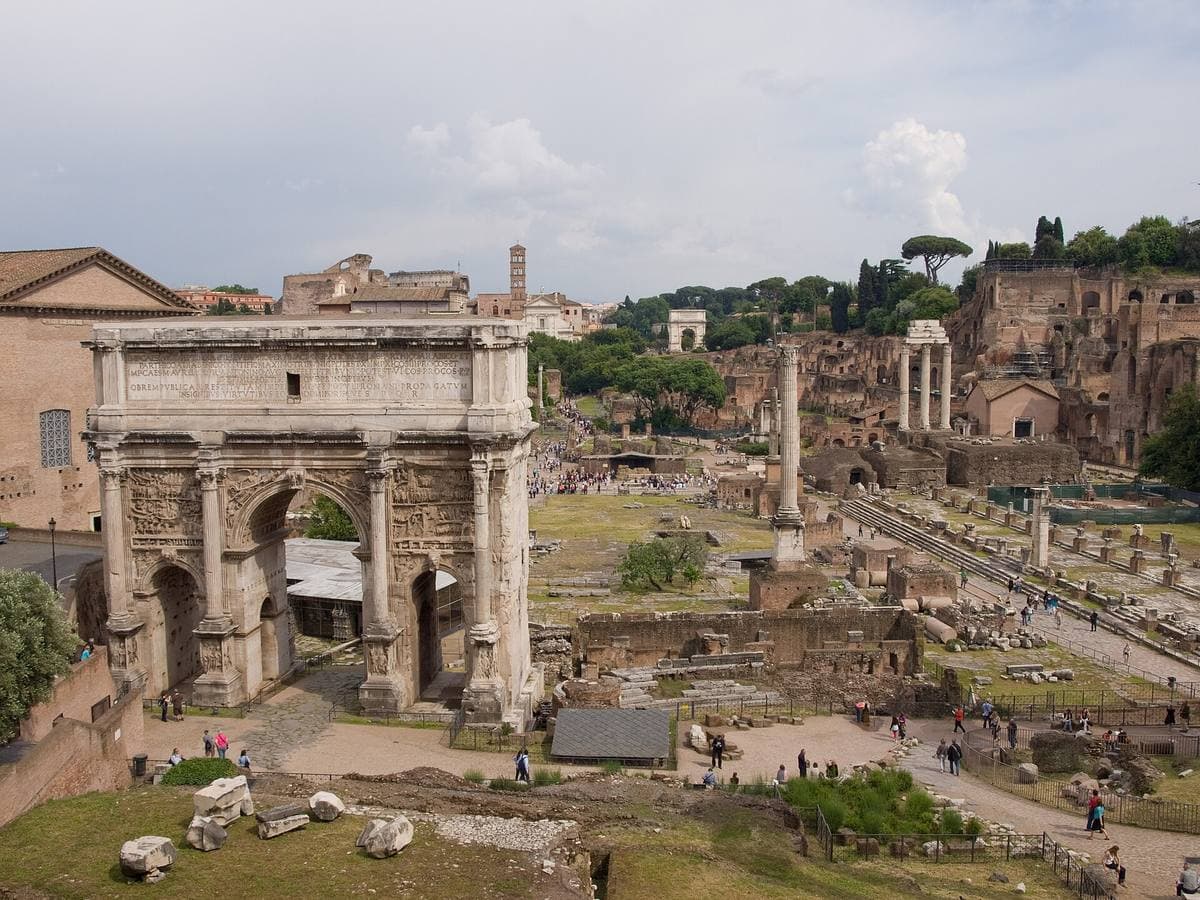
    Bennett moved the Temple of Jupiter down from its hillside for the set. On the real Forum, the rostra stood above the circular altar that marked the site of Caesar’s cremation.

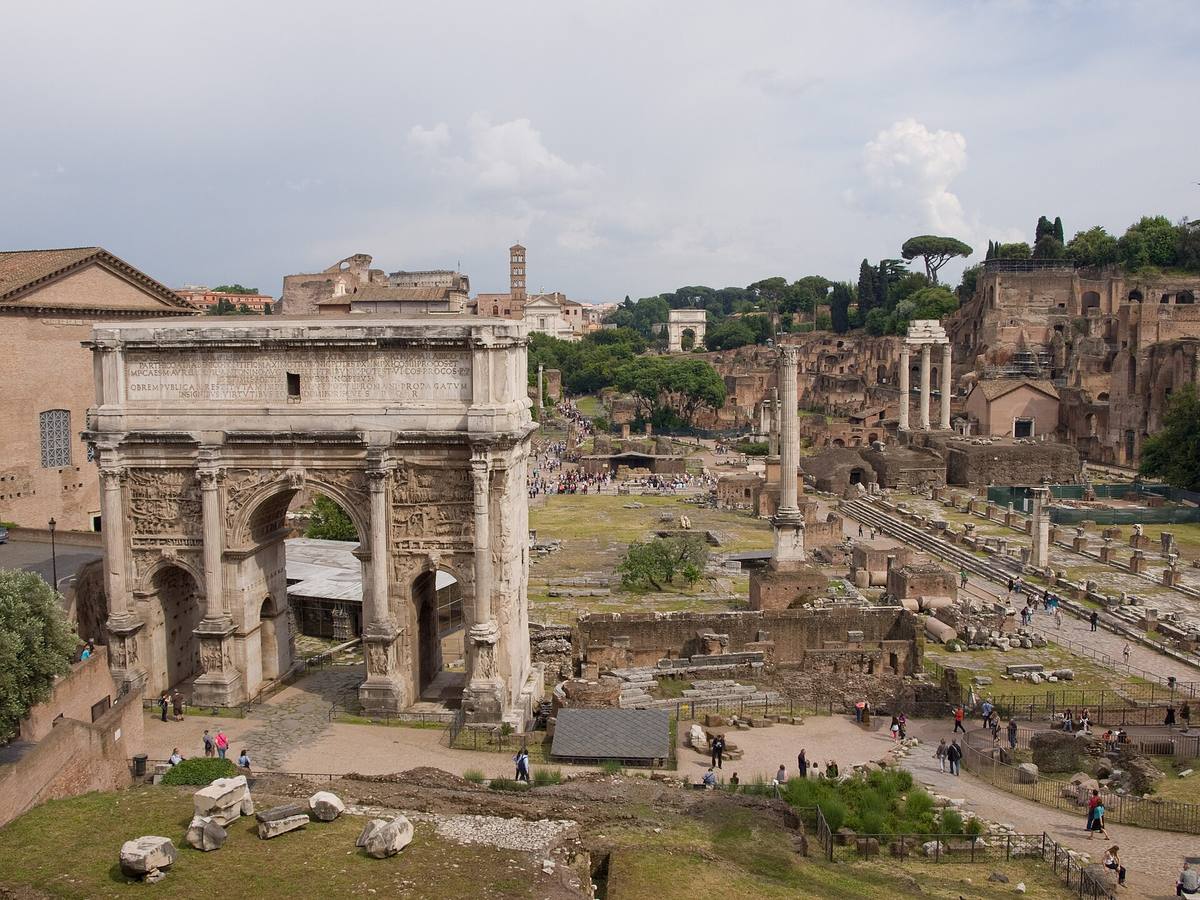
    A wide view down the Roman Forum with a triumphal arch on the left
    The Forum from the Capitoline Museums in 2010: the Arch of Septimius Severus left, the Curia beyond. Honza Groh (Jagro) · CC BY-SA 3.0

    Curia Iulia

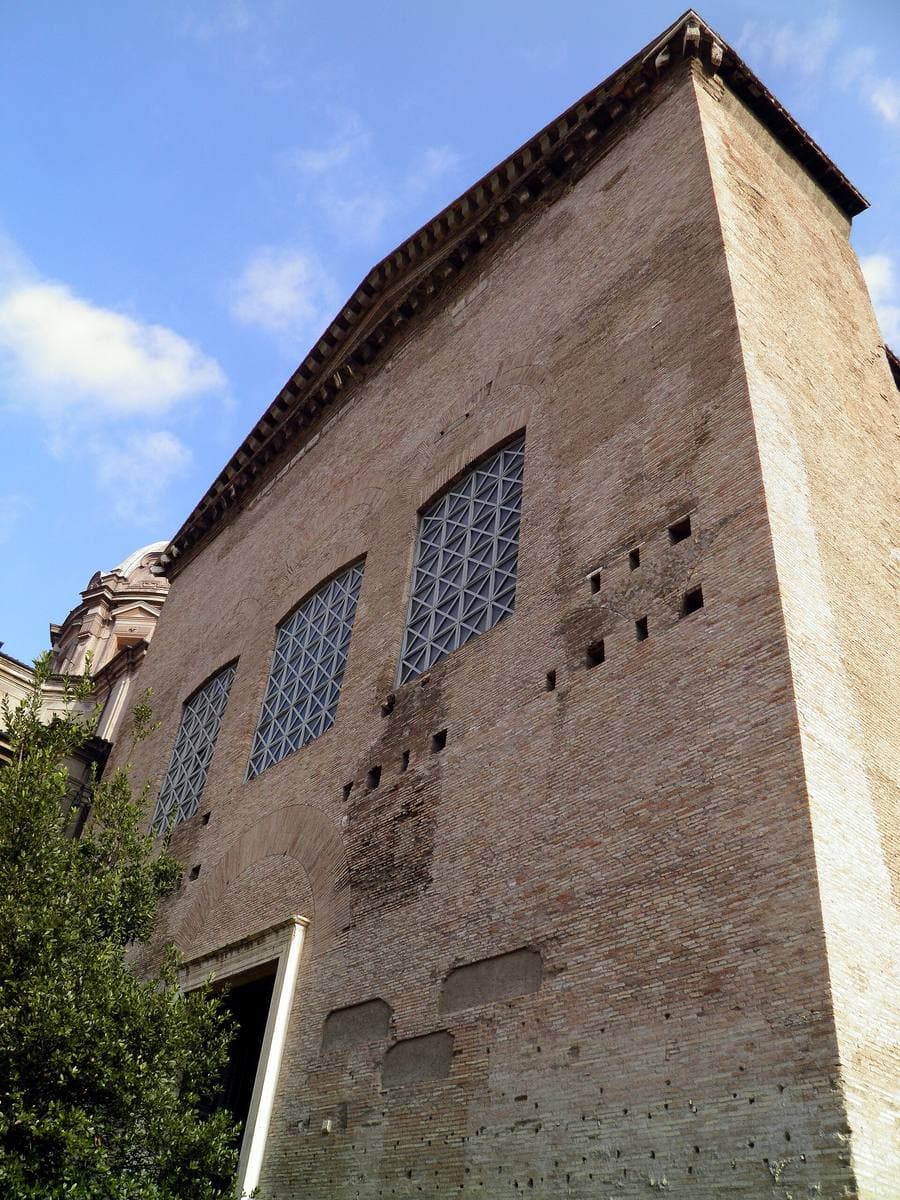
    A tall plain brick building with a pediment against blue sky
    The Curia Julia, the Senate house in the Forum, in 2013. Carole Raddato from FRANKFURT, Germany · CC BY-SA 2.0

    Caesar began a new Senate house in 44 BC; the work was interrupted by his murder and finished by Augustus in 29 BC.

    While it was being built, the Senate met in the Curia of Pompey, inside the Theatre of Pompey.

    What stands today is Diocletian’s rebuilding; its opus sectile floor and coloured marble panels date from then.

    In 630 Pope Honorius I made it a church; in 1930–36 it was stripped back to its ancient form.

    Inside the Forum, on the same ticket.

    Where this comes from

    Divus Iulius

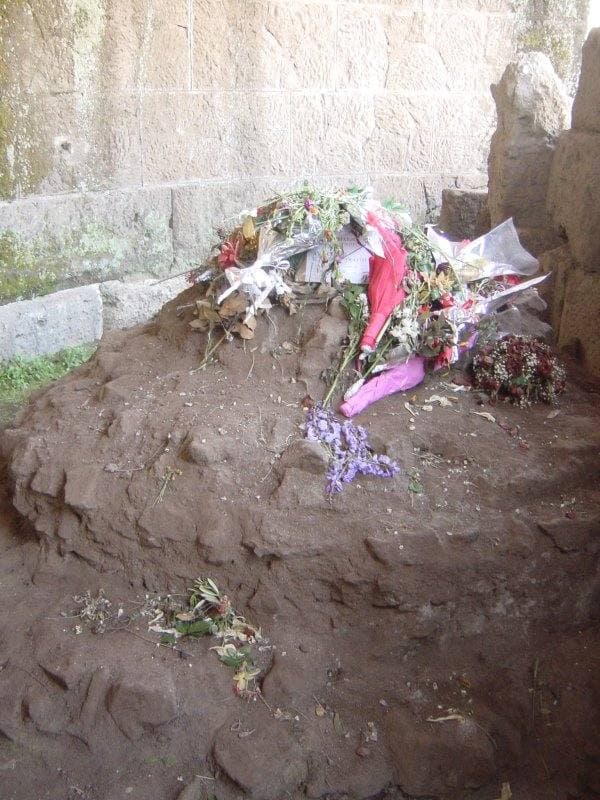
    Flowers laid on a rough rounded mass of ancient concrete
    Flowers on the remains of Caesar’s altar in the Temple of Divus Julius, 2007. Drieakko (talk) (Uploads) · CC BY-SA 3.0

    The temple stands on the site of Caesar’s cremation, on the east side of the Forum’s main square.

    Octavian dedicated it to his adoptive father on 18 August 29 BC.

    Flowers are left on the remains of the altar every day, and Caesar’s death is marked there on 15 March.

    Inside the Forum, on the same ticket; the altar is under a modern roof at the front of the podium.

    Where this comes from

    Palazzo Massimo alle Terme

    445 days.

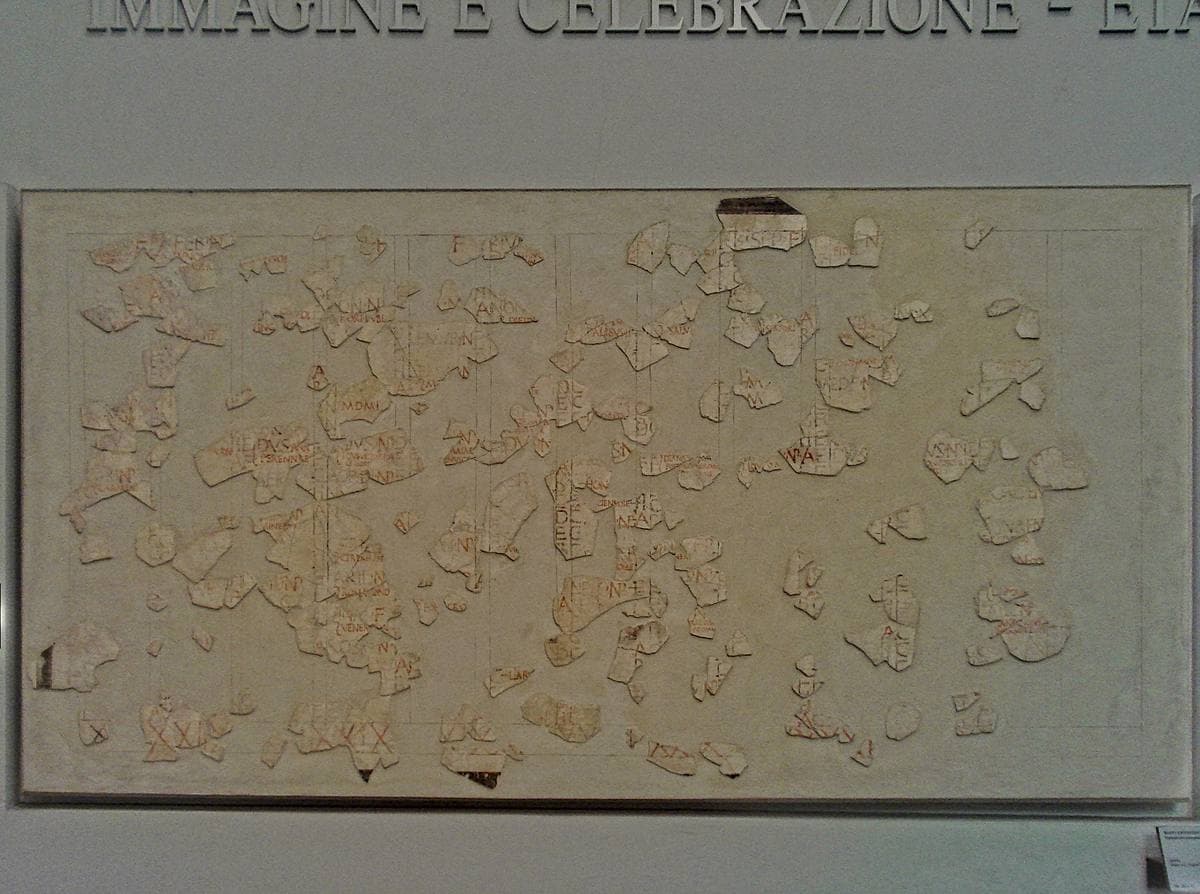
    Fragments of a painted plaster calendar with columns of small red and black letters
    The Fasti Antiates Maiores in the Palazzo Massimo, photographed in 2007: a painted wall calendar from before Caesar’s reform. Juliana Bastos Marques · CC BY-SA 3.0
    1. 84–55 BC

      The Fasti Antiates Maiores are painted on a wall at Antium, the only Roman calendar known from before Caesar’s reform.

    2. 46 BC

      Caesar’s reform makes 46 BC 445 days long, with three extra months, to bring 1 January back into line with the seasons.

    3. After 44 BC

      After Caesar’s death the priests, counting inclusively, add the leap day every three years instead of four; Augustus suspends leap days until the calendar is right again.

    4. 1915

      The painted calendar is found in a crypt near the coast at Anzio.

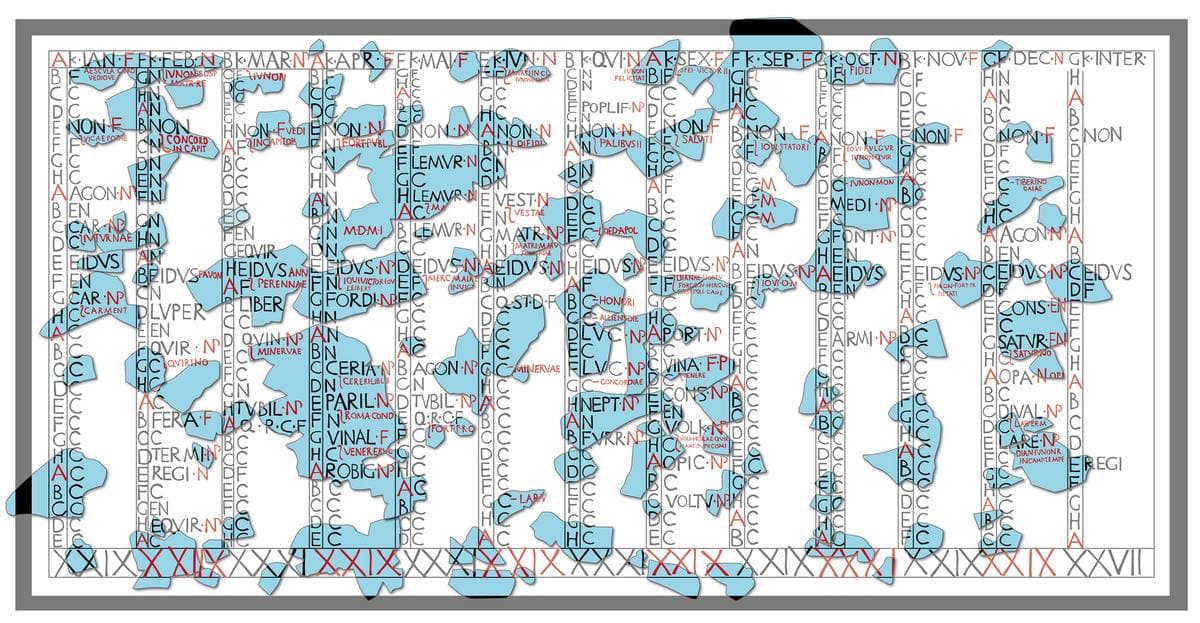
    A drawing of a calendar in twelve columns of letters, with the surviving fragments shaded
    A modern reconstruction drawing of the Fasti Antiates Maiores, by Levaring (CC0). Levaring · CC0

    Tuesday to Sunday, 11:00–18:00, last entry 17:00; closed Mondays and 25 December.

    Where this comes from
    Turismo Roma

    Palazzo Massimo alle Terme

    Largo di Villa Peretti 1, Rome · Tuesday–Sunday 11:00–18:00 · last entry 17:00

    The Museo Nazionale Romano’s house by Termini, home of the Fasti Antiates Maiores, the painted calendar from before Caesar’s reform.

    Plan a visit

    Actium, 2 September 31 BC

    City of Victory.

    Octavian’s fleet defeats Antony and Cleopatra off Actium, the climax of more than a decade of rivalry.

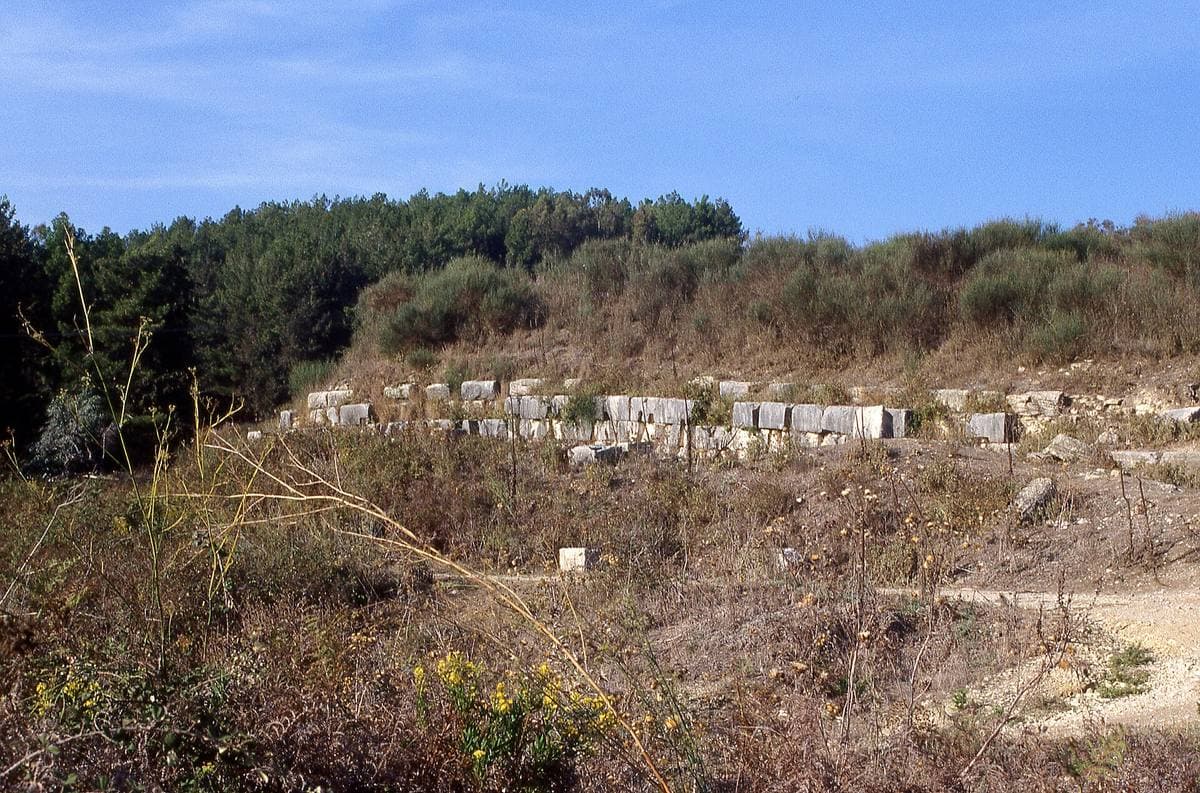
    A long terrace wall of large stone blocks in scrubland
    Octavian’s campsite memorial for Actium, on the hill above Nicopolis, photographed in 1990. Mark Landon · CC BY 4.0

    Actium and Nicopolis

    In 29 BC Octavian founded Nicopolis, the City of Victory, across the mouth of the Ambracian Gulf from Actium. On the hill where his own tent had stood he built a memorial, known for the bronze rams taken from captured warships.

    The ruins of Nicopolis lie on the road north from Preveza; the campsite memorial is on the hill north of the village of Nicopolis, also called Smyrtoula.

    Where this comes from
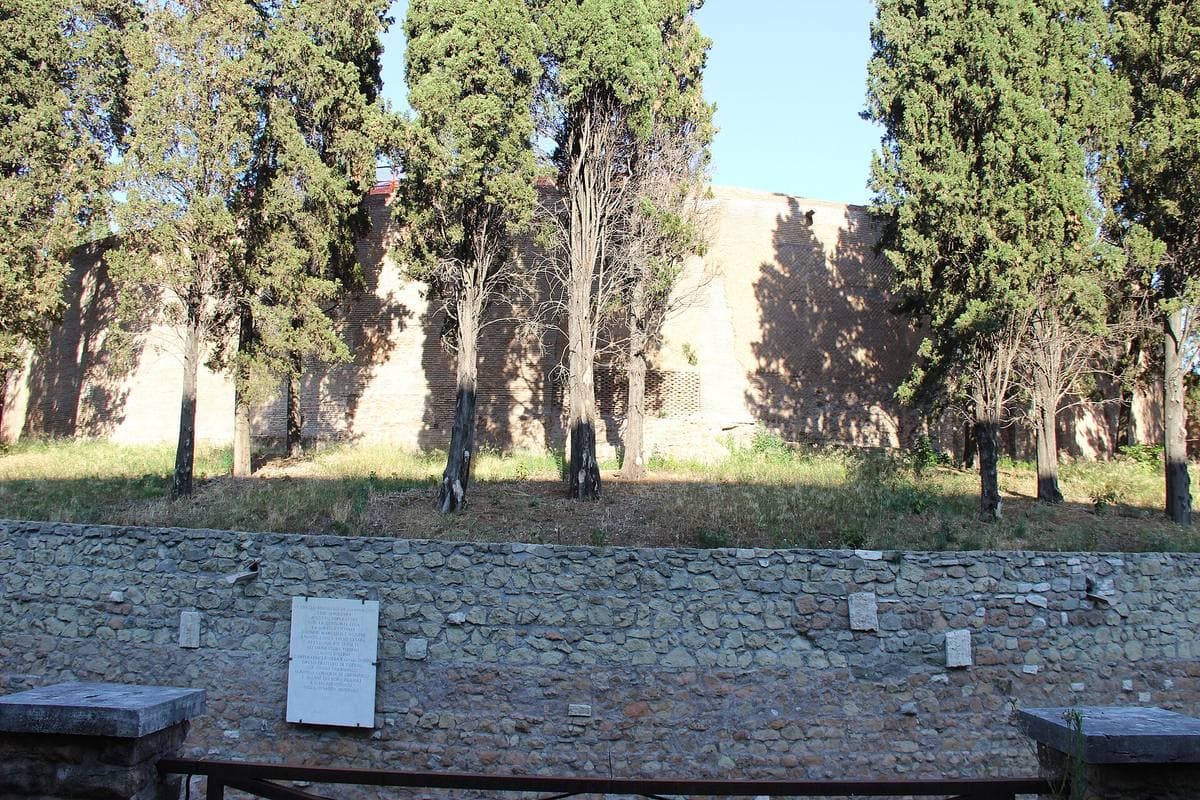
    Grassy circular walls of a huge round tomb seen behind a railing
    The Mausoleum of Augustus on Piazza Augusto Imperatore, 2019. Gary Todd from Xinzheng, China · Public domain

    The Mausoleum of Augustus

    Octavian began it in 28 BC, after Actium and the defeat of Antony and Cleopatra, in the then empty north of the Campus Martius.

    At 300 Roman feet, about 87 metres, across, it is the largest circular tomb known.

    It reopened to the public for a time in 2021, then closed from 6 June 2022 while the piazza was rebuilt.

    Seen from Piazza Augusto Imperatore. Turismo Roma says it closed from 6 June 2022 for works on the piazza; check before you plan to go in.

    Where this comes from
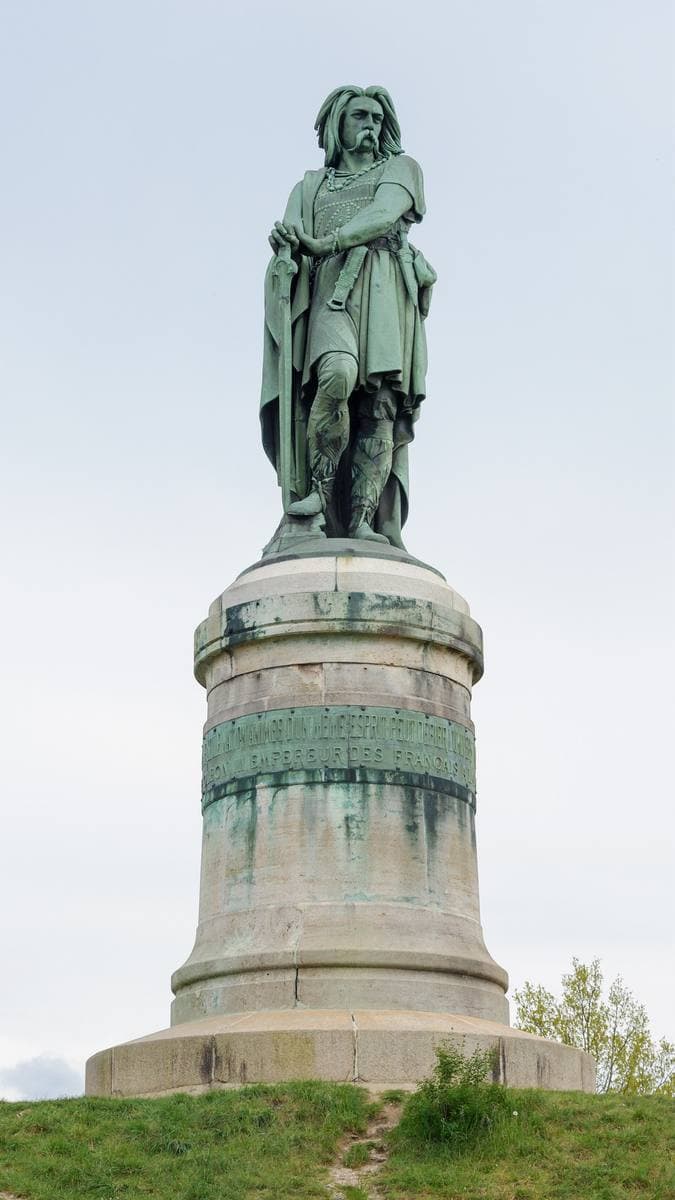
    A tall bronze statue of a long-haired Gaulish chief on a high stone plinth
    Aimé Millet’s statue of Vercingetorix, raised in 1865 on Mont Auxois above Alise-Sainte-Reine; photographed 2014. Myrabella · CC BY-SA 4.0

    Where it began: Alesia: Mont Auxois and the MuséoParc

    The series opens at the siege of Alesia, with Vorenus commanding his men of the 13th Legion; the next day Vercingetorix is made to surrender to Caesar. The siege of Alesia, in September 52 BC, was the climax of Caesar’s Gallic Wars; the site was most probably atop Mont Auxois, above Alise-Sainte-Reine.

    Napoleon III has a monumental statue of Vercingetorix raised to mark the end of the excavations.

    The museum is open daily from 7 February to 29 November; in November 10:00–17:00. Full price €13.50. Les Laumes-Alésia station is a ten-minute walk.

    Where this comes from
    MuséoParc Alésia

    MuséoParc Alésia

    Alise-Sainte-Reine, Burgundy · Daily until 29 November · November 10:00–17:00 · full price €13.50

    The museum of the siege on Mont Auxois, with Millet’s Vercingetorix on the hill above.

    Plan a visit
    A marble statue of Augustus in armour with one arm raised
    The Augustus of Prima Porta, in the Vatican Museums. Joel Bellviure · CC BY-SA 4.0

    Counted to the day.
    Where it all is now.

    Where it is now

    12 places to visit in three parts: the Forum, across Rome, and beyond Rome. Cinecittà is the only filming place here; the rest are where the history happened. Quintus Cicero’s winter camp, where Caesar names Vorenus and Pullo, cannot be located and is not pinned.

    Pins mark public places; private homes are named but not pinned.

    • General reference · Public access · Coordinate precision: area · Not an exact scene or camera position; not a visitor route. Inside the Parco archeologico del Colosseo: the Forum, the Palatine and the Colosseum share a ticket booked on ticketing.colosseo.it.

    • General reference · Public access · Coordinate precision: building · Not an exact scene or camera position; not a visitor route. Inside the Forum, on the same ticket.

    • General reference · Public access · Coordinate precision: site · Not an exact scene or camera position; not a visitor route. Inside the Forum, on the same ticket; the altar is under a modern roof at the front of the podium.

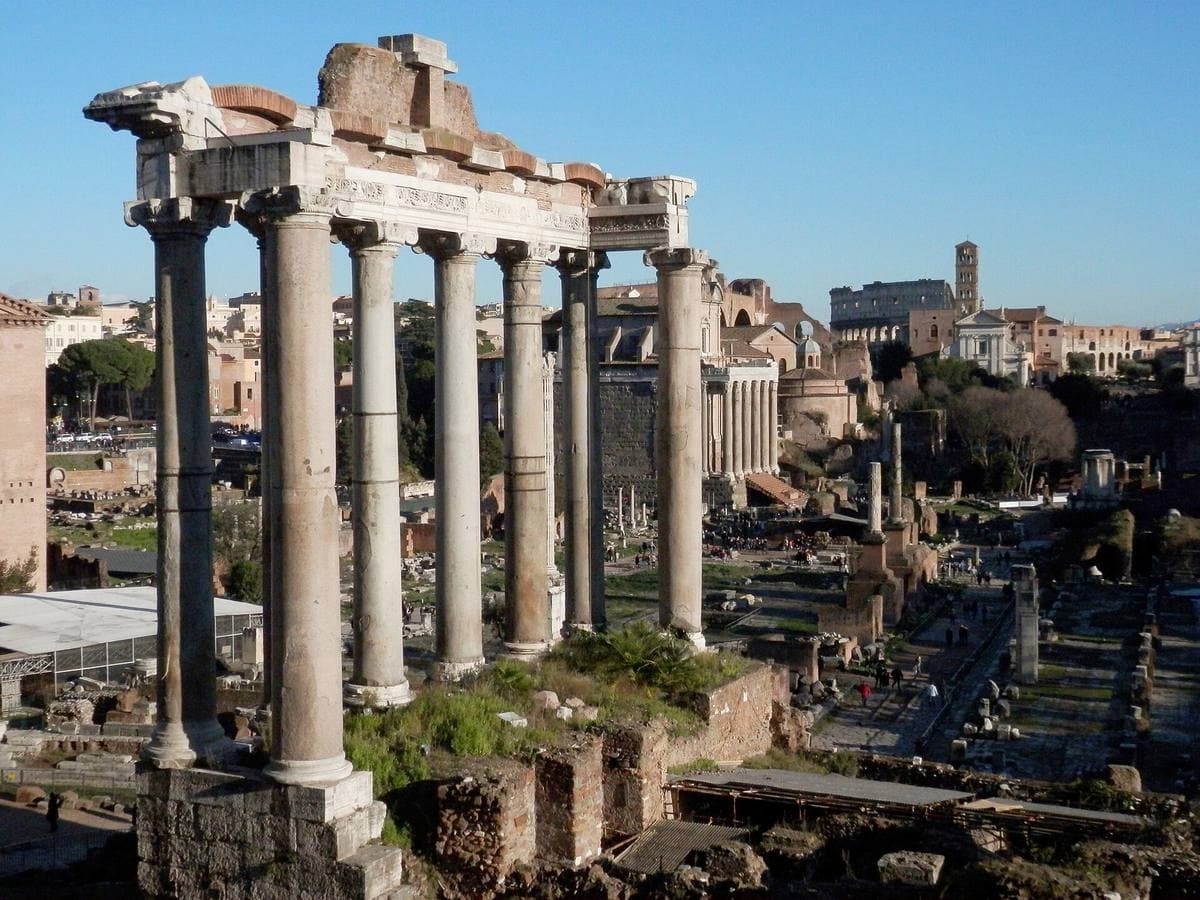
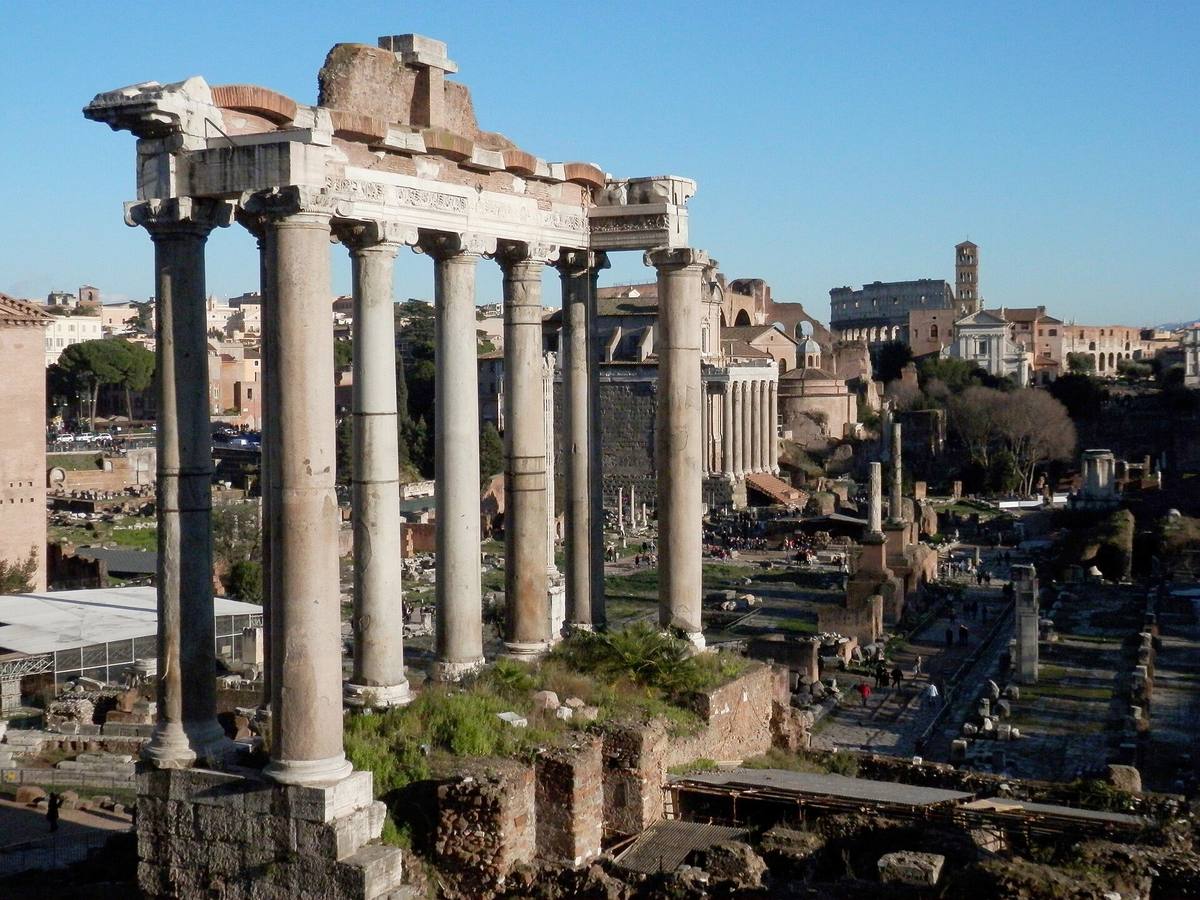
    1. Ruined columns and arches of the Roman Forum with Rome beyond
      The Roman Forum today, from the Capitoline end: the columns of the Temple of Saturn in front. Fczarnowski · CC BY-SA 4.0

      Via della Salara Vecchia and Via Sacra, Rome

      The Roman Forum

      The Cinecittà set recreated much of the Republic’s Forum.

      Inside the Parco archeologico del Colosseo: the Forum, the Palatine and the Colosseum share a ticket booked on ticketing.colosseo.it.

      Where this comes from
    2. A tall plain brick building with a pediment against blue sky
      The Curia Julia, the Senate house in the Forum, in 2013. Carole Raddato from FRANKFURT, Germany · CC BY-SA 2.0

      Roman Forum, by the Arch of Septimius Severus

      The Curia Julia

      Caesar began a new Senate house in 44 BC; the work was interrupted by his murder and finished by Augustus in 29 BC.

      Inside the Forum, on the same ticket.

      Where this comes from
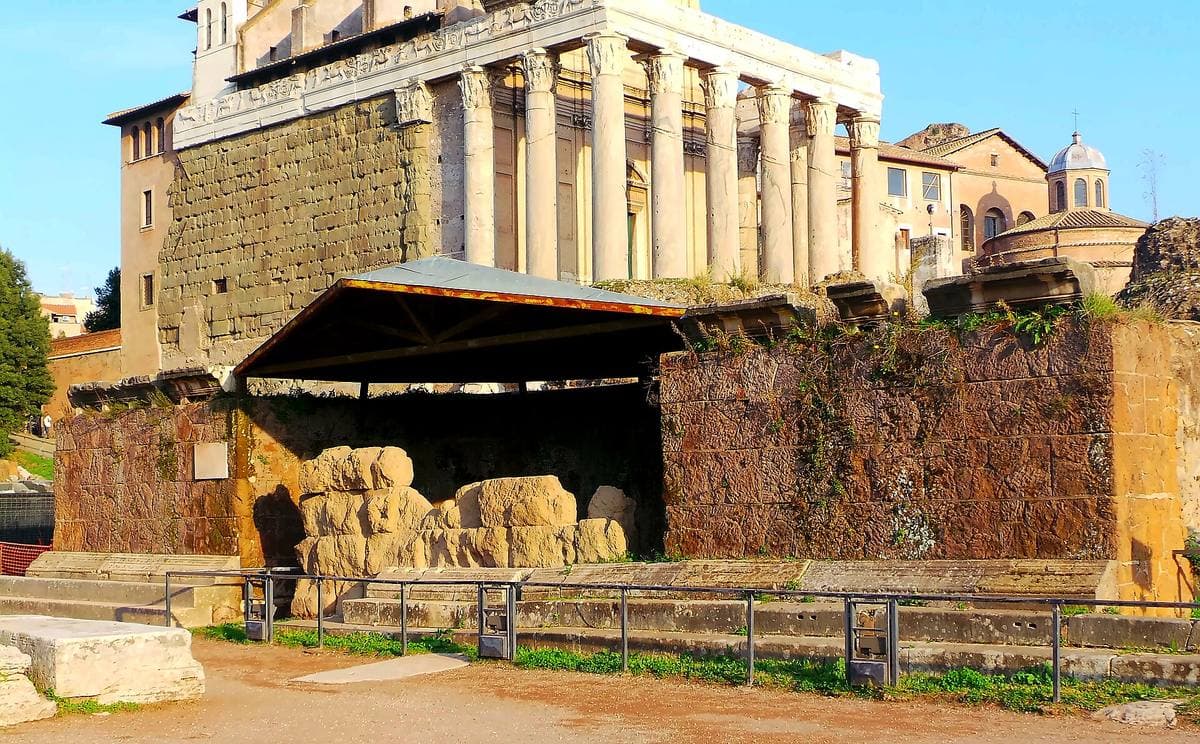
    3. A low ruined podium under a modern roof in the Roman Forum
      The Temple of Divus Julius in the Forum, 2015, with the roof that now shelters Caesar’s altar. Rabax63 · CC BY-SA 4.0

      Roman Forum, east side of the main square

      The Temple of Divus Julius

      The temple stands on the site of Caesar’s cremation, on the east side of the Forum’s main square.

      Inside the Forum, on the same ticket; the altar is under a modern roof at the front of the podium.

      Where this comes from
    A marble head of a thin, lined, balding man
    Caesar, who wrote down the two names. Marie-Lan Taÿ Pamart · Public domain

    Nervian territory · not pinned

    Quintus Cicero’s winter camp

    In 54 BC the Nervii attacked the legion under Quintus Cicero in its winter quarters in their territory. Caesar’s Commentaries, Book 5, chapter 44, name two centurions of that legion: Lucius Vorenus and Titus Pullo.

    Nobody knows where the camp stood; it is named here, not pinned.

    Where this comes from

    Stay

    Sleep over the Forum.

    A hotel on Via Tor de’ Conti with breakfast on the roof.

    Hotel Forum

    Hotel Forum

    Via Tor de’ Conti 25, Rome · Autumn offer from €108 a night

    A 78-room hotel on Via Tor de’ Conti in Monti, overlooking the Forum, with breakfast served on its roof garden.

    See rooms

    Go there

    A set, a temple floor, a calendar, a hill in Burgundy.

    The Ancient Rome set with a Cinecittà guide, Largo Argentina, the Palazzo Massimo, the MuséoParc at Alesia, and marketplace tours of the Forum and the studios.

    Cinecittà

    Guided visit to the Ancient Rome set

    Via Tuscolana 1055, Rome · Saturdays, Sundays and holidays · Cinecittà si Mostra + set visit €15, under 26 and over 65 €13 · booking advised at visit@cinecitta.it

    The set built for Rome, with the Basilica Julia, the Curia, the Rostra and the Temple of Venus, seen only with a guide from Cinecittà’s education department, together with Cinecittà si Mostra.

    See the calendar
    Turismo Roma

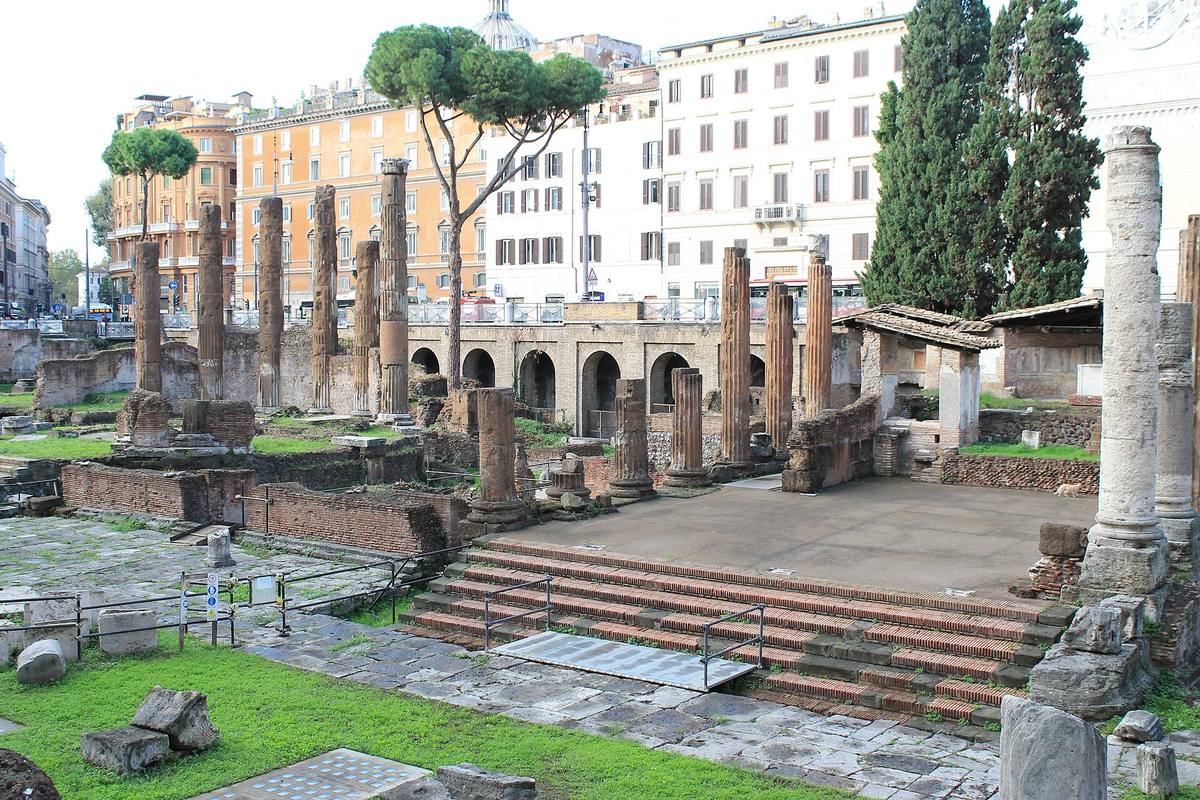
    Sacred Area of Largo Argentina

    Largo di Torre Argentina, Rome · Tuesday–Sunday · winter time 10:00–16:00 · tickets at the Torre del Papito

    A step-free walkway among four Republican temples and the base of the Curia of Pompey.

    Plan a visit
    Turismo Roma

    Palazzo Massimo alle Terme

    Largo di Villa Peretti 1, Rome · Tuesday–Sunday 11:00–18:00 · last entry 17:00

    The Museo Nazionale Romano’s house by Termini, home of the Fasti Antiates Maiores, the painted calendar from before Caesar’s reform.

    Plan a visit
    MuséoParc Alésia

    MuséoParc Alésia

    Alise-Sainte-Reine, Burgundy · Daily until 29 November · November 10:00–17:00 · full price €13.50

    The museum of the siege on Mont Auxois, with Millet’s Vercingetorix on the hill above.

    Plan a visit
    Viator · Ad / affiliate

    Roman Forum tours

    Rome

    Live marketplace results for guided tours of the Forum and the Palatine. None is a Rome series tour as such; check each route.

    Live marketplace results · itineraries change

    Compare tours
    Viator · Ad / affiliate

    Cinecittà Studios tours

    Rome

    Live marketplace results for visits to Cinecittà. Check which include the Ancient Rome set, which can only be seen with a studio guide.

    Live marketplace results · itineraries change

    Compare tours

    What’s on

    English set tours, and Caesar in Burgundy.

    Three English-language visits to the set this autumn, and the MuséoParc’s Caesar exhibition until 29 November 2026.

    Checking current event dates…

    Take it home

    Two books.

    Caesar’s own account of Gaul, where Vorenus and Pullo appear, and Tom Holland’s history of the Republic’s end.

    Bookshop.org UK · Ad / affiliate

    The Conquest of Gaul

    Julius Caesar, translated by S. A. Handford

    Caesar’s own account of the Gallic War, where Vorenus and Pullo appear in Book 5; Penguin Classics.

    Find the book
    Bookshop.org UK · Ad / affiliate

    Rubicon

    Tom Holland

    A history of the Republic’s last century, Abacus, 2004.

    Find the book

    Dates, prices, rooms and stock change: confirm with the provider before you travel or buy. A stay or tour is described as a filming location only where the card says so.

    Count both ends.

    Where this comes from

    Every place and moment behind this page, with sources. Cinecittà is the filming place; the other places are where the history happened, told as history.

    13 of 13 places · 40 of 40 Moments

    • The Ancient Rome set, Cinecittà

      Cinecittà Studios, Via Tuscolana 1055, Rome

      • The Stolen Eagle

        Rome begins on HBO on 28 August 2005 with “The Stolen Eagle”, directed by Michael Apted and shot at Cinecittà, where Ben-Hur and Cleopatra were filmed.

      • Twenty-two episodes

        Twelve episodes in 2005 and ten in 2007; the last, “De Patre Vostro”, airs on 25 March 2007.

      • Fourteen months

        Rome is shot on 35mm over 14 months by eight directors and a crew of 350; one scene uses 750 extras.

      • A Forum for HBO and the BBC

        The Ancient Rome set is built on the backlot in 2004–2005, of galvanised steel frames, fibreglass panels on a polystyrene core, plaster ashlar, oil-marbled red columns and faux travertine.

      • Grass between the cobbles

        In a break in filming, Bennett’s team add layers of plaster and sow grass between the cobbles; he says the longer the set stands, the more realistic its patina.

      • Like a modern city

        The look of the city is pushed towards a busy modern developing metropolis such as Mumbai, and dirtied up.

      • Not Rome, then Deadwood

        David Milch first meant to set his next HBO series in ancient Rome; with Rome already in development, he set it in Deadwood instead.

      • Fire on the backlot

        A fire at Cinecittà destroys a significant part of the set, after the second season has finished filming.

      • Pompeii, next

        Part of the set is used late in 2007 by Doctor Who for “The Fires of Pompeii”.

      • Restored for Domina

        The set is kept rather than taken down, readapted for the Augustan age for Domina, and the Basilica Julia is restored over five months.

      • Guided on weekends

        Cinecittà runs guided visits to the Ancient Rome set on weekends and holidays, including English tours at 11:30 on 31 October, 14 November and 28 November 2026.

      • The cast

        Ciarán Hinds plays Julius Caesar, Kenneth Cranham Pompey, David Bamber Cicero, James Purefoy Mark Antony, Lyndsey Marshal Cleopatra, Max Pirkis and Simon Woods Octavian, Polly Walker Atia, Lindsay Duncan Servilia and Indira Varma Niobe.

      • McKidd and Stevenson

        In the series Vorenus is played by Kevin McKidd and Pullo by Ray Stevenson; unlike the real centurions, they serve in the 13th Legion.

    • The Roman Forum

      Via della Salara Vecchia and Via Sacra, Rome

      • The Curia Julia

        Roman Forum, by the Arch of Septimius Severus

        • A new Senate house

          Caesar replaces the old Senate house with his own; the work stops at his death and Augustus finishes it.

        • Sant’Adriano

          Pope Honorius I turns the Curia into a church; in the 1930s it is taken back to its ancient form.

      • The Temple of Divus Julius

        Roman Forum, east side of the main square

        • Cremated in the Forum

          Caesar is cremated in the Forum; Octavian later builds the temple of the deified Julius on the spot.

        • The temple dedicated

          Octavian dedicates the Temple of Divus Julius as part of his triple triumph over Antony and Cleopatra.

        • Flowers every day

          Flowers are left at the altar daily, with commemorations every 15 March.

      • Largo di Torre Argentina

        Largo di Torre Argentina, Rome

        • The Ides of March

          Julius Caesar is killed by a group of senators during a Senate meeting at the Curia of Pompey.

        • Kalends of February

          The first season ends with “Kalends of February”, first shown on 20 November 2005.

        • A way in

          The sacred area reopens with a walkway that lets visitors among the temples for the first time.

      • The Mausoleum of Augustus

        Piazza Augusto Imperatore, Rome

        • A tomb on the Campus Martius

          Back from Egypt, Octavian begins his mausoleum, the largest circular tomb known.

      • Palazzo Massimo alle Terme

        Largo di Villa Peretti 1, by Termini station, Rome

        • A calendar on a wall

          The Fasti Antiates Maiores are painted on a wall at Antium, the only Roman calendar known from before Caesar’s reform.

        • A year of 445 days

          Caesar’s reform makes 46 BC 445 days long, with three extra months, to bring 1 January back into line with the seasons.

        • Counting both ends

          After Caesar’s death the priests, counting inclusively, add the leap day every three years instead of four; Augustus suspends leap days until the calendar is right again.

        • Found at Anzio

          The painted calendar is found in a crypt near the coast at Anzio.

      • Alesia: Mont Auxois and the MuséoParc

        1 Route des Trois Ormeaux, Alise-Sainte-Reine, Burgundy

        • Alesia

          Caesar besieges Vercingetorix at Alesia; the Gallic chief is surrendered to him.

        • The first scene

          The series opens at the siege of Alesia, with Vorenus commanding his men of the 13th Legion; the next day Vercingetorix is made to surrender to Caesar.

        • A statue for the dig

          Napoleon III has a monumental statue of Vercingetorix raised to mark the end of the excavations.

      • The Rubicon at Savignano

        Ponte romano, Savignano sul Rubicone, Emilia-Romagna

        • Over the river

          Caesar takes the 13th Legion south over the Rubicon from Cisalpine Gaul into Italy, on his way to Rome.

      • Pharsalus (Farsala)

        Farsala, Thessaly, Greece

        • Pharsalus

          Caesar defeats Pompey near Pharsalus in the decisive battle of the civil war.

        • Episode seven

          The seventh episode of the series is called “Pharsalus”, first shown on 9 October 2005.

      • Philippi

        Archaeological site of Philippi, near Kavala, Greece

        • Philippi

          Antony and Octavian defeat Brutus and Cassius in two battles west of Philippi, the second on 23 October.

        • Episode eighteen

          The sixth episode of the second season is called “Philippi”, first shown on 18 February 2007.

      • Actium and Nicopolis

        Nicopolis, north of Preveza, Greece

        • Actium

          Octavian’s fleet defeats Antony and Cleopatra off Actium, the climax of more than a decade of rivalry.

        • The City of Victory

          Octavian founds Nicopolis and builds a memorial where his camp had stood, hung with the rams of captured ships.

      • Quintus Cicero’s winter camp

        Somewhere in the territory of the Nervii

        • Two names in Caesar

          Caesar’s Commentaries, Book 5, chapter 44, tell of two rival centurions, Lucius Vorenus and Titus Pullo; almost all of their adventures in the series are fictional.

        • Pullo goes first

          To outdo Vorenus, Pullo charges out of the camp; a spear pierces his belt so that he cannot draw his sword, and he is surrounded.

        • Vorenus follows

          Vorenus follows him out and drives the enemy back, then loses his footing on the broken ground.

        • Back to applause

          Pullo comes to his aid, and the two make it back inside the camp to loud applause.

      Privacy