Asociación Cultural Sad Hill
Dramatised walk: Carazo to Sad Hill
Carazo · Every day by arrangement · €12 a head, groups of 10+
Actors walk you from Carazo to the cemetery and back: about 11 km, three and a half hours.
Ask for a dateBurgosAlmeríaRome1966
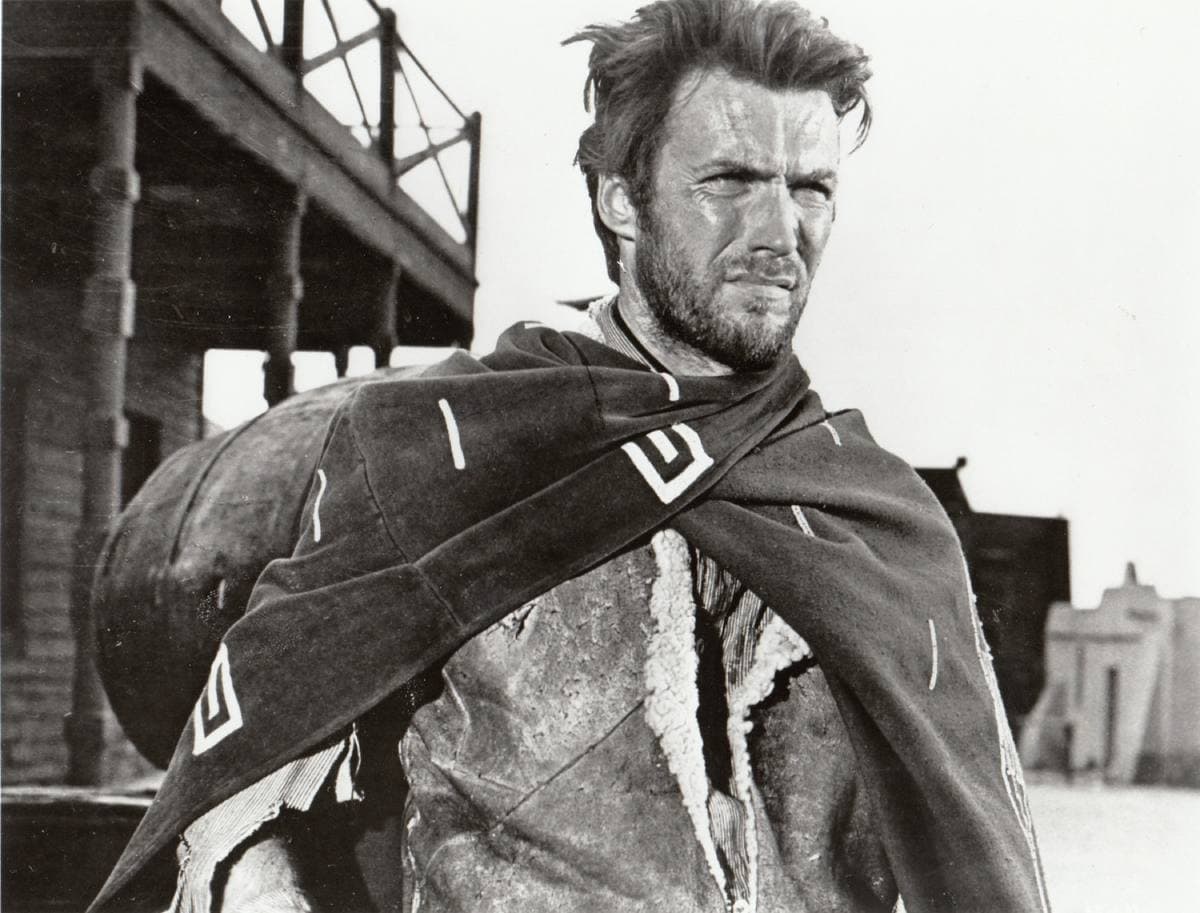
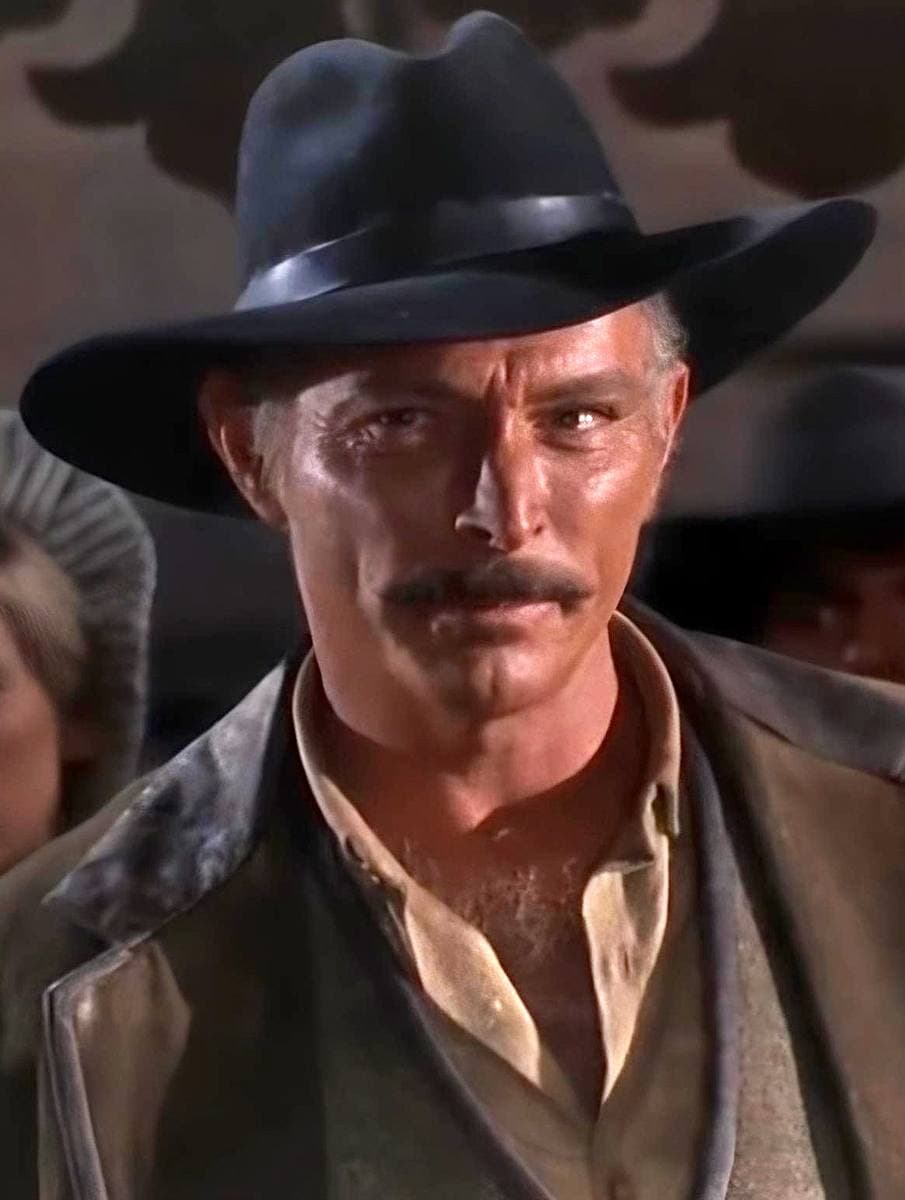
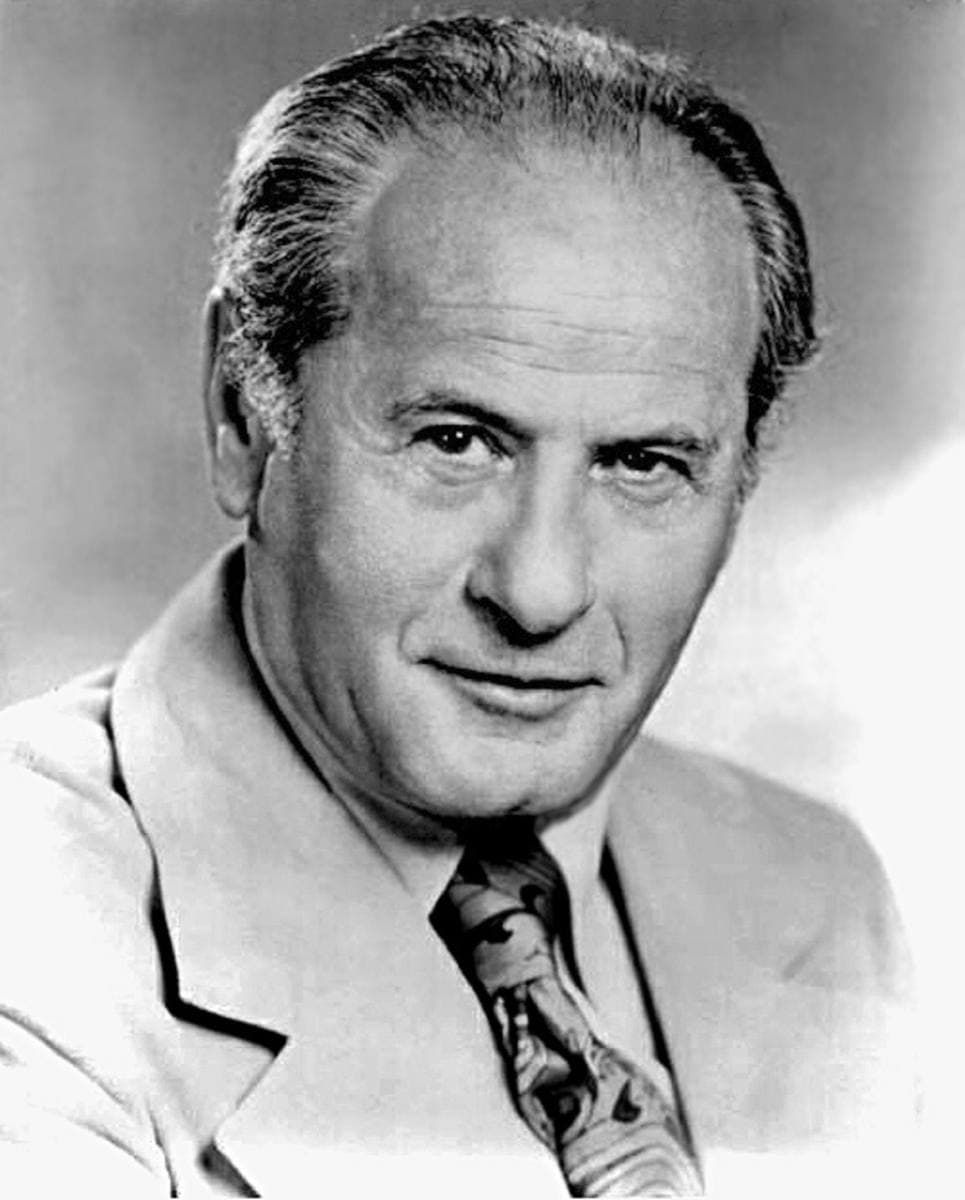
Leone’s American West was a valley in Burgos, a river in the Arlanza, a desert in Almería and a studio in Rome. Most of it is still there. Three men, one circle: cut between their eyes to find it.
Clint Eastwood, publicity photograph, 1964 · Lee Van Cleef in Death Rides a Horse, 1967 · Eli Wallach, publicity photograph, 1966. Public domain.
The standoff · Sad Hill
Leone’s style set close-ups against long wide shots. For the final shoot-out, Leone filmed to Morricone’s music, recorded in advance. Every cut below is shorter than the last; each pair of eyes is looking at a real place.
Three men stand in a circle. Nobody moves.
Press Roll, then keep cutting.
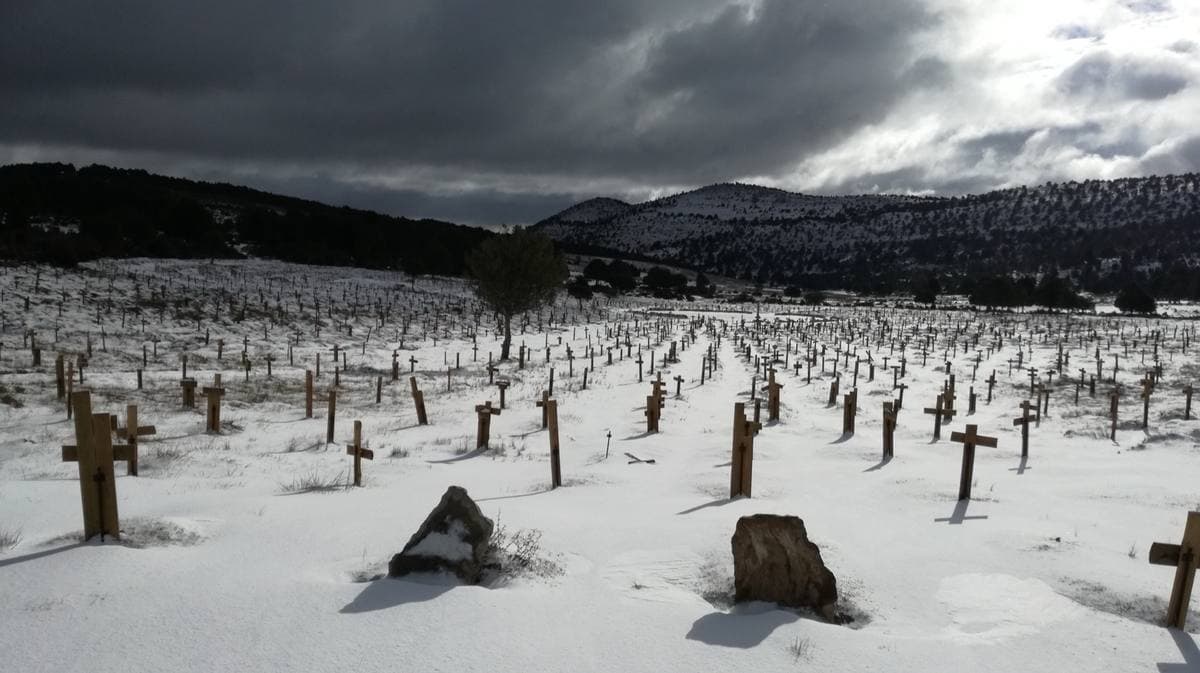
Mirandilla valley, Burgos
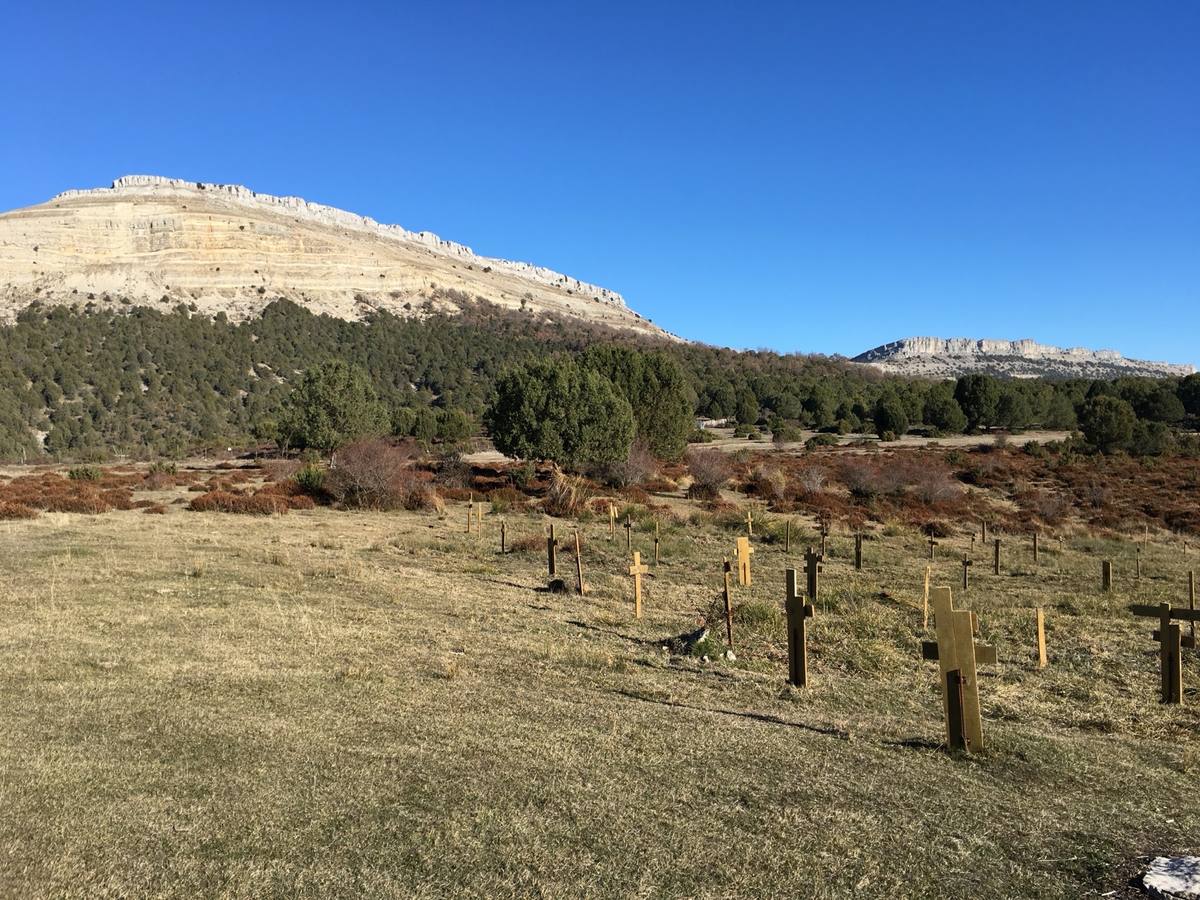
Volunteers began digging it out again in 2014, for the film’s 50th anniversary, and uncovered the original stone paving. Fans paid for it: sponsoring a grave cost 15 euros.
Nothing leaves this page: the name stays on your screen.
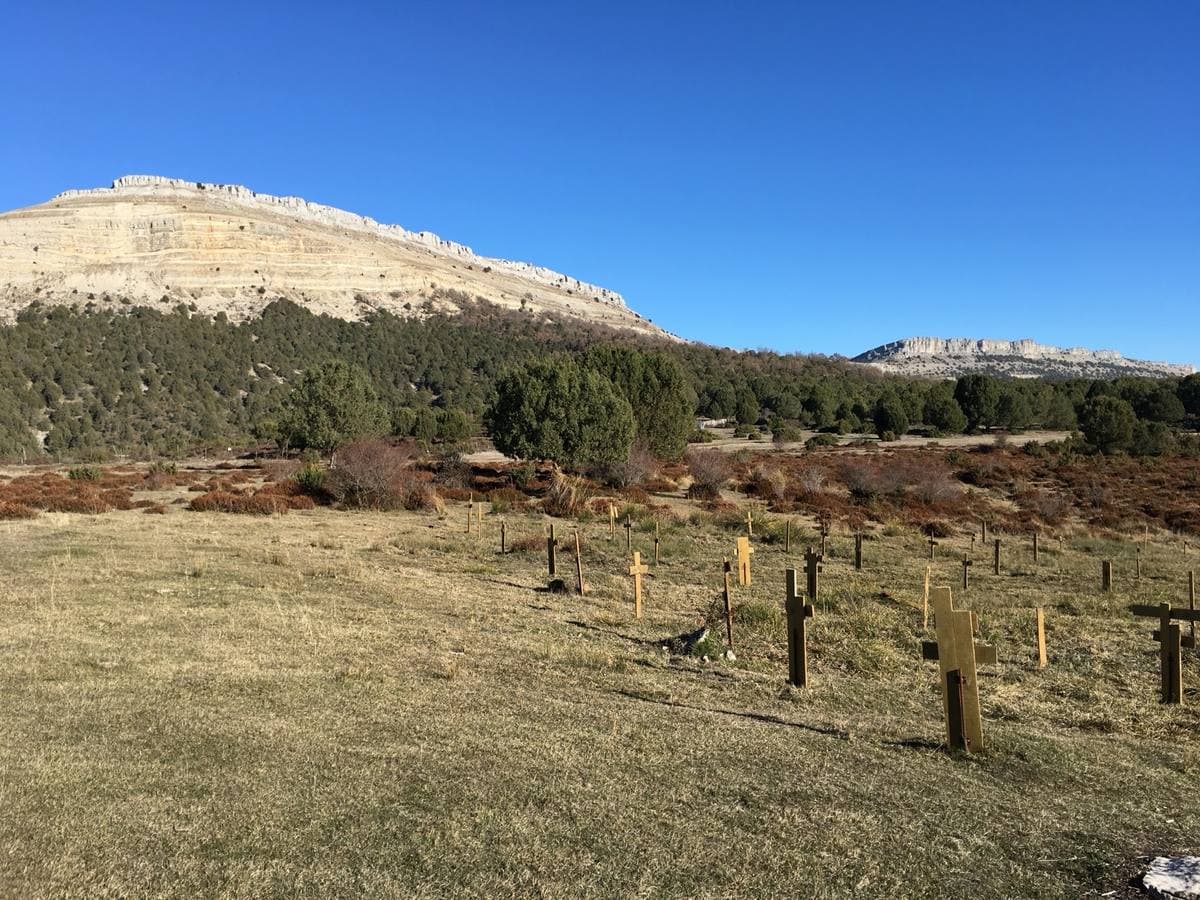
About 250 Spanish army soldiers built it in roughly three days, to Carlo Simi’s designs.
Volunteers have put up about 5,000 wooden crosses. Cattle scratching against them break some; visitors take stones as souvenirs.
Guillermo de Oliveira’s 2017 documentary Sad Hill Unearthed brought fans to the valley. In July 2026 the Asociación Cultural Sad Hill marked 60 years since the filming with a dramatised tour of the cemetery and the Alfoz de Lara brass band playing Morricone.
Free and open. Take the narrow half-paved track: about 3 km from Santo Domingo de Silos or 5 km from Contreras. Leave the stones where they are.
Carazo · Every day by arrangement · €12 a head, groups of 10+
Actors walk you from Carazo to the cemetery and back: about 11 km, three and a half hours.
Ask for a dateThe Arlanza, near Hortigüela
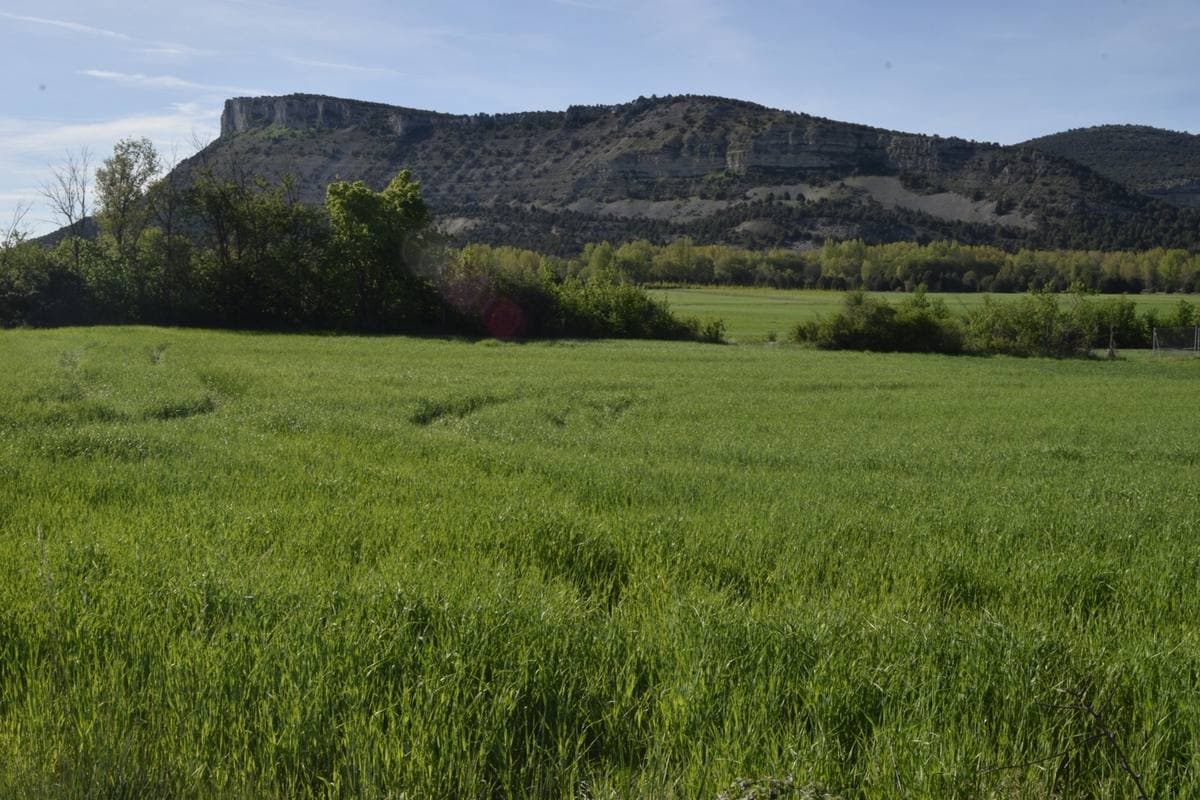
A wooden bridge about 100 metres long was built over the river in the Arlanza valley, about 3.5 km from Hortigüela, for a battle between Union and Confederate troops. More than 2,000 extras took part.
Take 1. The bridge is built: about a hundred metres of timber over the river.
Manolo Velasco worked as a camera operator under Leone on the bridge sequence.
The bridge was blown up for the film. OpenStreetMap marks the battle trenches beside the BU-905, a kilometre east of the monastery.
Mission San Antonio
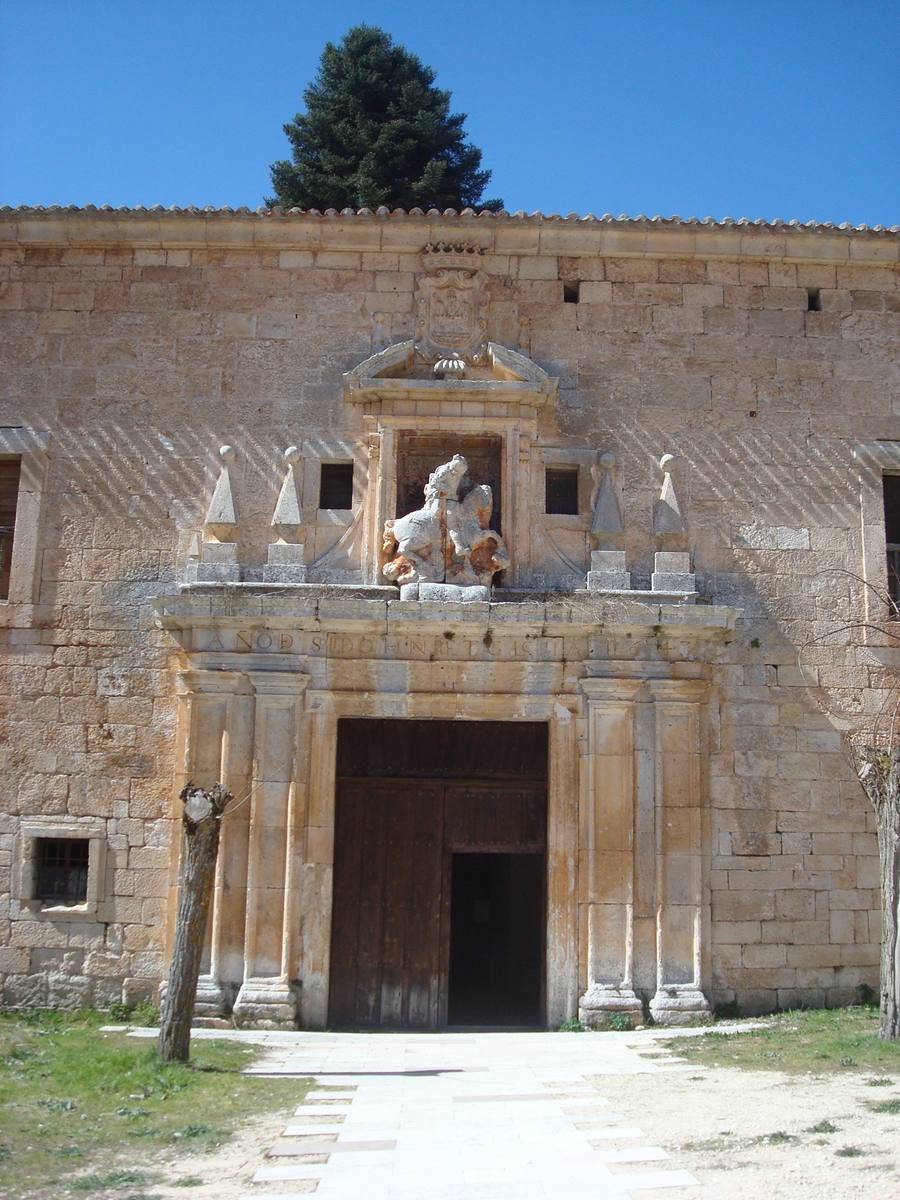
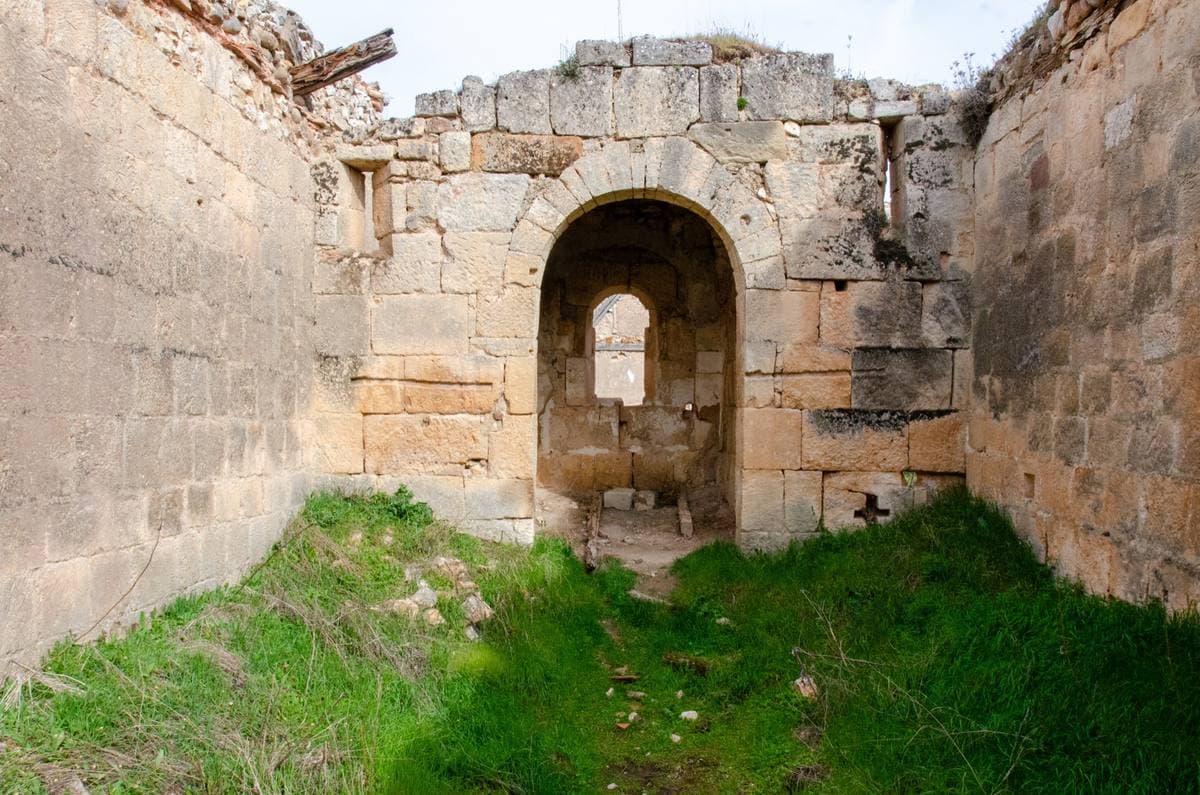
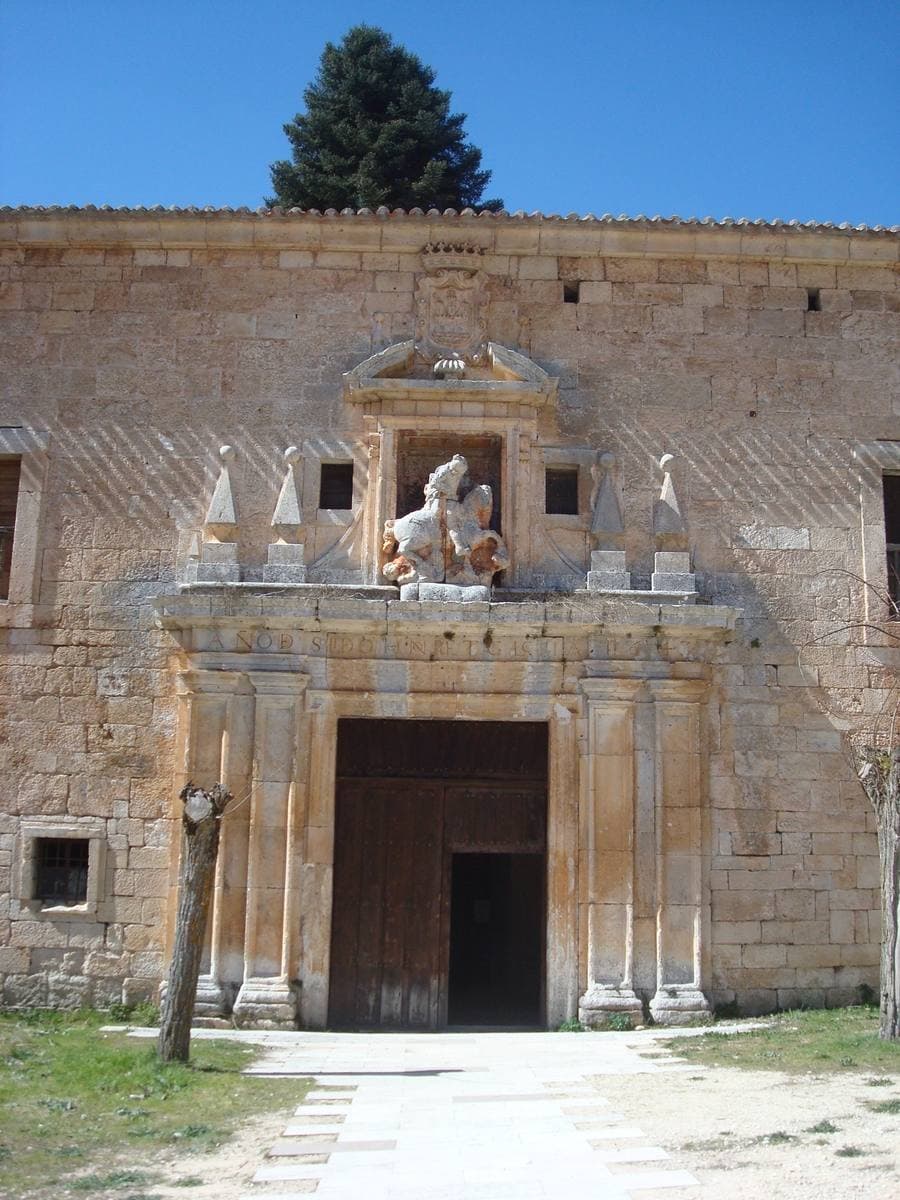
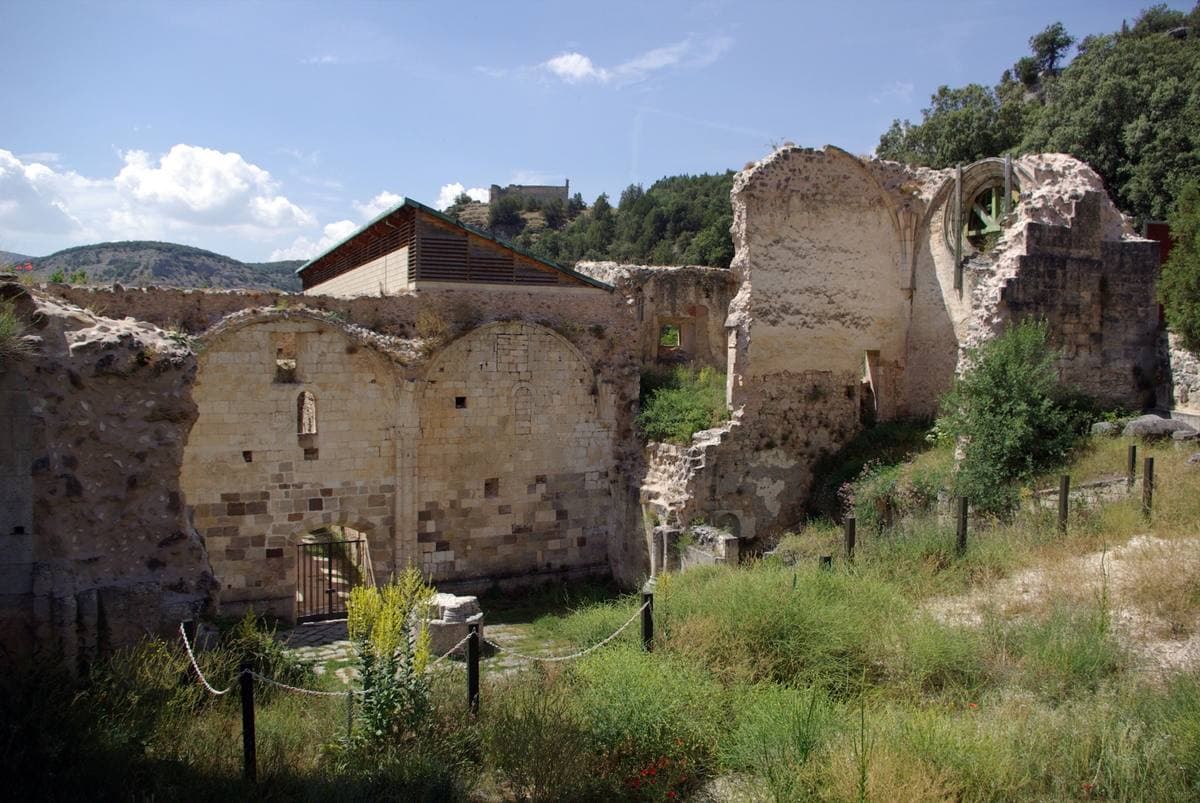
The ruined interiors of San Pedro de Arlanza played the Mission San Antonio, the convent turned military hospital where Tuco takes Blondie to recover.
The shutters are closed. Something is on the hill outside.
It stands on a rocky cliff above the Arlanza valley, looking over the river and the forest.
A ruined hermitage on the riverside path below the monastery, with views down the Arlanza.
Hortigüela, on the BU-905
Sculptures were pushed aside to make room for the wounded. The room where it was filmed, above the refectory, is now a private part of the monastery. The rooms where Blondie recovers and Tuco meets his brother have collapsed.
The monastery was founded in 912 and is called the cradle of Castile. It is now in ruins. Luigi Pistilli plays Tuco’s brother, Padre Ramírez.
Free. July to September, Wednesday to Sunday 10:30–14:30 and 16:00–18:30; October to April, Wednesday to Sunday 10:15–16:45. Closed the second weekend of each month (in October, the first).
Hortigüela · Wed–Sun · free
Walk the ruined monastery that played the Mission San Antonio. No guided visits; parts may close for works.
Opening timesAlmería
Eli Wallach remembered filming in Rome and Almería, six days a week for four months.
Eastwood’s poncho is not coming: it hangs in a restaurant in Carmel, California.
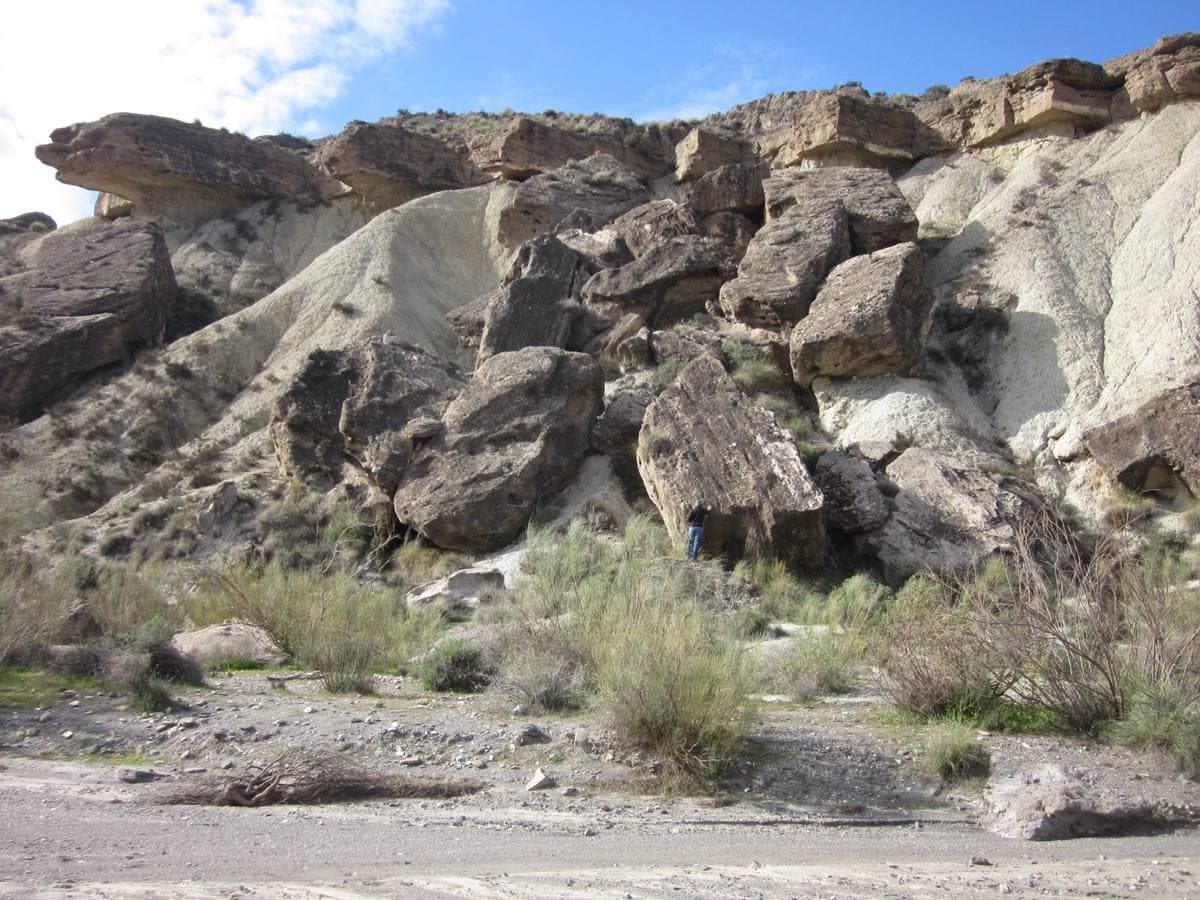
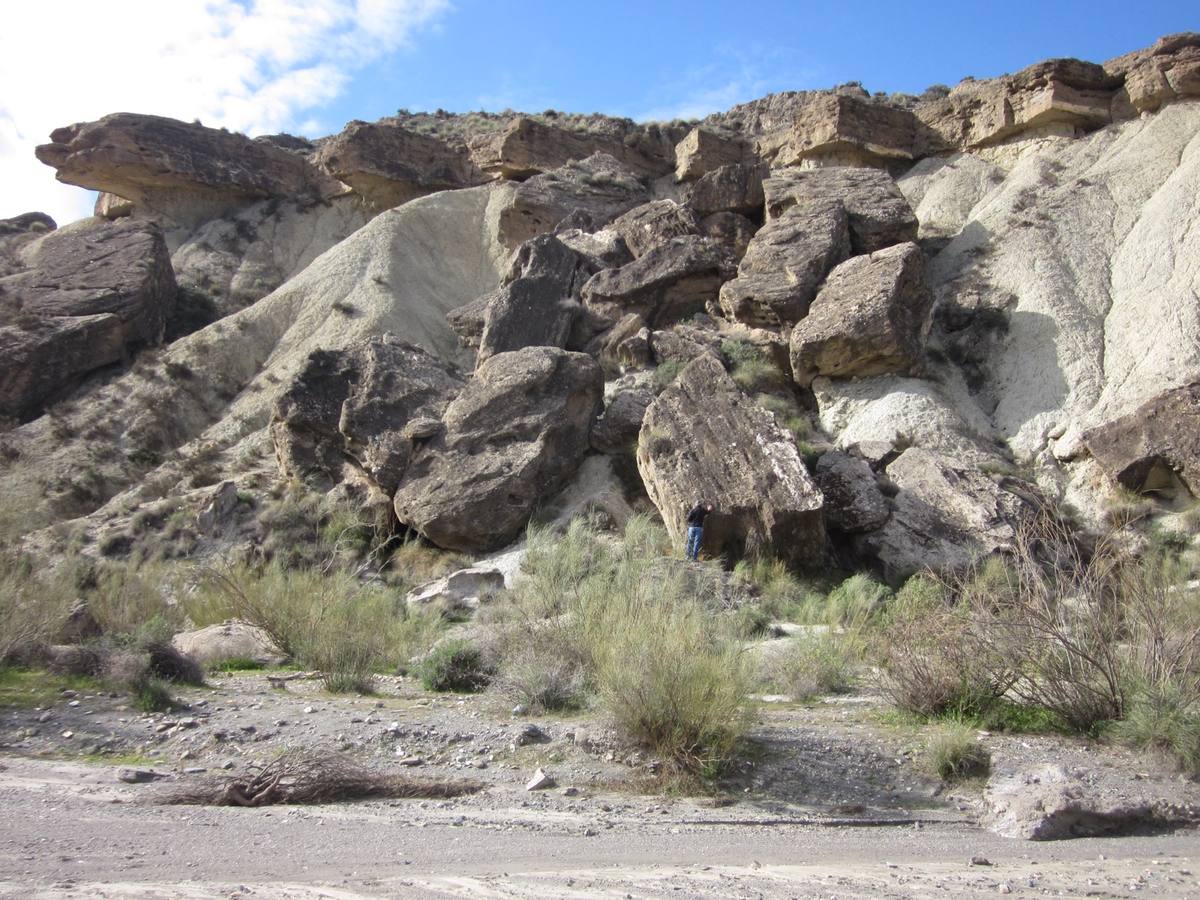
The production moves south to the Tabernas desert.
Andalusia’s tourist board names The Good, the Bad and the Ugly among the films shot in the Tabernas desert.
A protected natural area north of Almería. Carry water; there is little shade.
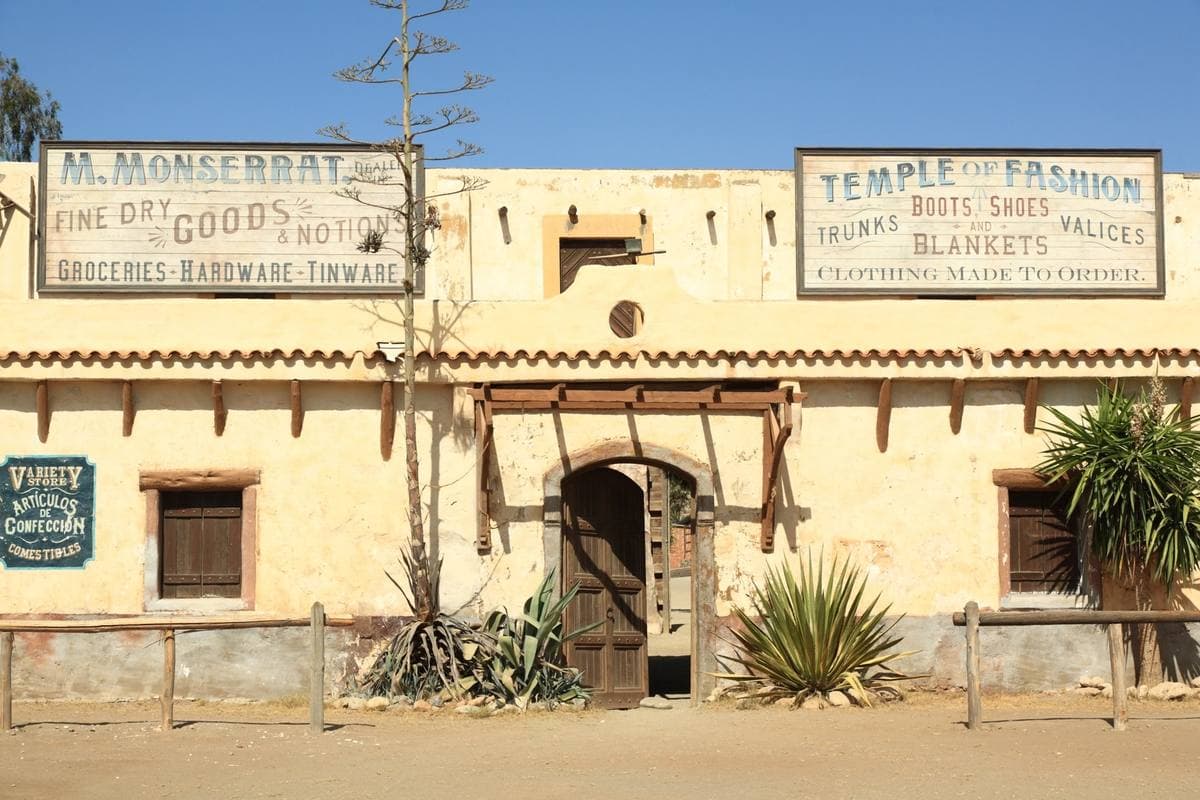
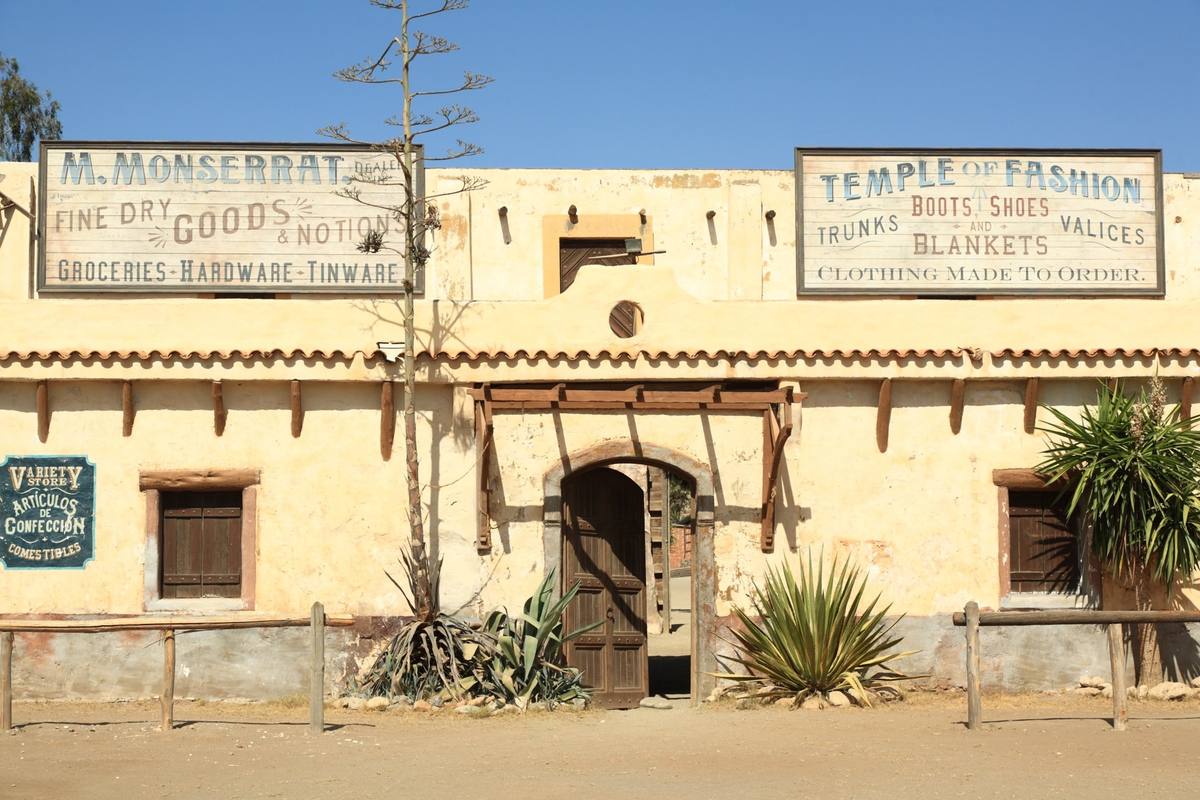
Leone builds a western town of his own near Tabernas.
It has a western street, a Mexican quarter with a church and a square, an Indian village and a log fort, with wagon rides and stunt shows twice a day.
A working film set and park outside Tabernas. Check the day’s show times before you set off.
0 of 2 swung back · Sergio Leone built this western town near Tabernas while looking for sets for his westerns. It still stands and is still used for films and adverts.
Tabernas, Almería
The western town Leone built outside Tabernas: a street, a Mexican quarter, a log fort, wagon rides and stunt shows twice a day.
Plan a visitAlmería
Live marketplace results for desert and film-set tours from Almería. Check each itinerary for the sets you want.
Live marketplace results · itineraries change
Compare toursCarazo, Salas, Hortigüela, Covarrubias
Every distance below is as the crow flies from the cemetery.
Betterville camp site · 5 km from Sad Hill
Majada de las Merinas, a hilltop near Carazo
Blondie and Tuco are held in a Union prison camp.
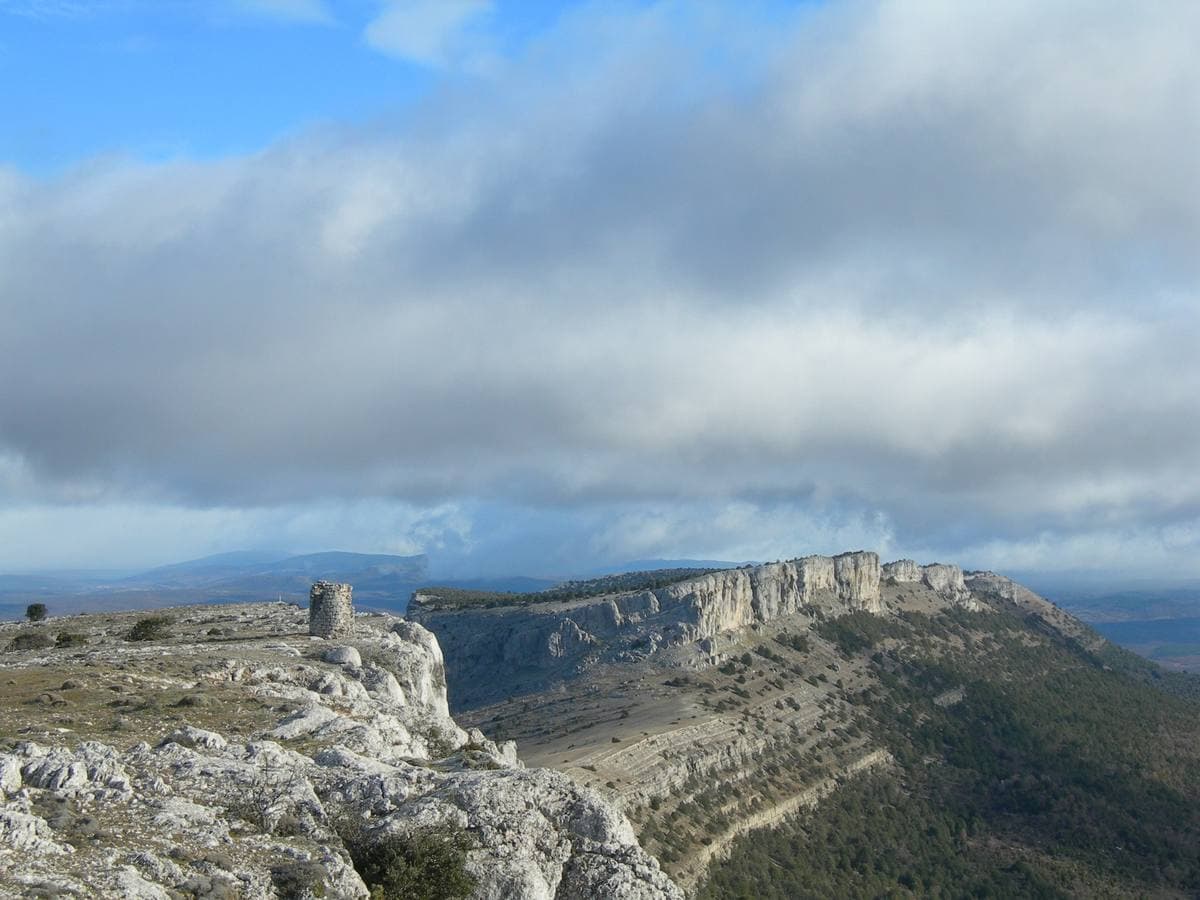
The Betterville prison camp was filmed on a hilltop near Carazo called Majada de las Merinas.
Carlo Simi designed it: a fort with deep moats, a palisade and buildings alongside.
Men from the villages were extras. Domingo Contreras and Fernando de Miguel played in the camp’s brass band.
A hilltop outside Carazo. OpenStreetMap names a path here the Senda de Betterville; walk it in boots.
Covarrubias
A renovated hotel on Plaza de Doña Urraca in Covarrubias, with a restaurant serving Burgos lamb and morcilla; about 14 km from Sad Hill.
Check roomsVia Tuscolana, Rome
The film was made partly at Cinecittà in Rome and partly on location. It opened in Italy on 15 December 1966 as Il buono, il brutto, il cattivo. It cost $1.2 million, more than the first two films together. Eastwood was paid $250,000 and a share of some profits.
Close the slate to end the shoot.
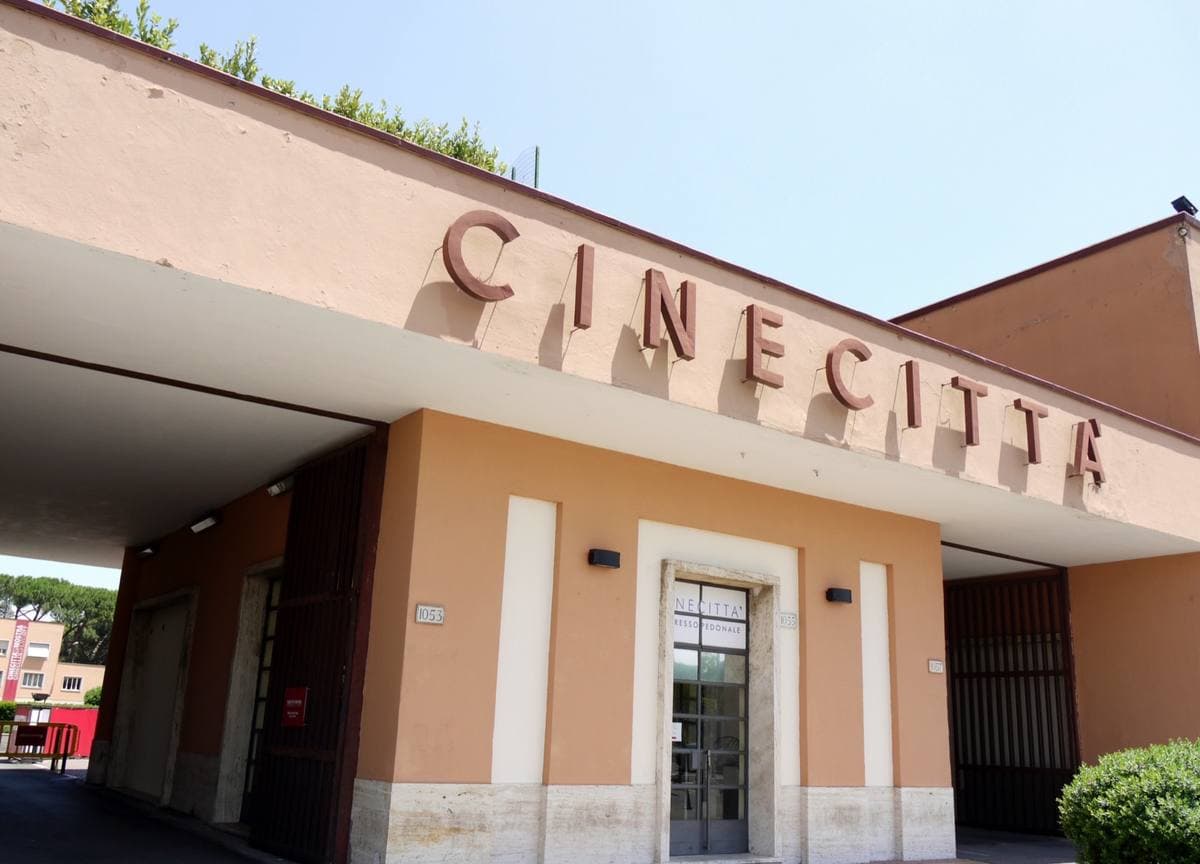
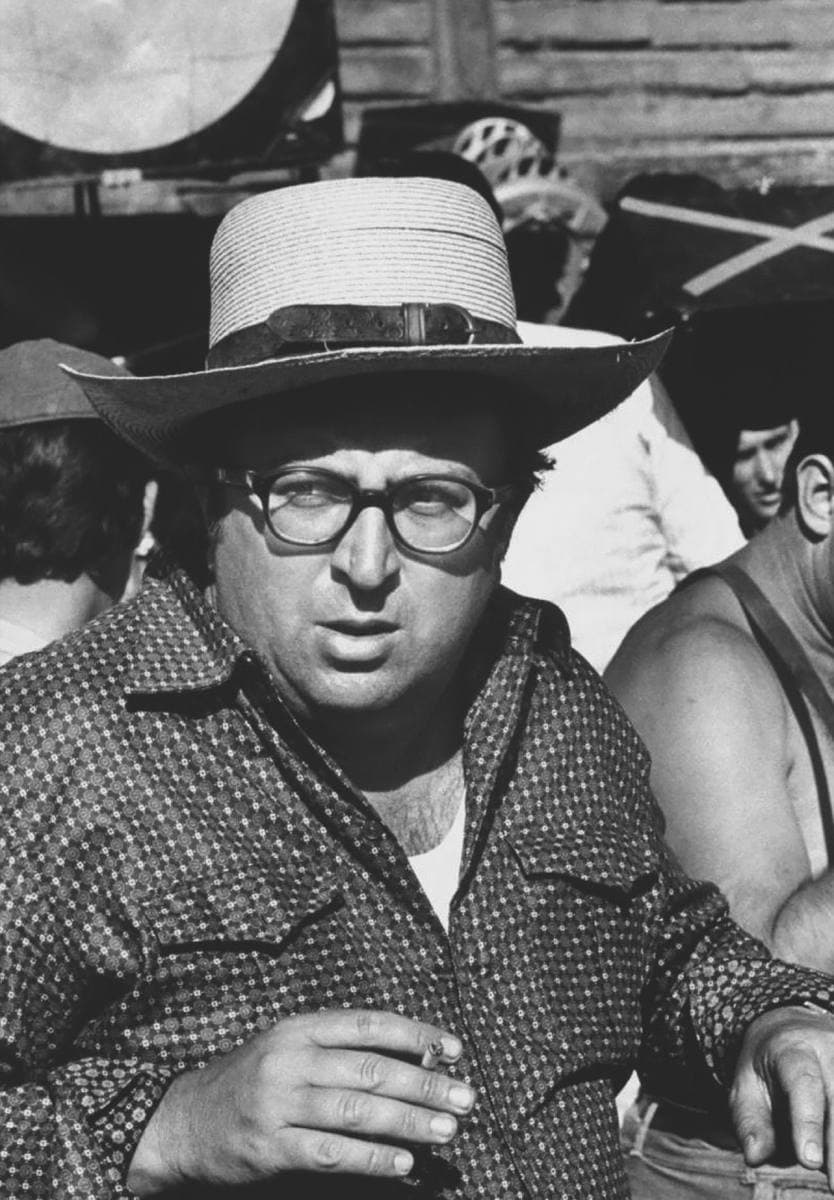
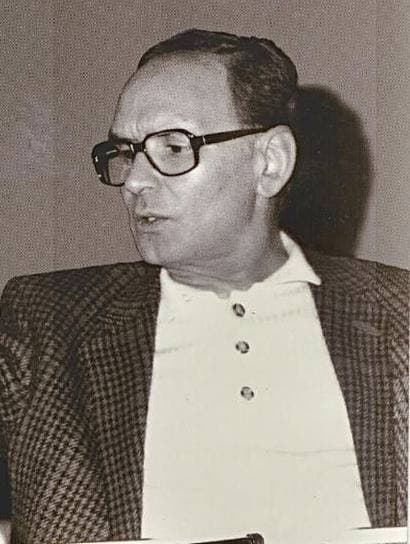
A working studio. Cinecittà si Mostra runs exhibitions and guided tours of the lots.
12 places you can visit or see from a track. The bridge is gone, blown up three times for the film; the Cortijo del Fraile is a protected ruin to see from outside. Nothing here is a private home.
Pins mark public places; private homes are named but not pinned.
General reference · Public access · Coordinate precision: site · Not an exact scene or camera position; not a visitor route. Free and open. Take the narrow half-paved track: about 3 km from Santo Domingo de Silos or 5 km from Contreras. Leave the stones where they are.
General reference · Public access · Coordinate precision: site · Not an exact scene or camera position; not a visitor route. The bridge was blown up for the film. OpenStreetMap marks the battle trenches beside the BU-905, a kilometre east of the monastery.
General reference · Public access · Coordinate precision: building · Not an exact scene or camera position; not a visitor route. Free. July to September, Wednesday to Sunday 10:30–14:30 and 16:00–18:30; October to April, Wednesday to Sunday 10:15–16:45. Closed the second weekend of each month (in October, the first).
General reference · Public access · Coordinate precision: building · Not an exact scene or camera position; not a visitor route. A ruined hermitage on the riverside path below the monastery, with views down the Arlanza.
General reference · Public access · Coordinate precision: site · Not an exact scene or camera position; not a visitor route. The village nearest the bridge and the monastery: a sensible place to start the Arlanza sites.
General reference · Public access · Coordinate precision: site · Not an exact scene or camera position; not a visitor route. A walled medieval village on the Arlanza, about 14 km from Sad Hill, with hotels and restaurants.
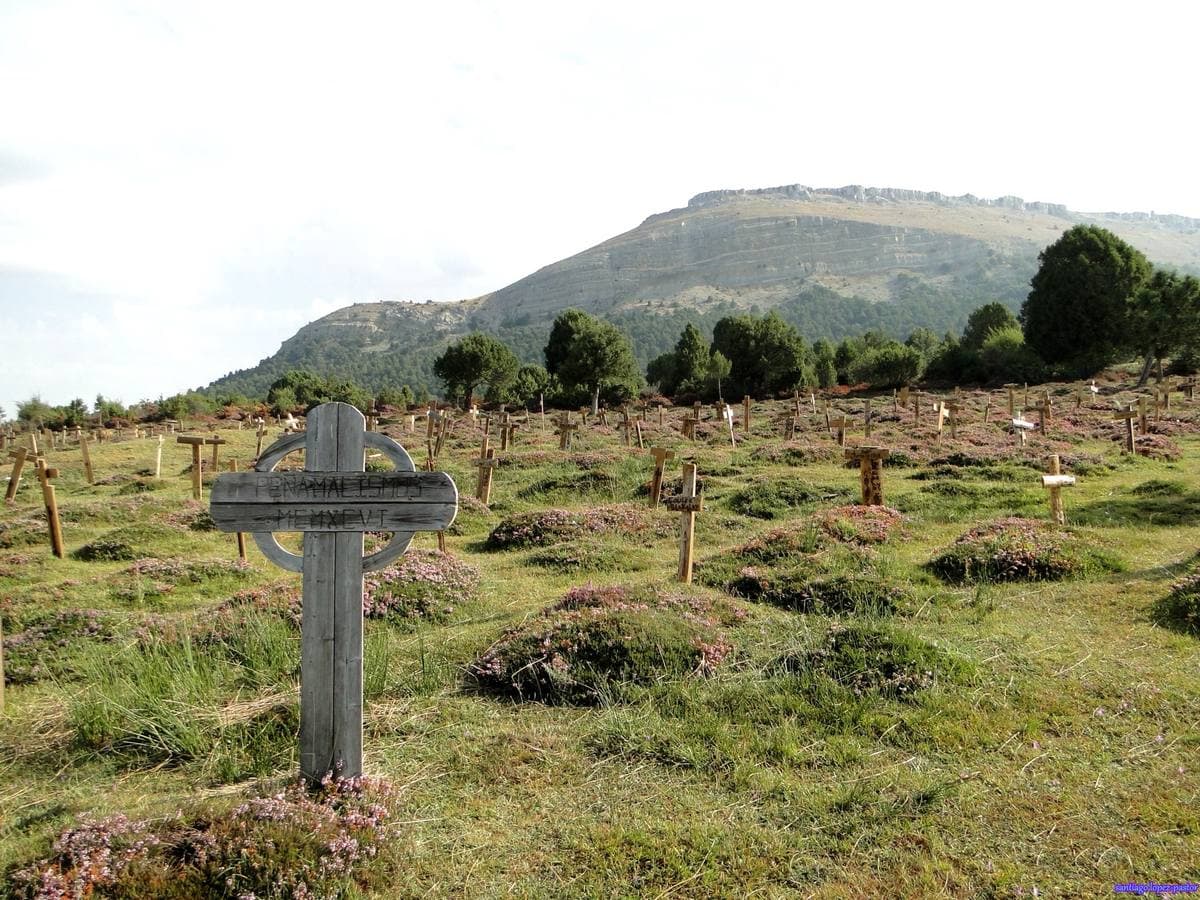
Mirandilla valley, between Contreras and Santo Domingo de Silos
The cemetery of the final three-way standoff was built in the Mirandilla valley, between Contreras and Santo Domingo de Silos, and can still be seen.
Free and open. Take the narrow half-paved track: about 3 km from Santo Domingo de Silos or 5 km from Contreras. Leave the stones where they are.
Arlanza valley, about 3.5 km from Hortigüela
A wooden bridge about 100 metres long was built over the river in the Arlanza valley, about 3.5 km from Hortigüela, for a battle between Union and Confederate troops.
The bridge was blown up for the film. OpenStreetMap marks the battle trenches beside the BU-905, a kilometre east of the monastery.
Hortigüela, on the BU-905
The ruined interiors of San Pedro de Arlanza played the Mission San Antonio, the convent turned military hospital where Tuco takes Blondie to recover.
Free. July to September, Wednesday to Sunday 10:30–14:30 and 16:00–18:30; October to April, Wednesday to Sunday 10:15–16:45. Closed the second weekend of each month (in October, the first).
On the cliff above San Pedro de Arlanza
Through a window in the mission scene you can glimpse the hermitage of San Pelayo on its hill near the monastery.
A ruined hermitage on the riverside path below the monastery, with views down the Arlanza.
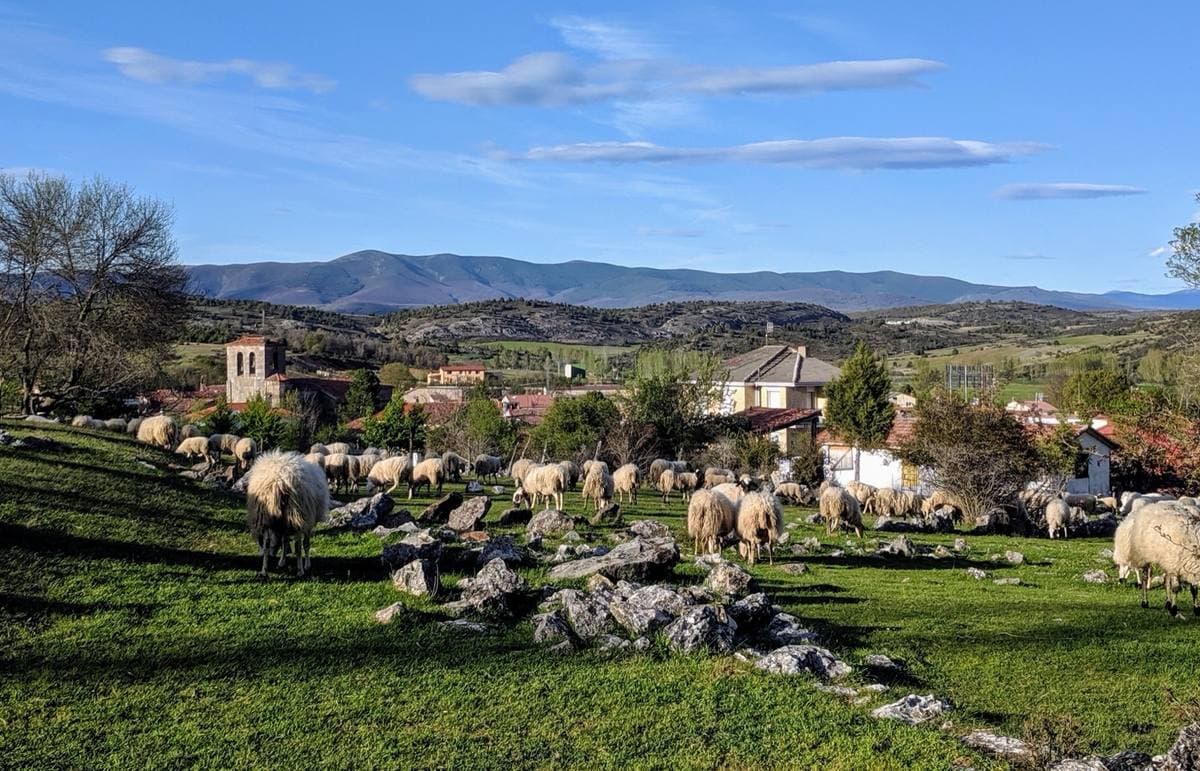
Plaza de la Constitución, Hortigüela
The bridge site is about 3.5 km from Hortigüela, and the monastery is in its municipality.
The village nearest the bridge and the monastery: a sensible place to start the Arlanza sites.
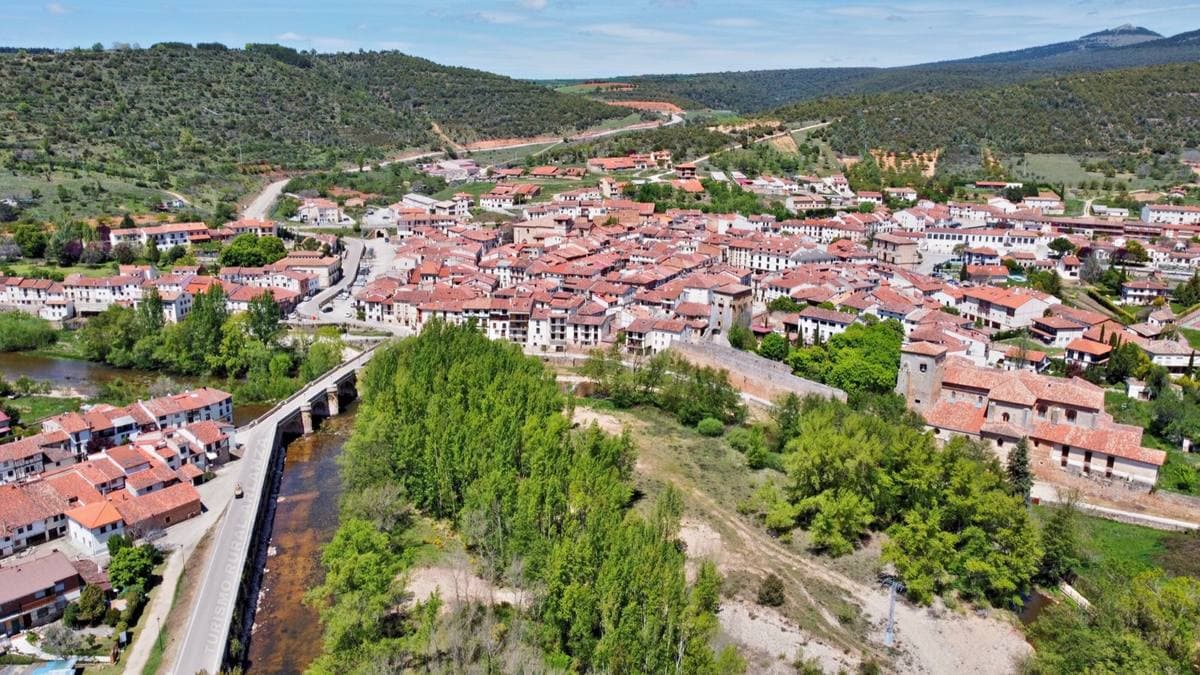
Collegiate church of San Cosme y San Damián
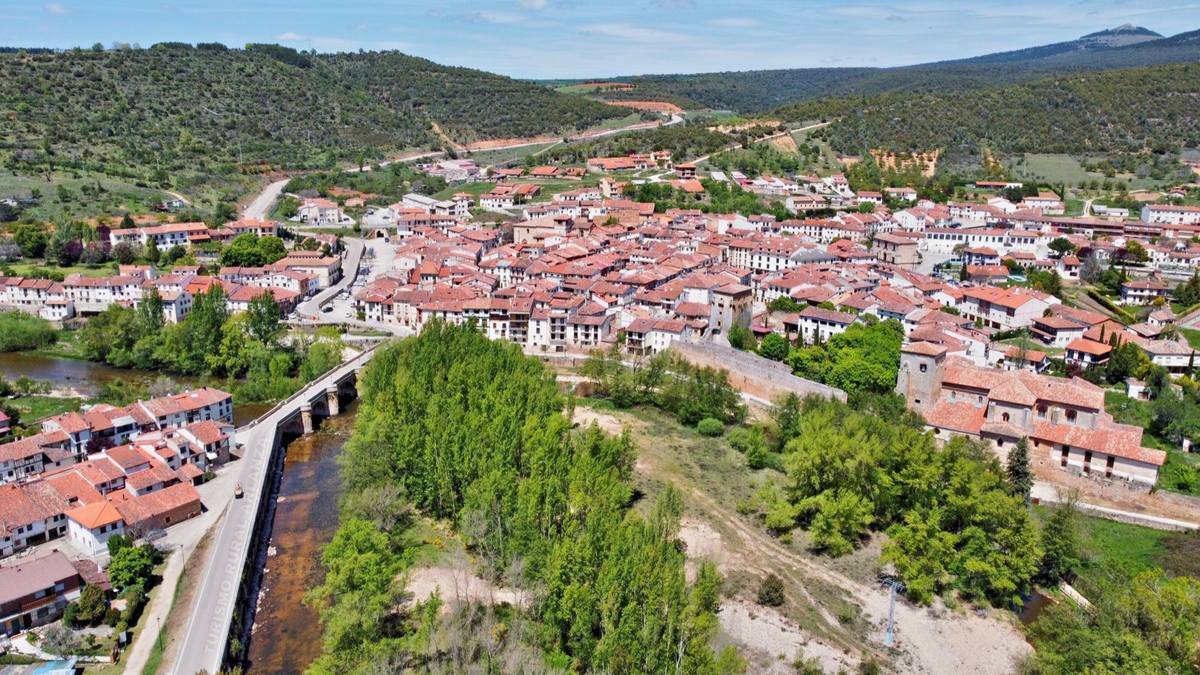
The Carlo Simi Cultural Association is setting up a Carlo Simi–Sad Hill museum in the centre of Covarrubias, a medieval village of about 500 people about 14 km from Sad Hill.
A walled medieval village on the Arlanza, about 14 km from Sad Hill, with hotels and restaurants.
Stay
A hotel in Covarrubias, the village closest to the museum and a short drive from Sad Hill.
Covarrubias
A renovated hotel on Plaza de Doña Urraca in Covarrubias, with a restaurant serving Burgos lamb and morcilla; about 14 km from Sad Hill.
Check roomsGo there
The association’s dramatised walk to Sad Hill, the monastery that played the mission, Leone’s western town and live marketplace tours from Almería.
Carazo · Every day by arrangement · €12 a head, groups of 10+
Actors walk you from Carazo to the cemetery and back: about 11 km, three and a half hours.
Ask for a dateHortigüela · Wed–Sun · free
Walk the ruined monastery that played the Mission San Antonio. No guided visits; parts may close for works.
Opening timesTabernas, Almería
The western town Leone built outside Tabernas: a street, a Mexican quarter, a log fort, wagon rides and stunt shows twice a day.
Plan a visitAlmería
Live marketplace results for desert and film-set tours from Almería. Check each itinerary for the sets you want.
Live marketplace results · itineraries change
Compare toursWhat’s on
The western section of the Salas de los Infantes short film festival in December, the last event of the 60th-anniversary programme.
Checking current event dates…
Take it home
A French poster from 1966 from our store, Christopher Frayling’s life of Leone, and Morricone’s score on vinyl and CD.
A French poster dated 1966, 60 x 80 cm, mint, stored rolled.
In stock
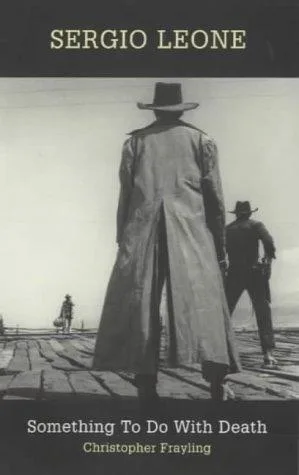
View posterChristopher Frayling
The biography of Leone, Faber & Faber, 2000.
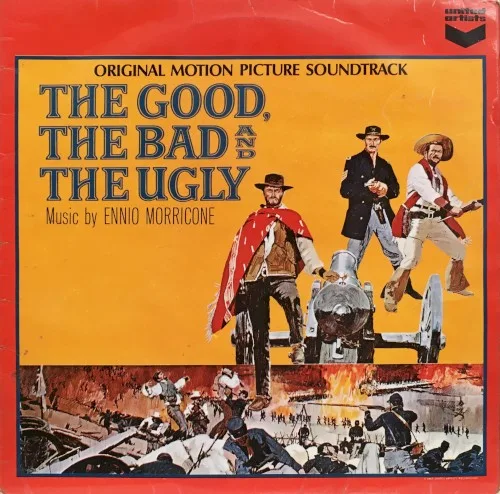
Find the bookEnnio Morricone · LP, United Artists, 1968
Morricone’s score on the 1968 UK United Artists LP.
Live marketplace search · listings and condition change
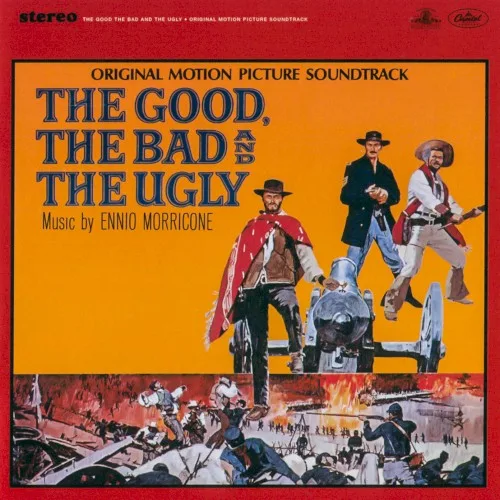
Find a copyEnnio Morricone · CD, MGM / Capitol, 2004
The 2004 US CD of the score.
Live marketplace search · listings and condition change
Find a copyDates, prices, rooms and stock change: confirm with the provider before you travel or buy. A stay or tour is described as a filming location only where the card says so.
Every place and moment behind this page, with sources.
12 of 12 places · 13 of 13 Moments
Mirandilla valley, between Contreras and Santo Domingo de Silos
Blondie, Tuco and Angel Eyes face each other in the cobbled circle at the heart of the cemetery.
Volunteers dig the cemetery out of the grass and put the crosses back.
Arlanza valley, about 3.5 km from Hortigüela
The Union and Confederate armies fight over a bridge, and it is blown up.
Hortigüela, on the BU-905
Tuco brings Blondie to a convent turned military hospital to recover.
On the cliff above San Pedro de Arlanza
A hermitage on its hill shows through the mission window.
Plaza de la Constitución, Hortigüela
The film is screened in the village square.
Collegiate church of San Cosme y San Damián
The designer’s family gives his archive to a museum in the village.
Majada de las Merinas, a hilltop near Carazo
Blondie and Tuco are held in a Union prison camp.
Calle Jesús Aparicio, Salas de los Infantes
Extras and crew from 1966 tell their side of the shoot.
About 2 km from Tabernas
Leone builds a western town of his own near Tabernas.
Paraje Natural del Desierto de Tabernas
The production moves south to the Tabernas desert.
Off the ALP-824 between Rodalquilar and Los Albaricoques, Níjar
The mission’s outside is a farmhouse in Almería.
Via Tuscolana 1055, Rome
Part of the film is made in the studios in Rome.