Görlitz · Dresden · Saxony · January to March 2013
The GrandBudapest Hotel
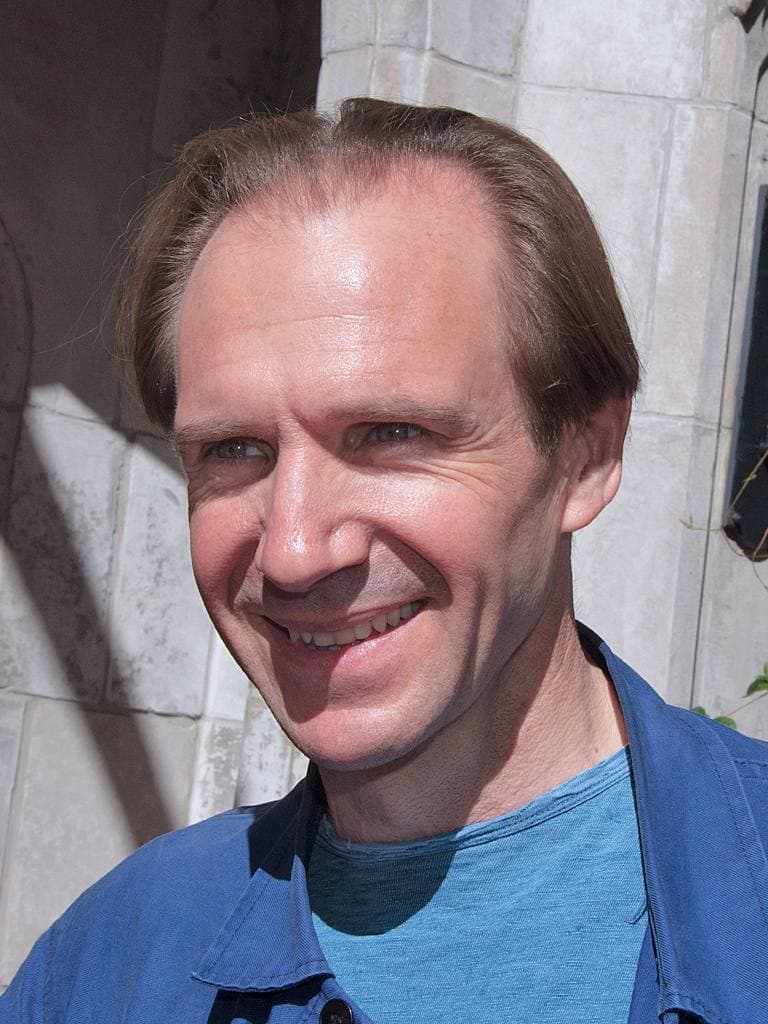
Ralph Fiennes, M. Gustave, in Toronto in September 2013, the year the film was made. gdcgraphics · CC BY-SA 2.0
101Ralph FiennesM. Gustave
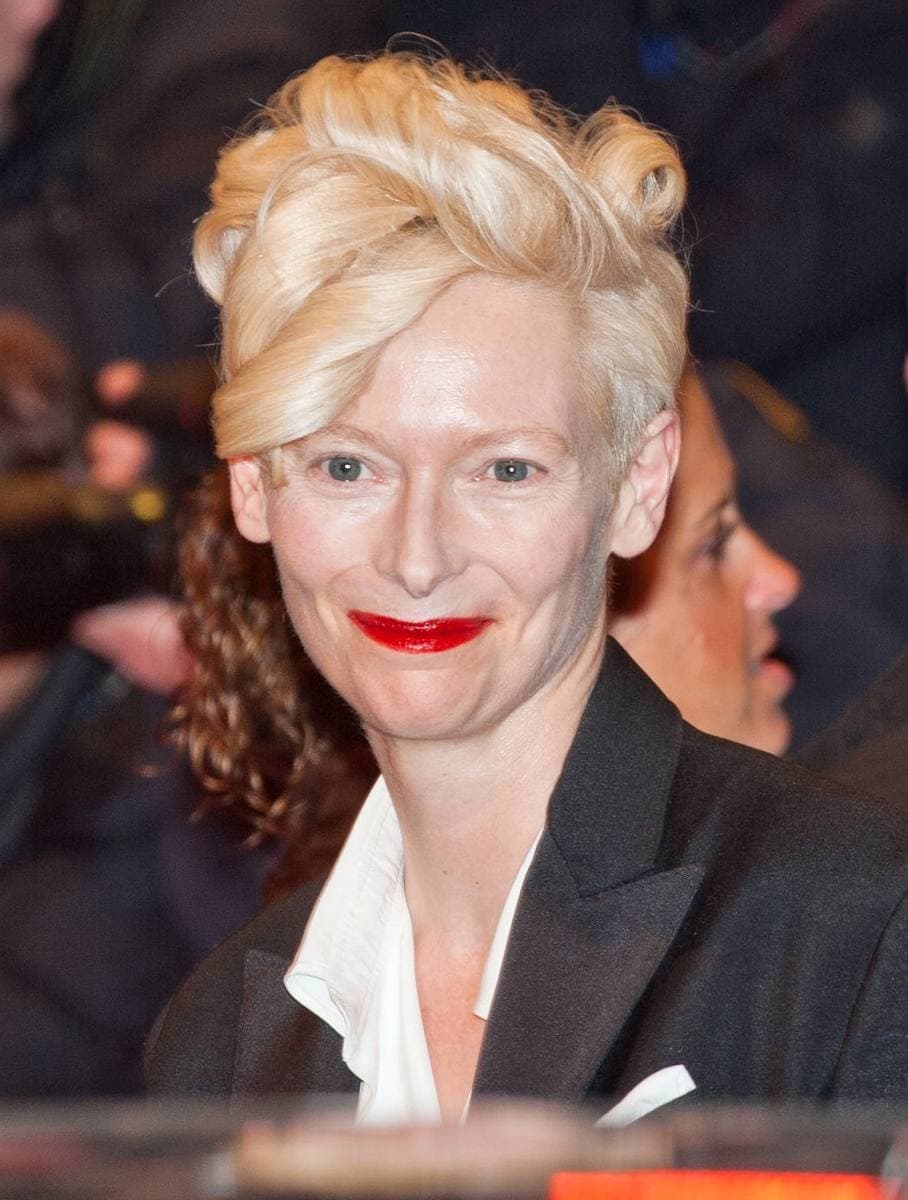
Tilda Swinton, Madame D., at the Berlinale on 6 February 2014, the night the film opened the festival. Siebbi · CC BY 3.0
102Tilda SwintonMadame D.
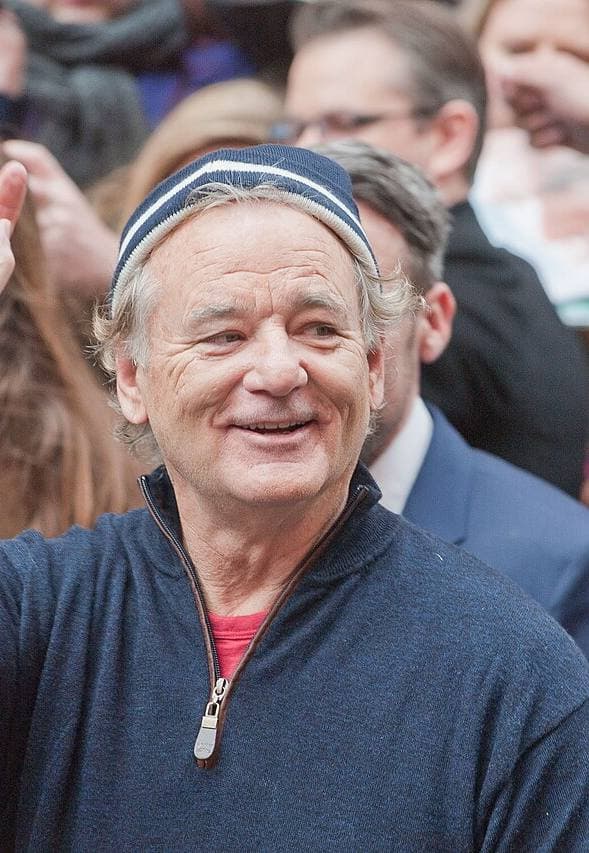
Bill Murray, M. Ivan, waving at the Berlinale, February 2014. Siebbi · CC BY 3.0
103Bill MurrayM. Ivan
Saoirse Ronan, Agatha, at the Berlinale on 6 February 2014. Siebbi · CC BY 3.0
104Saoirse RonanAgatha
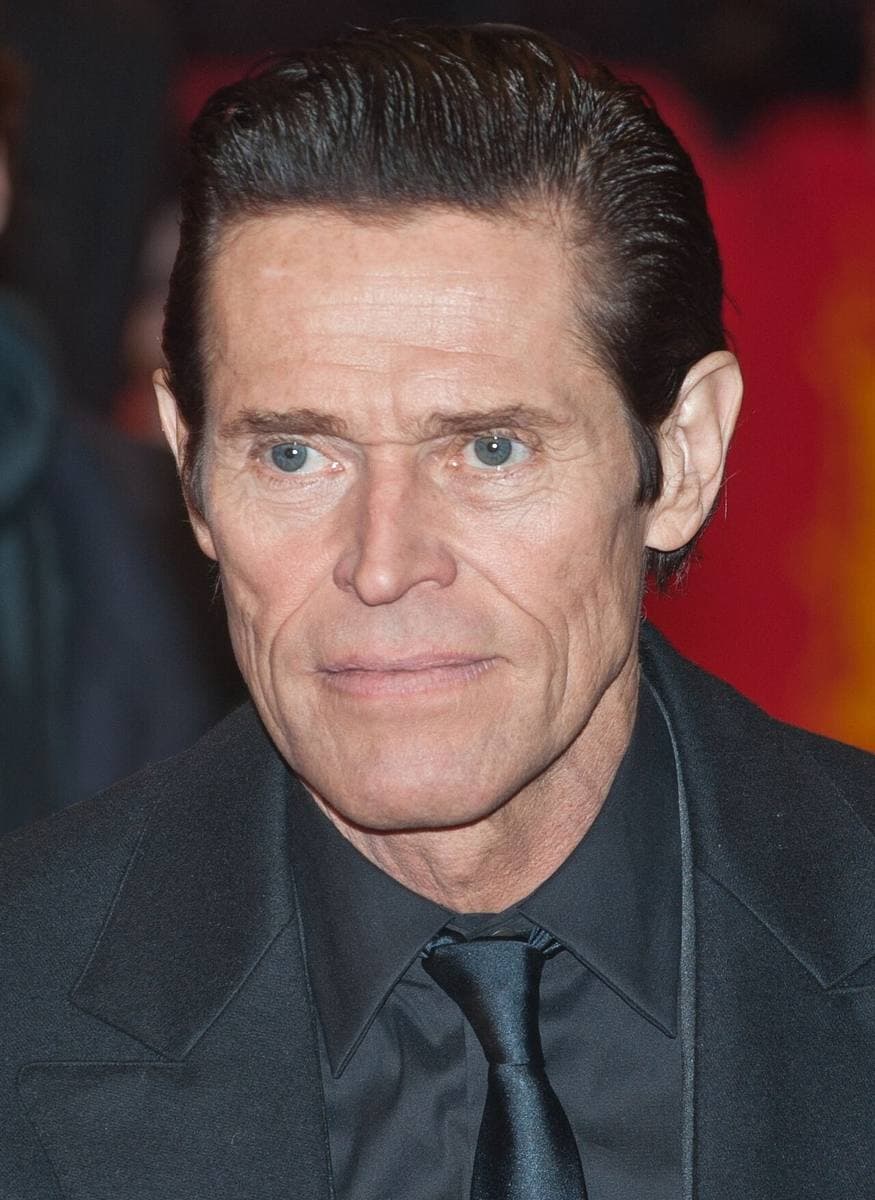
Willem Dafoe, Jopling, at the Berlinale on 6 February 2014. Siebbi · CC BY 3.0
105Willem DafoeJopling
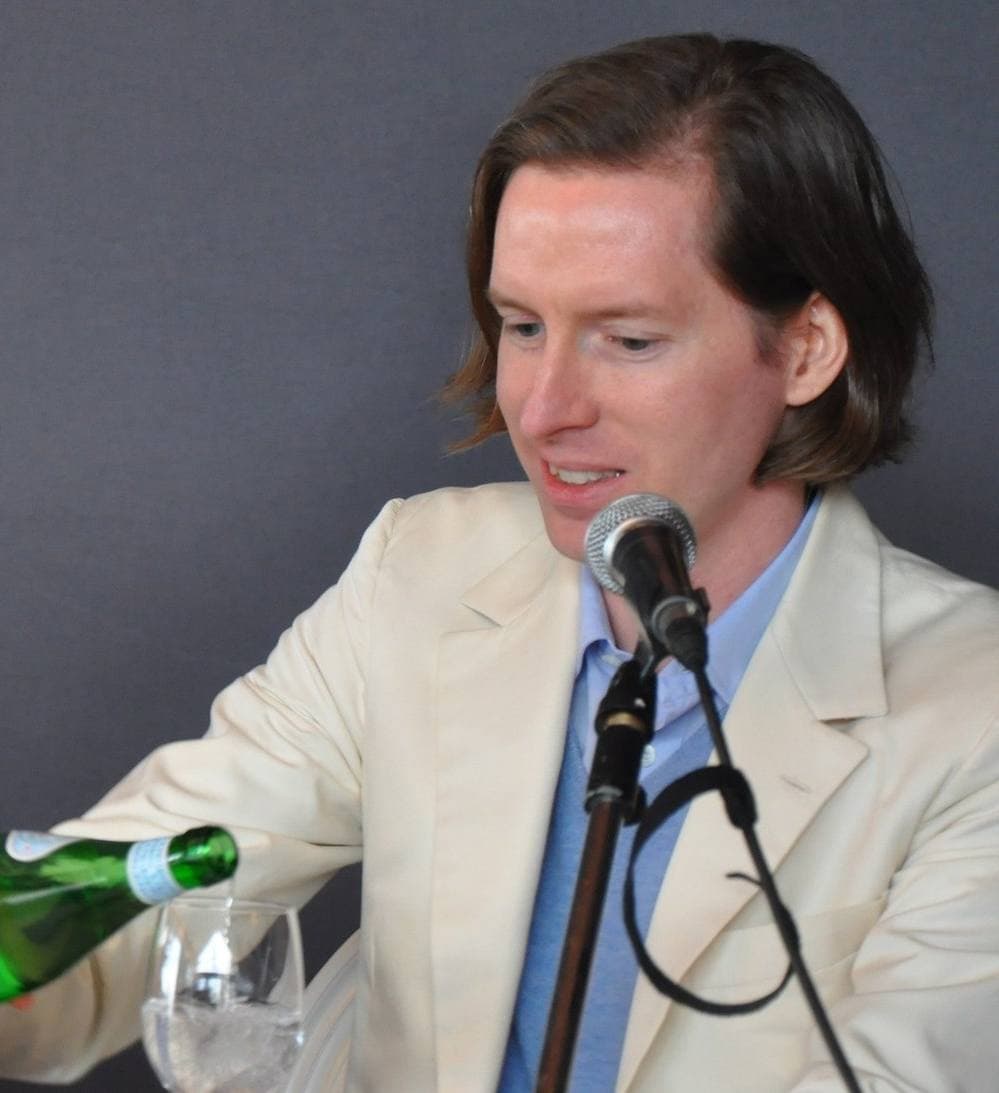
Wes Anderson, writer and director, May 2012. Raffi Asdourian · CC BY 2.0
106Wes AndersonDirector
Afternoon. Six guests at six windows, photographed between 2012 and 2014.
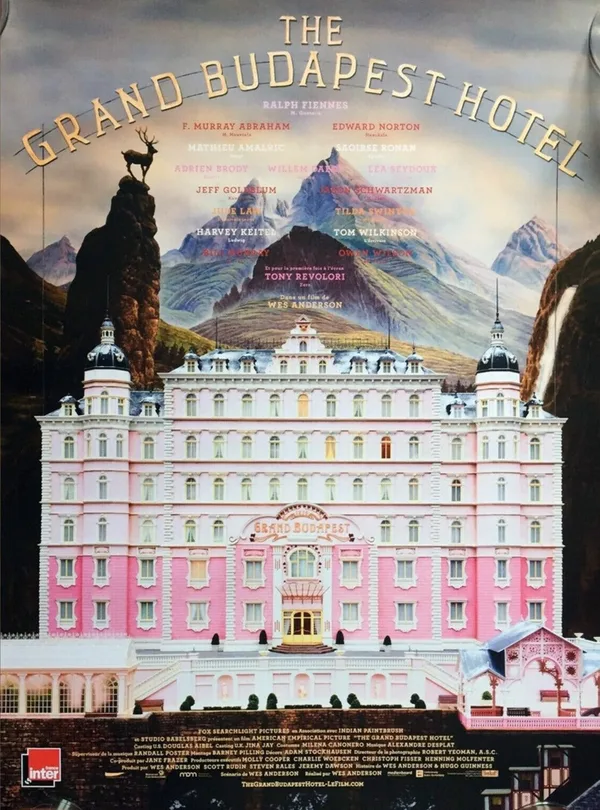
There is no Grand Budapest Hotel. Its lobby was an empty department store in Görlitz, its front a model three metres high, its face borrowed from a spa hotel in Bohemia. Every piece of it is somewhere you can go.
Sources
The projector gate · Görlitz
Change the frame. Change the time.
Anderson shot the 1930s story in 1.37:1, the nearly square old Academy frame; the 1960s in widescreen 2.35:1; and 1985 and the present in 1.85:1. Here the three plates do the same for the real buildings: the film, the building’s own years, and today.
Sources
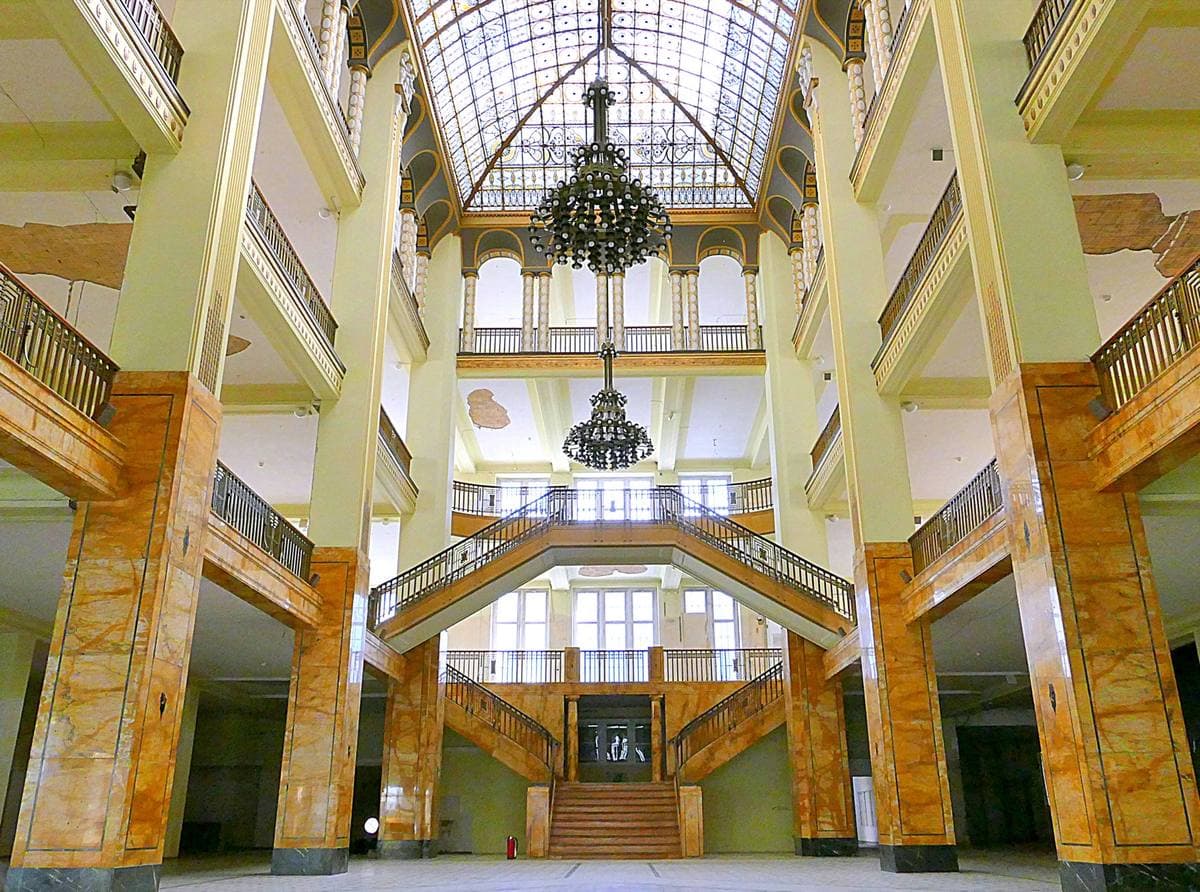
The empty atrium of the Görlitz department store in August 2015, during its long renovation. Rolf Dietrich Brecher from Germany · CC BY-SA 2.0
1.37 : 1
Choose an aperture plate to change the frame; choose a frame of the strip to change the building.
1.37 : 1 · In the film · The department store, Görlitz. 1 of 15 frames seen.
An der Frauenkirche 5–7, by Marienplatz, Görlitz
The lobby
The empty department store becomes the lobby of the Grand Budapest, in its 1930s splendour and its 1960s decline.
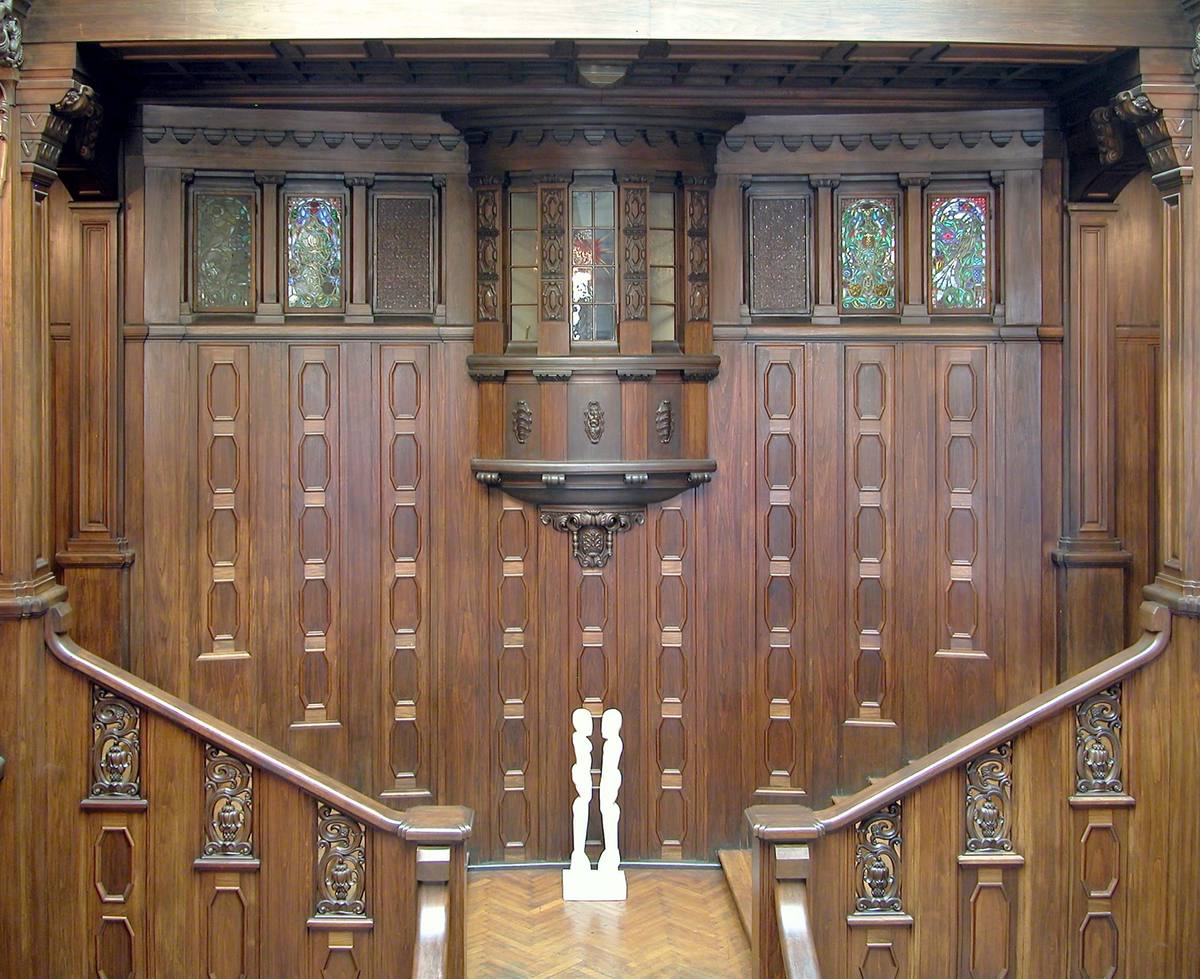
The crew rented the empty building, called it the department store, put the production offices on the top floor and made the hall into the hotel lobby.
Its stairways, railings, chandeliers and stained-glass ceiling are in the film largely as they were. Filming rights were negotiated with a Dutch liquidator.
Sources
Europastadt Görlitz Zgorzelec
Walk of Görliwood
Old town, Görlitz
The city’s own trail through its film sets, with trips and the Görliwood Express listed beside it.
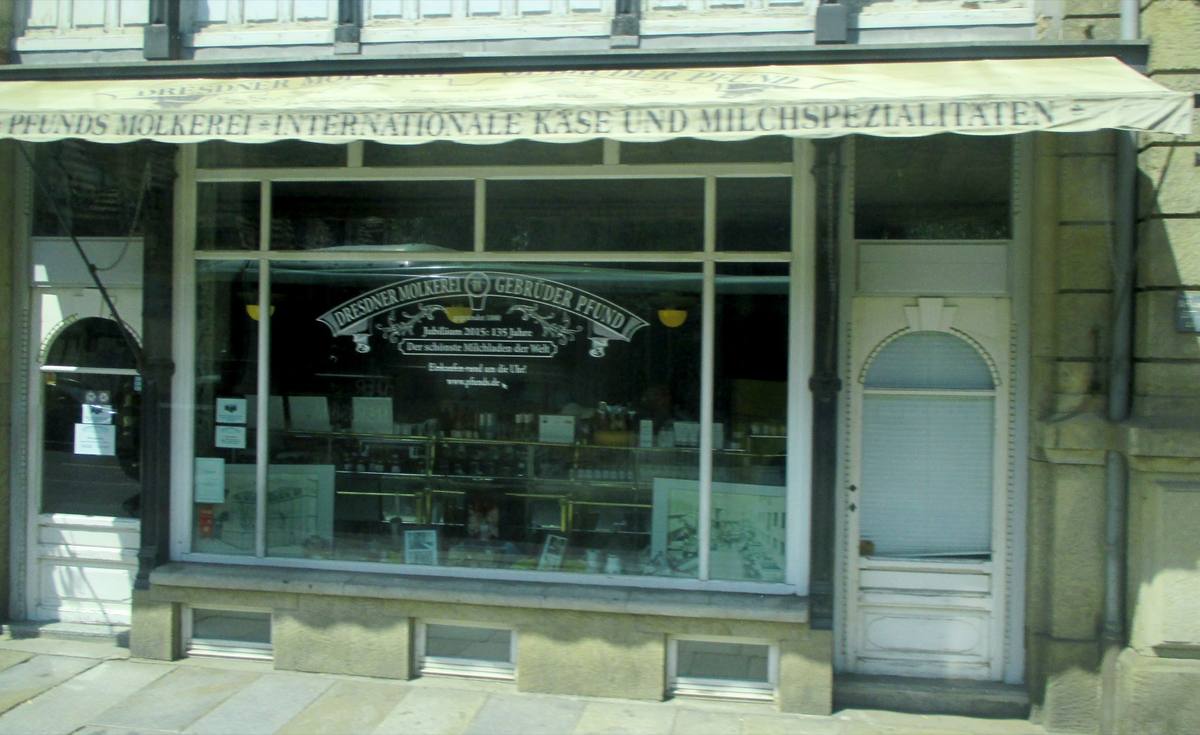
Mendl’s was filmed here. Stockhausen remembers a Dresden creamery filled with hand-painted tile, where Mendl pulls up the shutter. kino.de notes that it was filmed on location, not in a studio, and that Mendl’s has its part in the prison escape.
Sources
An empty box. Add a tier to start the courtesan.
Mendl’s
Each tier you add is a real place: a tiled creamery for the base, a palace courtyard for the middle, a sandstone bridge for the top. Then tie the box.
The company was founded in 1880, and the shop has looked as it does since 1892: almost 248 square metres of hand-painted Villeroy & Boch tiles.
The funicular · Studio Babelsberg
Ride up to the hotel.
The car waits at the valley station.
Three miniatures were built under Simon Weisse from Carl Sprague’s drawings: a forest at 1:8, the observatory at 1:12 and the hotel at 1:18, on a wooded ledge with a funicular.
The model hotel stood 3 metres high, cast in silicone-resin moulds with etched brass. Photographs of the Görlitz set were glued into boxes behind its windows to look like light.
Weisse’s workshop is a backyard in Neukölln, Berlin. Pastel façades from the hotel still hang on its wall; the pink model was more than four metres by two.
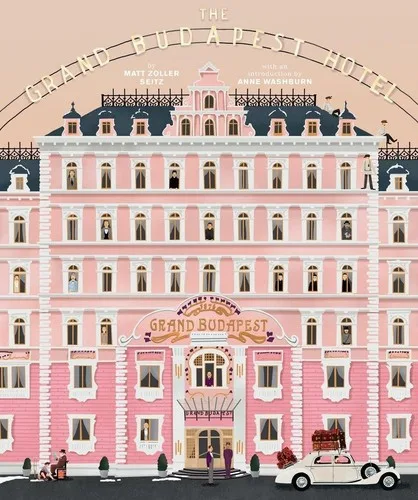
A plain drawing of the idea, not the model.
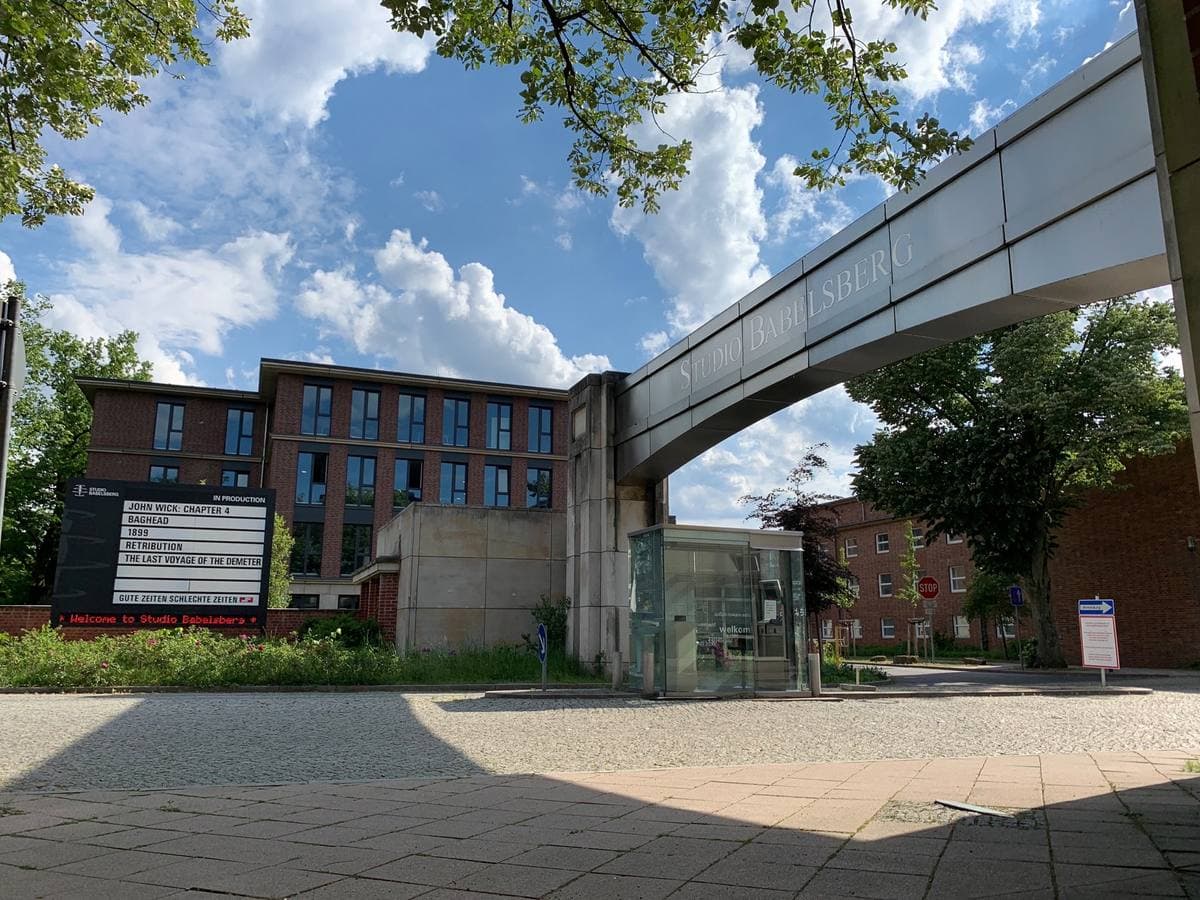
The main gate of Studio Babelsberg, Potsdam, June 2022. Hans1919 · CC BY-SA 4.0
Babelsberg, Potsdam
Studio Babelsberg, Potsdam
The film is a British–German co-production of Grand Budapest Limited and Studio Babelsberg, shot early in 2013 in Görlitz, other Saxon locations and the studio. Babelsberg’s crew and set builders made the sets; its prop store supplied period colours and designs.
A working film studio, closed to visitors. See the gate from the street.
Sources
A chain of concierges · Saxony to Bohemia
Pass the key along the chain.
Five front desks, one brass key. Hand it on, concierge to concierge, from the lobby in Görlitz to the hotel that gave the Grand Budapest its face.
The key is with the concierge at The department store, Görlitz. 1 of 5.
The empty atrium of the Görlitz department store in August 2015, during its long renovation. Rolf Dietrich Brecher from Germany · CC BY-SA 2.0
The lobby · An der Frauenkirche 5–7, by Marienplatz, Görlitz
The department store, Görlitz
The empty department store becomes the lobby of the Grand Budapest, in its 1930s splendour and its 1960s decline.
Studio Babelsberg called the former Art Nouveau department store in Görlitz an ideal hotel set and the film’s main location.
The hotel’s reception desk stood where the Karstadt travel agency had been, between the staircases.
Closed and waiting for its renovation. See the façade from the street; the hall inside is not open.
Sources
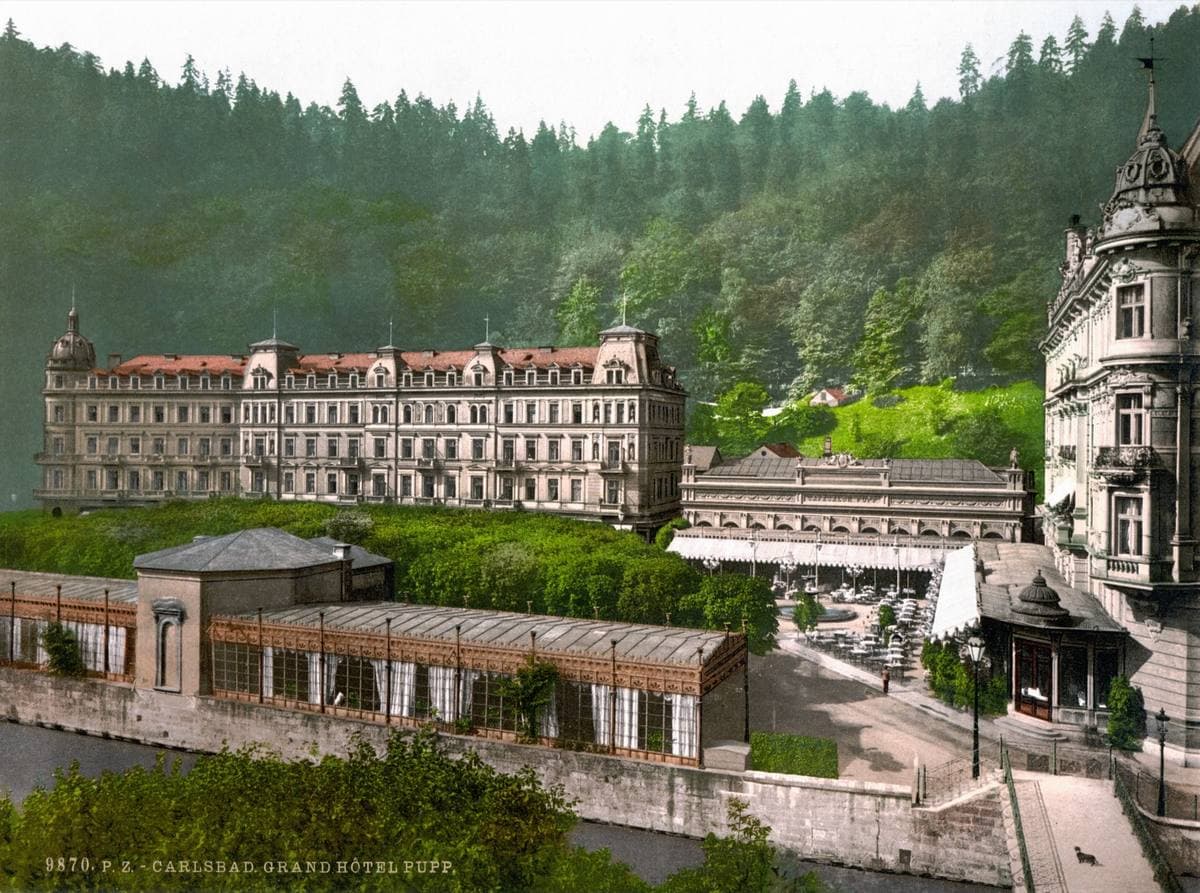
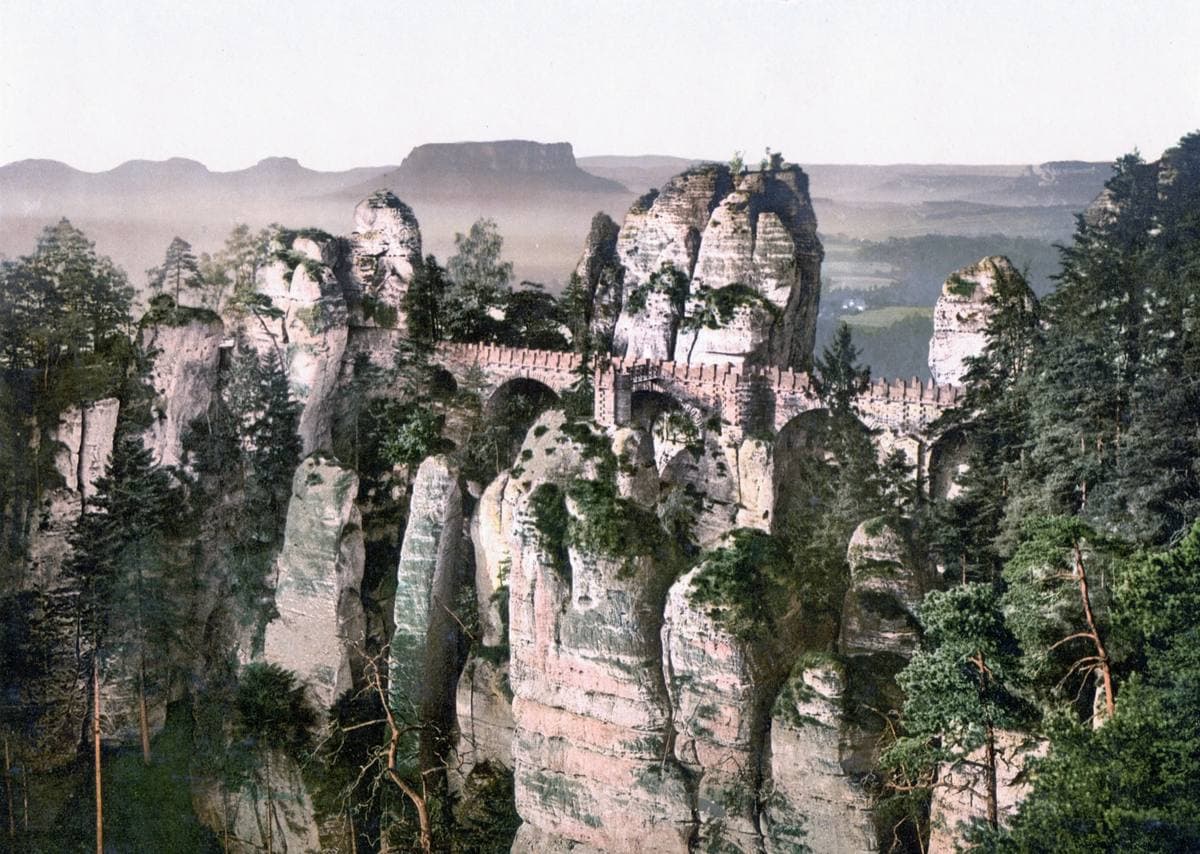
The photochroms · about 1900
Zubrowka was printed in colour.
Anderson’s team designed the hotel from the Library’s photochrom prints of Eastern Europe, working through more than 6,000 European views the Library bought in 1985 from Galerie Muriset in Switzerland. A photochrom starts as a black-and-white glass negative and is printed in colour from several separately inked stones.
Anderson has said that much of what is in the film comes straight from that collection, with the team’s own twist. Dazed adds that some details came from German and Czech hunting palaces.
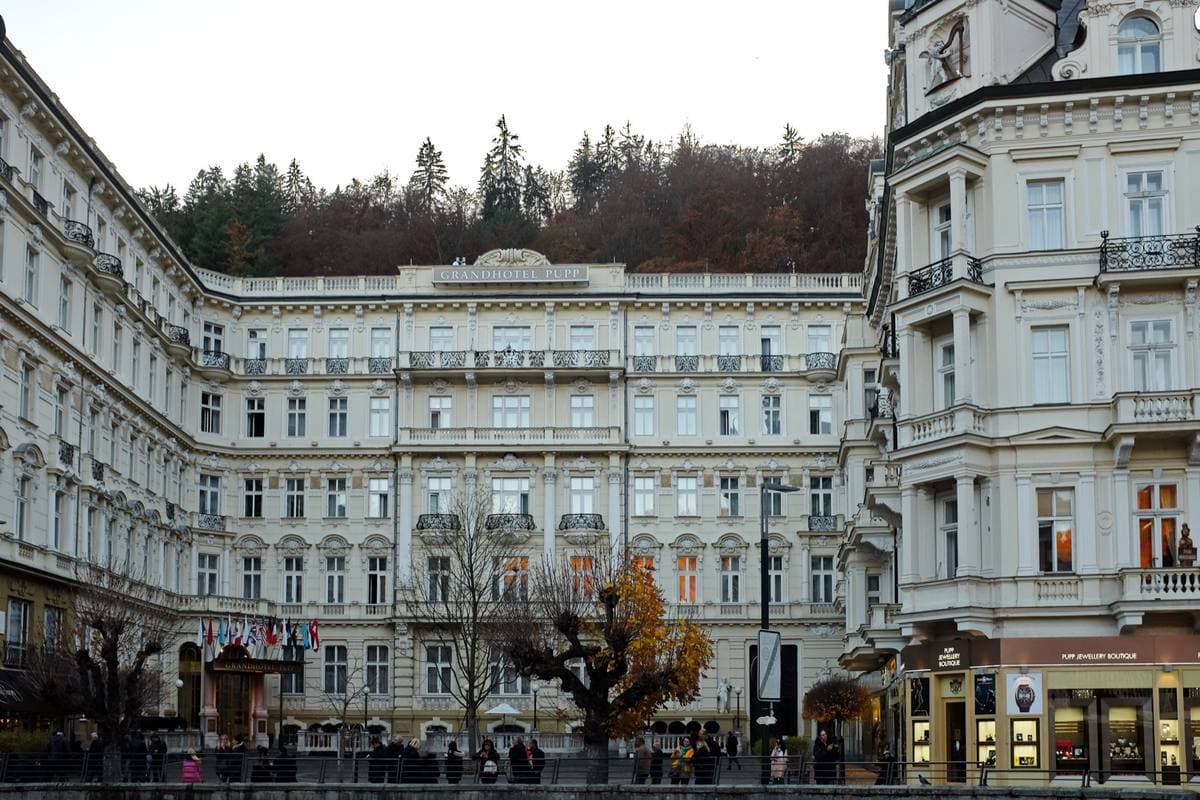
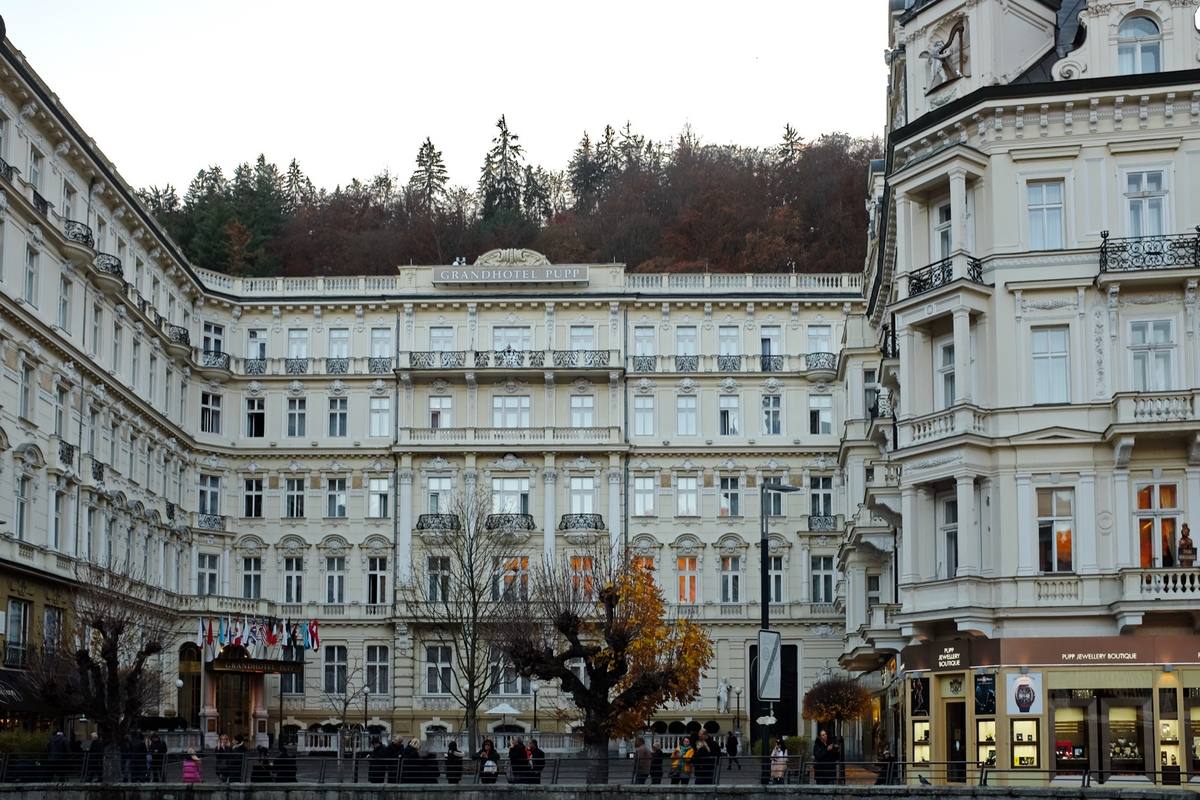
Stockhausen says the outside of the Pupp is the closest thing to the Grand Budapest; its hallways and windows fed the interior sets. The team went to Karlovy Vary for its pastel buildings along the river, and the Pupp on its hill over the town.
The hotel dates its story to 1701, when the Saxon Hall was built. Six generations of the Pupp family ran it. Dozens of films have been shot there, Casino Royale among them, and it hosts the stars of the Karlovy Vary film festival every year.
A working hotel on Mírové náměstí in Karlovy Vary.
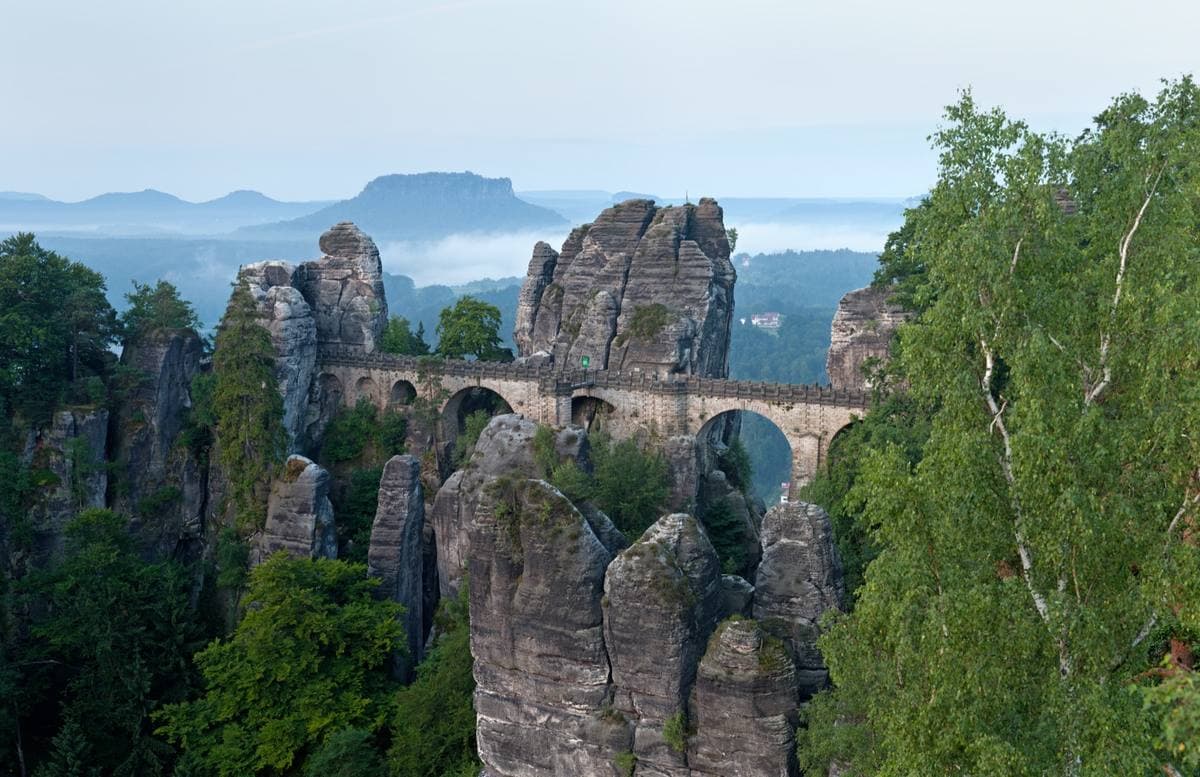
The first bridge was built of wood in 1824; the stone one followed in 1851. It is 76.5 metres long. The panorama restaurant stands 194 metres above the Elbe, and the Bastei costs nothing to visit.
The rock castle of Neurathen is being restored and can only be seen from outside.
Free. From car park 1 it is about 3.5 km on foot, or a shuttle bus from 1 April to 31 October.
Sources
Then: Grandhotel Pupp in a photochrom print of about 1900, Library of Congress collection. Now: Grandhotel Pupp, Karlovy Vary, November 2018.
Check-out
Every room has an address.
Twelve places on the map, from the Neisse to Karlovy Vary. The Görlitz prison is a working prison and the photochroms are in Washington, so neither has a pin.
Where it is now
12 places you can visit on the map, in Görlitz, across Saxony, in Potsdam and in Karlovy Vary.
Pins mark public places; private homes are named but not pinned.
General reference · Restricted access · Coordinate precision: site · Not an exact scene or camera position; not a visitor route. Closed and waiting for its renovation. See the façade from the street; the hall inside is not open.
General reference · Restricted access · Coordinate precision: site · Not an exact scene or camera position; not a visitor route. A building site until 2029. See it from the park.
General reference · Public access · Coordinate precision: site · Not an exact scene or camera position; not a visitor route. An open square in the old town.
General reference · Public access · Coordinate precision: building · Not an exact scene or camera position; not a visitor route. A church on the Obermarkt in the old town.
General reference · Public access · Coordinate precision: site · Not an exact scene or camera position; not a visitor route. A pedestrian street in the old town.
1The empty atrium of the Görlitz department store in August 2015, during its long renovation. Rolf Dietrich Brecher from Germany · CC BY-SA 2.0
An der Frauenkirche 5–7, by Marienplatz, Görlitz
The department store, Görlitz
Studio Babelsberg called the former Art Nouveau department store in Görlitz an ideal hotel set and the film’s main location.
Closed and waiting for its renovation. See the façade from the street; the hall inside is not open.
Sources
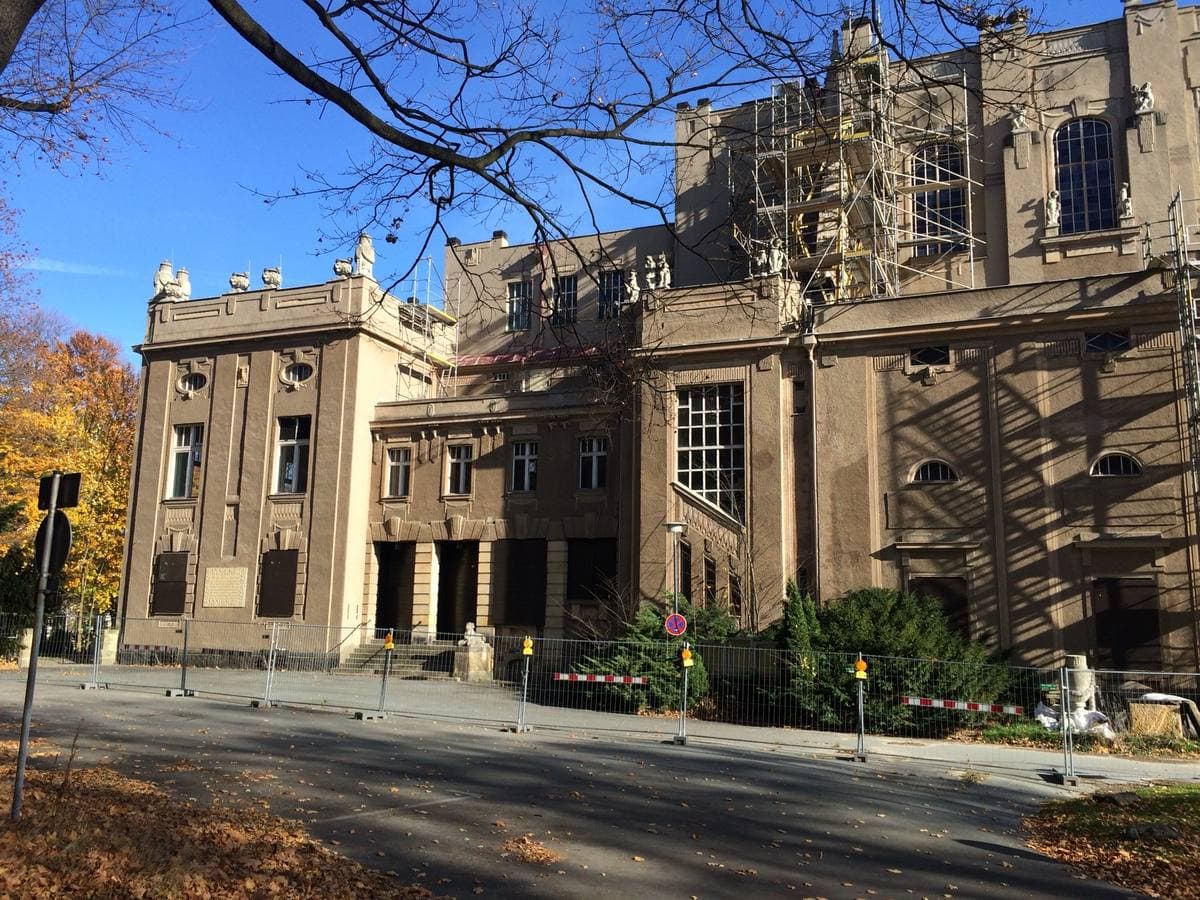
2The Stadthalle in Görlitz, November 2015. Hoover5555 · CC BY 4.0
Am Stadtpark 1, Görlitz
The Stadthalle, Görlitz
The scenes at the hotel entrance and in the dining room were filmed in the Stadthalle.
A building site until 2029. See it from the park.
Sources
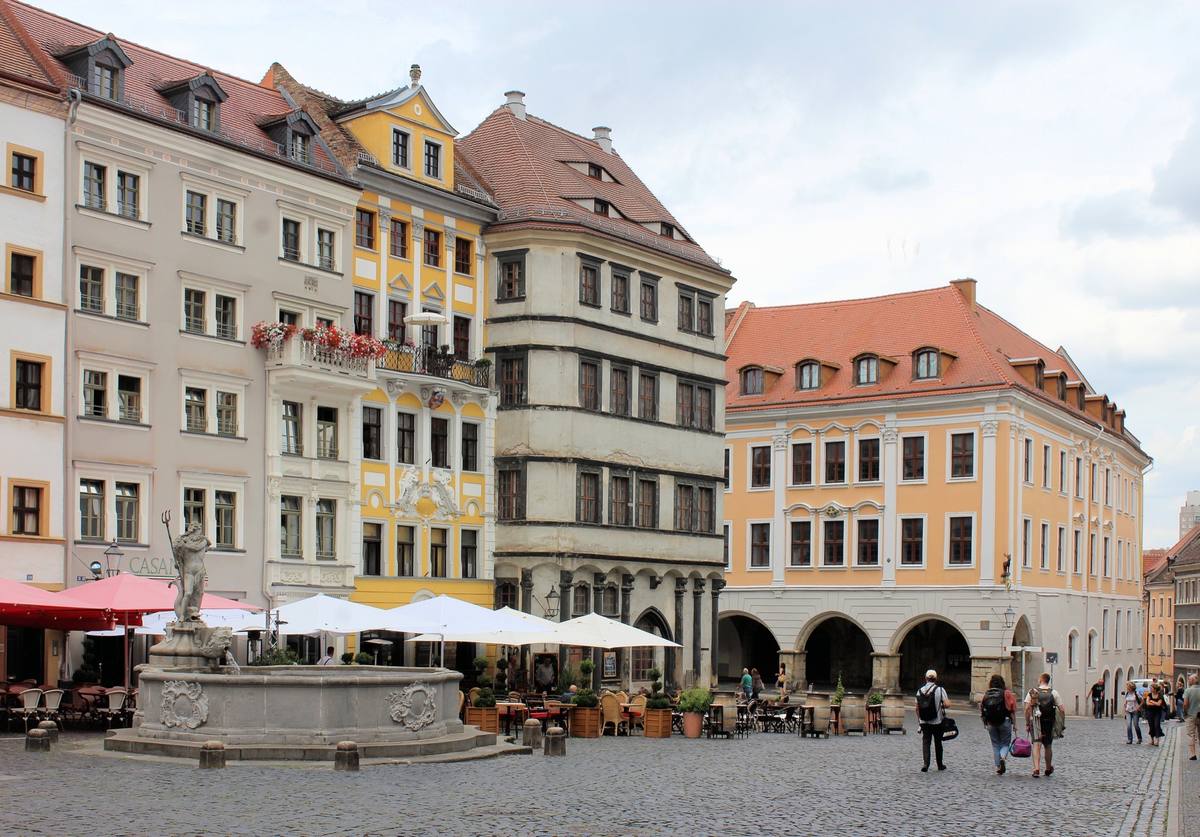
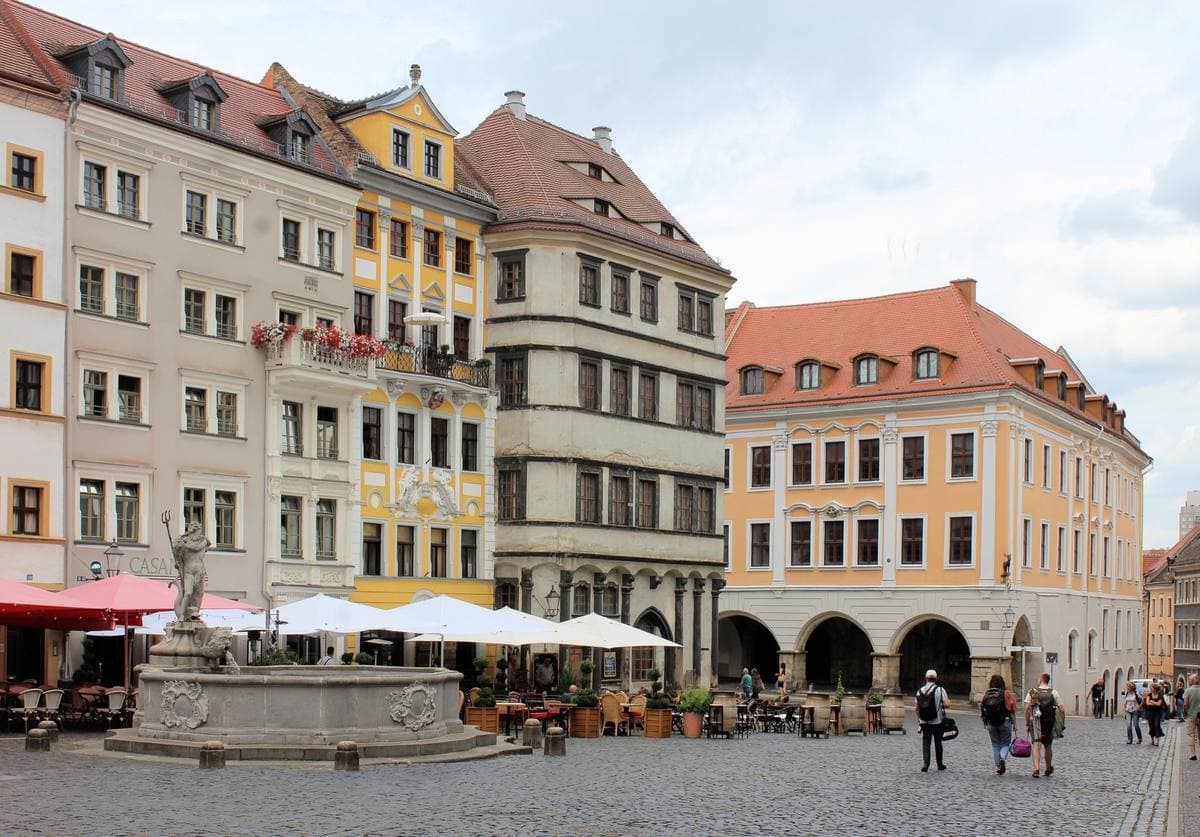
3The Untermarkt in Görlitz, July 2023. Dguendel · CC BY 3.0
Untermarkt at Neißestraße, old town, Görlitz
The Untermarkt, Görlitz
The outside of the monastery was filmed on the Untermarkt, at the corner of Neißestraße.
Dates, prices, rooms and stock change: confirm with the provider before you travel or buy. A stay or tour is described as a filming location only where the card says so.
The register
Every place and moment behind this page, with sources.
14 of 14 places · 14 of 14 Moments
The department store, Görlitz
An der Frauenkirche 5–7, by Marienplatz, Görlitz
The lobby
The empty department store becomes the lobby of the Grand Budapest, in its 1930s splendour and its 1960s decline.
The Stadthalle, Görlitz
Am Stadtpark 1, Görlitz
The entrance and the dining room
The hotel entrance and the dining room are filmed in the Stadthalle.
The Untermarkt, Görlitz
Untermarkt at Neißestraße, old town, Görlitz
The monastery, outside
A corner of the Untermarkt plays the front of the mountain monastery.
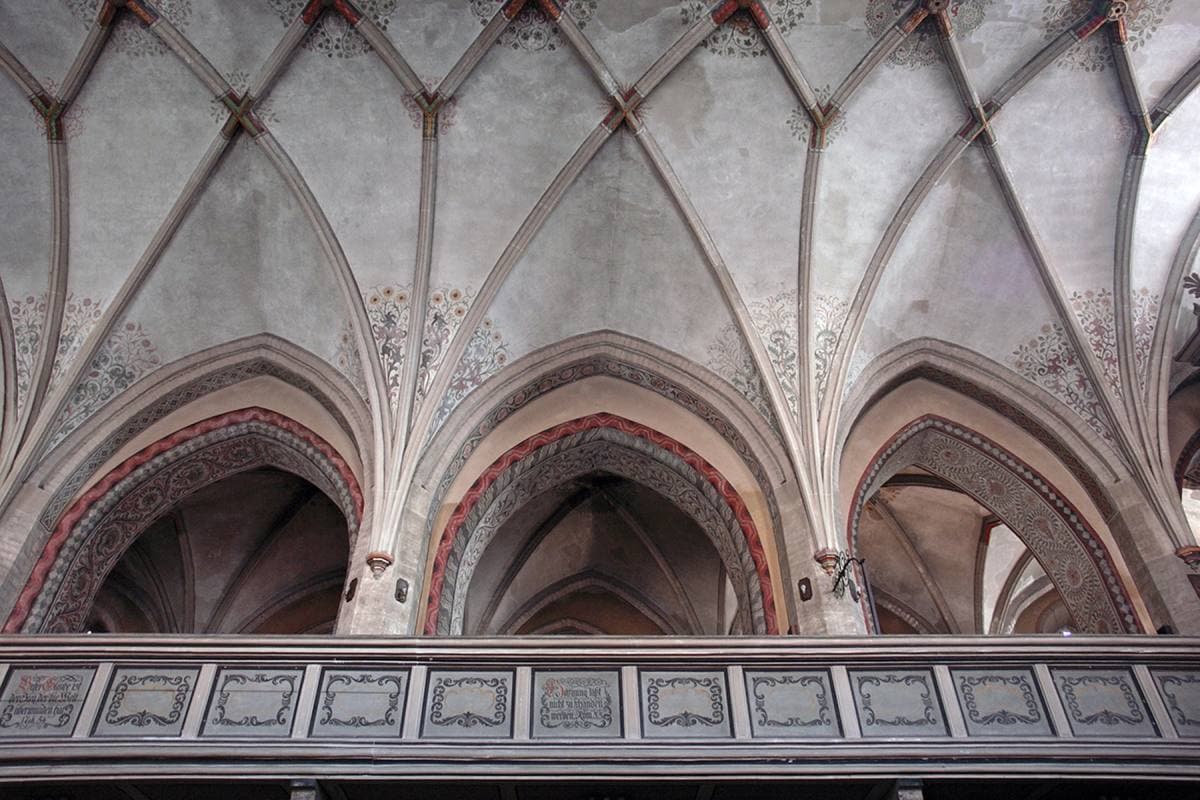
The Dreifaltigkeitskirche, Görlitz
Klosterplatz, on the Obermarkt, Görlitz
The monastery, inside
The Dreifaltigkeitskirche plays the monastery’s interiors.
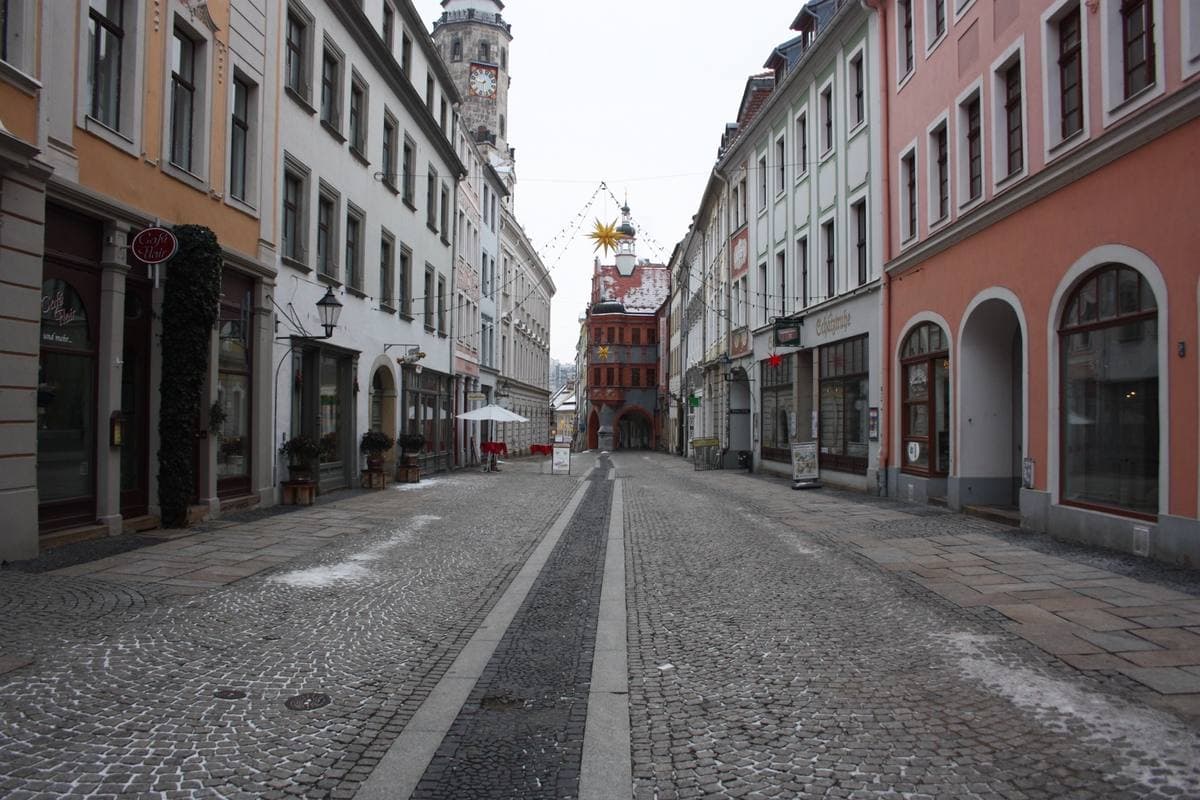
Brüderstraße, Görlitz
Brüderstraße, old town, Görlitz
Zero’s newspaper stand
Zero buys his papers at a stand on Brüderstraße.
The prison, Görlitz
Görlitz. A working prison
Checkpoint 19
Monsieur Gustave in prison; the sources disagree on where.
Pfunds Molkerei, Dresden
Bautzner Straße 79, Dresden-Neustadt
Mendl’s
Mendl’s pastry shop is filmed in a tiled Dresden creamery.
The Zwinger, Dresden
Theaterplatz 1, Dresden
Kovacs in the museum
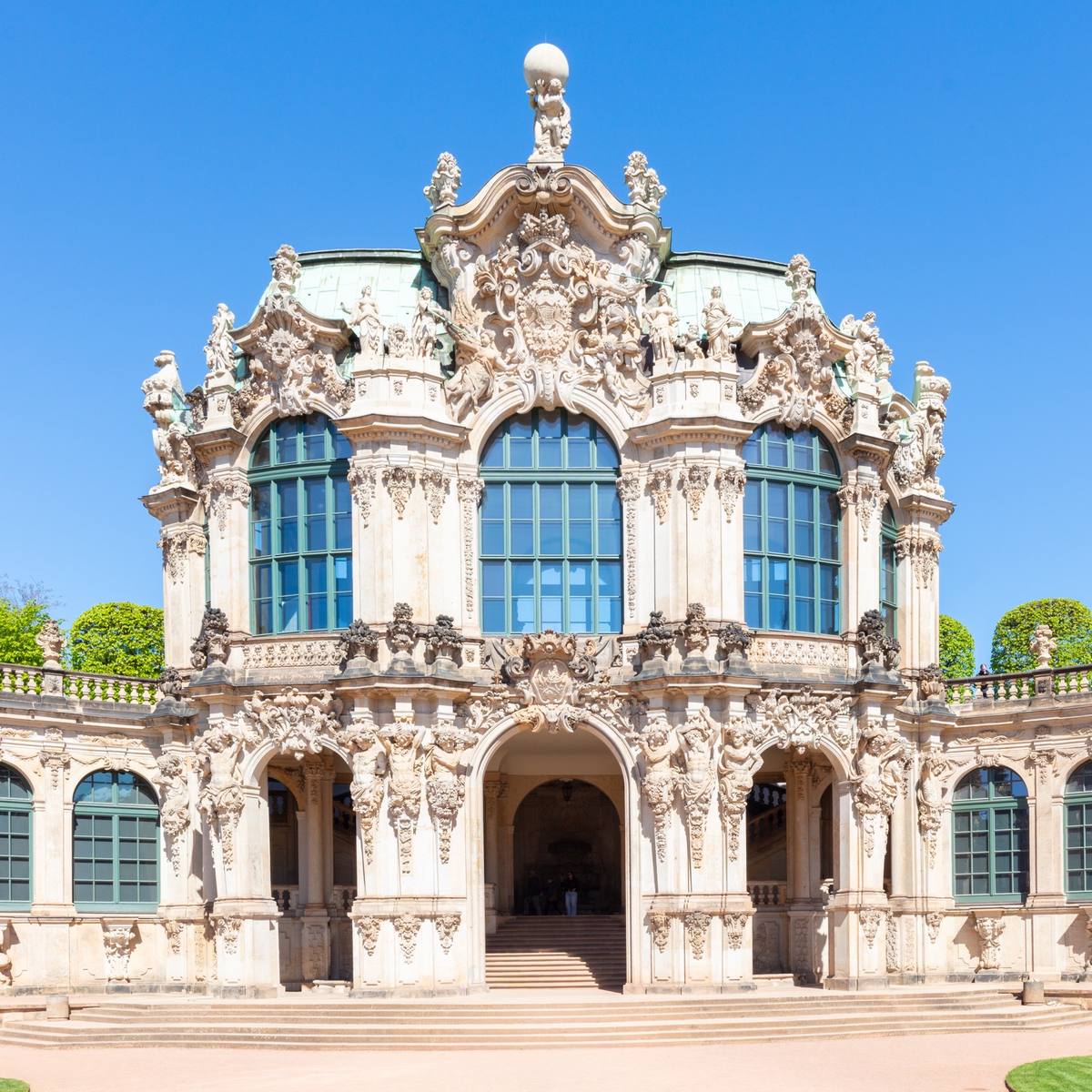
Deputy Kovacs is chased into the Zwinger.
The Bastei bridge, Saxon Switzerland
Basteibrücke, Lohmen, above the Elbe
The wedding
Agatha and Zero marry high above the Elbe.
Schloss Hainewalde
Kleine Seite, Hainewalde, near Zittau
Schloss Lutz, outside
Madame D.’s house is filmed from outside at Hainewalde.
Schloss Waldenburg
Peniger Straße, Waldenburg, Saxony
Schloss Lutz, inside
Madame D.’s rooms are filmed at Waldenburg.
Studio Babelsberg, Potsdam
Babelsberg, Potsdam
The model hotel
The hotel on its ledge, with its funicular, is a 1:18 model; the production is a Babelsberg co-production.
Grandhotel Pupp, Karlovy Vary
Mírové náměstí 2, Karlovy Vary, Czech Republic
The real grand hotel
The Pupp in Karlovy Vary is the closest thing to the Grand Budapest’s outside.
The photochrom prints, Library of Congress
Library of Congress, Washington DC
The photochroms
The team designs Zubrowka from colour prints of Europe made around 1900.