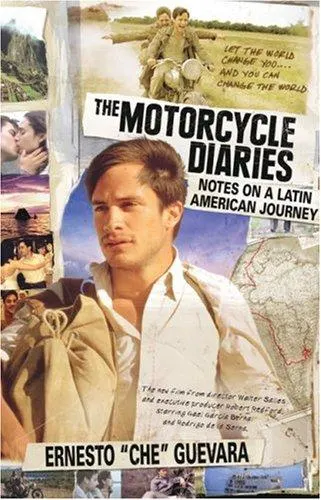
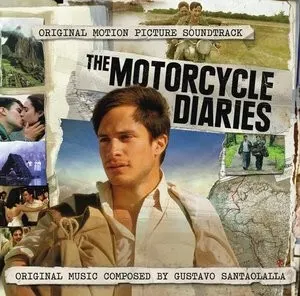
Diarios de motocicleta · Walter Salles · 2004 · the road of 1952
The Motorcycle Diaries
Far bank
The motorcycle gave up in Chile. The rest of the way was by ship, bus, riverboat and raft.
Where this comes from
Buenos Aires, 4 January 1952
Kick her over.
La Poderosa II was a 1939 Norton 500 M18 that Granado bought second-hand in 1947: 490cc, one cylinder, four gears, about 29 horsepower. It could reach 130 km/h, but loaded for the trip they never went above 85 km/h on tarmac.
Where this comes from
Buenos Aires4 January 1952
Villa GesellTwo days out
MiramarChichina
BarilocheThe lakes
TemucoChile
ChileLos Ángeles or Santiago
Buenos Aires, 4 January 1952. Two men, one Norton, a lot of luggage. She starts.
Where this comes from
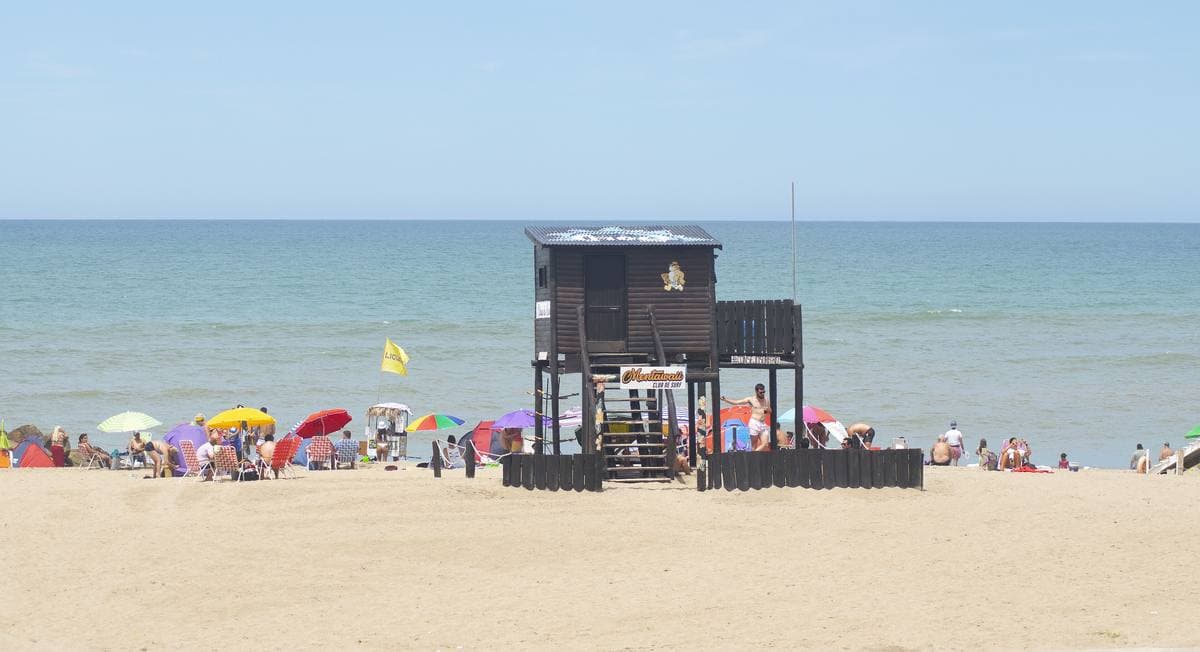
The beach at Miramar, Buenos Aires province, in summer 2021. Ezarate · CC BY-SA 4.0
Miramar, on the Atlantic coast
The first destination was Miramar, where Ernesto wanted to say goodbye to his girlfriend, María del Carmen Ferreyra, known as Chichina. Two planned days became eight. Chichina gave him 15 dollars to buy her a swimsuit in the United States.
Two days later they reached Villa Gesell, and stayed a week.
A beach town on the Atlantic, south of Mar del Plata. The beaches are public.
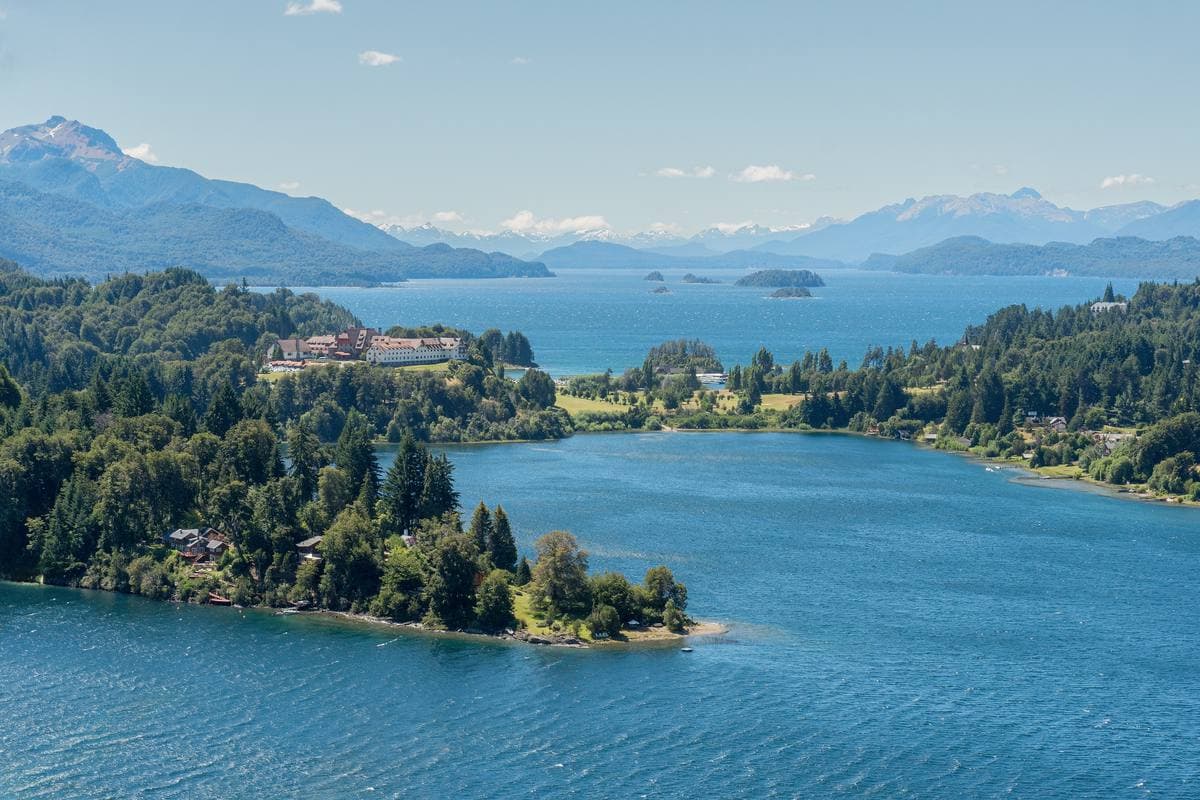
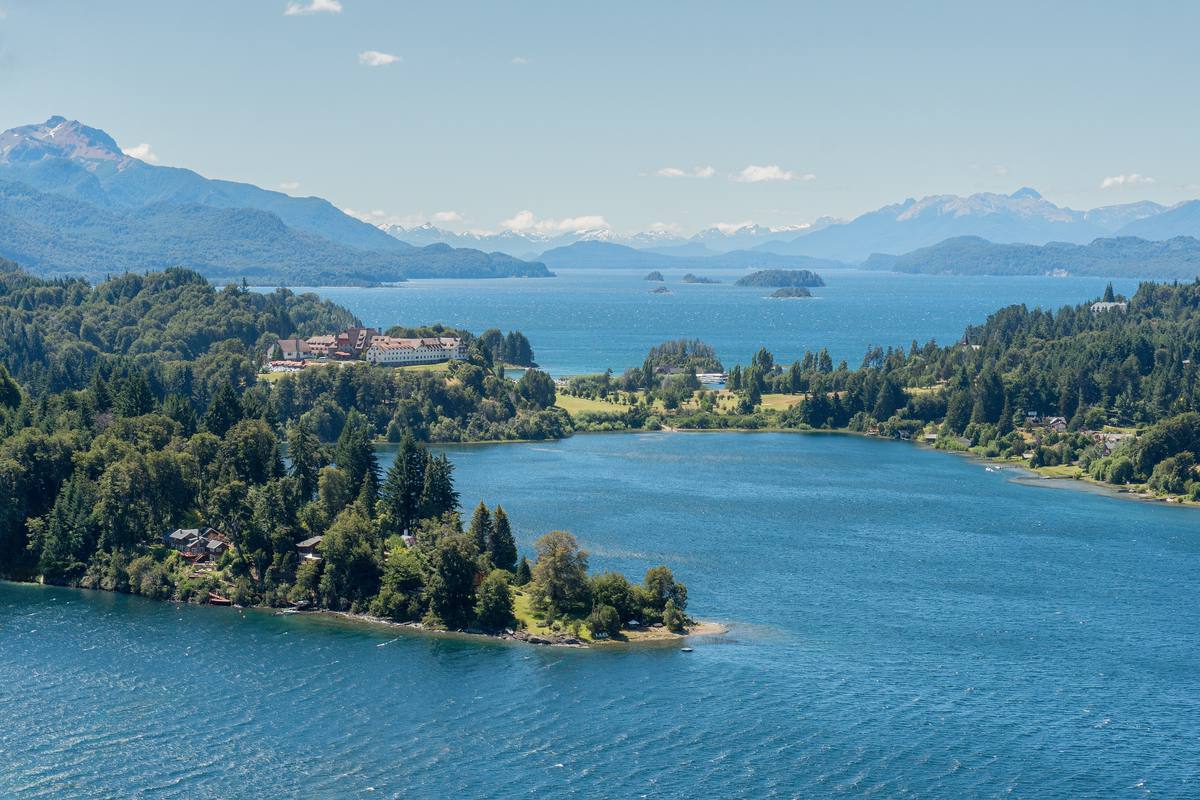
Where this comes fromLake Nahuel Huapi and the Llao Llao peninsula, outside Bariloche, 2023. Fernando · CC BY-SA 4.0
Lake Nahuel Huapi, Bariloche
Heading south from Villa Gesell, the Argentine part of the ride ended at Bariloche. From Peulla, across the lakes from Bariloche, they began to climb north through Chile.
Salles told Groucho Reviews that the crew reached Patagonia in late spring and were caught in a heavy snowstorm the day after they arrived. They shot in about 20 below, without gloves, and Gael García Bernal and Rodrigo de la Serna went out with the crew.
Bariloche is the gateway to the lakes; boats for Puerto Blest and the crossing to Chile leave from the Llao Llao side.
Where this comes from
Cruce Andino
The lakes crossing, with a night on the way
Bariloche to Puerto Varas · From US$439 a person, double room · runs every day of the year
Bariloche to Puerto Varas by bus and boat over two days, past Puerto Frías, with a hotel night in Peulla or Puerto Blest.
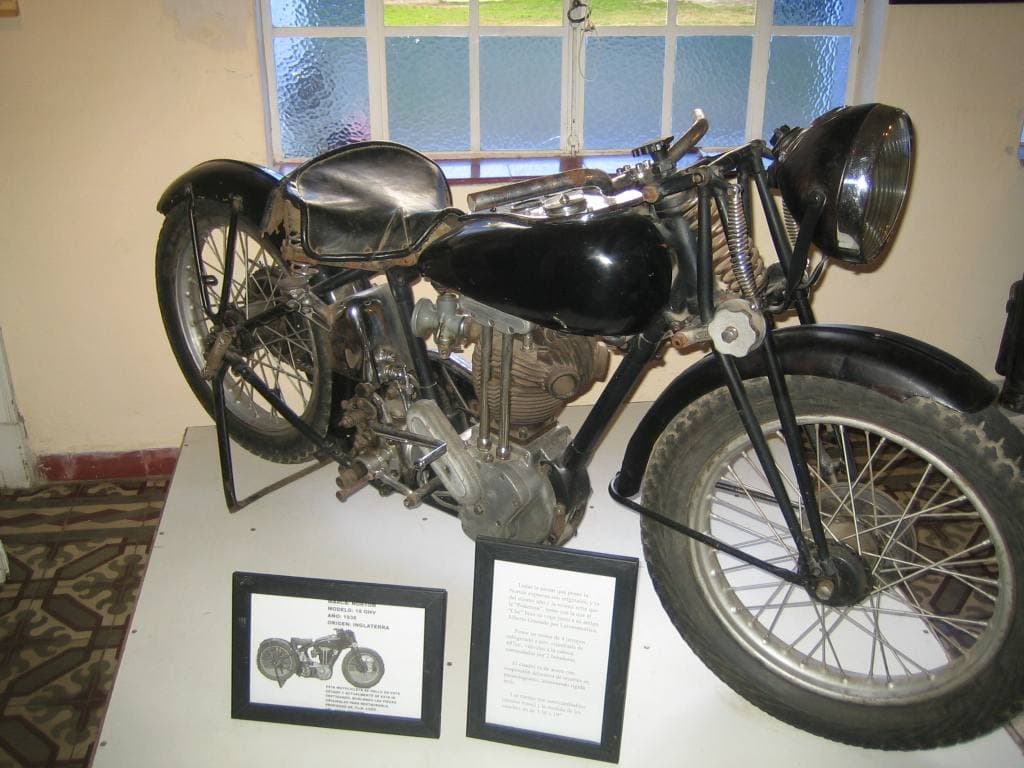
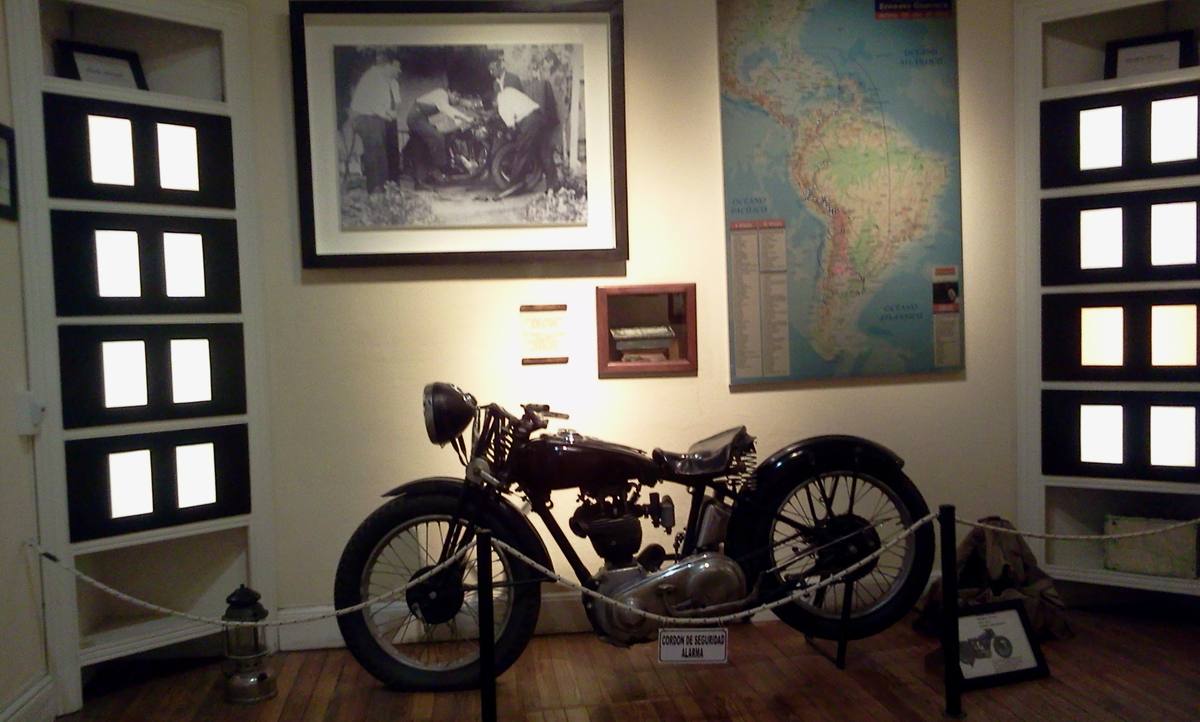
The replica of La Poderosa II at the Museo Casa de Ernesto Che Guevara, Alta Gracia, 2006. Rcidte · Public domain
Museo Casa de Ernesto Che Guevara, Alta Gracia
The museum is Villa Nydia, an early 20th-century house in Alta Gracia’s Barrio Pellegrini, 36 km from the city of Córdoba, where Guevara spent his childhood.
It shows a replica of La Poderosa II beside the motor-assisted bicycle Guevara rode on his first journey through northern Argentina, with handwritten letters and original photographs.
The original is believed to have been taken apart and sold for spares after it was left in Chile; the replica is the one in Alta Gracia.
A house museum in Alta Gracia, 36 km from the city of Córdoba. Check the opening hours before a long trip. C5N gives the opening hours as 9am to 8pm.
Where this comes from
Museo Casa de Ernesto Che Guevara
Museo Casa de Ernesto Che Guevara
Alta Gracia, Córdoba · 9am–8pm (C5N, March 2026)
Villa Nydia in Alta Gracia, with a replica of La Poderosa II, letters and photographs.
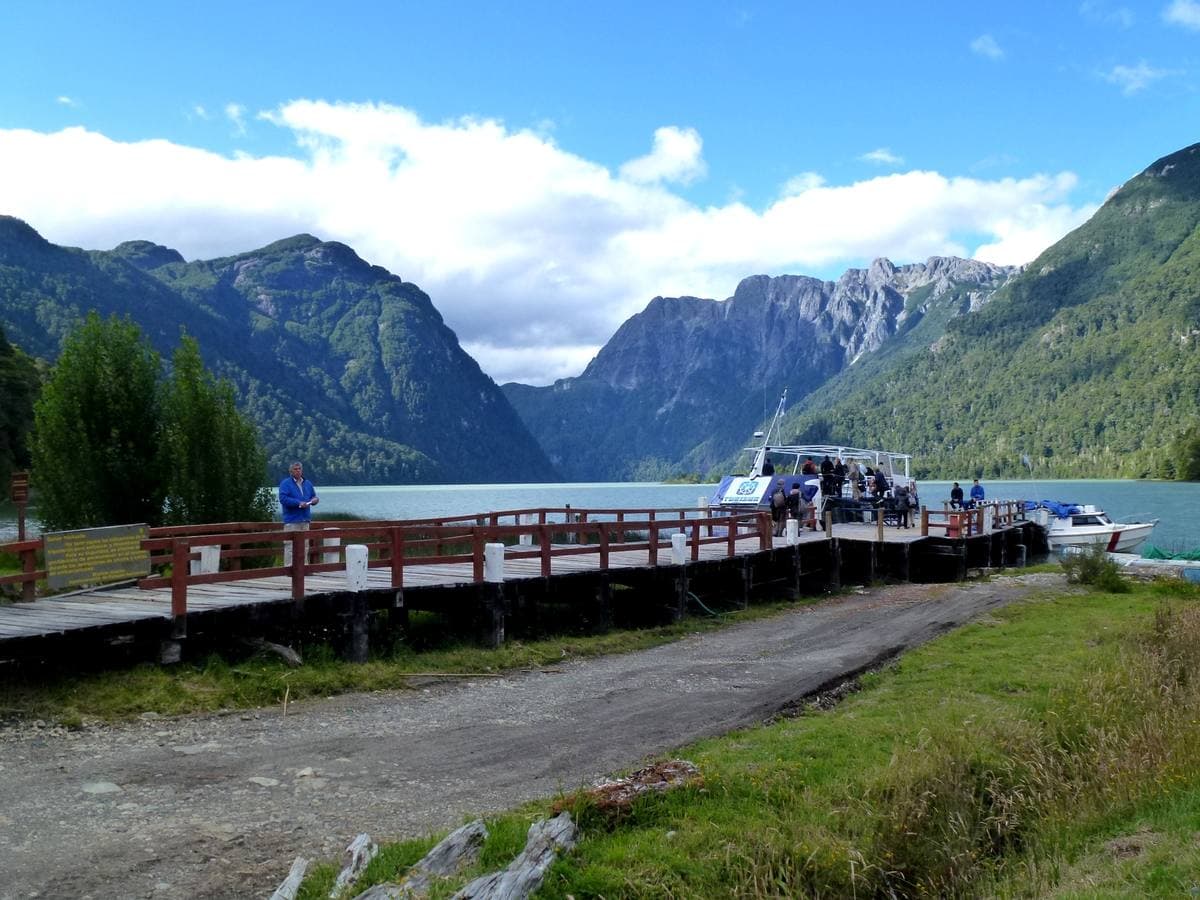
The pier at Puerto Frías on Lago Frías. Hiroki Ogawa · CC BY 3.0
Puerto Frías, Lago Frías
A replica of the motorcycle stands at the pier stop at Puerto Frías.
ANB Bariloche says scenes of The Motorcycle Diaries were filmed here. Guevara and Granado crossed the Andes by the Vicente Pérez Rosales pass, a few kilometres away.
The Cruce Andino runs between Bariloche and Puerto Varas on three lakes and four land sections, every day of the year; Lago Frías is one of the lakes.
Reached only on the lakes crossing between Bariloche and Puerto Varas: bus and boat, 365 days a year.
Where this comes from
Cruce Andino
Cruce Andino in a day
Puerto Varas to Bariloche · From US$325 one way · 12 hours
Three lakes and four land sections between Puerto Varas and Bariloche; Lago Frías is one of them, and the replica Norton waits at the Puerto Frías pier.
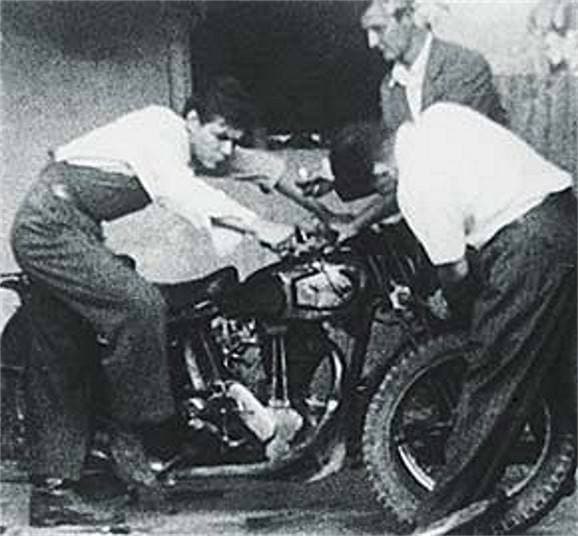
Ernesto Guevara at the handlebars of the Norton, 1952, with men working on it. Unknown photographer · Public domain
Chile, north from the lakes
Same road, two layers.
What happened here in 1952, and what the crew shot here fifty years later, are told apart.
TemucoA Temuco paper calls them two Argentine leprosy experts touring South America by motorcycle.
ChileThe Norton gives up in Chile and is left behind: in Los Ángeles, Río Negro says, renamed La Debilucha; in Santiago, say El Observador and The Irish Times.
ChuquicamataAt Chuquicamata Guevara writes against the mine’s unequal pricing of health care.
1952: after the Norton, north by ship, bus and riverboat.
Where this comes from
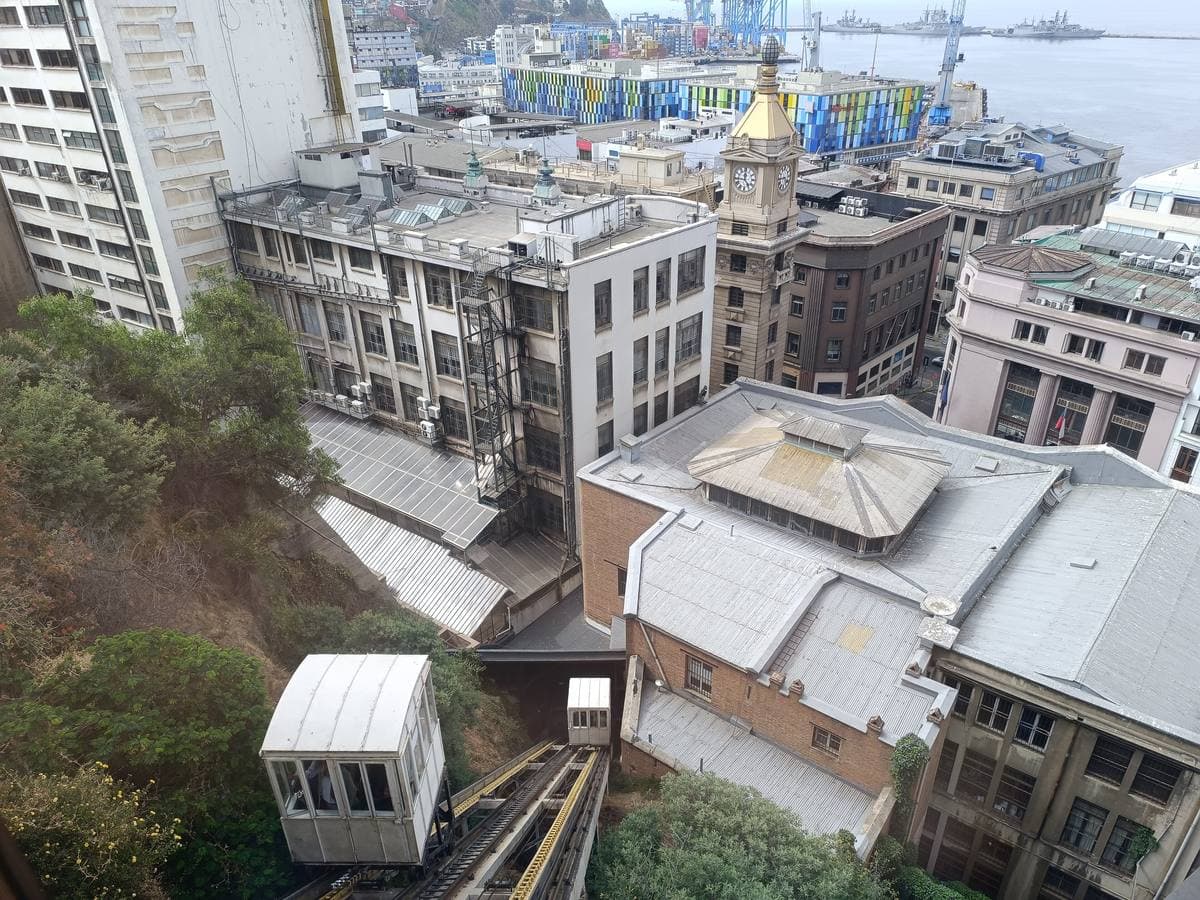
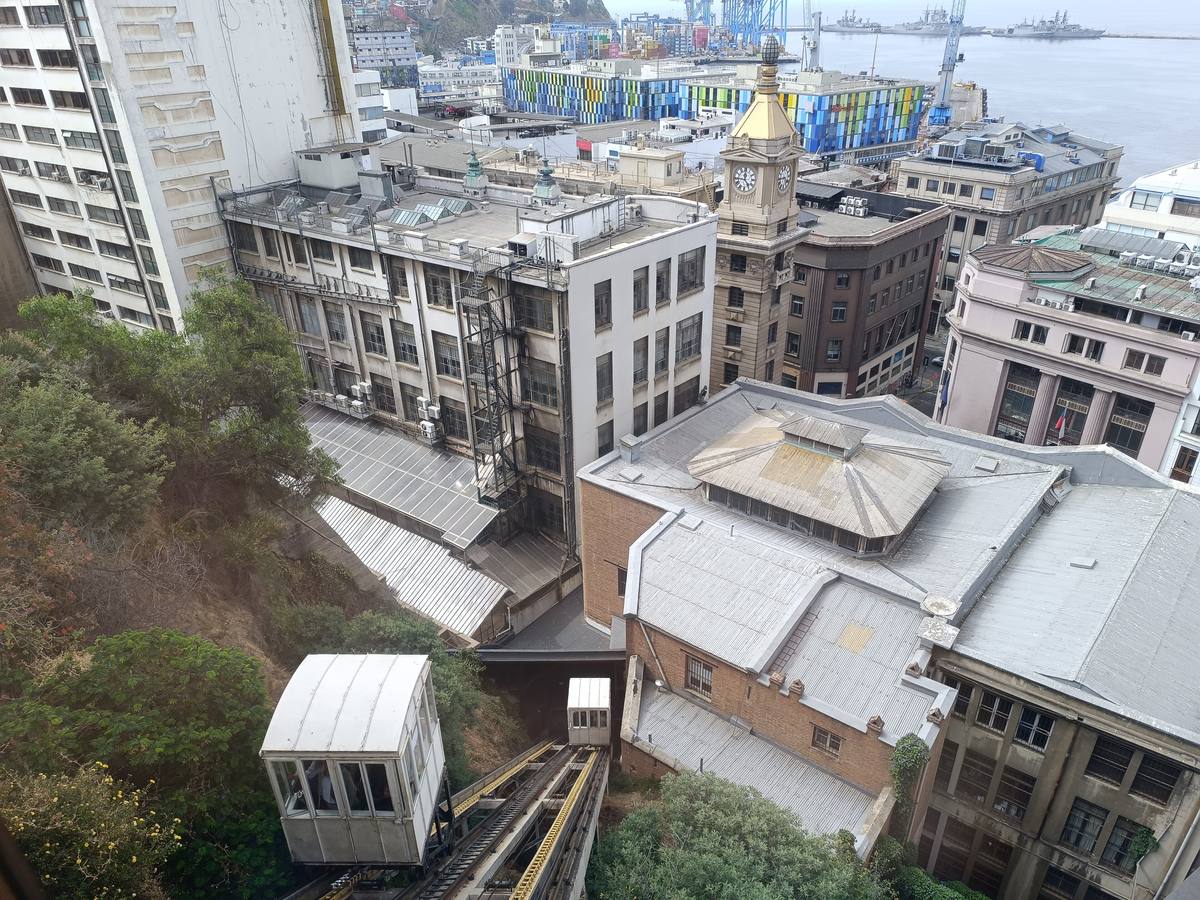
Looking down the Concepción funicular over Valparaíso, December 2025. CARLOS TEIXIDOR CADENAS · CC BY 4.0
Valparaíso: Cerro Concepción and the funiculars
Chile Travel says the first part of the film was shot in Valparaíso. Cerro Alegre and Concepción are a historic conservation area of 19th-century houses shaped by European immigration, with the Gervasoni and Yugoslavo promenades over the bay.
The El Peral funicular climbs from Plaza Sotomayor to Cerro Concepción; the Reina Victoria serves Cerro Alegre. Carry cash.
Where this comes from
Chile Travel
Cerro Alegre and Concepción
Valparaíso · Free entry · about 3 hours · carry cash for the funiculars
Ride the El Peral funicular up from Plaza Sotomayor and walk the promenades over the bay.
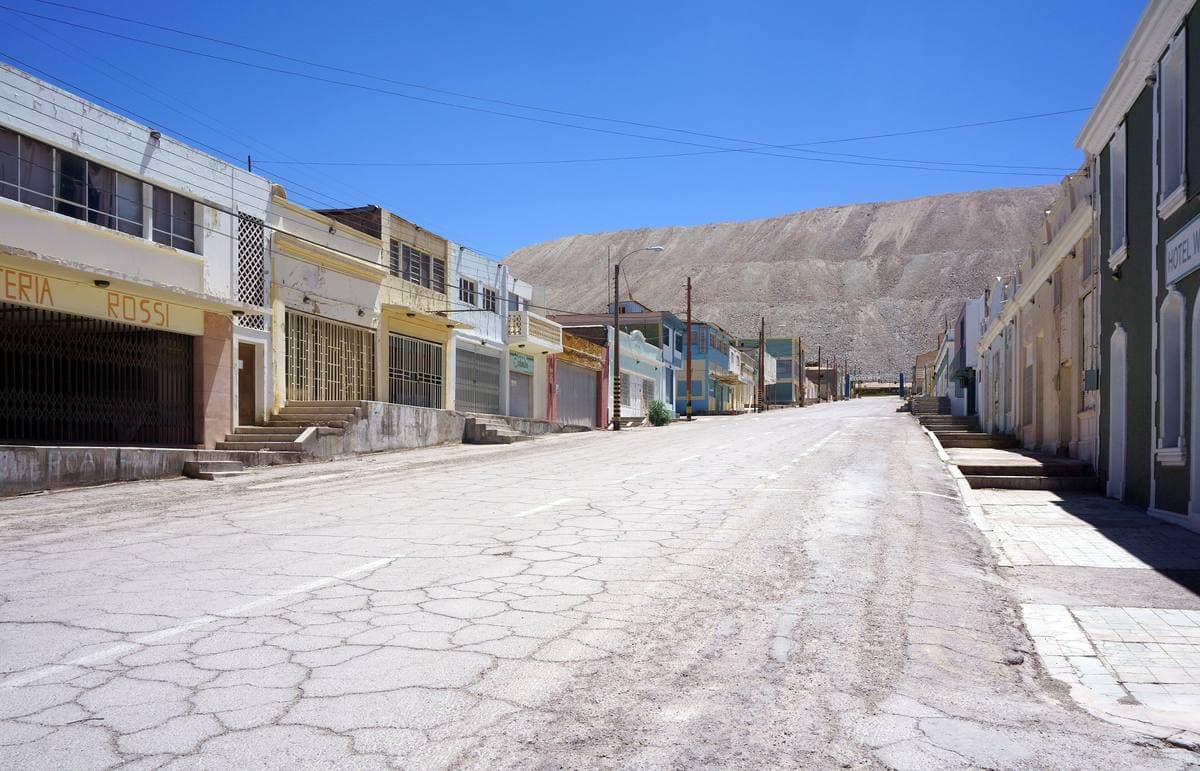
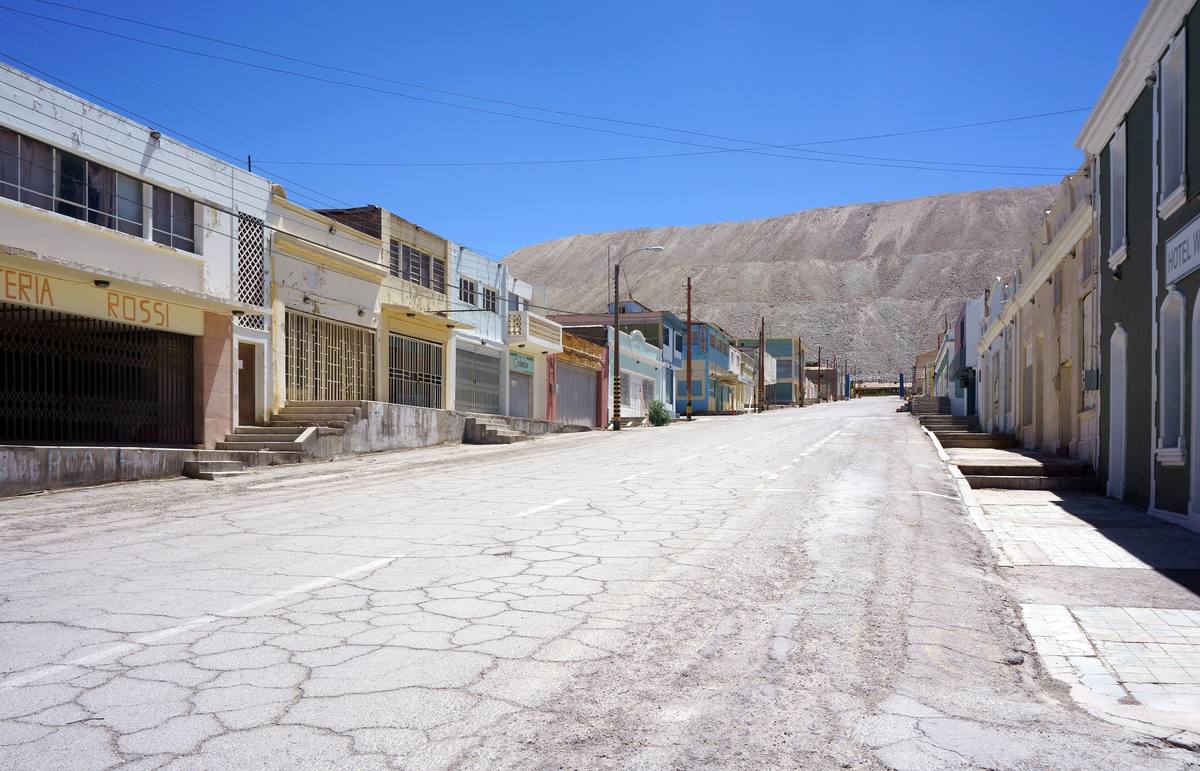
The empty camp at Chuquicamata, 2018. kallerna · CC BY-SA 4.0
Chuquicamata copper mine
Chile Travel says the shoot crossed the Atacama Desert and took in the Chuquicamata copper mine in the north of Chile. Río Negro reports that at Chuquicamata Guevara wrote against the mine’s unequal pricing of health care.
The tour visits the historic core of the camp, lived in from 1915 to 2007, the Pala Mundial and the viewpoint over the open pit.
A working mine: go only on Codelco’s guided visit, booked ahead by email. Visits are free.
Where this comes from
Codelco
Chuquicamata visit
Calama, Chile · Free · Mondays and Thursdays (from January 2025)
The historic camp, lived in from 1915 to 2007, the Pala Mundial and the viewpoint over the pit. Places are limited and booked by email.
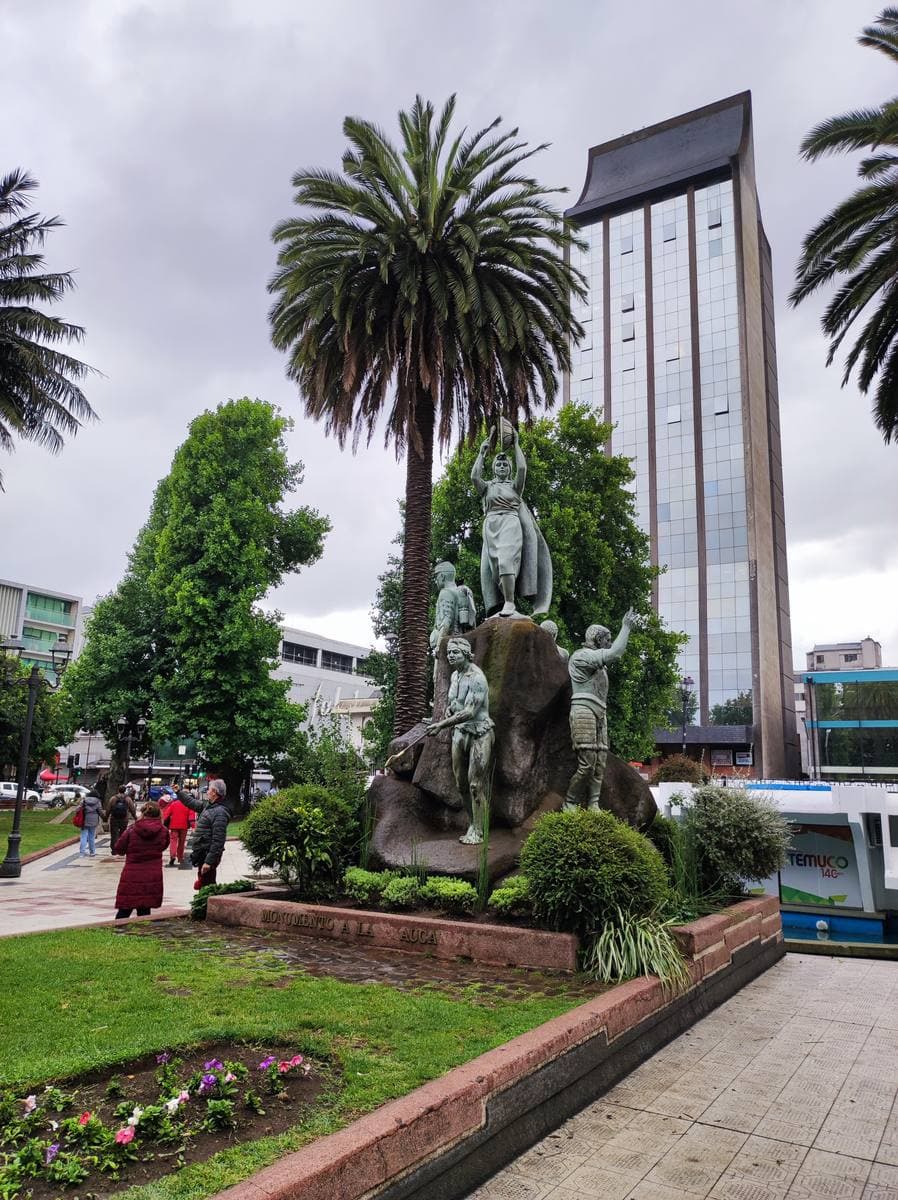
The Plaza de Armas in Temuco, 2022. LuisCG11 · CC BY-SA 4.0
Temuco and Lautaro, La Araucanía
In Temuco a local paper ran a story headlined “Two Argentine leprosy experts are touring South America by motorcycle”. Chile Travel says that after Valparaíso the shoot moved to La Araucanía, specifically the Lautaro area.
Río Negro says the motorcycle was left in Los Ángeles, Chile, about 500 km south of Santiago, and renamed La Debilucha, the weakling. El Observador and The Irish Times put the end of the motorcycle in Santiago. After the motorcycle was abandoned, The Irish Times says, they carried on north by ship, bus and riverboat.
Temuco’s central square is public. Lautaro, where the shoot worked, is a separate town to the north.
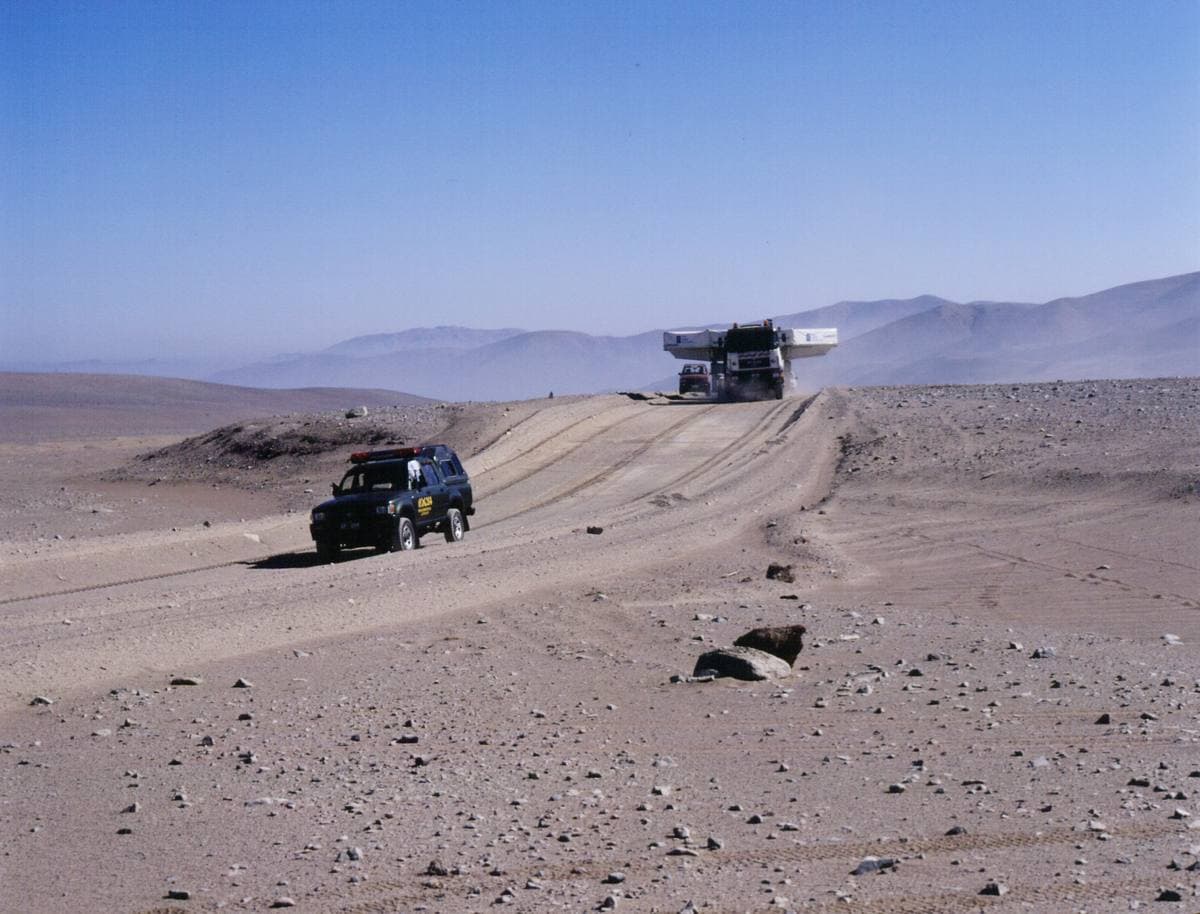
Where this comes fromA road through the Atacama Desert, photographed for the European Southern Observatory. ESO · CC BY 4.0
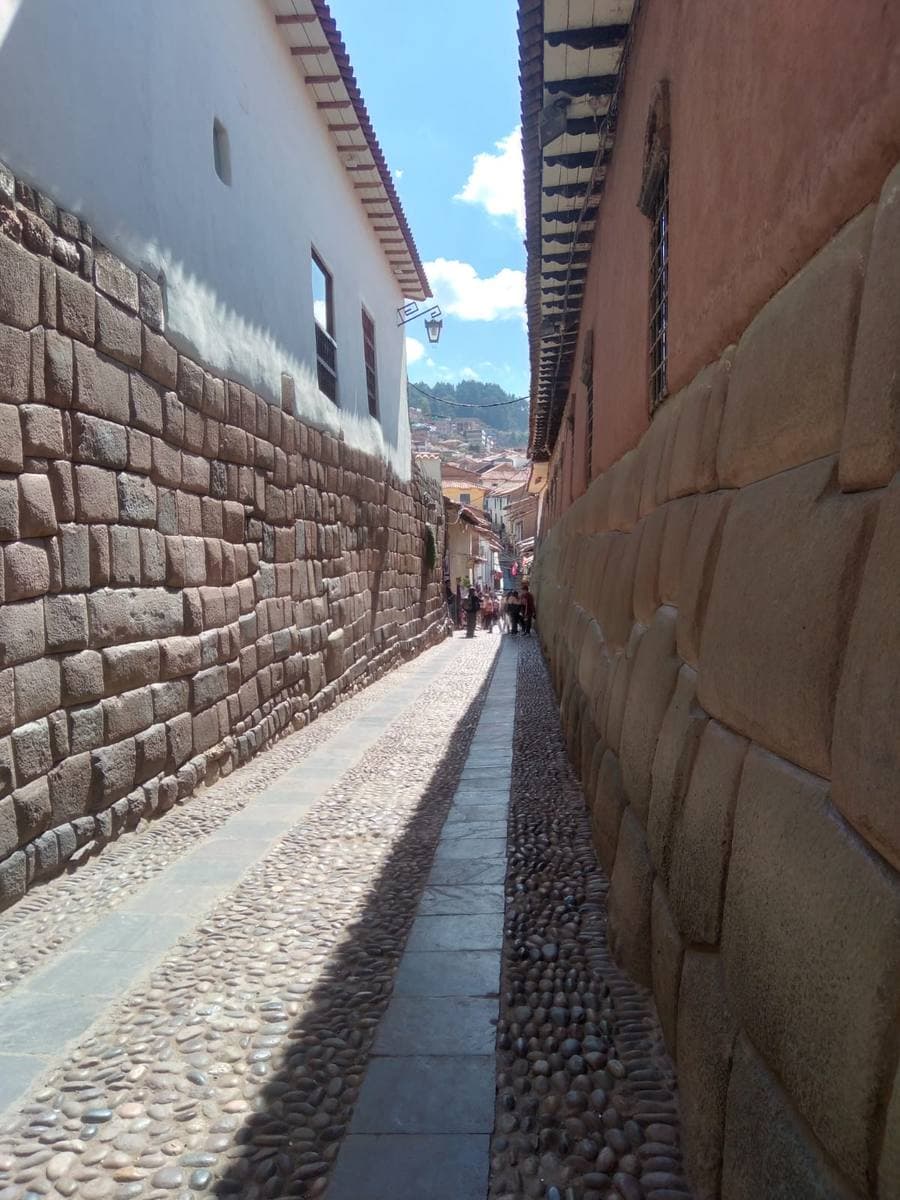
Calle Hatunrumiyoc, Cusco: Inca stonework along the street, 2022. ErnestoTalav.Montoya · CC BY-SA 4.0
Cusco and Machu Picchu, April 1952
A frame for a dreamer.
Río Negro says Cusco and Machu Picchu set Guevara thinking about Latin American history and the colonial invasion. They entered Peru by Tacna, Puno and Lake Titicaca.
PromPerú describes Cusco as the former capital of the Inca Empire, over 3,399 metres (11,150 feet) above sea level, and points visitors to the Twelve-Angled Stone.
A public street a short walk up from the main square. Cusco is over 3,399 m up: take the first day slowly.
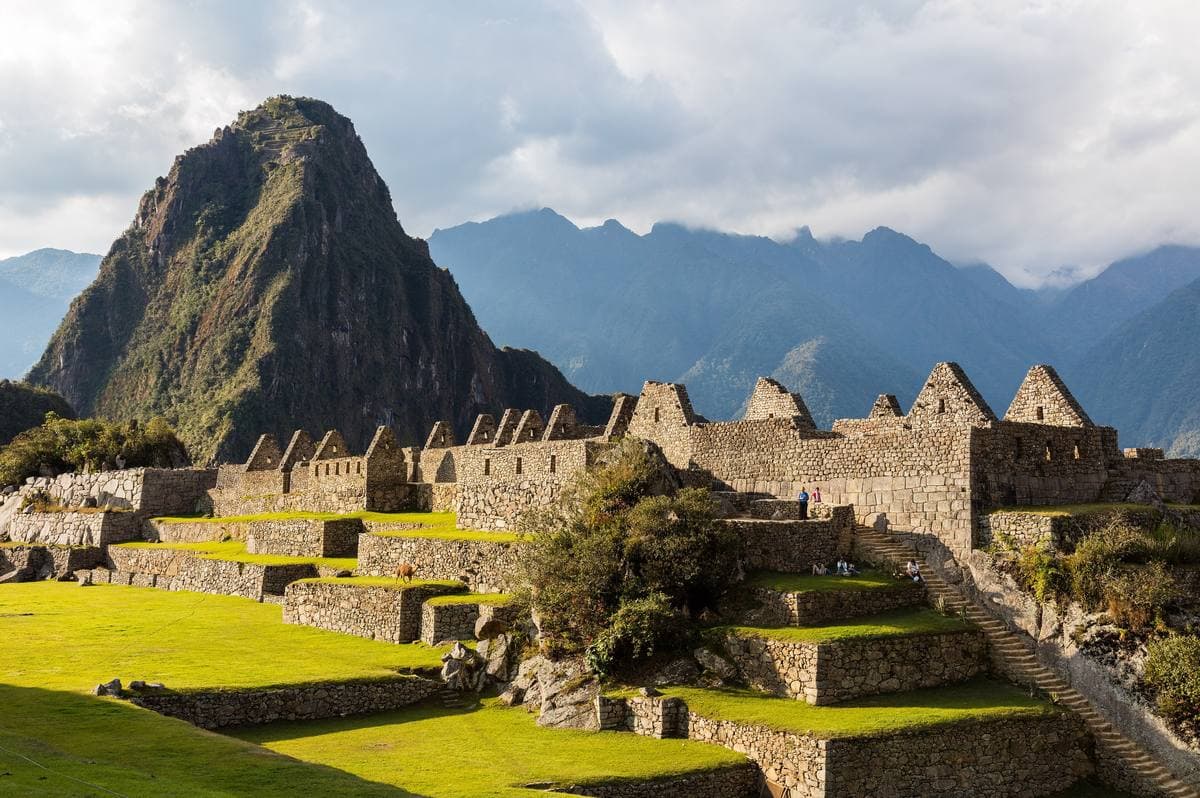
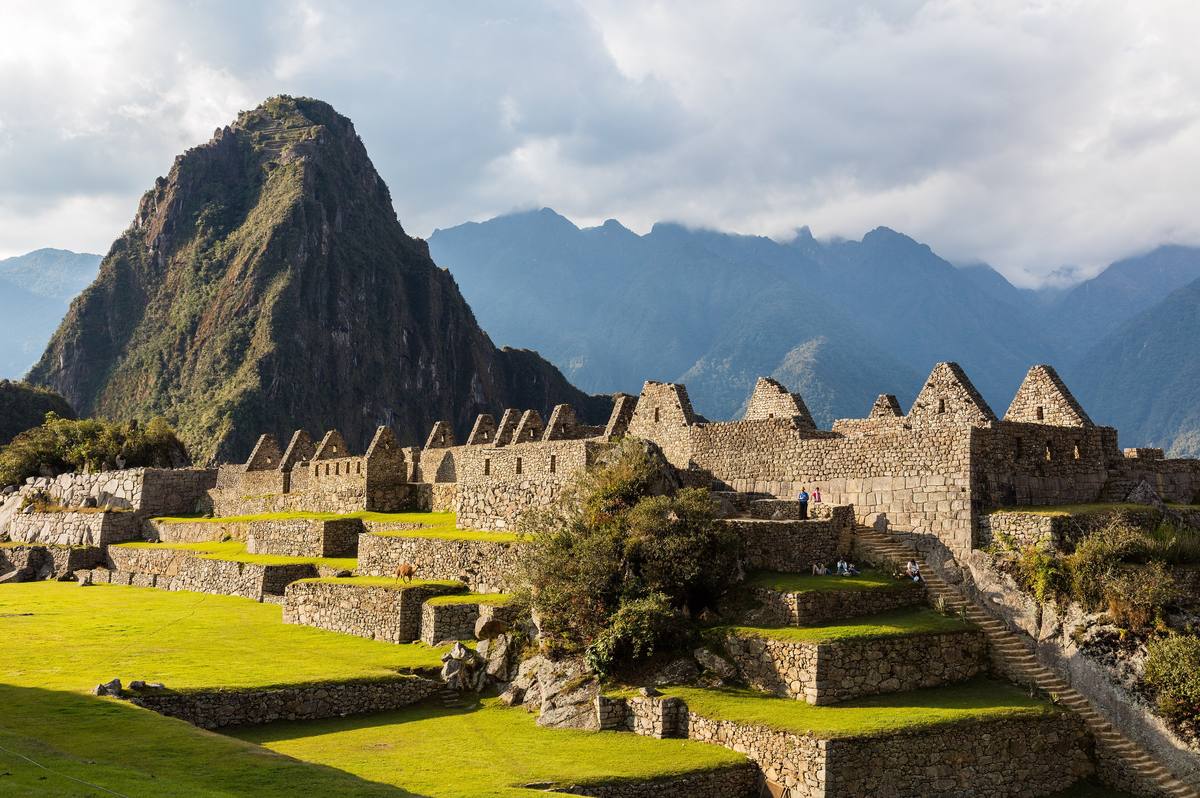
Where this comes fromMachu Picchu in July 2015. Diego Delso · CC BY-SA 4.0
Machu Picchu
El Observador quotes Guevara on Machu Picchu as the frame a dreamer needs to be carried away.
Focus Features says the film was shot on location across South America, and names Machu Picchu among its landscapes. Andina says the film, made in 2002, shows the scenery of the Historic Sanctuary of Machu Picchu. The filmmakers shoot 30 locations in three months, following the route of the original journey.
Buy entry tickets ahead from the official Machu Picchu site; the train runs from Ollantaytambo. PromPerú’s route from Lima is a flight to Cusco, about 1 h 30 by road to Ollantaytambo, then about 2 hours by train.
Where this comes from
Viator · Ad / affiliate
Machu Picchu tours
Cusco
Live marketplace results for guided visits from Cusco. Check that entry tickets are included.
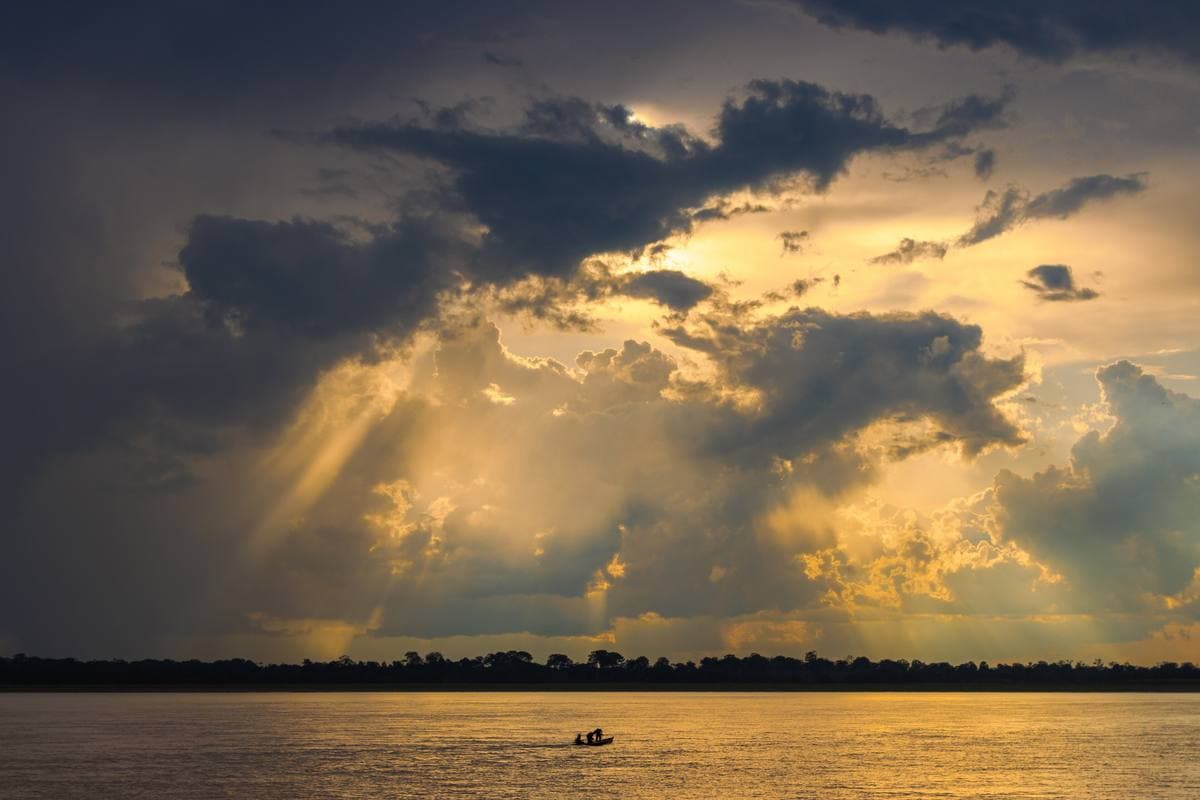
Salles told Groucho Reviews the colony sat on a river, with the doctors and nuns on one bank and the patients on the other.
On the hospital bank. 14 June 1952: his 24th birthday.
Where this comes from
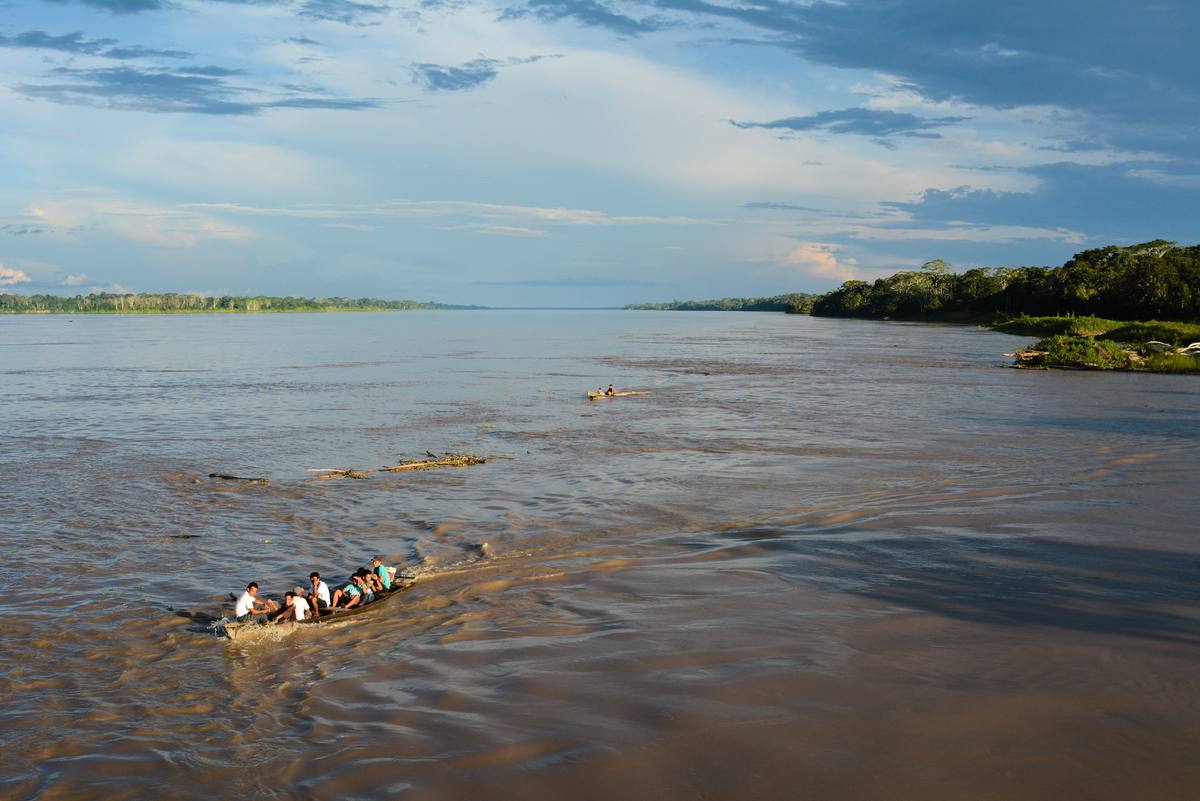
On 14 June, his 24th birthday, Ernesto swam across the Amazon from the hospital towards the patients’ side.
The crew went in and out by small boat, an hour each way on the Amazon, with no lights at night, in heat of 105 to 110°F.
The San Pablo de Loreto leprosarium, founded in 1926, lies in the Amazon about 1,100 km from Lima, near where Peru, Colombia and Brazil meet.
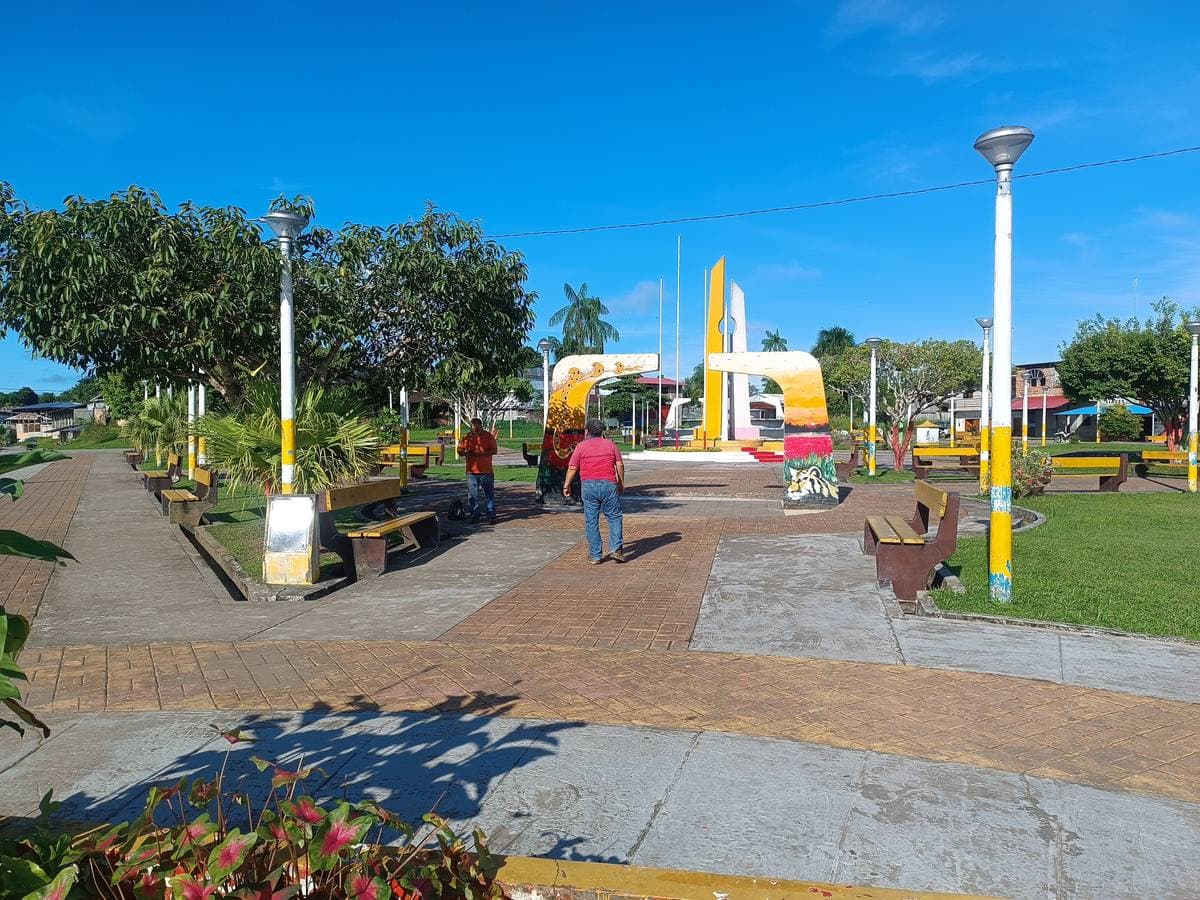
The plaza at San Pablo de Loreto in 2025. LLs · CC BY 4.0
A river village on the Amazon downstream from Iquitos, reached only by boat. The hospital is a working one: ask before you walk in or take photographs.
Where this comes from
2002, back on the route
The man on the pillion came too.
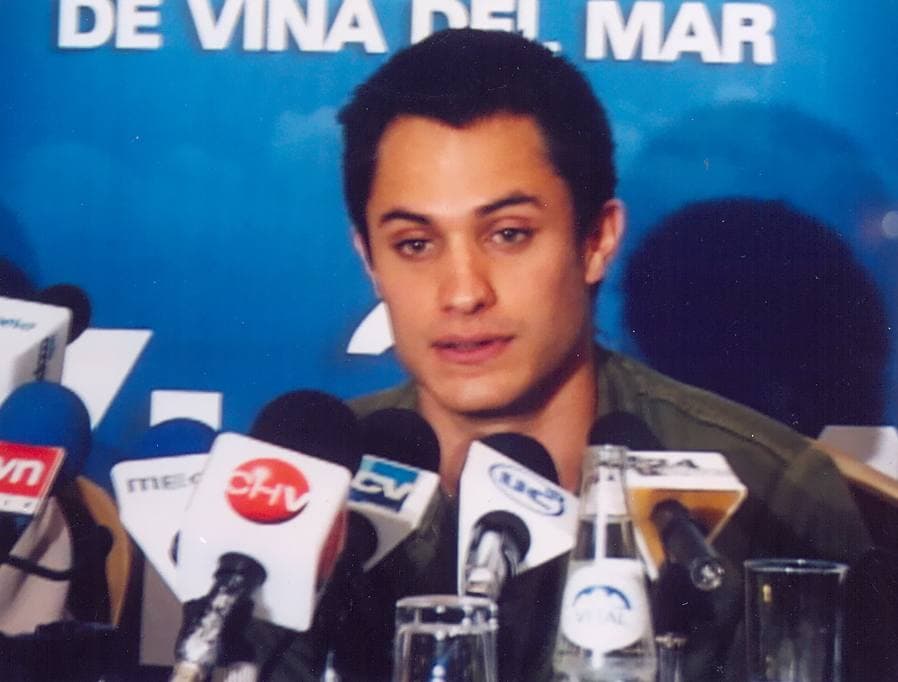
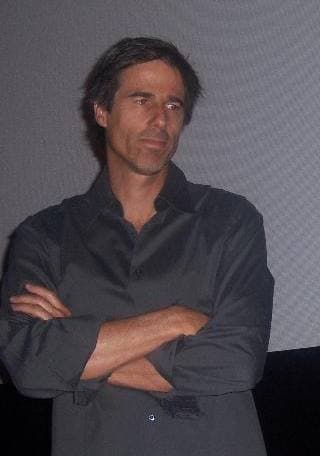
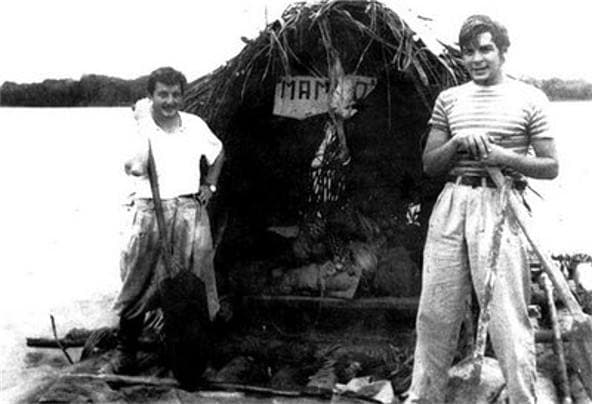
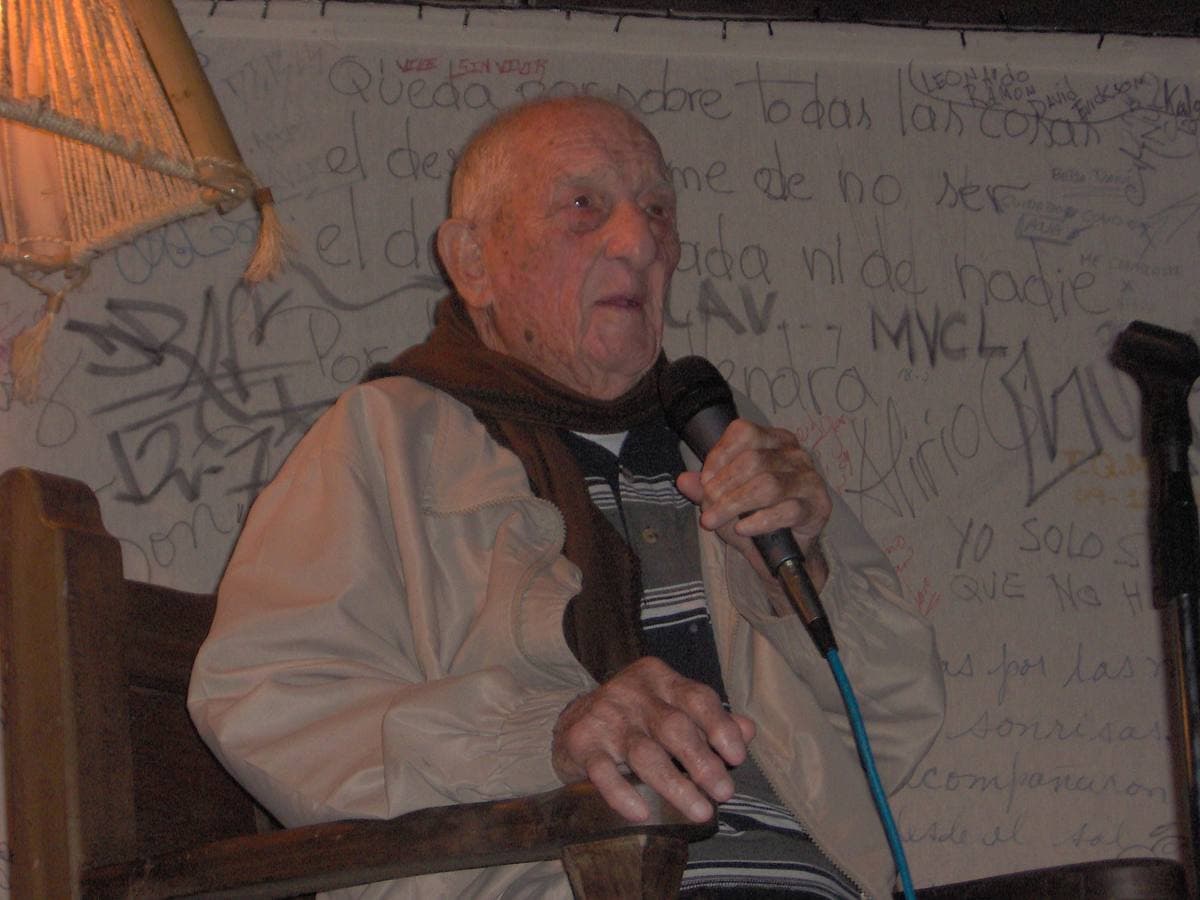
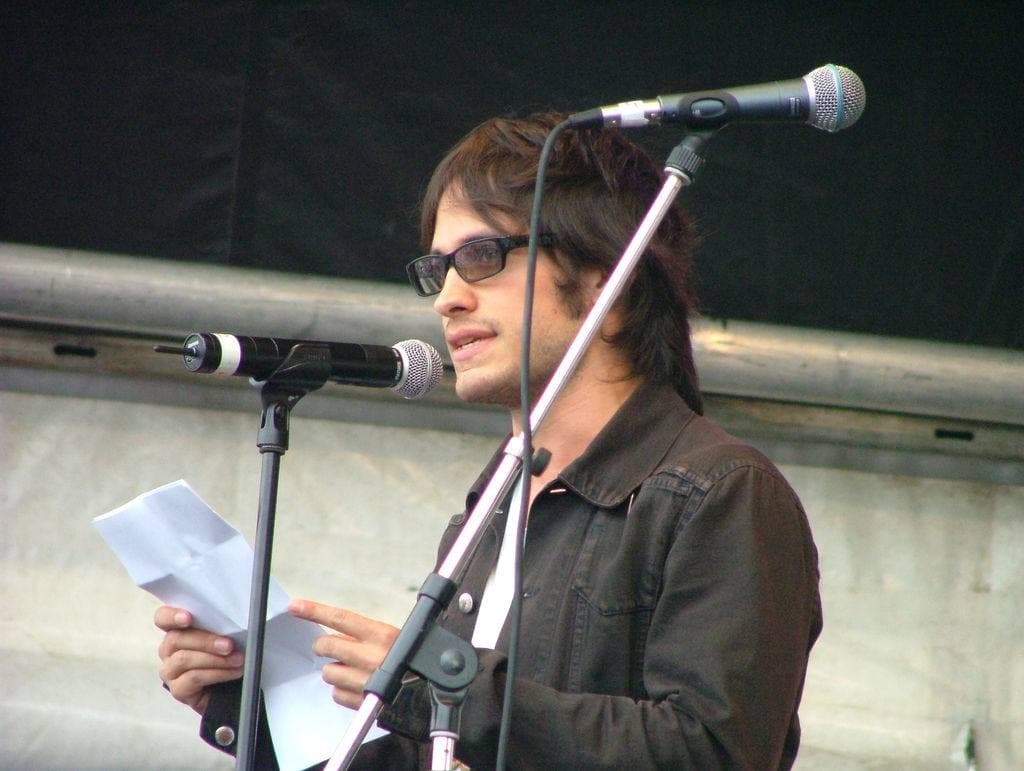
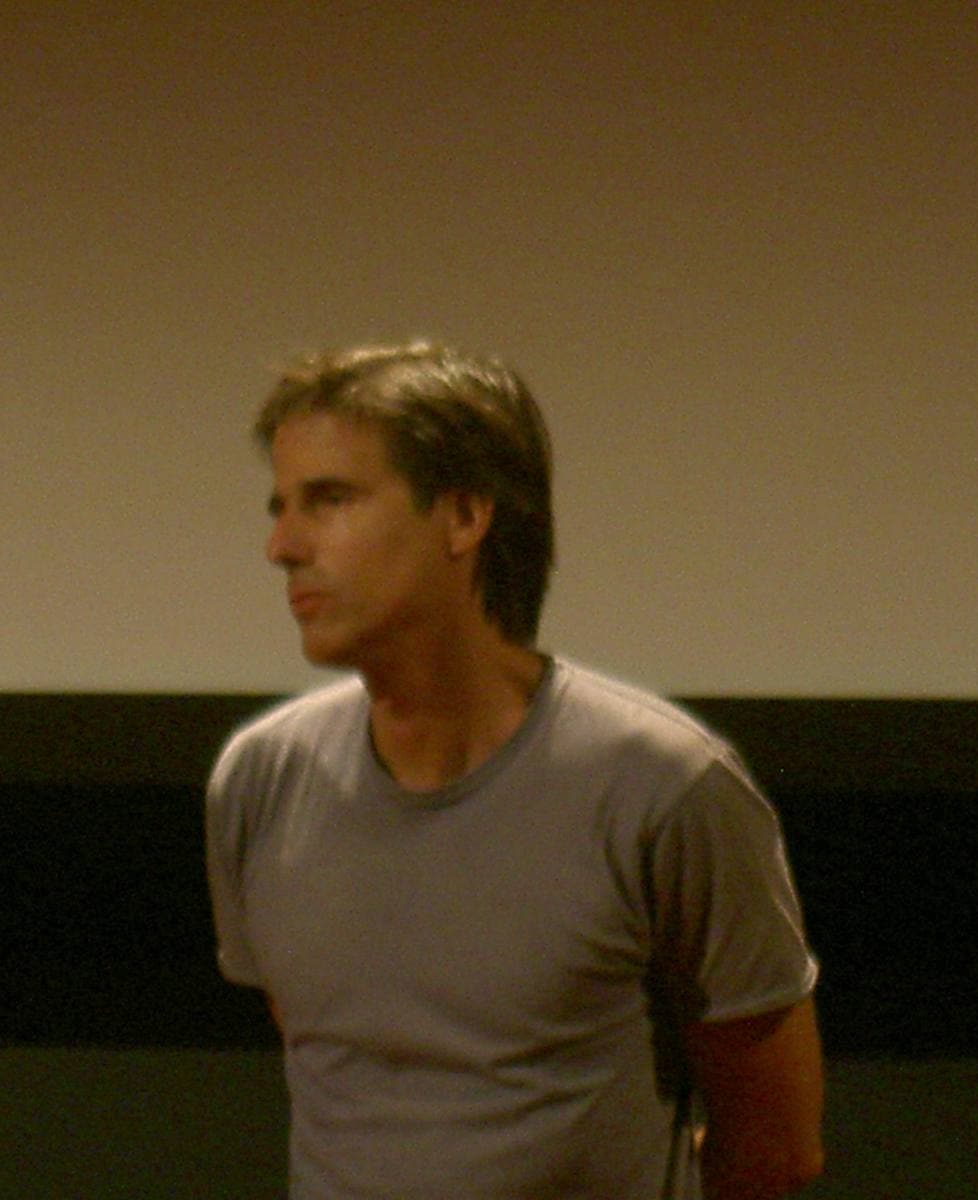
Alberto Granado (left) and Ernesto Guevara (right) on the Mambo-Tango raft on the Amazon, June 1952. Unknown photographer · Public domainAlberto Granado, aged 84, talking to an audience in March 2007, three years after his walk-on at the end of the film. Quidam (Wikimedia Commons) · CC BY-SA 3.0Gael García Bernal at a microphone in January 2005, three months after the film opened. Sophs74 / Sophie Robson · CC BY-SA 2.0Walter Salles at the Forum des Images in Paris, June 2005. alexdecarvalo · CC BY 2.0
Salles says Granado was the first to arrive on set and the last to leave.
Granado is the film’s adviser, follows the crew along the route and has a walk-on part at the end.
Granado returns with the crew and finds people he treated half a century before.
Bernal and de la Serna spend long hours with the real Granado before the shoot.
Invited to the film’s Sundance screening in 2004, Granado is refused a US visa.
The film is nominated for two Academy Awards and wins Best Original Song for Jorge Drexler.
Where this comes from
June and July 1952
Push off.
The patients build the two a raft and name it the Mambo-Tango.
San PabloMambo-TangoLeticia
Tied up at San Pablo.
Where this comes from
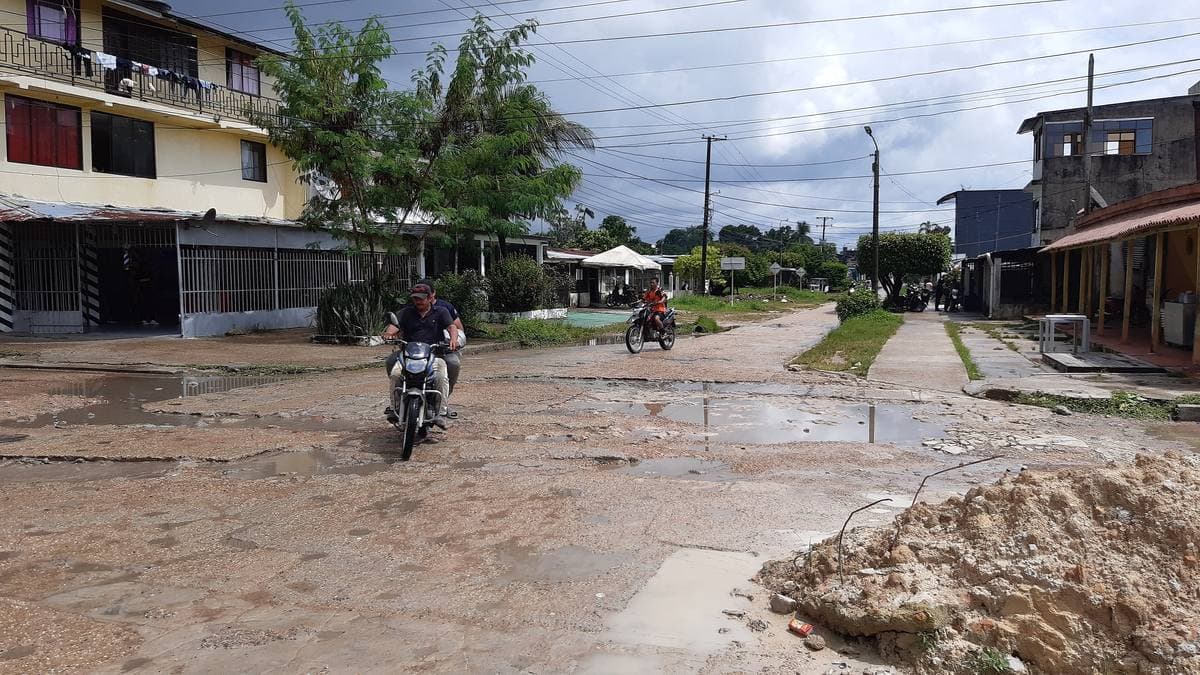
A street in Leticia after rain, 2024. Ridiculopathy · CC0
Leticia, on the Amazon
A few days after the colony, on the raft the patients made them, they reached Leticia, in Colombia.
There they coached the Independiente Sporting de Leticia football team, and lost the final on penalties.
They crossed into Venezuela on 14 July 1952.
Colombia’s Amazon port: start at the river terminal on the malecón.
Where this comes from
Viator · Ad / affiliate
Amazon river trips from Iquitos
Iquitos
Live marketplace results for river trips out of Iquitos. None is a San Pablo tour as such.
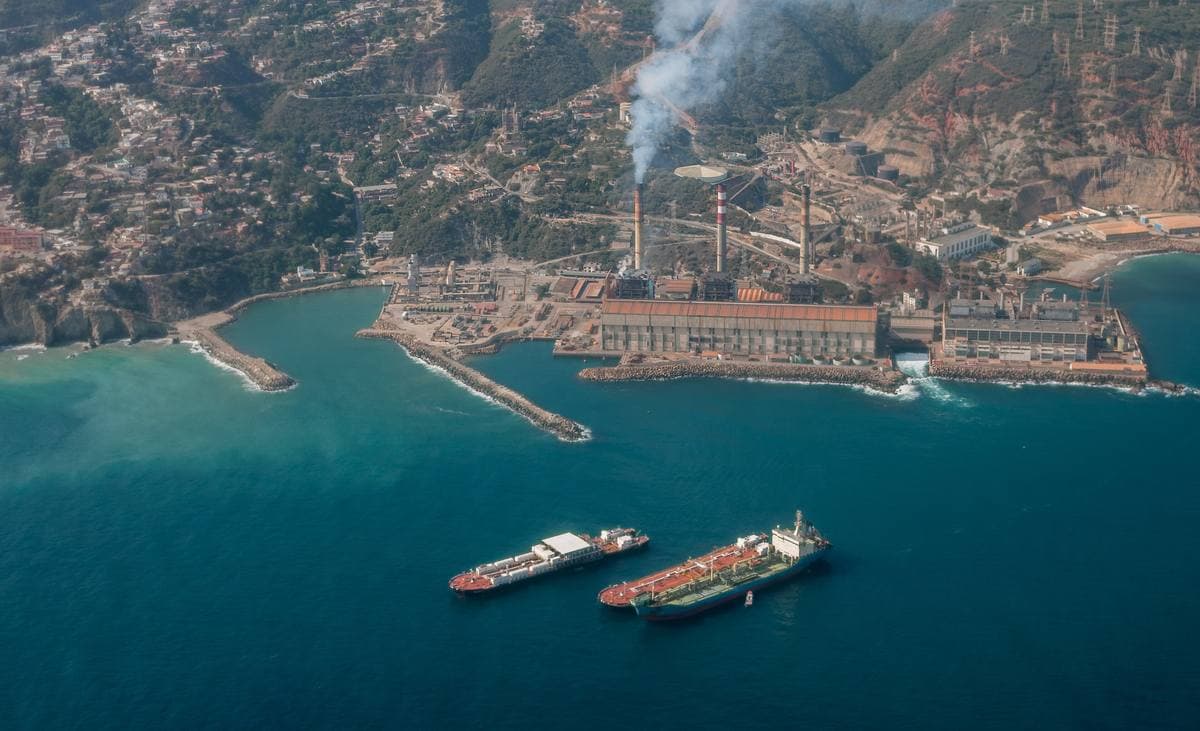
The coast at Maiquetía, below Caracas, 2013. Wilfredor · CC0
Maiquetía, below Caracas
They reached Venezuela in the summer of 1952. Guevara went on to Miami; Granado stayed and took a job at the Cabo Blanco leprosarium in Maiquetía.
Granado died on 5 March 2011, aged 88.
The coast town below Caracas. Check your government’s travel advice before you go.
Where this comes from
The far bank. Where it all is now.
Where it is now
12 places you can visit, from Alta Gracia and the Atlantic coast to San Pablo on the Amazon and Maiquetía on the Caribbean. Chuquicamata and Machu Picchu are visited on booked entry.
Pins mark public places; private homes are named but not pinned.
General reference · Public access · Coordinate precision: building · Not an exact scene or camera position; not a visitor route. A house museum in Alta Gracia, 36 km from the city of Córdoba. Check the opening hours before a long trip.
General reference · Public access · Coordinate precision: area · Not an exact scene or camera position; not a visitor route. A beach town on the Atlantic, south of Mar del Plata. The beaches are public.
General reference · Public access · Coordinate precision: area · Not an exact scene or camera position; not a visitor route. Bariloche is the gateway to the lakes; boats for Puerto Blest and the crossing to Chile leave from the Llao Llao side.
General reference · Public access · Coordinate precision: site · Not an exact scene or camera position; not a visitor route. Reached only on the lakes crossing between Bariloche and Puerto Varas: bus and boat, 365 days a year.
1The replica of La Poderosa II at the Museo Casa de Ernesto Che Guevara, Alta Gracia, 2006. Rcidte · Public domain
Avellaneda 501, Barrio Pellegrini, Alta Gracia, Córdoba
Museo Casa de Ernesto Che Guevara, Alta Gracia
The museum is Villa Nydia, an early 20th-century house in Alta Gracia’s Barrio Pellegrini, 36 km from the city of Córdoba, where Guevara spent his childhood.
A house museum in Alta Gracia, 36 km from the city of Córdoba. Check the opening hours before a long trip.
Where this comes from
2The beach at Miramar, Buenos Aires province, in summer 2021. Ezarate · CC BY-SA 4.0
Miramar, General Alvarado, Buenos Aires province
Miramar, on the Atlantic coast
Granado, 29, and Guevara, 23, left Buenos Aires on Friday 4 January 1952 for a journey through Argentina, Chile, Peru, Colombia and Venezuela.
A beach town on the Atlantic, south of Mar del Plata. The beaches are public.
Where this comes from
3Lake Nahuel Huapi and the Llao Llao peninsula, outside Bariloche, 2023. Fernando · CC BY-SA 4.0
Llao Llao peninsula, San Carlos de Bariloche, Río Negro
Lake Nahuel Huapi, Bariloche
Heading south from Villa Gesell, the Argentine part of the ride ended at Bariloche.
Bariloche is the gateway to the lakes; boats for Puerto Blest and the crossing to Chile leave from the Llao Llao side.
Where this comes from
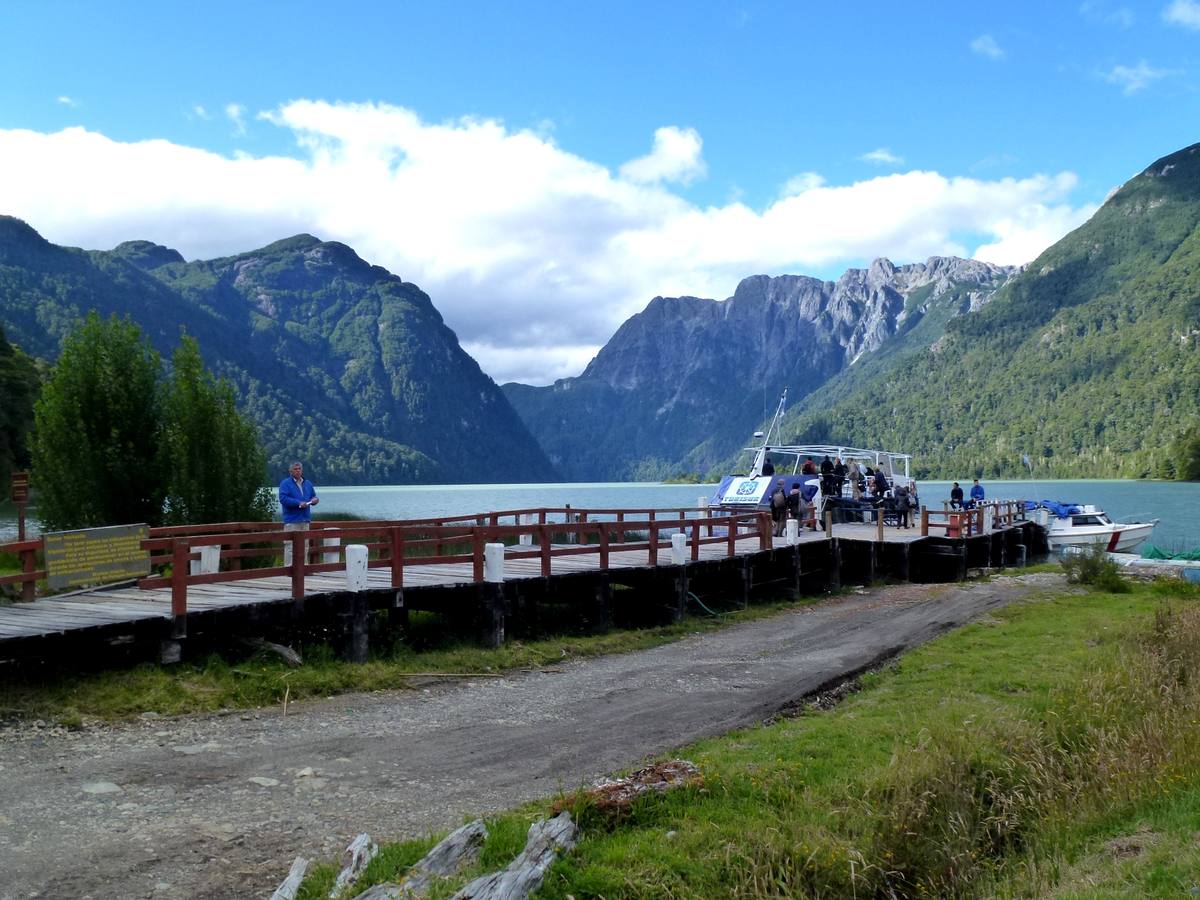
4The pier at Puerto Frías on Lago Frías. Hiroki Ogawa · CC BY 3.0
Puerto Frías, Nahuel Huapi National Park, Río Negro
Puerto Frías, Lago Frías
ANB Bariloche says scenes of The Motorcycle Diaries were filmed here.
Reached only on the lakes crossing between Bariloche and Puerto Varas: bus and boat, 365 days a year.
Where this comes from
Stay
A night on the lakes.
The two-day Cruce Andino, with a hotel in Peulla or Puerto Blest.
Cruce Andino
The lakes crossing, with a night on the way
Bariloche to Puerto Varas · From US$439 a person, double room · runs every day of the year
Bariloche to Puerto Varas by bus and boat over two days, past Puerto Frías, with a hotel night in Peulla or Puerto Blest.
The lakes crossing, Codelco’s Chuquicamata visit, the Alta Gracia museum, Valparaíso’s funiculars, and tours from the marketplace.
Cruce Andino
Cruce Andino in a day
Puerto Varas to Bariloche · From US$325 one way · 12 hours
Three lakes and four land sections between Puerto Varas and Bariloche; Lago Frías is one of them, and the replica Norton waits at the Puerto Frías pier.
Dates, prices, rooms and stock change: confirm with the provider before you travel or buy. A stay or tour is described as a filming location only where the card says so.
Swim to the other side.
Where this comes from
Every place and moment behind this page, with sources. The journey of 1952 and the shoot of 2002 are kept as separate layers.
12 of 12 places · 31 of 31 Moments
Museo Casa de Ernesto Che Guevara, Alta Gracia
Avellaneda 501, Barrio Pellegrini, Alta Gracia, Córdoba
Hours with Granado
Bernal and de la Serna spend long hours with the real Granado before the shoot.
La Poderosa II
Granado’s 1939 Norton 500 M18, bought second-hand in 1947, carries them out of Buenos Aires.
No visa
Invited to the film’s Sundance screening in 2004, Granado is refused a US visa.
One Oscar
The film is nominated for two Academy Awards and wins Best Original Song for Jorge Drexler.
Miramar, on the Atlantic coast
Miramar, General Alvarado, Buenos Aires province
Buenos Aires, 4 January 1952
Granado, 29, and Guevara, 23, leave Buenos Aires on La Poderosa II.
Eight days at Miramar
Two planned days with Chichina at Miramar become eight.
Lake Nahuel Huapi, Bariloche
Llao Llao peninsula, San Carlos de Bariloche, Río Negro
The end of Argentina
The Argentine part of the ride ends at Bariloche; from Peulla they climb north into Chile.
Snow in Patagonia
The crew arrive in Patagonia and are caught in a snowstorm the next day; they shoot at about 20 below.
Puerto Frías, Lago Frías
Puerto Frías, Nahuel Huapi National Park, Río Negro
Puerto Frías
Scenes of the film are shot at Puerto Frías, a few kilometres from the pass the two crossed.
A Norton at the pier
A replica of the motorcycle stands at the pier stop at Puerto Frías.
Temuco and Lautaro, La Araucanía
Plaza Aníbal Pinto, Temuco, Región de la Araucanía
Leprosy experts
A Temuco paper calls them two Argentine leprosy experts touring South America by motorcycle.
Lautaro
From Valparaíso the shoot moves south to La Araucanía, around Lautaro.
La Debilucha
The Norton gives up in Chile and is left behind: in Los Ángeles, Río Negro says, renamed La Debilucha; in Santiago, say El Observador and The Irish Times.
Valparaíso: Cerro Concepción and the funiculars
Ascensor El Peral, Plaza Sotomayor to Cerro Concepción, Valparaíso
The first part
The first part of the film is shot in Valparaíso.
Chuquicamata copper mine
Chuquicamata, Calama, Región de Antofagasta
The mine
The shoot crosses the Atacama and takes in the Chuquicamata copper mine.
Health care at the mine
At Chuquicamata Guevara writes against the mine’s unequal pricing of health care.
Cusco: Calle Hatunrumiyoc
Calle Hatunrumiyoc, San Blas, Cusco
The Inca capital
Cusco sets Guevara thinking about Latin American history and the colonial invasion.
Machu Picchu
Historic Sanctuary of Machu Picchu, Urubamba, Cusco
The ruins
The film is shot on location; Machu Picchu is among the landscapes the distributor names.
A frame for a dreamer
Guevara writes that Machu Picchu is the frame a dreamer needs.
Thirty locations
The filmmakers shoot 30 locations in three months, following the route of the original journey.
San Pablo de Loreto
San Pablo de Loreto, Mariscal Ramón Castilla, Loreto
Two banks
At San Pablo the doctors and nuns live on one bank and the patients on the other.
The birthday swim
On his 24th birthday, 14 June 1952, Ernesto swims across the Amazon from the hospital towards the patients’ side.
Fifty years on
Five former patients of the colony, now in their sixties and seventies, are cast in the film.
No lights on the river
The crew travel an hour each way by small boat on the Amazon, without lights at night.
They remembered him
Granado returns with the crew and finds people he treated half a century before.
The Mambo-Tango
The patients build the two a raft and name it the Mambo-Tango.
First on set, last off
Salles says Granado was the first to arrive on set and the last to leave.
Leticia, on the Amazon
Leticia, Amazonas, Colombia
Independiente Sporting
In Leticia they coach the town’s football team and lose the final on penalties.
Maiquetía, below Caracas
Maiquetía, La Guaira, Venezuela
Into Venezuela
They cross into Venezuela on 14 July 1952.
Cabo Blanco
Granado stays on at the Cabo Blanco leprosarium in Maiquetía; Guevara goes on to Miami.
The last scene
Granado is the film’s adviser, follows the crew along the route and has a walk-on part at the end.