Skip to content

Soho · Fitzrovia · Willesden · Seventh Avenue1968–19781

Yes.

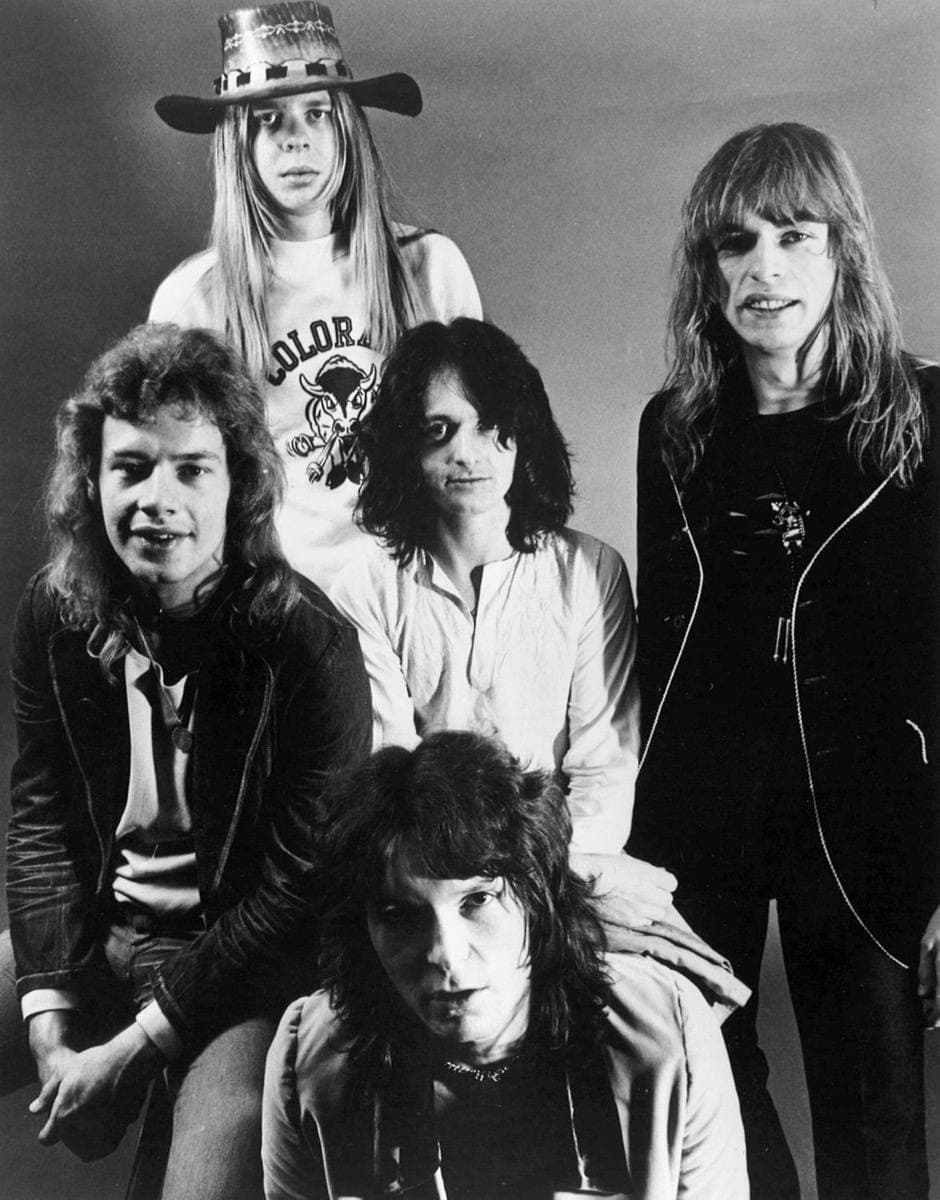
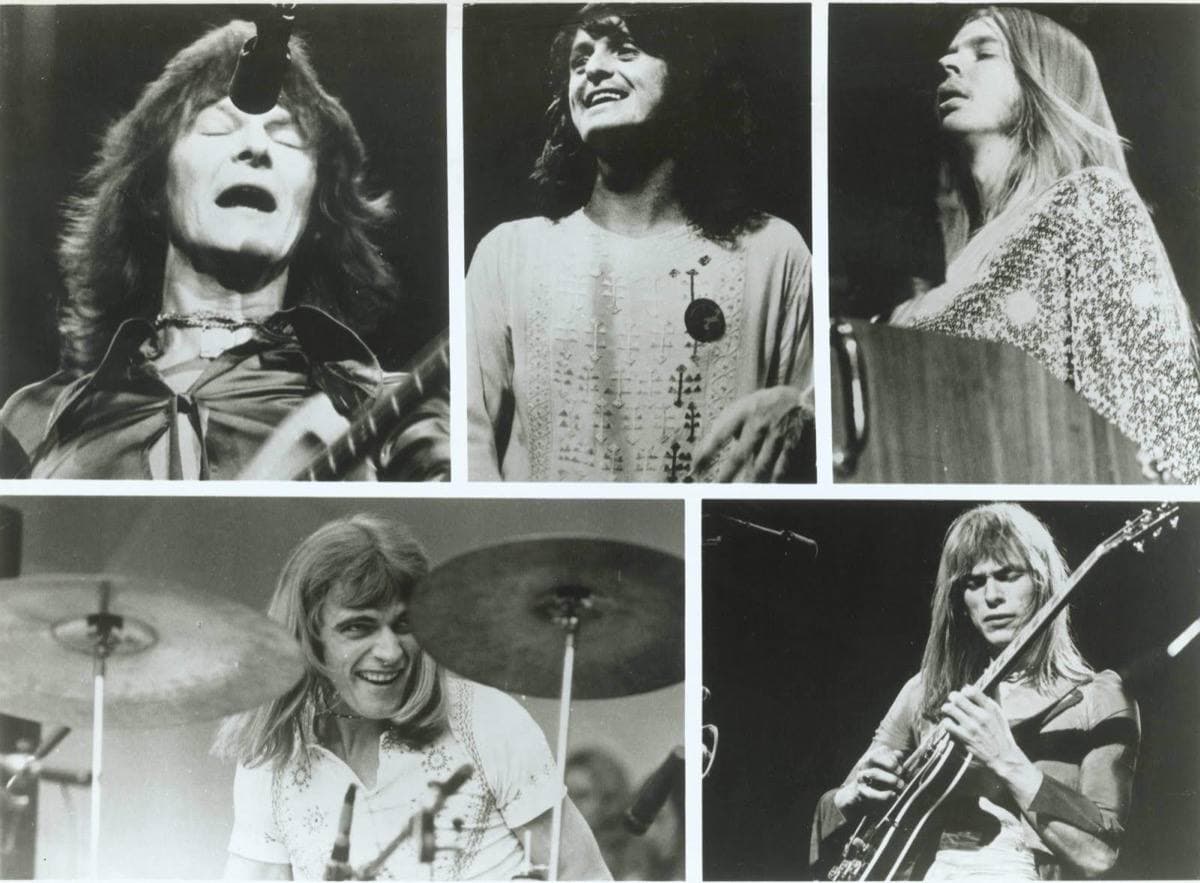
Five members of Yes in a black-and-white 1972 press photograph
Atlantic press photograph, 1972. Atlantic Records (press photograph) · Public domain
Five members of Yes in a 1973 press photograph
Atlantic press photograph, 1973. Atlantic Records (press photograph) · Public domain

A London band that always ran long: eighteen-minute sides, a forty-foot tape loop, five nights where one would do. Their places are in the footnotes.

Chapter one · Soho · May to August 1968

A barman, a bass player and a one-word name.

Asked for a name, Anderson offered Life, Squire offered World, and Peter Banks said simply Yes.

Fig. 1

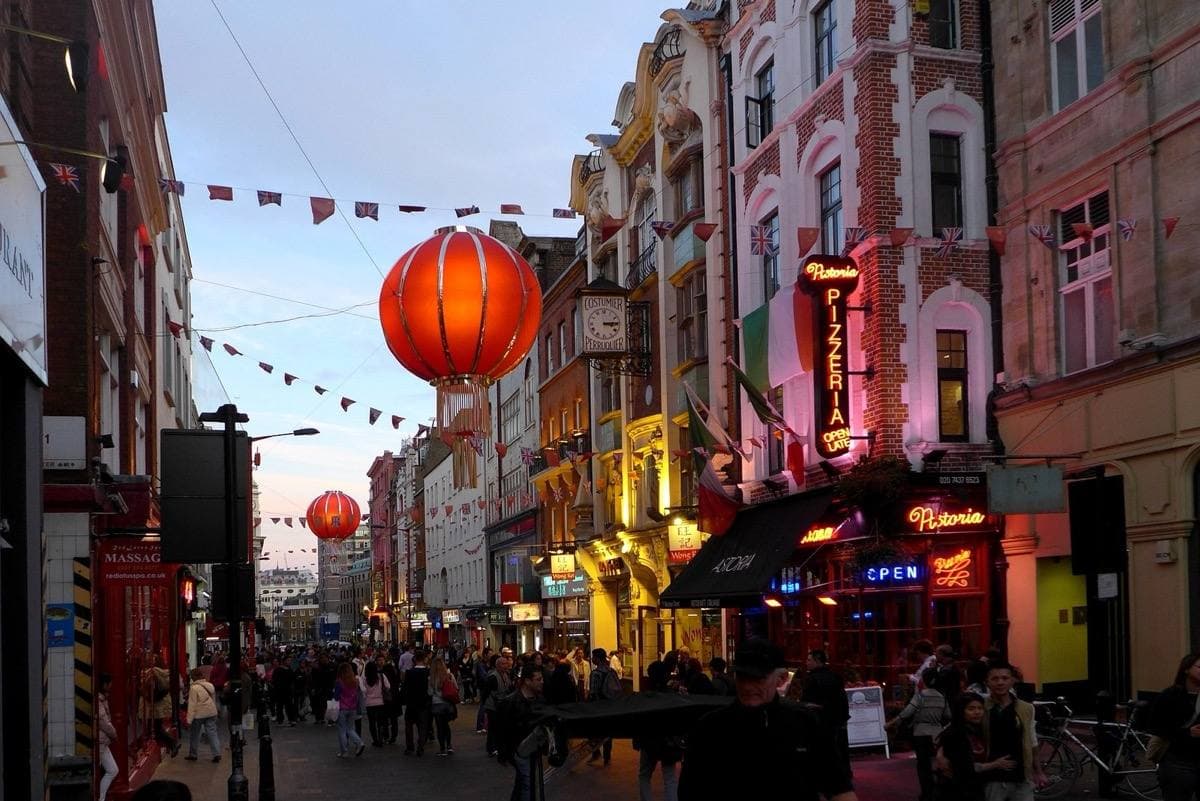
Wardour Street in Soho with shops and pedestrians
Wardour Street, Soho, in 2012. La Chasse was up at No. 100; the Marquee was at No. 90. Oxfordian Kissuth · CC BY-SA 2.0

La Chasse · 100 Wardour Street, Soho, London

La Chasse was a drinking club at 100 Wardour Street, managed by Jack Barrie; it ran until 1973.

Jon Anderson earned his keep working at La Chasse after coming back to London in March 1968.

Barrie had seen Chris Squire’s band, Mabel Greer’s Toyshop, at the Marquee; in May 1968 he introduced Squire to Anderson.

They found they both loved Simon & Garfunkel and harmony singing, and that evening wrote Sweetness.

The club closed in 1973. See No. 100 from Wardour Street; the Marquee’s old entrance at No. 90 is a few doors along.

Where this comes from

The Marquee was at 90 Wardour Street from March 1964 until the site was sold in 1988; Yes had a residency there in the late 1960s.
Viator · Ad / affiliate

London rock music walks

Soho, London

Live marketplace results for music-history walks in Soho. Check each itinerary for Wardour Street.

Live marketplace results · itineraries change

Compare tours
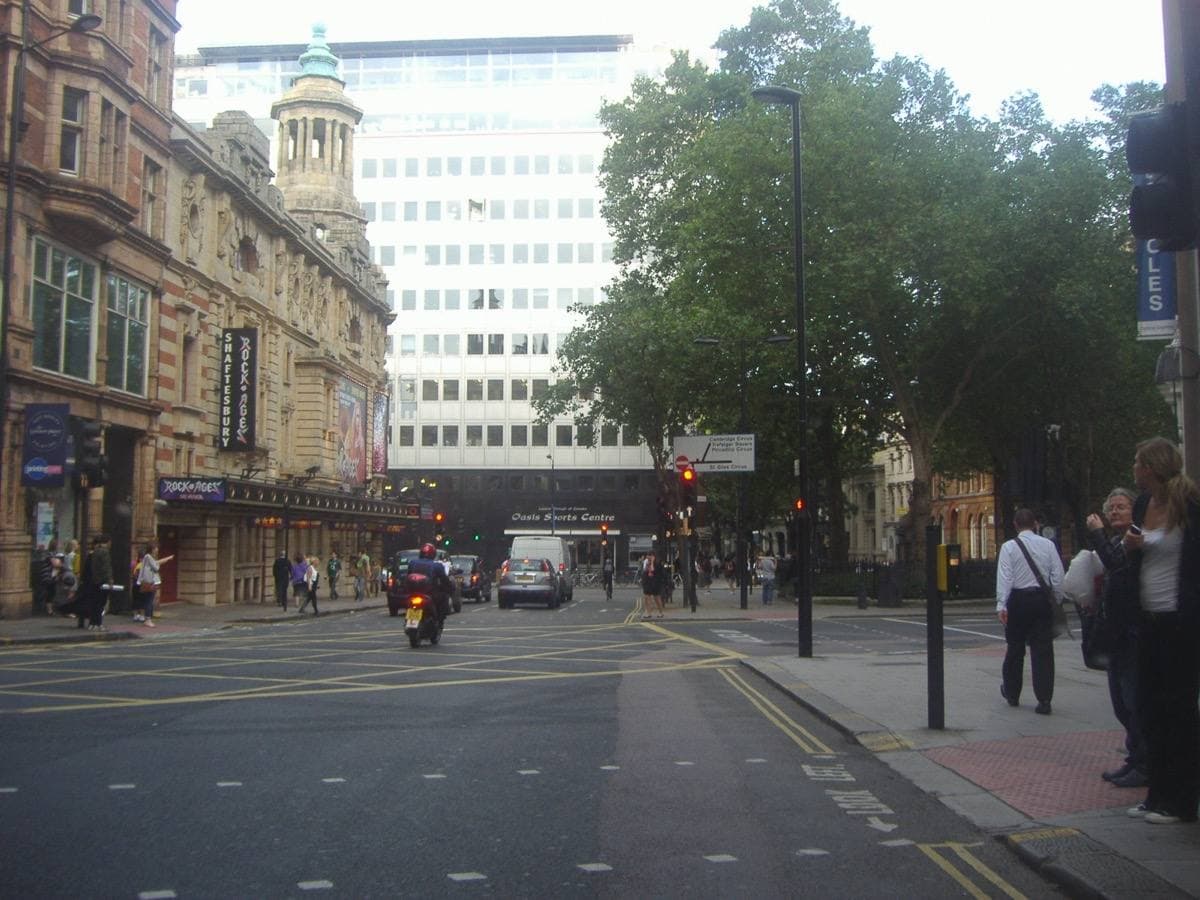
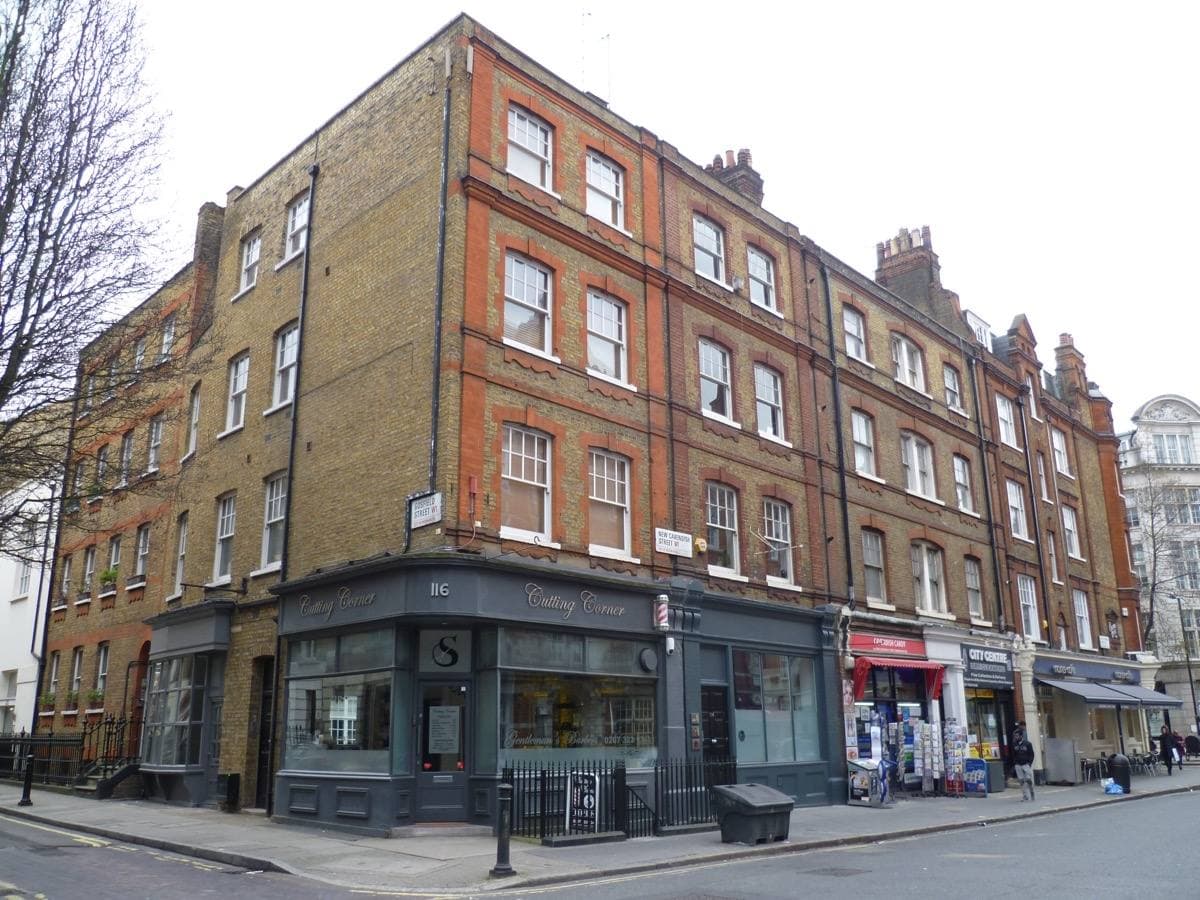
Fig. 2

Shaftesbury Avenue at the Bloomsbury Street junction
Shaftesbury Avenue at Bloomsbury Street, 2012: the far end of the avenue, near No. 184. David Howard · CC BY-SA 2.0

The Lucky Horseshoe Cafe · 184 Shaftesbury Avenue, London

The new band rehearsed in the basement of the Lucky Horseshoe Cafe at 184 Shaftesbury Avenue from 10 June to 9 July 1968.

Bill Bruford joined in June 1968 and Tony Kaye in July.

The first gig as Yes was on 3 August 1968, at a youth camp in East Mersea, Essex.

The café has gone; see No. 184 from Shaftesbury Avenue, near the Bloomsbury Street end.

Where this comes from

Ten numbers · ten places · 1968 to 1978

It started with a footnote. Read the small numbers.

In a Tokyo hotel in March 1973 Anderson got caught up in a long footnote in Paramahansa Yogananda’s Autobiography of a Yogi; it became a double album. Here is Yes in one paragraph. The places are in the notes.

Yes17

In May 1968 a man working behind a Soho bar met a bass player, and they rehearsed under a café on Shaftesbury Avenue. Within four years their records were coming out of a studio on Gosfield Street, with a church organ and a sleeve painted from a fell-top tarn. Then a footnote in a book became a double album made in a farmyard, its cover built from a Yorkshire moor and a Cornish rocking stone; it filled five nights in Finsbury Park, and in 1978 a stage that would not stay still.

Ten numbers in 92 words. Open a note.


No notes open yet. Press any small number in the paragraph.

Chapter three · Fitzrovia, the Barbican and Buttermere · 1969 to 1972

Five albums in a former school. One take from the bins.

Five members of Yes in a black-and-white 1972 press photograph
Yes in 1972, the year of Close to the Edge. Atlantic Records (press photograph) · Public domain

Eddy Offord had the road crew build a large wooden stage inside the studio so the band could play as they did live.

Close to the Edge opens with a tape loop of keyboards, running water and birdsong, about 40 feet long and two days in the making.

Gosfield Street, 1972: the bins outside

A take the band wanted has gone out with the rubbish.

Where this comes from

Fig. 3

Gosfield Street in Fitzrovia, with a brick former school building
Gosfield Street at New Cavendish Street, Fitzrovia, 2016. Advision was at No. 23. Philafrenzy · CC BY-SA 4.0

Advision Studios · 23 Gosfield Street, Fitzrovia, London W1

Advision moved to 23 Gosfield Street in 1969; since 1993 the building has been a studio called The Sound Company.

Yes made five albums here: Yes, Time and a Word, The Yes Album, Fragile and Close to the Edge.

For The Yes Album the band first went away to a rented farmhouse in Devon to write and rehearse.

A working studio now, not open to visit. See the building from Gosfield Street.

Where this comes from

Fig. 4

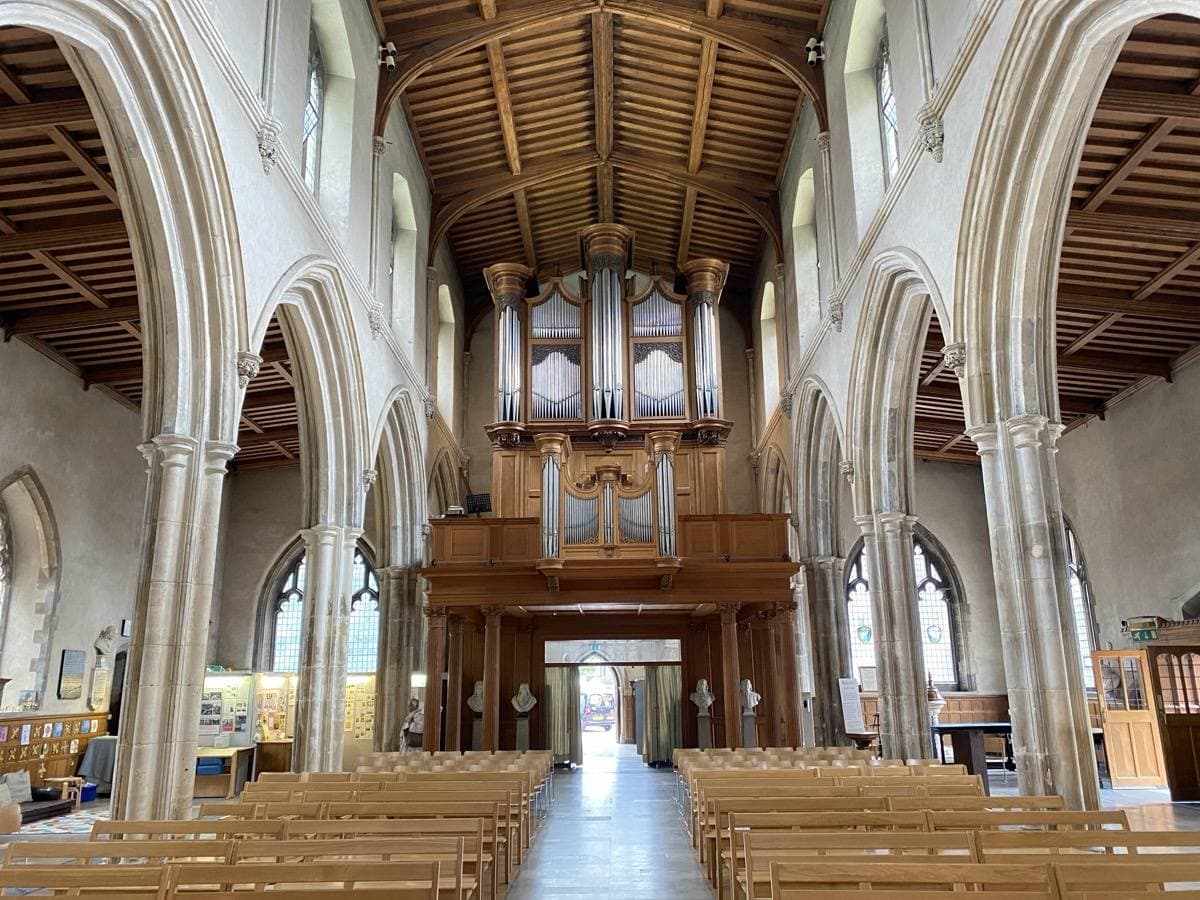
The nave of St Giles Cripplegate looking towards the organ
The nave of St Giles-without-Cripplegate and its organ, 2022. Mike-7051 · CC BY-SA 4.0

St Giles-without-Cripplegate · Fore Street, Barbican, London EC2

Rick Wakeman played the pipe organ parts in the third section of Close to the Edge on this church’s organ.

Steve Howe had written that solo for guitar; the band felt keyboards sounded more powerful.

Wakeman also recorded Jane Seymour here, for his own album.

The church survived the Great Fire of 1666; John Milton was buried here in 1674.

A working parish church inside the Barbican estate; check the parish for times before visiting.

Where this comes from

Fig. 5

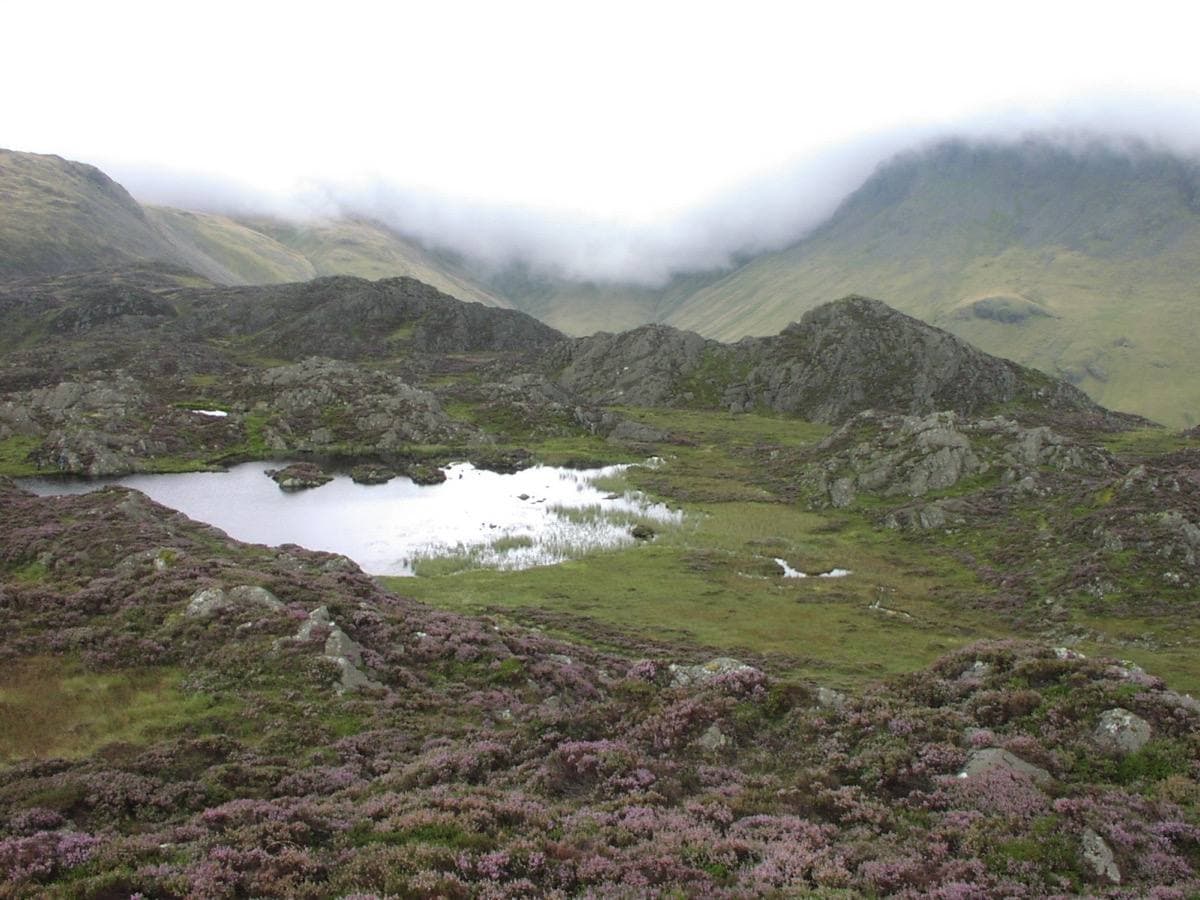
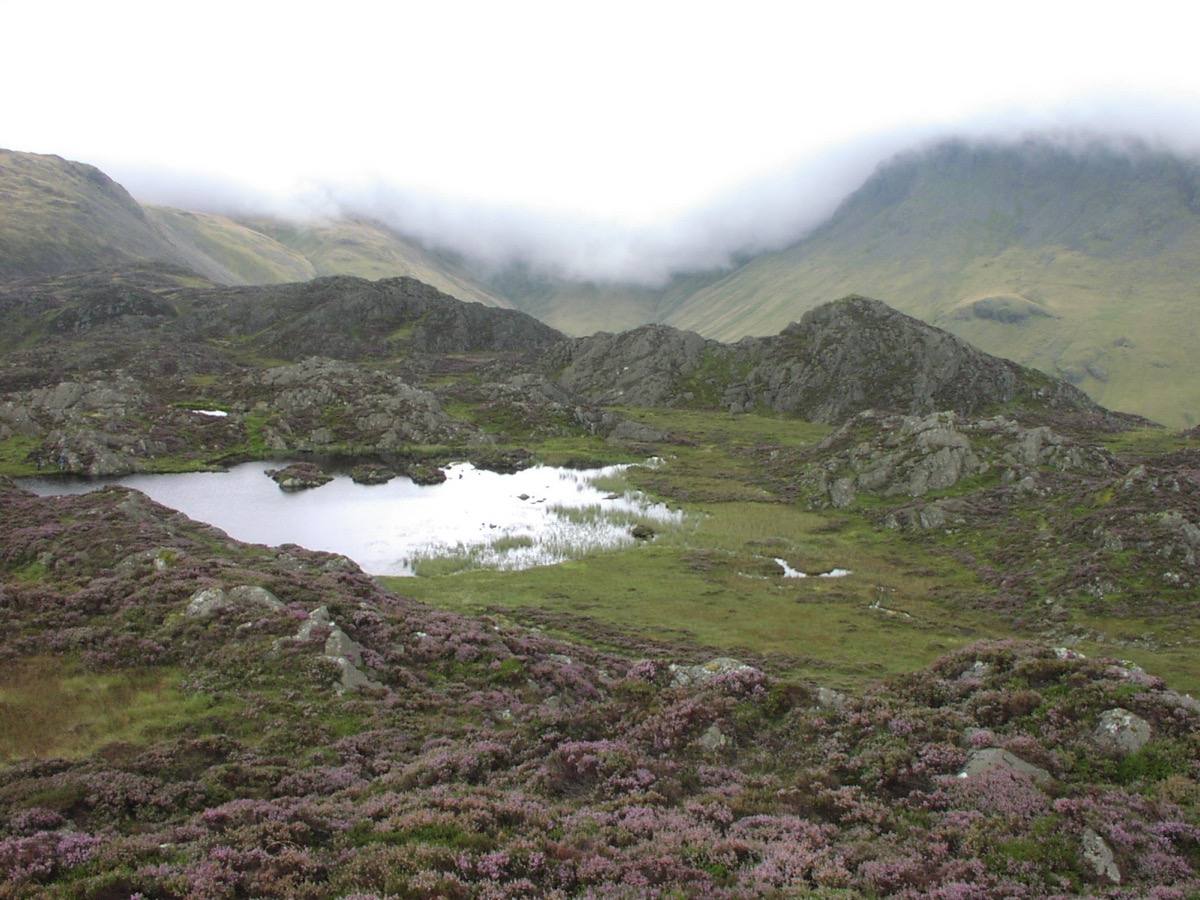
A small mountain tarn with rocky islets below the summit of Haystacks
Innominate Tarn and the summit of Haystacks, 2003. Tango22 · CC BY-SA 3.0

Haystacks · Above Buttermere, Lake District, Cumbria

Roger Dean’s inner paintings for Close to the Edge were inspired by the tarns on Haystacks, which he visited.

Dean has said the painting is an invented world, not a picture of one place.

Haystacks is 597 metres high; Innominate Tarn lies halfway along its ridge, with an indented rocky shore and small islets.

Alfred Wainwright called it the best fell-top of all, and his ashes were scattered near Innominate Tarn.

A fell walk, usually from Buttermere by Scarth Gap or Warnscale. Innominate Tarn, pinned, is halfway along the summit ridge.

Where this comes from
YHA

YHA Buttermere

Buttermere, Cumbria

A hostel above Buttermere village with walks from the door, Haystacks among them. Dormitories and private rooms. Pictured: Innominate Tarn on Haystacks.

Check beds

Chapter four · Willesden, Yorkshire, Cornwall and Finsbury Park · 1973 and 1974

The footnote that grew. A farmyard, two rocks and five nights.

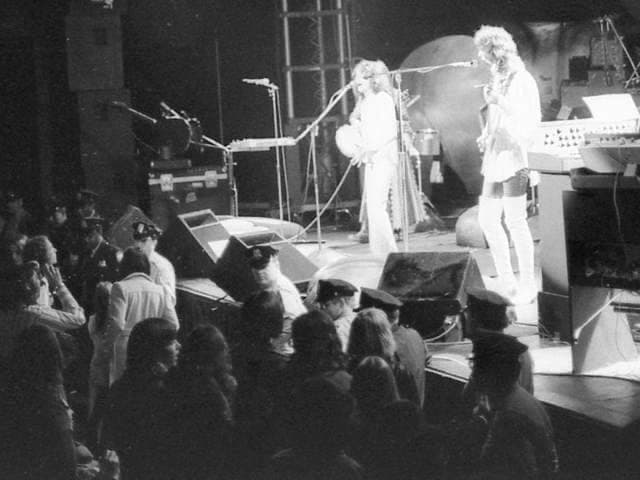
Yes on stage in 1974 under coloured light
Yes on the road in 1974, at the USC Coliseum in Columbia, South Carolina. Hunter Desportes · CC BY 2.0
  • 77 dates on the Tales tour
  • 5 nights running at the Rainbow
  • 10 weeks in studio 3
  • 80 tons of rocking stone

Fig. 6

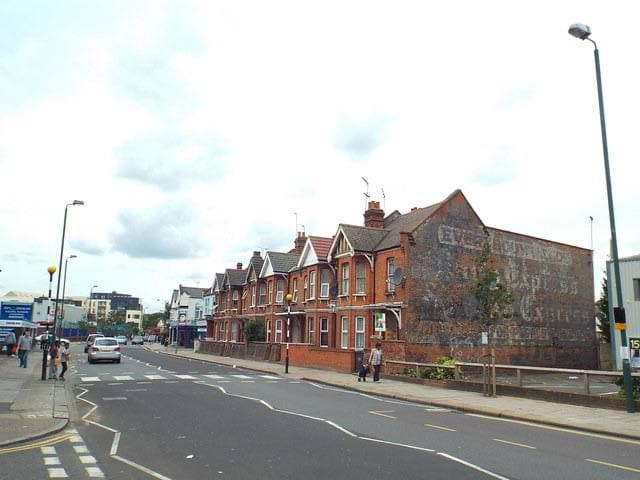
High Road, Willesden, a shopping street
High Road, Willesden, in 2015: the street Morgan Studios stood on. Malc McDonald · CC BY-SA 2.0

Morgan Studios · 169–171 High Road, Willesden, London

Yes chose it for Tales from Topographic Oceans partly because it had Britain’s first 24-track tape machine; they settled into studio 3 in July 1973 for about ten weeks.

Anderson and the manager Brian Lane dressed studio 3 as a farm: flowers, cut-out cows and sheep, a white picket fence round Wakeman’s keyboards and amplifiers on hay bales.

Anderson had a tiled singing booth built from plywood, with tiles glued inside.

Nothing marks the studios. The photograph is the High Road itself.

Where this comes from

Fig. 7

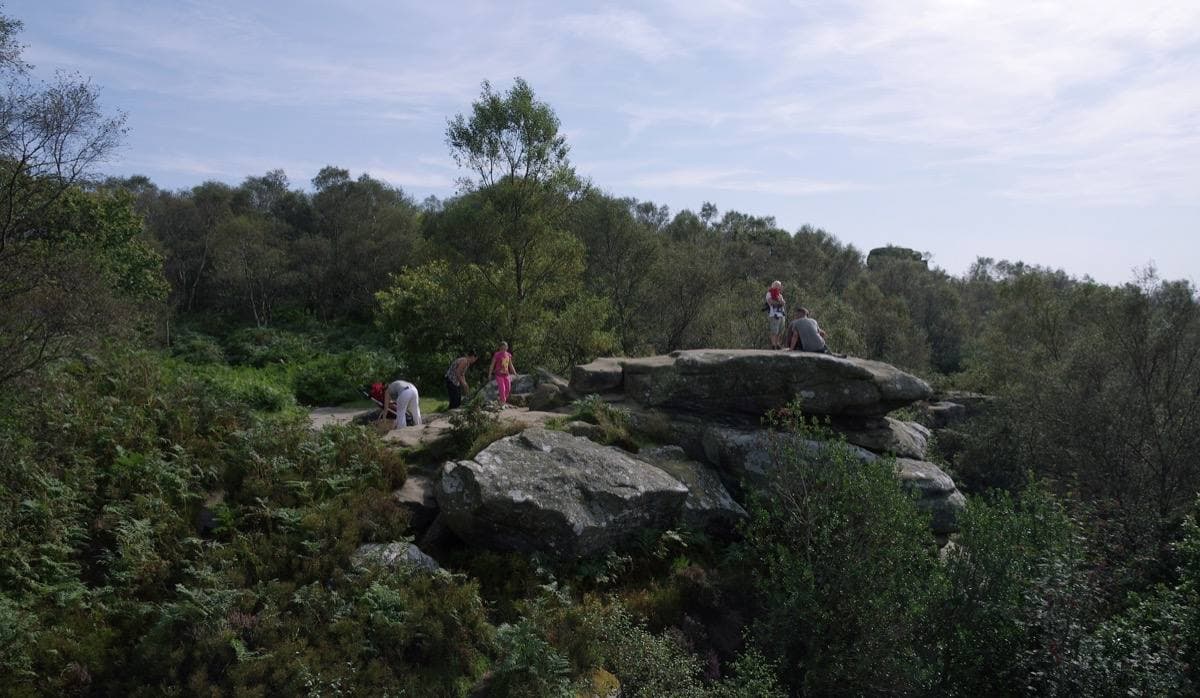
Weathered gritstone towers on the moor at Brimham Rocks
Brimham Rocks, North Yorkshire, 2012. mattbuck · CC BY-SA 3.0

Brimham Rocks · Brimham Moor Road, Summerbridge, North Yorkshire

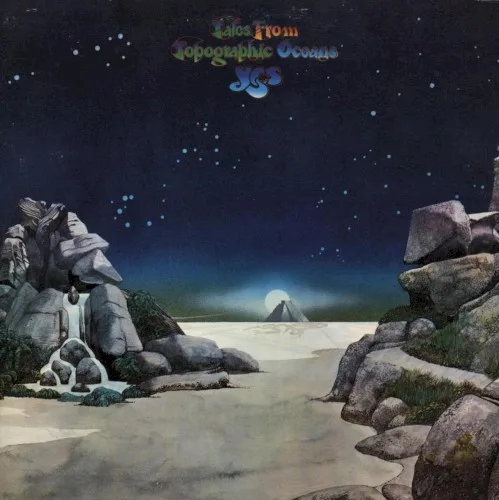
Brimham Rocks are in the landscape Dean painted for the Tales from Topographic Oceans cover.

Dean said the English rocks came from Dominy Hamilton’s postcard collection.

The rocks were shaped by a river long before the dinosaurs, and later by ice, rain and wind; visitors can balance on the Rocking Stones.

National Trust moorland, 9am to dusk; parking £7 for four hours or £10 a day, free for members.

Where this comes from

Fig. 8

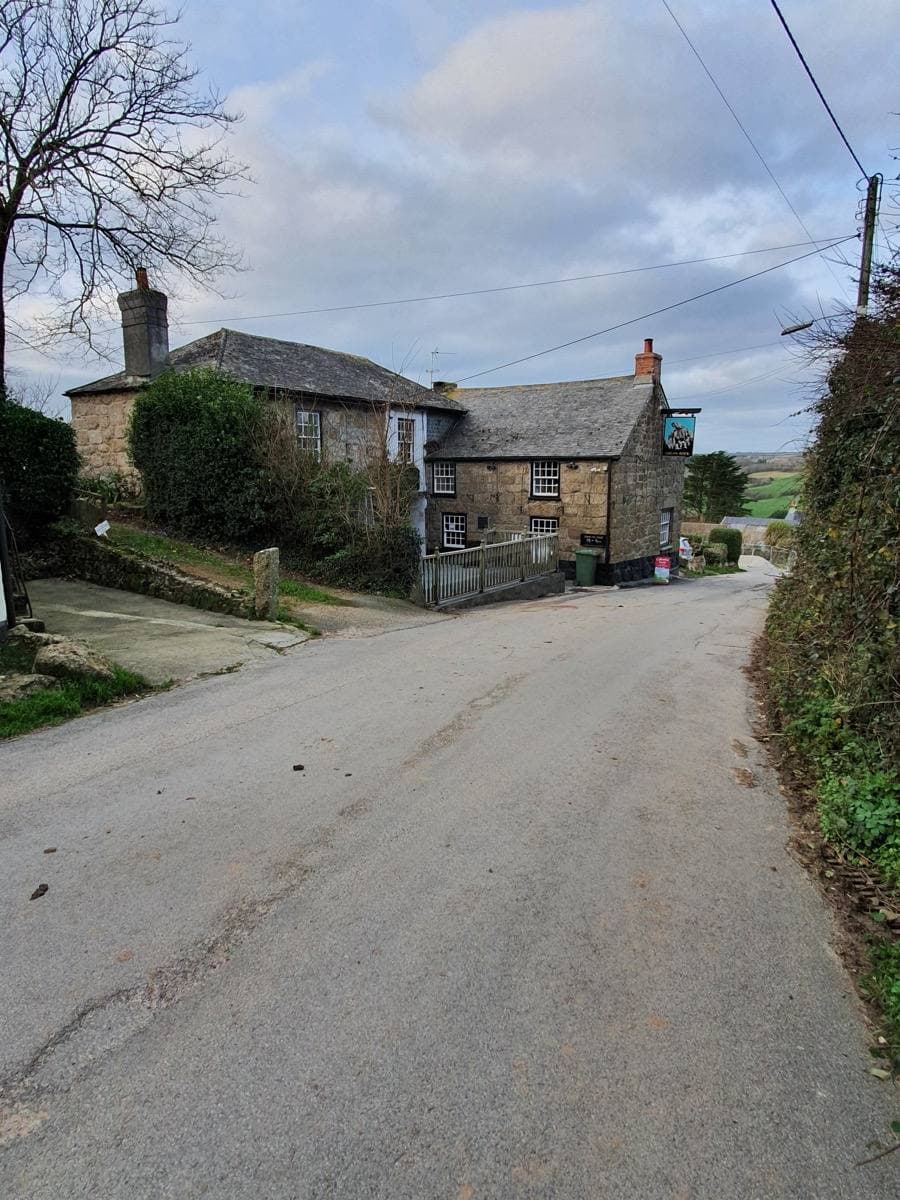
Granite headland at Treen with the Logan Rock on top
Looking north towards the Logan Rock, Treen, November 2020. Jowaninpensans · CC BY-SA 4.0

The Logan Rock · Treryn Dinas, near Treen, Cornwall

The Logan Rock at Treen is in the Tales cover too, with the last rocks at Land’s End and single stones from Avebury and Stonehenge.

It is a granite rocking stone on a cliff-top Iron Age fort, of some 80 tons.

In April 1824 a naval crew rocked it off its perch; it was put back on 2 November 1824 at a cost of £130 8s 6d.

It still rocks, though much less easily than it did.

National Trust headland about a mile south of Treen; the South West Coast Path runs along the cliffs to the north.

Where this comes from

Fig. 9

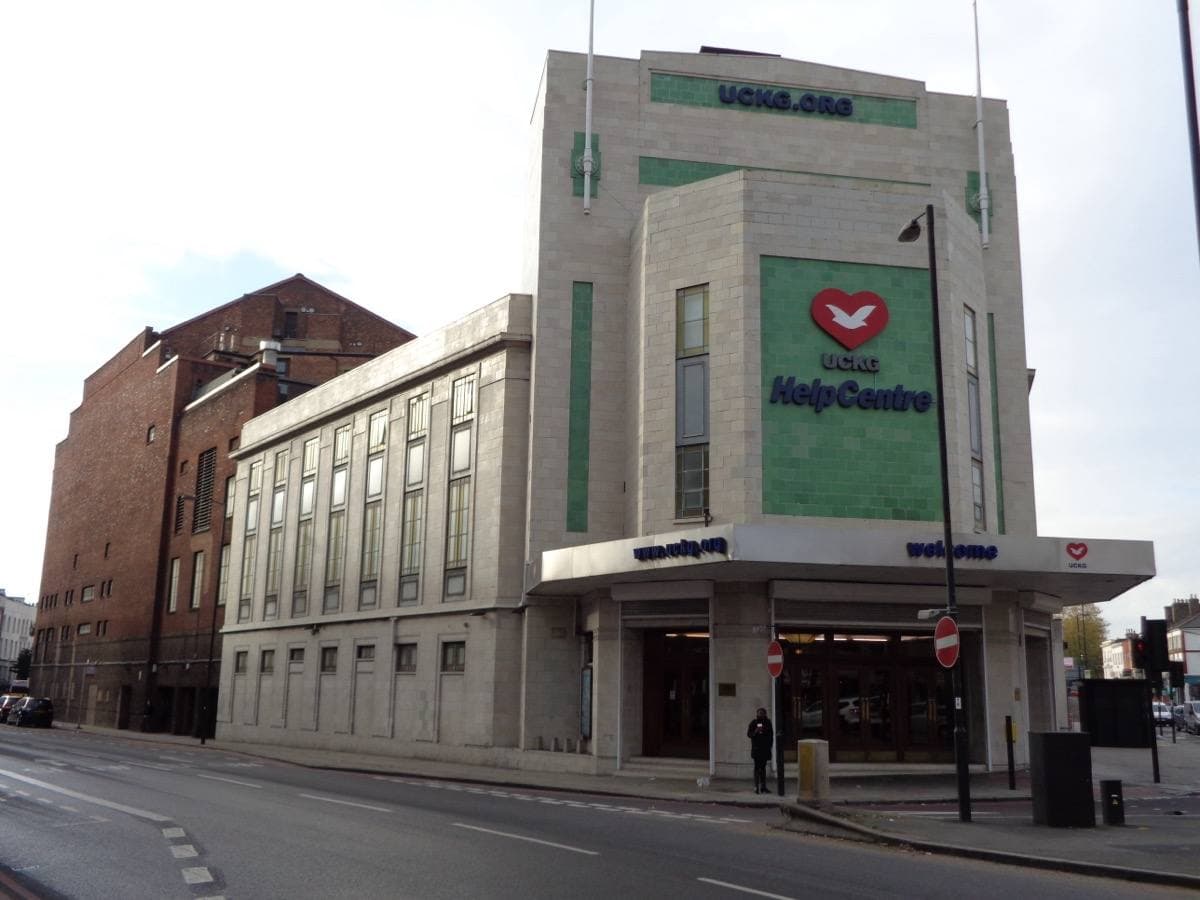
The former Rainbow Theatre in Finsbury Park
The former Rainbow Theatre, Seven Sisters Road, 2017. Peyoman · CC BY-SA 4.0

The Rainbow Theatre · 232–238 Seven Sisters Road, Finsbury Park, London N4

On the Tales tour Yes sold out five nights running at the Rainbow, which the album’s history calls a first for a rock band.

Roger and Martyn Dean’s stage used fibreglass shapes, dry ice, a drum platform round Alan White and a tunnel.

The building is a listed former cinema.

No longer a concert hall: see the listed front from Seven Sisters Road.

Where this comes from

The tour ran to 77 dates from November 1973 to April 1974 and played Close to the Edge and Tales in full.

Chapter five · Seventh Avenue · 1978

In the round. Six tons at walking pace.

  • £50,000 stage
  • 6 tons
  • 1 mph
  • 4 turns an hour
  • 4 nights sold out
  • 100,000+ tickets

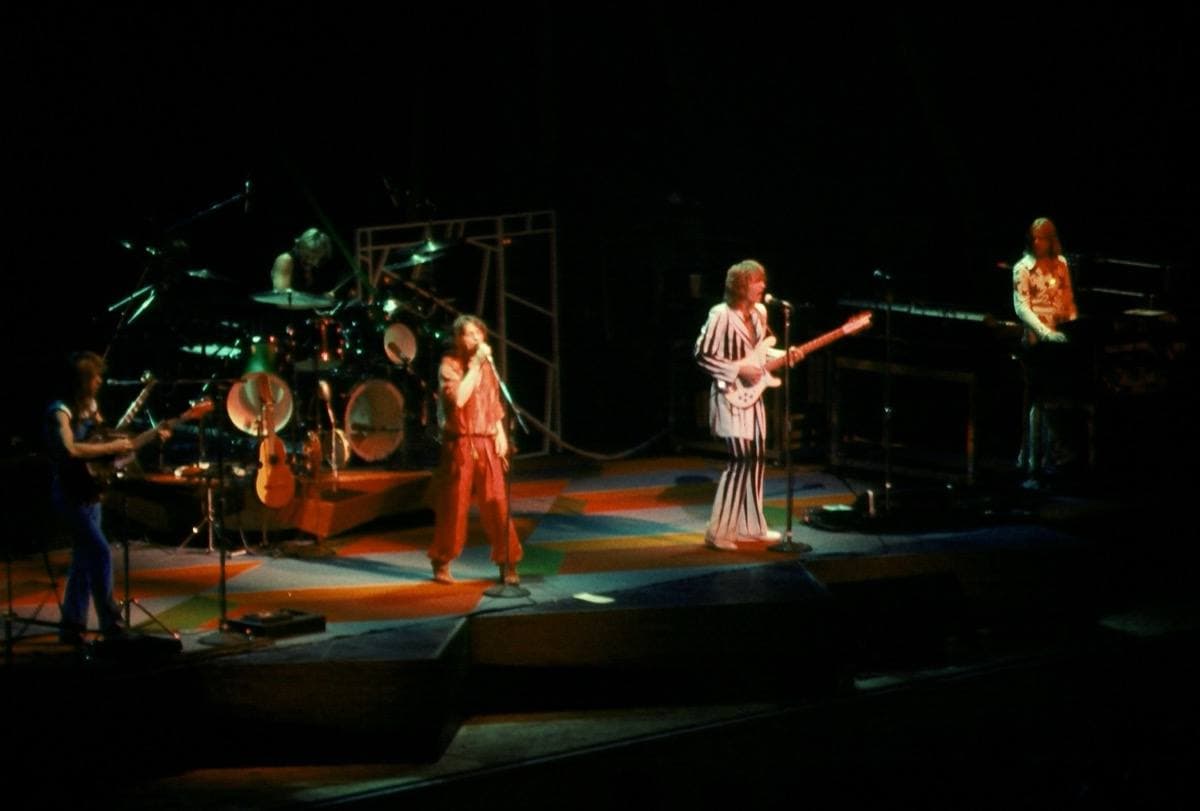
In 1978 Yes played four nights here in the round, sold out within three days. They were given the Garden’s Gold Ticket Award, for more than 100,000 tickets sold and over $1 million taken.

The custom stage cost £50,000, weighed six tons and turned at one mile an hour, four times an hour, under a ring of sound and lights. Anderson stood on a raised centre that turned the other way, to stop him feeling sick.

At an early show the motor failed and the crew turned the stage by hand while the band played. They came back for three more nights in June 1979.

Where this comes from
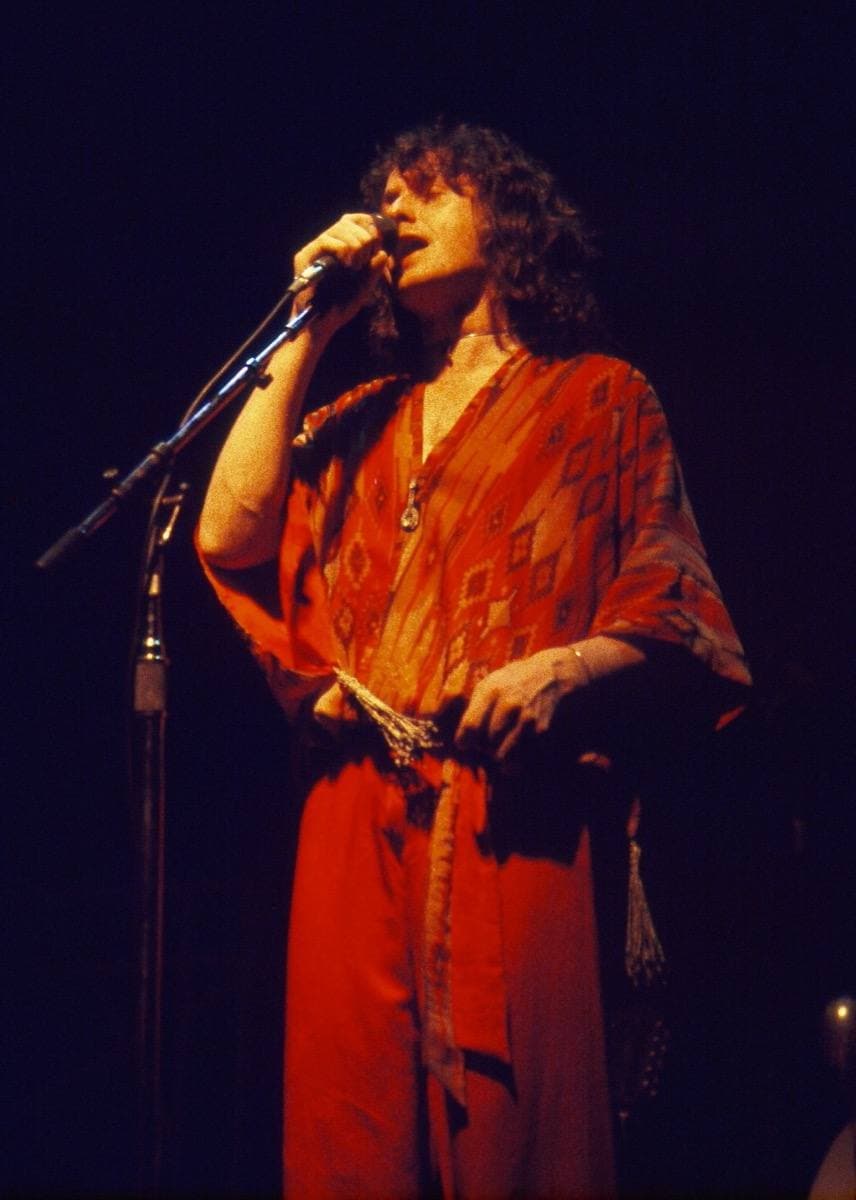
Jon Anderson singing on stage in 1977
Jon Anderson in Indianapolis, August 1977, the tour before the round. Rick Dikeman · CC BY-SA 3.0
Yes on a lit stage in 1977
Yes in Indianapolis on 30 August 1977. Photograph by Rick Dikeman. Rick Dikeman · CC BY-SA 3.0

Fig. 10

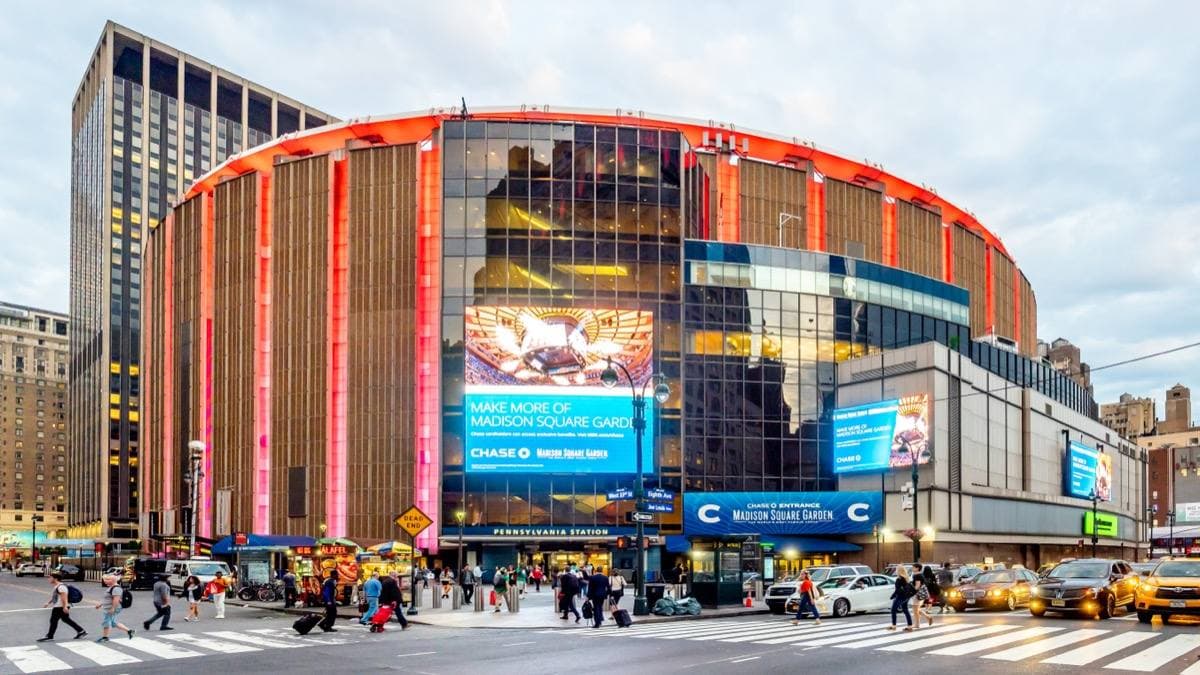
The round drum of Madison Square Garden
Madison Square Garden on Seventh Avenue, June 2019. Ajay Suresh · CC BY 2.0

Madison Square Garden · 4 Pennsylvania Plaza, Seventh Avenue, Manhattan

Go in with a ticket, or take the hour-long venue tour (adults $48–49 online).

Where this comes from
Madison Square Garden

Madison Square Garden venue tour

Seventh Avenue, Manhattan · About 60 minutes · adults $48–49 online

An hour behind the scenes of the arena where Yes played in the round in 1978: backstage, a suite and the bridge under the ceiling. Check the calendar for dates.

See tour dates

Where it is now

10 places you can visit, in London, on three rocks in Cumbria, Yorkshire and Cornwall, and in New York. La Chasse and the Lucky Horseshoe have gone, so you see their addresses from the street; Advision is a working studio.

Pins mark public places; private homes are named but not pinned.

  • Building reference · Public access · Not an exact scene or camera position; not a visitor route. The club closed in 1973. See No. 100 from Wardour Street; the Marquee’s old entrance at No. 90 is a few doors along.

  • Building reference · Public access · Not an exact scene or camera position; not a visitor route. The café has gone; see No. 184 from Shaftesbury Avenue, near the Bloomsbury Street end.

  • Site reference · Restricted access · Not an exact scene or camera position; not a visitor route. A working studio now, not open to visit. See the building from Gosfield Street.

  • Building reference · Public access · Not an exact scene or camera position; not a visitor route. A working parish church inside the Barbican estate; check the parish for times before visiting.

  • Site reference · Public access · Not an exact scene or camera position; not a visitor route. Nothing marks the studios. The photograph is the High Road itself.

  • Site reference · Restricted access · Not an exact scene or camera position; not a visitor route. No longer a concert hall: see the listed front from Seven Sisters Road.

  1. Wardour Street in Soho with shops and pedestrians
    Wardour Street, Soho, in 2012. La Chasse was up at No. 100; the Marquee was at No. 90. Oxfordian Kissuth · CC BY-SA 2.0

    100 Wardour Street, Soho, London

    La Chasse

    La Chasse was a drinking club at 100 Wardour Street, managed by Jack Barrie; it ran until 1973.

    The club closed in 1973. See No. 100 from Wardour Street; the Marquee’s old entrance at No. 90 is a few doors along.

    Where this comes from
  2. Shaftesbury Avenue at the Bloomsbury Street junction
    Shaftesbury Avenue at Bloomsbury Street, 2012: the far end of the avenue, near No. 184. David Howard · CC BY-SA 2.0

    184 Shaftesbury Avenue, London

    The Lucky Horseshoe Cafe

    The new band rehearsed in the basement of the Lucky Horseshoe Cafe at 184 Shaftesbury Avenue from 10 June to 9 July 1968.

    The café has gone; see No. 184 from Shaftesbury Avenue, near the Bloomsbury Street end.

    Where this comes from
  3. Gosfield Street in Fitzrovia, with a brick former school building
    Gosfield Street at New Cavendish Street, Fitzrovia, 2016. Advision was at No. 23. Philafrenzy · CC BY-SA 4.0

    23 Gosfield Street, Fitzrovia, London W1

    Advision Studios

    Advision moved to 23 Gosfield Street in 1969; since 1993 the building has been a studio called The Sound Company.

    A working studio now, not open to visit. See the building from Gosfield Street.

    Where this comes from
  4. The nave of St Giles Cripplegate looking towards the organ
    The nave of St Giles-without-Cripplegate and its organ, 2022. Mike-7051 · CC BY-SA 4.0

    Fore Street, Barbican, London EC2

    St Giles-without-Cripplegate

    Rick Wakeman played the pipe organ parts in the third section of Close to the Edge on this church’s organ.

    A working parish church inside the Barbican estate; check the parish for times before visiting.

    Where this comes from
  5. High Road, Willesden, a shopping street
    High Road, Willesden, in 2015: the street Morgan Studios stood on. Malc McDonald · CC BY-SA 2.0

    169–171 High Road, Willesden, London

    Morgan Studios

    Morgan Studios was set up in 1967 at 169–171 High Road, Willesden.

    Nothing marks the studios. The photograph is the High Road itself.

    Where this comes from
  6. The former Rainbow Theatre in Finsbury Park
    The former Rainbow Theatre, Seven Sisters Road, 2017. Peyoman · CC BY-SA 4.0

    232–238 Seven Sisters Road, Finsbury Park, London N4

    The Rainbow Theatre

    On the Tales tour Yes sold out five nights running at the Rainbow, which the album’s history calls a first for a rock band.

    No longer a concert hall: see the listed front from Seven Sisters Road.

    Where this comes from
Trading Boundaries

The Roger Dean gallery at Trading Boundaries

Sheffield Green, East Sussex TN22 3RB · Wed–Sat 10am–5pm, Sun to 4pm

An upstairs fine-art gallery of Roger Dean’s work, in a courtyard of shops with a café. Open Wednesday to Sunday.

Plan a visit

Stay

Sleep under Haystacks.

A hostel above Buttermere, with the fell from the door.

YHA

YHA Buttermere

Buttermere, Cumbria

A hostel above Buttermere village with walks from the door, Haystacks among them. Dormitories and private rooms. Pictured: Innominate Tarn on Haystacks.

Check beds

Go there

Look, walk, go behind the scenes.

Roger Dean’s gallery in Sussex, the Garden’s own tour and Soho music walks.

Trading Boundaries

The Roger Dean gallery at Trading Boundaries

Sheffield Green, East Sussex TN22 3RB · Wed–Sat 10am–5pm, Sun to 4pm

An upstairs fine-art gallery of Roger Dean’s work, in a courtyard of shops with a café. Open Wednesday to Sunday.

Plan a visit
Madison Square Garden

Madison Square Garden venue tour

Seventh Avenue, Manhattan · About 60 minutes · adults $48–49 online

An hour behind the scenes of the arena where Yes played in the round in 1978: backstage, a suite and the bridge under the ceiling. Check the calendar for dates.

See tour dates
Viator · Ad / affiliate

London rock music walks

Soho, London

Live marketplace results for music-history walks in Soho. Check each itinerary for Wardour Street.

Live marketplace results · itineraries change

Compare tours
What’s on

On the moor.

A guided tour of Brimham Rocks.

Checking current event dates…

Take it home

A book and two records.

The Deans’ book of their work; Close to the Edge and Tales on vinyl.

Bookshop.org UK · Ad / affiliate

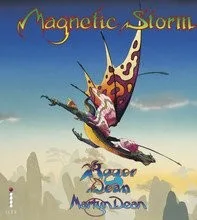
Magnetic Storm

Roger Dean and Martyn Dean

The brothers’ own book of their work, including stage sets for Yes.

Find the book
eBay · Ad / affiliate

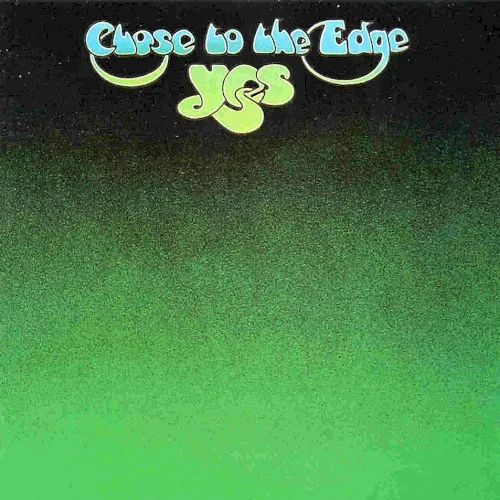
Close to the Edge

Yes · LP, Atlantic K 50012, 1972

Made at Advision, with an organ part from St Giles and a sleeve inspired by the Haystacks tarns.

Live marketplace search · listings and condition change

Find a copy
eBay · Ad / affiliate

Tales from Topographic Oceans

Yes · 2LP, Atlantic K 80001, 1973

Recorded at Morgan in Willesden; Brimham Rocks and the Logan Rock are in the cover.

Live marketplace search · listings and condition change

Find a copy

Dates, prices, rooms and stock change: confirm with the provider before you travel or buy. A stay or tour is described as a filming location only where the card says so.

Where this comes from

Every place and moment behind this page, with sources.

10 of 10 places · 11 of 11 Moments

  • La Chasse

    100 Wardour Street, Soho, London

    • Two men in a Soho club

      Jack Barrie introduces Chris Squire to Jon Anderson; they write Sweetness that evening.

  • The Lucky Horseshoe Cafe

    184 Shaftesbury Avenue, London

    • A basement on Shaftesbury Avenue

      The new band rehearses under the Lucky Horseshoe Cafe and is named Yes.

  • Advision Studios

    23 Gosfield Street, Fitzrovia, London W1

    • Five albums at Advision

      From the first album to Close to the Edge, Yes record at Gosfield Street with Eddy Offord.

    • The take in the bins

      A tape the cleaners threw out is found outside and spliced back into the master.

  • St Giles-without-Cripplegate

    Fore Street, Barbican, London EC2

    • A church organ

      Wakeman plays the organ parts of Close to the Edge’s third section at St Giles.

  • Haystacks

    Above Buttermere, Lake District, Cumbria

    • The fell-top tarns

      Dean’s visits to Haystacks inspire the inner landscape of Close to the Edge.

  • Morgan Studios

    169–171 High Road, Willesden, London

    • A farm in studio 3

      Tales from Topographic Oceans is recorded among cut-out cows and hay bales.

  • Brimham Rocks

    Brimham Moor Road, Summerbridge, North Yorkshire

    • Rocks from postcards

      Dean paints Brimham Rocks into the Tales cover from a postcard collection.

  • The Logan Rock

    Treryn Dinas, near Treen, Cornwall

    • A rocking stone on a sleeve

      The Logan Rock joins Brimham in Dean’s Tales landscape.

  • The Rainbow Theatre

    232–238 Seven Sisters Road, Finsbury Park, London N4

    • Five nights at the Rainbow

      The Tales tour sells out five nights running in Finsbury Park.

  • Madison Square Garden

    4 Pennsylvania Plaza, Seventh Avenue, Manhattan

    • In the round

      Four sold-out nights on a stage that turns four times an hour.

Privacy