Hoshino Resorts
KAI Sengokuhara
Sengokuhara, Hakone
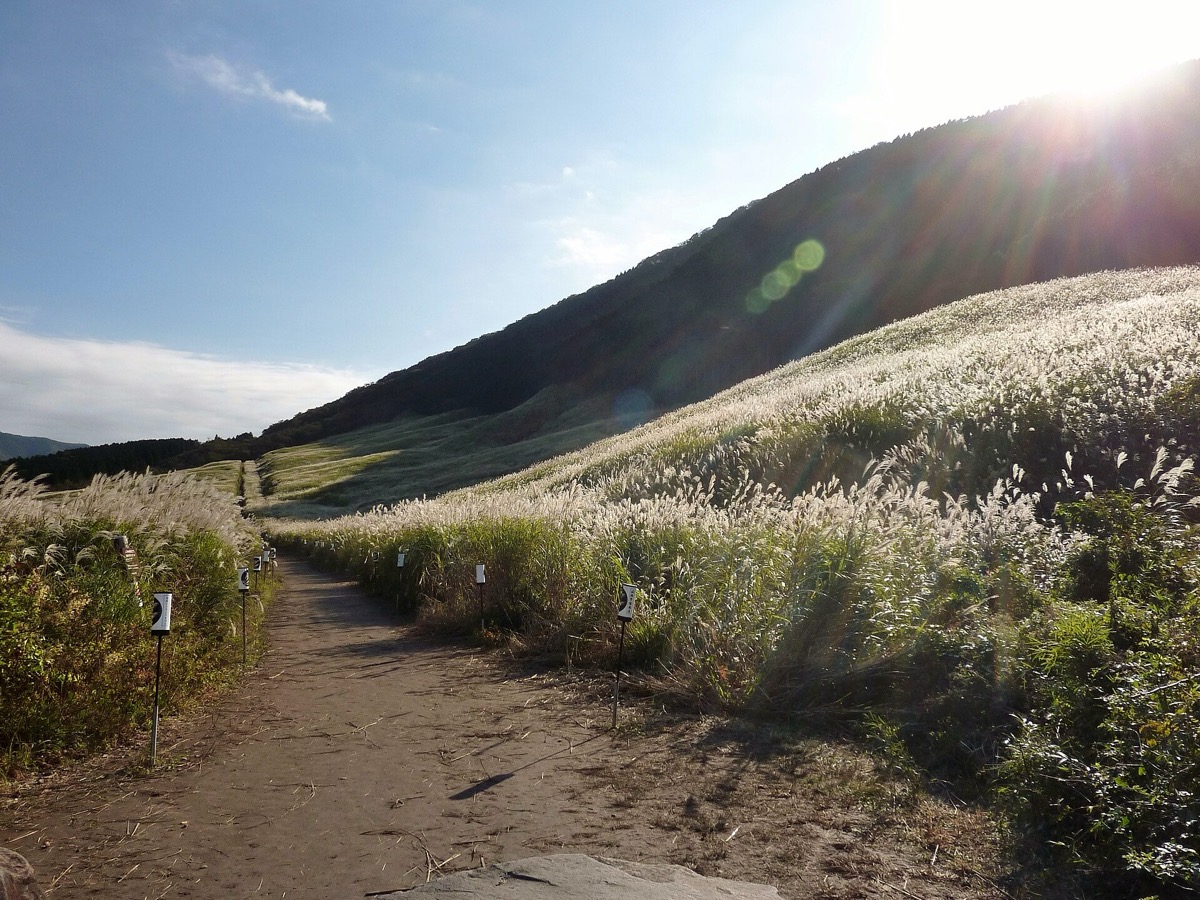
A 16-room hot-spring ryokan at Sengokuhara in Hakone, the plateau where the film’s back-hill scene was shot. Its page gives no price. Pictured: Sengokuhara, 2016.
See the ryokan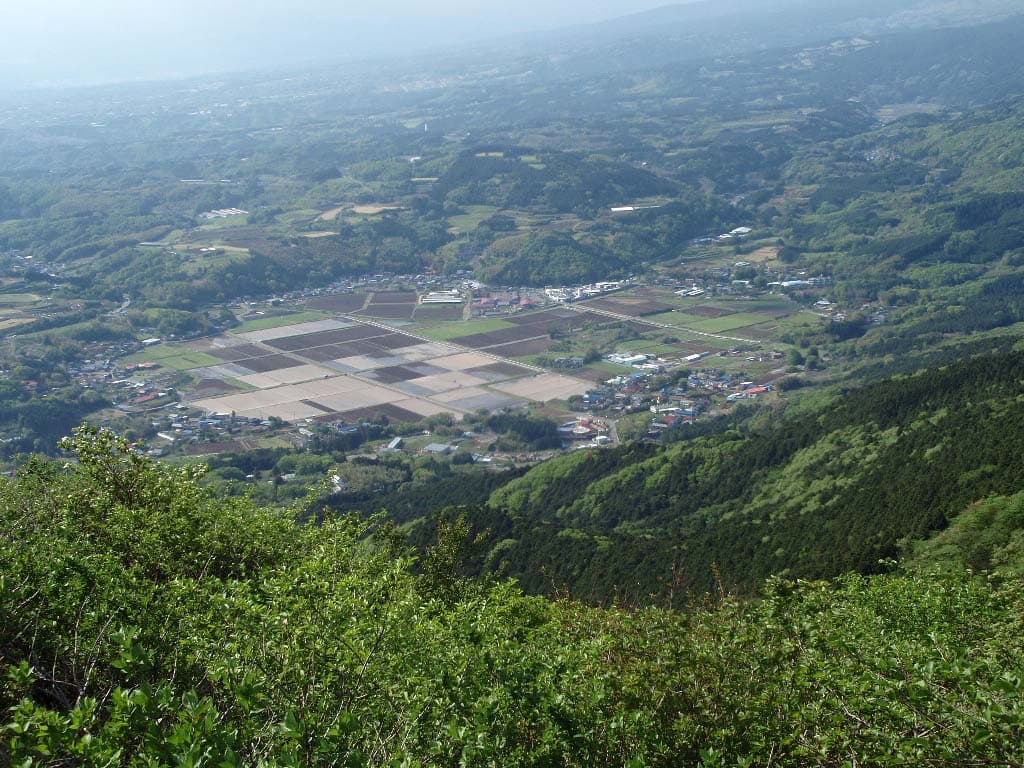
Toho · 1954 · a village made of five places
Toho looked for about 40 days and found no village, so it built one from several places. Above: Tanna Basin, where the opening shot looked down on it.
The plan
The village was never one place. These five plots are its centre, its slopes and its hill, named as the sources give them. Flood a plot and the real place appears.
0 of 5 plots flooded
Five plots lie dry. Flood one to see where that part of the village was shot.
Five dry plots.
Each one is a different real place.
The snow
About 30 cm of snow fell on 24 January 1954, and staff spent three days melting it with hoses before the battle was shot at the open set in February.
Only three interiors were built inside the studio: the inn, the water-mill hut and Rikichi’s house. Everything else was shot outdoors. The wealthy farmer’s house and the bandit fort stood on a Toho open set, and the town with its inn, octagonal hall and teahouse on the studio’s farm open set.
The shoot totalled 148 working days and used 130,000 feet of film. The final budget was ¥210 million, which made it the most expensive Japanese feature at the time.
Production was suspended in September 1953 for lack of money and resumed on 3 October.
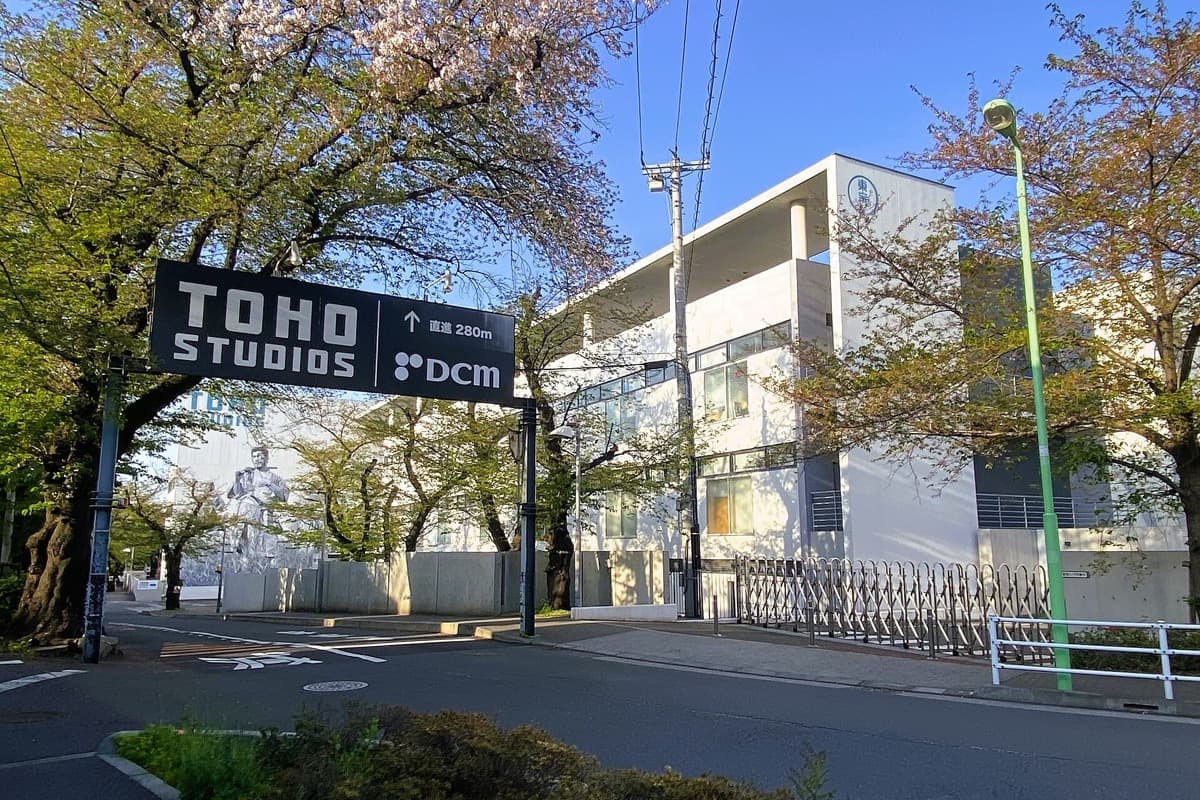
A working studio behind gates; the street front can be seen from outside. No tour is offered on the pages read.
Go and find the plots
Toho Studios is behind gates and the Ōkura paddies are now housing. The rest are public ground: a basin in Kannami, a district of Izu, a plateau in Hakone, a waterfall and a road. Gotemba is named only by district, so it is not pinned.
7 places you can find on a map in Tokyo, Shizuoka and Hakone; one more is named by district only.
Pins mark public places; private homes are named but not pinned.
Site reference · Restricted access · Not an exact scene or camera position; not a visitor route. A working studio behind gates; the street front can be seen from outside. No tour is offered on the pages read.
Area reference · Public access · Not an exact scene or camera position; not a visitor route. Now housing. The Sengawa and its bridges are public streets; the pin is a junction named for the housing complex that replaced the paddies.
Setagaya, Tokyo · Seijo, Setagaya, Tokyo
Many shoots took place at or near Toho Studios, including most indoor scenes and the village centre, which was on the edge of a set in Setagaya Ward.
A working studio behind gates; the street front can be seen from outside. No tour is offered on the pages read.
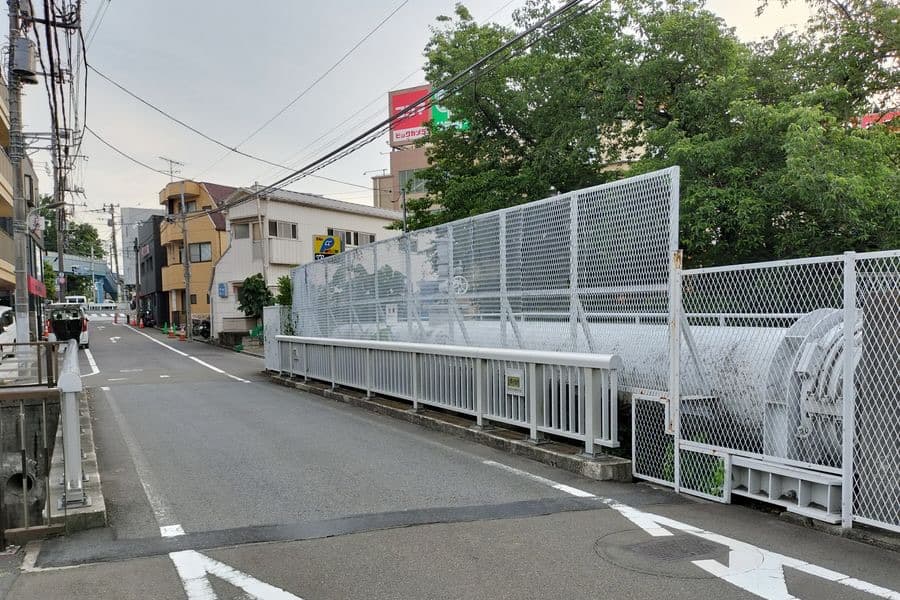
Setagaya, Tokyo · Beside the Sengawa, in front of Toho Studios, Ōkura, Setagaya
The centre of the village was rice paddies beside the Sengawa in front of Toho Studios. The site later became a housing complex at Ōkura in Setagaya.
Now housing. The Sengawa and its bridges are public streets; the pin is a junction named for the housing complex that replaced the paddies.
Stay
A hot-spring inn at Sengokuhara, where the back-hill scene was shot.
Sengokuhara, Hakone
A 16-room hot-spring ryokan at Sengokuhara in Hakone, the plateau where the film’s back-hill scene was shot. Its page gives no price. Pictured: Sengokuhara, 2016.
See the ryokanGo there
Live marketplace searches for Hakone and Izu.
Hakone
Live marketplace results for Hakone tours. Check whether a route passes Sengokuhara.
Live marketplace results · itineraries change
Compare toursIzu Peninsula
Live marketplace results for Izu tours, for the region of Horikiri and the Kano River. Check each itinerary.
Live marketplace results · itineraries change
Compare toursWhat’s on
Nothing dated for the film is listed at these places now.
No current dated events are listed. Check providers for the latest programme.
Dates, prices, rooms and stock change: confirm with the provider before you travel or buy. A stay or tour is described as a filming location only where the card says so.
Every place and moment behind this page, with sources.
8 of 8 places · 9 of 9 stories
Seijo, Setagaya, Tokyo
About 30 cm of snow fell on 24 January 1954, and staff spent three days melting it with hoses before the battle was shot at the open set in February.
Beside the Sengawa, in front of Toho Studios, Ōkura, Setagaya
The village centre is built on rice paddies beside the Sengawa, in front of the studio.
Shimo-Tanna, Kannami, Shizuoka
Bandits look down on the village from directly above the Tanna Tunnel; utility poles are moved for the shot.
About 40 days of scouting from Fukushima to Gifu find no suitable village, so one is assembled from several places.
Horikiri, Izu city, Shizuoka
The first mill hut is burned, Kurosawa rejects the burn, and it is rebuilt before a typhoon threatens it.
Yōzōmi and Ni-no-oka, Gotemba, Shizuoka
The north and west of the village are shot at Yōzōmi and Ni-no-oka in Gotemba.
Senguhara, Hakone, Kanagawa, near Nagao Pass
The hillside meeting of Katsushirō and Shino is shot at Senguhara, with gathered chrysanthemums and mirrored sunlight.
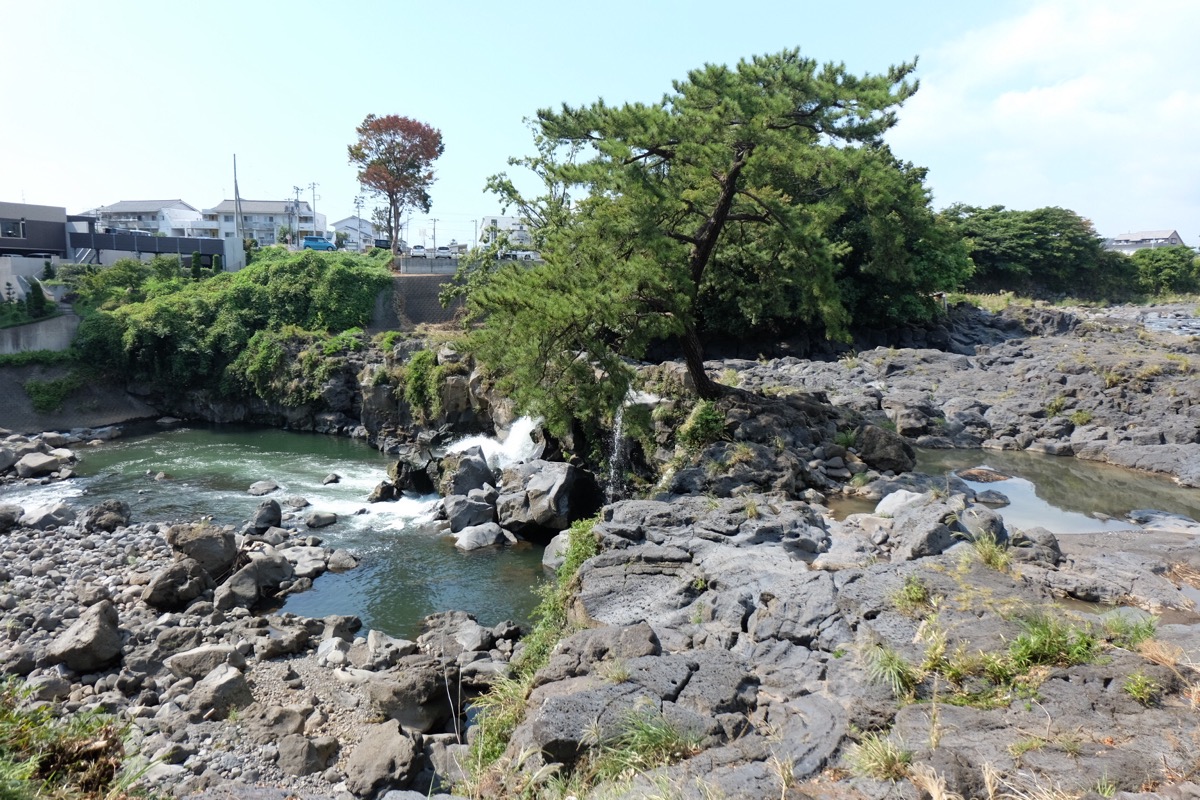
Ayutsubo Falls, Shizuoka
Mifune catches a sweetfish at Ayutsubo Falls.
Kuchino, Numazu, and Chinba, Izunokuni, Shizuoka
The road to the bandit fort is shot at Chinba and Kuchino; the fort is on the Toho open set.
Places to stay
A notable hotel in Tokyo.
Tokyo · Source · Check dates on Expedia (Ad / affiliate)
Above Shibuya, near Noh theatre.
間坂, 桜丘町, 渋谷区, 150-0043 · Source · Check dates on Expedia (Ad / affiliate)
The Shinjuku hotel where Lost in Translation was set and filmed.
Junisha-dori, Nishi-Shinjuku 3, Shinjuku, 160-0023 · Source · Check dates on Expedia (Ad / affiliate)
We may earn a commission on qualifying hotel bookings. Affiliate disclosure.
Links go to each venue’s or organiser’s own site. Check dates, access and availability there before you go.
Every place in Seven Samurai leads somewhere else.