Skip to content
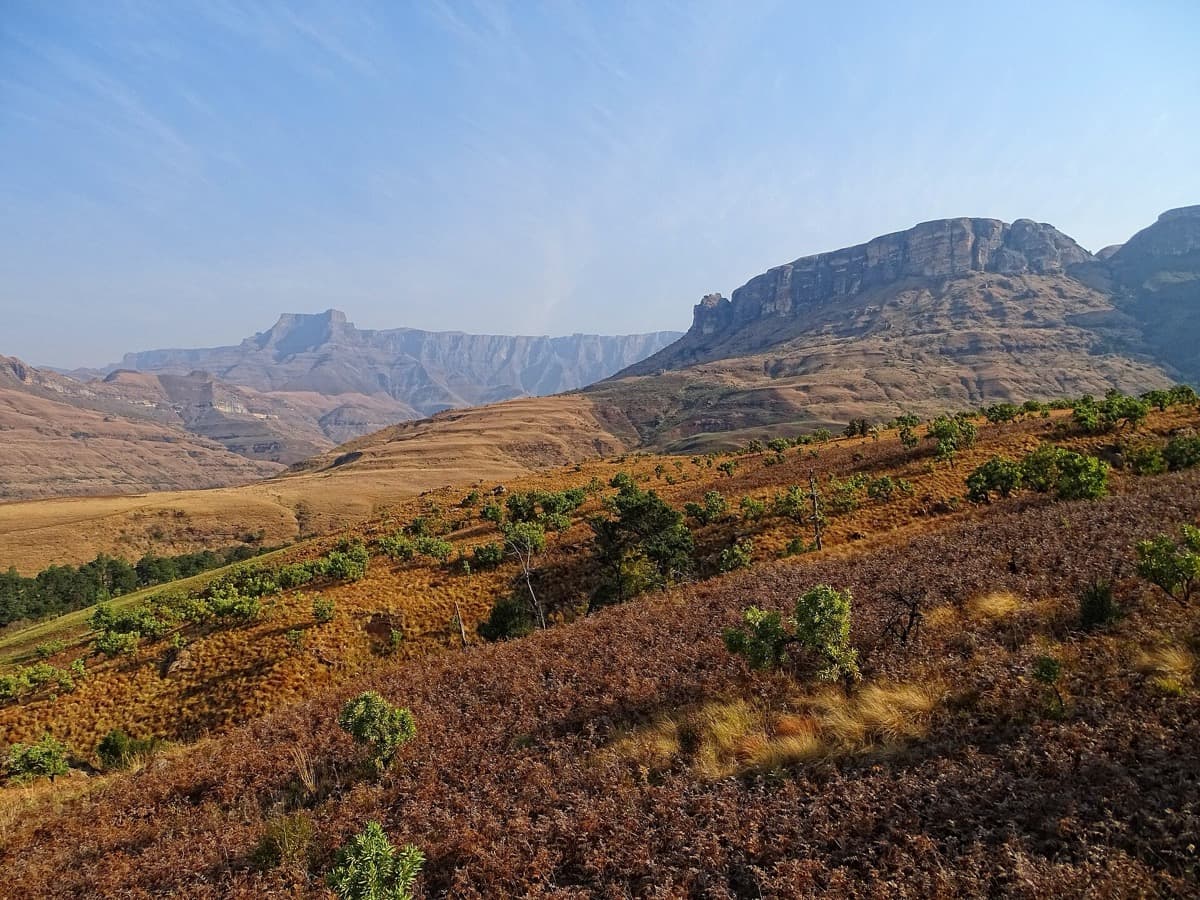
A long grey basalt cliff wall under a wide sky above green grass
The Amphitheatre, the rock wall of Royal Natal National Park in the Drakensberg, 2015. Bjørn Christian Tørrissen · CC BY-SA 4.0

Diamond Films · 1964 · built beneath the Drakensberg

Zulu

The film’s Rorke’s Drift stood under a wall of rock in the Drakensberg. The real one is on the Buffalo River. Slide the mountain between them, and hear the war from both sides.

Sources

22 January 1879

One January, two accounts

The Anglo-Zulu War ran from 11 January to 4 July 1879. Pick an account. Neither is the whole of it.

Sources
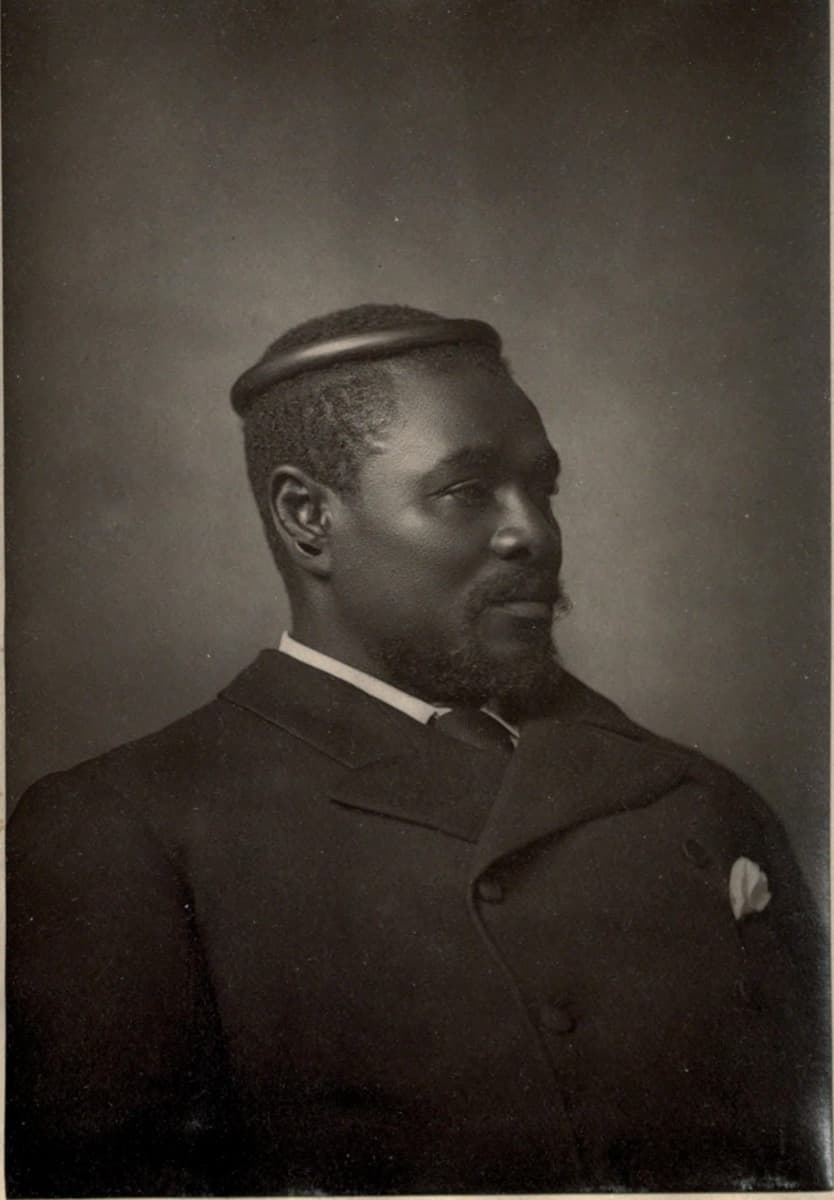
A studio portrait of a king in European clothes
King Cetshwayo kaMpande, photographed by Alexander Bassano and published in 1885. Alexander Bassano · Public domain

From the Zulu kingdom

The kingdom had received an ultimatum it could not accept, and the army marched out to meet an invasion.

On 22 January 1879 the Zulu army won at Isandlwana. Overall command was held by Ntshingwayo kaMahole Khoza and Mavumengwana kaNdlela Ntuli.

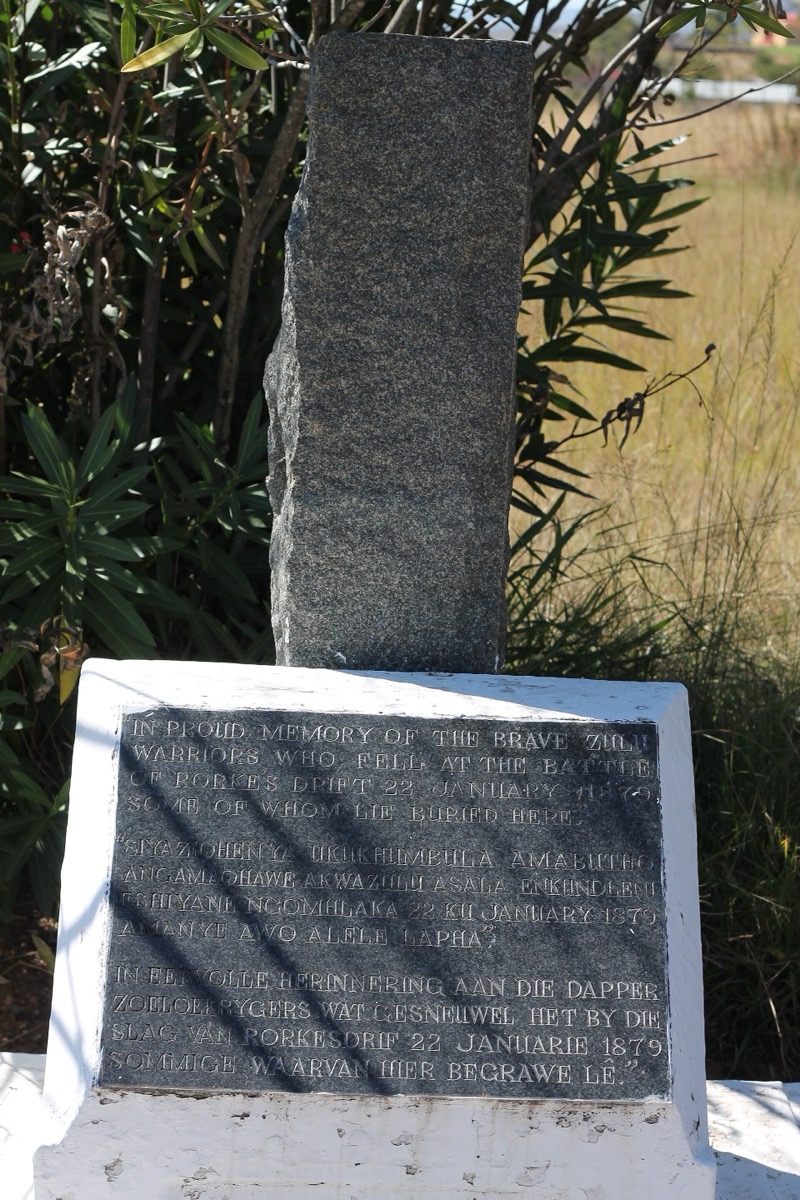
A memorial on Isandlwana Hill honours the fallen Zulu impi, and cairns mark the British mass graves.

Britain divided Zululand into thirteen chiefdoms. The kingdom lost its unity, and the territory was annexed in 1887.

Cetshwayo was king from 1873 to 1884. He visited London in 1882, where public sympathy grew for his dignified manner.

Sources

Move the mountain

The wall was never at the river

The mission front stays where it is. Slide what stands behind it.

Sources
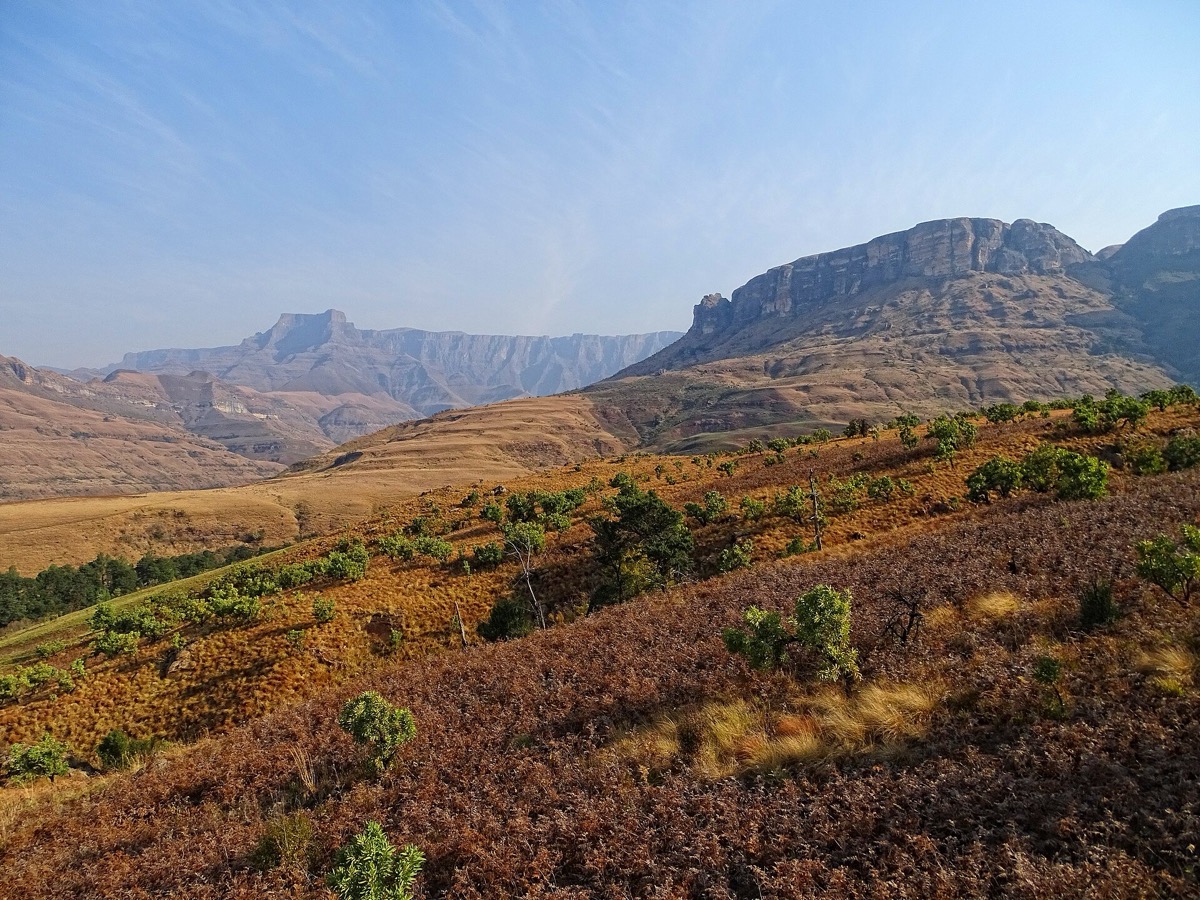
A long grey basalt cliff wall under a wide sky above green grass
The Amphitheatre, the rock wall of Royal Natal National Park in the Drakensberg, 2015. Bjørn Christian Tørrissen · CC BY-SA 4.0
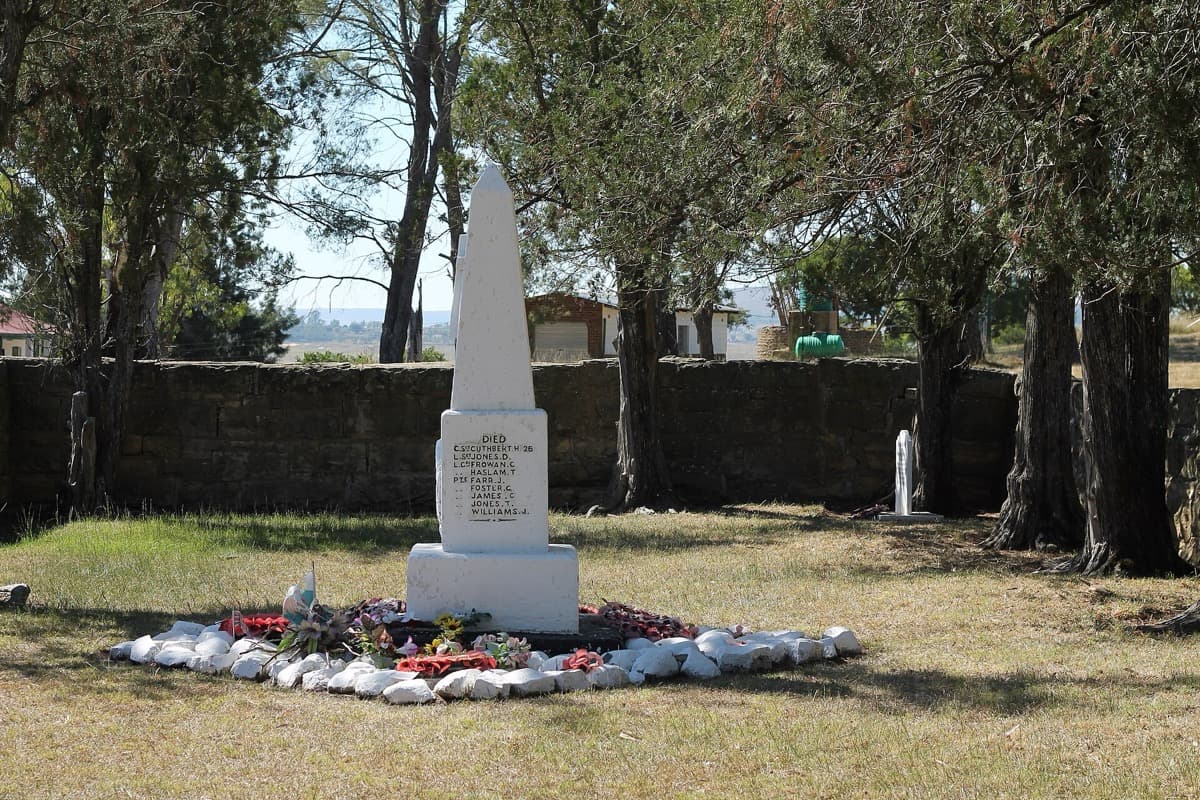
A stone memorial and cross in grass at Rorke’s Drift
The memorial to the fallen British soldiers at Rorke’s Drift, April 2012. Used for the Art Centre as an honest nearby view of the same place. RedNovember82 · CC BY-SA 3.0

Behind the mission: the Amphitheatre, where the film’s depot was recreated. The two are 160 km apart in a straight line.

On the film

Wikipedia says the Rorke’s Drift mission depot was recreated beneath the Amphitheatre in the Drakensberg Mountains.

The film’s British field hospital and supply depot set was built near the Tugela River.

Tugela Falls drops 948 m, according to Wikipedia’s article on the park.

Sources

On the ground

On 22 and 23 January 1879 a mission station and supply post on the Buffalo River, then the border with the Zulu Kingdom, was attacked and defended.

About 150 defenders held it against an estimated 3,000 to 4,000 Zulu warriors. Sources vary on the number.

Wikipedia notes the film’s inaccuracies: the Zulu did not sing a salute, and withdrew when the British relief column approached.

Sources
Viator · Ad / affiliate

Drakensberg Amphitheatre and Tugela Falls tours

Royal Natal National Park

Live marketplace results for guided walks and day trips to the Amphitheatre. Check the route, the length and the season.

Live marketplace results · itineraries change

Compare tours
Viator · Ad / affiliate

Rorke’s Drift and Isandlwana battlefield tours

Zululand battlefields

Live marketplace results for guided days at the two battlefields. Check the guide, the route and whether it starts from Durban or Dundee. Pictured: the Zulu memorial at Rorke’s Drift, 2012.

Live marketplace results · itineraries change

Compare tours

In front of the camera

The people of the area

Zulu extras and others from Zululand stood in front of the camera. Their pay, and where they could see the finished film, are on the record.

The extras

240 Zulu extras were employed for the battle scenes and bused in from homes more than 100 miles away. The second unit filmed about 1,000 more people in Zululand.

The main extras were paid the equivalent of nine shillings a day, the others eight. Wikipedia calls the rumour that they went unpaid under apartheid laws incorrect.

The film was banned for Black audiences in 1964, the government fearing it could incite violence. A few special screenings were allowed for the extras in Durban and smaller KwaZulu towns.

Sources
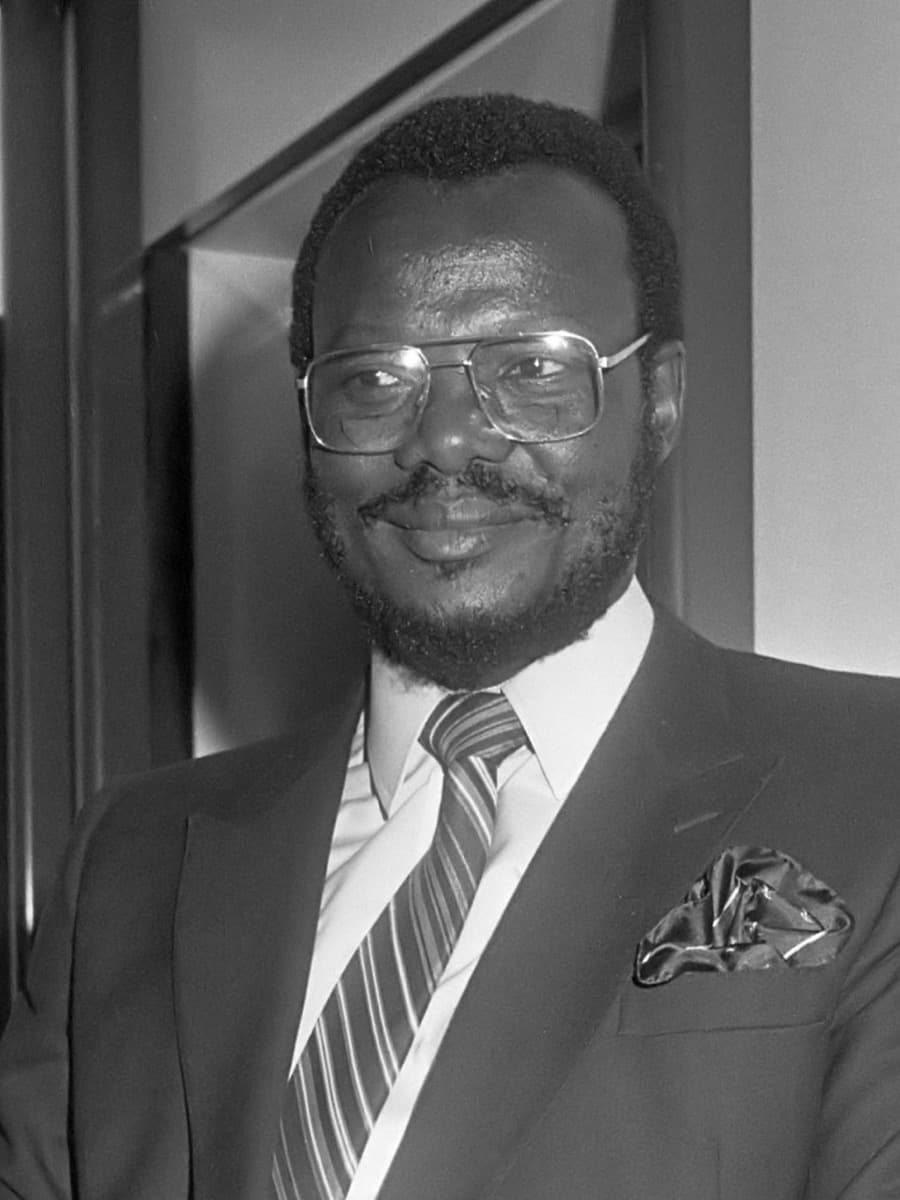
A portrait of an older man in a suit
Mangosuthu Buthelezi in 1983. A later photograph, used because no period portrait with open rights was found; he played Cetshwayo in the film. Rob Bogaerts / Anefo (Nationaal Archief) · CC BY-SA 3.0 NL

A king played by his great-grandson

He played Cetshwayo in the film, recruited as an extra and then asked to take the part because of a family resemblance to his great-grandfather.

Mangosuthu Buthelezi, born at Mahlabathini in 1928, was Cetshwayo’s maternal great-grandson. He died in Ulundi in September 2023, aged 95.

He led the Inkatha Freedom Party from 1975 to 2019 and served as Minister of Home Affairs from 1994 to 2004. Critics called his KwaZulu administration a de facto one-party state.

Sources

Beside the battlefield

The Church of Sweden Mission founded the centre, which began producing weaving in 1965.

Allina Ndebele was its first student and became an internationally recognised artist. Printmakers Azaria Mbatha, John Muafangejo, Dan Rakgoathe and Bongiwe Dhlomo trained or worked at its Fine Art School.

The centre makes tapestries, woven rugs, printed fabrics and stoneware ceramics. Wikipedia calls it the most famous indigenous art centre in South Africa.

A working art centre beside the battlefield. It is not pinned because no map source was checked; confirm opening times before you travel. The photograph shows the battlefield memorial nearby.

Sources
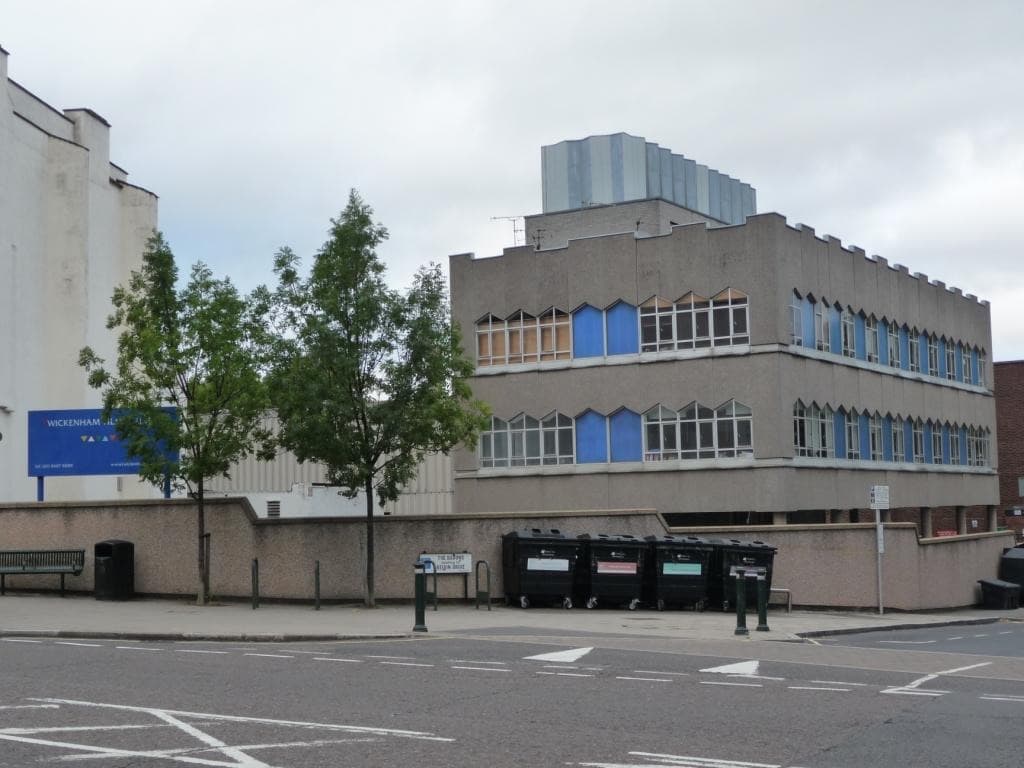
The front of a low brick film studio building
Twickenham Film Studios, August 2010. Christine Johnstone · CC BY-SA 2.0

The studio end

Wikipedia says the film’s interiors, and James Booth’s scenes, were shot at Twickenham Film Studios in Middlesex.

The film was first shown on 22 January 1964, the 85th anniversary of the battle, at the Plaza Theatre in London’s West End.

The studio’s article lists A Hard Day’s Night (1964) and The Italian Job (1969) among its productions. Another registered World: The Italian Job.

Sources

The way out

Go and see the ground

The battlefields have memorials to both sides, and are best seen with a local guide. The art centre is named but not pinned, and Twickenham is a working studio seen from outside.

Sources

Where it is now

6 places you can visit or see from outside, plus an art centre named by its village.

Pins mark public places; private homes are named but not pinned.

  • Approximate area. A protected mountain park in the uKhahlamba Drakensberg World Heritage Site. Check access, fees and weather before you go.

  • Approximate area. Seen from the valley or reached on the long hike to the plateau. Check conditions before you set out.

  1. A long grey basalt cliff wall under a wide sky above green grass
    The Amphitheatre, the rock wall of Royal Natal National Park in the Drakensberg, 2015. Bjørn Christian Tørrissen · CC BY-SA 4.0

    The Drakensberg · Royal Natal National Park, KwaZulu-Natal

    The Amphitheatre

    Royal Natal National Park lies in KwaZulu-Natal. Its Amphitheatre is a rock wall about 5 km long and up to 1,200 m high.

    A protected mountain park in the uKhahlamba Drakensberg World Heritage Site. Check access, fees and weather before you go.

    Sources
    Explore this place →
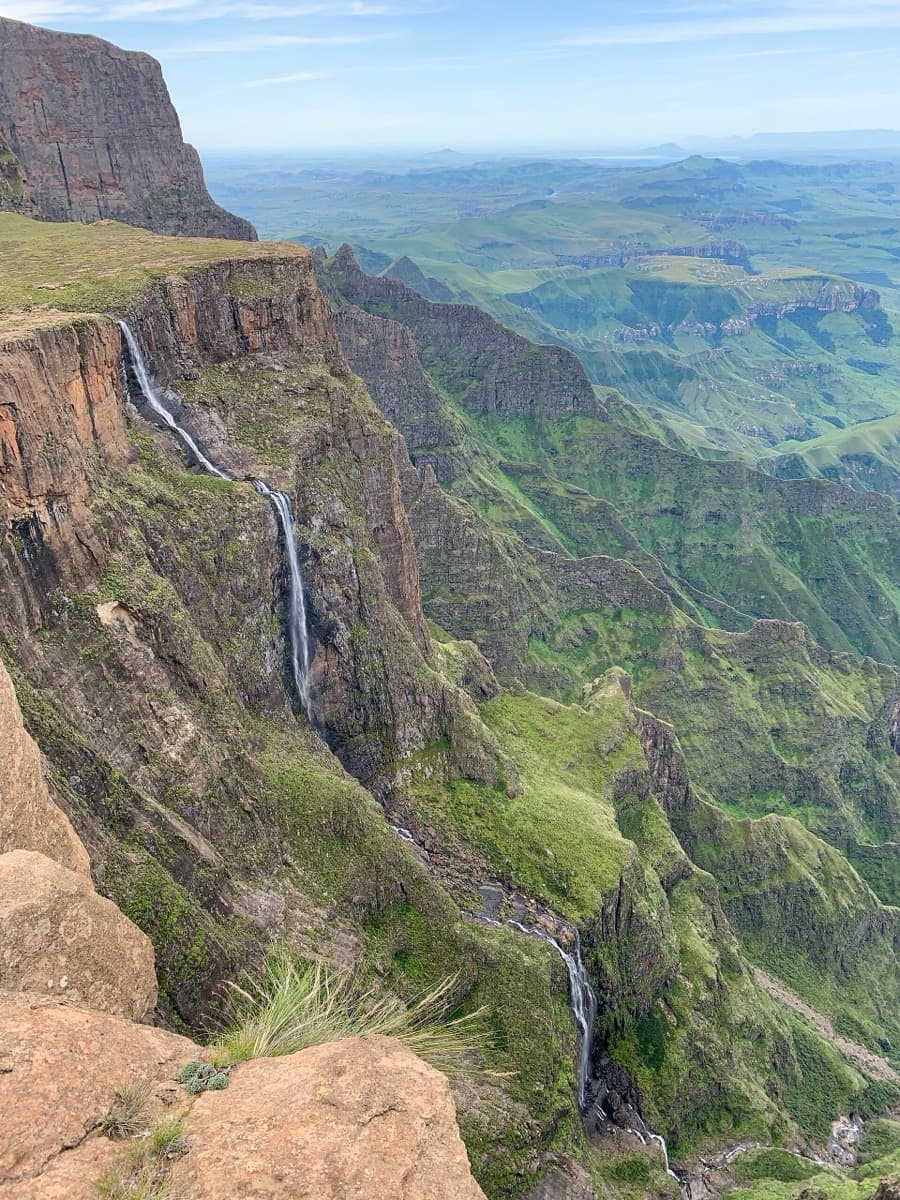
  2. A thin waterfall falling down a tall dark cliff
    Tugela Falls dropping from the edge of the Amphitheatre, February 2020. Juniper339 · CC BY-SA 4.0

    The Drakensberg · Edge of the Amphitheatre, Okhahlamba, KwaZulu-Natal

    Tugela Falls

    Tugela Falls drops 948 m, according to Wikipedia’s article on the park.

    Seen from the valley or reached on the long hike to the plateau. Check conditions before you set out.

    Sources
    Explore this place →

Stay

A bed under the wall.

Book with the conservation authority that looks after the Drakensberg parks.

Ezemvelo KZN Wildlife

Stay in the Drakensberg with Ezemvelo KZN Wildlife

Royal Natal National Park

The KwaZulu-Natal conservation authority takes accommodation bookings on its own site. Search for Royal Natal and check what is open. Pictured: the Amphitheatre, 2015.

See bookings

Dates, prices, rooms and stock change: confirm with the provider before you travel or buy. A stay or tour is described as a filming location only where the card says so.

The archive

Every place and moment behind this page, with sources.

7 of 7 places · 15 of 15 stories

  • Explore this place →
    • The depot beneath the wall

      The Rorke’s Drift mission depot is recreated beneath the Amphitheatre in the Drakensberg.

    • Two hundred and forty extras

      240 Zulu extras are bused in from homes more than 100 miles away; the second unit films about 1,000 more people in Zululand.

    • Nine shillings a day

      The main extras are paid the equivalent of nine shillings a day, the others eight.

    • Banned at home

      The film is banned for Black audiences in South Africa in 1964, with special screenings for the extras.

  • Tugela Falls

    Edge of the Amphitheatre, Okhahlamba, KwaZulu-Natal

    Explore this place →
    • The hospital set

      The British field hospital and supply depot set is built near the Tugela River.

  • Explore this place →
    • The defence of the station

      About 150 defenders hold the mission station against an estimated 3,000 to 4,000 Zulu warriors.

    • What the film changed

      Wikipedia notes the Zulu did not sing a salute, and withdrew when the relief column approached.

  • Explore this place →
    • The loom starts

      The Church of Sweden Mission’s art centre at Rorke’s Drift begins producing weaving in 1965.

  • Isandlwana

    Nquthu, Umzinyathi District, KwaZulu-Natal

    Explore this place →
    • The morning at Isandlwana

      The Zulu army defeats the British camp on 22 January 1879, the same day as Rorke’s Drift.

    • The Zulu memorial

      A memorial on Isandlwana Hill honours the fallen Zulu impi.

  • Explore this place →
    • Ulundi burns

      The Royal Kraal of Ulundi is set on fire after the battle of 4 July 1879.

    • The king in London

      Cetshwayo visits London in 1882 and wins public sympathy.

    • A great-grandson plays the king

      Mangosuthu Buthelezi plays Cetshwayo, his great-grandfather, in the film.

  • Explore this place →
    • Interiors in Middlesex

      The interiors are shot at Twickenham Film Studios.

    • Premiere on the anniversary

      The film is first shown at the Plaza Theatre in London on 22 January 1964, 85 years after the battle.

Once a week

New places near you, once a week.

One story, one place and one thing to do near you. Free, and you can stop any time.

TermsPrivacyCookiesDelete accountAffiliate disclosureLegal